
For expectant and new U.S. parents, buy baby gear for a specific job you need done in the near term, after checking safety and how well it fits your child, home and routine. No single setup works for every family. A product that suits a family that walks everywhere can be a hassle for someone who loads a stroller into a car several times a day. Start with the task and rule out anything not made for it. Then compare specific products in the buying guides.
Which baby gear category solves your next problem?
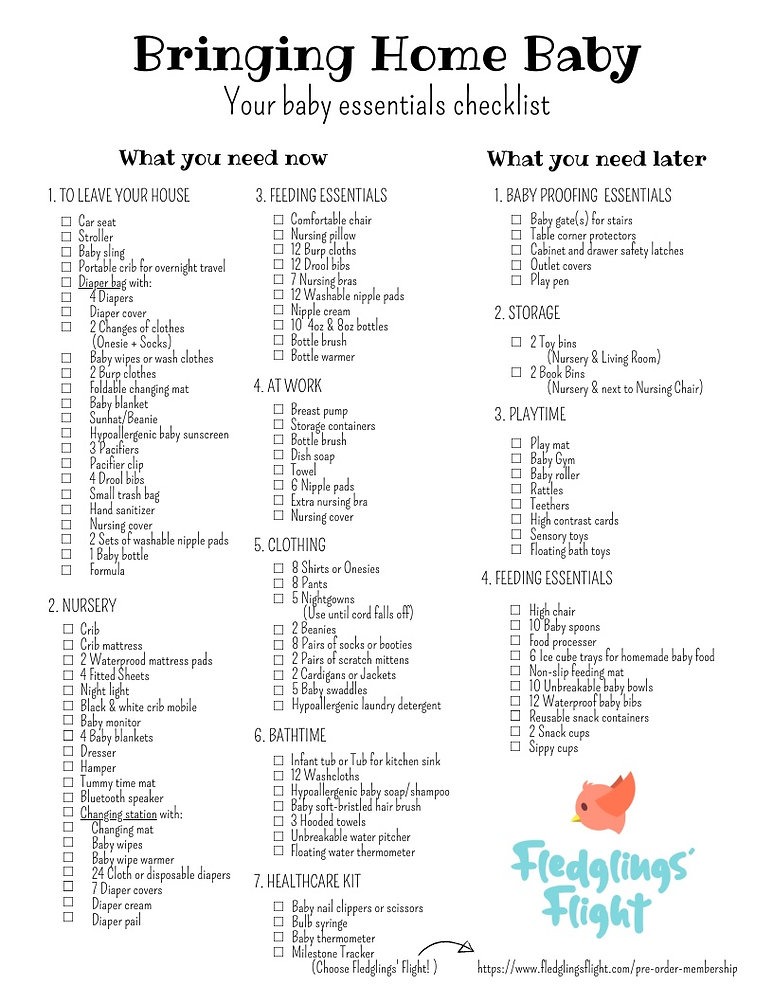
Start with a situation: taking a newborn home in the car, setting up a sleep space, changing diapers on an outing. Each one points to a different category with its own requirements. Monitors, including the Wi-Fi question, are covered in Baby Monitors Compared: Audio, Video, Wi-Fi and Hybrid. Changing supplies and travel storage are in How to Choose and Pack a Diaper Bag.
| What you need to do | Equipment to consider | What determines the choice |
|---|---|---|
| Travel by car | Rear-facing child restraint | Child size, vehicle fit, installation and manufacturer limits |
| Travel on foot | Stroller or baby carrier | Route, caregiver fit, portability and storage |
| Provide an infant sleep space | Suitable crib, bassinet or play yard | Intended sleep use, applicable safety requirements and available space |
| Handle feeding and daily care | Bottles, breast pump where relevant, diaper bag or bath equipment | Feeding circumstances, usual outings and practical handling |
| Support supervised awake play | Suitable play equipment or bouncer | Intended use, child stage and supervision |
| Prepare for later feeding stages | High chair and related feeding equipment | Developmental readiness and actual feeding needs |
Each item has one main job. The car seat restrains your child in a vehicle, the stroller carries you through an outing, and a crib or bassinet gives your baby a place to sleep. Crib mattresses, bassinet limits and sleep surfaces are covered in Crib versus Bassinet: Which One Do You Need.
A high chair can wait until your baby is ready for solids. For feeding, sleep and developmental milestones, read Baby Care Guide: What Matters Now, From Newborn to Age 2.
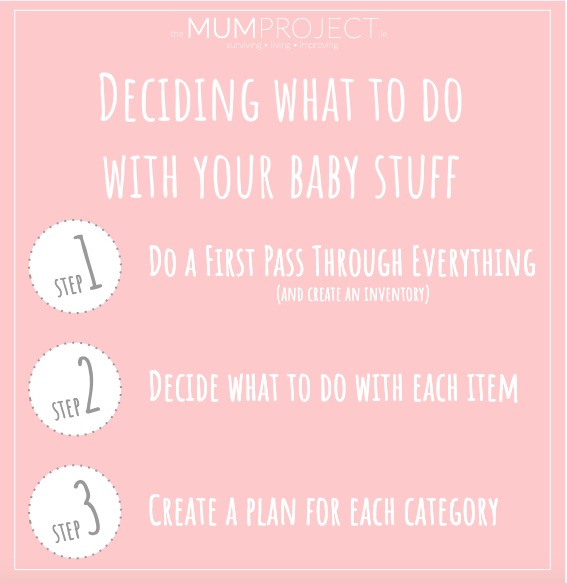
Once you know the category, its own fit and safety criteria drive the comparison. A registry or newborn checklist can organize the purchases after that.
Let your daily routine narrow the options
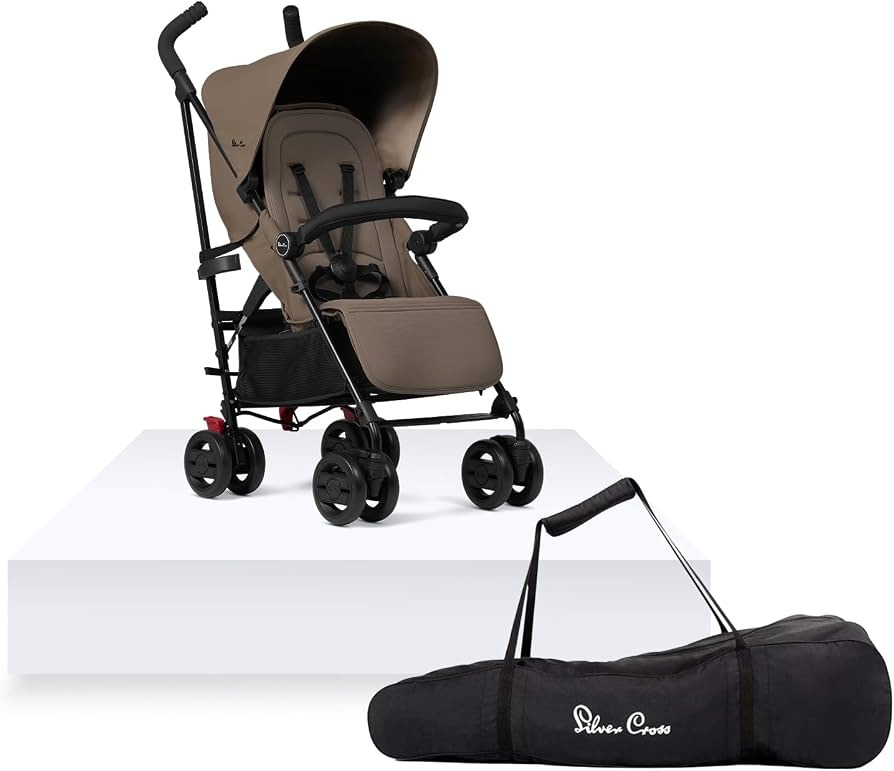
A stroller that feels great on long walks becomes a chore when you fold it and lift it into a car several times a day.
Picture a family that drives to appointments, the grocery store and daycare. Its stroller spends most of its time folded and carried between the car and the sidewalk. In another family, the stroller goes on a long walk every day and stays unfolded between outings.
If you load the stroller into the car often, fold size, weight and trunk space decide the choice. On a walk-heavy route, handling comfort and room for supplies count for more. Stairs add another limit, because you carry the stroller up them.
After three months, one parent found that the UPPAbaby Cruz V2 was awkward for the journeys they actually made:
1. Uppababy Cruz v2: That’s like a Cadillac Escalade but all I needed was a Mini cooper! Seriously, that stroller is heavy and big. Still not as big as Vista but definitely an overkill for my use case and I’d argue for most suburban parents. It doesn’t even fit easily in my trunk! Do over: Minu or Nuna Trvl Lx
A family that takes long walks from home might be happy with the same stroller.
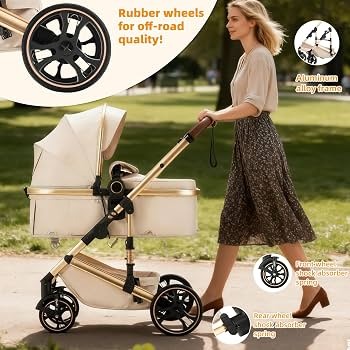
A stroller one adult lifts easily can be hard for another. A garage, a hallway and an upstairs apartment each set a different storage routine.
Trace your most frequent trip: where the stroller starts, who lifts it, when it must fold and where it ends up. Use that to break a tie between models with similar features.
Make intended use and infant safety the first hard filter
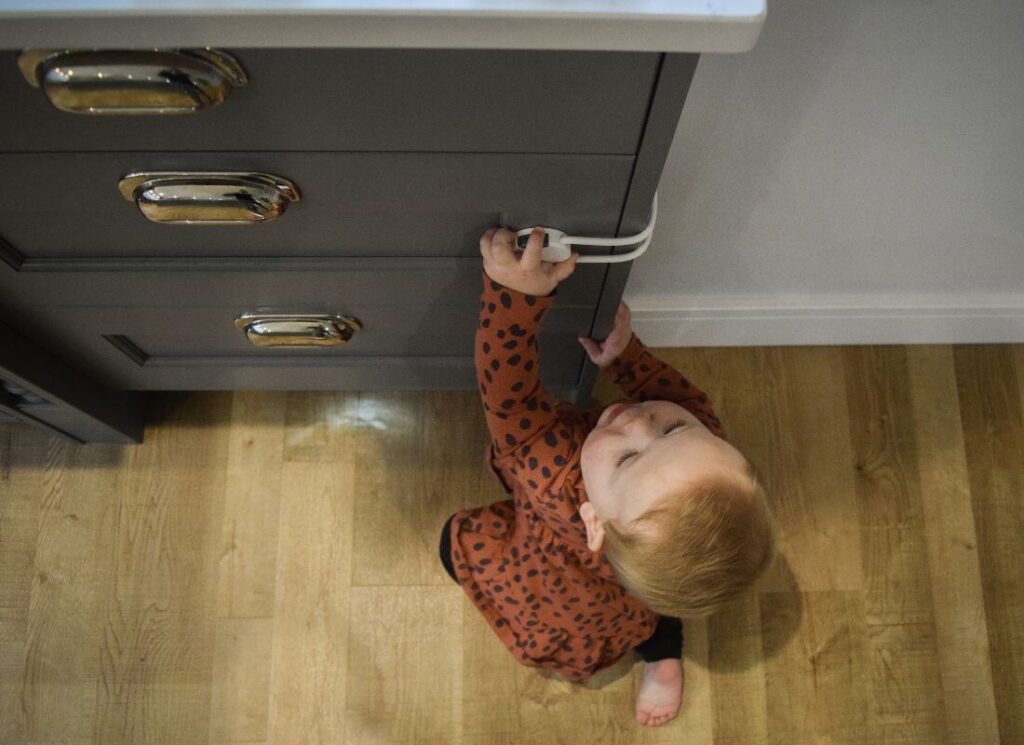
First ask whether the product is made for the job. This matters most when a soothing or play device looks as comfortable as a bed.
The American Academy of Pediatrics says infants need a firm, flat surface to sleep. Swings, bouncers, rockers and similar soothing devices are not substitutes for it. See the AAP guidance on inclined sleepers and other baby products.
| Product or setting | Intended function | Important boundary |
|---|---|---|
| Suitable crib, bassinet or play yard | Infant sleep | Must meet applicable requirements and be used according to its instructions |
| Bouncer, swing or rocker | Soothing or supervised awake activity | Never an infant sleep surface |
| Car seat installed in a vehicle | Child restraint during travel | Does not replace a sleep space outside the vehicle |
| Older or secondhand infant sleep product | Depends on its original product class | Age, condition, recalls and applicable restrictions can rule it out |
If your baby falls asleep in a bouncer, move them to a firm, flat sleep surface. The same goes after a drive: a correctly installed car seat is for vehicle travel, so move a sleeping infant to a firm, flat sleep surface as soon as possible once you arrive. For car seat fit, rear-facing limits and vehicle installation, see How to Choose a Baby Car Seat That Fits Your Newborn and Your Car.

U.S. restrictions under the Safe Sleep for Babies Act took effect on November 12, 2022 for infant inclined sleepers and crib bumpers. The law names particular product classes, and a reclining feature alone does not place a product in one.
The label tells you a product’s intended use. A model-specific recall can change what you must do with an item already at home. The CPSC recall database lists the affected-product identifiers and the official remedies. Look up the exact model, not just the brand.
Match a car seat, stroller and adapter as one travel setup
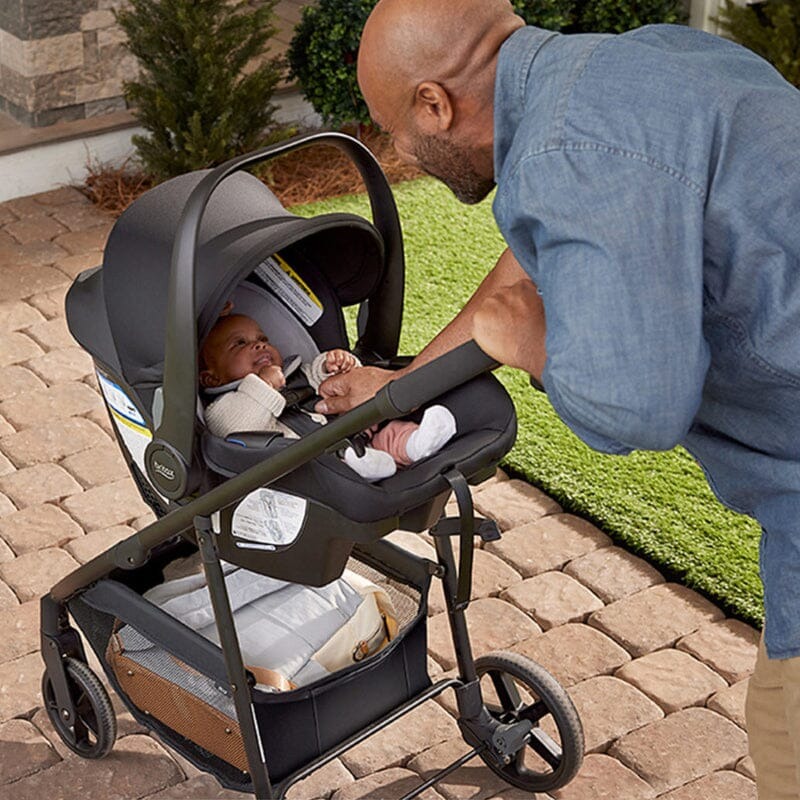
An infant car seat, stroller and adapter can form a convenient travel system, but compatibility has several separate parts, and each connection must suit your child and the specific products. To compare stroller frames, infant seats and adapters, use Travel System versus Separate Stroller and Car Seat: Which Fits Your Family.
Under NHTSA car-seat guidance, seat type, your child’s size, manufacturer limits and correct installation all matter, and the seating position must follow the vehicle’s instructions. Settle these five connections before you treat a set of products as one travel system:
- Child and seat: Check that the seat fits your child’s size within the manufacturer’s limits.
- Vehicle: Match the seat’s permitted installation method and seating position to your vehicle manual.
- Stroller: Identify the exact stroller model and generation. An infant-only car seat can connect to an approved stroller setup, while a convertible seat suits a different arrangement.
- Adapter: Match the part or model number to the manufacturer’s approved seat-and-stroller combinations. A familiar brand name or a “universal” label is not enough.
- Connector status: Check whether the adapter’s exact identifier appears in a recall notice.
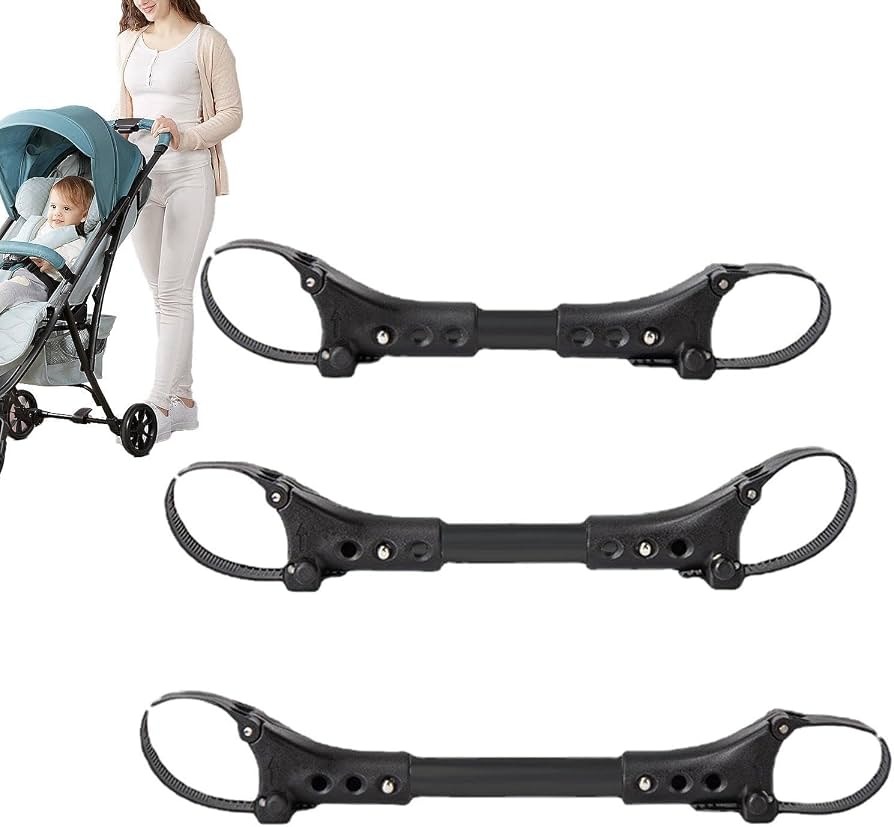
On June 18, 2026, CPSC announced recall 26-568 for about 3,840 Joolz Aer2 car-seat adapters in the United States; an attachment failure could allow a car seat to fall, while the stroller itself was not recalled. Owners of affected adapters should stop using them immediately, detach them from the stroller and follow the official notice to obtain a full refund.
The CPSC recall notice identifies affected adapter product numbers beginning NL311. The agency reported one detachment and no injuries when it announced the recall.
Keep the seat, stroller-generation and adapter identifiers together with the matching manufacturer instructions. If you can’t confirm the combination, use a different approved configuration.
Test the footprint and ergonomics before paying
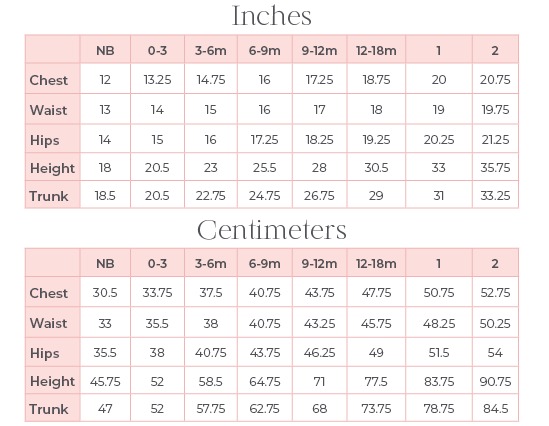
For a stroller, check the folded dimensions, the trunk opening and where it will be stored. A stroller can fit in the cargo area and still be awkward to maneuver through the opening. Weight feels different when you lift it again and again, sometimes while another adult holds the baby. For recline, folded size and daily terrain, read How to Choose a Stroller for a Newborn.
Sleep equipment raises different space questions. A bassinet’s base can extend well past the sleeping area, and its position beside your bed decides how easily you reach the baby and move around the room.
One parent described why a highly recommended Halo swivel bassinet disappointed them:
Hi all, I loved reading these type of posts when I was pregnant and now that baby is 4 months old I wanted to share some purchase regrets. Hope this is helpful! Halo swivel bassinet we had issues keeping it level, it was surprisingly hard to get the baby in and out of it, the base took up a ton of room, and baby did not sleep well in it. The Halo came so highly recommended from friends that I was surprised how much I hated it.
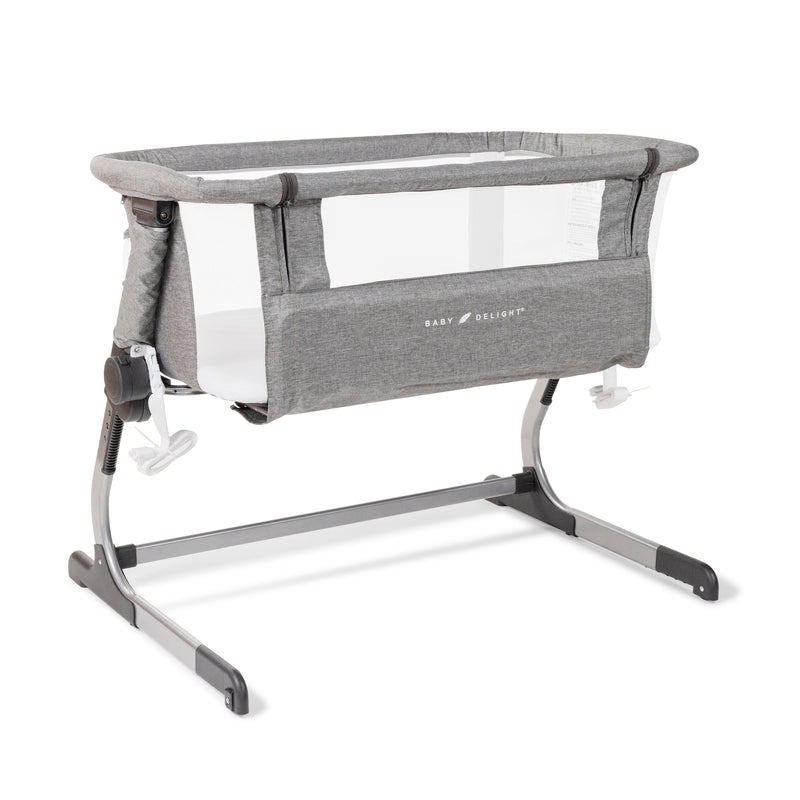
Before paying for large gear, compare the manufacturer’s dimensions with your actual trunk opening, doorway, storage spot or bedside space. Where you can, practice the move you will repeat: folding the stroller, lifting it into the car, reaching into the bassinet, carrying it between rooms. A box that fits the available width can still be hard to carry into that space.
Weigh long-term versatility against everyday convenience
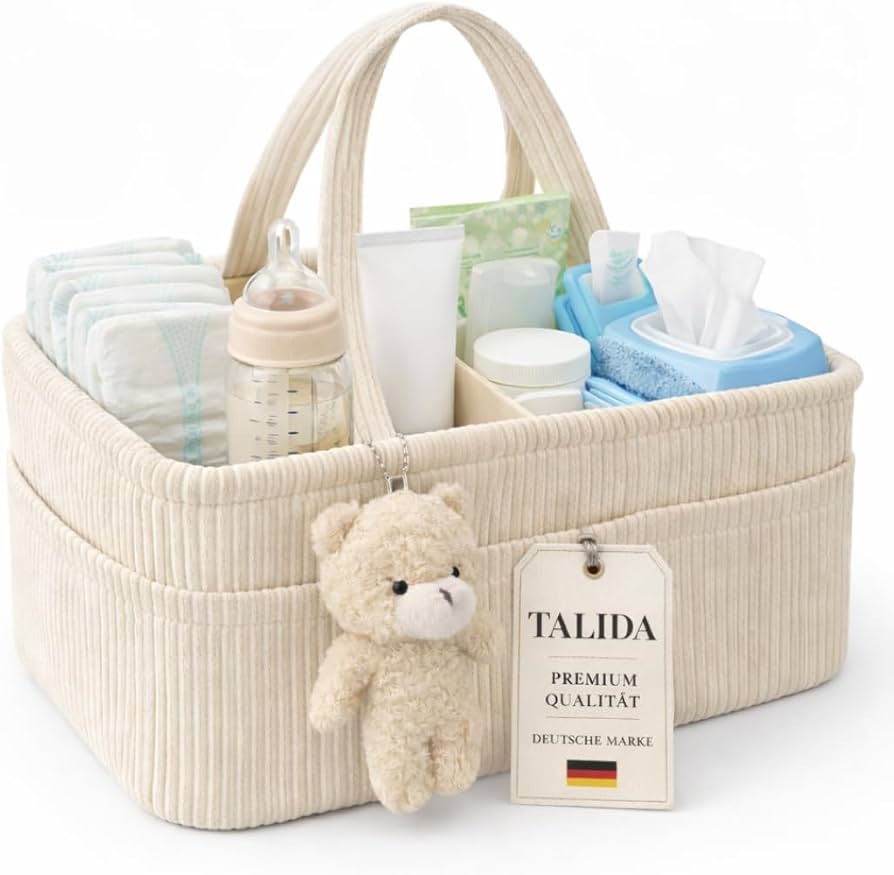
Gear that grows with your child is a good investment when you will use the extra configurations. It loses its appeal if every routine task needs more assembly, adjustment or carrying. For carrier types, infant positioning and fit, see How to Choose a Baby Carrier That Fits You and Your Baby.
A multipurpose stroller offers several seating configurations, while a compact travel setup cuts the handling on frequent car trips.
Weigh these trade-offs:
- Versatility: Extra configurations extend a product’s life, but only if your family uses them.
- Convenience: Fewer handling steps matter on frequent trips, where you fold, carry or reassemble the gear each time.
- Daily comfort: A supportive chair or an easy-to-clean accessory can be worth more to you than an occasional premium feature.
This account compares a favorite splurge with a modest secondhand find:
Being on the other side of the newborn trenches, I thought it might be fun to compare notes while obviously knowing every baby and family is different. For me personally: Worth-it splurge: A fancy nursery glider. Didn’t realize how much I relied on it until we went away for a week with out it. I thought it would be no big deal, but my back was killing me by day 2 of putting baby down for sleep. Best Bang for Buck: Tie between the used Baby Bjorn we got for $50 on Facebook Marketplace (it was a lifesaver during his peak reflux and 4 months in my bub still LIVES in this during his waking hours) and Carter’s Little planet two-way zippy pjs.
In that account, the bouncer was used during waking hours.
A configuration that serves several stages can justify its cost when the conversions are simple and frequent. For a short daily trip, a simpler setup keeps the work manageable.
For the two options you’re considering, compare the full sequence: getting the gear ready, moving it, adjusting it and putting it away. Then weigh that effort against the configurations you expect to use.
Decide what to buy now, defer, or leave off the registry
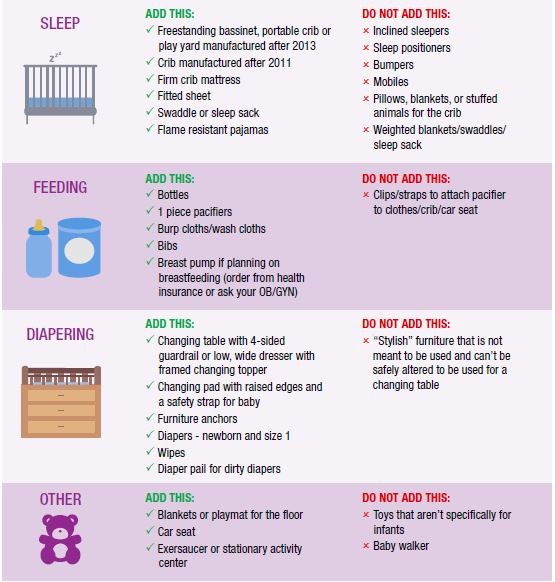
Sort registry purchases by when you will need them.
| Purchase timing | Decision rule | Examples |
|---|---|---|
| Need for the current stage | The item serves an identified, immediate purpose | Car seat for planned vehicle travel; infant sleep space |
| Can wait until the need appears | The purpose is plausible, but you haven’t yet settled your requirements | Later-stage high chair, additional stroller configuration, specialized feeding accessories |
| Optional or unsuitable | No clear task justifies the purchase, or the product fails a relevant requirement | Duplicate convenience gadgets, unnecessary upgrades, equipment excluded by a safety restriction |
Your situation can move an item between rows. If you regularly walk long distances, you may need a stroller early. Another family might start with a carrier for particular outings, depending on child and caregiver fit. Feeding supplies depend on how you feed your baby.
Reviews will keep reshuffling the top spot. Stop when the category has a defined purpose, the safety conditions are met and the practical fit is acceptable. Read another review only if it reveals a material difference, such as a new incompatibility or a feature you will use regularly.
Treat secondhand gear as a category-specific decision
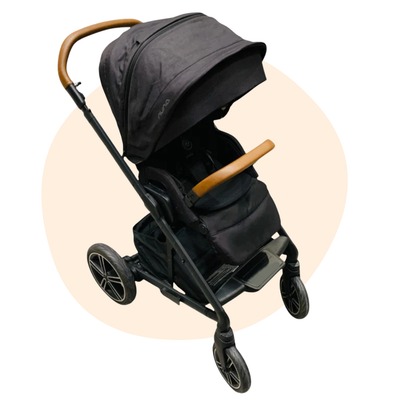
Secondhand gear can cut your spending, but what you need to check depends on the product.
A washable everyday accessory is a different decision from a car seat with an unknown crash history. Infant sleep products call for a look at their intended purpose, applicable standards and restrictions on older designs. Used high chairs have their own checks in How to Choose a High Chair: Fit, Safety, Cleaning, and Cost.
The American Academy of Pediatrics cautions against car seats with unknown history. Before considering one, get the model and manufacture date, the instructions, the manufacturer limits, a look at its condition and credible information about crash history. Product history, model number and recall status are covered in Used Baby Gear: What to Check Before Buying.
Pacifier design, cleaning and age guidance are in How to Choose, Clean and Use a Baby Pacifier Safely.
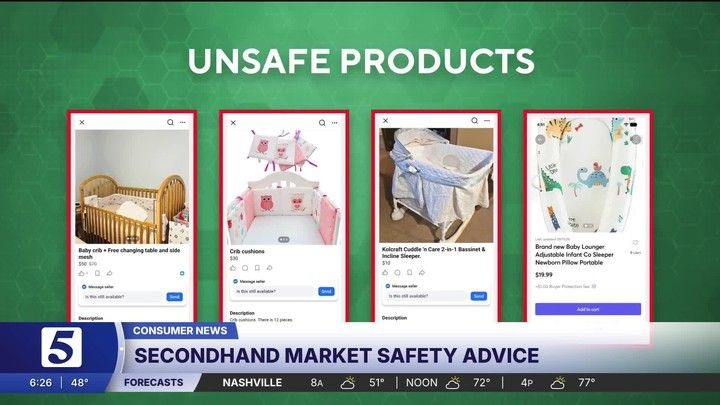
For a secondhand purchase, check what applies to that product:
- Identity: Get the manufacturer, model, identifying labels and manufacture date where they apply. Product names can stay similar across versions with different components.
- History: Find out the item’s ownership and use history, especially crash history for a car seat.
- Condition: Look for missing parts, damage and alterations, using the original instructions to see what should be there.
- Restrictions: Older sleep products can be affected by restrictions introduced after their original sale, so product class and age matter.
- Suitability: Confirm the item still fits its purpose and your child’s needs.
A secondhand stroller whose identity, condition and parts you can confirm can save you real money. Reject a used infant car seat with unknown history, even one from a friend, however clean it looks and however low the price.
Use the specialist guide that matches the next decision
Pick your next category, then follow its specialist buying guide to verify the exact model. For transport gear, start with the car-seat and stroller compatibility questions; for sleep furniture, use the infant sleep safety criteria; for used gear, run the secondhand checks first.