
Start with a rear-facing car seat that fits your newborn and installs correctly in your car. Pick an infant-only carrier if moving a detachable seat between the car, stroller and other places makes your days easier. Pick a newborn-compatible convertible if you’d rather leave the seat installed and have another way to handle outings. If the seat doesn’t fit your baby or your car, choose a different one.
Infant-only or convertible: which should you start with?

Both types work from birth. An infant-only seat, often called a bucket seat, is a rear-facing carrier you lift out of the car with the baby still buckled in. A newborn-compatible convertible stays installed and keeps working through later stages, up to its stated limits.
If you drive to errands or use an approved car-seat stroller combination, the detachable carrier is worth buying. If you prefer babywearing or a separate newborn-suitable stroller, lifting the whole seat out of the car gets you little.
The National Highway Traffic Safety Administration and the American Academy of Pediatrics recognize both types as options for a properly fitted newborn. Consumer Reports separately recommends starting with an infant-only carrier.
Can a convertible car seat fit a newborn?
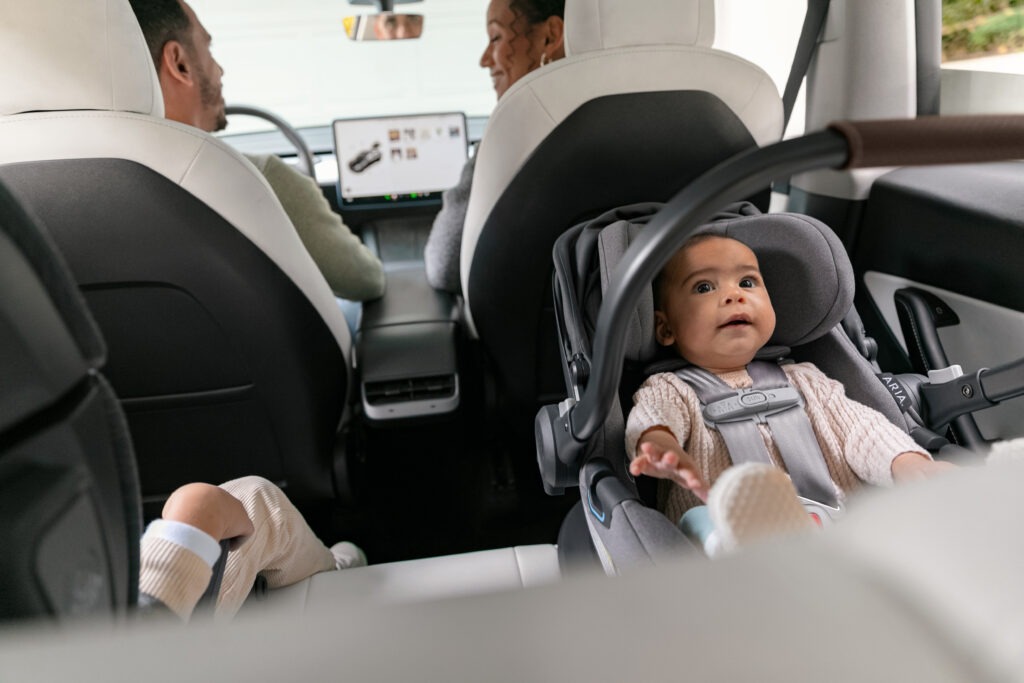
Yes, if the seat fits your baby’s size and lets you set the harness and recline correctly in your car. The advertised minimum weight is only the first condition. The harness and recline settings have to fit the child too.
- Shoulder straps: For rear-facing use, the harness straps come out at or below your baby’s shoulders and lie flat. Once tightened, the harness passes the shoulder pinch test with no slack.
- Chest clip and buckle: The chest clip sits at armpit level, and the buckle and harness must fit your child as the seat instructions describe.
- Recline: Use the manufacturer-approved newborn recline setting. Your car has to allow that installation without compromising correct use.
- Inserts and support: Use manufacturer-supplied or specifically approved inserts as directed. Never put unapproved padding under or behind the child. AAP guidance allows tightly rolled receiving blankets at the sides of a slouching infant in a limited situation. That is different from aftermarket positioning products.
- Space: The rear-facing recline can cut into passenger room in a smaller car.
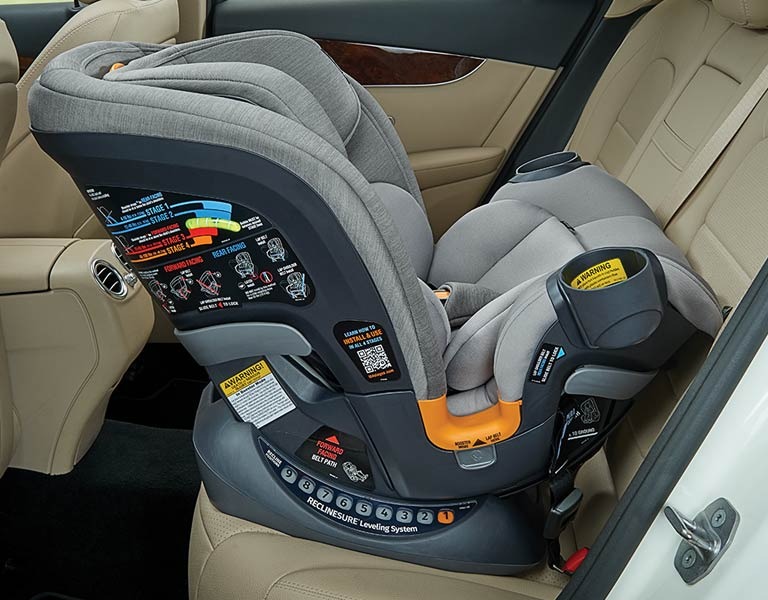
Picture a 7-pound newborn and a convertible advertised for babies of 5 pounds or more. If the lowest harness position sits above this baby’s shoulders, the seat fails the rear-facing harness check for that child. For help sorting out car seats, strollers and baby carriers, see Baby Gear: How to Choose What You Need.
Small or preterm newborns: AAP guidance calls for hospital screening of preterm babies to assess travel in a semi-reclined car seat. Some infants who must travel lying flat need an appropriate car bed after clinical assessment. The hospital or clinician makes that call. You can’t solve it by modifying a seat at home.
How infant-only and convertible car seats differ
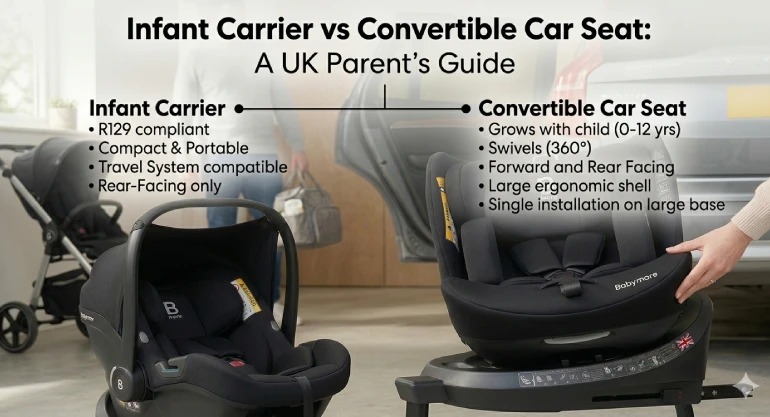
The everyday difference is the removable carrier. It changes how you handle transfers, stroller use and how many pieces you buy.
| Feature | Infant-only car seat | Newborn-compatible convertible |
|---|---|---|
| Newborn use | Rear-facing | Rear-facing |
| Portability | Carrier detaches | Stays installed |
| Base arrangement | Many use compatible bases; some permit approved baseless use | Installed as one seat |
| Stroller use | Some attach to approved strollers or adapters | Baby moves to another newborn-suitable transport option |
| Later use | Another seat is needed once the baby outgrows it | Covers later stages within model limits |
| Vehicle changes | Carrier moves between suitable installations | A dedicated seat in each car simplifies regular use |
| Purchase path | Carrier, possible bases and later seat | Convertible, plus outing equipment as needed |
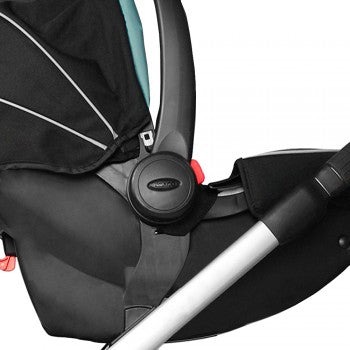
A stroller connection must be approved for the exact infant seat and adapter combination. A brand match or a connector that looks like it fits doesn’t confirm compatibility. Some infant-only seats also install with the vehicle seat belt and no detachable base, following their model-specific instructions. That can cut the cost of a second car’s setup, but don’t assume it for every carrier.
If you’re deciding between a bundle and separate pieces, see travel systems versus separate stroller and car seat purchases.
When a removable carrier helps and when it becomes a burden
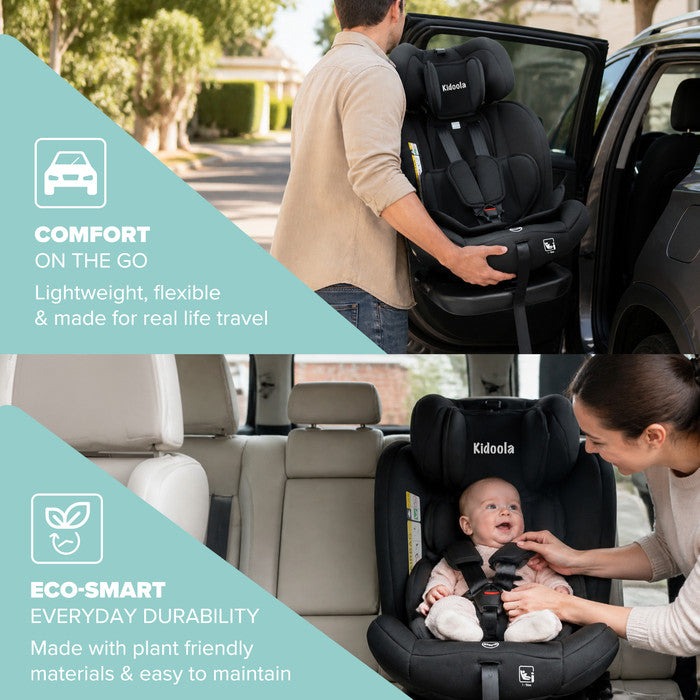
A detachable carrier helps when you regularly move a baby between the car and a compatible stroller or an indoor destination. With an approved travel-system combination, you lift the carrier out of the car and click it onto the stroller without unbuckling the baby.
As the baby grows, the combined weight of child and carrier makes stairs, long parking-lot walks and awkward doorways tiring. If you prefer babywearing, leaving a convertible installed and moving the baby into an appropriate carrier for walking is easier.
Weather and parking change the math. If you park outside in winter, buckling the baby in indoors and then carrying the seat to the car can appeal. With an attached garage or short transfers, that feature matters less. Clothing and harness use still follow the seat instructions.
Walk through a typical outing from the front door to the destination and back, counting parking, stairs, stroller setup and any other children. That test shows whether the removable carrier improves your routine. The newborn stroller selection guide covers the non-car-seat side of the trip.
One car, two cars and daycare handoffs
With two drivers, what matters is where the seat actually is when someone collects the baby. A compatible base in a second car only helps if the matching carrier is available to that driver.
One expectant parent found out daycare had nowhere to keep the infant carrier between drop-off and pickup:
We’re expecting our second and with my first I skipped the infant car seat and went straight for convertible. With the second I thought maybe I’d do an infant seat this time only because I could buckle baby inside and just click her straight into the car and then buckle my son (3yo when she gets here) rather than buckle baby into the convertible while son waits. But I just found out daycare doesn’t have anywhere to hold the car seat during the day which is a problem for us because I do drop off and my husband does pick up. So we’d need two infant car seats. So now I’m wondering if it even will provide any benefit at this point. I’m sort of leaning toward just going straight to a convertible at this point. Wanted to ask parents of multiples if they did a convertible straight away with their second and did they regret it?
| Household setup | How it works | Key constraint |
|---|---|---|
| One carrier, two compatible installations | The infant carrier moves between vehicles | The pickup driver needs the carrier; a base alone isn’t enough |
| Separate installed restraints | Each car has its own seat | Extra seat to buy |
| Carrier in one car, convertible in the other | Each driver uses a different seat type | Different equipment, plus possible later purchases |
Map each day’s drop-off and pickup: who drives which car, where the carrier stays, and whether the childcare provider lets it stay on the premises.
Twins, small newborns and stroller planning
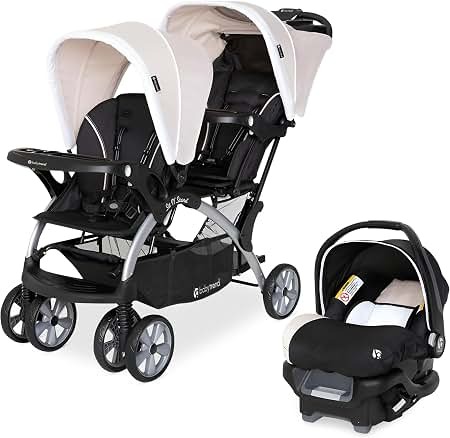
Twins complicate the handling side. Each baby needs a seat, and you need a workable way to move both from the car to the stroller and back.
A parent expecting twins laid out the cost and carrying problem before buying anything:
Anyone skip the infant car seat and go straight to a convertible car seat? I’m 12 weeks pregnant with twins (first pregnancy) and I’m just starting my research into baby gear. I was looking at convertible car seats and saw they’re technically infant compatible, and since I already have to buy two car seats from the beginning I’m wondering if it just makes more sense to go straight to the convertible ones since they’ll be in those for longer. But I’m worried that if I do that I’m not sure what I’ll do for carrying the babies to the car, and then I’d have to think about what to do for putting them in the stroller. Any advice or thoughts? Should I just accept that I have to buy four car seats? I’m looking at Nuna for both types of car seats right now, so I think at the very least I’d only need one car seat base for both infant and convertible. Do I sound crazy/uninformed?
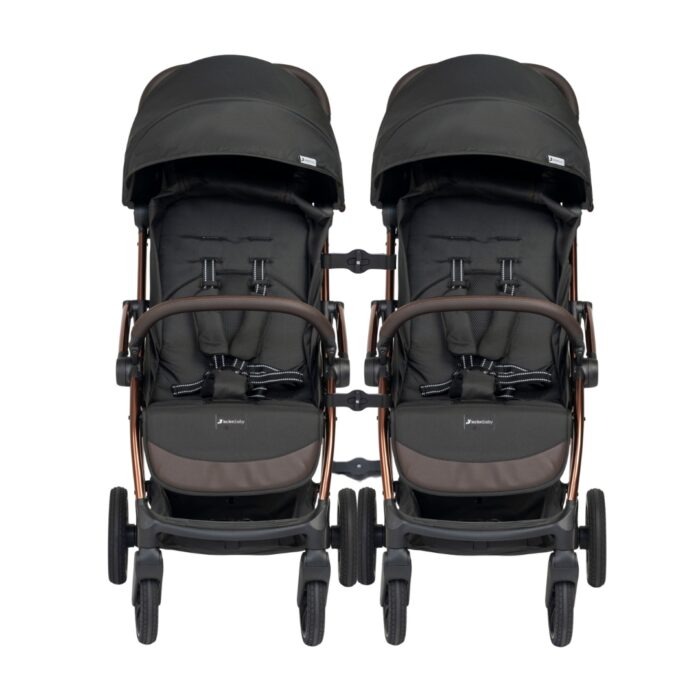
With two convertibles, you take each baby out of the installed seat and place them in newborn-suitable equipment for walking. With two infant carriers, an approved double-stroller setup can take the carriers, but both carrier connections and the stroller’s intended configurations matter.
The parent mentions Nuna and asks whether one infant-seat base could also serve a convertible. Seats from the same manufacturer aren’t automatically interchangeable. Only the model instructions say which base goes with which seat.
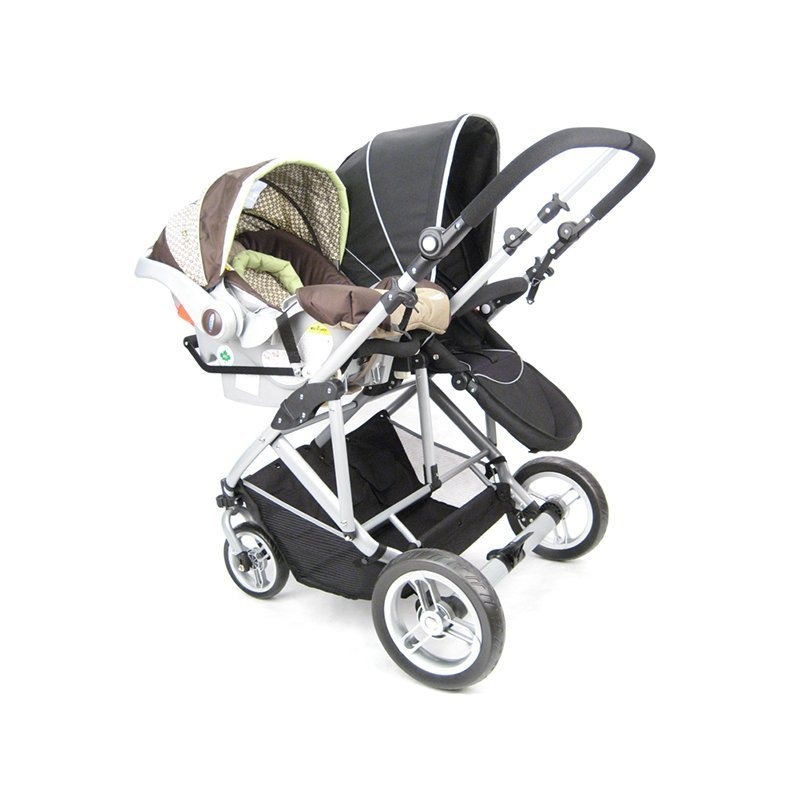
Plan the two-child transfer sequence, including whether one adult can manage the proposed stroller and seats.
What each seat path costs over time
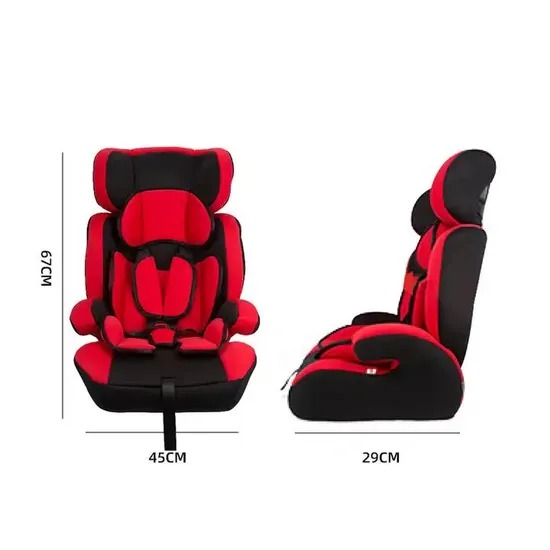
The cheapest first seat doesn’t always give the lowest total for a family with several cars and a stroller. Compare the equipment you’d buy for each complete setup. Carrier-first means an infant-only seat, any needed bases or adapters, and a later seat. Convertible-first means a newborn-compatible convertible plus any additional seat or newborn transport gear. A mixed setup puts an infant carrier in one car and a convertible in another, with later purchases if required.
| Expense to calculate | Carrier-first | Convertible-first | Mixed setup |
|---|---|---|---|
| First restraint purchases | $_____ | $_____ | $_____ |
| Additional seat for another vehicle | $_____ | $_____ | $_____ |
| Compatible bases or installation equipment | $_____ | $_____ | $_____ |
| Approved stroller adapters or newborn transport gear | $_____ | $_____ | $_____ |
| Later restraint purchases | $_____ | $_____ | $_____ |
| Household total | $_____ | $_____ | $_____ |
Enter the prices of the exact models and accessories you plan to buy. Skip items you won’t need, count each purchase once, and include the replacement seat for when your child outgrows the first. Then compare the totals.
When your baby falls asleep in the car

A removable carrier makes a short transfer easier when your baby falls asleep on a drive. The American Academy of Pediatrics’ infant sleep guidance separates travel from routine sleep outside the car, though. Once you arrive, move a sleeping baby to a firm, flat sleep surface as soon as you can. Don’t treat the occupied carrier as a place for an extended nap, and set up a suitable sleep space at your destination.
When an infant-only seat is outgrown and rear-facing continues
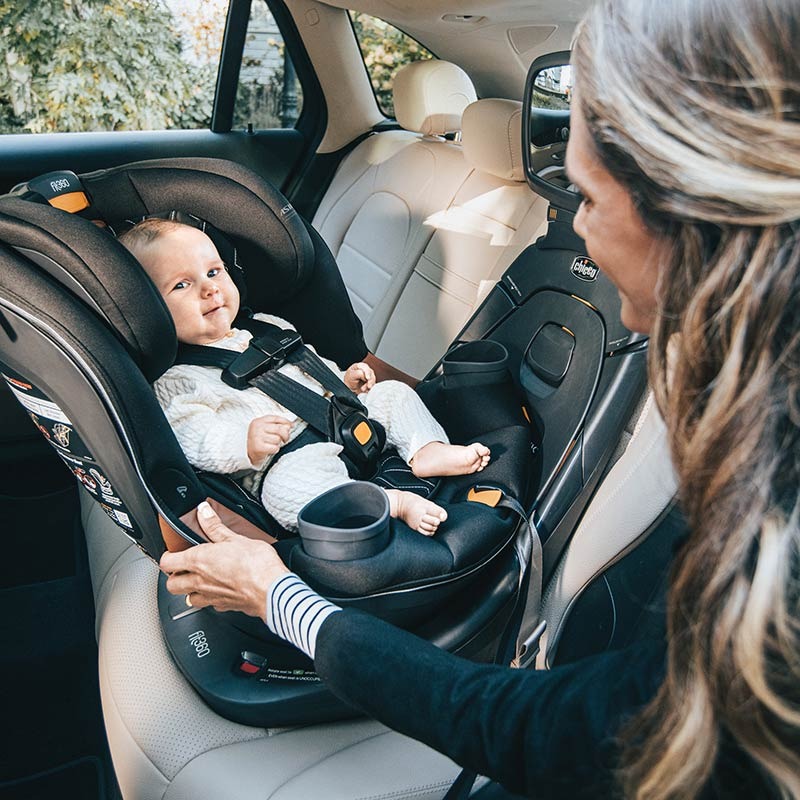
When to leave an infant-only seat depends on the limits that seat specifies, including height and weight. Some models also require a set clearance between your baby’s head and the top of the shell. Use the manufacturer’s numbers for your model. No universal age or head-clearance measurement applies.
Moving to a convertible doesn’t mean turning the child forward-facing. NHTSA and the AAP advise riding rear-facing as long as the child fits within the seat’s rear-facing limits. A convertible’s forward-facing mode is for a later stage.
How to check your choice before the first ride
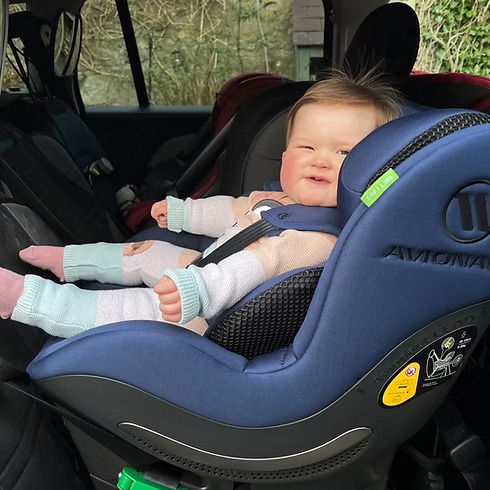
The car-seat manual and your vehicle owner’s manual together set the permitted seating position and installation method.
- Identify the seat: Record the manufacturer and exact model, then get its instructions and use limits.
- Choose the vehicle position: Read the vehicle manual. Never place a rear-facing seat in front of an active frontal passenger airbag.
- Confirm newborn fit: Run the harness, buckle, recline and support checks above.
- Test the installation: Follow both manuals and use an installation method they authorize. At the belt path, the installed seat should move no more than one inch side to side or front to back, and the recline must be correct.
- Verify equipment compatibility: Match any base, stroller or adapter to the exact approved seat configuration.
- Check recalls: Use the NHTSA recall lookup with the seat’s identifying information. If the seat is recalled, complete the manufacturer’s remedy before using it.
- Assess a used seat: Require a known history, no moderate or severe crash, no visible cracks or damage, identifying labels, all required parts and instructions, and remaining service life under the manufacturer’s limits. Follow the manufacturer’s instructions on replacement after any crash, including a minor one.
- Get help with fit or installation: If you’re unsure about the setup, use NHTSA’s Right Seat resource or a trained child passenger safety technician.
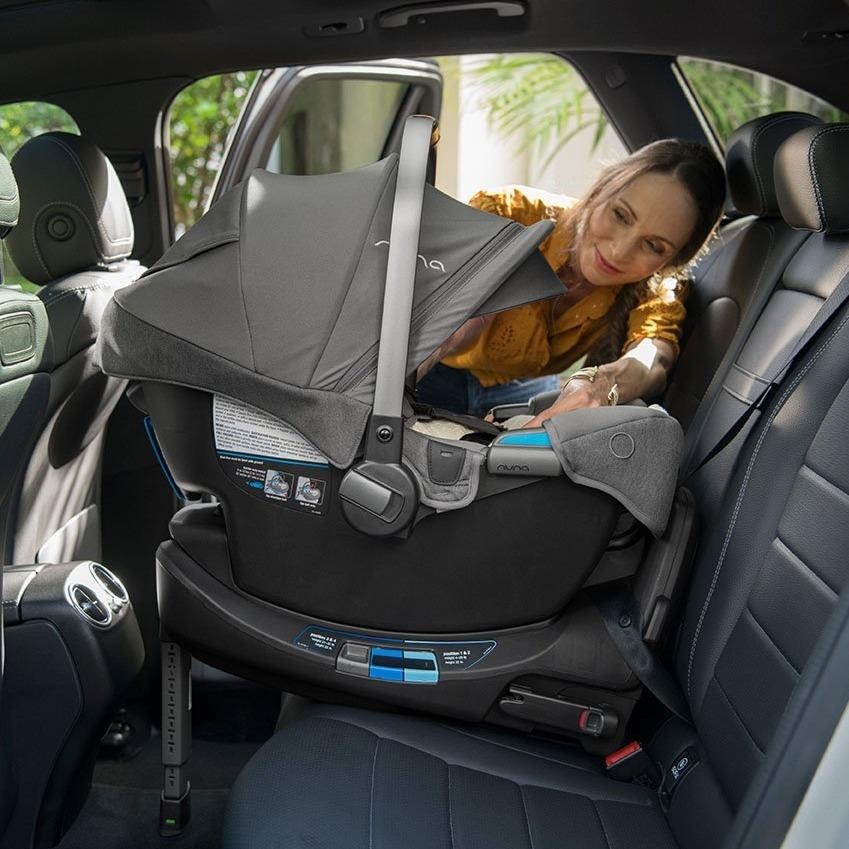
The rear-facing installation guide covers the full installation procedure. The baby-product recall guide shows how to investigate recalled equipment.
To compare car seat fit, rear-facing limits and vehicle installation, use How to Choose a Baby Car Seat That Fits Your Newborn and Your Car.