
Choose a rear-facing infant carrier if you’ll use its removable convenience and it fits your baby, your car, and everyone who drives. Otherwise, a newborn-approved rear-facing convertible makes the better first purchase. If a seat can’t be installed and harnessed correctly in your actual car, rule it out. Read both manuals, and get a certified car-seat fit review before the first ride if anything stays unclear.
A car seat can look perfect on a registry and still be a poor match for your back seat. You might love the carrying handle but struggle to lift the occupied carrier through a narrow door. Or you want a convertible that stays put, only to find the newborn recline leaves too little room for a front passenger.
Ask three questions: does the baby fit, does the seat fit your car, and can everyone who drives use it correctly? Answer them before you pay for features or stroller accessories.
1. Start with the three-fit filter
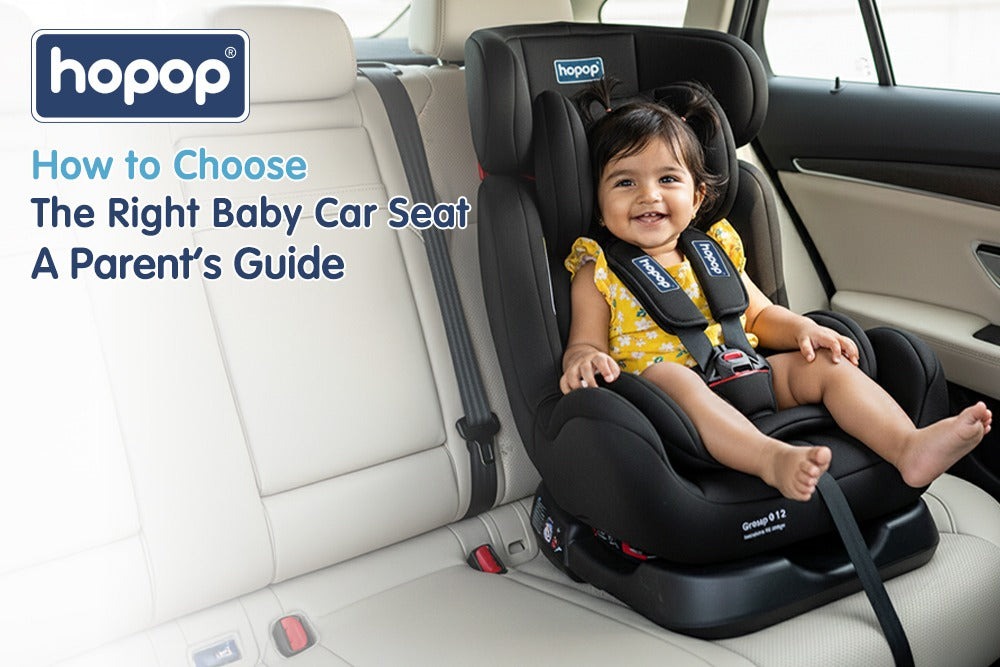
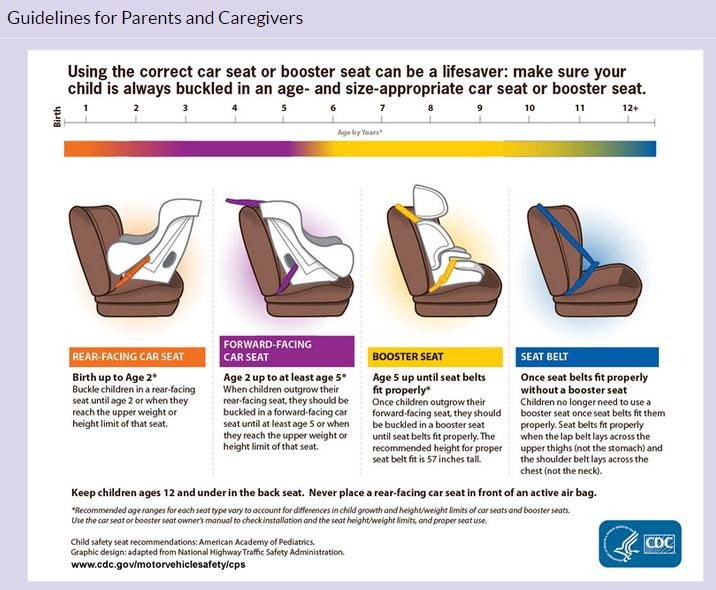
Your newborn needs a rear-facing car seat approved for their size. Rear-facing-only infant seats, certain convertible seats, and certain all-in-one seats are all starting options. The American Academy of Pediatrics distinguishes these categories and advises keeping your child rear-facing within the seat’s limits.
| Fit | What to check | Rule the seat out when |
|---|---|---|
| Baby | The baby meets the seat’s rear-facing size requirements and can be harnessed at the permitted recline. | You can’t get that fit with the approved settings. |
| Vehicle | You can secure the seat in a permitted position without crowding other passengers. | The manuals or the actual seat geometry rule out a correct installation. |
| Caregiver | Every adult who drives the baby can buckle, adjust, and handle the seat correctly. | Someone can’t do a required step reliably day to day. |
2. Decide whether a removable infant carrier is worth it

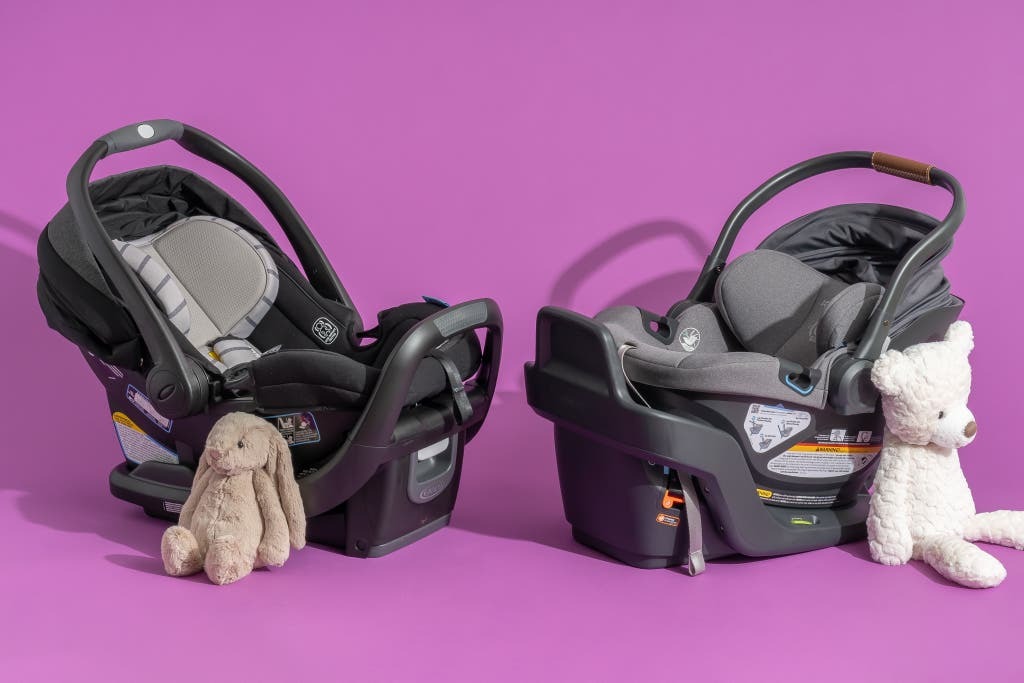
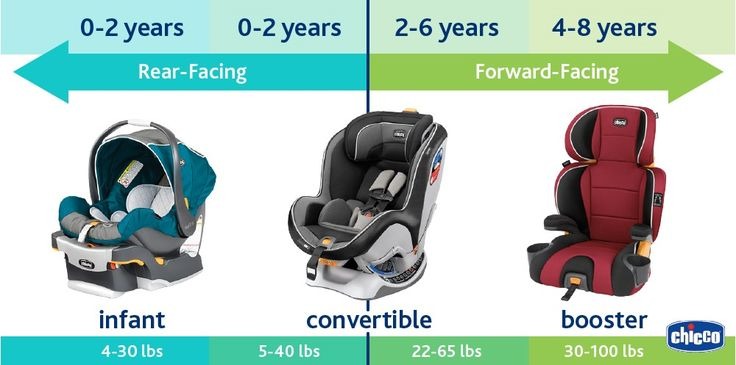
An infant-only seat lets you take the carrier out of the car, sometimes with the baby still buckled in. A newborn-approved convertible stays in the vehicle. The step-by-step version of installation and fit is in Car Seat Installation and Fit Checklist.
| First-seat type | Best for | What you give up |
|---|---|---|
| Rear-facing-only infant carrier | Parking-lot transfers, daycare pickup, shared driving duties, and compatible stroller connections. | You carry the seat and baby together, and you’ll need another seat later. |
| Newborn-approved convertible | Families happy to lift the baby out at each stop and leave the seat installed. | There’s no detachable carrier, and the rear-facing recline can take a lot of back-seat space. |
| Newborn-approved all-in-one | Families who want one seat built for later stages and approved for newborn rear-facing use. | It can be large, and it must still fit the smallest intended child and your vehicle. |
Picture your usual trip. Do you move a baby from the car to a daycare entrance several times a week? A carrier saves you a transfer. If most drives end at your own front door, a detachable carrier matters much less.

One expecting parent was already thinking about skipping the car-seat-and-stroller pairing altogether:
do i really need a stroller that fits my newborn car seat if i plan to wear baby until they’re old enough to sit up and control their head? i was thinking about just skipping straight to a normal stroller, but wanted opinions! also recs for strollers that don’t fit this whole car seat would be awesome! editing to say i’m due in jan, so it’ll be cold cold when i have baby, not at all outdoorsy fun warm weather 😅
If you choose a convertible from birth, the manufacturer must approve it for a newborn’s size, and the harness and recline must fit properly. A seat that advertises more stages doesn’t fit a newborn any better.
A car seat is for transportation. Outside the vehicle, it isn’t a routine infant sleep surface, including when a carrier is attached to stroller hardware.
3. Check the newborn harness, recline, and approved supports
The minimum weight on the label only tells you when a baby can start using the seat. Strap position and recline vary by baby, so check both against the manual with your baby in the seat.
The NHTSA rear-facing installation guide describes the core checks:
- Approved size: Use the exact model’s rear-facing height and weight requirements, including any conditions for newborns.
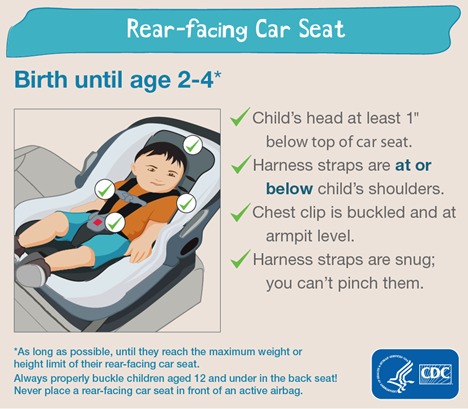
- Harness height: Rear-facing, the straps come out at or below the baby’s shoulders.
- Harness tension: Straps lie flat with no twists and are snug enough that you can’t pinch excess webbing at the shoulder.
- Chest clip: It sits at armpit level.
- Recline: Follow the seat’s indicated setting for your baby’s size and head position.
- Support materials: Follow the manufacturer’s instructions for infant inserts. Don’t place thick, unapproved padding beneath or behind the baby.
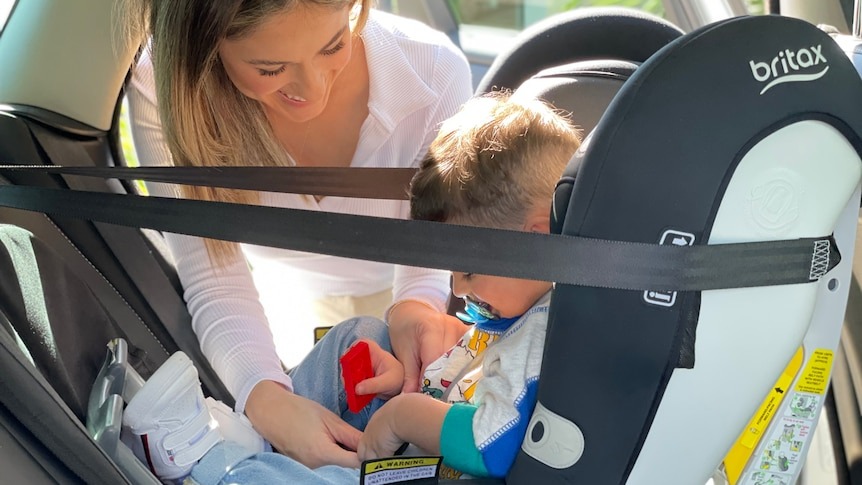
Dress your baby in close-fitting clothes under the harness. Bulky coats leave slack, so put warmth over the fastened straps instead.
A premature or medically fragile infant may need an individual transport assessment from the hospital discharge team or clinician. That falls outside ordinary car-seat shopping.
If you’re buying before delivery, you can narrow the eligible models now. The final newborn harness check needs the actual baby.
4. Try the seat in the real vehicle
Cushion shape, a seat’s required recline, door access, front-passenger space, and a second child seat can each decide whether an otherwise suitable product works for your family.
Never put a rear-facing car seat in front of an active front passenger airbag. Use a permitted rear seating position.
The center rear position can work, but only if the seat can be installed there. Some vehicles lack dedicated center lower anchors, and borrowing anchors from adjacent positions requires authorization from the vehicle and car-seat instructions.
One parent found that loading an infant carrier into the grandparents’ two-door Volvo convertible was harder than online shopping suggested:
In advance of baby coming in June and my parents being a part of our childcare plan (with daycare pickups), we took our Graco GoMax over today to test fit it in their Volvo convertible. It was way more precarious to feed into the car than expected, and would be that much more difficult with the weight of a baby in it. A convertible seat that stays installed would solve the problem of getting the seat into the car, but adds the challenge of having to get the baby into the car seat. Would the recline needed for a small infant in a convertible seat take up more space front-to-back than a convertible backseat has to offer, and do rotating seats take up even more? Are there any rotating seats that would even work in this cramped space?
Try it in your car

For each shortlisted seat, test the actual vehicle and the seating position you plan to use:
- Check the permitted position: Review the vehicle and seat manuals together, including the required rear-facing recline.
- Test occupied space: Make sure the driver, front passenger, and neighboring rear passengers can still sit and be restrained properly.
- Rehearse access: Lift the carrier through the door, or practice fastening the baby into a permanently installed seat.
- Check neighboring seats: In a three-across arrangement, test the actual installed combination and your access to the buckles.
- Record the result: Note which positions worked, what blocked the fit, and what needs professional help.
One family weighing a convertible for a 2021 Jeep Compass also had to fit a 6-foot-1-inch husband and son. Their question about the rear-middle position came down to real passenger space.
5. Choose an installation method the caregivers can repeat
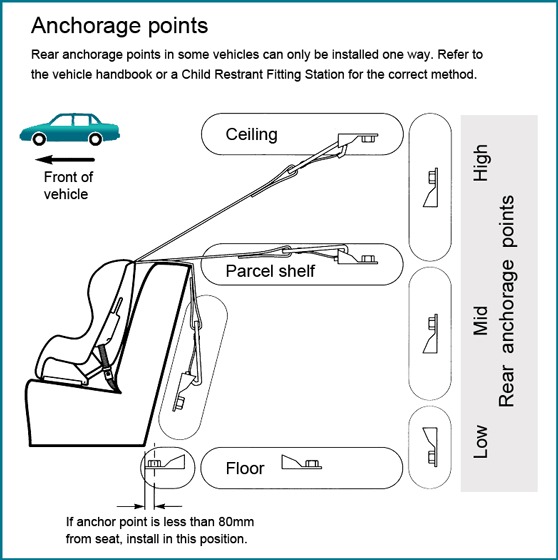
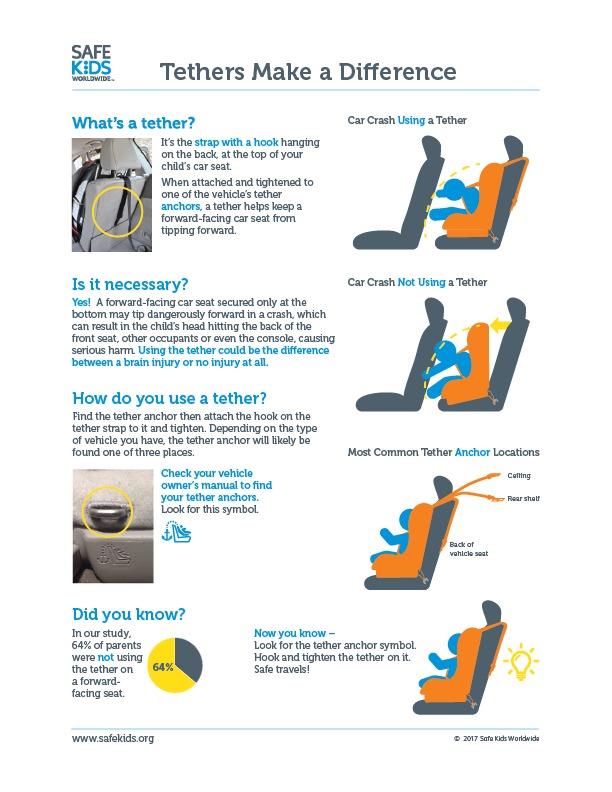
A vehicle seat belt and LATCH lower anchors can both secure a car seat when used correctly and when the instructions allow that method. LATCH stands for Lower Anchors and Tethers for Children. The available anchors and limits depend on the vehicle position and the seat. More on car seats, strollers, and baby carriers is in Baby Gear: How to Choose What You Need.
| Installation method | When to use it | What governs it |
|---|---|---|
| Vehicle seat belt | An approved seating position with the correct belt routing and locking method. | The seat’s belt path and the vehicle’s belt instructions. |
| LATCH lower anchors | An approved position with suitable anchors. | Anchor placement, limits, and manufacturer permissions. |
| Approved baseless infant-carrier installation | A compatible carrier used without its regular base, such as in another vehicle. | The exact carrier’s permitted vehicle-belt or integrated lower-anchor method, plus the seat and vehicle instructions. |
A rear-facing installation normally uses one securing method. Using the belt and lower anchors together requires explicit authorization from the manufacturers.
Once secured, the seat should move no more than 1 inch side to side or front to back when you test it at the belt path. Don’t judge it by grabbing the top of the shell, which tests a different point.
If you move a base between cars, learn the locking method well enough to repeat it. Anyone who fastens the baby needs to know how to adjust and release the harness.
For hands-on help, a Certified Child Passenger Safety Technician (CPST) can check your actual seat and vehicle. The Safe Kids car-seat inspection resource helps you find one; appointment availability depends on your area.
6. Compare useful features and the cost of ownership
Once a few seats fit your child and your vehicle and you can use them correctly, compare how they handle daily life. Easier harness adjustment pays off at every pickup, and a lighter carrier matters to whoever carries it.
| Detail | What it tells you | Buying implication |
|---|---|---|
| NHTSA Ease-of-Use rating | Clarity of labels and instructions, child-securement features, and installation usability. | Use it to compare ease of correct use. It isn’t a comparative crash-protection rating. |
| Published independent crash testing | Results under the testing organization’s stated protocols. | Read the method and what was measured before comparing models. |
| Load leg | A design feature meant to limit certain forward rotational movement. | Judge it only for the actual model and installation where it’s permitted. |
| Anti-rebound bar | A feature meant to manage rebound movement. | It does a different job than a load leg. |
| Carrier weight and handle | How the occupied seat feels during frequent transfers. | Factor in your carrying routine and the baby’s weight. |
| Harness adjustment and cleanable parts | Everyday buckling and cleaning. | Check that every adult who uses the seat finds the controls workable. |
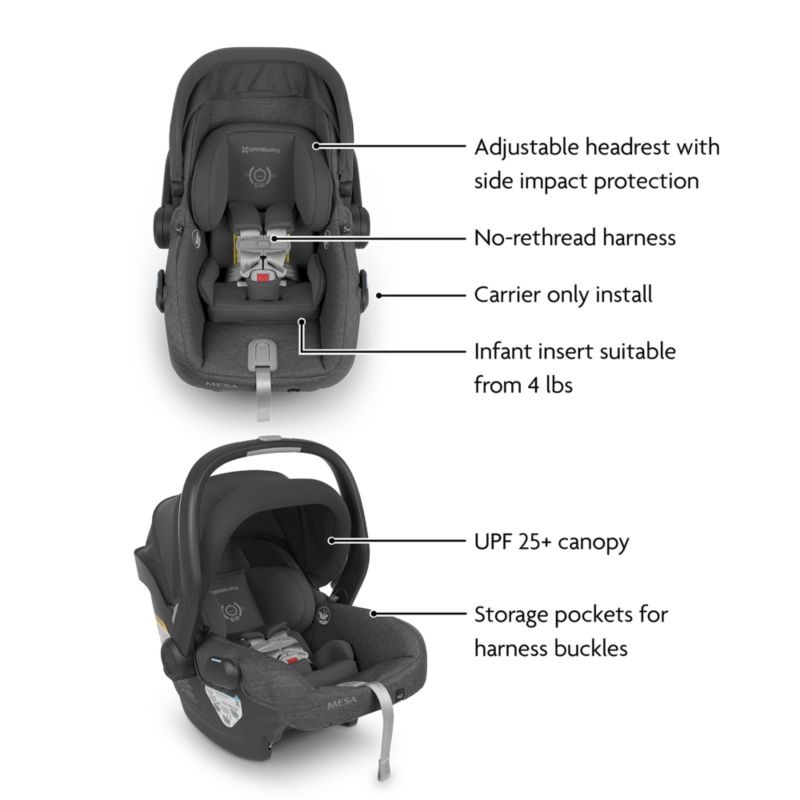
A premium feature is worth paying for when it solves a problem you’ve identified. If you struggle to reach the harness adjuster, an easy-access mechanism helps. If the seat rarely leaves the car, the carrier handle barely matters.
Count the purchases that follow
A removable infant seat creates more spending later: an extra base for a second car, a stroller adapter, and a rear-facing replacement when the carrier’s limits are reached.
A convertible stays installed and can cover a longer rear-facing period within its limits, but it has no detachable carrier. Build your budget around the setup you’d actually use, and look at product-specific prices only after you’ve narrowed the shortlist.
7. Confirm the exact stroller and adapter pairing

Compatibility depends on the exact car-seat model, the stroller model or revision, and any required adapter.
One expecting parent described a preferred stroller and a car seat they believed wouldn’t connect:
I was so set on waiting for the Uppababy Kona this fall but just heard that it will not be compatible with the Chicco Keyfit car seat. It’s only compatible with Nuna, Cybex, Maxi Cosi and I just can’t justify spending that much on a car seat that will but used for less than a year.
Find the compatibility record
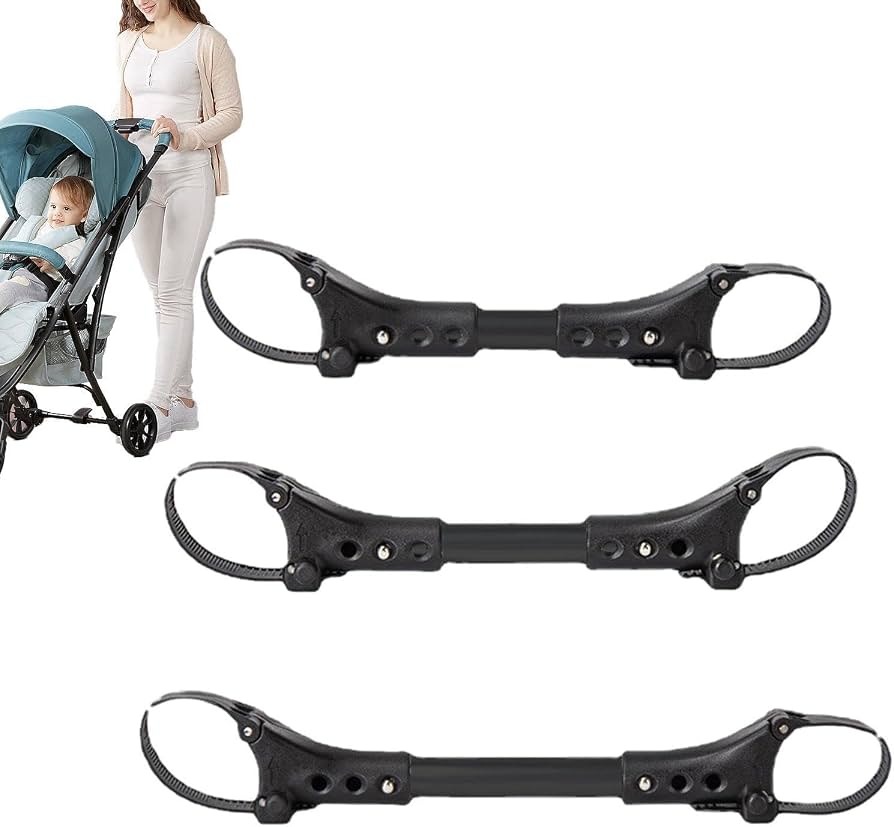
Before you treat click-in transfer as a requirement, find manufacturer documentation that names every component:
- Car seat: Exact product model and version.
- Stroller: Exact model, plus revision or year when relevant.
- Adapter: Its part number, if you need a separate one.
- Approved combination: The manufacturer’s connection instructions and any limits on use.
That keeps you from picking an unsuitable car seat just to preserve a stroller preference. If the combination isn’t supported, reconsider the stroller, or use a newborn stroller setup separate from the car seat. Stroller frame, infant seat, and adapter pairings are compared in Travel System versus Separate Stroller and Car Seat: Which Fits Your Family.
8. Know when an infant carrier is outgrown
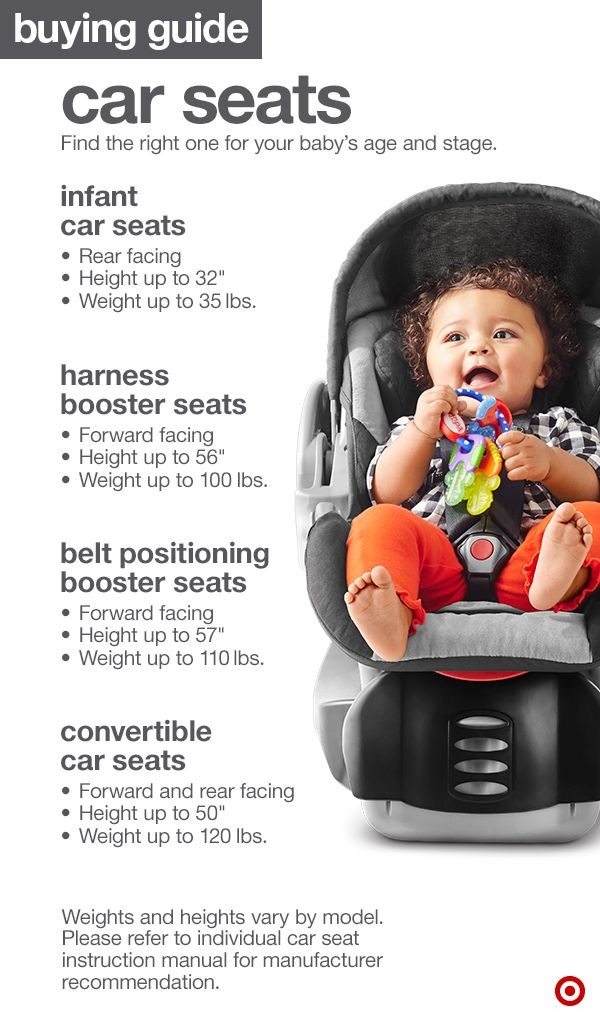
An infant carrier is outgrown when your child reaches the model’s height, weight, fit, or head-clearance limit. Save those limits from the manufacturer’s instructions and recheck them as the baby grows; clothing size and birthdays don’t decide it. After that, a correctly fitting rear-facing convertible or all-in-one can continue rear-facing travel within its own limits. The comparison of infant carriers, convertibles, and rear-facing use is in Infant versus Convertible Car Seat: Which Should You Buy First.
9. Finish the purchase and first-ride checks

A final purchase check
- Identify the exact seat: Record its brand, model number, and manufacture date, and find the matching instructions.
- Check for missing pieces: Confirm the base, inserts, hardware, and any other parts for your setup are present and approved.
- Investigate a used seat: Confirm the seat has never been in a moderate or severe crash. If you can’t, don’t use it.
- Check use-life and shell condition: For a secondhand seat, confirm it’s within the manufacturer’s recommended usable life and has no visible cracks or other damage.
- Check recalls: Use the NHTSA recall resource with the identifying details for that exact product.
- Register ownership: Complete the manufacturer’s product registration so future safety notices reach you.
A recall lookup only reflects the day you run it, so registration is how you hear about later notices for that model.