
Pick a stroller only after you confirm that its exact setup is approved for a newborn and fits your usual trips, your storage, your car seat and your full budget. No model is best for everyone. If you mostly run errands by car, a compact setup that qualifies for newborns will do. If you walk a lot on rough sidewalks, a larger stroller can be worth it. Compare two or three options, run the safety checks, and buy the one that matches your trips.
Is this stroller approved for newborn use?
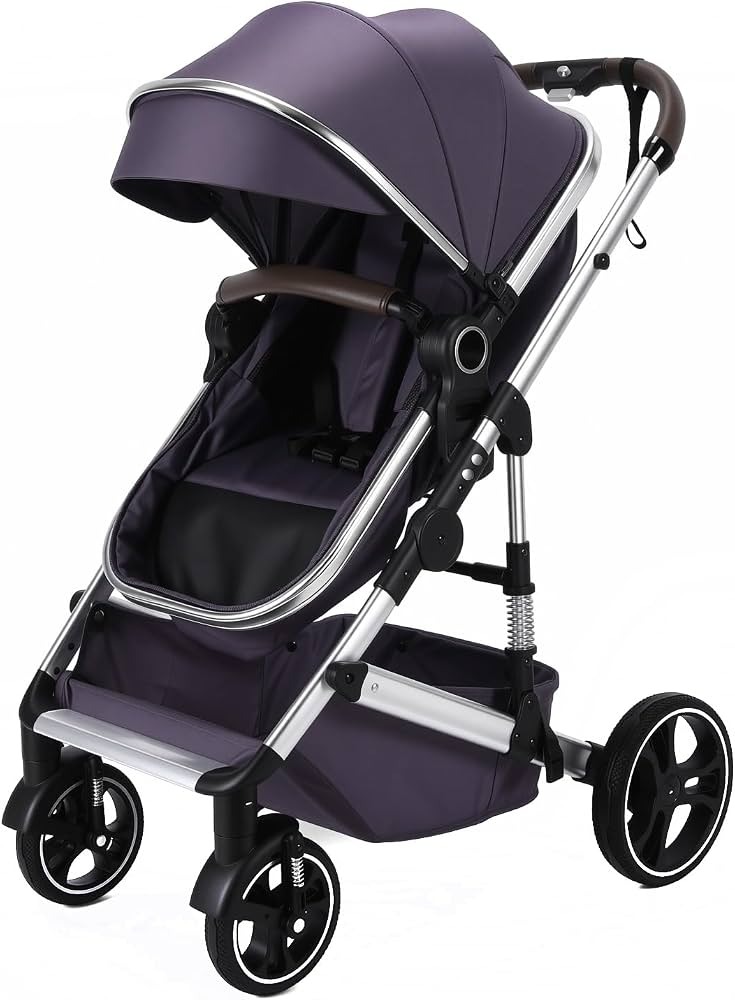
A stroller can look fine for a newborn and still need a different seat, accessory or setup before you can use it from birth. The manufacturer’s instructions for your exact model decide what is approved.
Treat the frame, the regular stroller seat and the newborn option as three separate parts. One frame may take an infant car seat while its standard seat is meant for an older baby. Another model may come with a seat or built-in pramette made for newborns.
Ask which part will hold your baby on the first outing. A near-flat recline and a high maximum weight tell you nothing about the minimum age or the approved newborn position.
Check the manufacturer’s instructions for the mode you plan to use, then give it one of three results:
- Approved from birth: The seat or attachment, as installed, is approved from birth under the age, height, weight and setup requirements.
- Not approved: The setup falls outside the documented limits or needs a part you don’t have.
- Can’t tell yet: The listing looks promising, but the instructions or limits for that mode aren’t available.
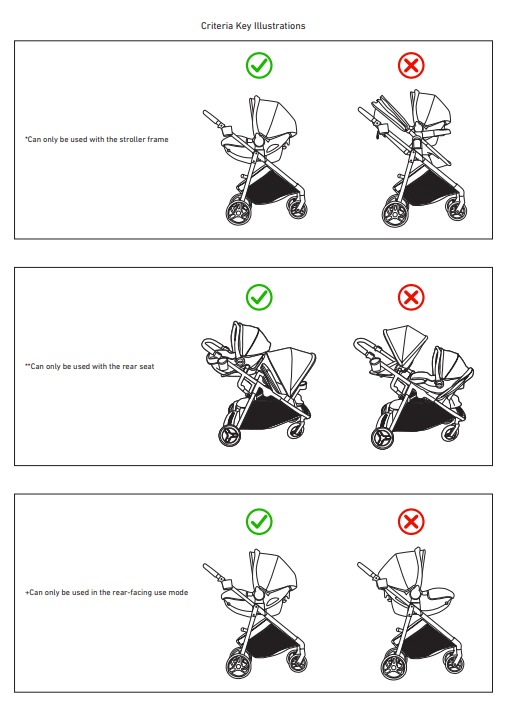
Write down the model and SKU, the newborn mode, the age and size limits, the parts you need and the instruction that authorizes the setup. Only approved options go on your shortlist. Park the ones you can’t confirm until you find the missing information.
Which newborn stroller setup should you choose?
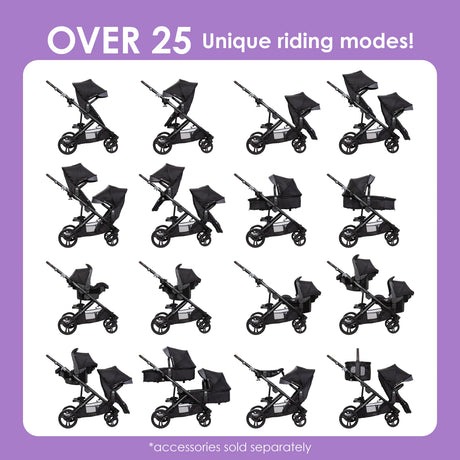
A newborn can ride in a stroller in several ways. They differ in what comes in the box, what you attach and how much gear ends up in your car or hallway.
A pramette is commonly a stroller that converts to a lie-flat newborn mode. A detachable carrycot, or stroller bassinet, is a separate piece that fits a compatible frame. An infant car seat attached to a stroller is a third arrangement with its own purpose.
| Configuration | How the newborn rides | Required components | Main advantage | Main limitation |
|---|---|---|---|---|
| Approved newborn stroller seat or integrated pramette | In the stroller’s permitted birth-ready mode | The specified seat or conversion parts, if included | No separate newborn attachment to store | Only the documented installed mode is approved |
| Detachable bassinet or carrycot | In a matching stroller attachment | Compatible carrycot and its mounting parts | Separate lie-flat space for walks | Extra cost and storage space |
| Infant car seat on a stroller frame | In an approved infant carrier secured to the frame | Compatible infant seat and any required adapter | Easy car-to-stroller transfers | Depends on the carrier and its approved attachment |
| Travel-system package | In the newborn mode the bundle supplies or supports | Package contents, which vary | Matched parts in one purchase | The bundle may lack a newborn mode or extra part you want |
A rear-facing convertible car seat normally stays installed in the vehicle and doesn’t detach to fit a stroller frame. If you use one, pick a stroller with its own approved newborn mode. For car seat fit, rear-facing limits and vehicle installation, read How to Choose a Baby Car Seat That Fits Your Newborn and Your Car.

One expectant parent put the accessory problem into a question about buying only a car seat and a stroller:
Hi r/BabyBumbs I’m a first-time mom and still learning everything. After a lot of research on strollers and car seats, I found myself stuck between two options: Option A: Convertible car seat (birth to ~4 years) Stroller (from 3 months) + bassinet attachment for the newborn stage Option B: Infant car seat that clips onto the stroller + stroller (from 3 months) Then buy a second convertible car seat when baby outgrows the infant one My question: Is there a third option that nobody talks about? Can I buy ONE car seat (birth to 4 years) + ONE stroller (birth to 3-4 years) — with absolutely no extra purchases? No bassinet, no infant insert, no second car seat? Is there a stroller under $500 that safely and comfortably fits a newborn from day one, without any add-ons? Or am I stuck with only those two options? Would love to hear from parents who’ve figured this out! 🙏
The question that matters is whether the newborn mode comes with the specific package. An approved integrated newborn seat can remove the need for a separate carrycot. The car seat for your vehicle is still a separate purchase.
Can a newborn sleep in a stroller or stroller bassinet?
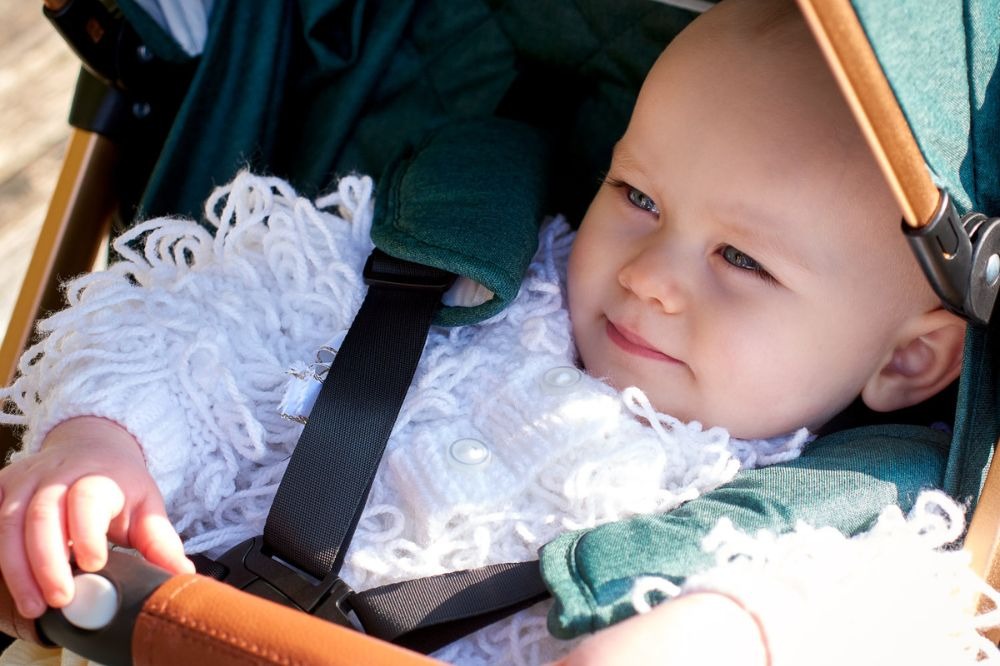
Approval for carrying a newborn is not approval for routine sleep. The American Academy of Pediatrics’ safe sleep guidance advises against routine sleeping in sitting devices such as strollers and car seats. If your baby falls asleep in one, move them onto a firm, flat sleep surface, on the back, as soon as you can.
A stroller attachment made and compliant for infant sleep may have additional authorized uses. The CPSC’s infant sleep-products guidance separates ordinary stroller transport from infant sleeping accommodations and explains that a multiuse product can fall under different rules in each mode.
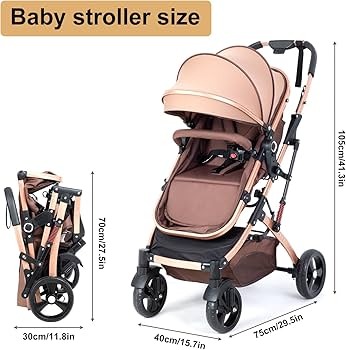
The word bassinet, a lie-flat photo or a sleeping baby in an ad does not authorize overnight sleep. US stroller requirements under 16 CFR Part 1227 and infant sleep-product requirements, including 16 CFR Parts 1236 and 1218, cover different uses.
If you want to use an accessory as a sleeping place, confirm the manufacturer’s authorized sleep use, the warning labels and the product’s infant sleep-product classification. Without that, give your baby a separate sleep space.
Which outings will the stroller handle each week?

Where a trip starts changes how useful a stroller feels. A large modular stroller suits a long neighborhood walk but becomes a chore on a quick grocery stop, when you lift it in and out of the trunk.
- Car-first errands: Focus on the fold, lift and load routine you’ll repeat. A compact car-seat frame helps if its infant-seat setup is approved for your use.
- Walk-first days: Look at push comfort, your actual sidewalks, the wheels and a basket big enough for what you carry. A full-size stroller makes sense here.
- Apartments or public transit: Count elevators, stairs and doorways, and ask whether one caregiver has to carry the folded stroller.
- Rough paths: Check wheels and suspension on the surfaces you walk. Handling uneven ground doesn’t clear a stroller for jogging with a newborn.

One parent described buying the stroller they expected to need and then using a very different setup for daily errands:
I spent weeks agonizing over stroller options while pregnant. Eventually I pulled the trigger on a big modular, suspension, all-terrain, bassinet, etc etc etc stroller. It was used but still cost over $300. 6 weeks after baby arrived, I realized it was way too much for what I actually needed day-to-day. I mostly needed something light and compact that I could abuse by throwing in and out of my car on trips to the grocery store and the library. So I bought a used $30 Graco carseat carrier, and it’s still what I use 90% of the time now after 7 months. I had imagined that I would be taking more walks with baby than I did without baby. Turns out – not true!
Most of this parent’s trips started at the car, so a light carrier won. A family that walks long distances on cracked sidewalks may choose the opposite.
List your three most common outings in a typical week. For each one, note whether it starts at home or in the car, how long you walk, the ground, any stairs or transit, and how often you lift or fold the stroller. Pick the stroller category that fits those trips.
Will the stroller fit your car, home, and handling needs?
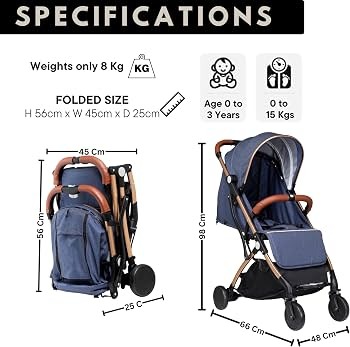
A stroller sold as compact still has to pass through your doorway, fit in your usable trunk space and be manageable for whoever lifts it. Count any detachable newborn piece in that math.
Measure the trunk opening and the space behind it, plus the hallway, elevator and storage clearances you use. A rigid carrycot needs its own space even when the frame folds small.
| Fit test | What to record | Passing condition |
|---|---|---|
| Folded stroller | Length, width and height in inches | Fits through the opening and into usable storage |
| Lifting | Weight in lb and where you grip it | Every regular caregiver can do the actual lift |
| Newborn attachment | Its separate size, and whether it detaches | You can store or carry the extra piece |
| Route obstacles | Stairs, doorway and elevator clearance | The setup moves through your route |
| Handling | Fold, lock, turn, curb, handle position | Caregivers can operate it as intended |
Manufacturers’ folded measurements may cover the frame without a particular seat or accessory. Match the numbers to the setup you will actually carry.

The manufacturer lists the Joie ginger at approximately 22 lb, with folded dimensions of 19 × 24.5 × 31 inches (length × width × height).
Practice the fold, lift and steering with the people who will use the stroller, and mark each space as fits, doesn’t fit or untested. Removing parts on every car trip counts as part of the handling.
Will your infant car seat and stroller adapter work together?
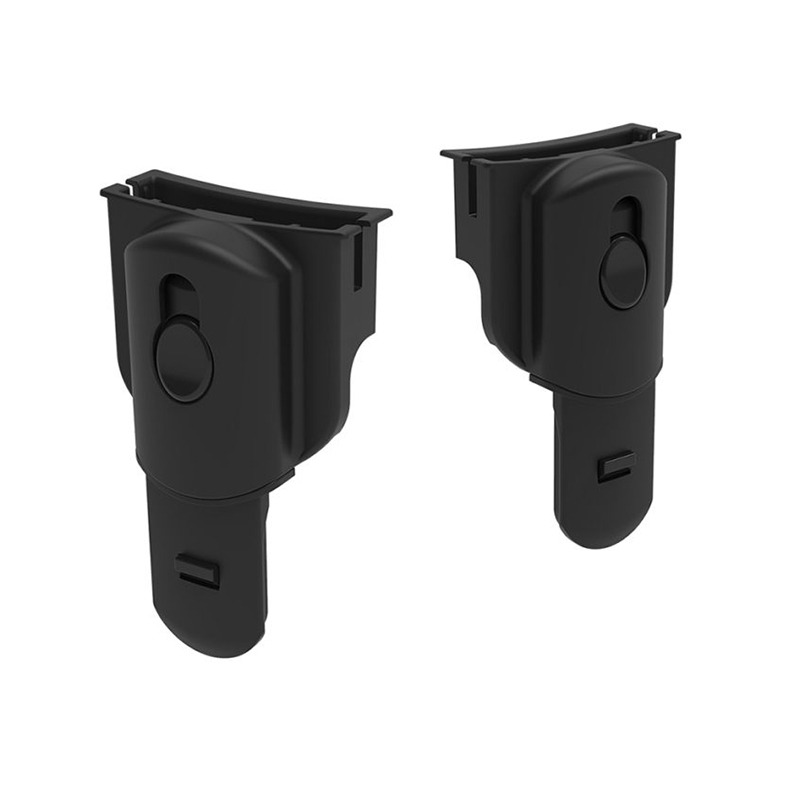
A stroller and infant car seat count as an approved pair only when the manufacturer’s documents support those exact parts and that attachment. Matching brand names or similar-looking connectors prove nothing.
Note three things on one compatibility card:
- Stroller: Manufacturer, model and revision or SKU.
- Infant car seat: Carrier model and version.
- Adapter: Official part number or authorized interface, and whether the stroller includes it.
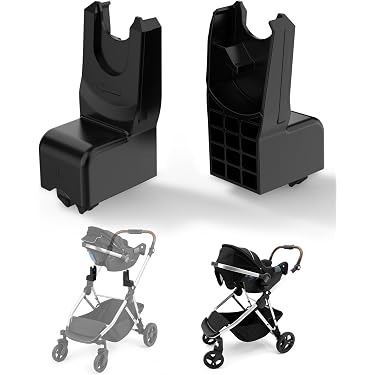
Check the card against the official instructions or the model-compatibility chart. If the pair is listed as unsupported, drop it. If it isn’t listed, treat it as unconfirmed. Attach the approved parts only as the instructions specify, and never improvise a fitting.
The Joie ginger listing, for example, names the included adapters and lists Joie rue and mint latch infant seats as compatible. Your own seat, adapter and stroller version decide what you can buy.
Installing the car seat in your vehicle is a separate safety task. This section covers only the link between a detachable infant carrier and the stroller frame. For frame, infant seat and adapter compatibility, see Travel System versus Separate Stroller and Car Seat: Which Fits Your Family.
Travel system or separate components?
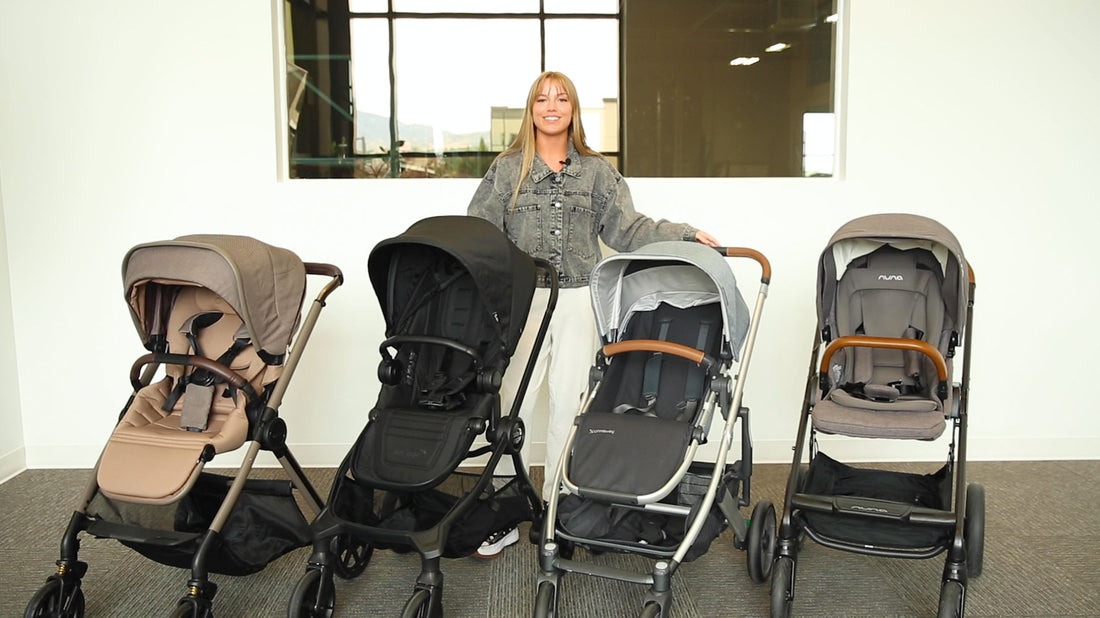
A travel system bundles a stroller with a compatible infant car seat, and the contents vary by bundle. Matched parts simplify shopping and make car-to-stroller transfers easier.
Take the bundle if it includes the setup you’ll use on frequent car trips. If you already own a suitable car seat, or you want a stroller with its own newborn mode, buy the parts separately and make sure the combination is approved and complete.
What will the complete setup cost?
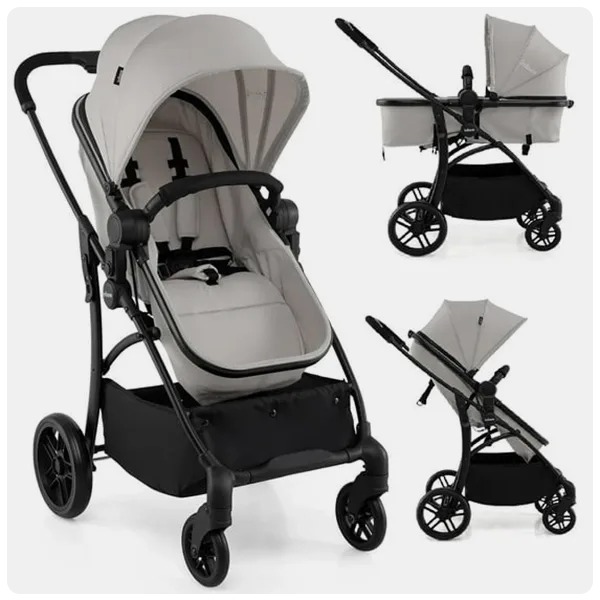
A stroller’s listed price may cover only the frame and seat. A required newborn piece or car-seat adapter can sit outside that price. Compare the cost of the full setup you plan to use.
| Component | Your price | Purchase status |
|---|---|---|
| Stroller package | $___ | Included / required |
| Approved newborn accommodation | $___ | Included / extra / not needed |
| Official car-seat adapter | $___ | Included / extra / not needed |
| Compatible infant car seat | $___ | Already owned / required / not needed |
| Other necessary accessory | $___ | Required / optional |
| Future second seat or travel stroller | $___ | Optional later |
| Essential setup total | $___ | Add required-now spending only |
Count each required piece once, and list equipment you already own and possible future purchases separately. An integrated pramette can save you a carrycot purchase, and a bundle may contain parts you would otherwise buy on their own.
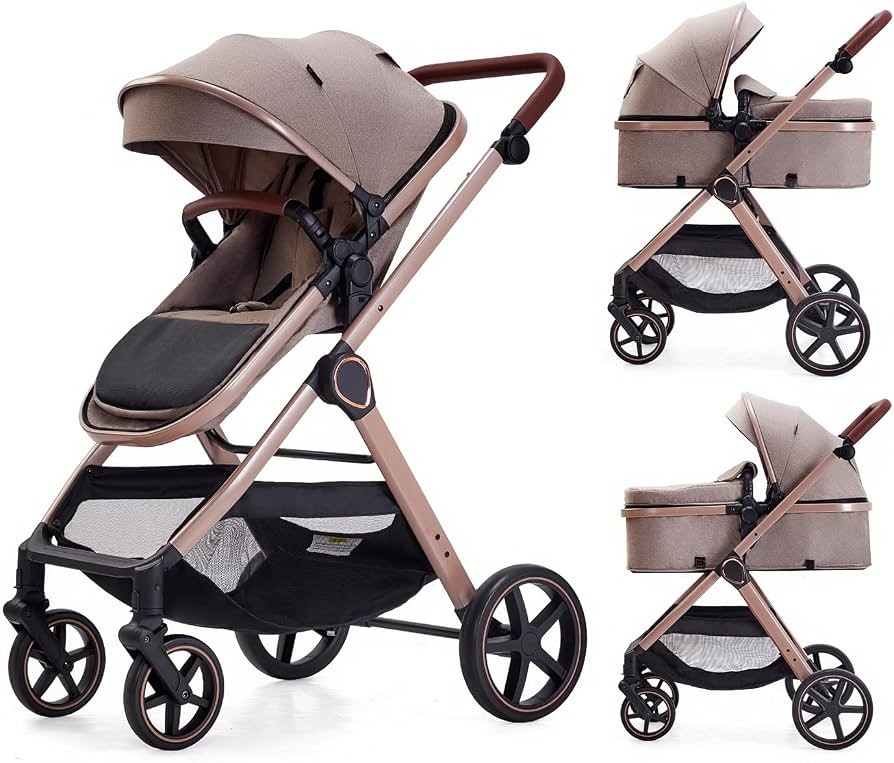
A first-time parent comparing a used stroller with a new infant car seat also wondered whether paying for a future double-stroller conversion was worthwhile:
I’m pretty budget conscious and totally fine buying a stroller secondhand, then pairing it with a new compatible infant car seat if that makes sense. My main goals are something that lasts into toddler years, works for everyday use like errands and walks, and has some versatility. A bassinet/pramette option or carry cot for the newborn stage would be a big plus. I’m also trying to think ahead but not get carried away. This is my first baby and while I THINK I’d like 2–3 kids eventually, I don’t want to make decisions based on that yet. So I’m stuck on whether it’s worth investing in a stroller system that converts to a double or if that’s just unnecessary for now.
A single-to-double design matters when a second seat has a credible near-term use. If your family size or travel plans are uncertain, leave those future accessories out of the essential total.
A used stroller can save you money if you can check its model, condition, original instructions and recall history. A used infant car seat needs its own safety evaluation. Unknown accident or use history is a serious concern, and the stroller frame can’t tell you about it. For decisions involving car seats, strollers, and baby carriers, see Baby Gear: How to Choose What You Need.
Which stroller safety checks matter before buying?
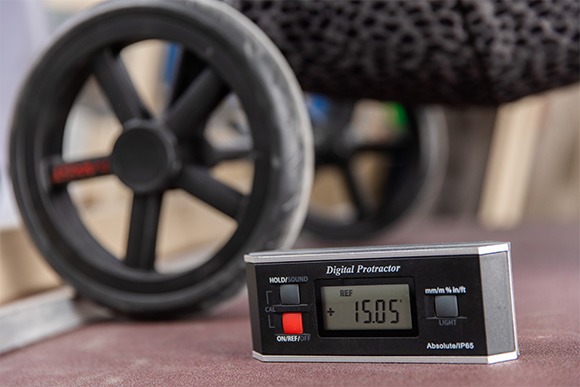
The stroller you buy needs an identifiable model and working brakes, restraints, latches and other components. US carriages and strollers fall under 16 CFR Part 1227. The CPSC’s stroller requirements identify ASTM F833-21 for products manufactured after February 15, 2022. Earlier manufacture dates may fall under previous incorporated versions.
Those requirements cover stability, brakes, restraints, folding and latching mechanisms, and attachments. Your own inspection can catch obvious problems.
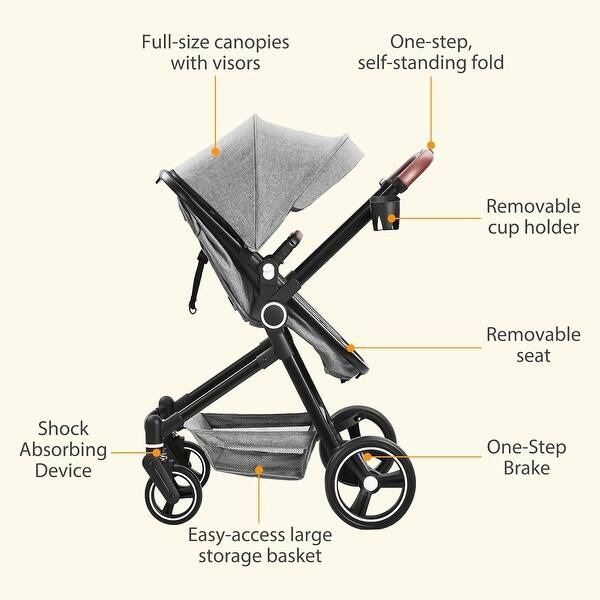
Before you pay:
- Identify the product. Find the brand, model, manufacturer information and warning labels so you can match the instructions and recall notices.
- Check the parking brake. It should engage and release as the instructions describe.
- Inspect the restraint. Look for complete harness straps, buckles and adjustment hardware with no visible damage.
- Operate the folding latch. The frame should lock in its intended position, and every mechanism should work as specified.
- Examine the unit. Look for damaged or missing parts, wobbly assemblies and handle loads that could tip the stroller.
- Check recalls. Search the product identifiers in the CPSC recall database and see whether any recall has a remedy that applies.
A missing model label or damaged frame lock leaves you with a safety question you can’t answer, especially on a used stroller.
How do you choose between the final two or three options?
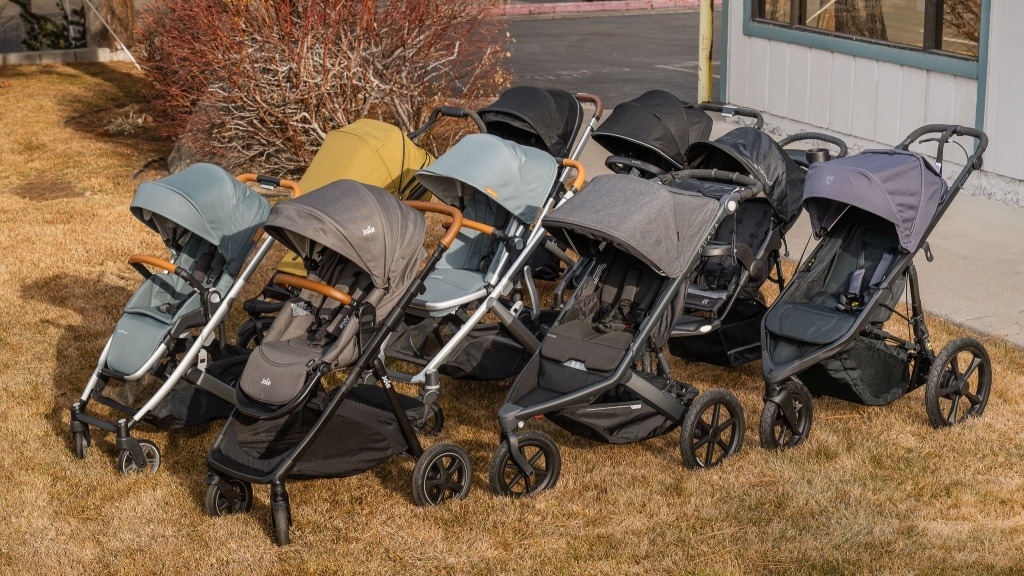
Once your candidates pass the essential checks, compare how well each one fits your routine, your space and your budget for the required parts.
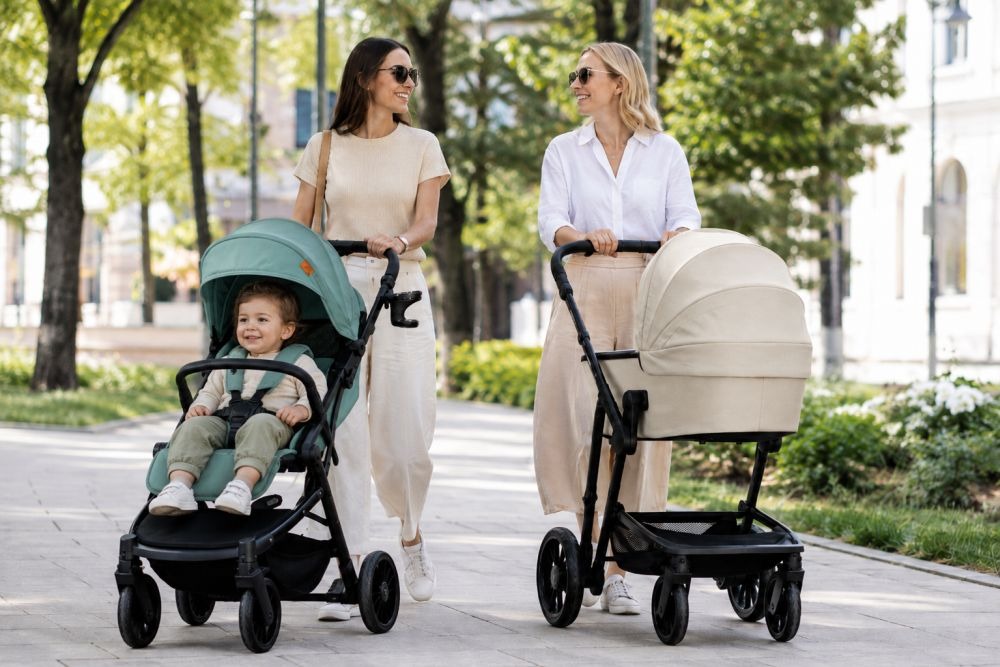
A failure on approval, compatibility, fit or safety removes that option. If an essential detail is still unknown, hold the option until you have it.