
Pick a teether by how it is built and whether your baby can use it. A silicone, rubber, or “natural” label tells you little. Rule out risky designs and recalled models first, then look at grip, cleaning, and cold use. Keep the teether while it stays intact and easy to clean. If your baby keeps rejecting it, stop buying new ones.
Which teething-toy designs should you rule out first?
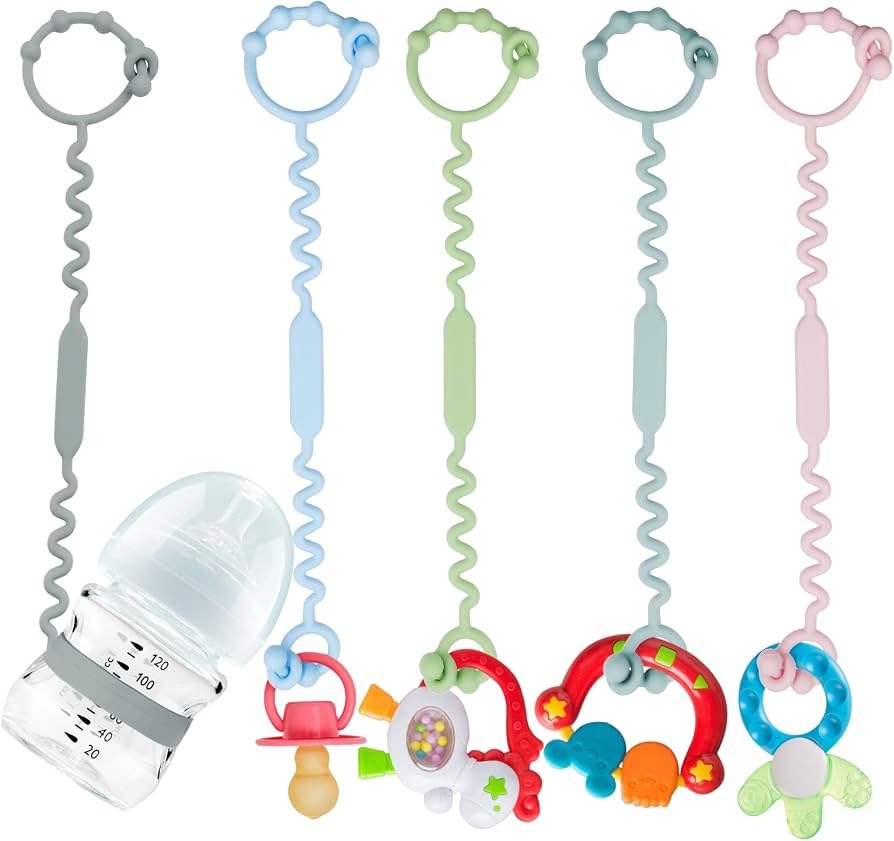
Start with parts that can reach too far into the mouth or come loose. Thin pull-strings, loosely attached decorations, beads, and clasps are hazards, however soft the chewing surface is.
| Construction detail | Possible failure | Decision |
|---|---|---|
| Long, thin pull-strings | Strands can reach far back into a child’s throat. | Reject the design. Stop using any recalled model. |
| Attached eyes or decorations | Small pieces can detach. | Don’t give your baby a toy with loose or separating parts. |
| Beads, necklaces, bracelets, or cords | Small parts and strands create choking or strangulation hazards. | Never use teething jewelry. |
| Clasp or connector | The joined part can come off. | Reject any loose attachment. Check what the recall covers. |
| Product named in a recall | The notice names a specific defect and the affected product. | Stop use and follow the official remedy for that model. |
On May 14, 2026, CPSC recalled about 102,430 Tiyol pull-string teethers after 11 reported choking incidents. The notice points to long, thin silicone strands that can reach far back into a child’s throat.
In a separate recall on September 3, 2026, CPSC identified approximately 22,660 Skip Hop Baby Sesame Street Elmo silicone teethers in the United States because their eyes could detach when frozen.
A 2025 Chews Life recall covered detachable clasps on silicone rosary and decade teethers. Each recall covers only the products named in its notice.
US toy-safety rules incorporate ASTM F963 through 16 CFR Part 1250, and Section 4.22 covers teethers and teething toys. Products sold mainly for pain relief can fall under FDA jurisdiction.
Silicone, rubber, wood, or mixed materials: what changes in practice?
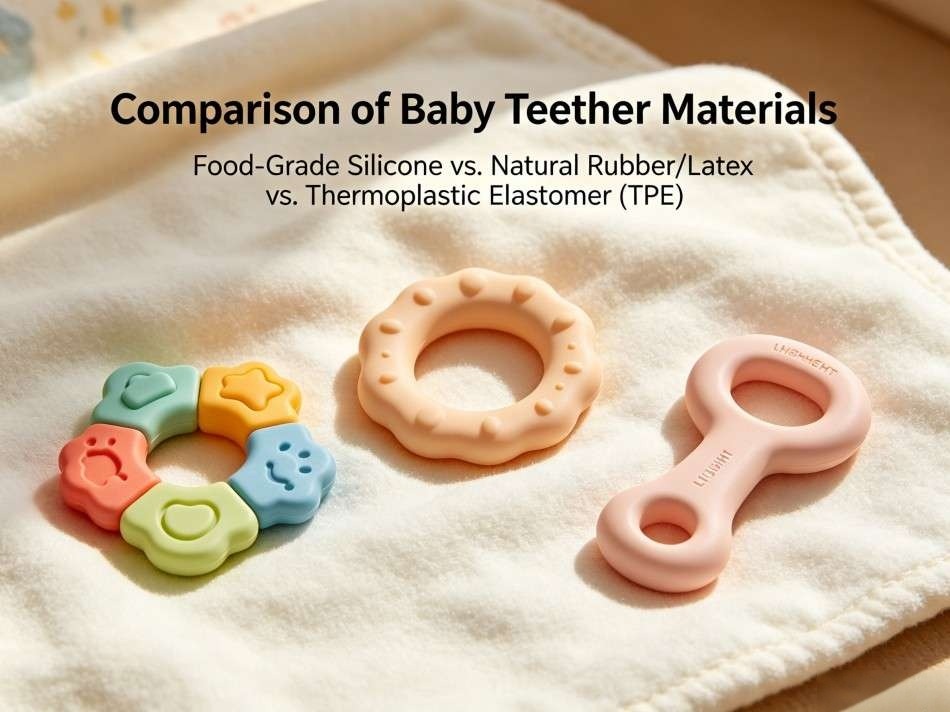
The material label tells you little until you look at shape, joints, surface, and care instructions. A molded silicone ring and a silicone character with attached eyes share a material but carry different risks.
| Material or design | Useful comparison | What deserves attention |
|---|---|---|
| Silicone | Flexible molded shapes. Textures vary by product. | Thin strands, joined decorations, seams, and the care methods the maker allows. |
| Natural rubber or latex | Shape, firmness, and surface vary by model. | Wear, attachments, and the maker’s washing restrictions. |
| Wood | Rigid surface with an easy-to-reach chewing edge. | Roughness, cracks, finish condition, and cleaning restrictions. |
| Plastic or other polymers | Rigid or flexible, depending on the product. | Joined parts, wear, and the cleaning method the manufacturer allows. |
| Mixed materials | Different gripping and chewing surfaces on one toy. | Connections between pieces, and whether every part tolerates the same care. |
| Hollow or liquid-filled design | An interior chamber or filling complicates upkeep. | Water getting in, leaks, and whether you can maintain it as directed. |
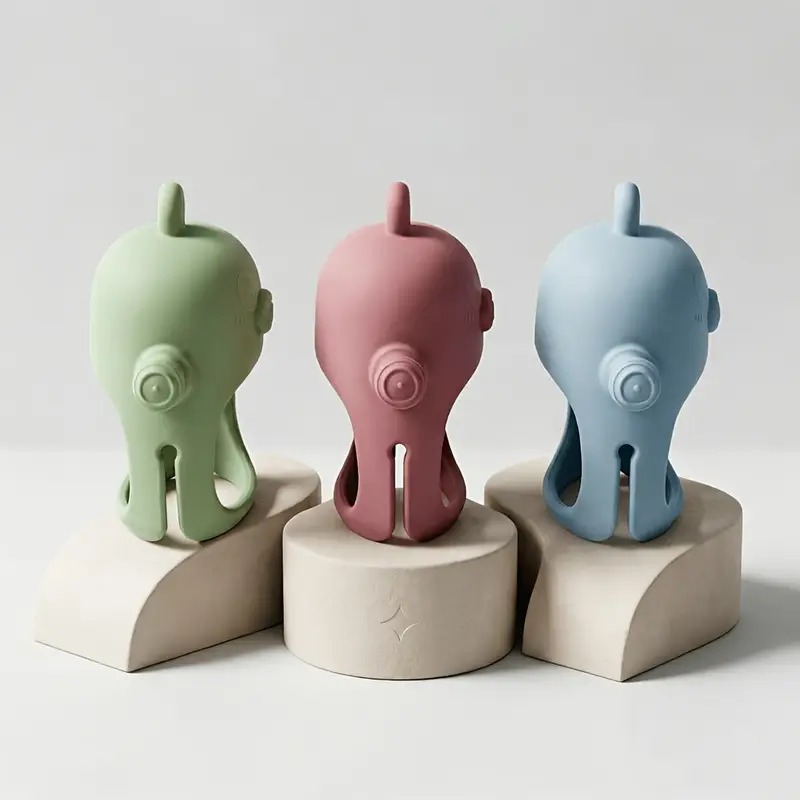
“Food-grade,” “natural,” and “BPA-free” each describe one attribute of the material. The finished toy still needs sound construction and has to meet the product rules that apply to it. A single-piece toy is easier to inspect, but it must meet the same safety requirements.
Can your baby hold it and reach the chewing surface?
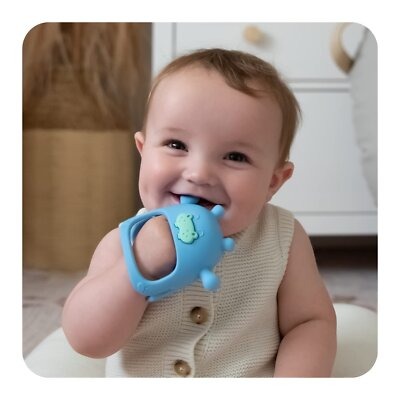
Start with a teether made for your baby’s age, then watch how your baby handles it under supervision. Does the handle stay in the grasp? Does the chewing end reach the mouth without constant repositioning? A large or awkwardly shaped toy frustrates a baby even when the material and finish are fine.
If you switch to something easier to reach, it still has to be a proper teething toy with no hazardous detachable parts.
Should you chill a teether or freeze it?
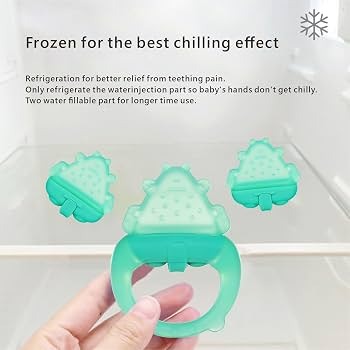
Refrigeration works when the maker allows it. FDA teething guidance warns that rings frozen hard can injure sensitive gums and discusses firm, non-liquid-filled rubber teethers.
| Condition | What changes | Appropriate action |
|---|---|---|
| Refrigeration is permitted by the maker. | The product has an approved cooling method. | Follow the cooling and handling directions. |
| The teether is frozen solid. | The chewing surface gets too hard. | Don’t offer it frozen hard. |
| The cooling method is missing from the instructions or conflicts with them. | Nobody has confirmed the product suits that use. | Skip that cooling method. |
The recalled Skip Hop Elmo teethers show a separate freezer problem: the decorative eyes could detach. Cooling directions cover the whole assembled product, decorations included.
How do you clean a teether, especially one with a squeaker hole?
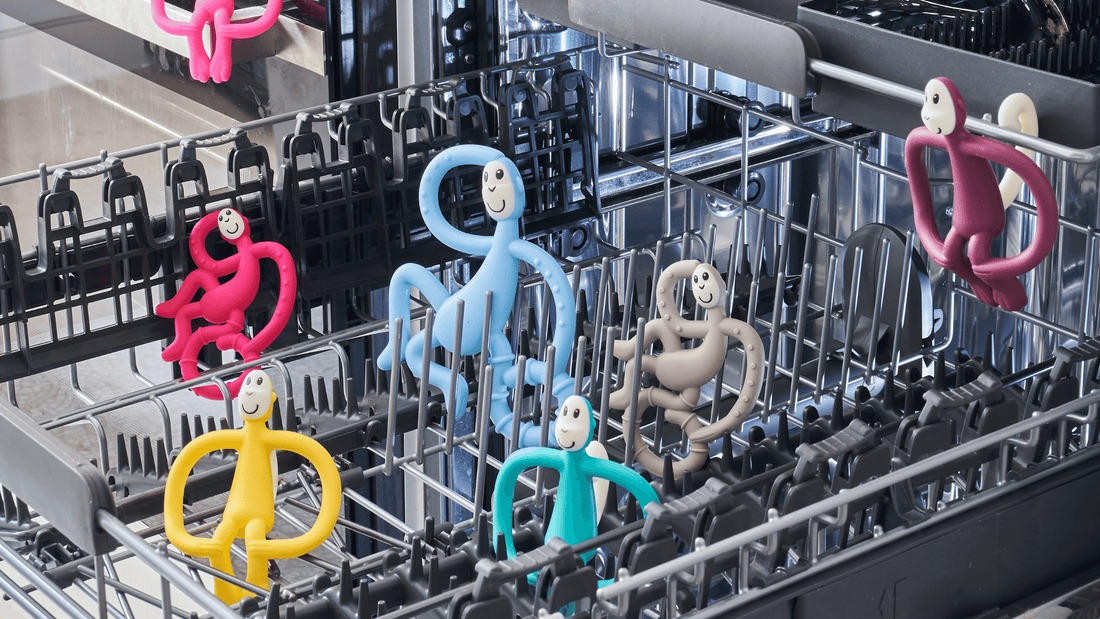
If the maker allows washing a solid teether, clean the parts your baby chews with soap and water, then dry it as directed. A hollow squeaker needs different care. Water can enter through the opening and stay inside, where you can’t see it.
The CDC separates cleaning, sanitizing, and disinfecting in its early-care hygiene guidance. Any extra sanitizing step has to suit that particular teether. Childcare disinfection procedures are not a universal home recipe.
| Construction or condition | Care challenge | Decision |
|---|---|---|
| Solid teether with accessible surfaces | Cleaning the chewed areas and letting them dry. | Wash it normally when the maker permits. |
| Hollow squeaker with a stated surface-cleaning method | Immersion can let water into the chamber. | Follow the surface-care directions. |
| Hollow toy that takes in water and won’t dry | Moisture inside is hard to inspect. | Set it aside if you can’t meet its maintenance needs. |
| Visible mold or persistent odor | Reuse isn’t hygienic. | Remove the item from use. |
The maker of Sophie la Girafe, for example, tells owners not to submerge the squeaker product. That limit applies to that design.
A parent in r/NewParents asked whether a hollow squeaky toy can be sealed:
I’ve got a few silicone (I believe) toys that have holes in the bottom to allow them to squeak. I know that they can grow mold inside if not properly taken care of. Does anyone has recommendations of what to use to seal the holes?
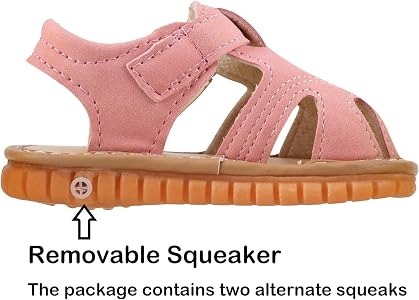
Household glue or a silicone plug adds a new attachment and changes the original construction. Without an approved, product-specific procedure, leave a hard-to-clean toy out of use. Don’t try a homemade seal.
What if your baby refuses every teething toy?
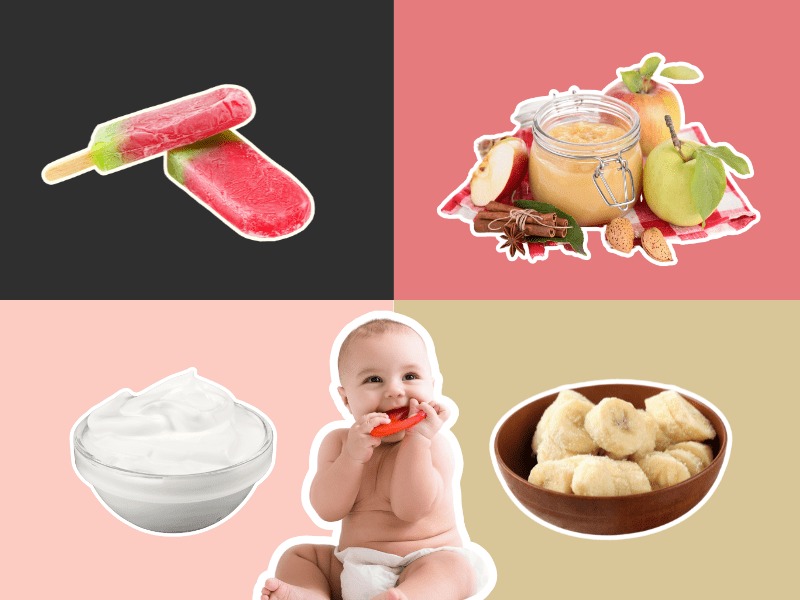
Some babies ignore teethers after trying several types. If a clinician recommended a particular teething tool for your child, raise continued refusal with that clinician.
One parent tried several designs and temperatures with an 11-month-old:
11 month old refuses to use teethers but will chew on her clothes and fingers which I think is impractical. I’ve tried almost everything. Frozen, unfrozen, hard, soft, foods, rags, toys, etc. And she won’t use them just throw them on the floor and go about her day. Any tips?
Ask whether a different toy would fix a specific mismatch, such as a chewing point your baby can’t reach or a texture your baby avoids. Watch whether your baby takes, holds, and mouths one suitable option under supervision. If the rejection continues, stop shopping.
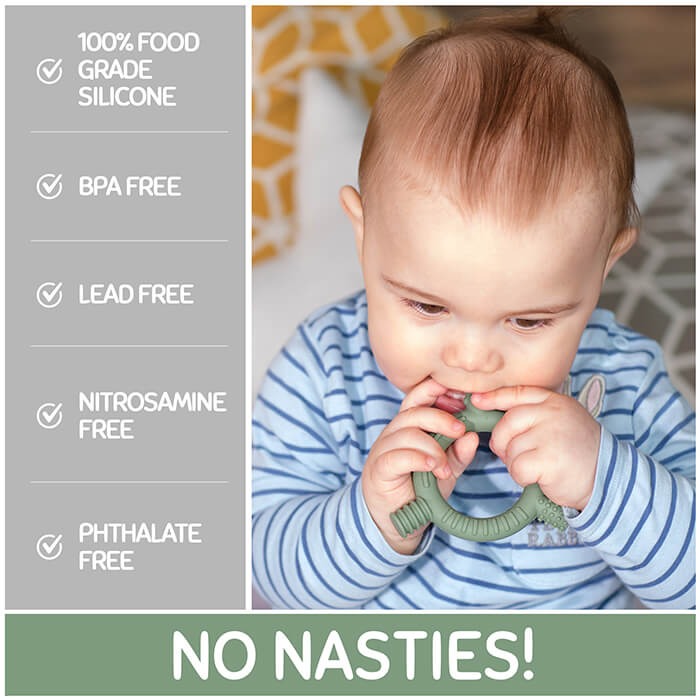
Chewing clothing or a stroller handle doesn’t make those objects approved teething substitutes. Refusal alone is not a medical diagnosis. For persistent distress, unusual symptoms, or pain, consult a pediatric clinician. The separate guide to teething symptoms and comfort covers that question.
When should you stop using or replace a teething toy?
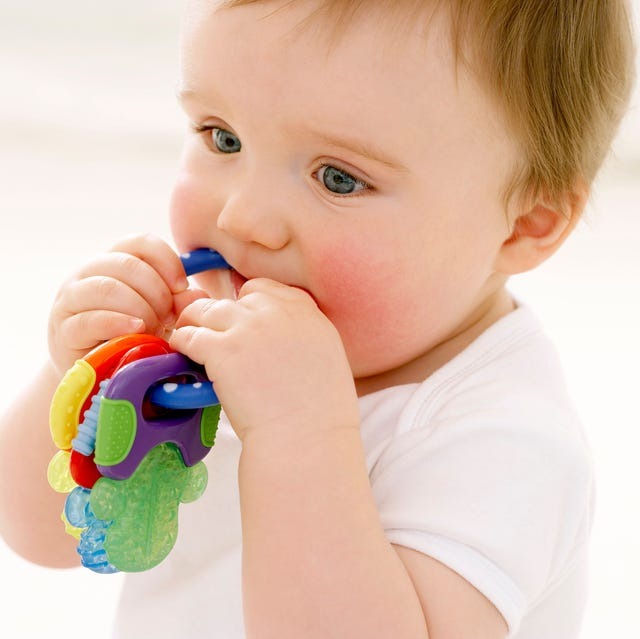
Chewing wears toys down and can leave loose parts, splits, or weak seams.
- Tears or bite-through marks: Stop using a toy with a damaged chewing surface or exposed parts.
- Loose eyes, clasps, or joints: Remove the item when an attachment separates or moves in a way the design doesn’t allow.
- Changed shape or weakened seam: Retire the toy if the deformation affects its structure.
- Unmanageable moisture or contamination: Remove a toy with visible mold, a lasting foul odor, or an interior you can’t maintain.
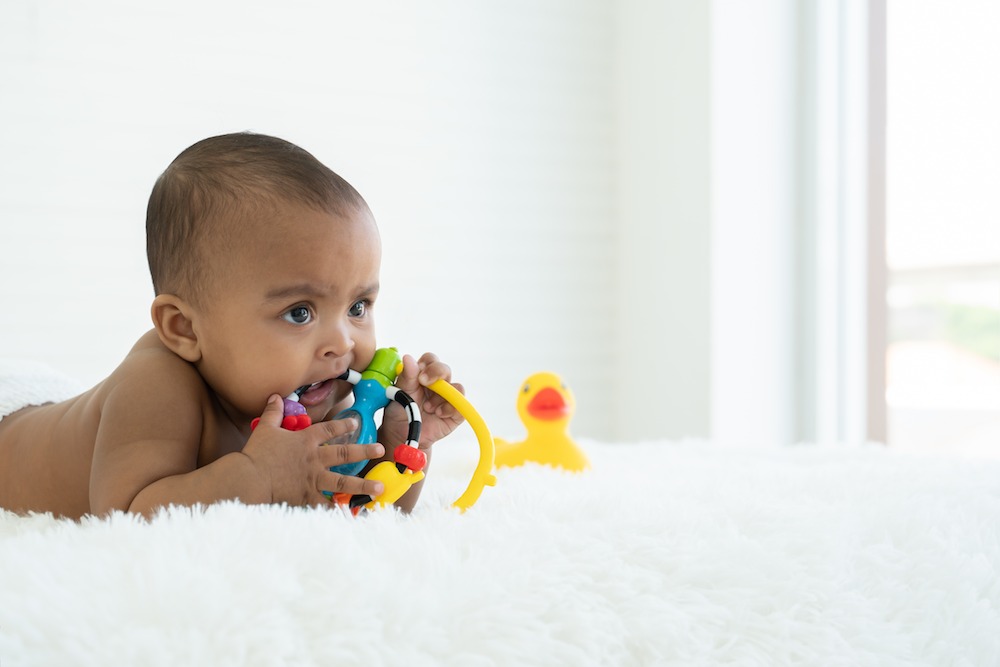
Follow any manufacturer replacement instructions as well.
How do you check whether your exact teether has been recalled?
Search the official CPSC recalls database using the product’s brand and identifying details. Match your actual item to the notice’s affected models and variants.
- Identify the item: Find the brand, product name, model, and any item or lot number on the toy, packaging, tag, or purchase record.
- Find the official notice: Search CPSC by manufacturer name, model, or a distinctive description, then open the full recall page.
- Compare the scope: Check model identifiers, photographs, described variants, and sale or production details. A similar shape or color doesn’t prove a match.
- Follow the stated remedy: If your item is affected, stop use and follow the notice’s instructions.
- Resolve missing identification: If the label or box is gone, check the original order record or contact manufacturer support. Keep the item out of use until you know what it is.
For Tiyol, CPSC lists model 688-59 on the packaging. CPSC also names model 688-59 in separate recalls for AiTuiTui and Yetonamr pull-string teethers. Match the brand, packaging, product photographs, and full affected-product description to the right notice.
For Skip Hop Baby Sesame Street Elmo, model 9R263210 appears on a tag attached to the fabric crayon box.
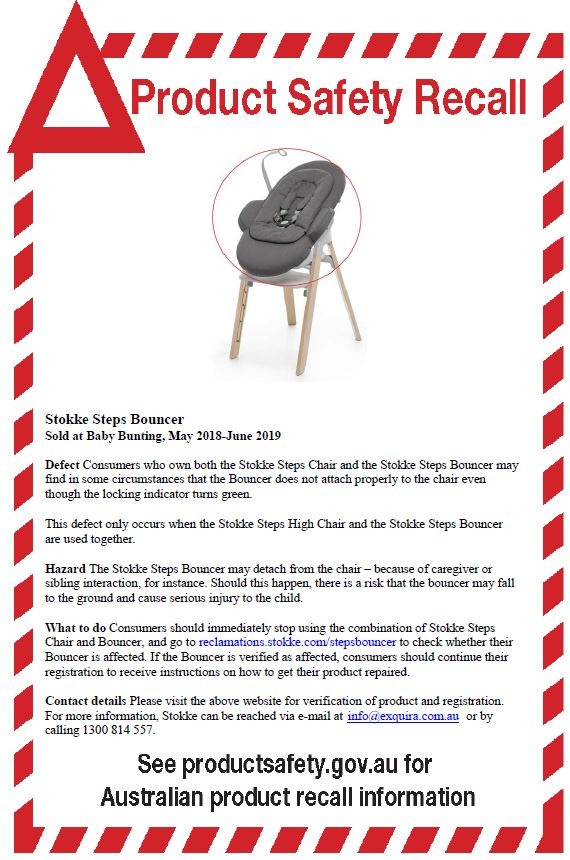
An official remedy can be a manufacturer-run repair. The Chews Life notice tells owners to stop using the affected teethers and return them for a free repair. Don’t glue or modify the product at home.
An empty recall search doesn’t certify a product as safe. For other nursery products, the separate guide to baby product recalls covers the broader process.