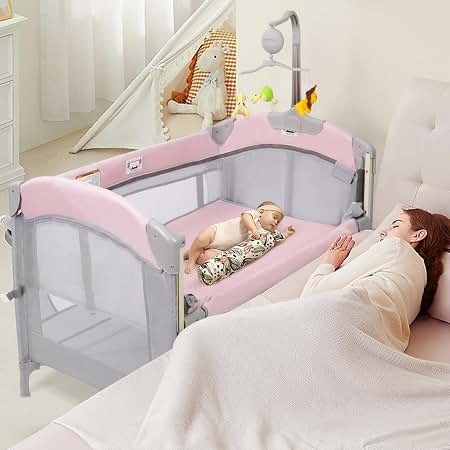
If a compliant crib fits safely in your room, your newborn can sleep there from day one. You don’t need to buy a bassinet. Choose one when its footprint or bedside convenience solves a real problem, and switch to another safe sleep space when that model’s first stop-use limit applies. Before you buy or change setups, check the product instructions, recall status, bedroom fit and your room-sharing plan.
Can a newborn sleep in a crib from day one?
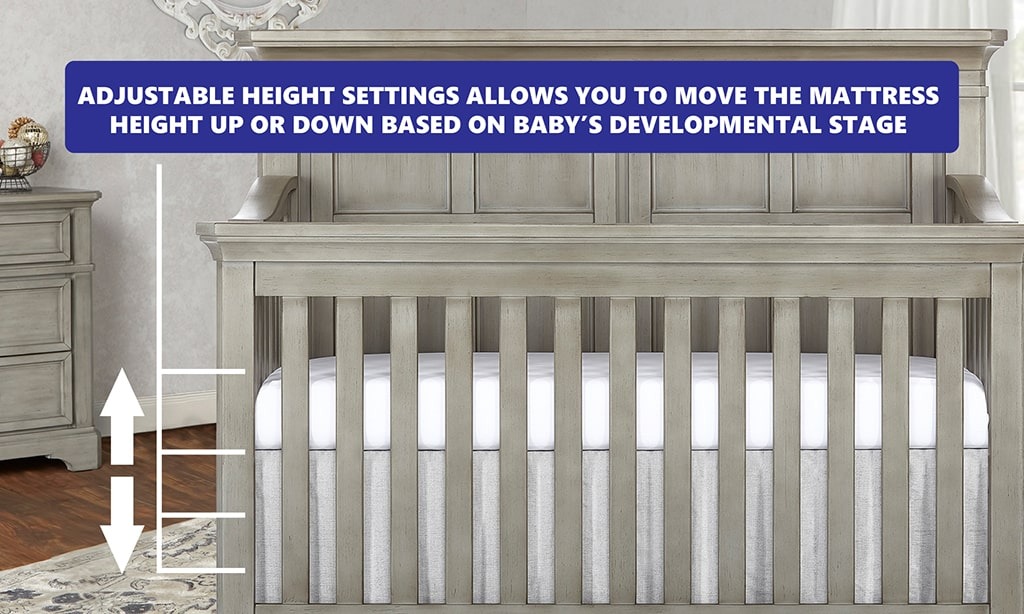
Yes. A compliant crib, assembled correctly and fitted with its compatible mattress, is a safe sleep space from birth. Your baby doesn’t need a bassinet first, and the crib can go in your bedroom.
If you already own a crib, the question is simple: does it fit securely in your room, with clear access around your bed? A snug fit is fine. The crib still needs a stable position, all its intended components and a safe sleeping surface.
One expectant parent picked up a secondhand crib and wondered whether to skip the bassinet:
My husband and I scored an excellent condition IKEA Sniglar crib off Facebook marketplace last night for only $30. He assembled it and we were pleasantly surprised at how sturdy and solid it felt. It’s a little snug in the corner of our bedroom, but it definitely works. We only need to purchase a mattress and sheets. Would it be crazy to start the baby in a full size crib in our room versus a bassinet?
Thirty dollars is a good price, but a sturdy feel doesn’t prove a used crib is safe. Check its model, hardware, condition and mattress fit against the requirements below.
Crib, bassinet, mini crib or play yard?

The best choice gives your baby a suitable sleep setup and fits your home. Full-size cribs, bassinets, mini cribs and play yards differ in footprint, portability and when a child must stop using a particular mode.
| Product | Where it helps | Trade-off to consider | Next step to plan |
|---|---|---|---|
| Full-size crib | Permanent sleep space that fits in the parents’ room | Large exterior footprint; hard to move often | Follow the model’s use instructions and mattress-position requirements |
| Bassinet | Compact placement and bedside access | Earlier stop-use triggers mean you’ll need another product | Have the next sleep space ready |
| Mini crib | Rooms too small for a full-size crib | Model-specific size, mattress and use requirements | Pick the replacement before the model’s own limits apply |
| Play yard | Sleep and play in one product, sometimes portable | Folding and access are less convenient; attachments have separate limits | Track the raised bassinet insert and main enclosure separately |
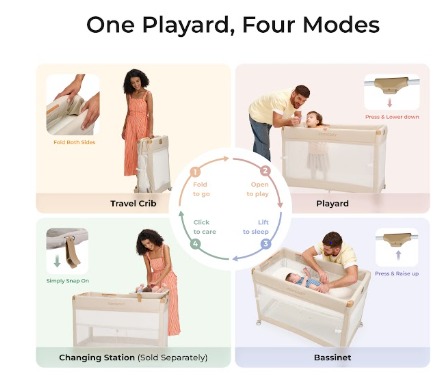
A play yard’s raised bassinet insert is one configuration, and its lower main enclosure is another. A child may outgrow the insert and still be eligible for the main play yard under its separate instructions. A bedside sleeper that attaches to an adult bed has its own attachment requirements. The adult mattress isn’t the baby’s sleep surface.
Another parent was weighing a bassinet-to-play-yard route, and the family disagreed about mattress height:
I have a friend that just used a bassinet for her baby initially and then switched to a pack n play until the baby was old enough for a toddler/kid bed. I mentioned this to my husband and we are now considering not getting a crib for our baby (due in October). We told my MIL and she seemed really appalled at the idea that we don’t think we want one. She said the baby would be uncomfortable and that we would regret not being able to adjust the mattress heights as the baby gets bigger.
Compare the real products: permitted mattress positions, everyday access, compatible parts and what your child will sleep in later.
Safety requirements before you choose
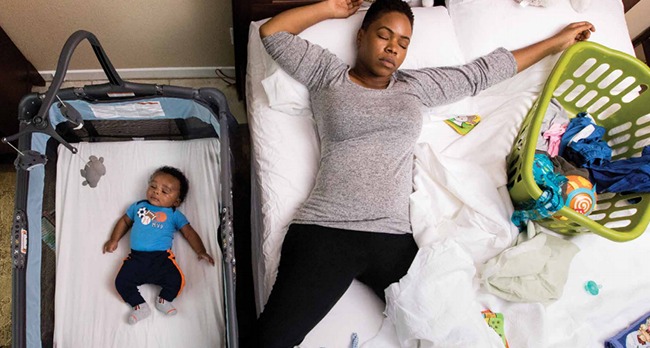
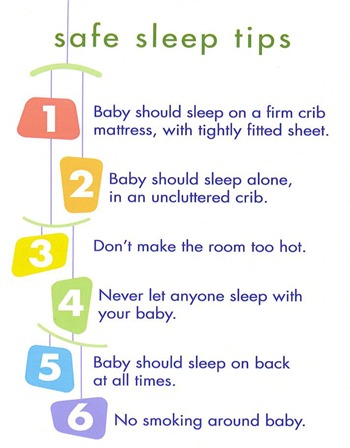
Your baby needs a product made for infant sleep, assembled as instructed, with a firm, flat surface and a correctly fitted sheet. Place your baby on their back for every sleep, and keep pillows, loose blankets, bumpers and soft toys out of the sleep space. To compare crib, firm mattress and fitted sheet, use Safe Sleep Checklist for Babies.
These are the essentials in the CPSC’s safe sleep guidance. Don’t use a swing, lounger or inclined soother as a sleep space, and don’t add an unapproved mattress or extra cushioning to make a play yard or bassinet softer.
| Screening question | Passes the screen when | Do not use or resolve first when |
|---|---|---|
| Is this exact product intended for infant sleep? | You’ve identified the infant sleep-product category and intended configuration | Do not use: it’s a swing, lounger or other unsuitable sleep device |
| Can you identify the model and instructions? | You’ve established the manufacturer, model, required parts and setup instructions | Unresolved: identification, instructions or critical hardware are missing or can’t be confirmed |
| What is its recall status? | No applicable recall is identified, or an official repair has been completed and the recall instructions permit resumed use | Do not use: a stop-use, refund or disposal remedy requires discontinuation. Unresolved: the exact model or corrective-action status can’t be confirmed |
| Does the assembled sleeping surface match its instructions? | The specified firm, flat mattress, fitted sheet and required product configuration are in place | Do not use: the setup is damaged, improperly assembled or relies on an unapproved mattress or cushioning |
Use this table as a quick screen. Only equipment with confirmed identification, instructions, condition and recall status moves on to the bedroom-fit and cost decision. If any answer is unresolved, the product stays out of sleep use until you have it. Look up the manufacturer and model in the CPSC recall database and follow the remedy for the affected product.
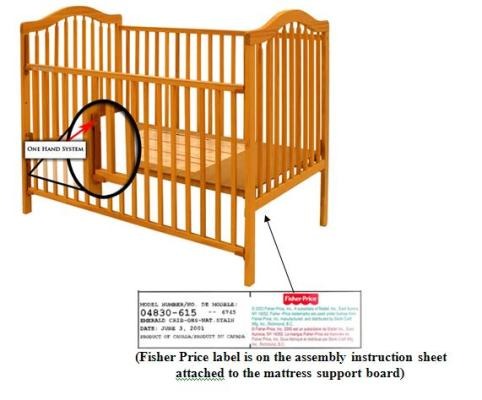
US rules treat cribs and bassinets separately. Full-size cribs fall under 16 CFR Part 1219; non-full-size cribs, including qualifying mini cribs, under Part 1220; and bassinets and cradles under Part 1218. Play yards fall under Part 1221. Bedside sleepers attached to an adult bed have additional requirements under Part 1222, and certain other infant sleep products fall under Part 1236.
The CPSC recalled approximately 110,400 AirClub QX-831 convertible bassinets on March 26, 2026, over a fall hazard involving the bedside attachment. The remedy is a replacement attachment mechanism. On October 15, 2026, the agency recalled approximately 248 Papablic PAPA03001AI convertible bedside sleepers for entrapment, suffocation, fall and structural hazards. The remedy requires you to stop use, destroy the product and get a refund.
When must you stop using a bassinet?
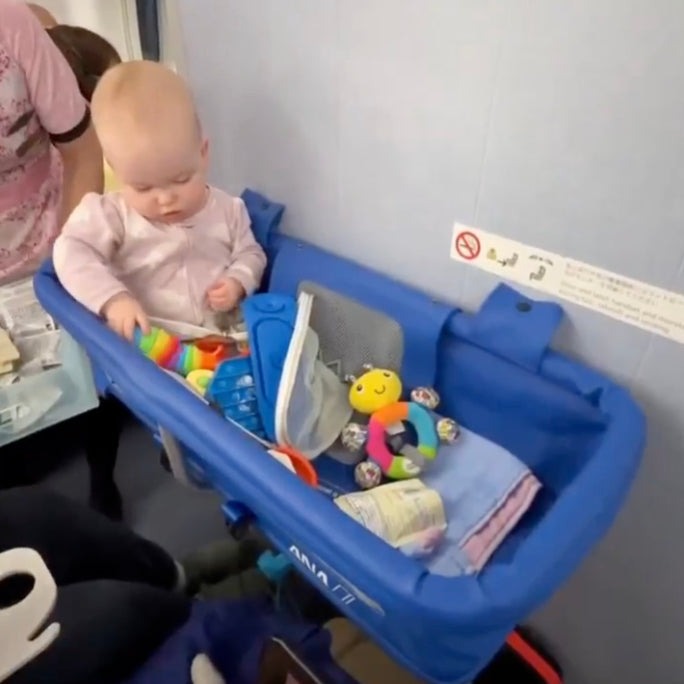
Stop using a bassinet when the first limit in that model’s instructions is reached. The trigger can be a movement milestone, a weight or height limit, or another stated condition. No single age or weight cutoff applies to every bassinet.
A combination play yard shows the difference. The Graco Pack ‘n Play Care Suite Bassinet Lux Playard, model 2224032, lists different conditions for its raised bassinet modes and its main play-yard mode:
| Model 2224032 mode | Movement trigger | Size or weight trigger |
|---|---|---|
| Newborn bassinet | Starts pushing up on hands and knees | Exceeds 15 lb |
| Full-size bassinet | Starts pushing up on hands and knees | Exceeds 15 lb |
| Main play yard | Can climb out | Reaches 35 inches or weighs over 30 lb |
In the bassinet modes, pushing up ends use even when the baby weighs under 15 lb. The main play yard has its own conditions. These figures apply to the named Graco model only.
Space, portability and daily use
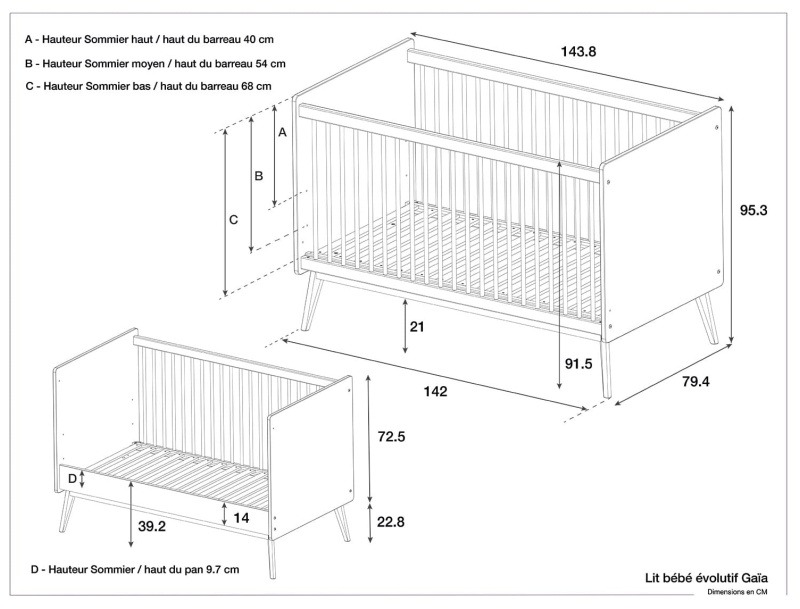
A bassinet’s smaller advertised size only matters if the assembled product solves a real space problem. Compare its exterior dimensions with your floor area, and keep access to your bed and the room exits clear.
The CPSC full-size crib category uses nominal interior dimensions of 28 ± 5/8 inches by 52 3/8 ± 5/8 inches. Those describe the inside sleeping area. Frames and rails add to the exterior footprint, which varies by model.
Mark the assembled product’s dimensions on the floor before you commit to a spot. Include the door swing, walking route, furniture, nearby cords, a stable floor and room for you to reach the baby at night.
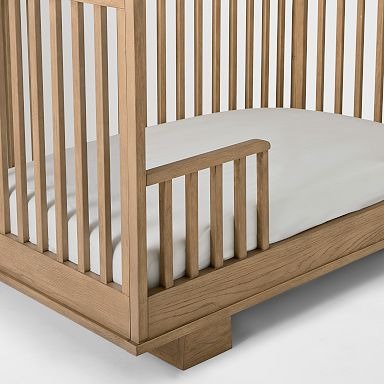
Portability means more than folding for a trip. A play yard may travel well and still be awkward to take apart and carry between floors several times a day. Set up an empty demo to see whether its folding mechanism, weight and reassembly suit you.
In a multistory home, a separate sleep space for each room you use most is easier than relocating one large product repeatedly.
Can I move a bassinet while the baby is inside?
Follow that model’s instructions. Wheels or carrying handles don’t automatically make transport with the baby inside acceptable. Lock the wheels, set it on a stable surface and observe any limits on lifting or rolling.
Costs, used gear and what you can skip
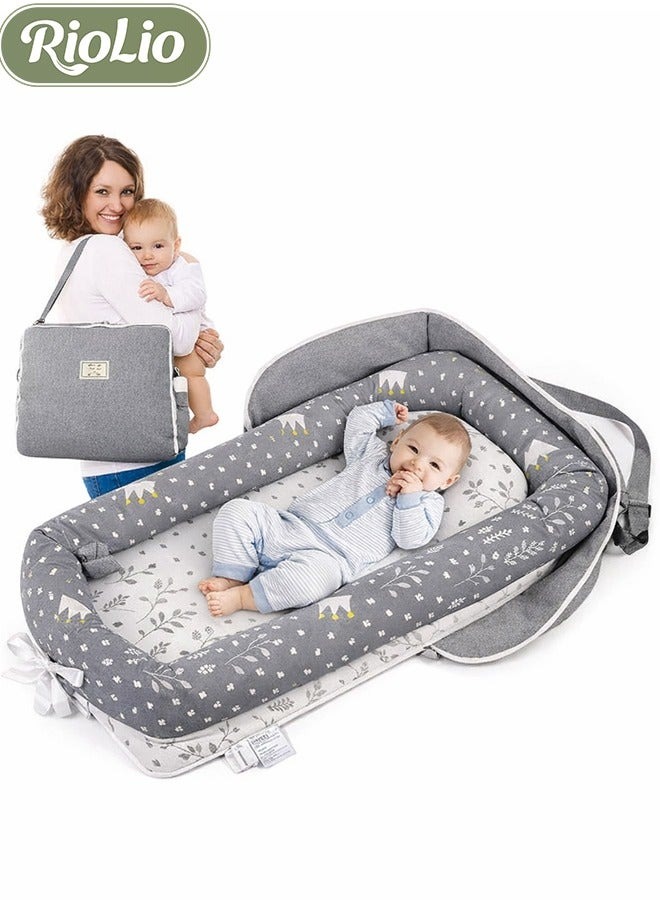
Compare the full purchase path, including what comes after the first item. What you already own often decides whether a bassinet adds cost or solves an expensive space problem. To compare car seats, strollers and baby carriers, use Baby Gear: How to Choose What You Need.
- Crib from birth: Budget for a crib, its compatible mattress and fitted sheets. You skip the early bassinet purchase.
- Bassinet followed by crib: Include both products, their compatible sleeping components, storage and the planned switch.
- Bassinet followed by play yard: Include any separately required equipment and the point where the baby must leave the raised bassinet mode.
Use your local prices and what you already own for each path. A secondhand crib can cut the bill. For missing components, model information and recall checks, see the used baby gear inspection guide.
When a bassinet adds useful convenience
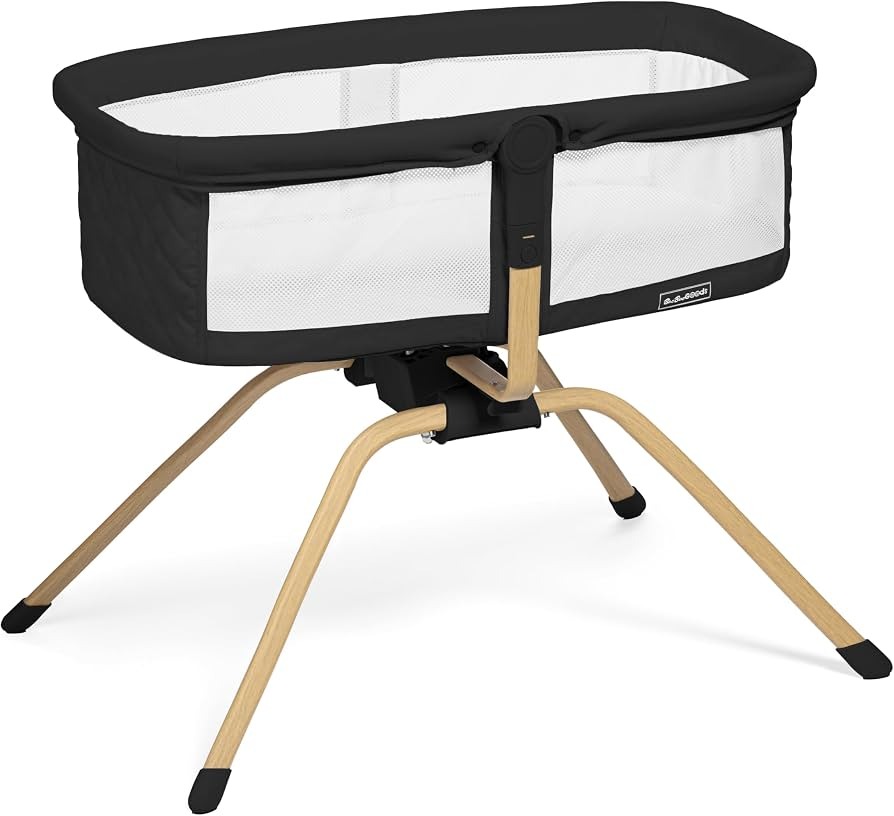
A bassinet earns its place when its size lets the baby sleep next to your bed where a crib won’t fit, or when its access height makes night care easier. A wheeled design makes an empty bassinet easy to reposition around the home. If you’d use those features daily, they can justify a separate purchase.
What changes when moving to a crib?
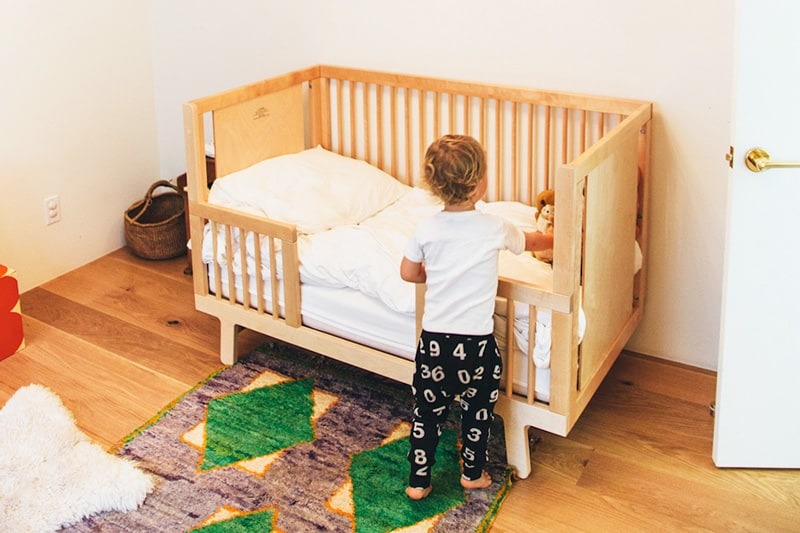
Switching from a bassinet to a crib changes the equipment, not the room.
The American Academy of Pediatrics recommends room sharing with a separate infant sleep surface, ideally for at least the first six months. The CDC’s infant safe sleep guidance supports that arrangement. If the bassinet stops being suitable during that period, a compliant crib can stay in your room.

If your baby has medical needs that affect sleep, follow your pediatric clinician’s guidance.
What if the baby refuses the bassinet?

A baby who wakes the moment they touch the bassinet leaves you exhausted. A different compliant sleep product may suit your handling and layout better, but switching products isn’t a proven fix for frequent waking.
The parent of a four-week-old described failed transfers and hard nights after their partner went back to work:
I can get him to sleep in no time but transferring to the bassinet doesn’t work and he is immediately awake and crying every single time. Partner is back at work and we can’t do shifts at night anymore. If I am lucky enough to get him to sleep in the bassinet, by the time I get him there it’s time for him to eat again and he’s waking up hungry with little to no time being asleep. I am desperate to sleep when he sleeps but he doesn’t at night and only wants to be in his swing during the day so I am awake then too since he isn’t suppose to be in the swing unsupervised.
A swing, couch, cushioned lounger or adult bed is no substitute for a separate infant sleep space, and that includes daytime naps in the swing. To decide about an infant lounger, inclined sleeper or crib, see Baby Sleep Products to Avoid and What to Use Instead.
If transfers stay difficult, ask your pediatric clinician about feeding, comfort or health concerns, and ask a trusted adult to share caregiving when exhaustion makes safe routines hard to keep up. For more on waking and settling, see newborn night waking and sleep patterns.
Your crib-or-bassinet decision checklist

Fill in one row per sleep setup you’re considering. The example follows the parent who bought a secondhand IKEA Sniglar crib for $30 and found it fit snugly in the bedroom.
| Decision field | What to enter | Worked example: used IKEA Sniglar crib |
|---|---|---|
| Product and active mode | Maker, model and mode: crib, bassinet, insert or main play yard | Used IKEA Sniglar full-size crib, crib mode |
| Safety screening | Passes, do not use, or unresolved; include instructions, parts and recall-remedy status | Unresolved: hardware, mattress compatibility and recall status weren’t covered in the post |
| Bedroom fit | Measured exterior footprint and usable access | Snug fit reported; exact clearances unknown |
| First stop-use condition | The model’s movement, size or other triggers | Unknown |
| Next safe sleep space | The permitted configuration that follows the current one | None mentioned in the post |
| Room-sharing decision | Where the baby sleeps now and any later room change | Crib in the parents’ room, with a possible later nursery move |
| Total cost | Existing equipment, purchase price, compatible mattress and sheets, and later replacement or storage | $30 for the used crib; mattress and sheets still needed; other costs unknown |
The $30 crib stays an unresolved candidate until the specific product, its components and its sleeping setup meet the requirements.