
For a baby under 12 months, use a compliant crib, bassinet, play yard, or bedside sleeper with a firm, flat, bare surface. Loungers, positioners, swings, rockers, and similar gear are for awake time. A car seat protects your baby on the road and is not a bed at home. If your baby falls asleep in the wrong place, move them to a proper sleep space as soon as it is safe and practical. Before you keep or accept any product, check its exact model, instructions, and recall status.
Parents run into the same choices all the time. The baby dozes off in a swing. A padded nest looks like a small bed. The car seat seems a handy place to finish a nap. Two questions settle each case: was the product made for sleep, and is your exact model compliant, recalled, or restricted?
Which baby products are suitable for sleep?
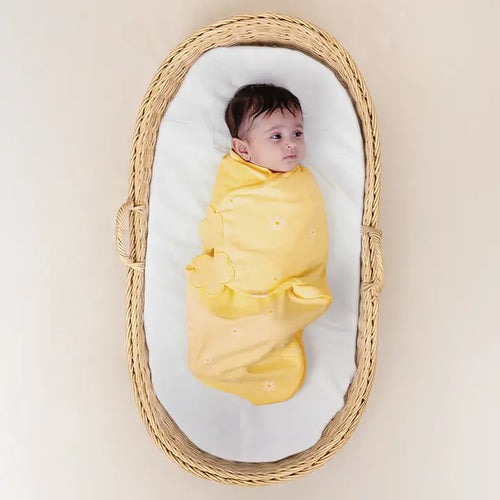
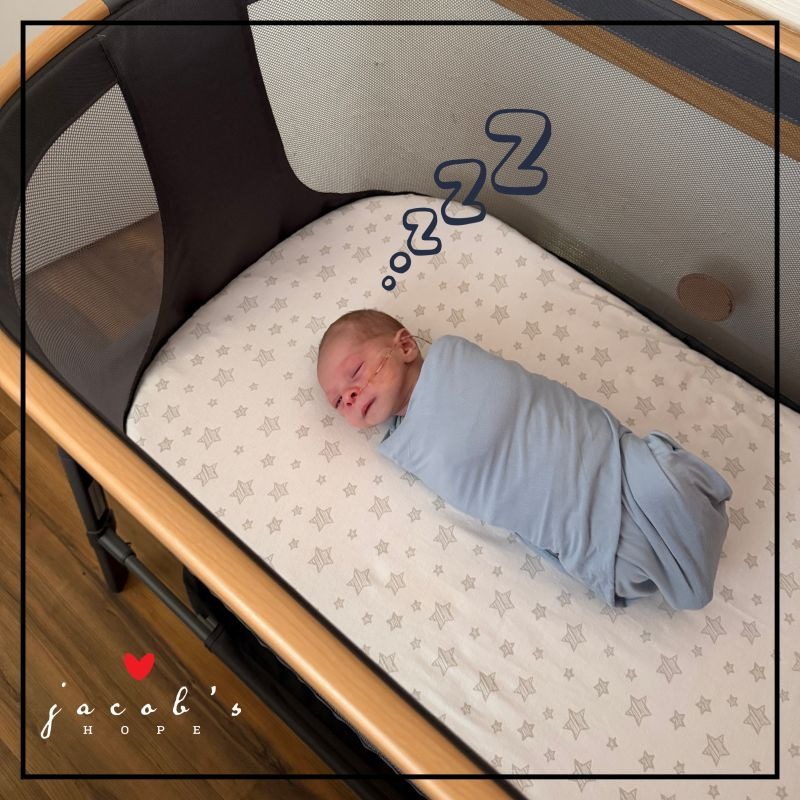
Use a federally compliant crib, bassinet, play yard, or bedside sleeper, assembled according to its instructions. The American Academy of Pediatrics (AAP) and the US Consumer Product Safety Commission (CPSC) recommend placing babies on their backs on a firm, flat surface with a fitted sheet and no loose bedding or soft objects. For crib, firm mattress, and fitted sheet details, see Safe Sleep Checklist for Babies.
A product that looks like a tiny bed may be made for supervised awake use.
| Product or category | Infant sleep use | What to do |
|---|---|---|
| Full-size or non-full-size crib | Yes, when compliant | Use the mattress and fitted sheet made for it, within the maker’s limits. |
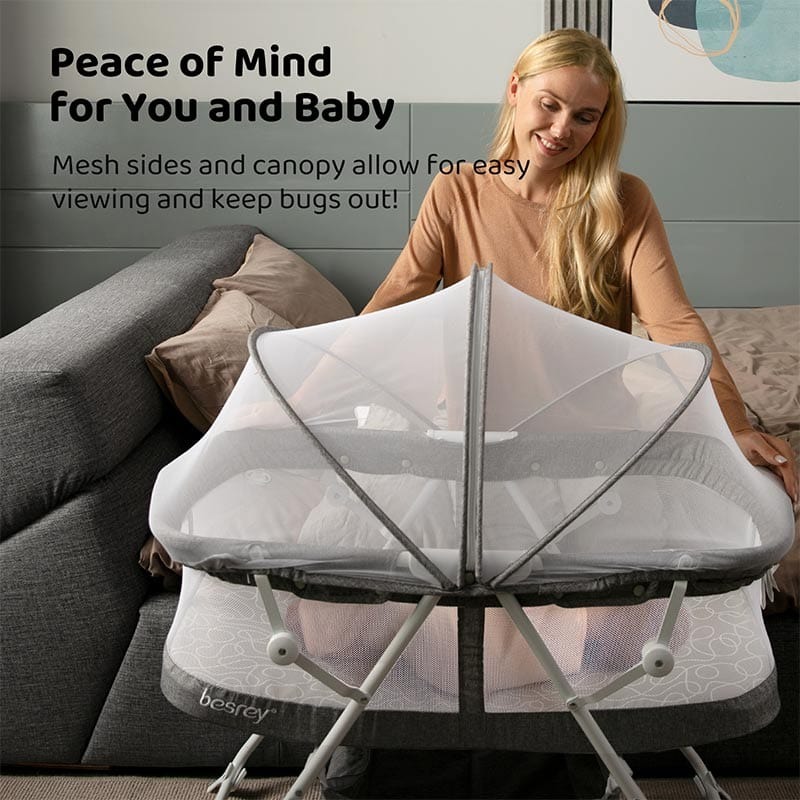
| Bassinet or bedside sleeper | Yes, when compliant | Follow the instructions and the size or developmental limits. |
| Play yard or portable crib | Yes, when compliant | Use only its approved sleep setup. |
| Stroller bassinet or travel bassinet | Depends on the model | Check that it is made and compliant for infant sleep, including any sleep-product rule that applies. |
| Ordinary stroller seat | No dedicated sleep space | Use it as a seat. If your baby dozes off, see the advice on unexpected sleep below. |
| Swing, rocker, bouncer, or glider | No | Awake soothing only. If your baby falls asleep, follow the transfer advice below. |
| Soft baby lounger, padded nest, or support cushion | No | Follow any awake-time instructions. Never add one to a crib for sleep. |
| Product sold as a “sleep nest” or in-bed sleeper | Check its classification first | Look up its intended sleep use and the federal requirements for that exact product. |
| Sleep positioner or wedge | No | Remove it. |
| Car seat used indoors | No | Move your baby to a flat sleep surface after the drive. |
| Baby carrier or wrap | Not a routine sleep location | Use it for carrying, following its instructions. Routine naps go in a crib or bassinet. |
| Pillows, nursing pillows, crib bumpers, loose blankets, or weighted sleep accessories | No | Keep them off the sleep surface. |
A damaged crib, a recalled bassinet, or a badly assembled play yard is unsafe even though its product type is normally fine. The CPSC safe sleep guidance describes the firm, flat, bare setup.
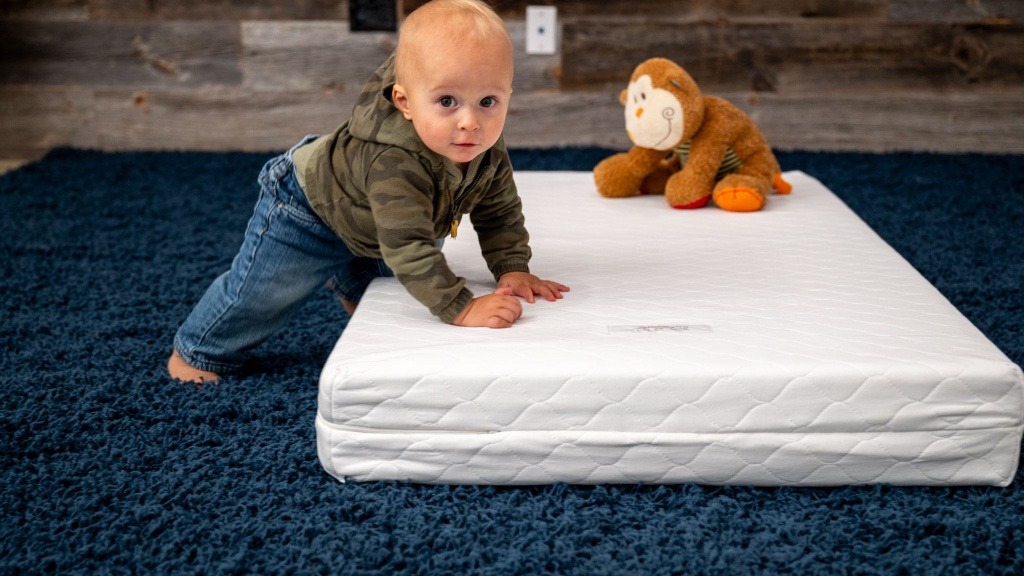
Stroller accessories and travel bassinets marketed for infant sleep fall under infant sleep-product requirements on top of the stroller rules. A regular stroller seat is just a seat. A bassinet attachment sold for sleep carries separate federal requirements.
Keep soft loungers, padded nests, and crib add-ons out of the sleep area
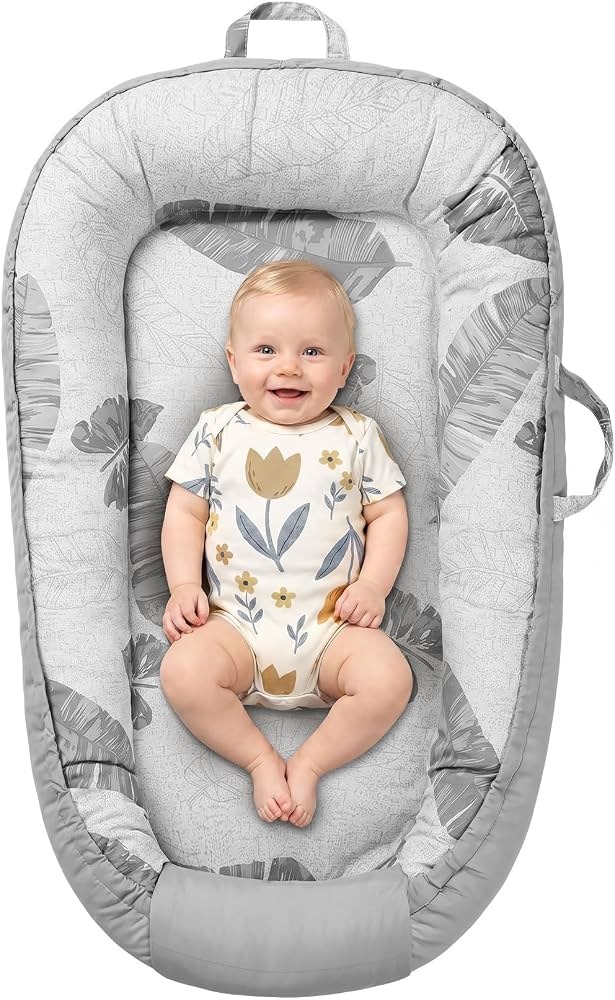
Soft loungers and padded infant nests look inviting because they surround the baby. That same design is the hazard: cushioning near the face, raised sides, and openings can cause suffocation or entrapment.
A lounger inside a compliant crib changes the sleeping surface, and an adult sitting next to the baby doesn’t fix that.
Some products called “nests” are marketed for sleep and can fall under federal infant sleep-product requirements, including 16 CFR part 1236. That classification applies product by product, so check the exact product before you trust a nest. Padded loungers and support cushions made for awake time never serve as sleeping spaces.
- Positioners and wedges: Don’t use them to hold a baby in one sleep position, even when someone suggests propping the baby up for reflux.
- Nursing pillows: They support feeding and other awake activities. Keep them away from a sleeping baby.
- Crib bumpers, blankets, stuffed toys, and ordinary pillows: Keep them out of the baby’s sleep area.
- Weighted sleep accessories: Weighted blankets, swaddles, and similar items are not safe for infant sleep.
What if your baby falls asleep in a swing, rocker or carrier?
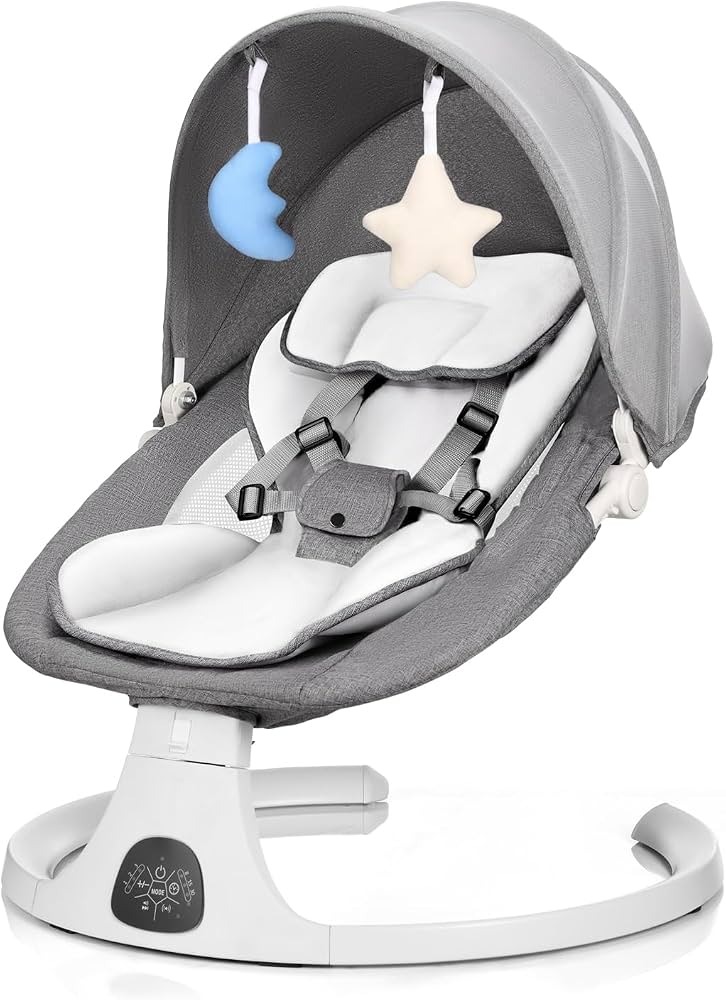
Move a sleeping baby from a swing, rocker, bouncer, glider, carrier, or other unsuitable device to a firm, flat, bare sleep surface as soon as it is safe and practical.
While you carry your baby in a sling or cloth carrier, keep the head above the fabric, the face visible, and the nose and mouth clear.
That’s harder after hours of crying, when you’ve finally found something that works.
One parent described exactly this evening:
my husband and i are so mortified but we put our baby (3m) in one of those “swings” (not sitting upright, just a bassinet type swing that rocks back and forth using batteries) to calm her down last night out after she had been screaming for a couple hours. she was fed, fresh diaper, etc and she finally started dozing when we set her down. we then decided it was a good idea to lay down next to her swing so we could actually cuddle/be in the same bed for once.
Both adults then fell asleep by accident and woke hours later, frightened by how long the baby had stayed in the swing.
Plan for the exhausted evening
Have a compliant bassinet, crib, play yard, or bedside sleeper ready before you start soothing. If settling your baby usually leaves you close to dozing off yourself, decide where the baby will go before you begin. Accept that your baby may wake during the move.
- Prepare the sleep space: Keep the bed within reach and set up for sleep.
- Share responsibility: Agree who takes over if the person soothing gets too sleepy to stay alert.
Car seats are for the drive
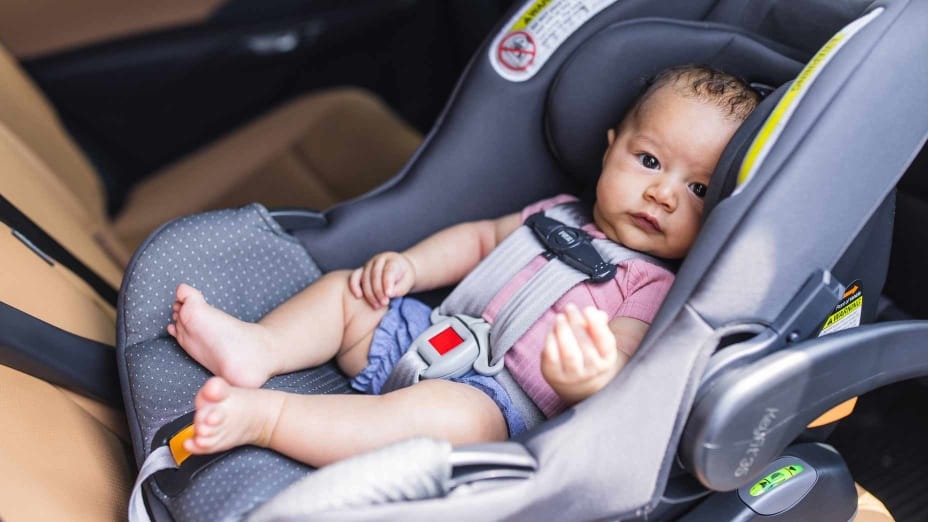
During a drive, keep your baby in a correctly installed infant car seat, properly restrained, even when your baby falls asleep. Once you arrive, a detached car seat on the floor or one attached to a stroller frame is not a household bed. Move your baby to a flat sleep space. For sleep safety, car seat fit, and home hazards, see Baby Safety at Home and on the Go: What to Check First.
Why reclined seats and soft-sided products pose sleep hazards
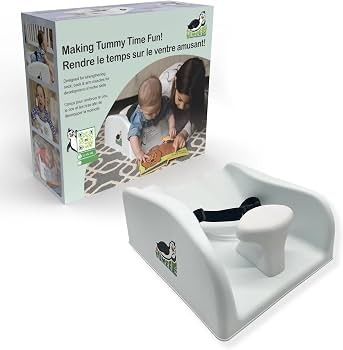
A seated or semi-reclined position can let a baby’s head fall forward and interfere with breathing. That is one reason a swing or similar seated device cannot replace a firm, flat sleep surface.
Soft-sided products need a separate check: a nest can look nearly level and still have enclosing padding.
Monitors and positioners leave the surface the same
A monitor does nothing to the surface under your baby. A wedge or pillow meant to hold a baby in one position adds its own concerns.
The FDA’s guidance on baby products and SIDS-prevention claims cautions against infant sleep positioners. The agency says it is unaware of clinical or scientific evidence that currently available baby products prevent or reduce sudden infant death syndrome (SIDS), and it has not cleared or approved a marketed baby product for that prevention purpose.
Banned, recalled and “not for sleep” mean different things
Ask three separate questions. Is the product category under a federal commercial prohibition? Has this exact model been recalled? Was it intended and regulated to provide infant sleeping accommodations?
The Safe Sleep for Babies Act of 2021 was signed on May 16, 2022, and took effect on November 12, 2022. It prohibits specified commercial activities involving defined inclined infant sleepers and crib bumpers.
| Status | Example | What it means |
|---|---|---|
| Federally banned product category | Defined inclined infant sleepers and crib bumpers | The statutory commercial restrictions apply to covered products. |
| Model-specific recall | Fisher-Price Rock ‘n Play Sleepers | Match the exact item and follow the official notice. |
| Regulated awake-use category | Certain infant support cushions | Meeting an awake-use standard gives no approval for infant sleep. |
| Compliant dedicated sleep category | Properly set up compliant crib or bassinet | Suitable for sleep when the individual product and setup also meet their requirements. |
A recall names affected products. The Act’s definitions govern specified commercial activities. Either can require action on an item, and a retailer listing won’t tell you which applies.
What the 10-degree rule covers
Under the CPSC’s Safe Sleep for Babies Act guidance, the defined inclined sleeper for infants has a sleeping surface greater than 10 degrees from horizontal and is intended, marketed, or designed for sleeping accommodations for an infant up to one year old. A product at 10 degrees or less isn’t automatically compliant with other applicable requirements or suitable for sleep.
The Act’s crib-bumper definition excludes certain non-padded mesh crib liners. That legal exception doesn’t change the advice to keep your baby’s sleeping area bare. Some awake-only swings and rockers also fall outside the Act’s inclined-sleeper prohibition, and they still aren’t for sleep.
Which standard covers which product
- 16 CFR part 1236: Covers certain products marketed or intended to provide sleep accommodations for infants up to five months old when no other applicable infant sleep-product standard covers them. Products advertised for a wider age range can still fall under this rule if that range includes younger infants.
- 16 CFR part 1243: Covers specified infant support cushions manufactured after May 5, 2025.
- 16 CFR part 1242: Covers specified nursing pillows manufactured after April 23, 2025.
The federal Act generally doesn’t criminalize private ownership or every private use of a product named in its title.
How to check a baby product or secondhand sleeper by model
An old sleeper can turn up in a family closet or an online listing long after its original purchase. The label and exact product identity decide whether a recall notice applies. For product model, serial number, and official recall notice, see How to Check Baby Product Recalls (and What to Do Next).
A five-step product check
- Find the maker and model: Read the product tag, underside label, or permanent marking and write down the full name and model.
- Record identifying details: Note the manufacture date, production code, or distinct color and pattern if the notice uses them.
- Read the manual: Find out whether the maker intended the product for infant sleep and what use and setup it allows. Words like “sleep,” “snooze,” “dream,” or “nap” in the name or ads, and images of sleeping babies, hint at intended use. They don’t prove the product meets sleep-product requirements.
- Search the official notice: Use the CPSC recall database and related warnings. Match the exact model and the photographs in the notice to your product.
- Follow the instructions: If the product matches a recall or stop-use warning, stop using it and follow the remedy in the notice. Don’t donate or resell a recalled hazardous item.
On January 15, 2026, CPSC announced a recall of specified BBWOO baby loungers. One listed identifier was BLG26BE for the Gray Dinosaur model. Only the tag tells you whether your product matches or just looks similar.
The Boppy Company recalled approximately 3.3 million specified newborn loungers in September 2021. Those affected products included identified Original, Preferred, and Pottery Barn Kids versions, not every product bearing the Boppy brand.
Fisher-Price recalled approximately 4.7 million Rock ‘n Play Sleepers on April 12, 2019, covering all models. CPSC reannounced that recall on January 9, 2023.
Federal consumer-product law prohibits resale of recalled products, including online listings. A previous owner’s report that the sleeper worked well for their family doesn’t change a stop-use notice.
What to agree on with daycare, grandparents and babysitters
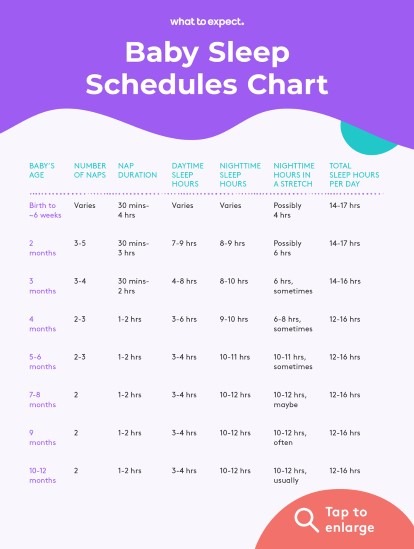
A baby can sleep in a crib at home and nap somewhere very different during the day. Before you hand over care, tell the caregiver where the baby sleeps, how to place the baby there, and whom to call if naps get difficult.
One parent was asked for a medical “sleep release” when their 13-week-old started daycare:
I went back to work this week, so my 13 week old baby started at daycare (a licensed center in Wisconsin). Prior to starting and at drop off, they kept asking for a “sleep release” that would allow my baby to sleep in a different position or in a swing from his pediatrician. We ignored this because he sleeps in a bassinet at home, through the night with no issues. Napping is a little more difficult (contact napper), but we would rather he cry than be in an unsafe situation!
Later in the post, the parent says the provider reported a three-hour nap in a swing. This is one family’s account, not a finding about the daycare’s compliance with Wisconsin regulations.
Make the instructions concrete
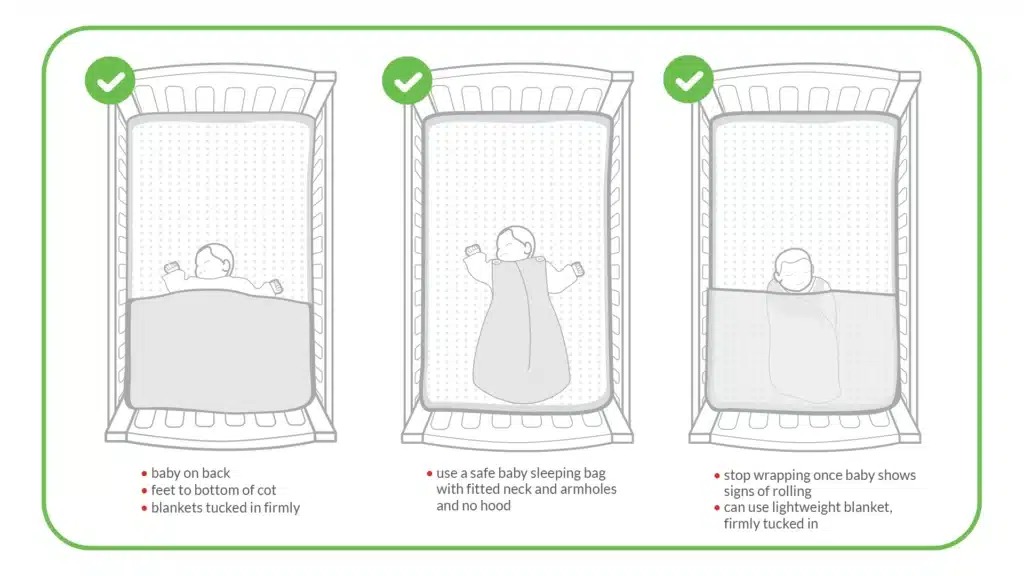
- Place: Name the crib, bassinet, play yard, or bedside sleeper available there.
- Setup: Specify back sleeping on a firm, flat, bare surface with a fitted sheet.
- Unexpected dozing: Agree that a swing or similar device never replaces the sleep space.
- Trouble settling: Give a contact person to call when the baby won’t settle in the approved space.
A written instruction could say: “If she falls asleep in the swing, please move her to the crib when it’s safe and practical. If she won’t settle, call us.”
If a caregiver tells you the agreed sleep arrangement was ignored, deal with the sleeping situation first. Then talk to the supervisor or provider about how they will correct it. If they can’t follow the arrangement, look for care that can meet your baby’s sleep needs.
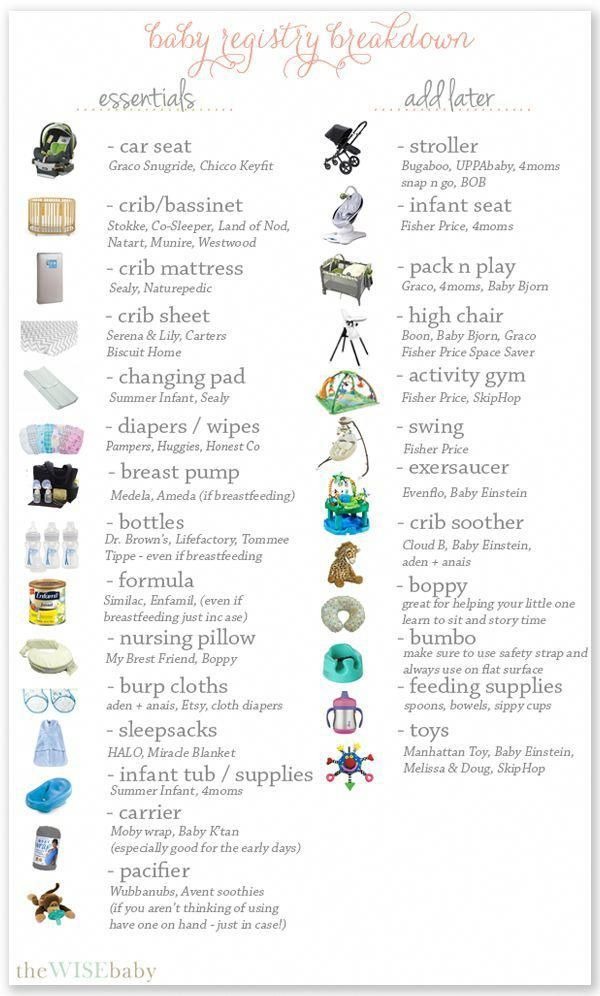
What to buy and what to leave off the registry
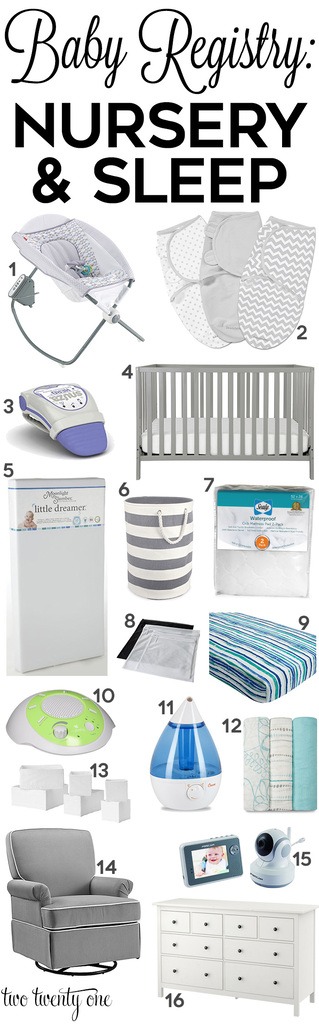
Buy a safe sleep location before any optional soothing gear. Your floor space and the product’s stated limits decide whether a crib, bassinet, play yard, or bedside sleeper fits your home.
- Essential sleep purchase: A product from a dedicated sleep category, plus the mattress and fitted sheet made for it.
- Optional awake-use equipment: Add swings, rockers, or similar products only for the awake uses their instructions allow, and only if no recall or stop-use direction affects your item.
- Exclude from the sleep list: Soft loungers, nests used as padding, positioners, wedges, added crib cushions, and products promoted as shortcuts to safer sleep without an established basis.
A pricey lounger received as a gift is still a lounger, even if you hoped it could replace a second bassinet.
For crib mattress, bassinet limits, and sleep surface, read Crib versus Bassinet: Which One Do You Need.