
Used baby gear can be a smart buy when you confirm the exact model and its history, check recalls, test the parts and safety mechanisms, and make sure it fits your child and your routine. The price should still make sense once you add any extras. Walk away if you can’t verify a detail that affects safety, if a dangerous defect remains, or if the seller offers a prohibited product or a recalled one that hasn’t been fixed. Get the identifying information and proof before you arrange pickup.
That nearly new stroller on Facebook Marketplace might be an excellent find. It might also be missing an adapter, have a brake that slips, or take up nearly the entire trunk.
A recognized brand and an attractive asking price tell you little. What matters is whether this particular item works, meets the safety rules, and is worth its price in its current condition.
Which used baby products should you rule out immediately?
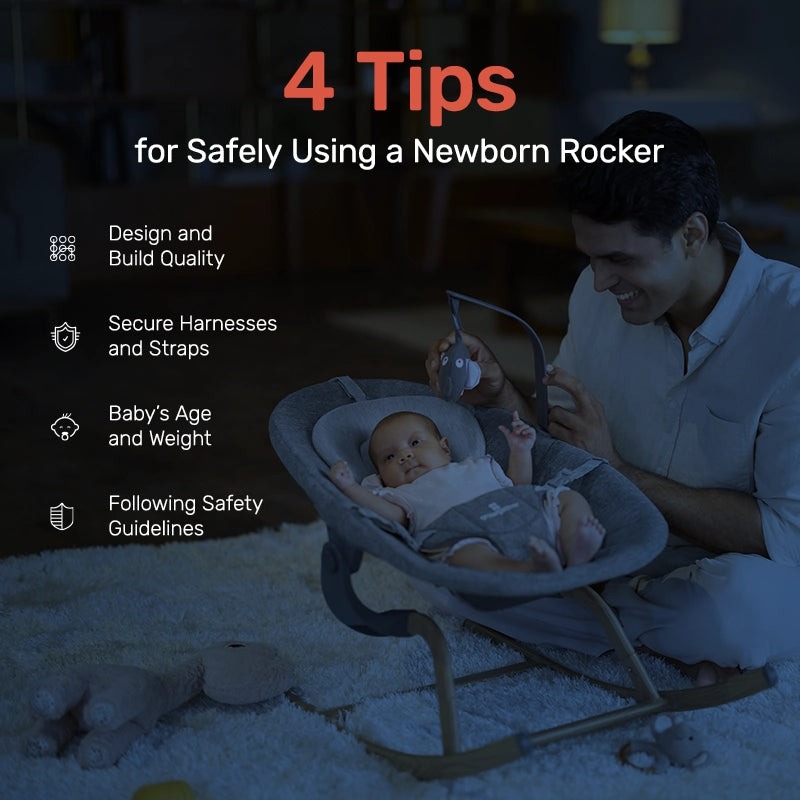
Rule some secondhand baby products out before you discuss price.
The US Consumer Product Safety Commission (CPSC) prohibits resale of consumer products with unresolved recalls, including through online marketplaces. Its guidance for resellers of recalled products covers individuals as well as stores. When a recall offers a remedy that permits continued use, the product can be resold once the remedy is done and disclosed in the listing.
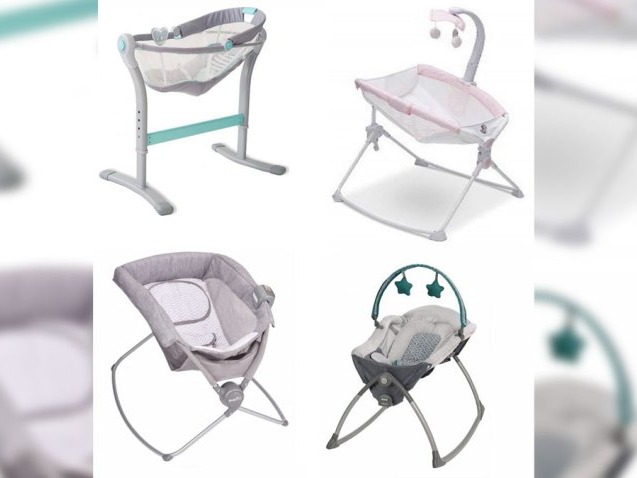
Specific infant products face extra restrictions. Under the Safe Sleep for Babies Act, defined inclined infant sleepers and crib bumpers are banned hazardous products. A cute fabric pattern or a seller calling an item cozy changes neither its intended function nor its legal status.
Cribs need particular attention. Mandatory federal standards for full-size and non-full-size cribs took effect on June 28, 2011, and they apply to used crib sales. Reject traditional drop-side cribs, because their design doesn’t meet those standards. An older crib needs product-specific evidence that it complies, all its components and the right assembly instructions. The manufacturing date alone doesn’t prove compliance.
In a September 10, 2026 warning, the CPSC instructed consumers to stop using the identified CooCooBaby baby loungers immediately, dispose of them, and neither sell nor give them away. The warning cites suffocation and fall hazards in those products.

Breast pumps follow a different rule. The FDA’s guidance on buying or using a breast pump advises against buying or sharing pumps intended for a single user. A pump designed for multiple users can be shared with separate personal accessory kits, following its instructions. A seller calling a pump a “closed system” doesn’t mean it was designed for multiple users.
Reject an item with a serious structural defect, or one missing safety parts that you can’t replace or verify through the manufacturer. Homemade repairs to restraints, frames or essential hardware are no substitute for approved parts.
Used baby gear by category: checks and walk-away triggers
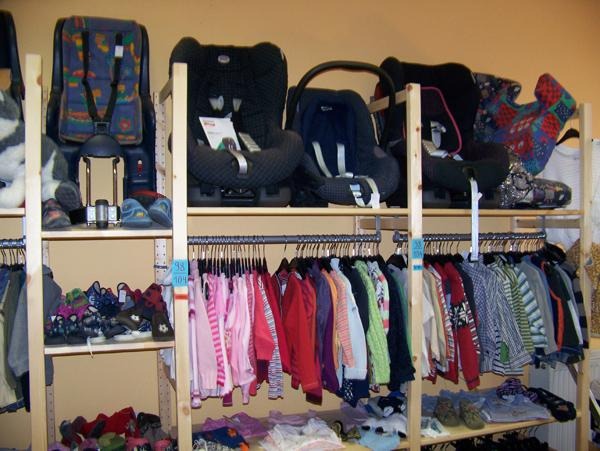
A washable cover, an undamaged-looking frame and an original manual tell you different things. Check the parts that hold, restrain or carry the baby first.
| Item | Used buying approach | Main checks | Walk-away trigger |
|---|---|---|---|
| Clothes, books, suitable toys | Inspect, then consider | Wear, loose pieces, age suitability and recalls | Dangerous damage or hazards you can’t fix properly |
| Strollers | Consider after a hands-on check | Brakes, folding locks, frame, restraints and wheels | A failed safety mechanism or serious structural damage |
| Cribs, bassinets, play yards | Check more carefully | Compliance with standards, original hardware, instructions and intended sleep use | Noncompliance, missing critical hardware or open safety concerns |
| Infant and convertible car seats | Only if you can verify the history | NHTSA requirements, history, labels, original parts and instructions | Essential history you can’t verify, or conditions not met |
| Bouncers, swings, carriers, high chairs | Judge model by model | Structure, fastenings, restraints, limits and instructions | Damaged supports or restraints, or parts that don’t fit |
| Breast pumps | Depends on the pump type | Single-user or multiple-user design, personal kit and instructions | Sharing a single-user device |
| Baby bath equipment | Inspect closely and plan to supervise | Structure, intended function, components and manufacturer instructions | Damage, or a use you can’t make safe |
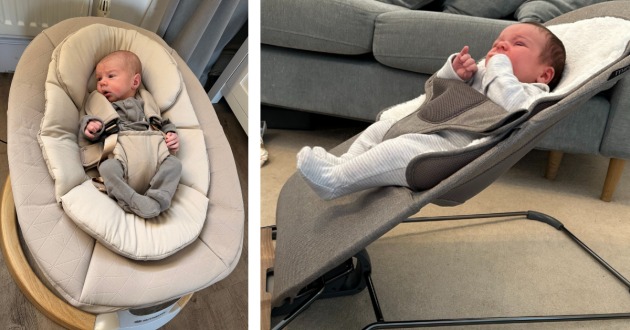
On Reddit, an expectant parent asked what’s fine to buy secondhand. A changing table was on the list, and so was a BabyBjörn bouncer with a removable fabric cover:
Hi everyone, I’m wondering what you guys would advise to buy secondhand. I’m thinking of getting a secondhand changing table that looks like it could go with the crib I bought for my baby, but I’ve seen a lot of people while selling a lot of stuff on Facebook marketplace. One of them is the baby Bjorn bouncer do you guys recommend buying that secondhand or just buying a new one? I’ve read that the fabric can be taken off and it’s around $220 so I’m thinking of saving some money on certain things what are things you guys would advise that it’s OK to buy second hand? Thanks!
With a used bouncer, check the support frame, restraint system, limits and exact model, not just the removable fabric.
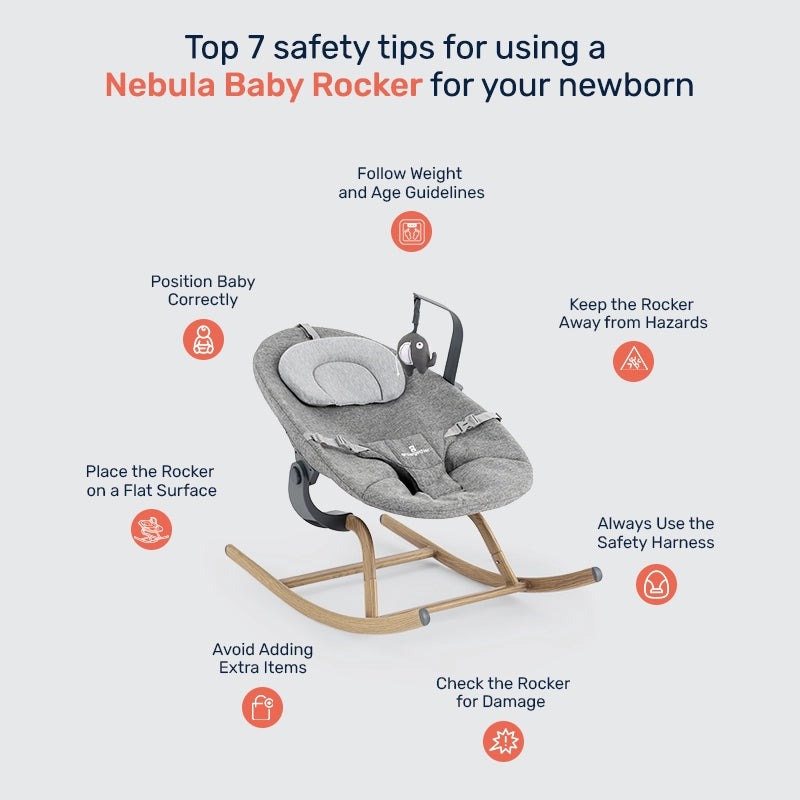
Sleep works the same way. A bouncer or swing built for soothing or sitting isn’t an approved infant sleep surface, however comfortable it looks and however many people have used it that way. Sleep equipment must meet its own requirements and be used as intended. For crib mattress, bassinet limits and sleep surface, see Crib versus Bassinet: Which One Do You Need.
Verify the exact model, labels and parts
The exact model number ties the item to the right manual, recall notices and parts list.
The manufacturer’s label gives the model and date of manufacture. Some products also carry a serial or batch number, which narrows the match to the correct manual, components and notices.
With a stroller bundle, the frame, seat, car-seat adapter and accessories must belong to compatible configurations. For a crib or play yard, original hardware and the correct instructions matter for assembly and use. Don’t assume a replacement mattress or a bag of fittings matches because it appears to fit.
If the seller can’t identify a part that affects safety, says the label has disappeared, or can’t account for essential components, stop there.
Check recalls and safety rules before buying
Once you know the exact model, look up its official safety information. To find a product’s model and serial number and match them to an official recall notice, see How to Check Baby Product Recalls (and What to Do Next).
Start with the CPSC recall database. Search the manufacturer’s name and model details, and compare any notice with the product’s identifiers. If a recall applies, find out the required remedy and whether it was completed and documented. Don’t buy a recalled item with an open recall.
For car seats, use NHTSA’s car-seat recall search. Select Car Seats and search by the seat’s brand and model. Compare any result with the seat’s identifying labels and follow the recall instructions.
Used car seats have specific conditions
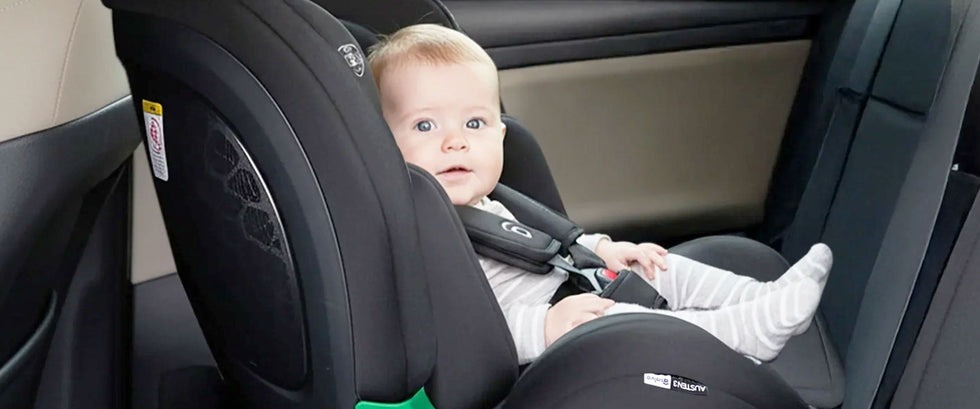
The NHTSA used-car-seat safety checklist gives a conditional route for evaluating a secondhand child restraint.
The decision rests on the seat’s known history, its model and manufacture-date labels, the manufacturer’s expiration or age requirements, the manual, all necessary original parts and any recalls. A seat from a relative may have a better documented history, but being family doesn’t waive any condition.
NHTSA recommends replacing a car seat after a moderate or severe crash. It counts a crash as minor only when all five of these conditions are met:
- The vehicle: It could be driven away from the crash.
- The nearest door: The vehicle door closest to the car seat was undamaged.
- Occupants: No one in the vehicle was injured.
- Airbags: None deployed.
- The car seat: It shows no visible damage.
The seat manufacturer’s instructions may require replacement even after a crash that meets NHTSA’s minor-crash definition.
If a seller calls a collision “small,” check it against those five facts. If you can’t establish the crash history, reject the seat. A clean-looking shell can’t supply it.
What listing photos cannot tell you about condition
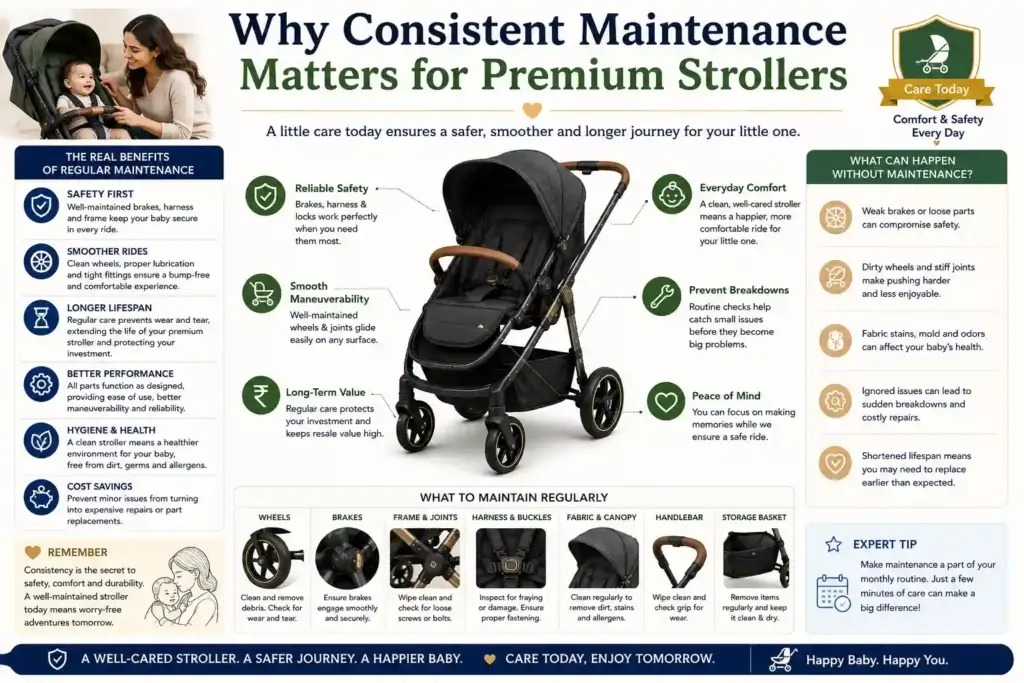
Inspect the brakes, folding locks, restraints and frame in person when you can. Otherwise, get a demonstration before you pay, following the manufacturer’s instructions.
| Component | Function to observe | Warning sign | Decision |
|---|---|---|---|
| Stroller brakes | Brake engages and holds | Brake slips or fails to engage | Reject until properly fixed |
| Folding mechanism | Lock engages and the frame stays secure | Joint damage, unexpected movement or failed lock | Reject the defective mechanism |
| Harness and buckles | Original restraints fasten and work correctly | Cracked buckle, damaged strap or missing part | Reject until the defect is fixed |
| Frame and supports | Structure is intact and assembled as intended | Cracks, loose assemblies or unauthorized repairs | Stop the purchase |
| Attachments | Approved components connect as specified | Mismatched or altered fittings | Confirm manufacturer compatibility before you consider buying |
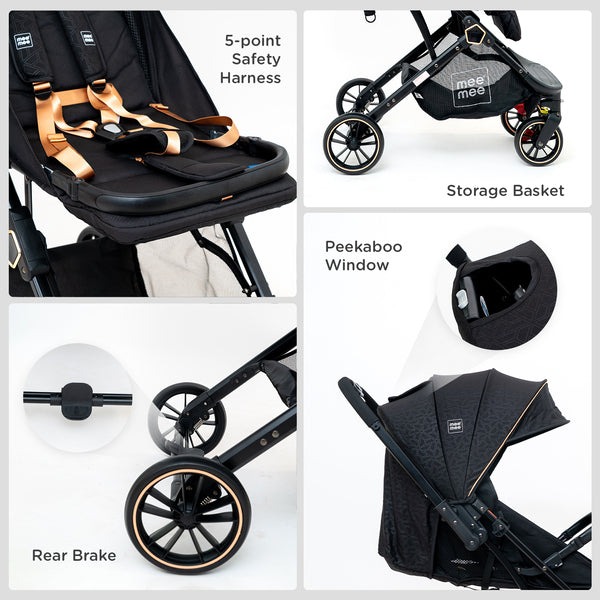
Check hinge areas and moving parts that hide when a stroller is folded. The CPSC lists brake, restraint and hinge-related hazards among its product-safety concerns.
For boxed gear, open the box and confirm the contents match the advertised model, even when the packaging shows a newer version.
Where the damage sits matters: a mark on fabric is minor, while a crack in a load-bearing part is not. Stop at a compromised frame or essential fitting, and don’t improvise a repair.
Some internal damage won’t show in a basic inspection, so the item’s history matters as much as its working mechanisms.
Check whether the gear suits your real routine
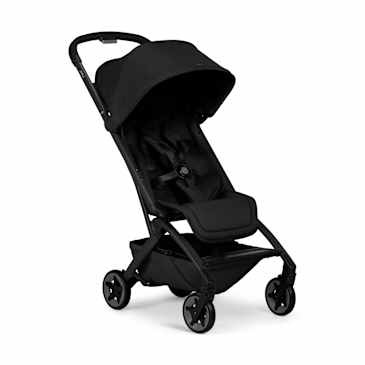
A secondhand stroller can be in excellent condition and still be wrong for your household.
It’s easy to miss this when you shop before the baby arrives. You picture long neighborhood walks, then find that most outings mean lifting a stroller out of a car, steering through a store or finding somewhere to put it at home. For car seats, strollers and baby carriers, see Baby Gear: How to Choose What You Need.
One parent bought a big used modular stroller and found that their daily routine called for something smaller:
I spent weeks agonizing over stroller options while pregnant. Eventually I pulled the trigger on a big modular, suspension, all-terrain, bassinet, etc etc etc stroller. It was used but still cost over $300. 6 weeks after baby arrived, I realized it was way too much for what I actually needed day-to-day. I mostly needed something light and compact that I could abuse by throwing in and out of my car on trips to the grocery store and the library. So I bought a used $30 Graco carseat carrier, and it’s still what I use 90% of the time now after 7 months. I had imagined that I would be taking more walks with baby than I did without baby. Turns out – not true!
Test the fit against your actual routine:
- Vehicle: Does the stroller fold and fit in your cargo space without a struggle?
- Home: Does it clear your doorway and fit where you’ll store it?
- Transport: Can the person who’ll use it most often manage its size and weight?
- Child: Does your child fall within the manufacturer’s age, size and weight conditions?
- Accessories: Are any car seat, adapter or attached parts approved for this exact configuration?
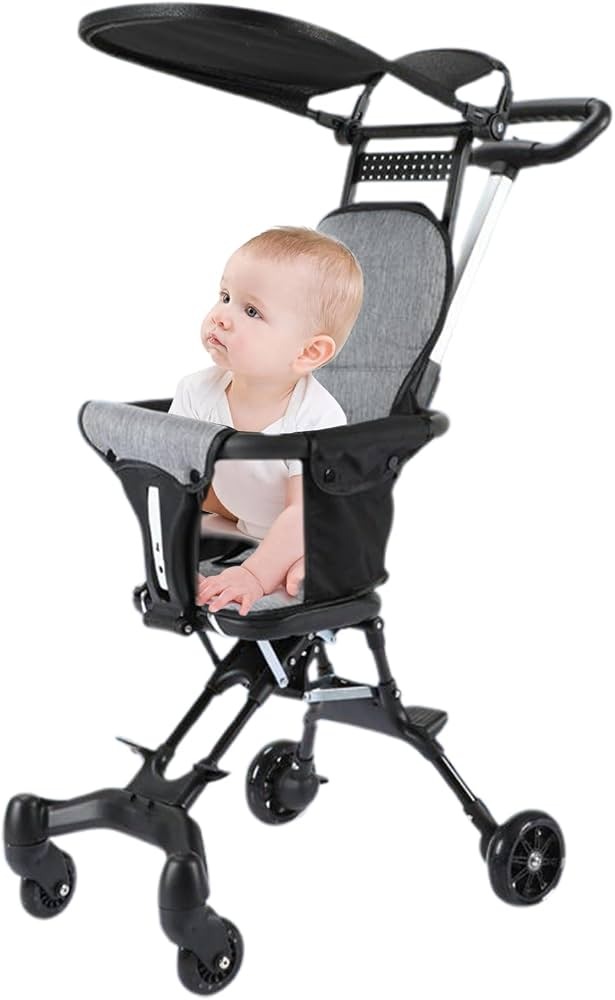
A compact carrier works for some errands, while a family walking daily over rough ground may need a different stroller. Follow the car-seat and stroller instructions for transport and permitted use.
Check parts availability, warranty and remaining value
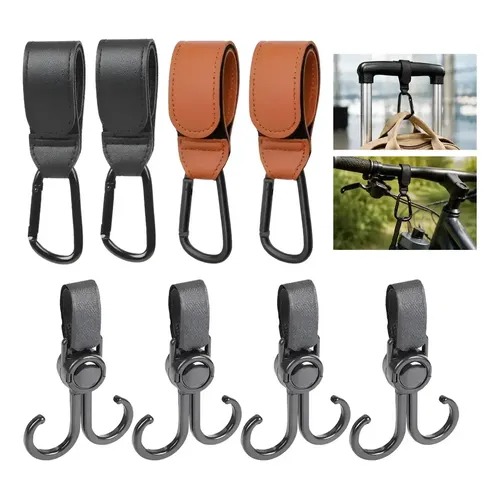
Find out whether the manufacturer sells approved replacement wheels, straps, buckles or other parts for this exact model, and whether any needed service is feasible. Read the original warranty and check whether coverage transfers to a second owner. A broken part means repair costs and downtime, and a manufacturer that no longer supports the model can make continued use impractical. Note any known service needs and the item’s limits before you weigh the price.
Compare the all-in cost before you pay
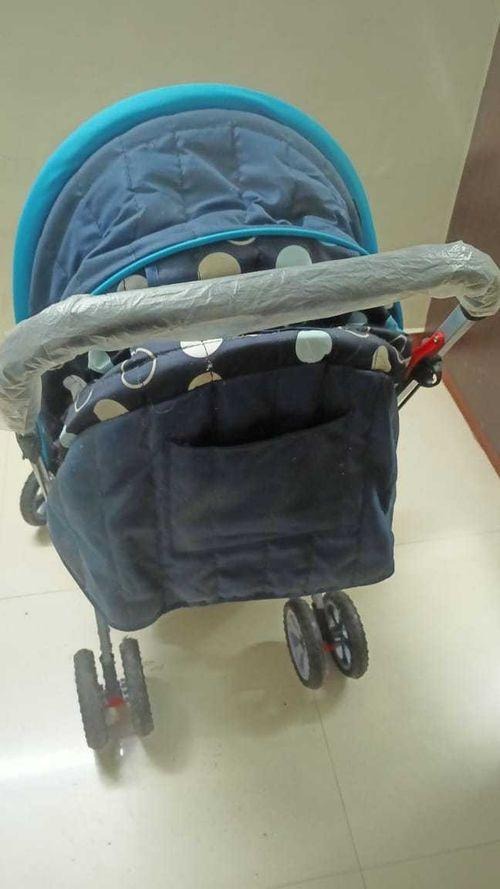
The asking price is only the starting figure. Add the full cost of getting and using the item, then compare it with a comparable new or open-box option available now.
Secondhand listings can frustrate when older equipment carries a high price despite visible wear. One parent shopping for a stroller to go with a Nuna infant car seat described it:
I have been scouring marketplace trying to find a stroller to go with my Nuna infant car seat and I’m telling you it’s difficult! I don’t understand how people want to charge still so much for something that’s 5+ years old and has stains, sun damage, scraps all over the place and just clearly not worth the $400-$500 that they are asking for. If I were to spend that much money on something used I expect it to be in immaculate condition. I’m sorry if you paid full price for it, but don’t gouge the next person for something you didn’t take better care of. Sorry rant over! Thanks for listening
For car seat fit, rear-facing limits and vehicle installation, read How to Choose a Baby Car Seat That Fits Your Newborn and Your Car.
A used-versus-new worksheet
| Cost or consideration | Used option | Comparable new/open-box option |
|---|---|---|
| Product and exact model | __________ | __________ |
| Advertised purchase price | $__________ | $__________ |
| Shipping or pickup | $__________ | $__________ |
| Required approved accessories | $__________ | $__________ |
| Cleaning or repairs you’ll need | $__________ | $__________ |
| All-in known cost | $__________ | $__________ |
| Warranty or return conditions | __________ | __________ |
| Manufacturer support and usable fit | __________ | __________ |
Add known costs to the purchase price. Keep uncertain future expenses separate, so a possible repair doesn’t count as a guaranteed bill.
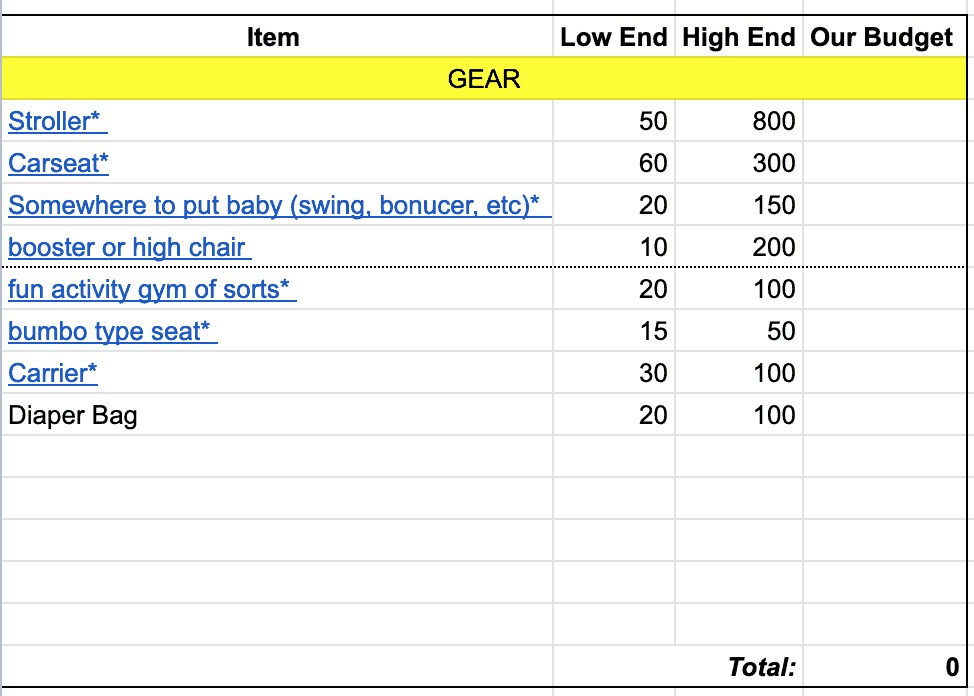
For example, a stroller advertised at $400 might need a compatible original adapter and paid transportation. Add those costs to the $400 before you compare it with an equivalent new option.
Compare like with like. A premium all-terrain stroller and a compact car-seat carrier serve different routines, so their prices don’t compare directly. Judge value by comparable offers, the used item’s condition and manufacturer support, and treat the original MSRP as history only.
Send the seller questions and make your decision
A seller should be able to give you enough specifics to decide before you travel to inspect an item.
Hi! I’m interested in the baby gear you’re selling. Could you send clear photos of the model and manufacture-date labels, along with the manual or model details and a photo of everything included? Has the item been repaired, had parts replaced, or been subject to a recall remedy? Are there any issues with the frame, locks, straps or other working parts? If it’s a car seat, could you also confirm the known crash history and previous ownership? Thanks!
- PROCEED: The product meets its requirements, and its identity, history, working condition and compatibility all check out. The full cost suits your household. Keep the instructions and identifying information after purchase.
- INSPECT FURTHER: A minor, fixable detail is still open, such as a pending quote for an approved accessory. Don’t pay until it’s settled.
- REJECT: The product is prohibited, a recall is unresolved, an essential safety mechanism fails, or you can’t confirm an identity or history that affects safety. Stop the transaction.
A car-seat seller who won’t name the model while insisting the seat was never in an accident leaves a safety question open.