
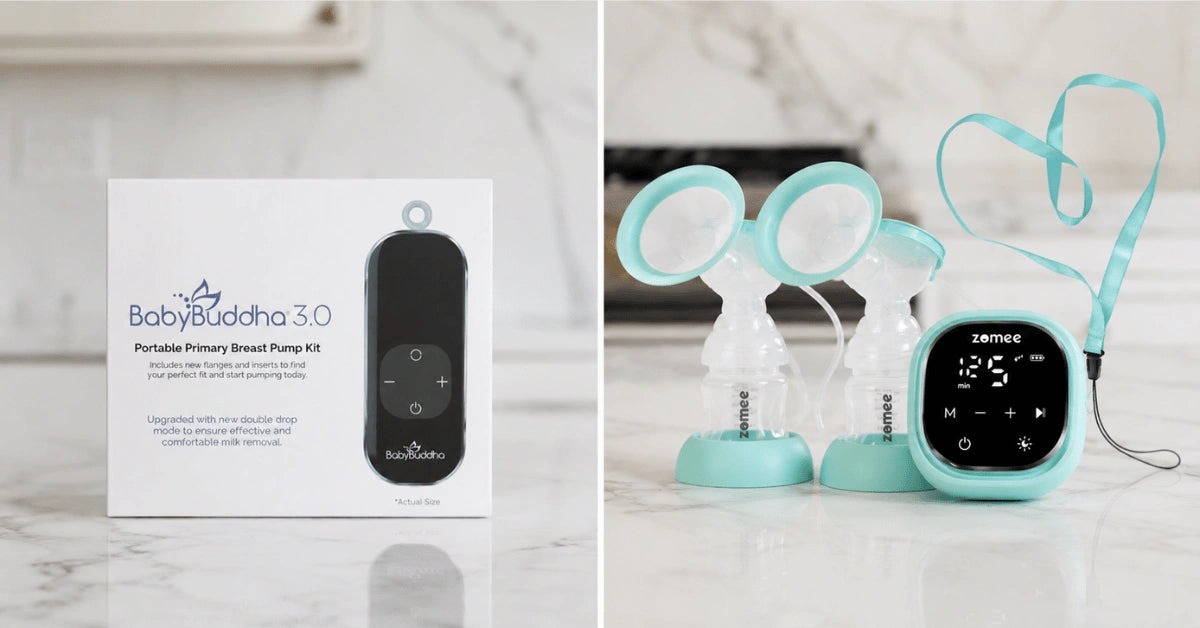
For occasional pumping, a manual pump is often enough. If you expect regular sessions, start by comparing comfortable double electric pumps. When mobility matters, look at rechargeable electric pumps and in-bra designs, but remember that a manual wearable still needs a hand to operate. Pick the simplest setup that’s comfortable for your routine, then check the exact model’s fit, parts, coverage, and return terms before you buy.
A pump can look perfect on a product page and still be awkward at home. The motor works well, but the cups sit badly in your bra. A compact pump travels easily, yet you end up washing several pieces between work meetings. A simple hand pump might have covered the occasional bottle you wanted.
Start with the role pumping will play in your day. Once you know where, how often, and under what conditions you’ll pump, the differences between designs are easier to judge.
Which breast pump type fits the way you’ll use it?
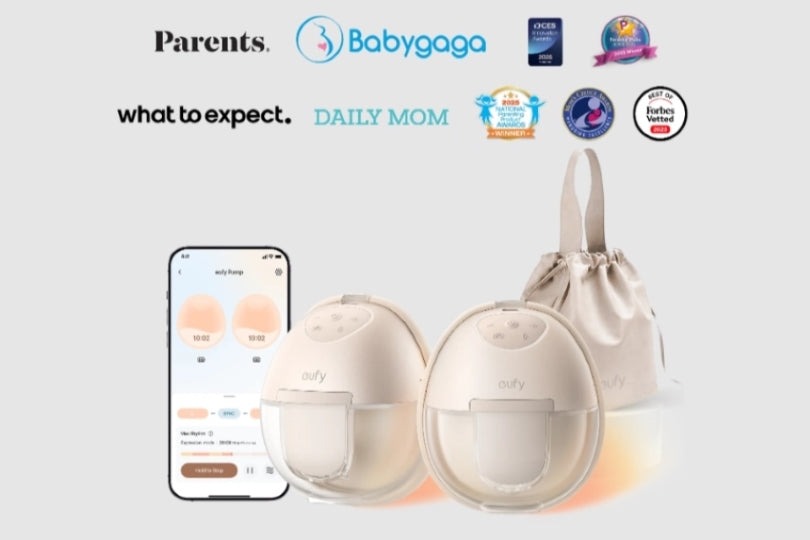
Someone expressing milk for an occasional bottle faces a different decision from someone expecting several recurring workday sessions. How often and where you pump narrows the field before you look at any model.
| Your likely situation | Type to investigate first | Possible drawback | What matters most |
|---|---|---|---|
| An occasional bottle or backup session | Manual pump | Repeated hand effort | Simplicity and comfort |
| Regular pumping at home or at a desk | Double electric pump | Motor, flanges, bottles, and space | Comfortable simultaneous expression |
| Sessions in changing rooms or without an outlet | Rechargeable portable electric | External motor or tubing may remain | Battery operation and portability |
| Discreet in-bra collection during a session | In-bra wearable, manual or powered | Cup positioning; manual models occupy a hand | Bra fit, alignment, and required hand use |
A manual pump suits occasional use because it doesn’t need electricity. Working it by hand gets tiring, though, and that matters more once sessions become routine.
For frequent pumping from both breasts, look at a conventional double electric pump first. The FDA notes that expressing from both breasts at once can save time, which adds up when sessions recur.
Portable electric pumps solve the outlet problem and let you change locations. An in-bra wearable changes the setup itself: the cups sit inside your bra, so the pump is less noticeable, provided the cup shape fits you.
If your baby will drink mostly expressed milk, comfort over repeated sessions and reliable access to equipment count for more. If your infant is premature or hospitalized, or your feeding situation needs individual support, ask a lactation professional to help you plan pumping. For latch, milk transfer, and lactation support, read Breastfeeding Basics: Latch, Milk Transfer, and Getting Help.
Manual vs. electric vs. portable vs. wearable: what changes?
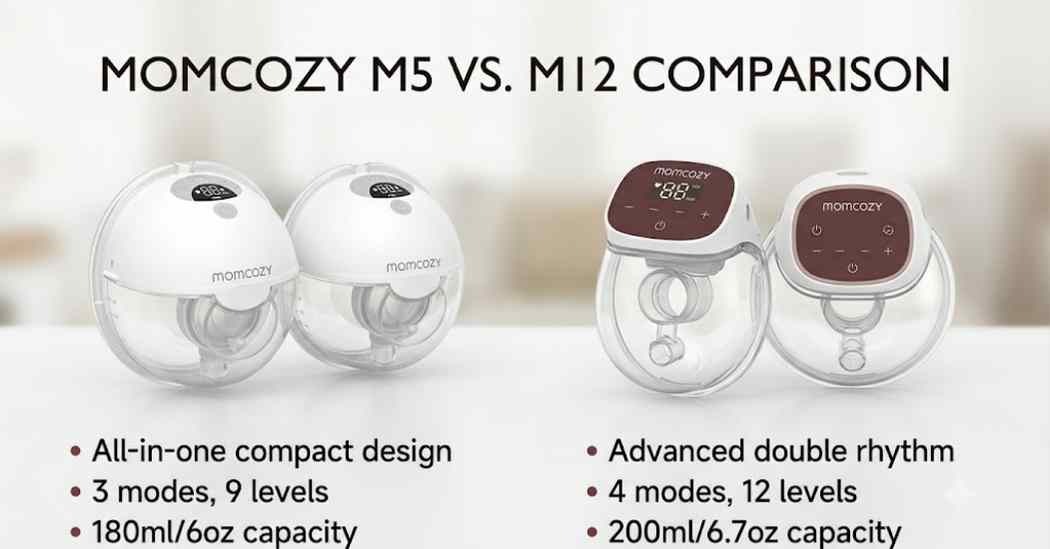
Pump labels describe several different things: power source, motor placement, how many breasts you pump at once, and how the collection part is built. One product can fit several labels at once.
The FDA separates manual, battery-powered, and electric pumps, and single from double expression. Wearable describes where the collection equipment sits. It doesn’t require an electric motor.
| Characteristic | Manual pump | Conventional electric | Portable external motor | In-bra wearable |
|---|---|---|---|---|
| Operation | Hand-operated | Electric motor | Electric motor with portable power options | Manual or powered, depending on model |
| Outlet needed during use | No | Varies by model | Battery operation available | Varies by operating design |
| Both breasts at once | Varies by design; may be sequential | Single and double options | Varies by configuration | Varies; look for two cups and simultaneous expression |
| Movement | Portable but occupies a hand | Limited by equipment and power arrangement | Greater location flexibility | Discreet collection; hands-free use varies by operation |
| Positioning visibility | Shield generally accessible | Conventional flanges often visible | Varies by setup | Cup placement may be harder to inspect |
| Cleaning | Milk-contacting components | Flanges, valves, containers, and other parts | Varies by collection interface | Cups, seals, valves, and other parts |
| Main trade-off | Physical effort | Space and portability | Motor, tubing, battery, and collection setup | Cup fit, alignment, and cleanup |
The biggest difference is between a conventional collection setup and an in-bra cup. A rechargeable electric motor can still connect to visible flanges and bottles. Wearable cups make pumping less noticeable, but how they sit against your breast has to work for you.
Willow describes its Wave as a manual in-bra pump with a collection cup connected by tubing to a hand-operated handle. It needs no charging, but pumping still takes a hand.
A pumping bra can hold conventional flanges in place, which gives you hands-free pumping with an external motor. That’s physically different from collection cups worn inside the bra.
A hand-operated pump creates suction itself. A passive milk collector gathers milk without generating suction, so it does a different job.
The FDA doesn’t recognize “hospital grade” as a defined breast-pump category, and the term has no consistent definition. Claims such as “strongest suction” or “more milk” need evidence about the particular device and use case. The FDA’s pump-type overview explains the device categories.
Should you buy one pump, add a backup, or rent a primary device?
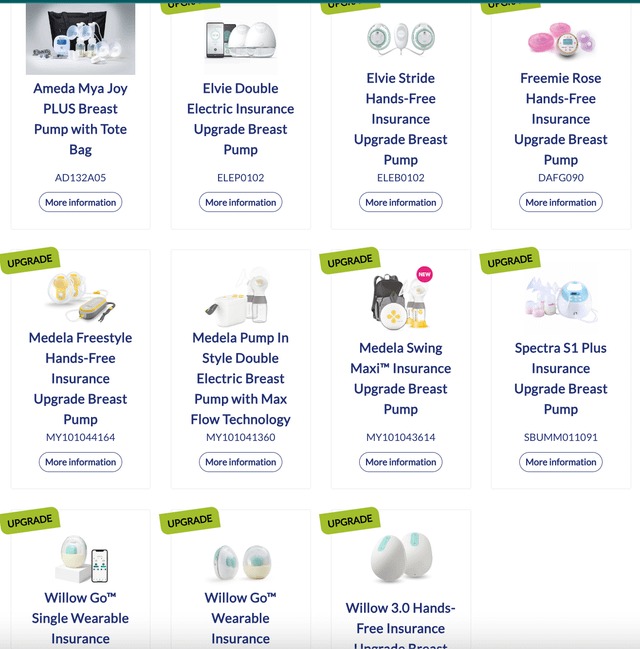
One suitable pump can cover your whole routine. A second device earns its place when it solves a specific problem, such as no power, travel away from your usual setup, or losing access to your main pump.
Say you pump regularly at home and travel occasionally. A conventional electric pump can handle the regular sessions, and a manual pump can cover a rare trip. If you’ll only pump for a short time, a second motor is hard to justify.
One person in r/ExclusivelyPumping kept separate home and travel setups and decided against adding a wearable:
The pump that works best for me is the hospital Medela Symphony. It’s the most efficient and it shuts off automatically after about 30 minutes. Not having to remember to set a timer is so convenient! I use my Medela Pymp In Style (from my previous pregnancies) when I’m traveling because it’s more compact and I have a battery pack for it. I’m only pumping for about 3 months, so I didn’t get a wearable pump. Sometimes I have FOMO about that, but I don’t think it would get enough use to justify the cost. In terms of habits and routines, I absolutely wash my parts and bottles between sessions, and I use the steam bag to sanitize once a day. I alternate between two sets of pump parts so they have plenty of time to air dry between uses. And I like to set up a pumping tray with a couple of bottles, caps, flanges, and attachments so I can just grab and go.
Their three-month horizon drove the decision. The Symphony’s automatic shutoff is their own experience, not a verified spec for other pumps.
A second set of compatible parts lets one set dry while you use the other, though it means more to wash.
Rental is another route for certain equipment. A multi-user pump designated by its manufacturer and obtained through an appropriate provider is different from a personal-use pump shared between households. Check the safety and accessory requirements for the specific device before you rent.
Hand expression is a separate method that some people find useful, depending on their feeding situation and support needs.
Are wearable pumps easier to use?
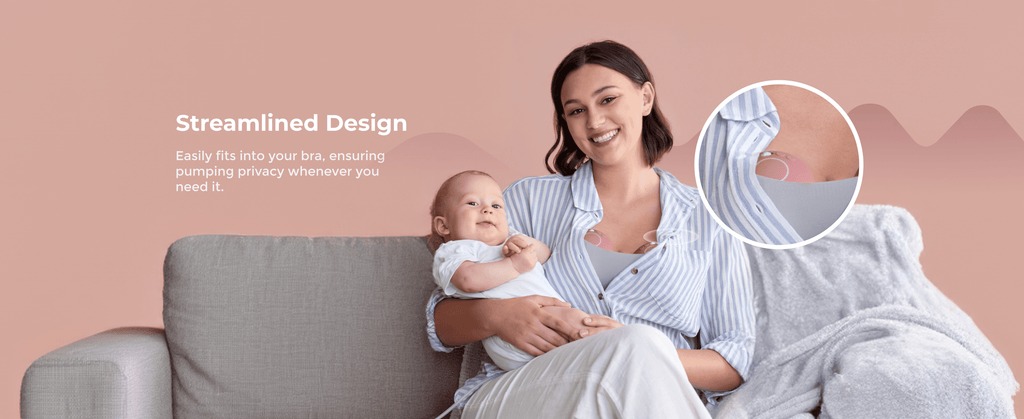
An in-bra wearable makes collection less noticeable. Whether both hands stay free depends on how the pump works: a powered design can free them, while a manual design needs a hand.
The design does change how the equipment sits against your body, though. Conventional flanges are easier to see while you position them. Inside a collection cup, nipple alignment is harder to see, and the cup has to work with your breast shape, your bra, and the movement you expect.
One parent who hoped a Willow Go would make pumping more convenient had a different experience:
I wanted it to be all of these things. EP is really freaking hard. It’s 20-30 minutes of boob jail every few hours when you have a million other things to do. It sucks. The promise of wearables is incredible. They just don’t work for me and I’m giving up on trying. (I specifically have Willow Go.) No matter what – new parts, keeping it charged, checking bra fit, fixing nipple alignment – I always get 60-70% of the output and after a few clogs I just can’t stomach them anymore. I’ve only ever used it for like max 2 pumps per day but still. Frustrating. Other things I hate about them include THE PARTS oh my god the parts. They take up so much more space. So much more washing. So many more sterilizer loads. Also again, nipple alignment is harder than the clear, traditional pump flanges and I end up with damage and pinching more frequently than I like, even after months of practice.
The 60 to 70 percent output figure is that person’s experience, not a measured result for Willow Go or wearables in general.
Someone else may find the same form comfortable and convenient. What counts is whether the freedom holds up once you position the cups, collect the milk, and clean everything.
- Alignment and support: Check how the cups sit inside your bra, how you can tell they’re positioned right, and whether they stay comfortable as you move.
- Cleaning and assembly: List the seals, valves, collection parts, and other pieces that touch milk, since you’ll handle them after every use.
- Emptying and spills: Read the model’s instructions for transferring milk, removing cups, and preventing leaks during the movements you expect.
Hands-free still has limits. A wearable doesn’t remove the need to supervise an infant safely, and it doesn’t make an activity safe. This guide doesn’t recommend pumping while driving.
Compare the maker’s cup-and-bra instructions with the movements you expect during a session. If you can’t get comfortable alignment, enough support, or manageable milk transfer, the wearable shape gives you little.
Check flange fit and comfort before chasing suction strength
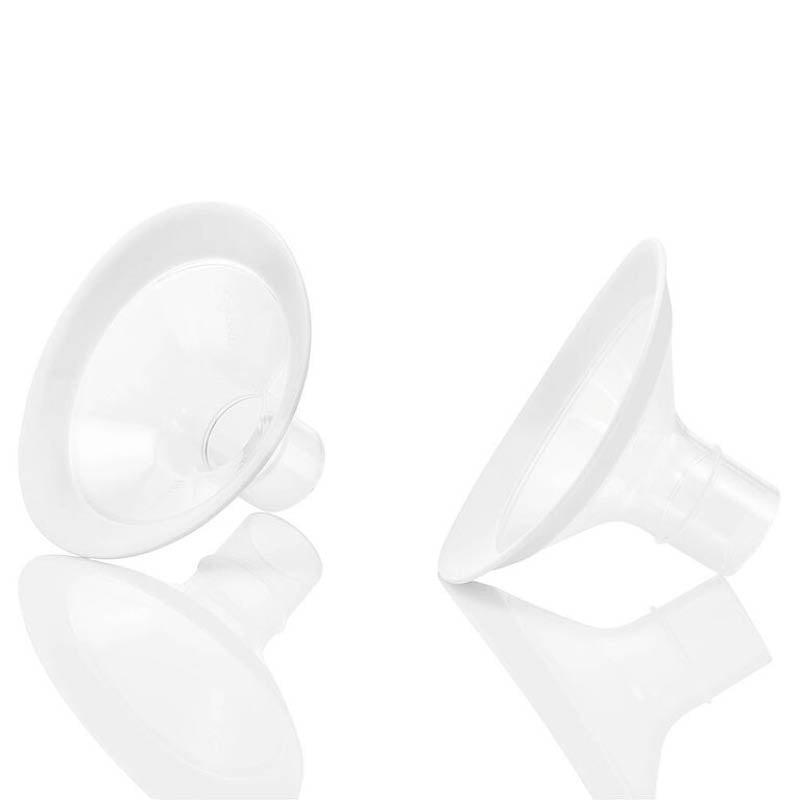
A well-reviewed pump is a poor buy if its breast shield doesn’t fit you comfortably. Check physical fit before you compare suction claims.
The flange, also called a breast shield, sits against the breast during expression. Depending on the device, an insert changes the opening size, while valves, tubing, connectors, or an integrated cup complete the setup.
The shield has to stay comfortable for the whole session. A wrong insert, awkward alignment, or an uncomfortable cup shape can spoil an otherwise convenient pump.
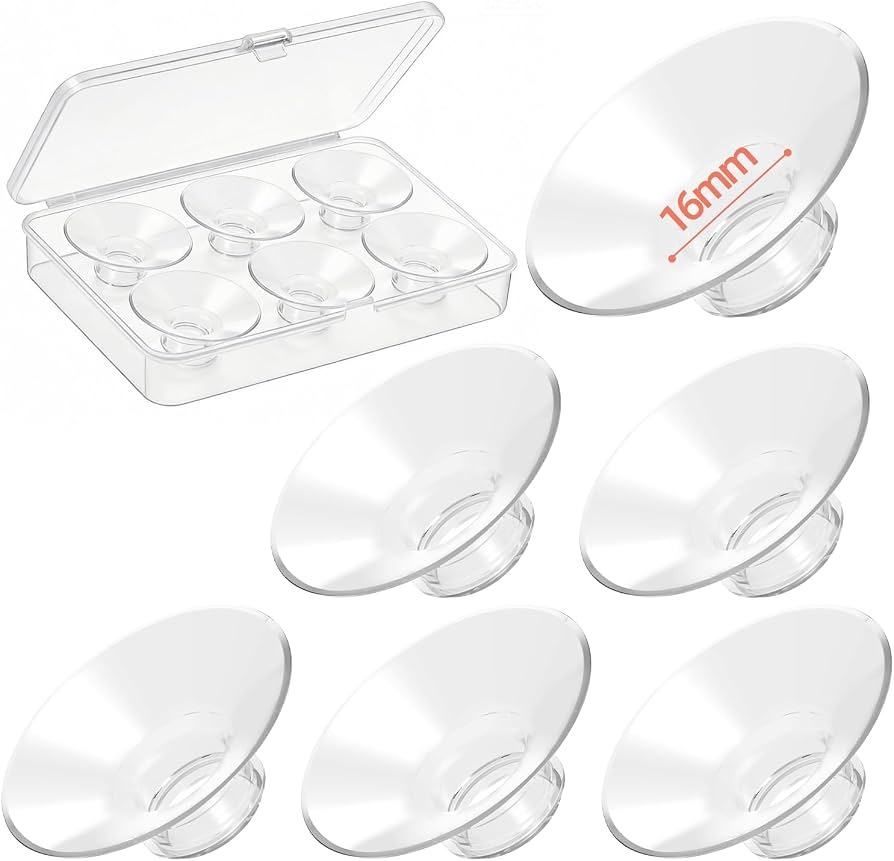
The FDA’s pump-selection guidance lists breast-shield fit among the factors to consider. Research indexed under PubMed identifiers 39614713 and 32401335 has examined fitting approaches and shield geometry, but none of it gives one universal sizing formula for consumers.
Shield sizes and inserts differ between designs, so follow the manufacturer’s instructions and assess your own fit. Raising suction again and again doesn’t fix discomfort or an uncertain fit.
Count washing, drying, and workday setup

A pumping session is more than the minutes spent expressing. You prepare equipment, take it apart, wash the parts, let them dry, and handle the milk. For refrigeration and storage containers, see Breast Milk Storage: Times for Fresh, Thawed, and Leftover Milk.
How much work a session adds up to depends on your equipment and the facilities you have afterward.
The CDC’s breast pump hygiene guidance recommends cleaning every part that contacts breast milk after each use. Daily sanitizing adds protection, especially for infants under two months old, infants born prematurely, and those with weakened immune systems. Sanitizing doesn’t replace washing, and the manufacturer’s instructions apply too.
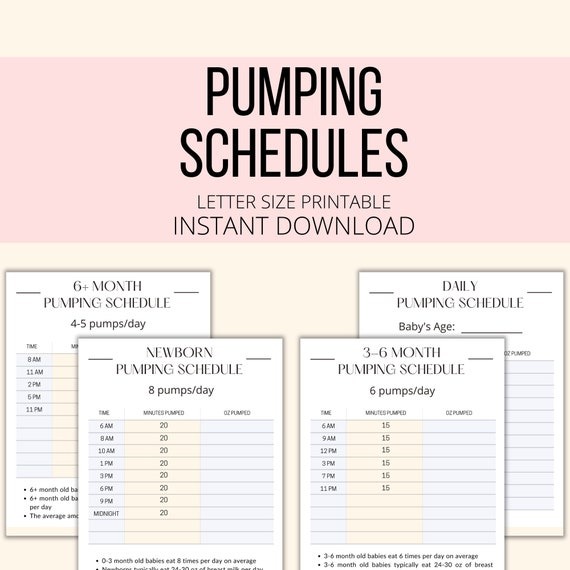
A one-day workload worksheet
Use a typical day in the place where you’ll pump. Leave entries blank until you know the time or arrangement.
| Task | Your estimated time or arrangement |
|---|---|
| Prepare the space and assemble equipment | ______ |
| Express milk | ______ |
| Disconnect and disassemble components | ______ |
| Wash milk-contacting parts | ______ |
| Allow cleaned parts to dry | ______ |
| Handle expressed milk and containers | ______ |
| Pack and transport equipment | ______ |
| Available sink, drying space, power, and storage | ______ |
If you pump during a work shift, access to a private space, power, a sink, and a place for parts to dry can decide whether the routine works. A spare compatible kit eases turnaround pressure but adds more to wash.
Insurance, returns, and safe pump reuse
In the United States, what a pump really costs depends partly on your health plan’s equipment benefit, the supplier, and any upgrade charges. Return policies matter just as much if your first use is disappointing.
HealthCare.gov’s breastfeeding benefits information describes coverage for breastfeeding equipment under qualifying health plans. Equipment type, timing, authorization, and suppliers vary, and some grandfathered plans differ.
Returns are a separate risk. The FDA explains that some breast pumps can’t be returned once opened or used, so check the seller’s policy before you break the seal.
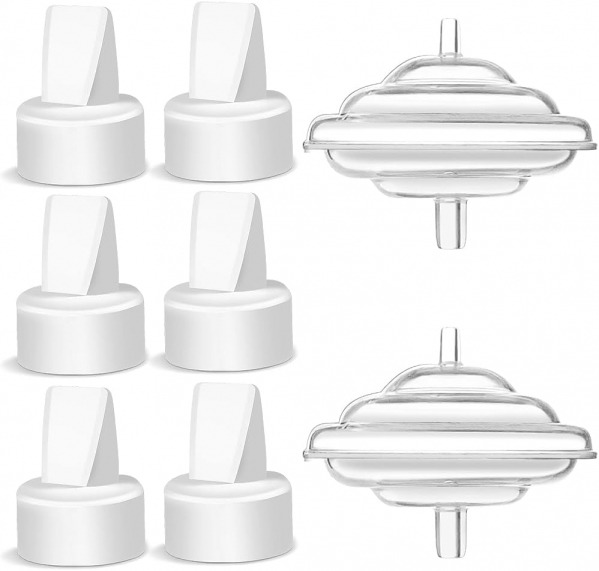
The FDA advises against buying, renting, or sharing a previously used pump designated for a single user, even if it looks clean. Equipment offered for multi-user rental must be designated by its manufacturer for that purpose. An eligible multi-user rental also needs your own personal accessory kit for the parts that touch milk, and you have to follow the manufacturer’s instructions.
The pre-purchase verification list
- Insurance benefit: Ask which equipment your plan covers and through which authorized supplier.
- Model and upgrade arrangement: Get the offered device, any added charge, ordering timing, and authorization requirements.
- Return eligibility: Read the conditions for both sealed and opened equipment before you buy.
- Reuse designation: Check whether the manufacturer lists the exact pump as single-user or multi-user.
- Rental components: For an eligible multi-user rental, find out which new personal-use accessories you need.
- Ownership support: Check the warranty and whether compatible replacement parts are available.
A low secondhand price means nothing if the device fails the reuse requirement. A plan-covered pump still has to work physically for the person using it.
If your first pumping session disappoints, check the setup
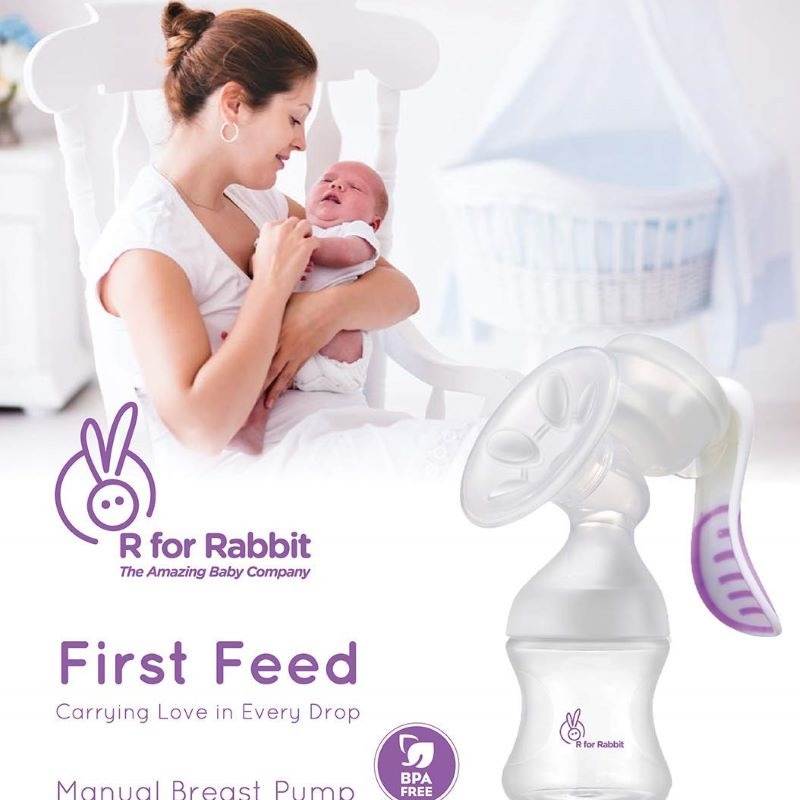
A small amount of milk in an early session is discouraging, but one session says little about the pump or your milk production.
Learning a new device takes time: assembly, positioning, connections, and controls. Equipment is one possible cause of poor results, but low volume alone doesn’t point to a specific cause.
One person in r/ExclusivelyPumping struggled with an electric pump early on, later got help from a lactation consultant, and preferred hand expression:
I tried using an electric pump early on and like nothing came out after 10 mins. I probably wasn’t using it right. I was exhausted mostly breastfeeding and on maternity leave and wanting to make pumping work. I remembered my hospital’s LC teaching me how to hand express colostrum. So I tried hand expressing and I got so much. I also liked how I could do it right into a bottle so no cleanup was involved at all. Later on post partum I had an LC come over and teach me how to properly use electric pump, and it took 15 mins to set up and pump for 2 oz to come out. I showed her how I hand expressed (takes 5 min of hand expressing to get 2 oz during the day), and she said wow no need to pump 🤦♀️🤷♀️ idk I’m weird 😓😭😭😭
The ounces and session times are that person’s own observations. They show how equipment use, support, and method preference can shape a routine.
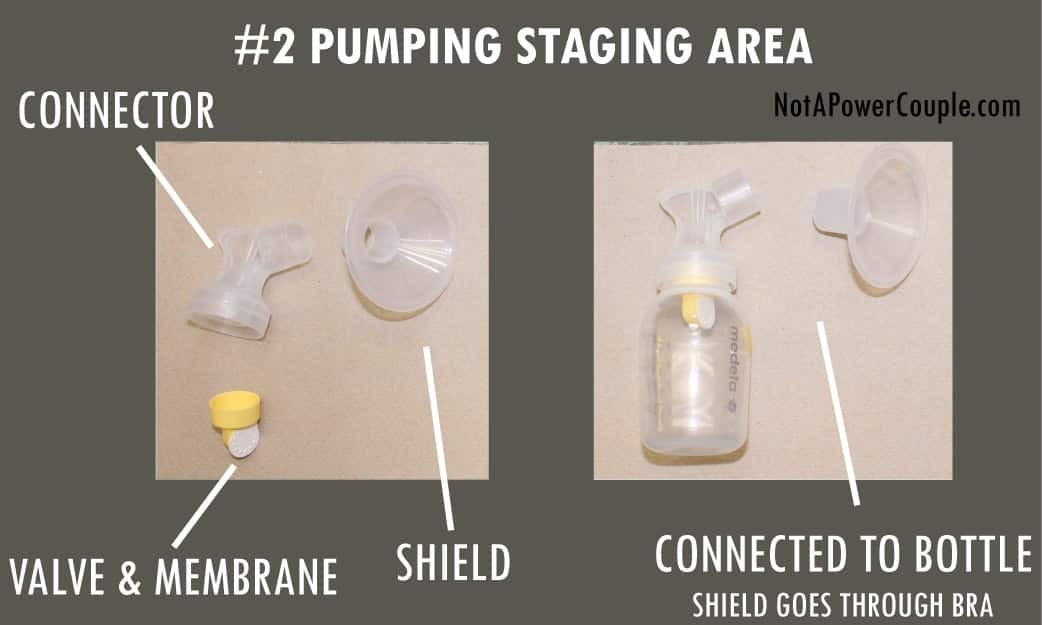
For a first-use check, follow the manufacturer’s instructions and go through these points:
- Assembly: Make sure all required collection parts are present and fitted as specified.
- Power and operation: Check that the motor or manual mechanism works as described.
- Connections and seals: Inspect the tubing, seals, valves, and collection assembly where they apply.
- Breast-shield positioning: Center the nipple comfortably in the shield opening, following the device instructions.
- Initial electric settings: Start at the lowest suction and speed settings if they’re adjustable, then raise them gradually according to comfort and the instructions.
Persistent pain, damaged skin, fever, unresolved expression problems, or concern that your infant isn’t getting enough milk need a lactation or pediatric assessment. Equipment checks can’t diagnose those.
If the checks don’t solve the problem, don’t buy a second expensive pump based on one session. A professional can help separate device use from feeding or health concerns.
Why no breast pump type wins for everyone
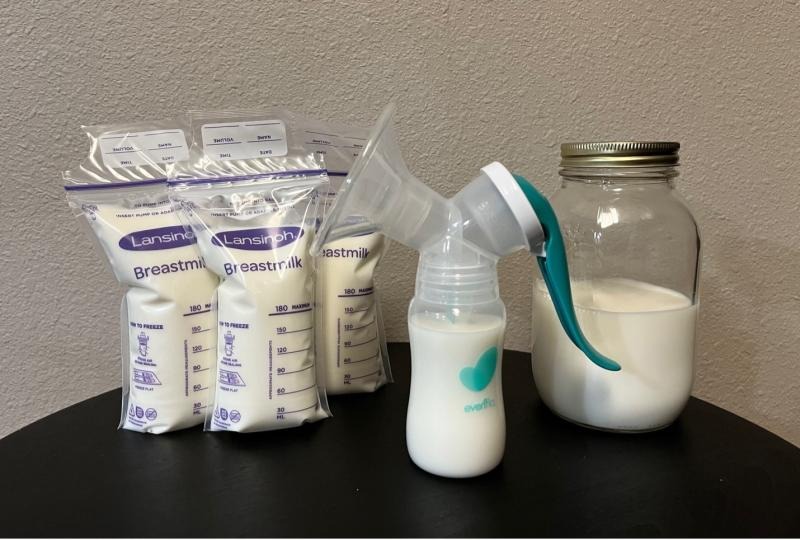
The WHO review of milk-expression methods found mixed results, and they vary by method, population, and setting. Studies of hospital use, preterm infants, older equipment, and specific shield designs don’t automatically apply to the wearables sold to US consumers. Product testing, manufacturer instructions, hospital guidance, and personal experience each answer a different question, so a performance claim needs evidence for the exact product and use.
Compare your final two breast pump options

Keep the final comparison small enough to fill in from real manufacturer information, insurer terms, and retailer policies. Two candidate models give you a workable side-by-side.
Enter confirmed facts. Leave anything unresolved blank or mark it for confirmation.
| Decision field | Model A | Model B |
|---|---|---|
| Model name | ______ | ______ |
| Intended pumping role | ______ | ______ |
| Pump type and form factor | ______ | ______ |
| Single or double configuration | ______ | ______ |
| Flange and insert options | ______ | ______ |
| Power arrangement | ______ | ______ |
| Parts and cleaning workload | ______ | ______ |
| Replacement-part availability | ______ | ______ |
| Insurance supplier and final cost | ______ | ______ |
| Opened-product return conditions | ______ | ______ |
| Manufacturer reuse or rental designation | ______ | ______ |
| Unresolved requirement | ______ | ______ |
For decisions involving breastfeeding, infant formula, and combination feeding, see Breastfeeding versus Formula versus Combination Feeding: What Works for Your Family.