
No single feeding method is best for every family. If your baby is feeding and growing well, you can choose breastfeeding, formula or a combination based on your health needs, your milk-supply goals and what your days allow. If intake, growth or a medical condition is in question, a pediatrician-guided plan comes first. Decide what matters most to you, then check whether your routine can support it.
Breast milk and infant formula are different kinds of nutrition. Nursing and bottle-feeding are different ways to deliver milk. Keep the two apart and the choice gets easier, especially when work, sleep, pumping or shared feeding come into it.
Breastfeeding, formula and combination feeding: what counts as each?

A baby who drinks expressed breast milk from a bottle is getting breast milk. A baby who nurses and also gets commercial infant formula is combination fed. The bottle tells you nothing about the milk inside. Exclusive breastfeeding means only breast milk, nursed directly or expressed and bottle-fed, with no infant formula, water, other drinks or solid foods during the measured period.
| Milk source(s) | At the breast | By bottle |
|---|---|---|
| Breast milk | Direct nursing | Expressed breast milk |
| Commercial infant formula | Not direct nursing | Prepared infant formula |
| Breast milk plus formula | Nursing can provide the breast milk portion | Expressed milk and separate formula feeds can both be offered |
Combination feeding, or combo feeding, means using both breast milk and formula in this article. Some resources use mixed feeding for nursing plus bottles of expressed breast milk, so check which milk is in the bottle.
Say you nurse before work and your partner offers stored breast milk later. That changes who gives the feed, not the type of milk. If your partner offers formula instead, you’re combining two milk sources, and that can affect your pumping and milk-supply decisions.
What differs in nutrition and health?
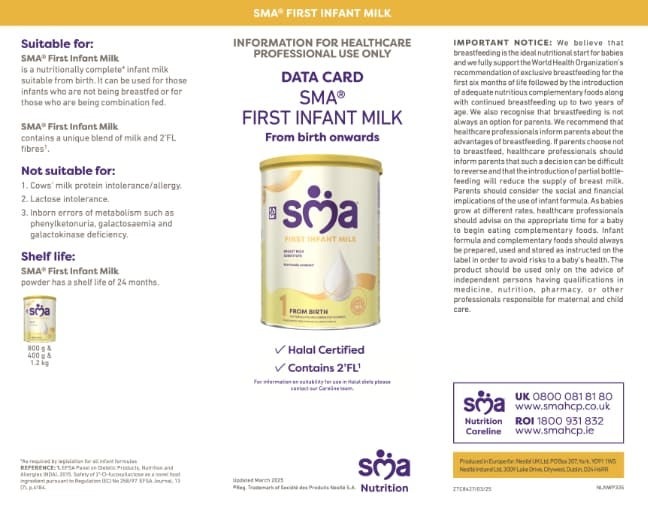
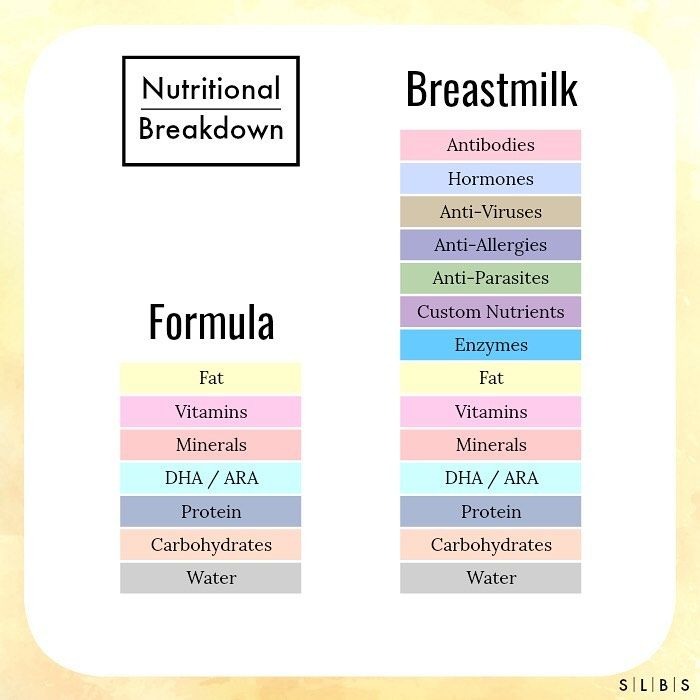
Breast milk contains antibodies and other biological components that commercial infant formula doesn’t reproduce. US pediatric guidance recommends exclusive breastfeeding for about the first six months when possible, and continued breastfeeding after complementary foods start. To assess breast milk, infant formula, and solid foods, review Baby Feeding From Birth to 24 Months: What Changes and What to Do Next.
The American Academy of Pediatrics also recognizes that families use formula or a combination of feeding approaches. Breastfeeding is the recommended health standard, but your plan still depends on your circumstances and your baby’s needs.
The FDA regulates commercial infant formula to provide appropriate infant nutrition. The CDC recommends choosing infant formula containing iron and names no single brand as best for every baby.
Breast milk alone doesn’t provide all the vitamin D an infant needs. Under CDC guidance, babies receiving breast milk, including many combination-fed babies, need vitamin D supplementation. Your pediatrician can advise based on how much breast milk and formula your baby gets.
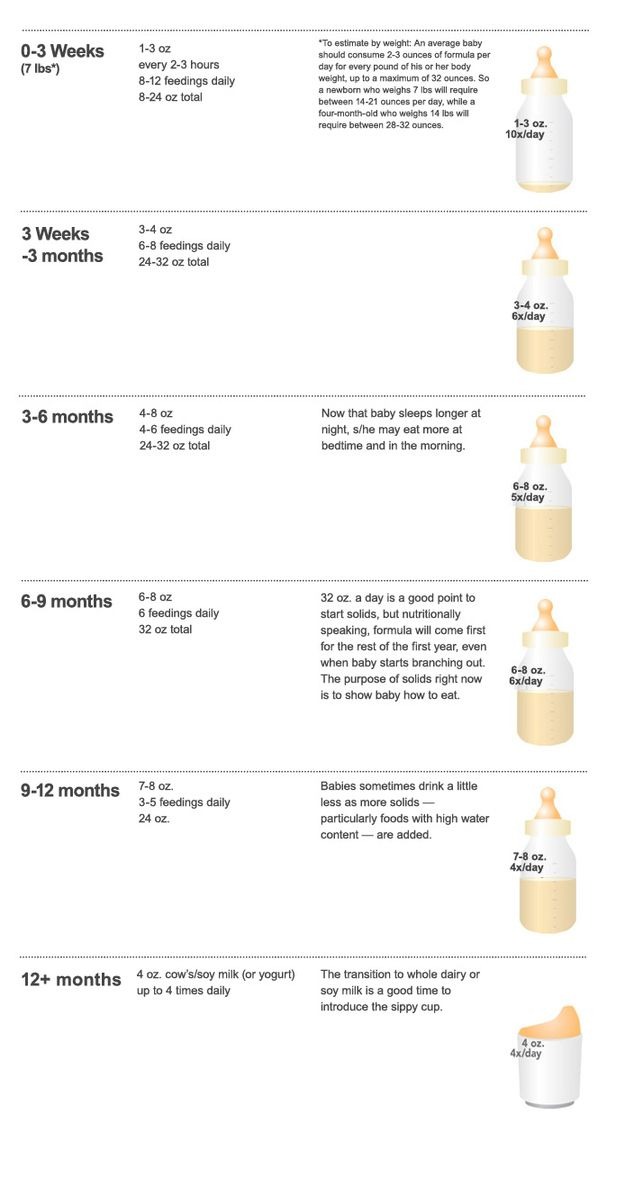
If you can’t breastfeed, choose formula or need to supplement, properly selected and prepared commercial infant formula provides appropriate nutrition.
Among US infants born in 2023, the CDC reported that 86.1% were ever breastfed and 29.8% were exclusively breastfed through six months.
The everyday workload: nursing, pumping, making bottles and washing them
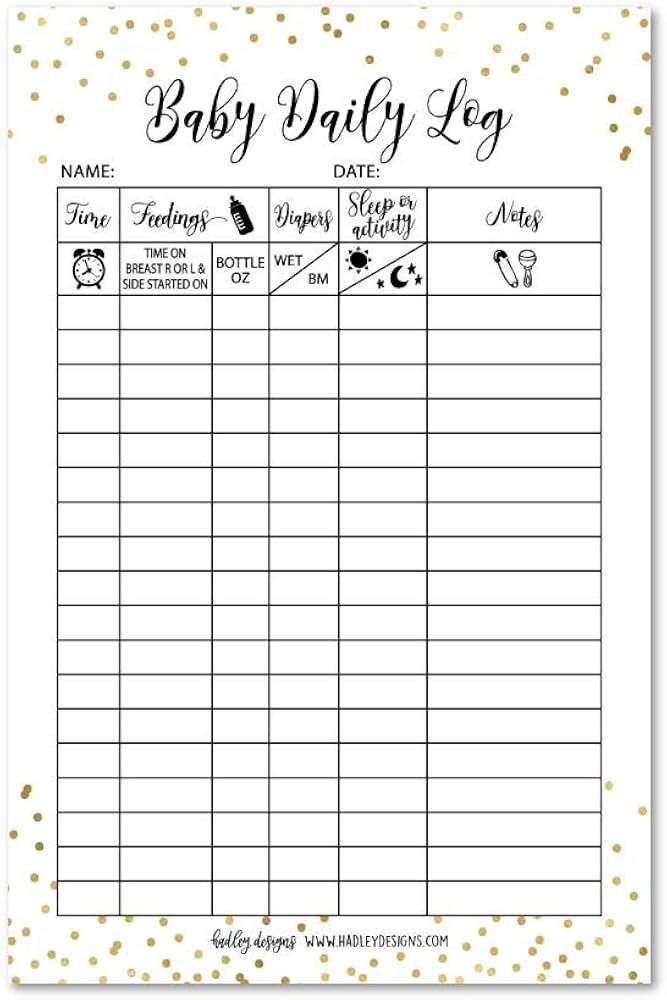
Nursing, pumping and preparing formula are different jobs, and a combination plan can include all three.
When you nurse at home, there’s no bottle to prepare. When you’re away, giving breast milk can mean pumping, collecting, labeling and storing it. Formula feeding means preparing it by the product directions, having suitable feeding equipment and cleaning it afterward.
| Feeding arrangement | Main tasks | Additional coordination |
|---|---|---|
| Direct nursing | Position baby, nurse and attend to feeding needs | The nursing parent has to be available |
| Expressed breast milk | Pump, collect, store, offer milk and clean equipment | Milk needs to be available where the caregiver feeds the baby |
| Formula feeding | Prepare formula, offer the feed and clean equipment | Supplies and appropriate preparation facilities are needed |
| Nursing plus formula | Nurse and prepare formula feeds; pumping may also be involved | You coordinate milk sources, tasks and supply goals |
Your partner can give a bottle while you pump. The feed is shared, but your household still has pumping and washing to do.

Triple feeding combines nursing, supplemental milk and pumping in the same feeding cycle. Clinicians use it for specific feeding concerns. It isn’t required for every family.
List the tasks in one ordinary day: nursing, pumping, preparing, washing, storing and handing feeds between people. Mark who does each one. Then compare what each proposed change removes and what it adds.
Which approach fits the goal you care about most?
A plan built around direct nursing looks different from one built around shared bottles or less pumping.
| Decision factor | Breast milk only | Formula feeding | Combination feeding |
|---|---|---|---|
| Milk offered | Breast milk | Commercial infant formula | Breast milk and formula |
| Who can feed | Nursing parent, or anyone giving expressed milk | Anyone who prepares the formula | Nursing parent and other caregivers |
| Lactation goal | Continue supplying breast milk | You can stop lactating if you want to | Keep some nursing, or more, while adding formula |
| Best when | Nursing or pumping is workable and breast milk is what you want | You need a fully formula-based routine, or nursing isn’t your path | You want to keep some breastfeeding and add formula |
| Hard when | You have to pump during separations and can’t | You want to keep nursing directly | Nursing, pumping and formula prep together take more time than you have |
| Main practical pressure | Nursing availability or pumping logistics | Formula preparation and bottle care | Coordinating several kinds of work |
| Cost categories | Time, pumping supplies if you pump, lactation support | Formula and feeding equipment | Some mix of formula, bottles and pumping supplies |
| Key check | Feeding adequacy and workable milk access | Appropriate formula and safe preparation | Feeding adequacy, workload and lactation goal |
The limiting factor is often whether someone can nurse, pump or prepare a bottle when the baby needs to eat. A combination plan can fill a caregiving gap, but it adds coordination work.

Say you plan for your partner to give a nighttime bottle. Expressed breast milk and formula both meet that goal, but introducing formula can change your lactation plan.
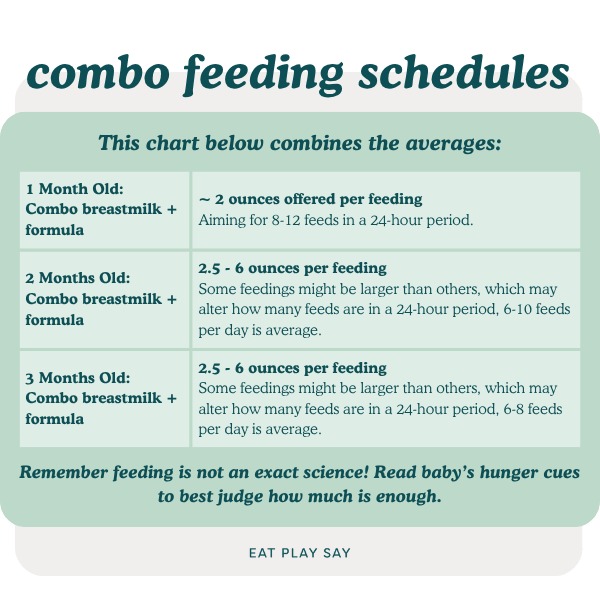
If your baby has latch trouble or isn’t gaining weight, start there, not with who gives the night bottle.
Adding formula while keeping some breastfeeding: what changes?

Combination feeding can go together with continued nursing. What matters is whether you want to keep your previous milk production, keep some nursing or gradually stop.
Milk production responds to milk removal. When formula replaces a nursing or pumping session, production changes. How much depends on your feeding pattern and your body, so no formula amount or pumping schedule guarantees a particular supply.
- Keep as much breast milk production as you can. Nursing or pumping stays a core part of your routine, and supplementation decisions account for your baby’s intake and your supply goals.
- Keep selected nursing sessions. You might value nursing at certain times and use formula for other feeds. Your milk production will differ from an exclusive breastfeeding pattern.
- Gradually stop breastfeeding. You’re changing your lactation goal on purpose, so preserving previous production is no longer the aim.

A pump session that yields less than you expected can be upsetting, especially when you’re filling bottles for another caregiver. Pump output, milk transfer during nursing and total milk production are three different measures. A small pumped volume alone isn’t a diagnosis of low supply.
If you want to keep breastfeeding but worry about latch, transfer or milk production, an International Board Certified Lactation Consultant (IBCLC) or pediatric clinician can assess the situation. The breastfeeding basics guide is a separate starting point for latch, nursing and milk-transfer questions.
Returning to work or daycare without building an impossible schedule
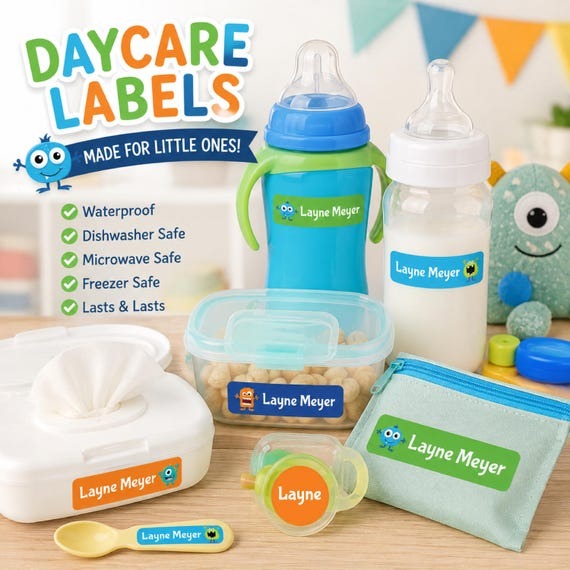
Your baby can nurse at home and get bottles from another caregiver. The bottles can hold expressed breast milk, formula or both, depending on your plan.
If you want to keep breastfeeding, daycare raises a practical question: can your household coordinate milk supply, transportation, storage and pumping time?
A pumping routine needs a suitable space and workable breaks. Pickup times also affect when you can nurse.
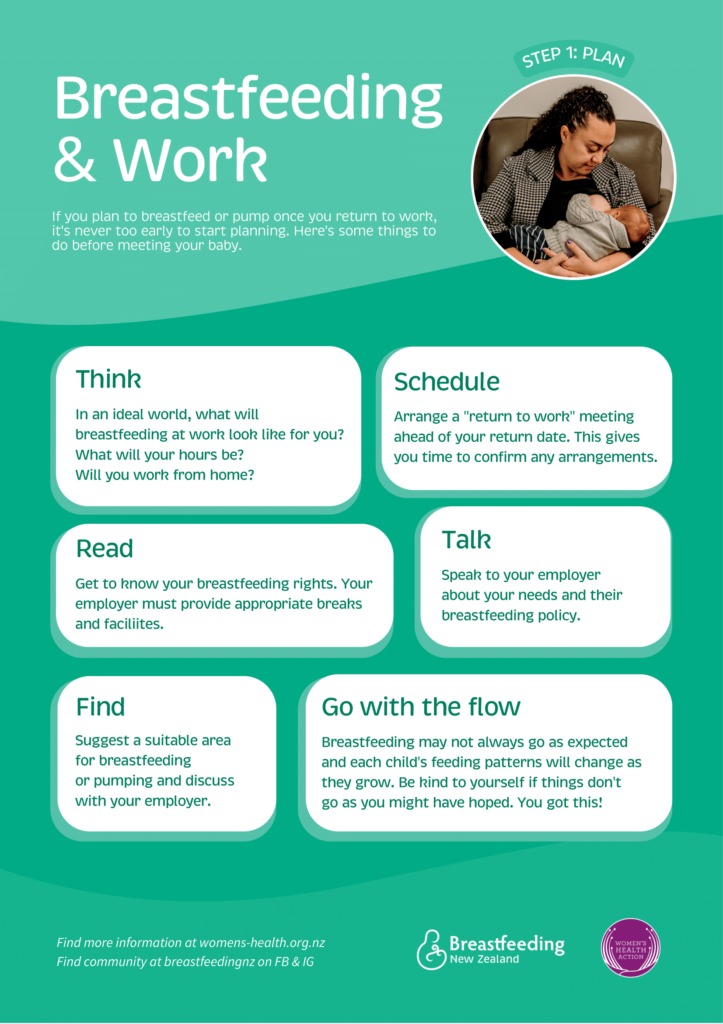
US federal law gives most covered employees pumping protections. According to the US Department of Labor’s Pump at Work guidance, the baseline is reasonable break time and a functional private space, other than a bathroom, to express milk during the first year after birth.
Coverage has exceptions, and state law may add protections. Federal rules don’t require every break to be paid or make every schedule easy to change.
Before daycare starts, lay the care hours next to your bottle plan, your pumping breaks and how you’ll store and transport expressed breast milk. Settle who supplies the milk and when it reaches daycare.
What each feeding method can cost

Direct nursing without pumping needs little purchased equipment, but it takes time and sometimes lactation support. Formula feeding means recurring formula and bottle expenses. A combination plan can need both sets of supplies. Under qualifying health plans, breastfeeding support and equipment may be covered, but benefits and cost-sharing depend on the plan. Before judging which costs less, add up one-time purchases, ongoing supplies, cleanup and time, and verify your insurance benefits.
Safety and medical situations that override a preference-based choice
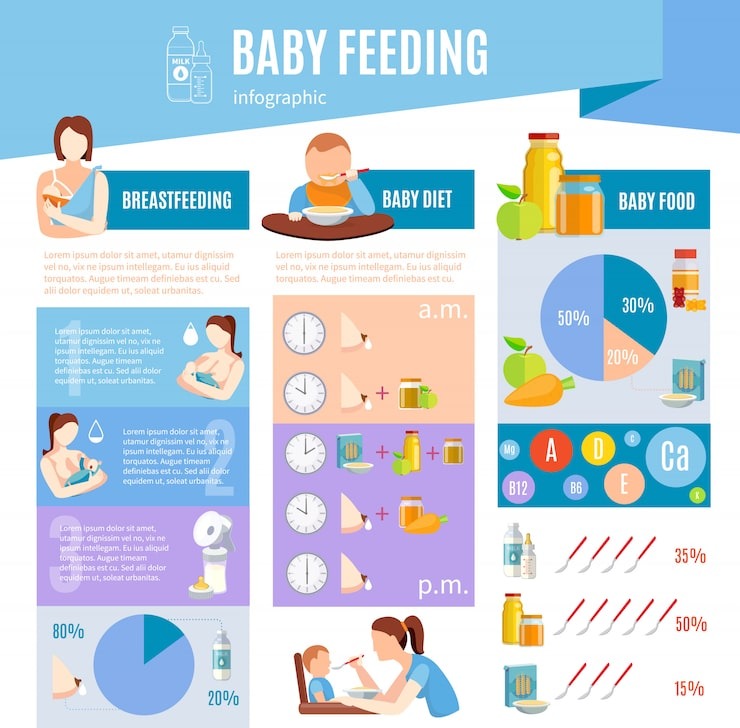
When feeding adequacy or a medical condition is in question, your baby’s clinical needs come first. Persistent poor intake, growth concerns, suspected trouble transferring milk or signs of dehydration need a pediatric assessment. Tell the clinician your baby’s weight history, wet and dirty diapers, and what happens during feeds.
This matters most when a clinician has recommended supplementation for a medical reason. A premature infant, an immunocompromised infant or a baby with specialized nutritional needs can require different instructions from routine feeding.
Formula selection and preparation have their own safety rules. The CDC recommends iron-containing commercial formula made for infants. Homemade recipes and toddler formulas are not suitable substitutes for infant formula.
Before preparing a feed, check these:
- Use an appropriate infant product. Check that the container is intact and sealed, the use-by date hasn’t passed, and any clinician-specific product instructions are followed.
- Follow the directions for the formula form. Ready-to-feed formula must not be diluted. For powdered formula, measure the directed amount of water first, then add powder with the scoop supplied with that product. Prepare liquid concentrate according to its label.
- Recognize higher-risk situations. Powdered formula isn’t guaranteed sterile. Babies younger than two months, babies born before 37 weeks and immunocompromised babies need additional precautions described in CDC guidance.
- Keep medical instructions separate. Never improvise formula fortification or another specialized feeding plan from package instructions or general internet advice.
The CDC’s formula preparation and storage guidance has the detailed handling rules. The infant formula preparation guide covers the routine steps separately.

Expressed breast milk also needs proper handling when you pump, store and offer it later. Those requirements depend on storage conditions and are covered in the dedicated milk-storage guidance.
If you mixed formula in the wrong proportions, stop and get pediatric guidance. Have the actual product, the amounts involved and how your baby is doing ready for that conversation.
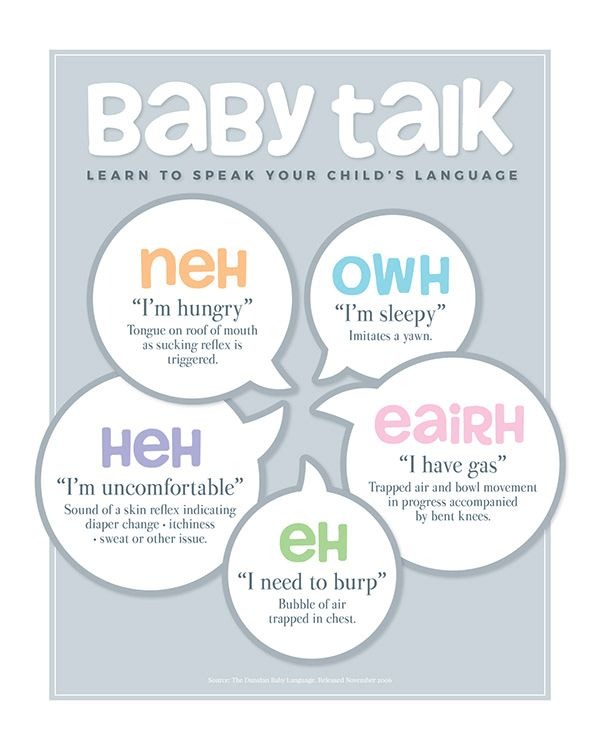
The newborn feeding guide explains what to expect during early feeds.
Bonding, pressure and a plan you can keep doing

Changing a feeding plan can hurt, especially if breastfeeding mattered to you. After weeks of nursing, pumping and supplementing, you might not want to give up any part of that routine, even when it has become hard to keep up.
Breastfeeding and bottle feeding both give you time close to your baby. The American Academy of Pediatrics recognizes responsive bottle feeding as part of attentive caregiving: holding the baby, making eye contact, talking and responding to feeding cues.
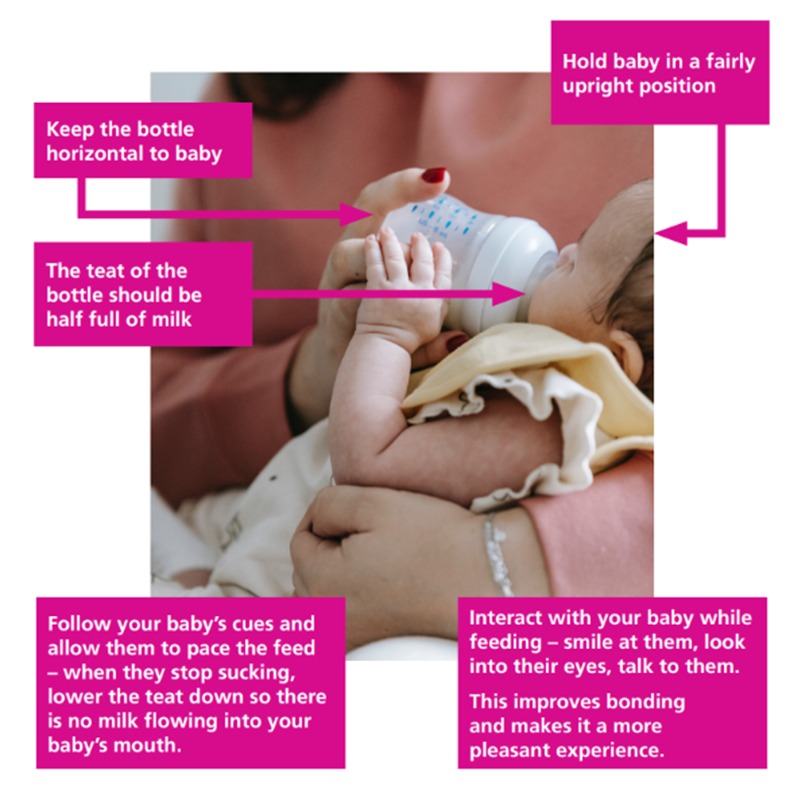
If you’re struggling to keep nursing, lactation support can help. Another family may find a formula-based routine easier to share. Whichever you choose, ask for help before the workload becomes unmanageable.