
For a healthy, full-term baby, match the CDC limit to the state the milk is in. Freshly expressed milk keeps up to 4 hours at 77°F (25°C) or cooler, up to 4 days in a refrigerator at 40°F (4°C) or cooler, and about 6 months in a freezer at 0°F (−18°C) or colder for best quality, with up to 12 months acceptable. Once milk is fully thawed, warmed, or offered to a baby, the limits get shorter.
How Long Can You Store Breast Milk? The CDC Chart
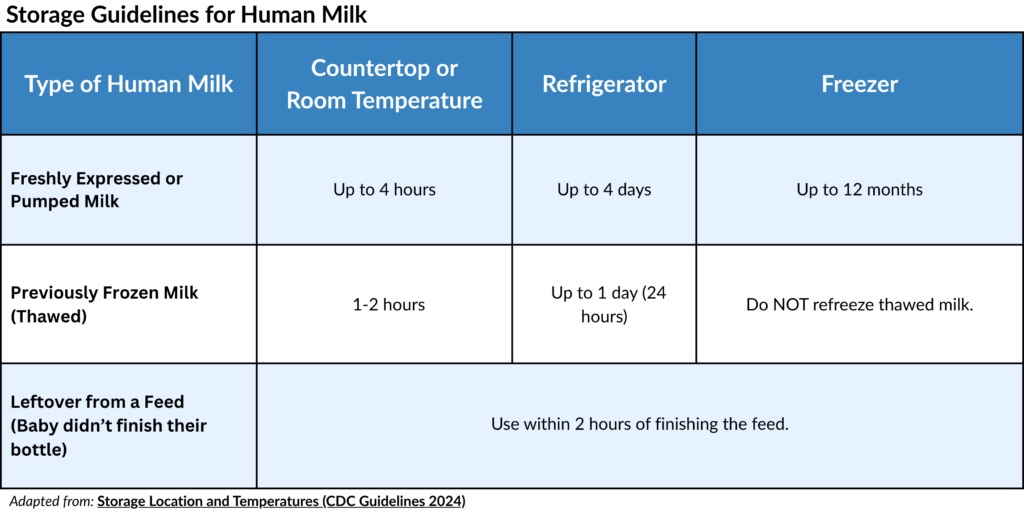
The CDC’s breast milk storage guidance separates freshly expressed milk from milk that has been frozen, fully thawed, warmed, or offered to a baby. Each state has its own limit.
| Milk condition | Temperature or setting | Time limit | Count from |
|---|---|---|---|
| Freshly expressed | Room temperature, 77°F (25°C) or cooler | Up to 4 hours | Expression |
| Freshly expressed, refrigerated | 40°F (4°C) or cooler | Up to 4 days | Expression |
| Frozen | 0°F (−18°C) or colder | About 6 months best for quality; up to 12 months acceptable | First freezing |
| Previously frozen, fully thawed | Refrigerator at 40°F (4°C) or cooler | Within 24 hours | Complete thaw |
| Previously stored milk, warmed or brought to room temperature | Warmed for a feed | Within 2 hours | Warming or reaching room temperature |
| Milk remaining after a feeding | Bottle the baby fed from | Within 2 hours | End of feeding |
The freezer row has two numbers. About 6 months is best for quality, and up to 12 months is acceptable if the milk stayed frozen the whole time.
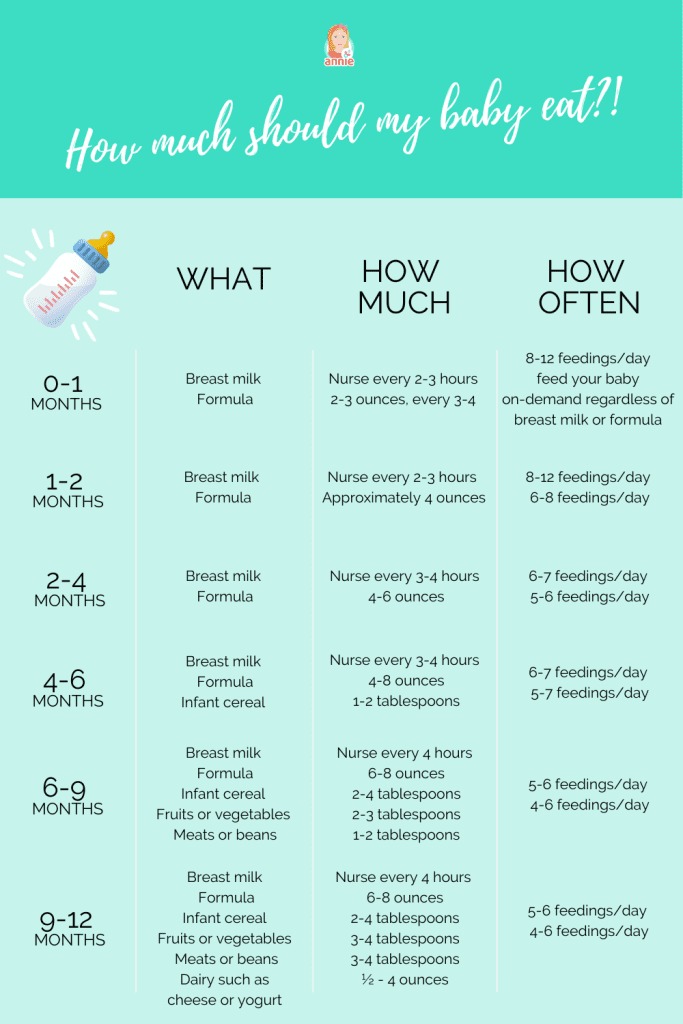
A container of fresh refrigerated milk and one that has thawed can look the same. The fresh one follows its expression date. The thawed one follows the shorter period that starts when thawing finishes.
These limits assume clean collection and correct temperatures. Babies born prematurely or with medical conditions that affect infection risk may need different instructions from their care team.
When Each Storage Limit Starts
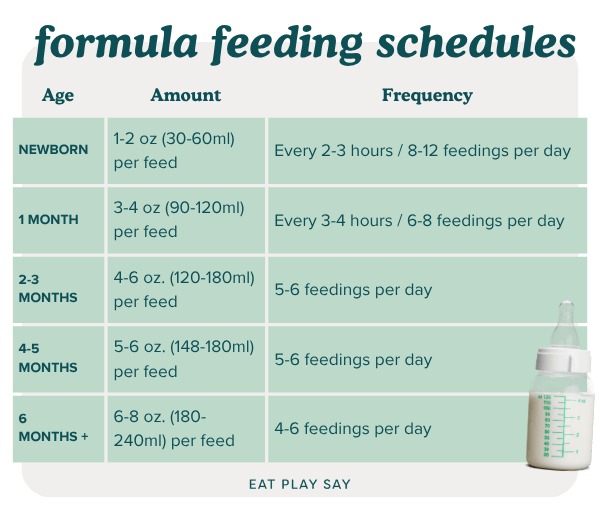
Milk can pass through several states before a feeding, and the limit changes with each one. Moving a container to another shelf or freezer doesn’t restart its time limit.
Fresh refrigerated milk keeps its original expression date. Frozen milk counts from the first time it was frozen, and moving it between freezers doesn’t reset that.
For milk thawed in the refrigerator, the 24 hours start when it’s completely thawed. Say a frozen bag goes into the fridge at 8 a.m. and finishes thawing at noon. The deadline is noon the next day, as long as it stays chilled.
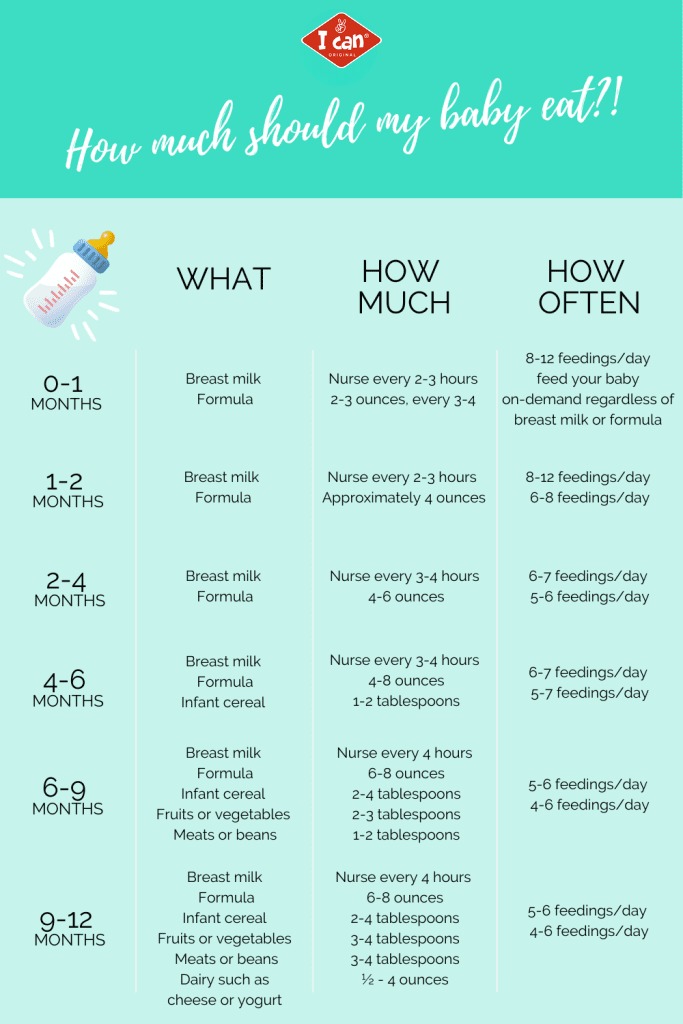
Warming milk or letting it reach room temperature starts a 2-hour limit, even if the baby hasn’t started drinking. Starting or finishing a feed doesn’t extend an earlier limit.
The expression label can’t tell you when a bag finished thawing, so note the complete-thaw time.
Don’t refreeze completely thawed milk. Milk that still has ice crystals after a freezer outage is a different case, covered below.
Containers, Portions, Labels, and the Coldest Place in the Fridge
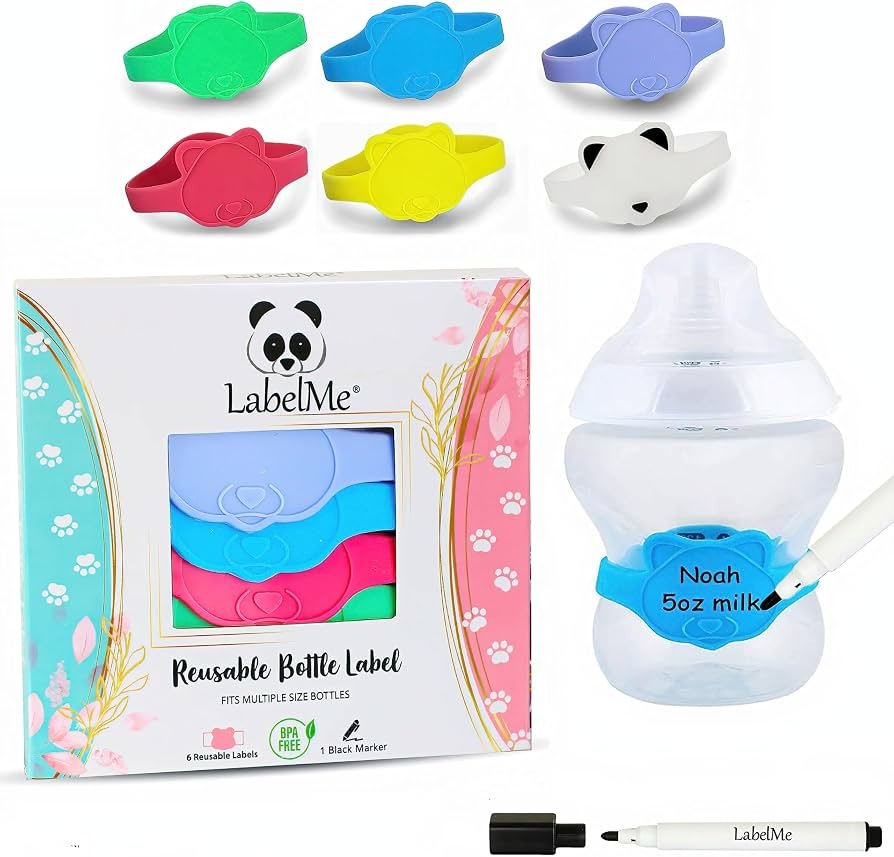
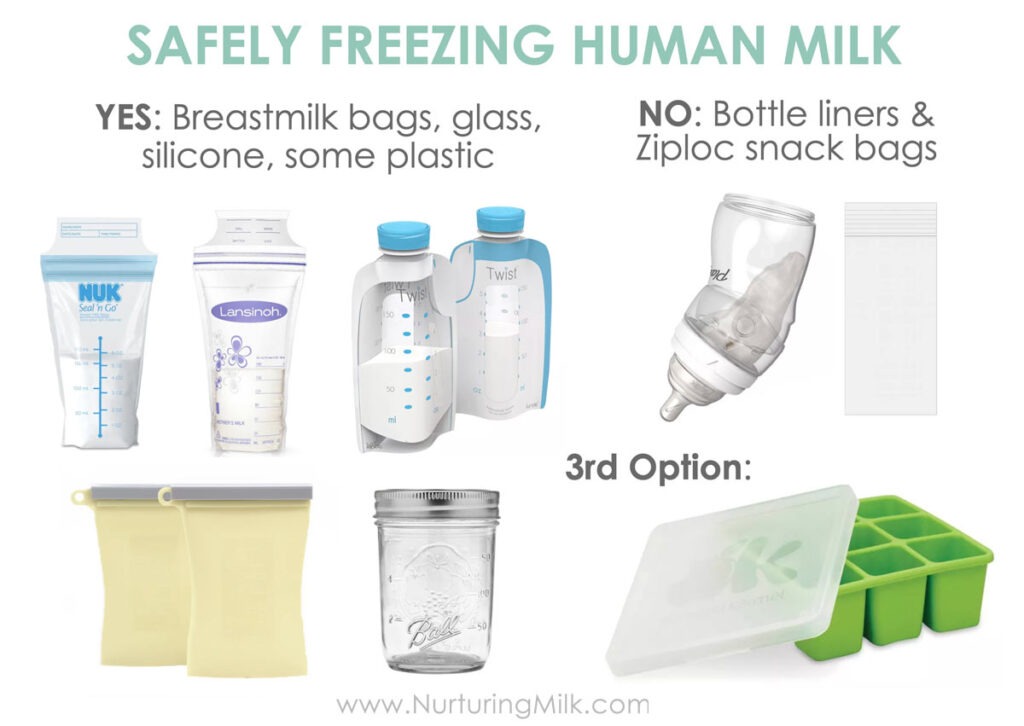
Store expressed milk in clean, tightly sealed food-grade glass or plastic containers, or in bags made for breast milk. Ordinary household plastic bags and disposable bottle liners don’t work as substitutes.
Smaller portions are easier to match to a feeding. The CDC recommends about 2 to 4 ounces per portion, or the amount your baby usually takes in one feeding. When freezing, leave about one inch of space at the top for expansion.
Label each container with the expression date. For daycare, add your child’s name. Workplace storage may also need your name and the date. Keep milk toward the back of the refrigerator or freezer, away from the temperature swings at the door.
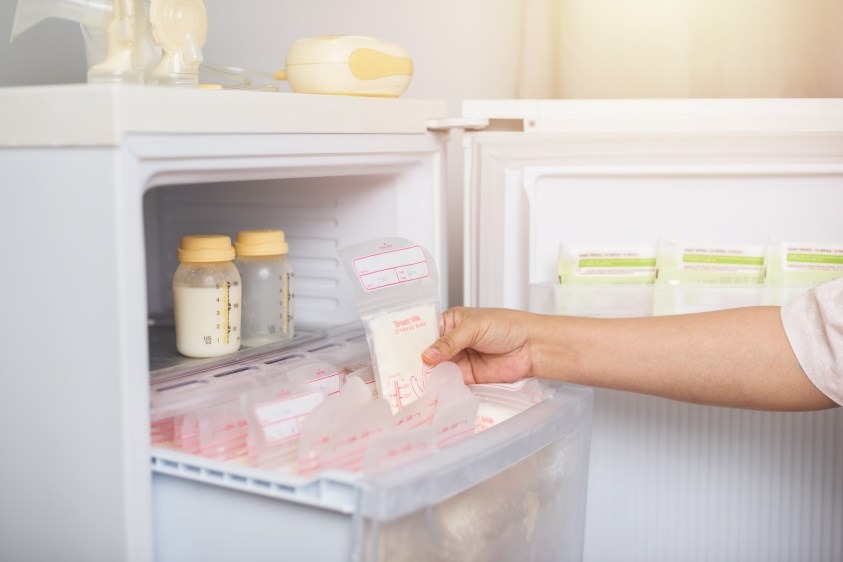
Check the actual temperatures with a thermometer. The refrigerator should be at 40°F (4°C) or cooler and the freezer at 0°F (−18°C) or colder. A dial setting or a bag that feels cold doesn’t prove the temperature.
If you won’t use fresh milk within four days, freeze it sooner to keep its quality. Put older labeled portions in front so they get used first.
Can You Mix Milk from Different Pumping Sessions?
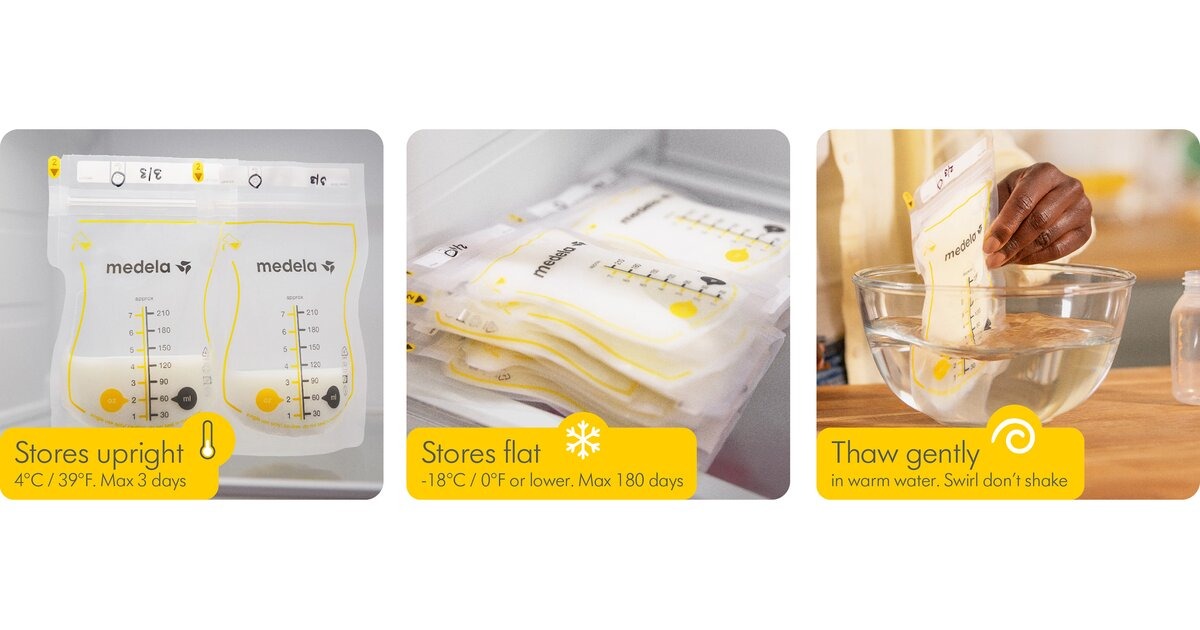
You can combine milk from different pumping sessions once the new milk has cooled. The batch takes its age from the oldest milk in it.
Don’t add warm fresh milk straight to refrigerated or frozen milk. The CDC advises against it because the new milk can rewarm the older supply. Chill the new collection first.
Say milk expressed Monday is already in the fridge and you pump again Tuesday. Cool Tuesday’s milk separately, then add it. Monday’s date now governs the batch.
The same applies to the pitcher method, where several sessions go into one container. Each addition needs a known storage history. A large container left on the counter for an unknown time is a separate problem: putting it back in the refrigerator doesn’t show that its earlier temperature exposure was acceptable.
Thawing, Warming, and Serving Frozen Breast Milk
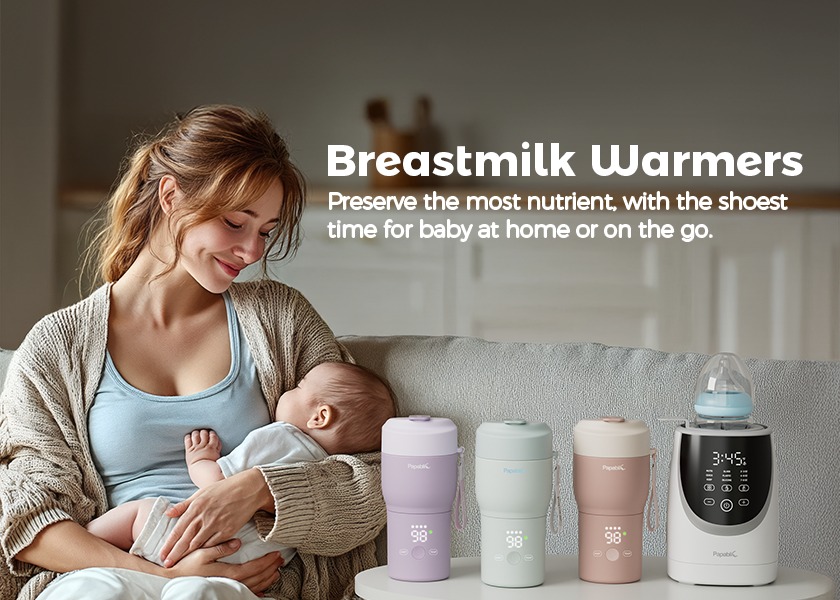
Thaw frozen milk in the refrigerator or in lukewarm water. You can serve it cold or gently warmed, depending on what your baby prefers.
- Thaw: Leave the sealed container in the refrigerator overnight, place it in lukewarm water, or hold it under lukewarm running water.
- Warm if you want: Put the closed container in warm water. Skip this if your baby takes cold milk.
- Check before serving: If you warmed the milk, test a few drops on your wrist.
Don’t microwave breast milk or heat it directly on the stove. Microwaves create uneven hot spots that can burn a baby’s mouth, and excessive heating can affect the milk’s properties.
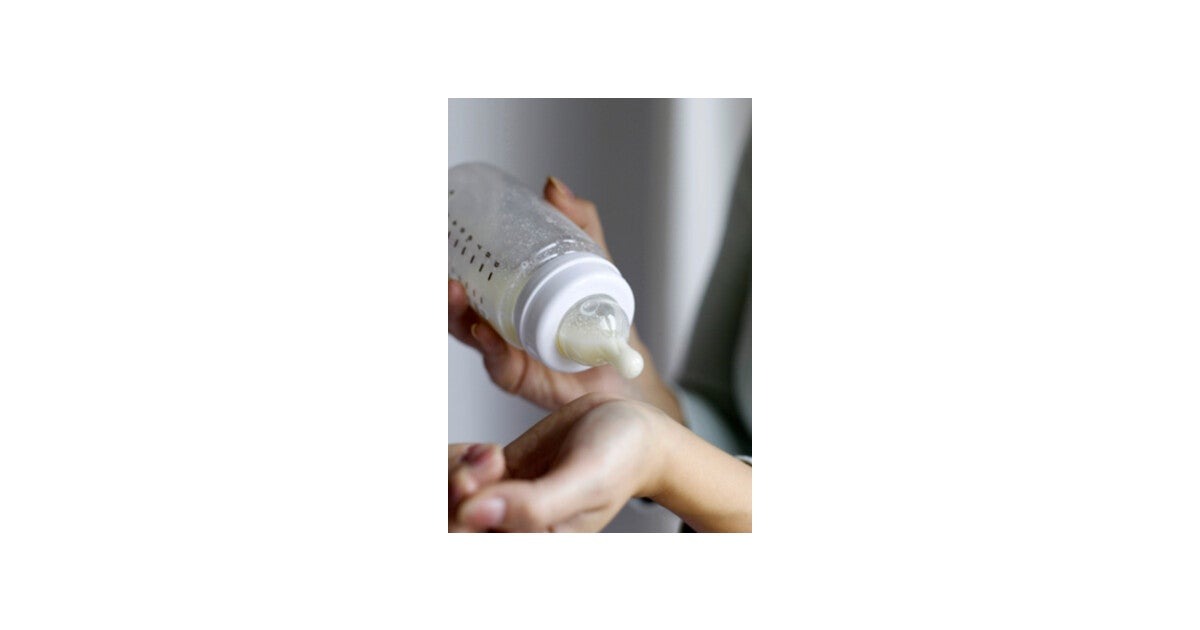
Fat separates during storage. A richer layer on top of a chilled bottle mixes back in when you swirl it gently.
What to Do with Breast Milk Left in a Bottle After Feeding
After a baby drinks from a bottle of expressed milk, the CDC says to use what’s left within 2 hours after the feeding ends, then discard it. An untouched prepared bottle follows the rule for its own storage state. Refrigerating a partly used bottle doesn’t restore the fresh-milk limit or extend an earlier one.
At daycare, the leftover deadline runs from the moment the feeding finished. Smaller starting portions reduce waste.
To sort out breast milk, infant formula, and solid foods, see Baby Feeding From Birth to 24 Months: What Changes and What to Do Next.
Storing Milk at Work, Sending It to Daycare, and Traveling
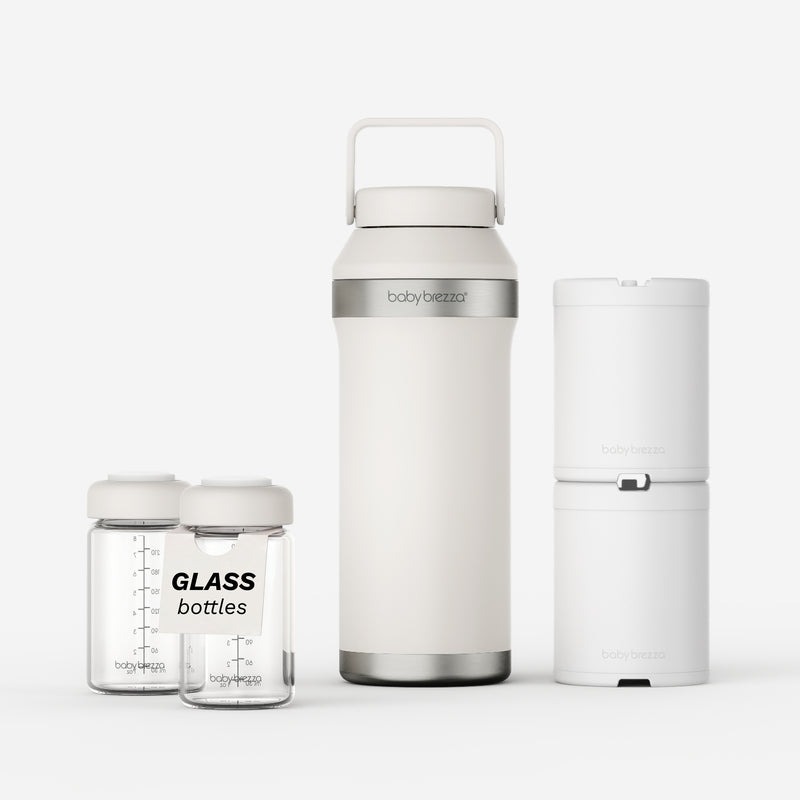
Expressed milk needs reliable cooling between pumping and feeding, at work, at daycare, and while traveling. A private place to pump and a place to store the milk are two separate needs. For pump types, flange fit, and milk expression, see Breast Pumps: Manual, Electric, Portable, and Wearable.
The CDC allows properly stored breast milk to share a workplace refrigerator with other food. Breast milk alone doesn’t require a dedicated one.
Properly cooled milk can stay in an insulated cooler with frozen ice packs for up to 24 hours under CDC guidance. That doesn’t extend a shorter limit that already applies because the milk was thawed, warmed, or offered to the baby. A plain bag without frozen ice packs isn’t enough cooling.
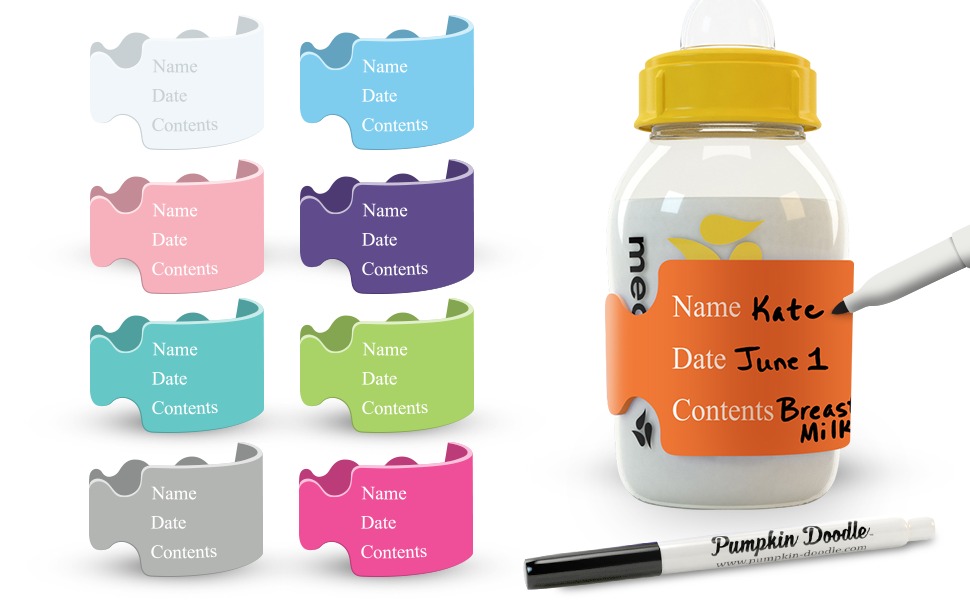
At daycare, a different caregiver may choose and prepare the bottle. Labels with your child’s name and the expression date help staff pick the right portion and tell older milk from newer deliveries. At handoff, agree on where the milk will be stored, who receives it, and when it will be transferred or collected.
The CDC also covers air travel with expressed milk. TSA screening allows breast milk and cooling supplies in quantities above the usual 3.4-ounce liquid limit, subject to screening. Getting milk through security and keeping it at the right temperature are separate requirements.
For a hotel or conference, arrange a reliable place to store the milk and a way to get it when you need it. After transport, move it to a refrigerator or freezer promptly.
Freezer Failure or Power Outage: What to Check Before Using Milk
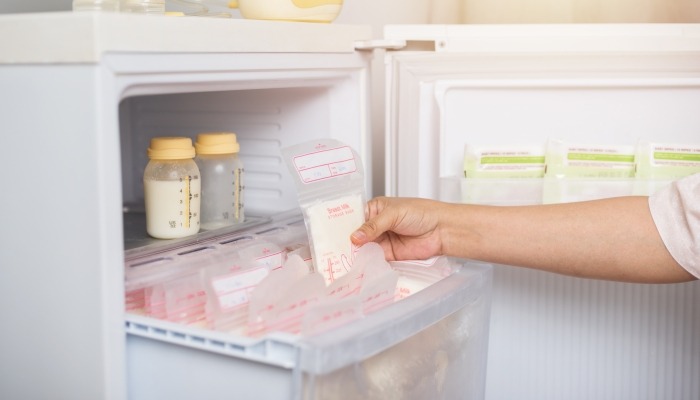
After a freezer outage, look at the milk itself. The CDC separates milk that still has ice crystals from milk that has completely thawed but is still cold.
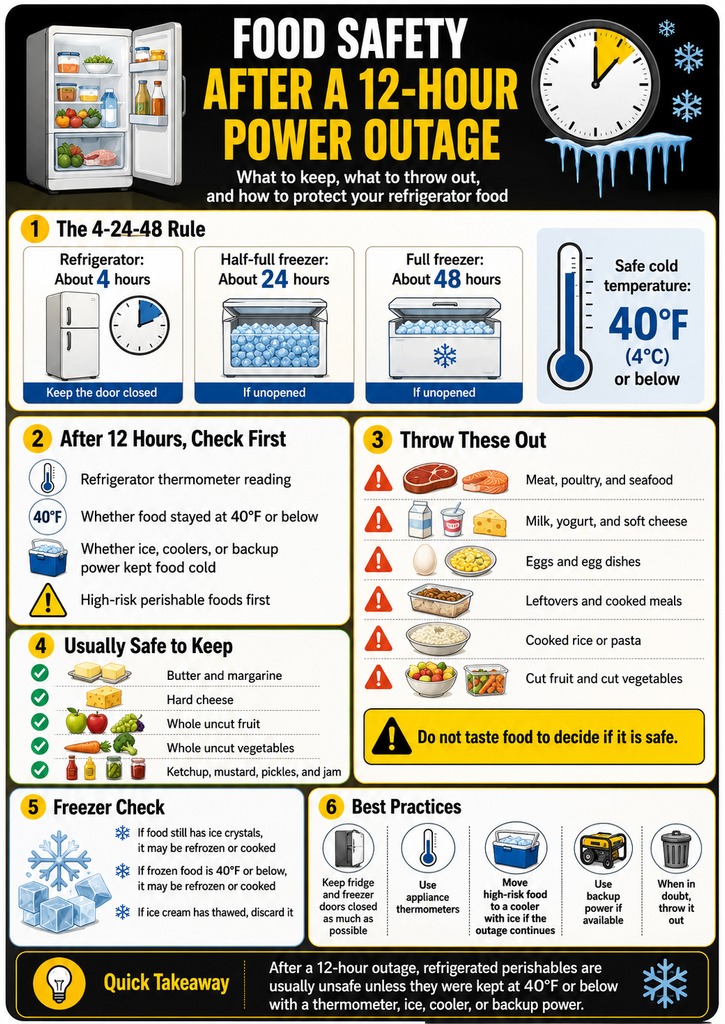
Keep refrigerator and freezer doors closed as much as you can. The CDC gives these approximate times for unopened appliances:
- Full freezer: About 48 hours.
- Half-full freezer: About 24 hours.
- Refrigerator: About 4 hours.
These are general estimates. The milk’s actual condition and temperature history decide what you do next.
The CDC’s breast milk storage FAQ explicitly addresses the first two cases below. The last row covers what’s left when neither can be confirmed.
| Observed condition | Handling decision | Source |
|---|---|---|
| Partly thawed, with ice crystals still present | You can refreeze the milk. | Direct CDC outage guidance; the original storage age isn’t reset. |
| Completely thawed but still cold | Refrigerate and use within the next day, or discard. | Direct CDC outage guidance for milk that stays cold. |
| Temperature or storage history unknown | Don’t assume either option applies. Ask your care team or discard the milk. | A precaution for unknown conditions, not a separate CDC outage category. |
Milk that got warm or has an unknown temperature history can’t be judged by its appearance or smell.
Why Storage Charts Disagree and What Taste Can Tell You

Health institutions publish different storage limits because their guidance uses different assumptions about temperatures, handling, and the babies it’s meant for. For routine home handling, the CDC values above are the reference. Other institutions make useful comparisons, but each figure keeps the conditions that institution stated.
| Institution | Fresh milk, refrigerated | Previously frozen milk, thawed in refrigerator | Published temperature context |
|---|---|---|---|
| CDC | Up to 4 days | Within 24 hours after complete thaw | 40°F (4°C) or cooler |
| Boston Medical Center | Up to 6 days | Up to 2 days | The comparison chart doesn’t specify a refrigerator temperature. |
| Stanford Children’s Health | Up to 96 hours (4 days) | Within 24 hours | Approximately 35°F to 40°F for fresh refrigerated milk; 40°F or cooler for thawed milk |
Boston Medical Center also lists up to six hours at room temperature, while the CDC specifies four hours at 77°F (25°C) or cooler. Don’t average the two. That produces a limit neither institution published.
Stanford Children’s Health separately lists two weeks for a mini-refrigerator freezer compartment kept at 5°F or colder. It treats that compartment as different from a separate home freezer at 0°F or colder, which it lists at six months.
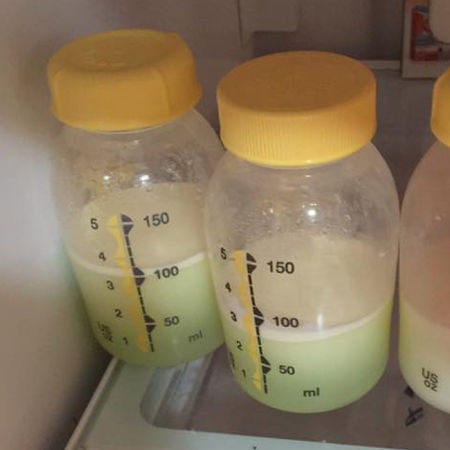
Storage can change how milk tastes and smells. Lipase activity and changes involving free fatty acids can give stored milk a soapy taste or smell, as the American Academy of Pediatrics discusses.
A soapy smell alone doesn’t mean the milk is contaminated, and a familiar smell doesn’t mean it was kept cold enough. What matters is how the container was stored.
Pump Hygiene and When Standard Home Storage Advice Isn’t Enough
Storage limits assume clean collection. Cold storage can’t undo contamination from unclean equipment.
Wash your hands before expressing, and clean pump parts that touch milk after every use. Follow the manufacturer’s instructions for each part.
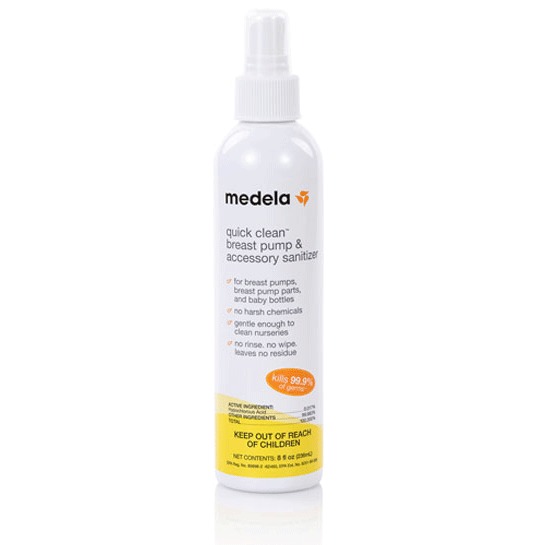
The CDC also recommends sanitizing milk-contacting pump parts at least once daily, especially when your baby is younger than two months, was born prematurely, or has a weakened immune system. For older healthy babies, daily sanitizing may be unnecessary if you clean the parts thoroughly after each use.
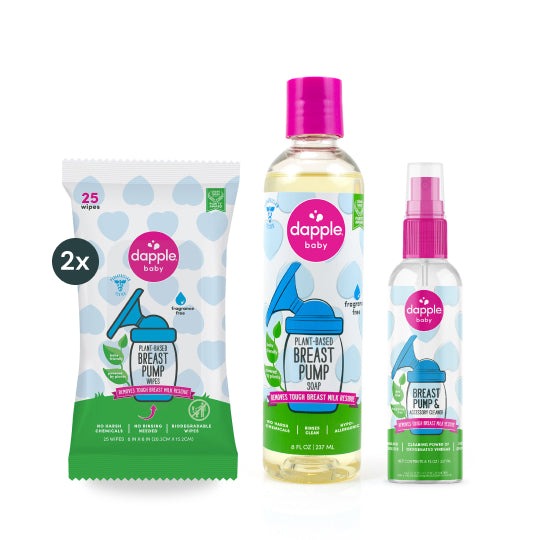
Putting used, unwashed pump parts in the refrigerator between sessions, sometimes called the fridge hack, isn’t an established substitute for cleaning them. The CDC’s breast pump hygiene guidance explains cleaning and sanitizing separately.
Babies who are premature, hospitalized, immunocompromised, or in specialized care may need stricter milk-handling instructions from their treating team.