
Most healthy full-term babies start on breast milk or infant formula, add complementary foods around six months once they’re ready, rely on milk through the first year, and move gradually to varied meals and age-appropriate drinks after twelve months. Your baby’s age, readiness and milk source set the pace. Persistent poor intake or a medical feeding plan changes the next step.
Pick the feeding stage before you pick a schedule
Good feeding advice depends on your baby’s stage: all milk, getting ready for first foods, or eating real meals. Find your baby’s row below.
| Your baby’s stage | Main feeding role | The decision that matters now | Where to go next |
|---|---|---|---|
| Birth to around six months, before solids begin | Breast milk and/or infant formula | Which feeding method fits, and how is feeding going? | Newborn feeding guidance |
| Around six months, approaching first foods | Milk remains central while complementary foods are introduced | Does your baby show developmental readiness for solids? | Starting solids |
| Six to twelve months, after solids begin | Milk remains the main nutrition source while foods become nutritionally meaningful | Are milk feeding and complementary foods developing together? | Feeding patterns by age |
| Twelve to twenty-four months | Varied foods and age-appropriate drinks become increasingly important | How should meals, milk choices and cup skills change? | Transitioning to cups |
Stages overlap because solids are added gradually. A nine-month-old can enjoy meals and still have a milk-feeding problem, and a child nearing the first birthday may already face drink and meal decisions.
Milk feeding first: breast milk, formula, or a combination

Breast milk, infant formula and a mix of both differ in how milk is delivered, who can give a feed and what preparation or handling is involved.
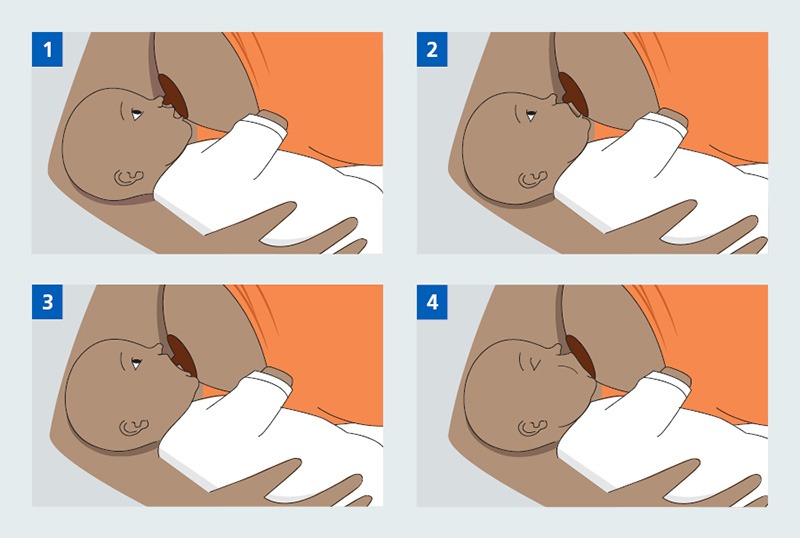
- Direct breastfeeding: Your baby feeds at the breast. The practical points are feeding cues, nursing support and being together for feeds.
- Expressed breast milk: You express milk for later feeds, including feeds given by another caregiver. Collection, storage and handling come with it.
- Infant formula: You or another caregiver prepares commercial infant formula following its instructions, so preparation and handling matter.
- Combination feeding: You use both breast milk and formula, so the handling rules for each apply.
Say you breastfeed at home and express milk for a childcare provider. The milk is still breast milk, but now storage and a second caregiver come in. For latch, milk transfer and lactation support, see Breastfeeding Basics: Latch, Milk Transfer, and Getting Help.
To compare the options, read the guide to breastfeeding, formula and combination feeding. Preparation and storage details sit in the safety section below.
Let hunger and fullness cues shape the day
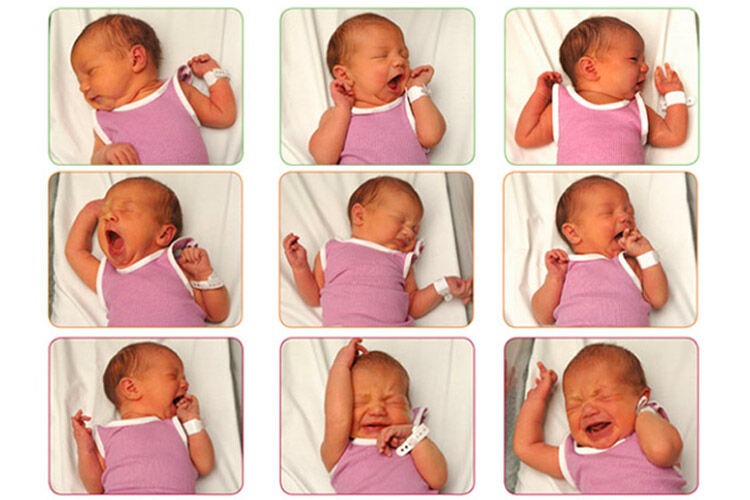
For a healthy full-term baby, hunger and fullness cues guide everyday feeding as skills change. Younger babies show hunger by rooting, bringing hands to the mouth and smacking their lips. They show fullness by turning away or stopping sucking. From around six months, reaching for food signals hunger, and closing the mouth or pushing food away signals fullness. Babies born prematurely or on a clinician-directed feeding plan may need scheduled feeds and individual monitoring.
Starting solids begins with developmental readiness
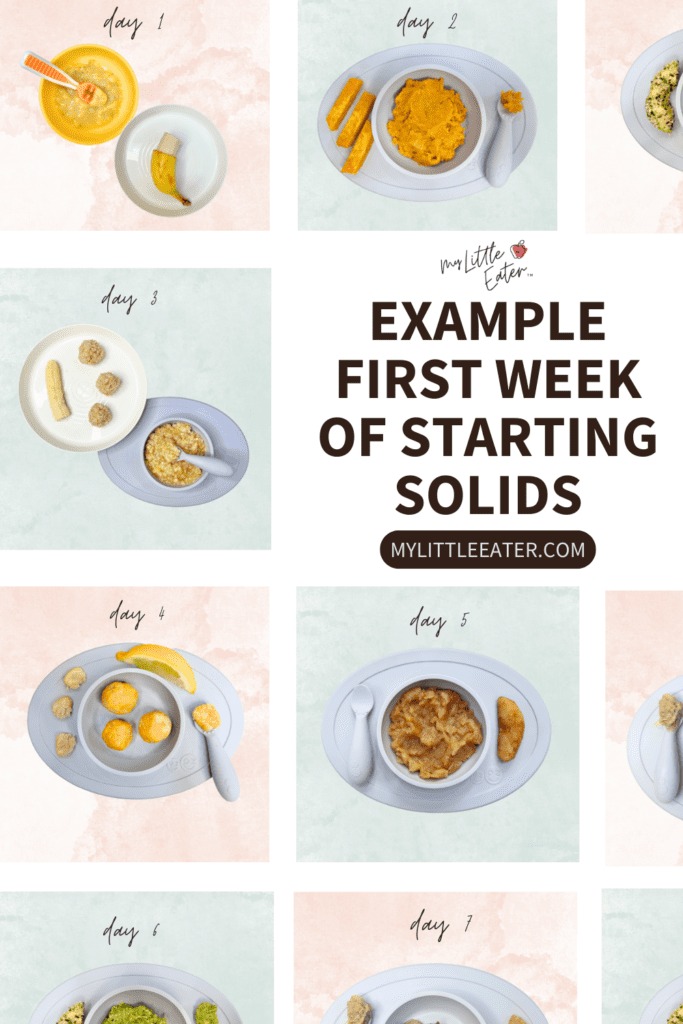
Introduce complementary foods around six months, once your baby has the skills to eat them. The CDC advises against starting solids before four months.
Age is only part of the decision. The CDC’s guidance on introducing solid foods lists observable signs of readiness:
- Head control: Your baby holds the head and neck steady enough for supported feeding.
- Supported sitting: Your baby sits with support in a good feeding position.
- Swallowing development: Your baby is learning to take food into the mouth and swallow it.
- Interest and coordination: Your baby brings objects toward the mouth, an early skill for taking food.
A baby near six months who still wobbles on head control or sitting support should be judged on those skills, not the birthday.
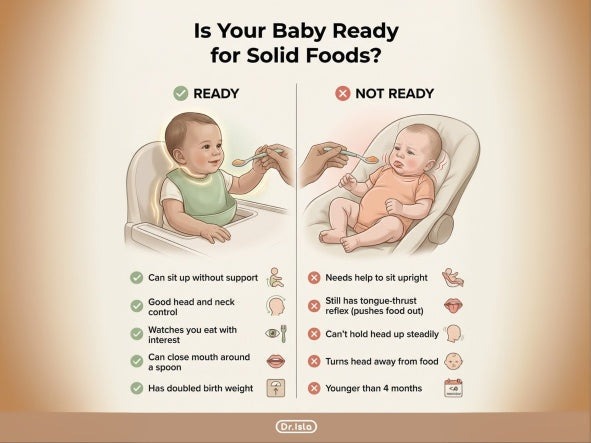
If you’re unsure about these skills or have a medical concern, a pediatrician can assess your baby’s readiness.
Once your baby is ready, the starting-solids guide covers first foods and suitable textures.
From six to twelve months, milk and solids work together
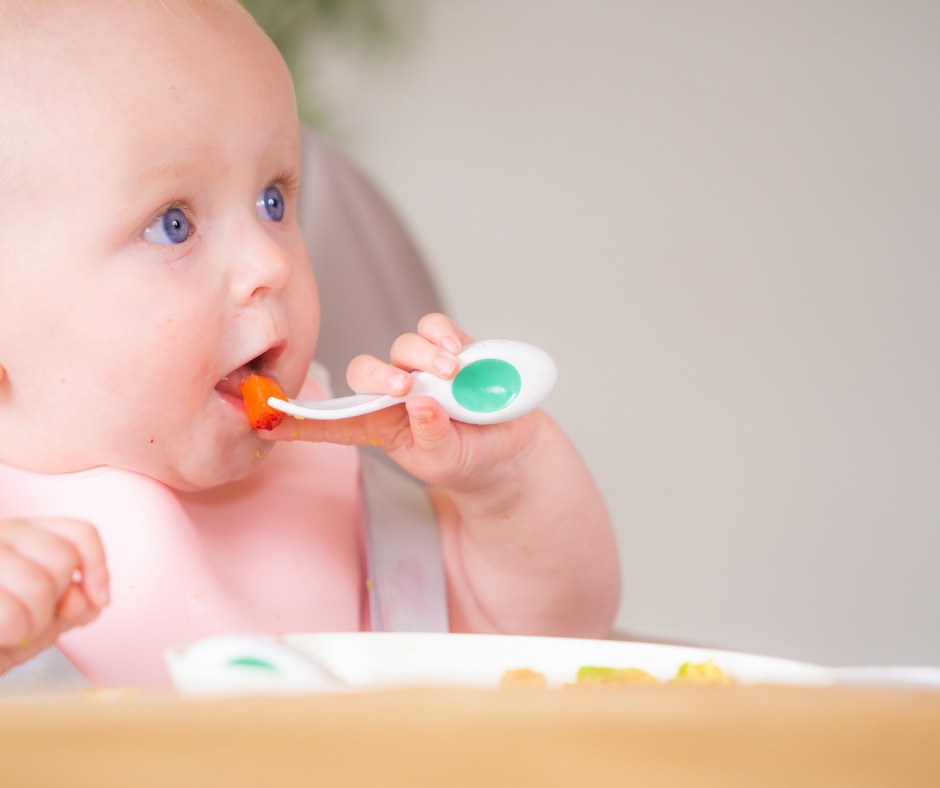
From six to twelve months, breast milk and/or infant formula stay the main source of nutrition while complementary foods gain importance. Early spoonfuls and finger foods teach your baby to eat, and their nutrients matter during the first year.
Iron-rich complementary foods are especially useful as eating expands. Examples include suitably prepared meat, beans, lentils and iron-fortified infant cereals, each in a texture that fits your baby’s skills.
A baby can take solids eagerly and still drink less milk, which is a separate question about intake and growth.
One parent of a nine-month-old, combination-fed by bottle, described exactly this:
Baby eats solids but refuses milk. My baby is 9 months old I do combo feeding via a bottle. He stopped latching months ago. Lately he has been completely refusing the bottle, we have to try super hard to distract him to even get 30-60ML at a time. He never refuses solids but I’m super concerned about his decline in milk intake. He’s definitely not hitting the 24oz minimum. I’ve tried straw cup and open cup and he pushes those away too. Doctor said try with a spoon as a joke but that would take forever. Has anyone experienced this? Or have any tips?
The “24oz minimum” is the parent’s own number, not a universal requirement for nine-month-olds. If milk intake keeps dropping, see the safety section.
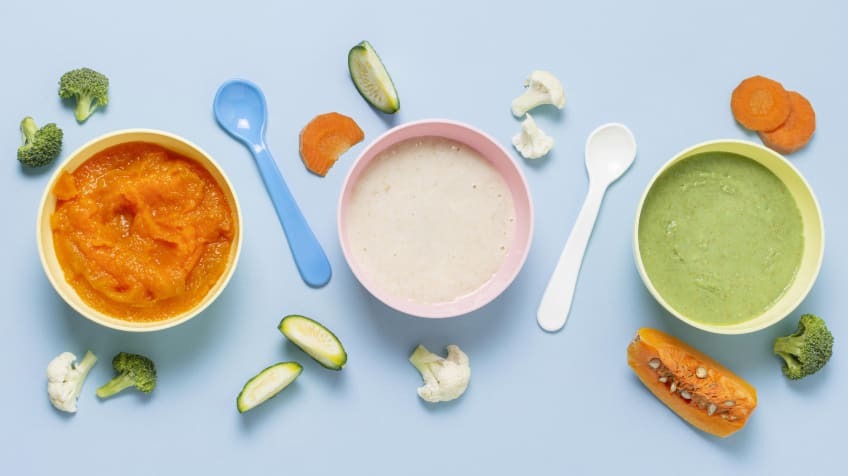
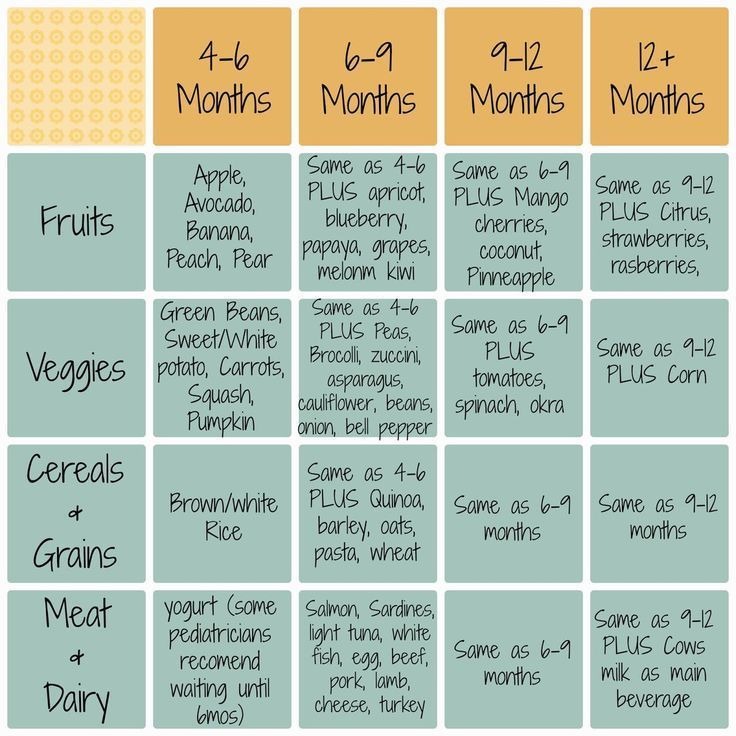
For ordinary meal-pattern questions, the feeding-by-age guide gives age-specific examples.
Choosing purées or baby-led feeding safely

Purées and baby-led weaning are two ways to offer food. Both depend on your baby’s readiness, the form of the food and safe feeding conditions.
With purées, you offer food in a texture your baby can manage, often by spoon. With baby-led feeding, your baby handles suitably prepared food and brings it to the mouth. The choice depends on your baby’s skills, your comfort and how your family eats. Some families mix both.
Neither method makes a food suitable. The CDC stresses food shape, texture, positioning and supervision for choking prevention.
That gives you two separate decisions:
- How to offer food: Purée, self-feeding or a mix, based on your baby’s abilities and your situation.
- Whether the food is suitable: Judge it by the four points above, whatever the method.
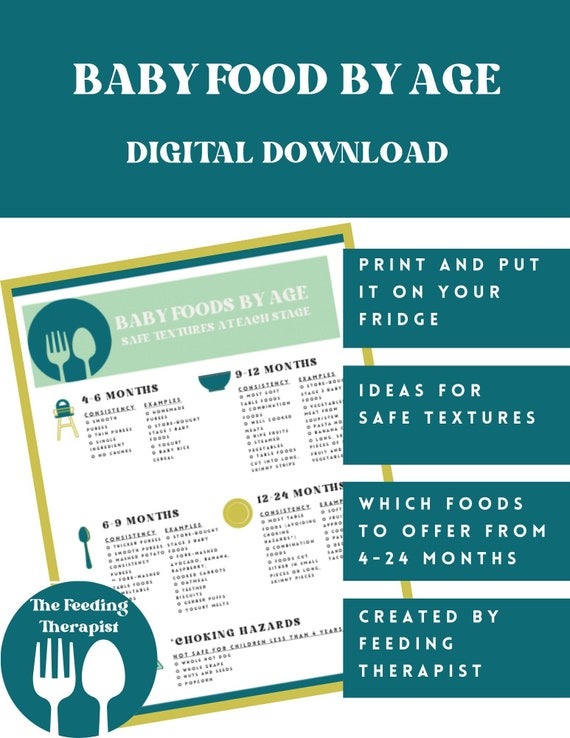
The baby-led weaning and purées comparison covers the methods in full. The food choking-hazards guide covers food preparation and specific risks.
If your baby has severe eczema or an egg allergy, the CDC recommends asking a doctor or nurse when and how to introduce foods containing peanuts. For other allergenic foods, see the introducing-allergens guide.
When feeding and daycare do not fit together
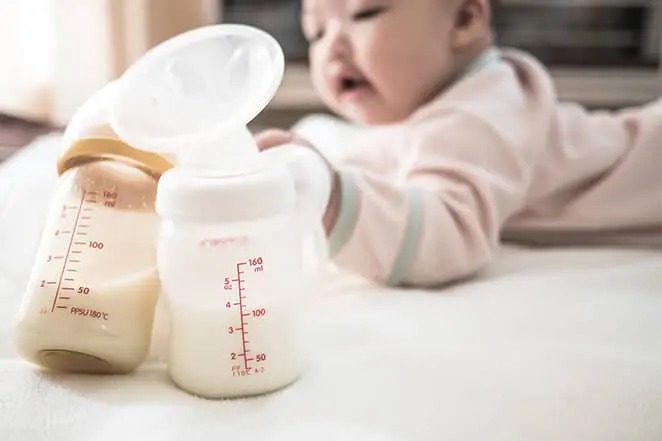
A baby who breastfeeds well at home may resist bottles when someone else takes over. That is a real problem once a parent returns to work and the child spends part of the day in childcare.
Switching the bottle, nipple or person offering it doesn’t always work.
One parent spent more than six weeks preparing for daycare, and the baby still refused every bottle once it started:
For 6+ weeks leading up to daycare we tried offering one bottle a day – different bottles, nipples, people feeding, positions, milk temperatures, bouncing, walking, singing, etc and she always refused. I was so stressed out about starting work with her still not taking a bottle, but the internet, 2 lactation consultants, and her pediatrician all assured me she would eventually take the bottle at daycare once she realized I wasn’t there to breastfeed. I kept hearing “babies won’t starve themselves” and “it just takes some time for them to adjust”. It’s been two weeks and she still refuses every bottle at daycare. She won’t take even half an ounce for the 8.5hrs she is there. She comes home and cluster feeds all evening half asleep (because she barely naps there too) until bed time. She’s listless when I pick her up and I can tell she’s been crying all day. It breaks my heart and I feel like the worst parent but I can’t afford to quit my job or hire a nanny.
When poor feeding is accompanied by unusual sleepiness, listlessness or signs of dehydration such as fewer wet diapers, contact the child’s pediatrician right away. If your baby cannot be awakened or is unresponsive, call 911.
In a later update to the March 19, 2024 account, the parent described moving to a daycare close enough for a lunch-break nursing visit and working with a feeding therapist.
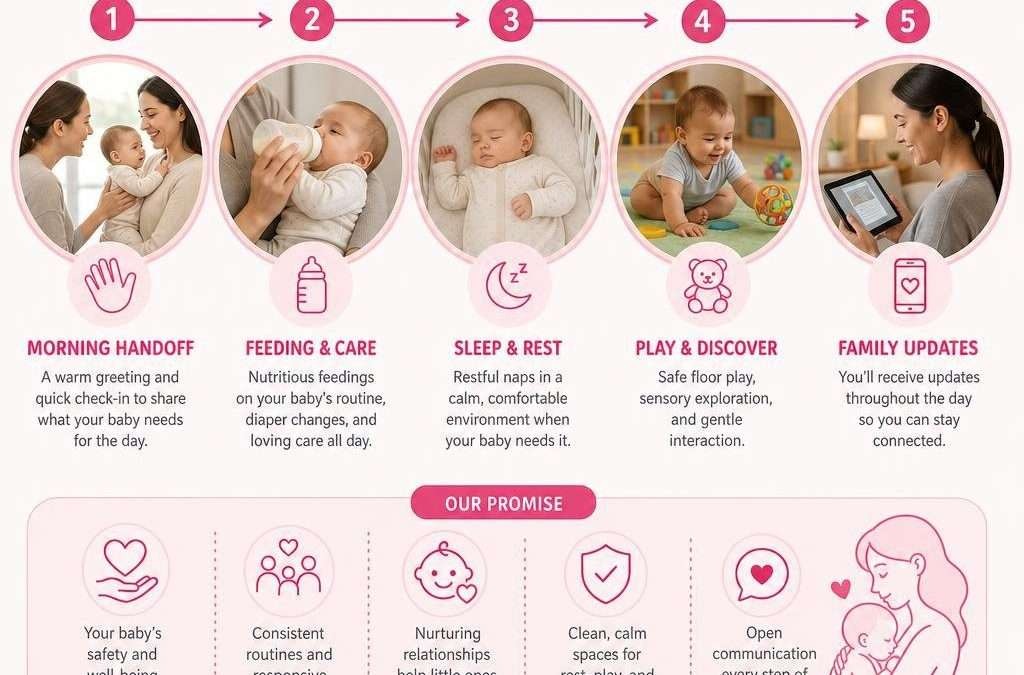
Keep a shared log with the provider: what milk you offer, how you offer it, what your child accepts and what the provider observes during the day.
The bottle-refusal guide covers feeding arrangements and refusal in more detail.
At twelve months, consider meals, drinks and cups separately
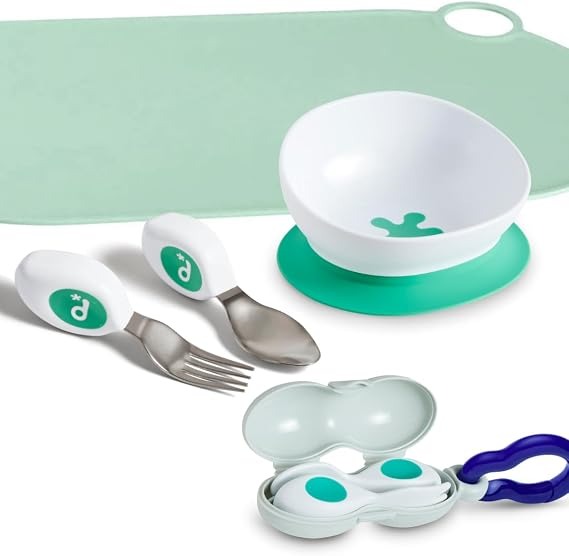
After the first birthday, varied food takes a larger role in nutrition. Choosing a milk or other drink and building cup skills are separate parts of the transition.
From twelve months, plain, unsweetened, pasteurized whole cow’s milk is a drink option. An unflavored, unsweetened milk alternative fortified with calcium and vitamin D can suit some children, depending on their nutritional needs.
Before twelve months, cow’s milk should not replace breast milk or infant formula as the main milk drink. Too much cow’s milk later can displace iron-rich foods. Breastfeeding can continue beyond the first birthday.
| Decision | What changes after the first birthday | Relevant next step |
|---|---|---|
| Food and meals | Varied foods increasingly meet nutritional needs | Review the feeding-by-age guide |
| Milk and drinks | From twelve months: plain whole milk or an unsweetened alternative fortified with calcium and vitamin D. Nutrient differences and individual needs matter. | Consult CDC guidance on cow’s milk and alternatives |
| Cups and feeding skills | How your child drinks changes alongside the nutritional transition, and cup practice can start before you settle on a drink | Explore cup transitions |

One parent, thinking ahead from nine months, asked how the transition affects nutritional adequacy:
I was just wondering why we don’t give formula past 12 months? If we switch to giving a bottle of cows milk before bed, why not just keep giving one bottle of formula instead? Also, how do you make sure your toddler is getting all the vitamins and minerals they need from solid food? Our LO is currently 9 months so I’m just starting to think about the transition from 1-2 solid meals a day to all solid meals a day in a few months.
For most healthy toddlers after twelve months, infant formula is no longer needed as the usual milk. Varied meals supply a growing share of nutrition, with suitable drinks alongside. Children with specialized medical nutrition needs may follow a different plan.
Where to turn for feeding safety and medical concerns
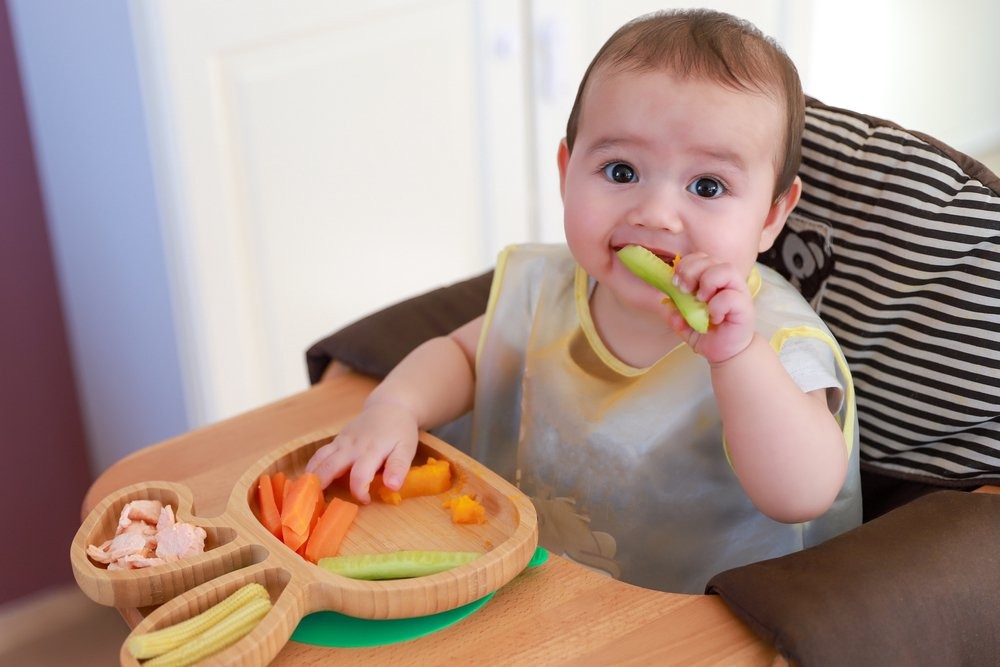
Prepared infant formula and expressed breast milk have different preparation, storage and handling requirements, even when both come in a bottle.
The CDC keeps separate instructions for preparing and storing infant formula and handling expressed breast milk.
| Question or concern | Specific source or support | What matters |
|---|---|---|
| How should prepared infant formula be handled? | Formula-feeding guide | Preparation and storage rules specific to formula |
| How should expressed breast milk be stored? | Breast-milk storage guide | Handling rules specific to expressed milk |
| Is a food suitable for a baby learning to eat? | CDC choking-hazard guidance and the specialist choking guide | Shape, texture, positioning and supervision |
| Does an infant have an elevated food-allergy risk? | Pediatric guidance and the specialist allergen guide | An individualized introduction plan |
| Is intake persistently inadequate or growth a concern? | Qualified pediatric clinician and, where indicated, feeding specialists | Assessment of your baby’s feeding and growth |
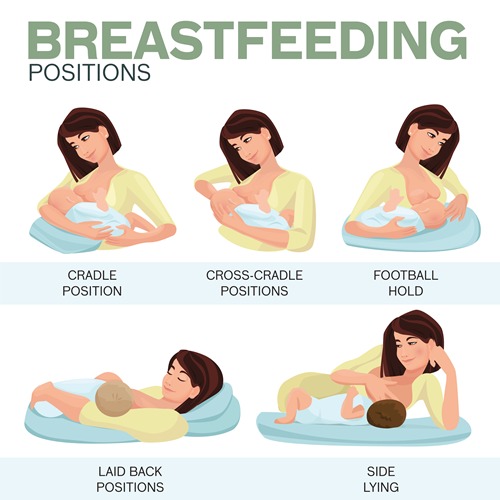
Persistent poor intake, growth concerns or a medically complex condition need an individualized pediatric assessment. A choking emergency needs emergency assistance and the right first-aid response.
For feeding, sleep and developmental milestones together, see Baby Care Guide: What Matters Now, From Newborn to Age 2.