
Start with breast milk, infant formula, or both. Add complementary foods at about six months, once your baby’s feeding skills are ready, and move gradually toward varied family meals. Milk stays central through the first birthday. Around 12 months, the type of milk, the cup, and the meals change separately.
Baby Feeding by Age: The Birth-to-24-Month Roadmap
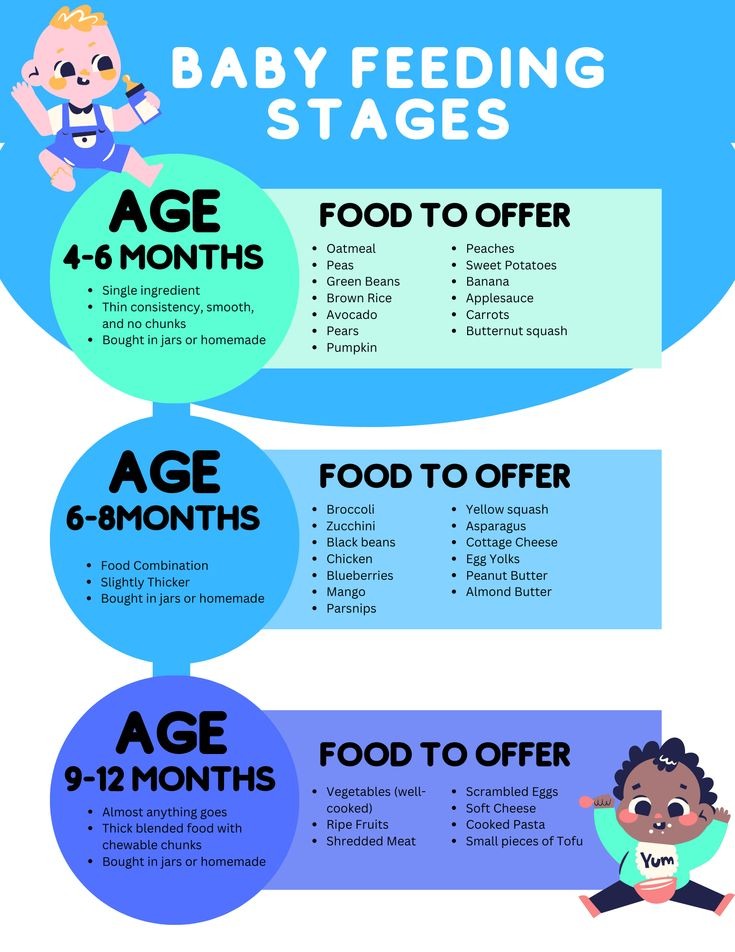
Three things change as your baby grows: what milk does, which foods they can handle, and what they can do at the table. The table puts them side by side.
| Approximate age | Milk and feeding role | Food and textures | Emerging skill | What to check |
|---|---|---|---|---|
| Birth to about 6 months | Breast milk, infant formula, or both provide nutrition | No routine solid-food meals | Sucking, swallowing, communicating hunger and fullness | Feeding method, cues, growth |
| About 6 to 9 months | Breast milk/formula remain the main nutritional source | Start with smooth or mashed foods; add variety | Supported upright eating and swallowing food | Readiness and food safety |
| About 9 to 12 months | Milk stays important as solids expand | Thicker soft textures and soft finger foods | Grasping, bringing food to the mouth, early cup practice | Overall intake and feeding skills |
| About 12 to 18 months | Breastfeeding can continue; formula-fed children transition to a suitable milk | More participation in safely prepared family meals | More independent eating and cup use | Milk choice, cup skills, food variety |
| About 18 to 24 months | Milk or dairy foods fit into a varied diet; breastfeeding can continue | A wider range of family foods | Growing independence at meals | Appetite over time, variety, growth |
Before 12 months, “milk” in this chart means breast milk or infant formula. After the first birthday, suitable cow’s milk or a nutritionally appropriate alternative can also join the diet. The CDC feeding guidance explains how complementary foods gradually share the day with milk feeds.
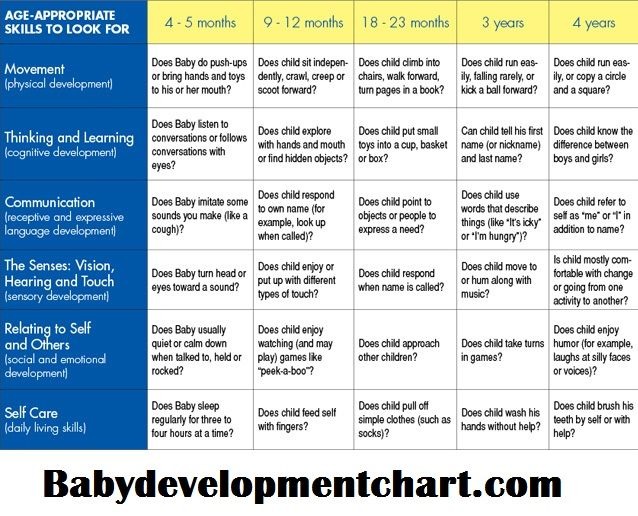
Babies born prematurely, or with feeding disorders, medical conditions, or growth concerns, need a clinician-directed plan that differs from this general sequence. The broader baby feeding guide covers feeding methods and related topics.
Birth to About 6 Months: Milk Feeding Comes First
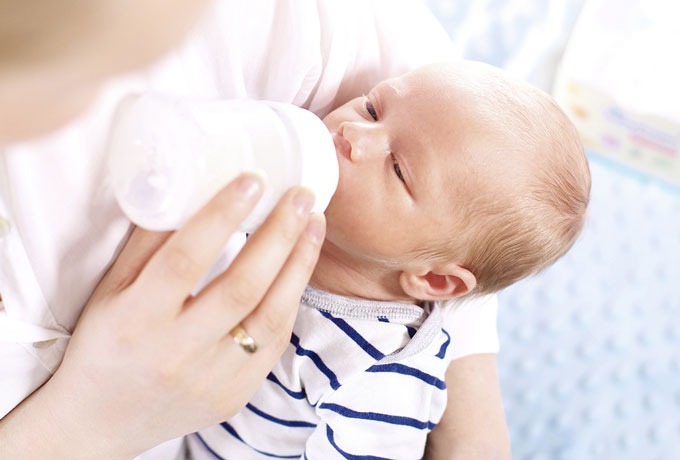
Breast milk, infant formula, or both provide early nutrition. Breastfed newborns nurse every 1 to 3 hours in the first days, sometimes more often during cluster feeding, and about every 2 to 4 hours in later months. Formula-fed newborns initially take about 1 to 2 fluid ounces every 2 to 3 hours, and many feed about every 3 to 4 hours in the following months.
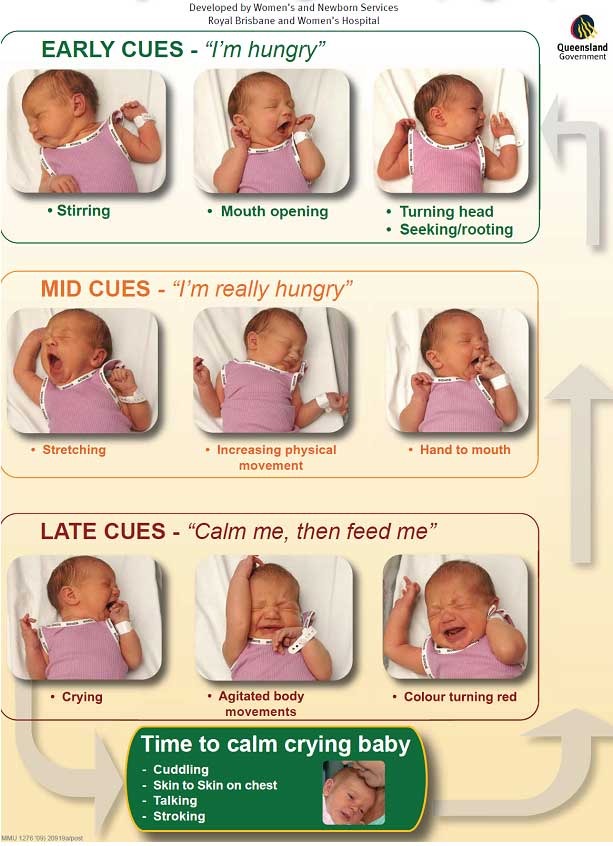
Look for rooting or turning toward the breast or bottle as hunger cues, and closing the mouth or turning away as fullness cues. If a clinician has prescribed a wake-to-feed plan for sleepiness, intake, or growth concerns, follow it.
Around 6 Months: When a Baby Is Ready for First Foods
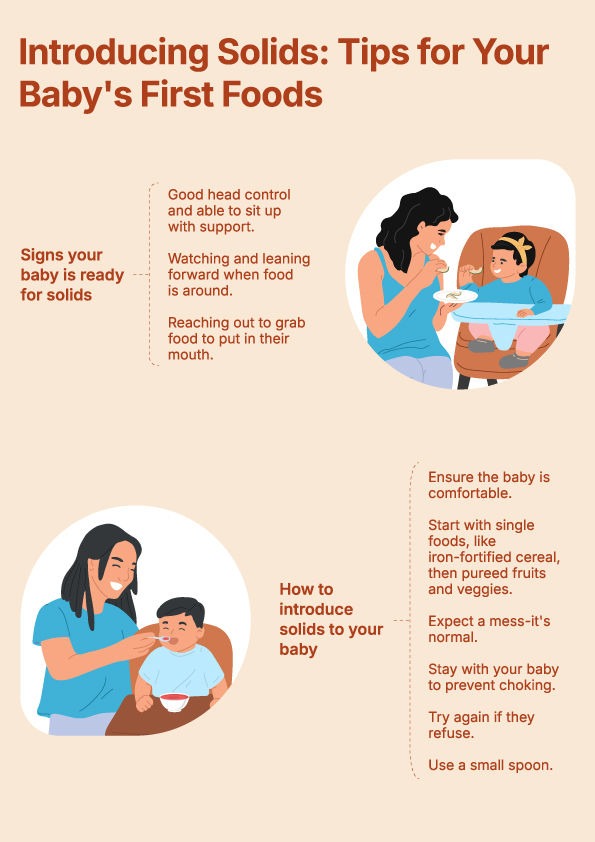
Start complementary foods at about six months, once your baby can manage them safely. The CDC recommends against introducing anything other than breast milk or infant formula before four months. Six months is a useful marker, but your baby’s skills decide whether to offer a first food.
Look for these signs together:
- Head and neck control: Your baby holds the head steady while sitting independently or with support.
- Position: Your baby stays upright with appropriate support while eating.
- Interest: Your baby opens the mouth when food is offered and may reach for food.
- Swallowing: Your baby can move food back and swallow it, and pushes it straight out less often than before.
A baby who has just turned six months but can’t stay upright with support needs a different plan from one with steady head control who can swallow a small taste. The CDC’s guidance on introducing solid foods describes these readiness signs.
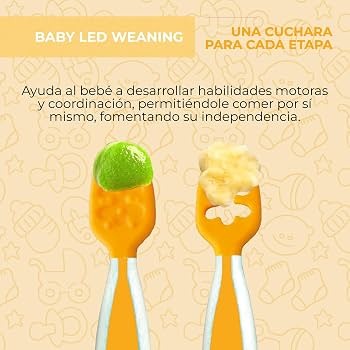
Begin with smooth or mashed foods and add variety as skills develop. The American Academy of Pediatrics names safely prepared meat and iron-fortified infant cereal as iron- and zinc-containing first foods. By around seven to eight months, many infants eat foods from several groups. For most babies, no single food has to come first.
The CDC’s March 11, 2025 feeding guidance describes starting with 1 or 2 tablespoons of food. Watch whether your baby wants more or is finished. Solid foods, readiness signs, and food texture are covered in Starting Solids: How to Know Your Baby Is Ready and What to Offer First.
Babies with severe eczema or egg allergy may need specific guidance on introducing peanut-containing foods. Make that decision with your pediatrician, and see the separate guide to introducing allergenic foods.
Six to Twelve Months: How Milk and Solids Share the Day
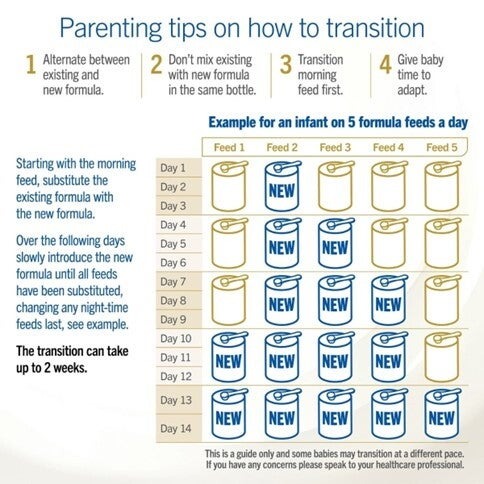
From six to twelve months, breast milk and/or infant formula stay the main source of nutrition while complementary foods add more to the diet. Some babies take a smaller milk feed after eating a lot of food.
Say an eight-month-old eats a big soft lunch and leaves some formula in the bottle. Judge it by the amount taken over time, how your baby handles foods, and any growth concerns, not by that one bottle.
Your feeding method decides what you can observe. Breastfeeding families can track nursing frequency and interest, but can’t usually measure volume at home. Formula-feeding families can see bottle quantities, and combination-feeding families see both.
If a breastfed baby loses interest in nursing after solids begin, the CDC describes offering the breastfeed before other foods.
At ordinary meals, a baby might reach for another taste or turn away with a closed mouth. Offer food and watch the response. Feeding cues, milk intake, and newborn diapers are covered in Feeding a Newborn: Cues, Methods, and When to Get Help.
Textures and Self-Feeding: What Changes After Purées
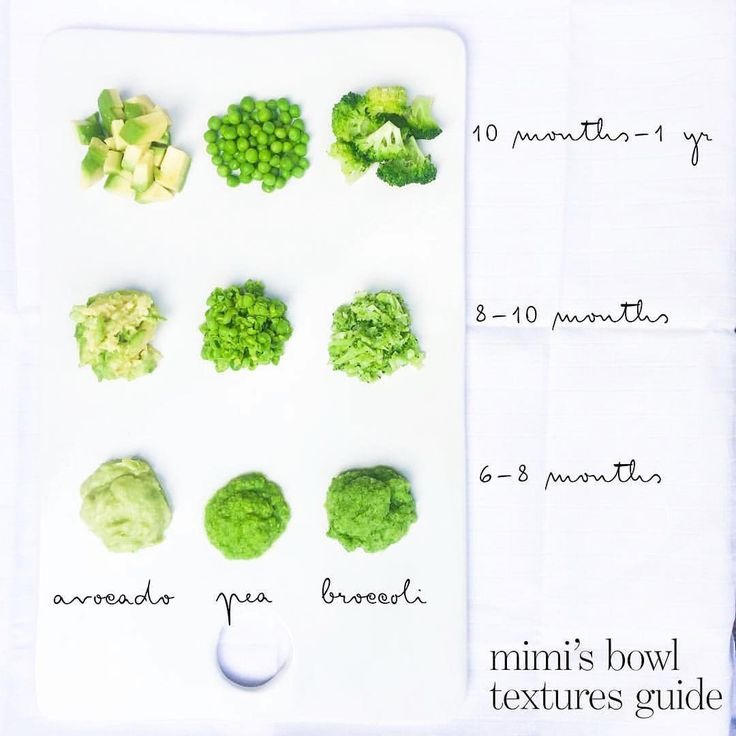
Texture progresses in steps: smooth and mashed foods first, then thicker, lumpier ones, then finely chopped, ground, or soft finger foods as skills improve. Along the way, your baby learns to move food around the mouth, swallow it, and eventually pick it up and bring it to the mouth alone.
A baby who enjoys purées but hesitates over lumpier foods needs gradual practice. If your baby coughs or chokes repeatedly or has trouble swallowing, see the last section.
Cup practice can begin when you introduce solids. Open-cup learning may start around nine months, and spoon self-use emerges around ten to twelve months. Babies develop these skills at different paces.
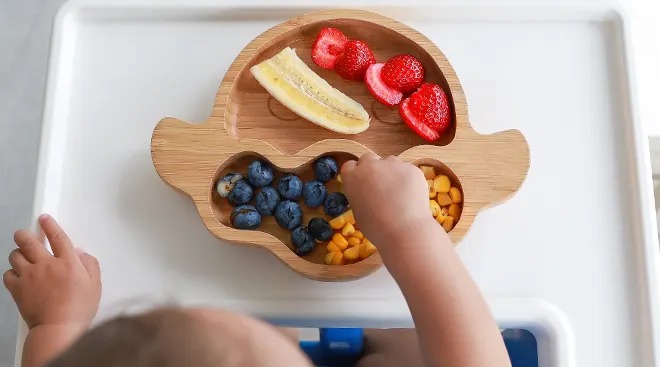
Before serving a new food, run through this safety check:
- Texture and softness: Choose a consistency your baby can manage.
- Shape and size: Prepare foods to avoid small, hard, round, or sticky choking hazards.
- Position: Seat your baby securely and upright.
- Supervision: Stay with your baby and pay attention throughout the meal.
- Setting: Keep food away from crawling, walking, car rides, and strollers.
Gagging is a reflex response to food in the mouth. Choking can block breathing. For food-specific preparation, see the baby choking-hazards guide.
Around 12 Months: Milk, Cups, and Family Meals
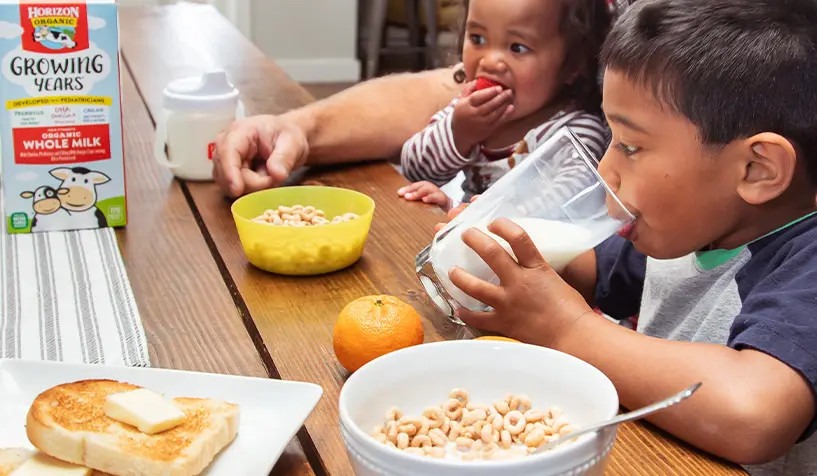
The first birthday brings three related decisions: which milk your toddler drinks, which cup they use, and what meals they eat. Each depends on their abilities and nutritional situation.
| Change | What may happen around 12 months | What guides the decision |
|---|---|---|
| Milk source | Formula-fed children gradually transition to pasteurized, unsweetened whole cow’s milk or a suitable fortified alternative; breastfeeding can continue | Nutritional suitability, current feeding pattern, and medical needs |
| Drinking vessel | Open-cup or straw-cup skills continue developing | Ability to hold the cup and drink comfortably |
| Family meals | A greater variety of safely prepared foods fits into regular meals and snacks | Texture skills, appetite, and balanced food choices |
When your toddler moves off infant formula, the right milk depends on the overall diet. The CDC milk-alternatives guidance discusses whole cow’s milk and fortified options from twelve months. If you choose a dairy alternative, pick an unflavored, unsweetened product fortified with calcium and vitamin D, and compare protein, calories, and overall nutrients on the label, because products differ.

Breastfeeding can continue after twelve months, alongside family meals. A toddler might nurse in the morning, practice with a cup later, and eat family foods during the day. The separate transition-to-cup guide covers drinking skills in more detail.
Milk and dairy foods add nutrients to a varied toddler diet. From twelve to twenty-three months, about two daily dairy servings can include milk, yogurt, and cheese. Too much milk can replace other foods, including iron-rich ones.
Some food-safety rules are specific. Before twelve months, avoid honey, cow’s milk as a main drink, and juice. The CDC also advises avoiding added sugars for children younger than twenty-four months.
How to Build a Flexible Baby Feeding Schedule
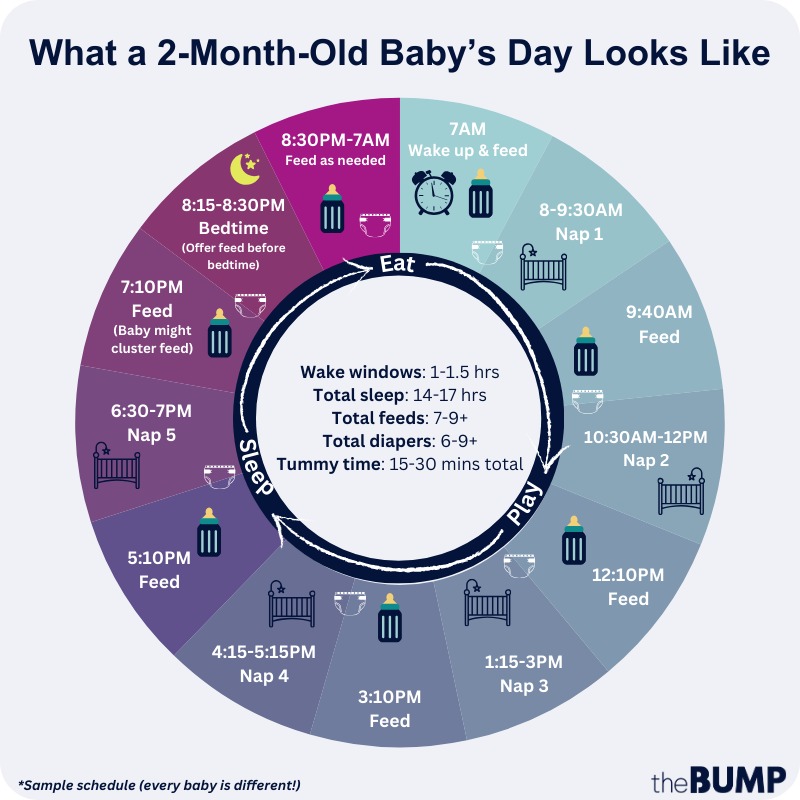
A daily feeding plan is a sequence of milk feeds, meals, and snacks. The examples below show possible orders, with no fixed clock times, bottle volumes, or portion targets.
| Stage | One illustrative sequence through the day | What remains flexible |
|---|---|---|
| About 6 months, when ready | Milk feed after waking → small first-food offer when alert and upright → usual milk feeds during the rest of the day | Timing of the first taste, the foods, and your usual milk routine |
| About 9 months | Milk feed → soft-food breakfast → milk feed → soft-food lunch → later milk and, if already established, another soft-food meal | How meals are spaced, nursing or bottle pattern, and amount eaten |
| About 12 months | Family breakfast → milk feed or suitable milk drink → lunch → snack → family dinner; practice cup use during a convenient drink | Pace of the milk transition, snack timing, and cup skills |
| About 18 months | Breakfast → snack → lunch → snack → family dinner, with water or age-appropriate milk offered during the day | Appetite and household timing |
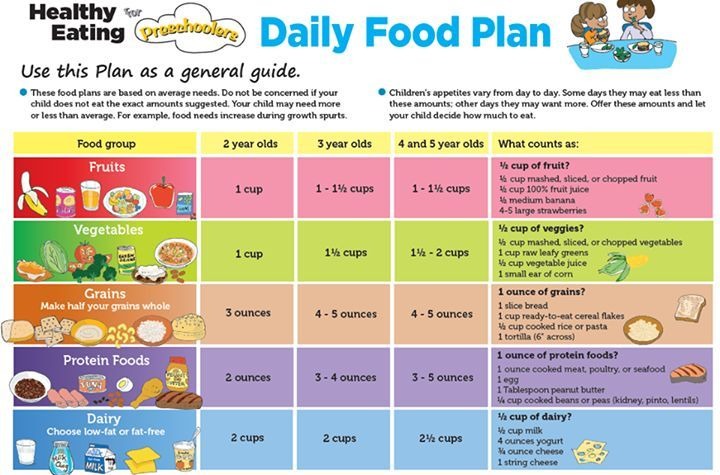
The CDC describes offering something to eat or drink about every two to three hours during the complementary-feeding period, often adding up to five or six opportunities a day. These include milk feeds. As children grow, three meals and two or three snacks become a useful structure, and the day shifts toward meals.
When Feeding Stalls: What Deserves More Than a Schedule Change
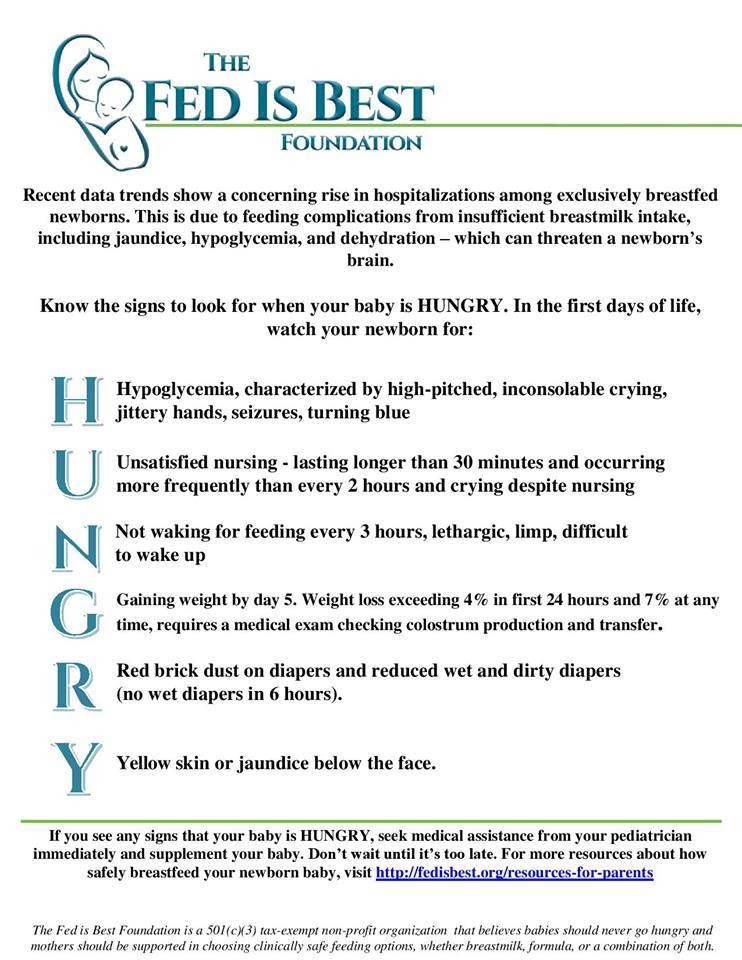
An unfinished meal or a smaller bottle means little on its own. Persistent refusal, trouble with textures, repeated coughing during feeds, or concerns about swallowing and growth need more than a schedule change.
Some babies temporarily lose interest in particular foods. Worry more if your baby loses eating skills, finds most feeds difficult, or struggles to drink and swallow safely.
Get emergency help: In the United States, call 911 if a child has serious trouble breathing, becomes unresponsive, or develops blue or gray lips or skin during feeding.
The ASHA feeding and swallowing milestones describe developing skills and the concerns that call for a specialist evaluation when difficulties continue without acute emergency signs.
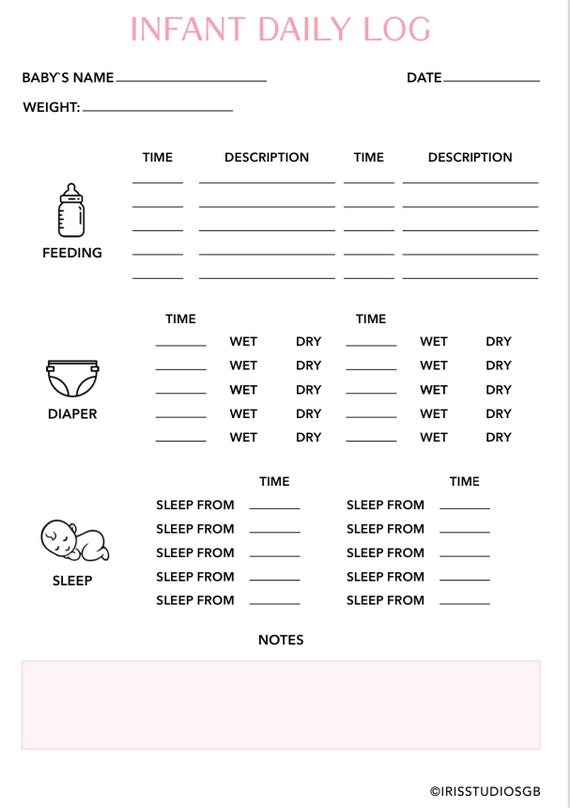
Bring a short record to the pediatric visit:
- Change: Whether the difficulty involves breast milk, formula, solid foods, food texture, or feeding behavior.
- Duration: When it began and whether it happens at most feeds or only in particular situations.
- Intake: The foods and liquids offered and the approximate amount taken, when you can tell.
- Symptoms: Coughing, apparent swallowing trouble, refusal, or other events during feeding.
- Growth context: Available growth information and any existing clinical feeding plan.
Choose the next feeding step from your child’s skills and current feeding pattern. If refusal, swallowing problems, or growth concerns persist, bring your notes to the pediatrician for an individualized plan.