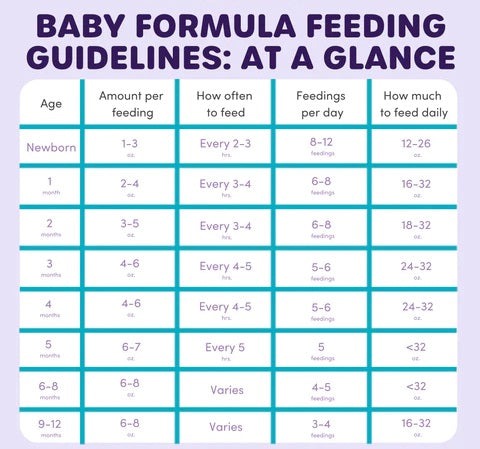
In the first four weeks, offer milk as soon as you see early hunger cues. Track progress by watching for swallowing, counting diapers for your baby’s age, and attending weight checks. If feeding goes badly, call the pediatrician, and follow any feeding plan you were given. If your baby is hard to wake, go to an emergency department now. If you can’t wake your baby, call 911.
How often should a newborn feed in the first four weeks?
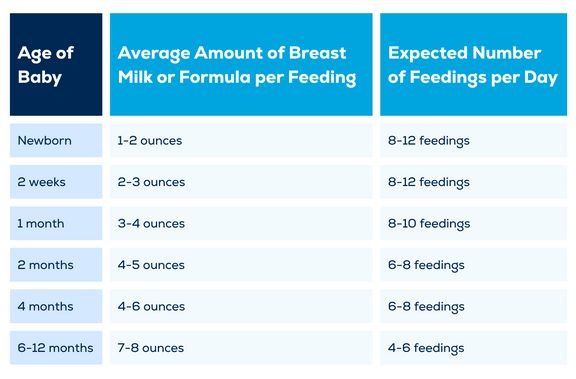
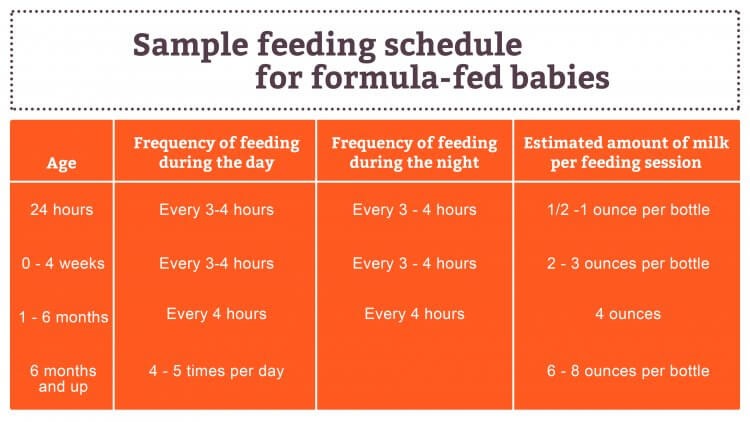
Newborns feed often, especially in the first days at home. How often depends on your baby’s age in days, whether the milk comes from the breast or a bottle, and whether your pediatrician has set a schedule.
| Feeding context | First-days reference | What changes it |
|---|---|---|
| Direct breastfeeding | The CDC breastfeeding guide describes feeding as often as every 1 to 3 hours, with about 8 to 12 feeds in 24 hours. | Your baby’s cues and any feeding plan |
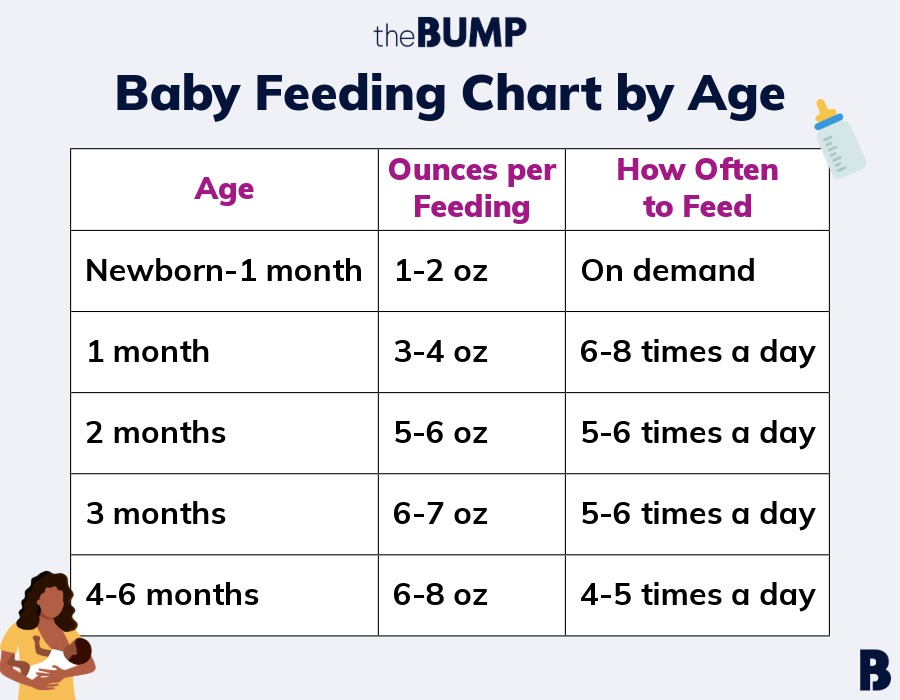
| Exclusively formula-fed newborn | The CDC formula guide suggests starting with 1 to 2 fl oz every 2 to 3 hours. Most babies initially feed 8 to 12 times daily. | Hunger and fullness cues, growth |
| Newborn on a prescribed feeding plan | Follow the schedule the treating team gave you. | Prematurity, poor growth, illness, jaundice, or another medical concern |
The American Academy of Pediatrics counts the interval from the start of one feed to the start of the next, so nursing time is included.
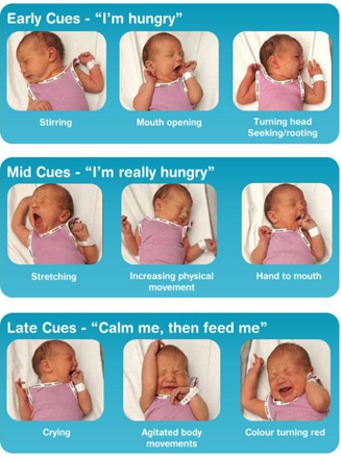
Some newborns are sleepy enough to need help waking for a feed, especially early on. In babies who are feeding and growing well, intervals vary over the day and change across the first month.
How to recognize hunger and fullness cues
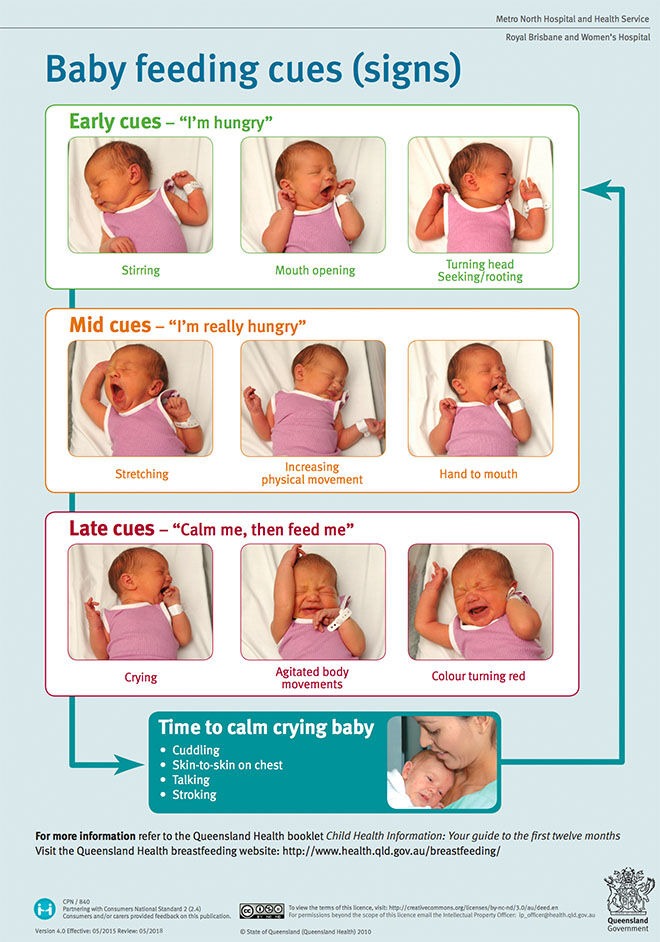
Early hunger signs include hands moving toward the mouth, turning toward the breast or bottle, lip smacking or licking, and clenched hands. Offer milk when you see them. Crying comes later and can have other causes. Closing the mouth, turning away, or relaxing the hands signals fullness, even when milk remains in the bottle. If distress continues after feeding, soothing a crying baby covers other possibilities.
What changes with each way of feeding?

At the breast, you can’t see how many ounces your baby swallows. With a bottle, you see how much was offered and how much remains.
| Method | What you can see | What needs attention |
|---|---|---|
| Direct breastfeeding | Sucking, audible or visible swallowing, latch, and your baby’s behavior | Effective milk transfer, confirmed by diapers and weight checks |
| Expressed breast milk by bottle | Amount offered and amount consumed | Your baby’s cues and how you handle the expressed milk |
| Infant formula by bottle | Prepared amount and amount consumed | Responsive feeding and correct formula preparation |
| Combination feeding | Different signs for each method you use | How the methods fit together |
Toward the end of the first month, the AAP describes formula-fed babies gradually taking about 3 to 4 fl oz per feed.
Nursing technique is covered in breastfeeding basics.
Formula preparation has its own safety rules
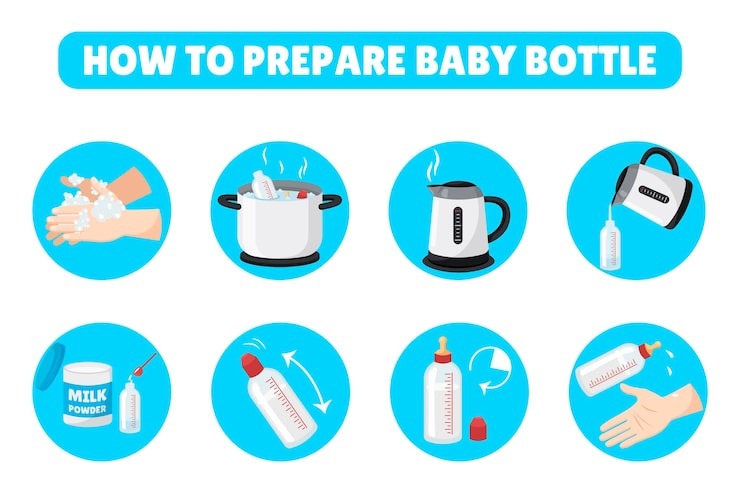
The CDC’s formula-preparation guidance dated May 14, 2026, says to measure water before adding powder. Ready-to-feed infant formula requires no added water.
Powdered formula is not sterile. For babies younger than two months, the CDC recommends extra precautions: boil safe water, wait about five minutes before mixing it with the measured powder, then cool the prepared formula to a safe feeding temperature. Follow the exact water and powder quantities on the container. formula preparation and storage covers the full procedure.
Combination feeding can mix breast milk, expressed milk, and formula in different proportions through the day. For breast milk, infant formula, and solid foods, see Baby Feeding From Birth to 24 Months: What Changes and What to Do Next.
How to tell whether your newborn is getting enough milk
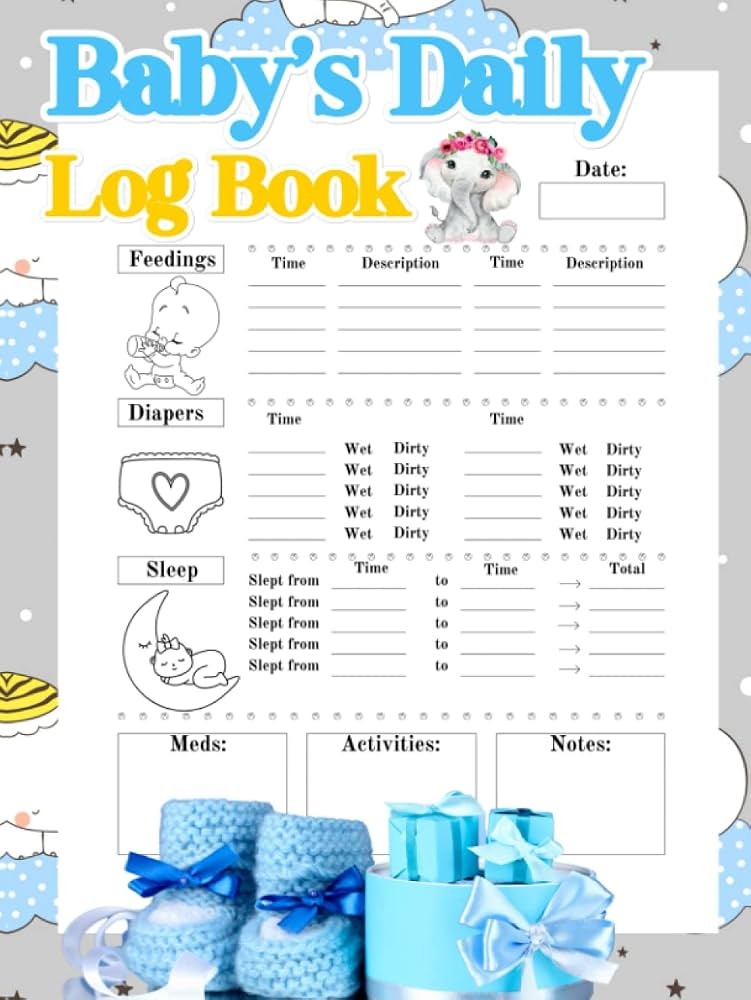
Watch for swallowing during nursing, count diapers for your baby’s age, note weight at clinic visits, and see how alert and responsive your baby is.
| What to check | What it tells you |
|---|---|
| Swallowing during nursing | Visible or audible swallowing shows that milk is being transferred |
| Wet and dirty diapers | Output changes with day of life, so the expected count depends on age |
| Weight | Measured at clinic visits, so the pediatrician can follow growth and feeding |
| Feeding behavior | How your baby takes part in a feed and responds afterward |
| Alertness | Waking and responsiveness show when something has changed |
Day of life matters most for diapers. The CDC newborn breastfeeding guidance has day-specific diaper references for the first week, and those figures apply to breastfed babies. A pediatrician interprets your baby’s output by age, feeding method, and health.
Breastfeeding newborns return to birth weight by around days 10 to 14, according to the CDC. A weight taken at a newborn visit tells you more than your own estimate of ounces transferred during nursing.
If diapers or weight look off, you don’t need to wait for a routine visit. See the warning signs below.
What cluster feeding and hourly nursing mean

Some breastfed newborns feed as often as hourly during cluster feeding. A baby may want several feeds close together, then go a longer stretch before the next. Evenings can be especially tiring when one feed leads straight into the next.
The Academy of Breastfeeding Medicine describes cluster feeding as normal newborn behavior. For an infant who is fussy at night or nurses almost continuously over several hours, its protocol advises a feeding evaluation that looks at behavior at the breast, a deep effective latch, and caregiver comfort.
After a short doze, a newborn may want to feed again. Use the checks in the section above to tell whether anything is wrong.
For bottle-fed newborns, measured ounces add useful information, and feeding behavior and fullness cues still matter. Adding more to every bottle is not the answer to repeated feeds.
When feeding trouble or a sleepy newborn needs medical help

Emergency responsiveness: If your newborn cannot be awakened, call 911 now. If the newborn is hard to wake, go to an emergency department now. These are separate instructions in the AAP newborn symptom guidance.
Rectal fever: For an infant age three months or younger, a rectal temperature of 100.4°F (38°C) or higher requires immediate contact with a pediatrician, according to the AAP.
For a newborn younger than one month who is acting abnormally, including poor sucking, the AAP symptom guidance calls for medical care now. Also call the pediatrician about:
- Persistent difficulty latching, swallowing, or taking milk
- Diaper output that is off for your baby’s age, or a worrisome weight trend
- Feeding problems along with jaundice or another change in your baby’s condition
- Ongoing painful breastfeeding or latch trouble
A pediatrician can assess feeding, growth, hydration, illness, and jaundice. A lactation professional can watch a feed to check latch and milk transfer. Which one you need depends on the symptoms.
Making feeding workable for the whole household

Feeding a newborn takes time, and each method brings its own jobs. Nursing leaves the other caregiver free to handle meals or household tasks. Pumping adds equipment setup, cleaning, and milk handling. Formula adds its own bottle and safety routines.
One caregiver can clean bottles and pump parts while another feeds the baby, or someone can prepare supplies for the next feed. Plan for the times a caregiver is exhausted or a bottle of expressed milk is lost. Decide who takes on one useful task and what backup feed is safe for your baby’s established method. If you have little expressed milk stored, one spilled bottle can leave you short, and so can a missed preparation step. For expressed milk, refrigeration, and storage containers, see Breast Milk Storage: Times for Fresh, Thawed, and Leftover Milk.

Some families consider mixed feeding or formula because the current routine is hard to sustain. Changing the feeding method does not guarantee longer infant sleep. For method-specific choices, see breastfeeding and formula comparisons.
If a prescribed feeding or supplementation plan is too hard to carry out, ask the team that prescribed it to adjust it before you change anything. Household convenience matters, but your baby’s clinical needs decide medically indicated feeds.
What to tell the pediatrician
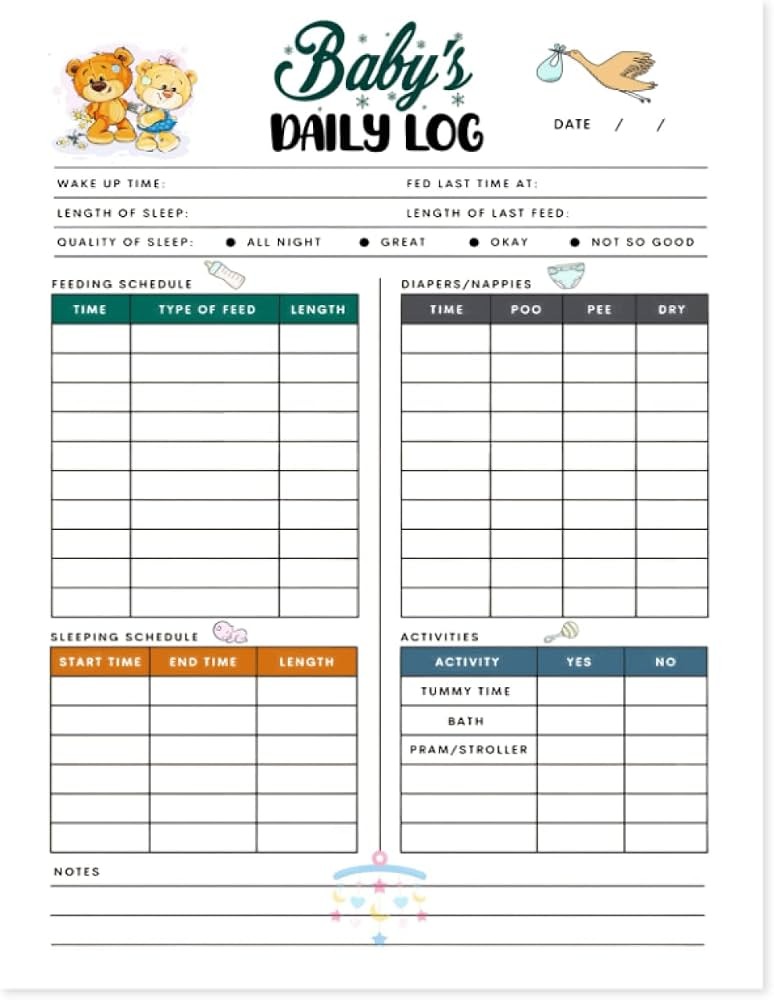
Before you call or go to the visit, jot down your baby’s age in days, how you feed, what happened at the feed, wet and dirty diaper counts, recent weights and any feeding instructions, and what made you worry. A note on paper or your phone is enough. Bring it to the newborn visit or use it when you call.