
If your baby is crying and shows no warning signs, check basic needs, try one gentle calming step, and see what happens before you switch tactics. Unusual crying or signs of illness change the plan. Call the pediatrician promptly, or call 911 for a life-threatening emergency. If you can’t handle your baby safely, put them on their back in an empty, safe crib or bassinet, take a short break, and ask someone you trust for help.
When crying means you should get medical help first
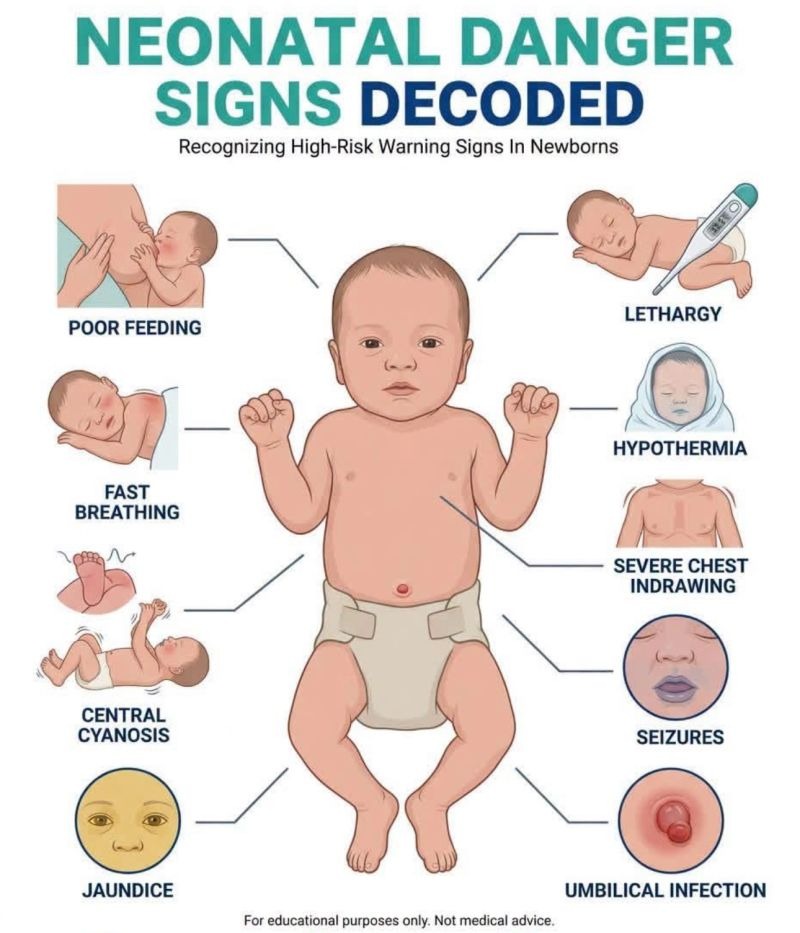
Before you try another way to soothe your baby, check their age and look for symptoms that need attention. Some situations call for medical care even if you’ve already tried feeding, holding, or changing the diaper. For diaper changes, bathing, and crying, see Everyday Baby Care: What to Do and When to Call.
| What you notice | What to do |
|---|---|
| Severe difficulty breathing, blue or gray lips, or unresponsiveness | Call 911. |
| Baby is 3 months old or younger with a rectal temperature of 100.4°F (38°C) or higher | Call the pediatrician immediately. |
| Baby is younger than 3 months and has cried nonstop for more than 2 hours despite attempts to console them | Call the doctor or seek medical care now. |
| Baby is younger than 1 month and looks or acts abnormal in any way | Call the doctor or seek medical care now. |
| Crying is newly unusual or getting worse, especially with feeding problems or other new symptoms | Call the pediatrician promptly. |
The age thresholds come from the American Academy of Pediatrics fever guidance and an AAP-hosted infant symptom checker. The 2-hour rule applies only to babies younger than three months. Emergency symptoms and other warning signs need help without the wait.
Check the simplest needs before changing everything

When it’s late and you’ve tried several things, the basics are easy to forget.
- Feeding cues: Check whether your baby looks hungry and when they last fed. Crying doesn’t tell you how much milk they need.
- Diaper: Look for a wet or soiled diaper and any discomfort around it.
- Clothing and warmth: Check for tight fabric or too many layers, and whether your baby is too warm or too cold.
- Burping and comfort: If your baby just ate, try burping them.
- Tiredness and stimulation: Bright lights, noise, and constant handling can overwhelm a baby.
- Visible discomfort: Look for a physical problem, such as a strand of hair wound tightly around a finger or toe. If you find something wrong, get medical help.
What to try after basic needs are checked
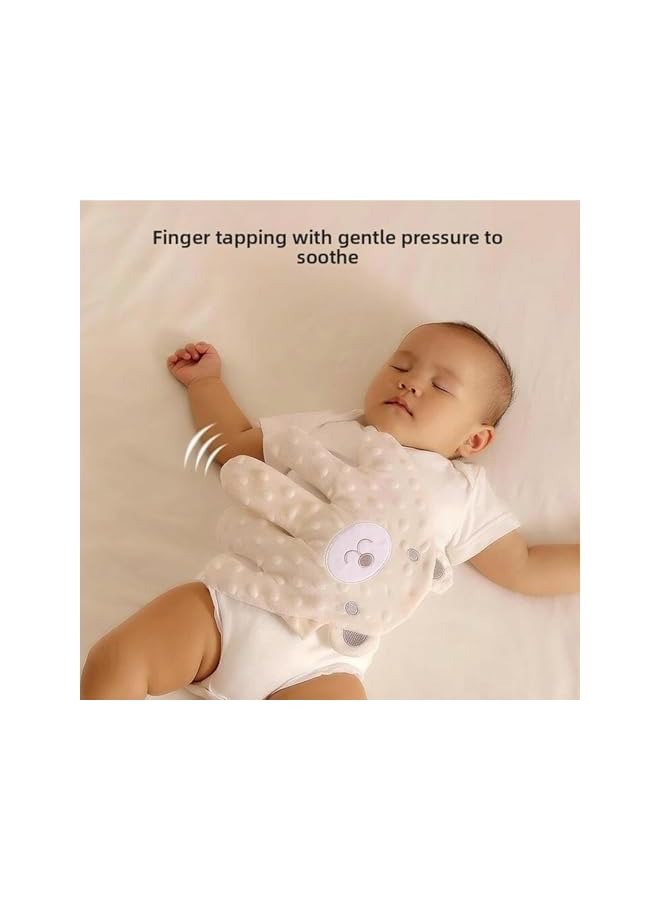
Pick a gentle response that matches what your baby needs. A quieter room helps an overstimulated baby. Another baby settles with close contact or a familiar voice.
| What you notice | One option to try |
|---|---|
| Light, noise, or activity is overwhelming | Move to a quieter, dimmer space. |
| Baby seeks contact | Hold securely, walk, or rock gently. |
| Sucking is comforting | Offer a pacifier when it suits your baby. |
| Your voice gets their attention | Speak or sing softly. |
| Baby is awake and wants close contact | Try skin-to-skin while awake, supported, and supervised. |
If one attempt makes your baby more upset, stop and try another gentle option. If your baby is younger than three months and still inconsolable, or a new symptom appears, go back to the medical-care check above.
Keep sleep safety separate from soothing
If your baby falls asleep while you hold or move them, put them on their back on a firm, flat infant sleep surface. A car seat, swing, or lounger is not a safe routine sleep spot. The AAP safe sleep recommendations explain what to do if a baby falls asleep in a sitting device.
Stop swaddling as soon as your baby shows signs of trying to roll, and never use weighted swaddles. A sound machine can be too loud for an infant, so keep it away from your baby’s head, set the volume low, and use it for short periods. A bath can comfort some babies if an adult watches the whole time.
In a 1986 randomized trial of 99 mother-infant pairs, researchers studied additional daily carrying and found less crying in the increased-carrying group.

How one long night ended
One parent of an eight-week-old changed several things at once before the baby settled:
Please help me my 8 week old baby has been crying at the top of her lungs for over an hour and I don’t know why. … Husband sent me downstairs and he gave her a bath, then we turned the hoover on while dressing her in a size too big clothes (in case her other ones were too tight somewhere). By this time she was about calm enough to attempt to feed her again. She is currently making happy gurgley baby noises on my boob as though nothing ever happened. No idea what out of all this actually worked, just glad that it did.
When evening crying keeps returning
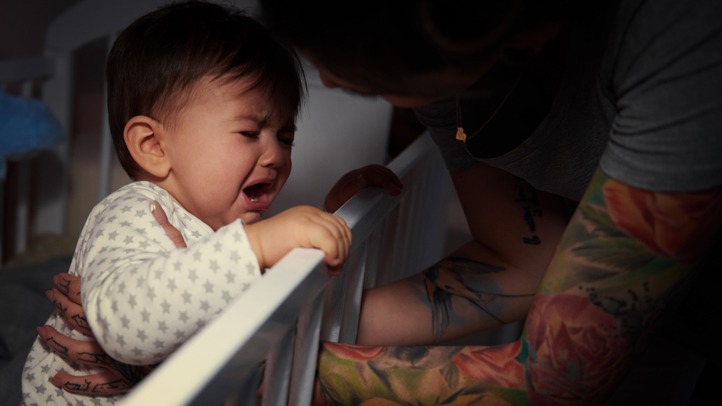
Some babies get hard to settle around the same time each evening. Parents often call it the “witching hour.” It’s a label for fussy evenings. It doesn’t explain the cause and it isn’t a colic diagnosis.
One parent of a two-week-old described the same spell every evening:
My two week old has a definite period of unsettled behaviour from about 5pm-10pm every night where nothing will calm him down – feeding, burping, swaddling, dummy, swaying etc. We are at a loss as to how to keep him calm during this period. We think he might be gassy based on squirming but he isn’t like that earlier in the day and the usual tricks to relieve it don’t work. He does sleep most of the day too so we wonder if he’s maybe got day and night mixed up and sleeping too much during the day? Any suggestions welcome!
What the crying studies can tell us
A 2017 systematic review found no statistical support for a universal six-week crying peak. It analyzed diary studies of 8,690 infants across 28 studies.
A 2022 meta-analysis estimated around 126 minutes of combined crying and fussing at five to six weeks of age. It drew on 57 studies involving 7,580 infants, with substantial variation between studies.

These are group averages. Your baby can land well above or below them.
When crying follows feeding or changes suddenly

Watch for crying that keeps starting during or after feeds, turns unusually intense, or differs from your baby’s earlier pattern. A pediatrician can assess episodes that persist, especially if feeding behavior or other symptoms have changed.
Hunger, discomfort after a feed, and ongoing post-feed distress can look alike when you’re exhausted. Timing is useful to describe, but crying after a feed doesn’t mean reflux, a milk allergy, or a need for medication. For feeding cues, milk intake, and newborn diapers, see Feeding a Newborn: Cues, Methods, and When to Get Help.
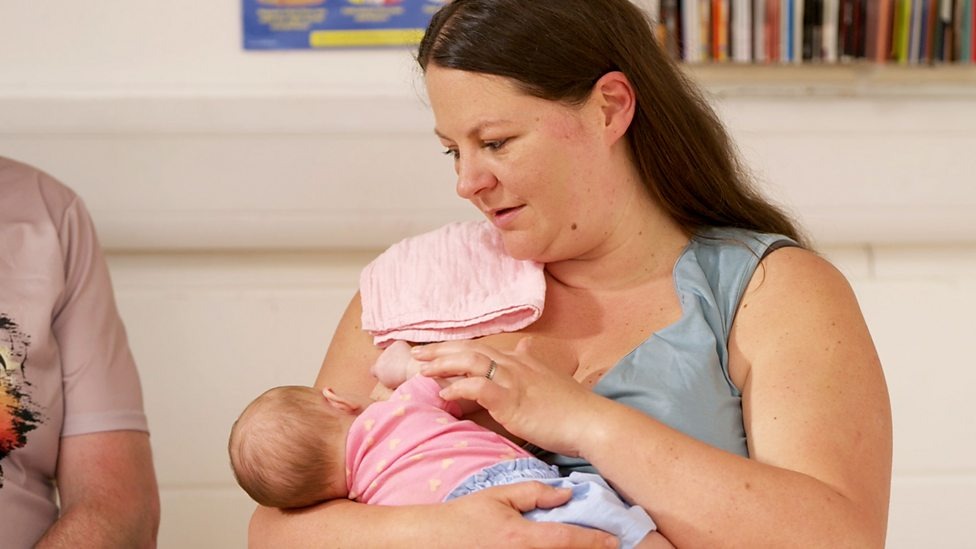
Don’t start, stop, or change prescription medication, and don’t switch formula to treat undiagnosed crying because of someone else’s story. Gas drops and gripe water haven’t been shown to work reliably for colic.
Why the same calming approach stops working or starts helping
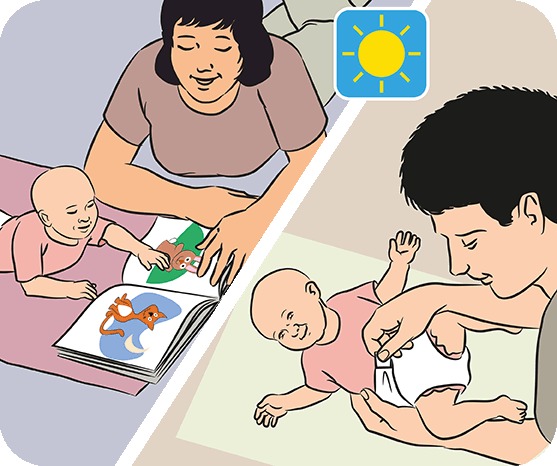
A method that worked last week can stop working, and one that failed can start helping. Age and circumstances change how a baby responds.
When no trick works: get support and take a safe caregiver break
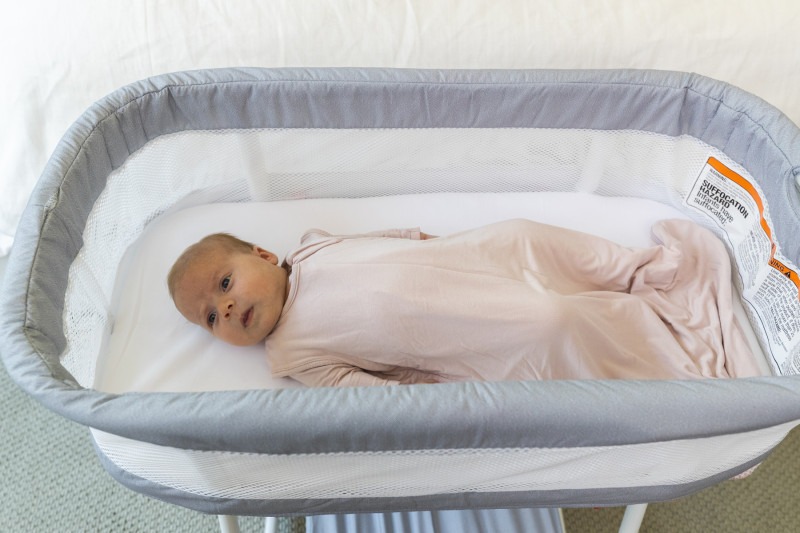
Long crying can leave you overwhelmed or afraid of losing control.
- Use a safe place: Put the baby on their back in an empty, safe crib or bassinet.
- Take a short break: Step into another room if you need to, and check on the baby every 5 to 10 minutes while you calm down.
- Get help: Call a trusted adult who can take over or support you.
- Never shake a baby: Shaking and other forceful handling can cause devastating injury.

If you fear that you or someone else might hurt or shake your baby, put the baby down safely first, then get urgent help from a pediatrician, crisis service, or emergency care. Call 911 if anyone is in immediate danger.
The CDC’s abusive head trauma guidance describes this kind of safety break. It addresses caregiver overload and doesn’t replace medical attention when a baby has warning signs.
What to note and tell your baby’s pediatrician
Have these details ready when you call.
| Detail | What to record |
|---|---|
| Age | Weeks or months |
| Start and pattern | Approximate start time; whether this episode differs from earlier ones |
| Recent feeding | Whether crying began before, during, or after feeding |
| Comfort checks | Diaper, clothes, warmth, surroundings, and other immediate needs |
| Other symptoms | Any new concern, including temperature when relevant |
| Responses tried | Which calming steps were attempted |
| What happened next | No change, brief relief, or longer settling |
For example: five weeks old, crying shortly after several feeds, different from earlier evenings, settles briefly when held and then starts again.