
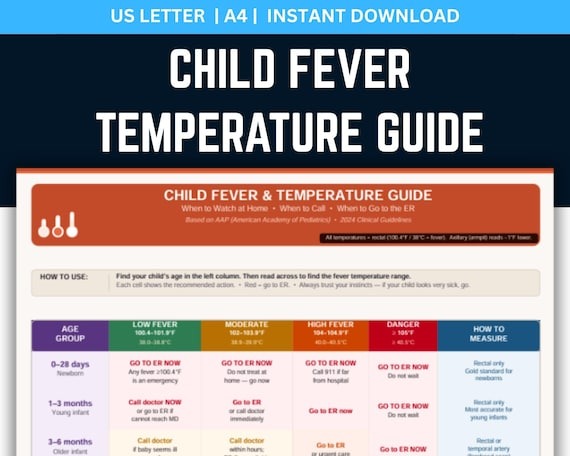
If your baby is younger than 3 months and has a rectal temperature of 100.4°F (38°C) or higher, get them assessed right away, even if they look well. The American Academy of Pediatrics (AAP) sends these families to the emergency department. At exactly 3 months, the AAP’s parent guidance still says to contact your pediatrician immediately at that temperature. For older babies, the next step depends on age, symptoms and how you took the temperature. Severe breathing trouble, poor responsiveness or other emergency signs need emergency help at any age.
When Does a Baby’s Fever Mean an Emergency?
A baby can need emergency care even when the temperature looks normal. Check breathing, responsiveness and appearance first.
- Severe breathing trouble. Your baby struggles to breathe, has pronounced chest retractions, or has blue, purple or gray skin or lips. Forehead or underarm readings can run low in a baby like this, so the breathing problem sets the urgency.
- Hard to wake or unresponsive. You can’t wake your baby normally, or they barely respond.
- An ongoing seizure. Seizure activity needs emergency help immediately.
- A concerning purple or bruise-like rash. A rash like this during an illness needs emergency assessment.
- Persistent vomiting that prevents fluids staying down. Repeated vomiting with feeds not staying down needs emergency evaluation.
Call 911 for severe breathing difficulty, unresponsiveness or an ongoing seizure. Other serious warning signs also need prompt emergency assessment. Don’t delay care to finish a thermometer check. For decisions involving infant fever, pediatric visits, and concerning symptoms, see Baby Health: Warning Signs, When to Call, and Where to Find Help.
The AAP guide to urgent care, the ER and the pediatrician separates emergencies from conditions that suit other care settings.
Fever in a Baby Under 3 Months: Why 100.4°F Matters
If your baby is younger than 3 months and has a rectal temperature of 100.4°F (38°C) or higher, get them assessed immediately, even if they’re awake, feeding or sleeping comfortably. The AAP sends families with these young infants to the ER. For crying episodes, feeding cues and caregiver support, read How to Soothe a Crying Baby (and What to Check First).
Very young babies can have a serious infection with few obvious symptoms. Fever can be the clearest sign, even when other family members already have a cold.
The AAP’s infant fever guidance also says to contact the pediatrician immediately for a rectal fever at this threshold in a baby who is 3 months old or younger. Its separate emergency-care page says “under 3 months” for the ER recommendation. So on your baby’s exact three-month birthday, the immediate-contact advice still applies.
What Changes When a Baby Is 3 to 24 Months Old?
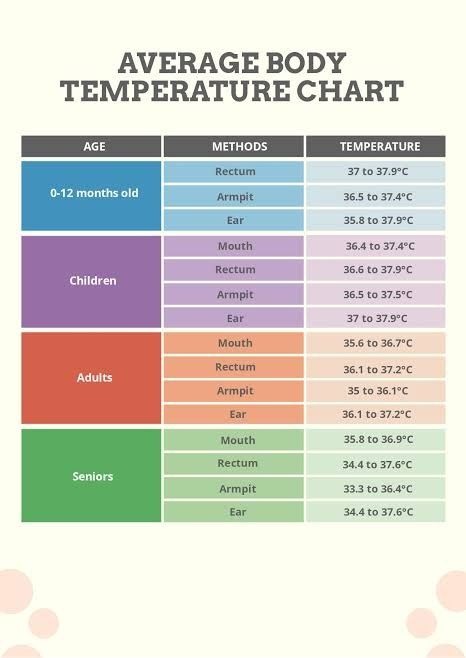
After the first 3 months, the number matters alongside how your baby looks, feeds and behaves.
| Age | Reading or concern | Next step |
|---|---|---|
| Exactly 3 months old | Rectal temperature of 100.4°F (38°C) or higher | Contact the pediatrician immediately under the AAP’s infant-fever guidance. |
| Older than 3 months through 6 months | Mayo Clinic advises medical contact when the temperature is above 100.4°F (38°C), or at lower readings if the baby seems ill. | Call the pediatrician for advice, especially if your baby looks ill. |
| Older than 6 months through 24 months | The AAP lists 103°F (39.4°C) as one reason to notify the doctor. Mayo Clinic advises contact if a temperature above 100.4°F (38°C) lasts more than one day in a child aged 6 to 24 months, and earlier if there are concerning symptoms. | Talk to the pediatrician about the temperature, how long it has lasted, behavior, feeding and other symptoms. |
Take a 4-month-old with a rectal reading of 100.5°F. That meets Mayo Clinic’s contact threshold, while the AAP page sets its separate parent recommendation at 101°F (38.3°C).
If your baby is drinking much less than usual, has fewer wet diapers or acts differently, tell the pediatrician, even when the reading is below the thresholds in the table.
The pediatrician or after-hours service can send you to an office visit, pediatric urgent care or the ER.
How to Take and Interpret a Baby’s Temperature
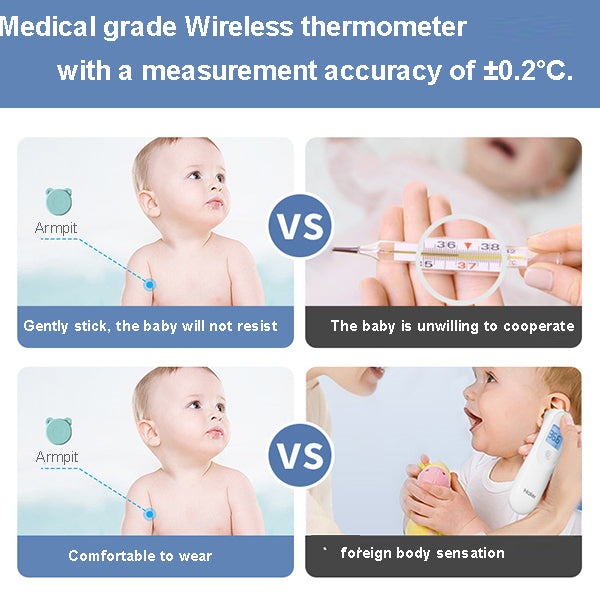
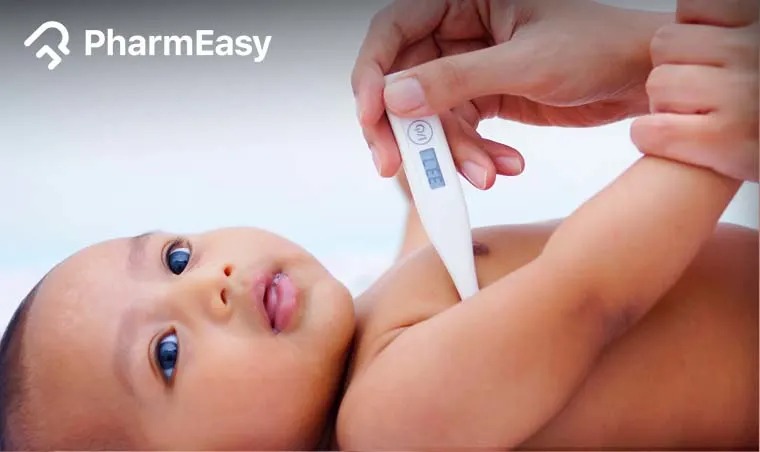
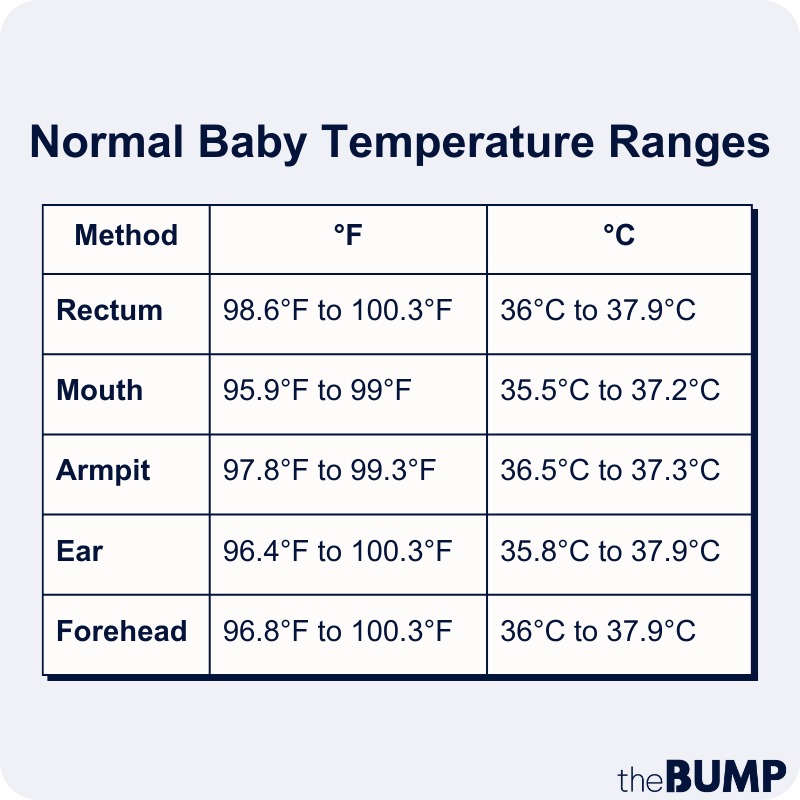
A reading means different things depending on where you took it. The AAP calls rectal measurement the most reliable method for a young infant. Underarm readings mainly work as a screening tool.
| Method | What the reading tells you | Important limit |
|---|---|---|
| Rectal | 100.4°F (38°C) or higher counts as fever in an infant. | Use a proper thermometer and technique. Some medical conditions call for advice specific to your baby. |
| Underarm (axillary) | 99°F (37.2°C) or higher is the underarm fever-screening level in Seattle Children’s guidance. | Screening only. A rectal reading gives the fever threshold. |
| Forehead (temporal) | Seattle Children’s lists 100.4°F (38°C) or higher as a fever-level forehead reading. | Results depend on technique and the device. |
| Ear (tympanic) | Can be useful in an older child. | Ear readings are unreliable before 6 months of age. |
If your baby is under 3 months, looks well and has an underarm reading above 99°F (37.2°C), Seattle Children’s advises rechecking rectally. If your baby looks seriously ill, get care without waiting to recheck.
No reliable adjustment turns an underarm result into a rectal temperature. Feeling your baby’s forehead or using an adhesive fever strip won’t give an accurate reading either.
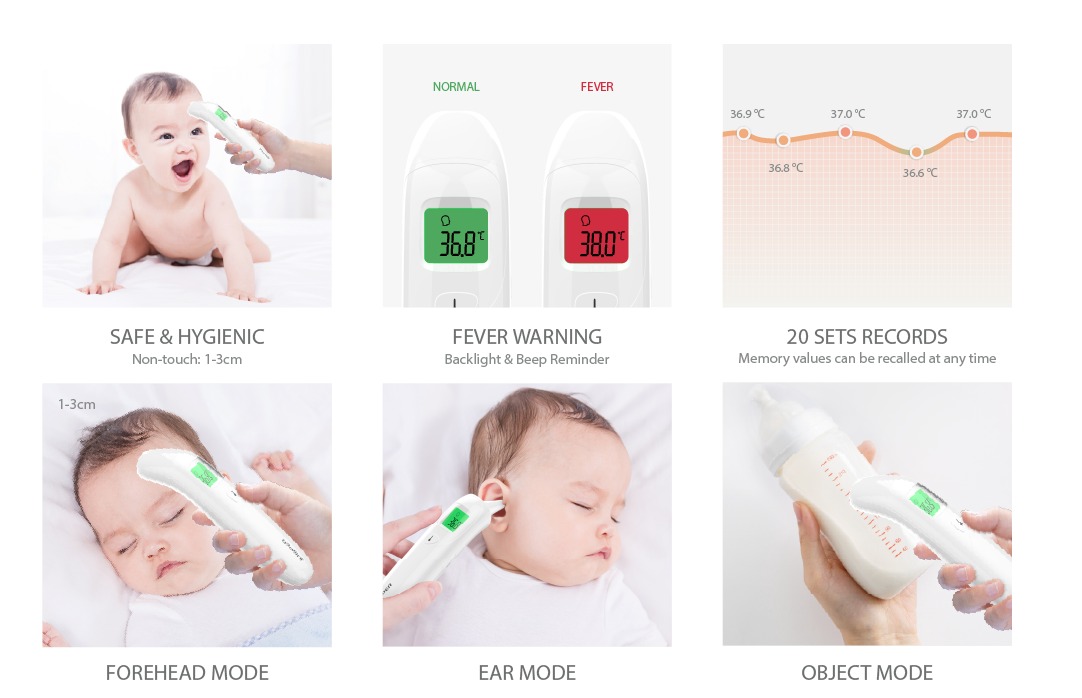
For technique and cautions on rectal measurement by age, see Seattle Children’s baby temperature guide.
What If the Reading Changes or the Fever Goes Away?
A lower second reading doesn’t erase an earlier documented fever. For a very young infant, what happened before a visit can change how the clinician evaluates the illness.
Say you got 100.3°F and then 100.4°F. Look at the method and timing, especially if the readings came from different body sites or devices. A history of readings tells the clinician more than one unexplained number.
The AAP’s clinical guideline for professionals covers otherwise eligible infants aged 8 to 60 days who had a rectal temperature of at least 100.4°F (38°C) at home within the previous 24 hours, even if the fever is gone at the exam.
Does a Fever After Shots, Teething or Overheating Change the Advice?
Mild fever can follow vaccination, as the CDC explains, but timing alone can’t tell you what caused a particular illness. Read more on well-baby visits and vaccinations. The AAP’s clinical guideline for infants aged 8 to 60 days leaves out babies vaccinated within the previous 48 hours. That exclusion applies to the algorithm only and creates no exception to assessing a young infant’s fever at home.
Teething can raise temperature slightly, but a true fever still needs attention for your baby’s age. See teething symptoms and comfort for that topic.
If you suspect heatstroke, call 911 or go to the ER immediately.
How to Keep a Feverish Baby Comfortable While Arranging Care
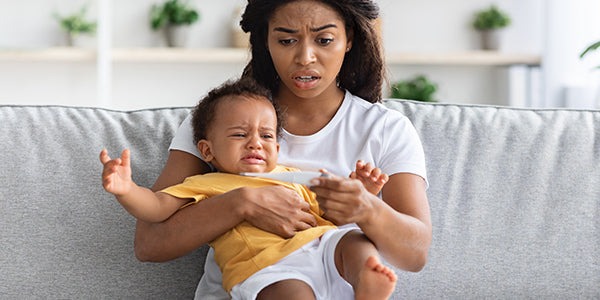
While you arrange care, dress your baby comfortably and offer their usual feeds if they’re alert and able to feed.
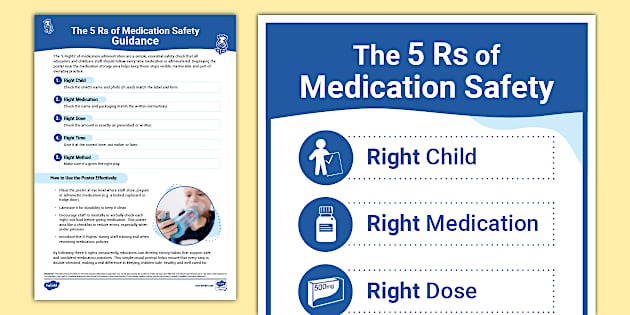
Ask the clinician about the medicine and dose before giving any fever reducer:
- Ibuprofen. The AAP advises against giving it to a child younger than 6 months unless a physician directs its use.
- Acetaminophen. The AAP advises asking the pediatrician about use and dosing in children younger than 2 years. Fever during the first 12 weeks needs immediate clinical attention.
A temperature that drops after medicine doesn’t explain the illness or cancel an urgent evaluation you already need.
What to Tell the Pediatrician or Emergency Team
A short account helps the pediatrician or emergency team understand the readings, symptoms and care so far. Have these five items ready for the call or visit:
| Field | Useful details |
|---|---|
| Age | Age in weeks or months and any important medical conditions. |
| Temperature | Highest and most recent readings, body site, thermometer type and times. |
| Symptoms | Breathing, alertness, rash, cough and changes from usual behavior. |
| Feeding and diapers | Feeding compared with normal and recent wet diapers. |
| Recent history | Vaccines, unusual heat exposure, any medication already given with dose and time, earlier advice or visits. |
Include the times and measurement methods, and mention any lower reading that followed an earlier fever.
If a pediatrician or after-hours nurse already told you where to go, pass that on, along with anything that has changed since the call. For emergency symptoms, get care first and fill in the details afterward.
What May Happen When a Young Baby Is Evaluated for Fever?
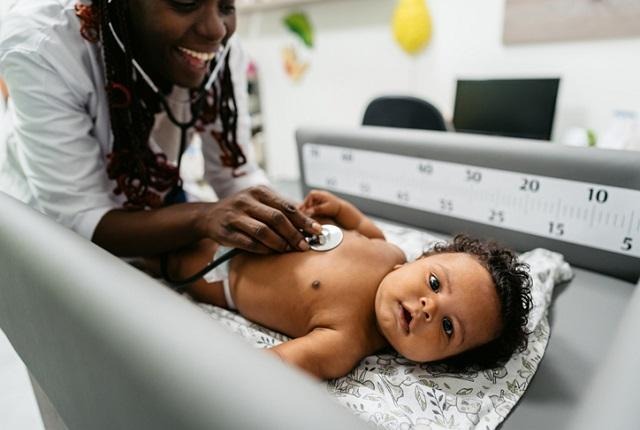
A young baby can need tests even when they look fairly well. Clinicians weigh exact age, the exam and medical history when deciding how to look for a serious infection.
A urine test checks for a urinary tract infection, and blood tests give more information about infection. Depending on age and findings, doctors may also test spinal fluid with a lumbar puncture.
The AAP’s 2021 clinical practice guideline recommends spinal-fluid testing, parenteral antibiotics and hospital monitoring while bacterial cultures are pending for otherwise eligible, well-appearing term infants aged 8 to 21 days with fever. Eligible infants aged 22 to 28 days and 29 to 60 days follow different pathways, and eligibility and clinical findings shape the plan.
The AAP febrile-infant clinical guideline lays out these evaluation pathways by age.
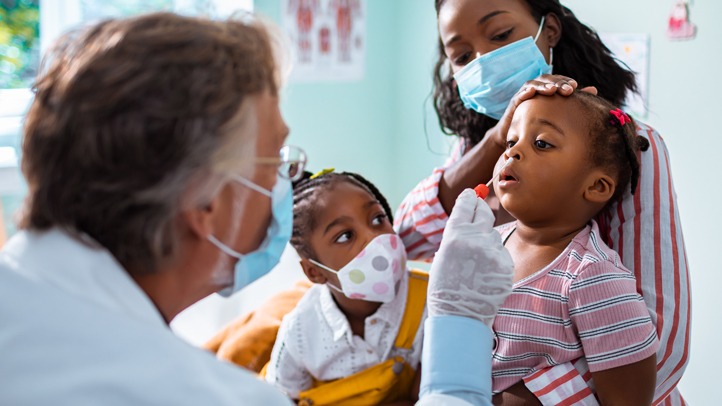
When staff propose a test, ask what infection it checks for, why it applies to your baby, and how you’ll get the results and follow-up.