
Call 911 right away if your baby has severe trouble breathing, blue or gray lips, or is hard to wake. A baby younger than one year with trouble breathing needs an emergency department now. If your baby is 3 months or younger and has a rectal temperature of 100.4°F (38°C) or higher, contact a doctor immediately. The baby needs prompt evaluation. For anything else, look at feeding, wet diapers, alertness, and how things change over time, even without a fever. Your pediatrician can tell you the next step.
When your baby needs emergency help

Some signs mean you call for help right now. The American Academy of Pediatrics (AAP) lists severe breathing difficulty, blue or gray lips, and not waking or responding normally among them.
Call 911 if your baby is struggling severely to breathe, has blue or gray lips, cannot be awakened normally, has a convulsion, or has another serious medical emergency. Do not stop to search for explanations online.
For a baby younger than one year with trouble breathing, the AAP says to go to an emergency department now. Skin pulling inward between or below the ribs with each breath, called retractions, is another ER-level sign. A stuffy nose alone is different from a baby working hard to breathe.
The AAP explains when to call emergency medical services. A normal temperature does not lower the urgency of serious breathing or responsiveness problems.
Why your baby’s age changes the urgency of a fever

Age decides how fast a fever needs a doctor. If your baby is 3 months or younger and has a rectal temperature of 100.4°F (38°C) or higher, contact a medical professional immediately and get a prompt evaluation. For more on baby temperature, fever symptoms, and medical assessment, read Baby Fever: When to Seek Medical Care.
As the AAP explains in its guidance on fever in babies, the 100.4°F threshold refers to a rectal reading in this age group. Feeling warm to the touch is less reliable, and readings taken other ways need a doctor’s interpretation.
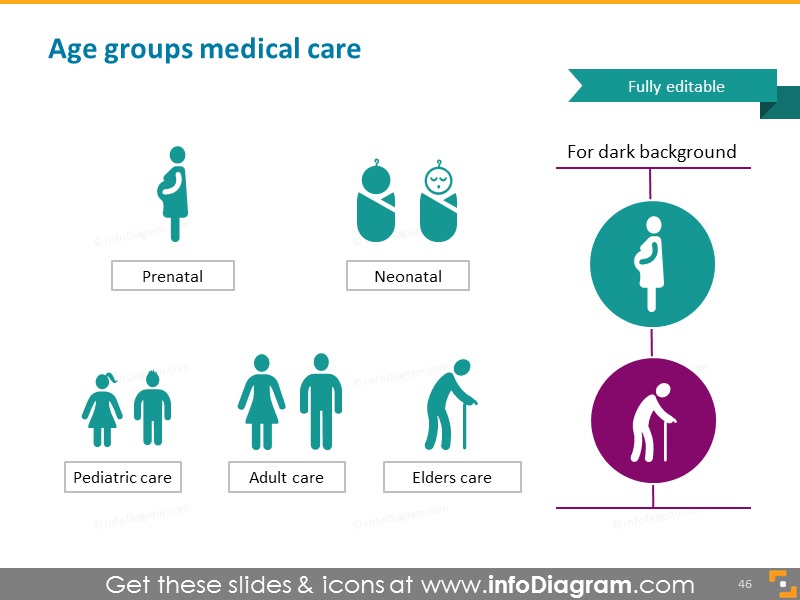
Doctors evaluating febrile babies who meet the AAP guideline’s criteria work with three age groups: 8 to 21 days, 22 to 28 days, and 29 to 60 days.
The AAP also advises against giving ibuprofen to babies younger than six months unless a physician directs it.
One parent described how fast a fever in a three-week-old led to hospital care. The family welcomed 2026 from their hospital room:
Hi all, A few days ago my 3 weeks old developed fever. I thought it could be some virus and i went to ER where they run some test and baby was diagnosed with UTI. I was not even aware that was possible at such a young age. He was admitted at the hospital and put under intravenous antibiotics. Doctor talked to us to explain that the situation was serious and they need to run blood test to see the state of the infection. I was scared to death.
When to call the pediatrician even without a fever
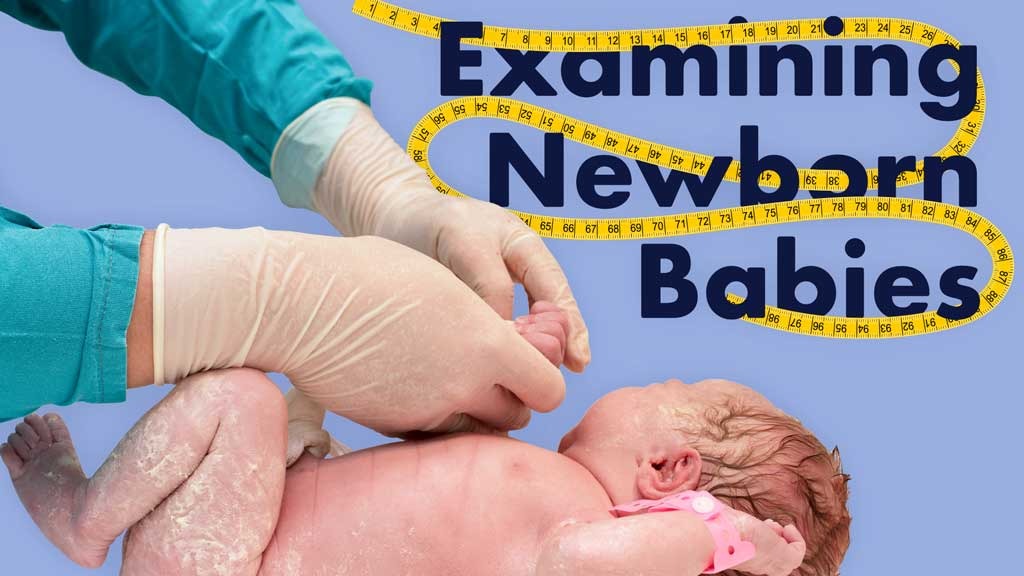
A baby can need a doctor without a fever. Watch for changes in feeding, alertness, wet diapers, appearance, or how an illness is progressing.
Compare what you see with your baby’s usual behavior:
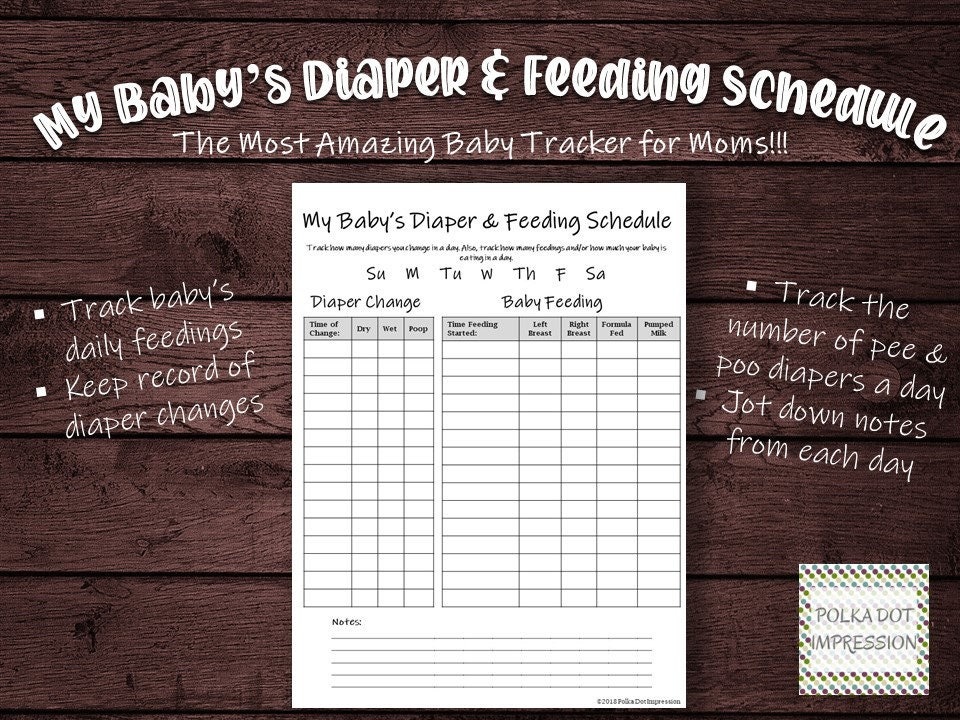
- Feeding: Is your baby feeding poorly, taking noticeably less than usual, or struggling to feed?
- Wet diapers: Are there fewer than your baby’s normal number?
- Alertness: Is your baby unusually sleepy, less interactive, or acting differently in a way that worries you?
- Breathing and appearance: Is breathing different from usual, or has your baby’s color changed?
- Course of illness: Are symptoms getting worse, lasting, appearing together unexpectedly, or coming with repeated vomiting?
The AAP’s dehydration guidance lists decreased urination, dry mouth, and unusual changes in activity as warning signs. Tell your pediatrician immediately if they appear. A severely unresponsive baby needs emergency care.
In one r/NewParents post, a parent of a four-month-old asks whether the symptoms justify taking time off work for an appointment:
My 4 month old seems to be sick and I’m wondering at what point is it necessary to see a doctor when there’s no fever.
Last week was his second week of daycare, so it wouldn’t be surprising if he is sick. His nose is stuffy, and when I pull snot it’s pretty liquidy. He’s also been having more poops than normal (he’s usually at ~3/day. I think today he’s had 6). He also didn’t sleep at all last night, though I thought it was the 4mo sleep regression. But I’m thinking it may be due to his snot and gas making him uncomfortable.
I’m happy to take him to the doctor if he needs it. But I don’t want to waste PTO and a trip if this is just something that will pass on its own.
If a symptom is unfamiliar or worrying and none of the urgent signs above apply, call the pediatrician or the practice’s after-hours advice service and describe what has changed.
Pediatrician, urgent care, or ER: which route fits the situation?
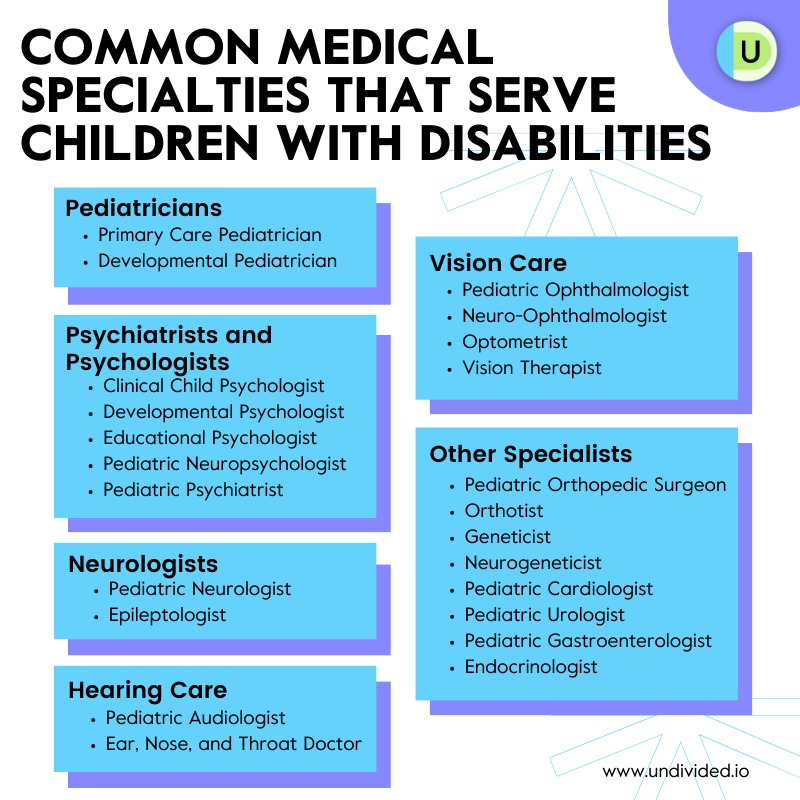
Your pediatrician’s office, an urgent care clinic that sees babies, and an emergency department each fit different situations. Your baby’s age, the symptoms, and the level of assessment needed decide which one.
| Care setting | When it fits | What affects the choice |
|---|---|---|
| Pediatrician or after-hours advice service | A worrying question or illness with no immediate emergency signs | Baby’s age, symptoms, changes over time, and the doctor’s advice |
| Urgent care | A nonemergency problem that needs an in-person exam, at a pediatric-focused clinic | Whether the clinic has pediatric expertise and can assess a baby that age |
| Emergency department or emergency services | Trouble breathing in a baby younger than one year, or other symptoms needing emergency evaluation | Call 911 for severe emergency signs; otherwise go to the ER now for breathing trouble under one year |
For children younger than two, the AAP discourages retail clinics, direct-to-consumer telehealth, and settings without pediatric expertise. For nonemergency problems, use a pediatric practice or pediatric-focused urgent care. If a doctor sends you somewhere else, follow that advice.
Find the right guide for your baby’s health concern

Once urgent concerns are covered, pick the guide that matches your baby’s issue and bring your questions to the doctor.
| Health concern | Relevant guide | Main question covered |
|---|---|---|
| Fever or temperature changes | Baby Fever | How age and measurement method affect fever guidance |
| Frequent spit-up, reflux concerns, or vomiting with feeding | Baby Reflux vs. Spit-Up | What to watch for and when feeding or weight concerns need evaluation |
| Eczema or persistent skin concerns | Baby Eczema | Eczema questions and when to get it assessed |
| Yellowing of a newborn’s skin | Newborn Jaundice | What jaundice is and why timely assessment matters |
| Routine checkups and immunizations | Well-Baby Visits and Vaccinations | Where to find preventive-care information and schedules |
Persistent vomiting with feeding or weight problems needs a doctor’s assessment. So do newborn jaundice and unexplained skin changes. To compare spit-up, reflux, and feeding patterns, use Baby Spit-Up versus Reflux: What’s Normal, What to Track, and When to Call. For newborn jaundice, bilirubin level, and follow-up care, see Newborn Jaundice: Signs, Bilirubin Tests & Next Steps.
What to document and report when symptoms persist
A short record helps your pediatrician follow an illness that keeps changing, especially after several days of symptoms or earlier appointments. Write down what is easiest to forget during a phone call or visit.
| Information to record | Useful detail |
|---|---|
| Baby’s age | Age at the time of the concern |
| Symptom timeline | When the change began, how long it has lasted, and whether it is changing |
| Temperature | The actual reading and how you measured it |
| Feeding and diapers | Normal pattern compared with current feeding and wet diapers |
| Activity and appearance | Changes in alertness, breathing, color, or anything else you noticed |
| Previous assessment | Earlier visits, advice you received, and what happened afterward |
| Medicines or treatments already given | Name, amount, and when each was given |
Write down events the doctor can place on a timeline, such as “vomited again after feeding.”

A parent described repeated visits for a four-month-old whose vomiting persisted:
She started daycare at 8 weeks and has been getting sick every couple of weeks since. 3 weeks ago, she caught her latest bug which, again, laid her and me out at the same time. Notably, she started projectile vomiting. At this point, she hasn’t stopped. Most of her coughing and sneezing has gone away, and she is still hydrated. She hasn’t been in daycare for almost a week. We’ve been to the doctor 3 or 4x and are going back tomorrow.
She is in excellent spirits and continues to hit new milestones.
The same post describes changes in the baby’s weight and feeding intake. Give the doctor those details along with the vomiting history, even if your baby seems cheerful between episodes.
When symptoms do not fit easy reassurance

If symptoms continue, change, or get worse after a reassuring visit, contact your baby’s doctor again. Say what has changed since the last advice and ask whether your baby needs another assessment.
Where to check well-baby visits, vaccines, and health guidance

Routine well-baby visits and immunizations are separate from seeking help for an acute illness. The CDC provides a family-facing vaccine schedule resource. Schedule versions change, so confirm with your pediatrician which one applies. For feeding, sleep, and developmental milestones, read Baby Care Guide: What Matters Now, From Newborn to Age 2.