
If your baby spits up without force, feeds well, grows, and acts as usual, that pattern is typical infant reflux. Watch it over time. Green or bright-yellow vomit means go to the emergency department now. Call 911 if your baby has serious trouble breathing or is hard to wake. New forceful or projectile vomiting in a baby younger than 12 weeks needs medical care now. Blood in vomit, repeated forceful vomiting, dehydration, poor growth, or feeding refusal also needs prompt medical assessment.
Is It Spit-Up, Vomiting, GER, or GERD?
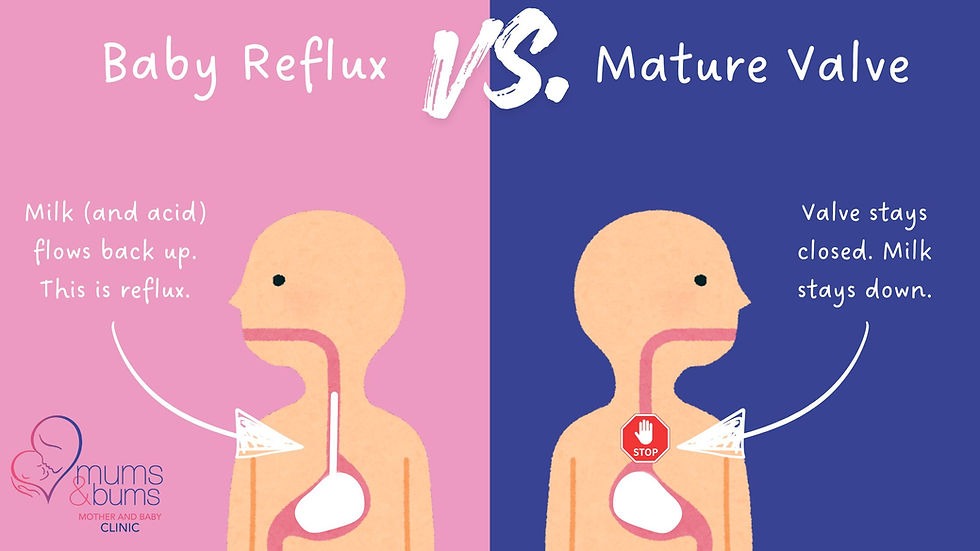
Spit-up is milk or stomach contents coming back through a baby’s mouth with little effort. Vomiting is forceful.
Gastroesophageal reflux (GER) means stomach contents move back into the esophagus. Gastroesophageal reflux disease (GERD) is reflux that causes troublesome symptoms or complications. A baby who spits up easily, seems comfortable, and grows well is called a happy spitter.
| Event or process | What it means | What helps distinguish it |
|---|---|---|
| Spit-up or regurgitation | Milk or stomach contents return through the mouth with little effort. | It may dribble out during or after feeding. |
| GER | Stomach contents flow backward into the esophagus. | It is the underlying process. Spit-up may or may not be visible. |
| Vomiting | Stomach contents come out forcefully. | Force, repetition, and other symptoms matter. |
| GERD | Reflux causes troublesome symptoms or complications. | Feeding problems, poor growth, or other findings need a pediatrician’s assessment. |
A large wet patch on a burp cloth looks dramatic. Your baby’s feeding, growth, and behavior tell you more than the mess does.

The American Academy of Pediatrics describes infant GER as commonly starting around 2 to 3 weeks, peaking around 4 to 5 months, and improving for many full-term babies by 9 to 12 months.
When Spit-Up Is Messy but the Baby Seems Well

A baby can spit up often and still feed comfortably and grow normally. Picture two infants after a feed. One dribbles milk onto a shoulder and settles. The other refuses the next feed or has fewer wet diapers than usual. The mess looks the same, but the difference matters.
- Feeding: Is your baby still willing to feed, and has the usual pattern changed?
- Growth: What do measurements at checkups show over time?
- Hydration: Are wet diapers continuing in your baby’s usual pattern?
- Behavior: Is your baby alert and acting as usual, or unusually distressed or hard to wake?
One parent of a seven-month-old describes the daily cleanup:
But it’s starting to feel like the spitup period may never end lol. We do at least one load of laundry every day, every piece of furniture in the home smells like breastmilk, every toy has been through own milk bath, the carseat and the skip-hop and the stroller and the lovery mat and every single baby carrier require daily cleanings. He throws up on everyone who holds him. When we take him out we come prepared with a bucket of burp cloths and changes of clothing.
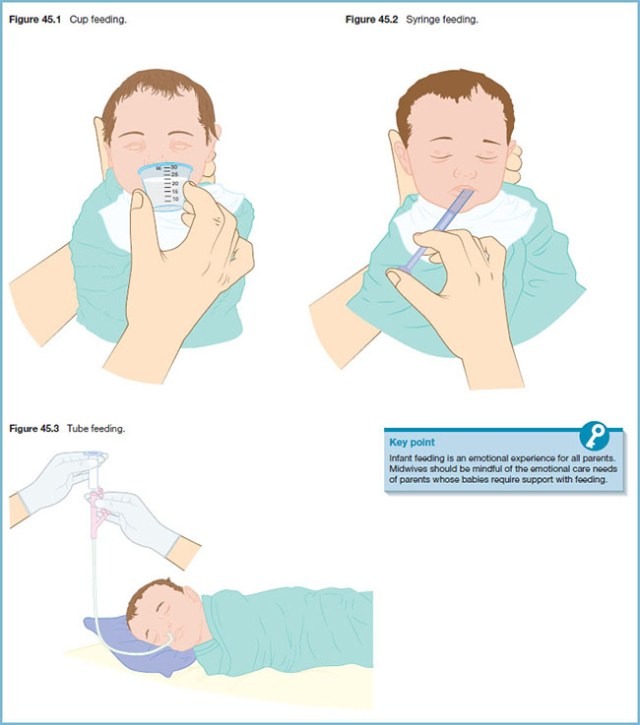
Tell the pediatrician if feeds, wet diapers, alertness, or weight gain change.
When Spit-Up or Vomiting Needs Medical Attention
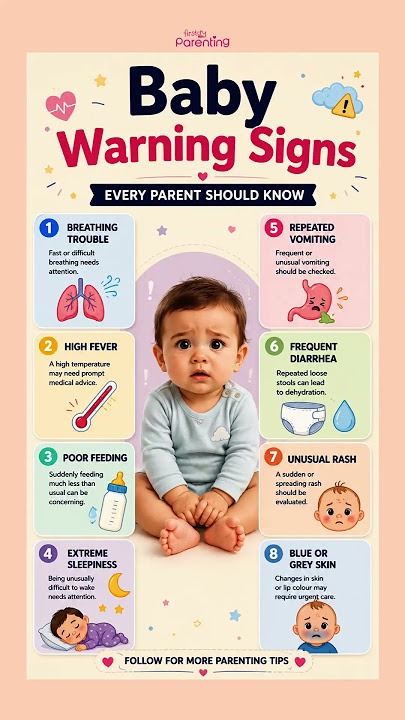
For infant fever, pediatric visits, and other concerning symptoms, review Baby Health: Warning Signs, When to Call, and Where to Find Help.
| What you observe | What to do |
|---|---|
| Severe breathing difficulty, markedly reduced responsiveness, or another immediately life-threatening symptom | Call 911 or emergency services immediately. |
| Green or bright-yellow vomit | Go to an emergency department immediately. |
| A baby younger than 12 weeks whose usual spit-up changes to forceful or projectile vomiting | Call the pediatrician or get medical care now. |
| Blood or coffee-ground-like material in vomit, repeated forceful vomiting, or a significantly swollen abdomen | Get urgent medical assessment. |
| Persistent refusal to feed, declining wet diapers, poor growth, or repeated significant distress | Contact the pediatrician promptly. Severe symptoms need urgent care. |
In its infant reflux symptom guidance, NIDDK names spit-up that newly starts before 2 weeks of age or after 6 months as a reason for closer clinical assessment.

Do not delay emergency care to finish a symptom log.
A Simple Spit-Up Log to Bring to the Pediatrician
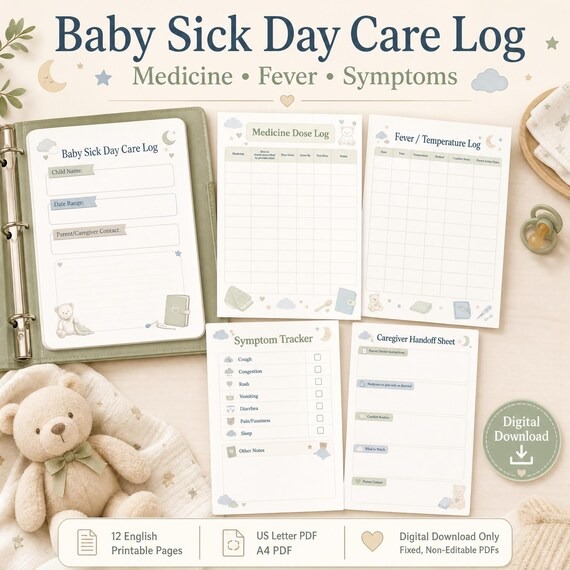
Write down what came up, when the feed happened, and how your baby responded.
| Record | Example of a useful observation |
|---|---|
| Age and onset | “Three weeks old; episodes began yesterday.” |
| Feeding context | “Breastfed around 10 a.m.” |
| Timing | “Milk came up shortly after the feed.” |
| Appearance and force | “Fresh-looking milk dribbled out without obvious force.” |
| Baby’s response | “Comfortable afterward and willing to feed as usual.” |
| Relevant changes | “Wet diapers different from usual”; include growth measurements from visits if known. |
For a phone note, copy this blank template and fill in what you know:
Age / onset: ____ Feed and time: ____ Time afterward: ____
What came up / force: ____ Baby’s response: ____ Wet diapers or other changes: ____
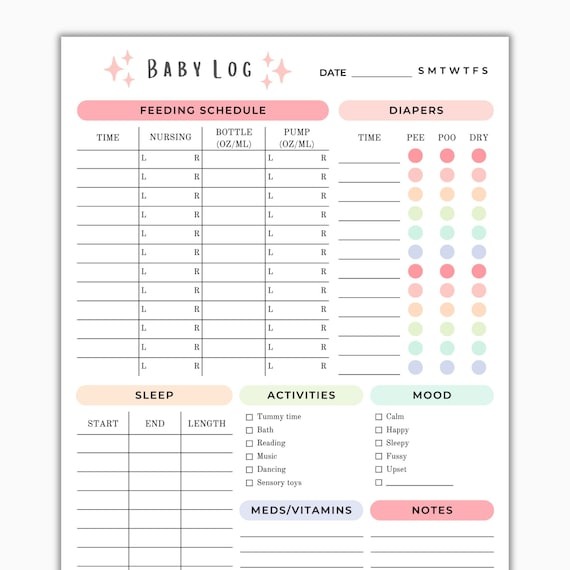
Don’t estimate how much came up. Note whether it dribbled or shot out, what it looked like, and how your baby reacted.
The log gives the pediatrician a history to work from. It can’t diagnose GERD. You don’t need to wait 24 or 48 hours before seeking care.
Reflux Does Not Change the Safe-Sleep Rules

Babies with reflux sleep on their backs on a firm, flat, non-inclined surface for every nap and overnight sleep through the first year. Reflux doesn’t make side sleeping, mattress elevation, or an inclined sleeper a safe alternative.
NIH Safe to Sleep explains that back sleeping does not increase a healthy baby’s risk of choking on spit-up. Protective swallowing and coughing reflexes keep fluid out of the airway.
One caregiver describes how a three-week-old’s sleep changed:
Our 3 week old was a fantastic crib/bassinet sleeper for the first two weeks of his life. Unfortunately over the past week, he has started to show major reflux symptoms and cannot tolerate being laid down flat more than 5 minutes before gagging and spitting up huge amounts of curdled milk, which makes him inconsolable. This happens even if we burp him and hold him upright for 60+ minutes after feedings.
Tell the pediatrician about this, especially if exhaustion has you worried about falling asleep while holding your baby.
Keep wedges, reflux pillows, and loose pillows out of the sleep space. Never fall asleep with your baby on your chest or in your arms.

Holding your baby upright while you’re awake and watching is different from a sleep position. The separate guide to safe sleep for a baby who spits up covers the rest of the sleep environment.
What a Pediatrician May Suggest and What to Avoid

Most infants with uncomplicated GER don’t need medicine. If spit-up comes with feeding difficulties, discomfort, or poor growth, the pediatrician can assess whether to change care or look further. For crying, feeding cues, and support for you, see How to Soothe a Crying Baby (and What to Check First).
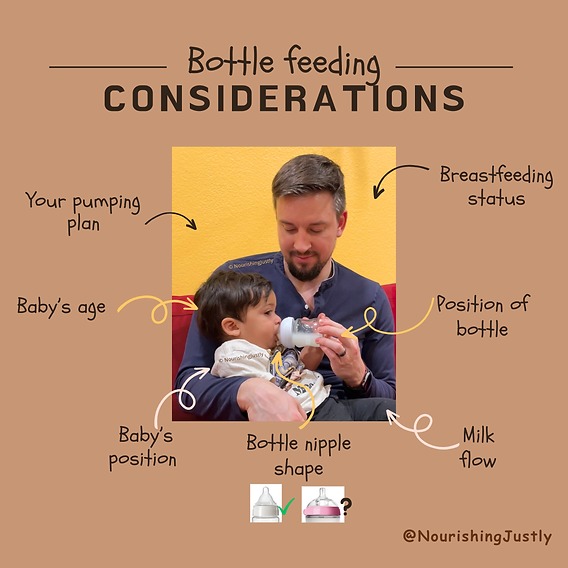
The pediatrician may suggest adjusting feeding routines or burping, or holding your baby upright for about 20 to 30 minutes after a feed while you stay awake and supervise. For feeding cues and routines, see newborn feeding patterns and cues.
Acid-suppressing medicines are for select cases. They carry risks and don’t always stop the spit-up. The pediatrician weighs your baby’s symptoms and findings first.
Other conditions can resemble reflux. Cow’s-milk protein allergy is one the pediatrician considers when the history supports it. Don’t switch formulas over and over, cut foods from the diet, or add cereal to a bottle unless the pediatrician says to. It muddies the picture and adds risk.
Babies born prematurely or living with other medical conditions need an individualized plan.
When to Follow Up and What to Tell the Pediatrician

Tell the pediatrician when the episodes started, what happens during feeds, and whether growth or wet diapers have changed. The pediatrician then decides whether an exam is enough or further testing is needed.