
If your baby has possible eczema and none of the urgent signs below, start with gentle, fragrance-free skin care. See your pediatrician about patches that stay inflamed or keep coming back. Get medical help right away for fever in a baby 3 months old or younger, suspected infected eczema with fever, many small blisters or punched-out sores, or a baby who looks very ill.
A rough patch on your baby’s cheek might begin as something you notice while wiping away milk. A few days later, the skin looks angrier, your baby keeps rubbing it, and the moisturizer that seemed helpful yesterday no longer seems to make a difference.
Baby eczema, also called infantile atopic dermatitis, follows this pattern. The skin barrier struggles to hold in moisture and keep out irritants, and inflammation causes itching and discomfort. Consistent skin care matters. So does knowing when everyday care is no longer enough.
What baby eczema looks like and when to get it checked
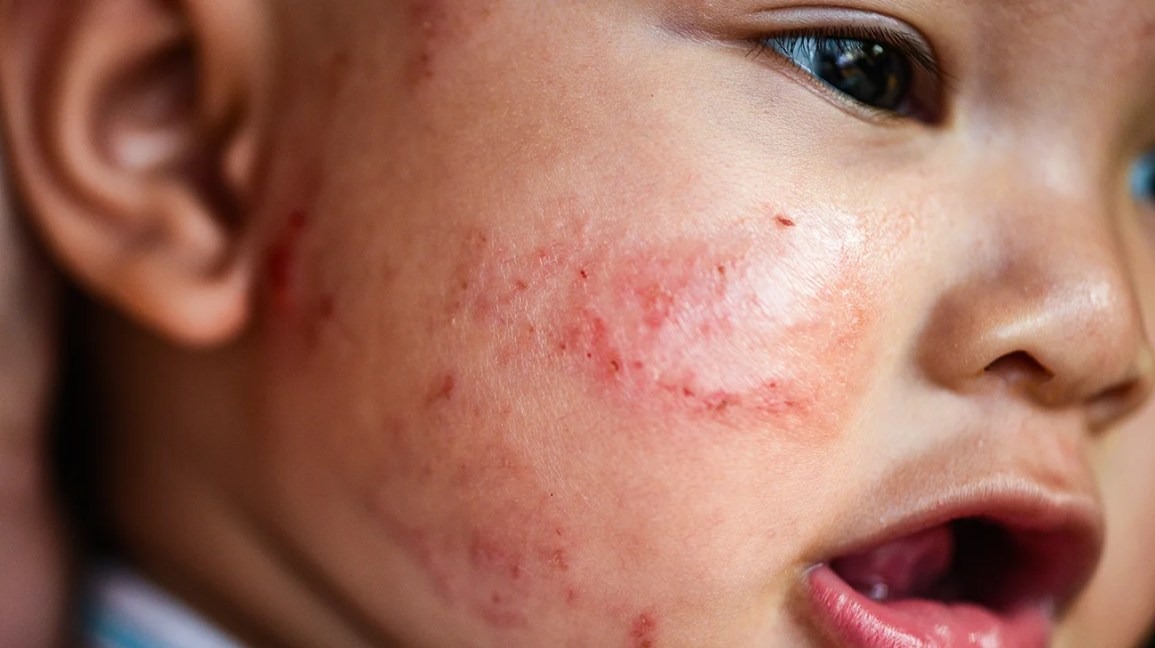
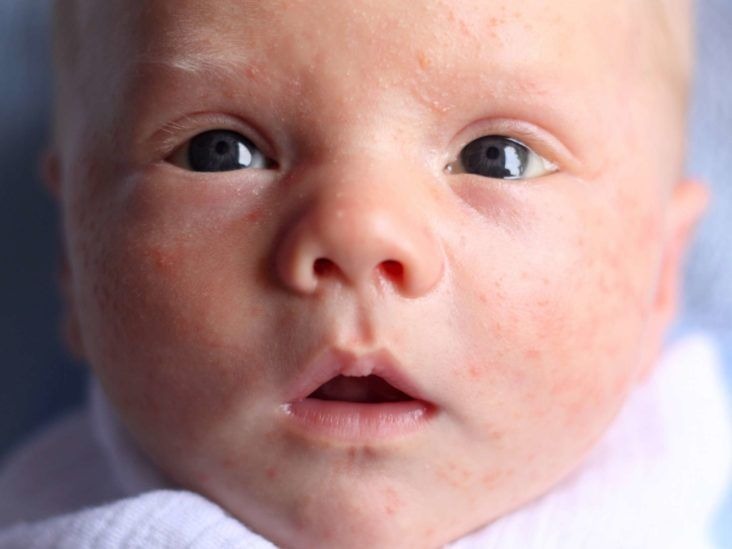
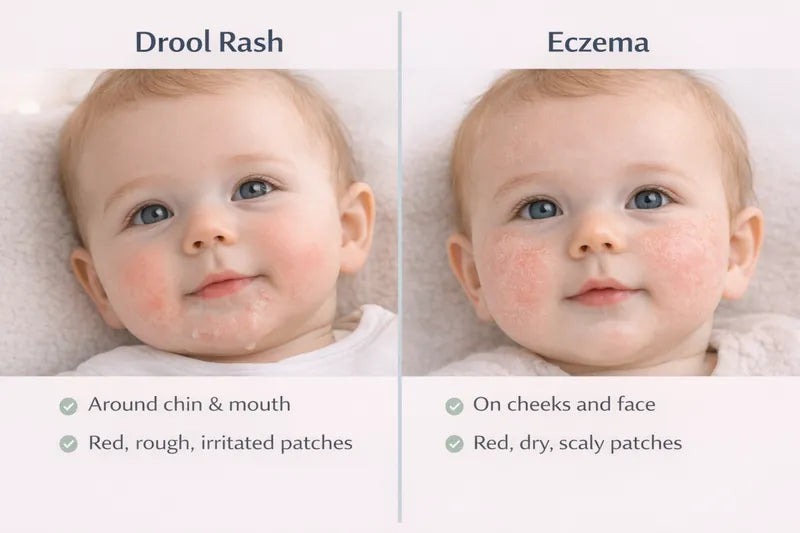
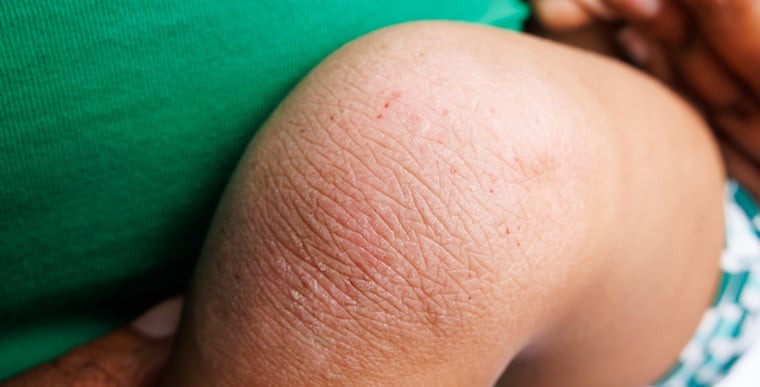
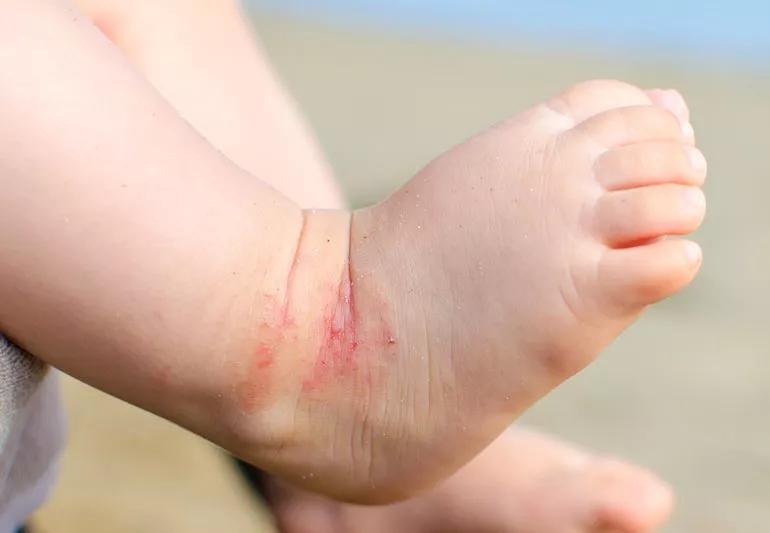
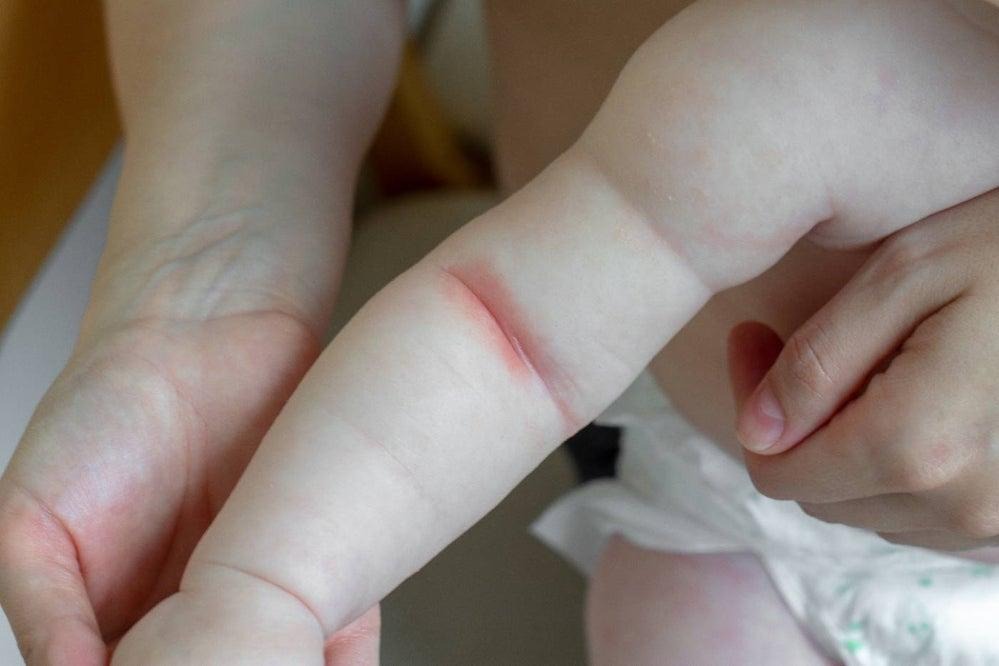
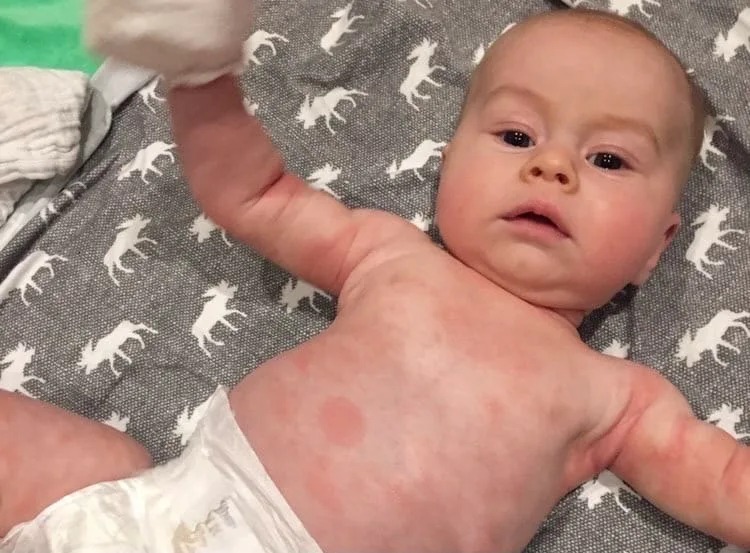
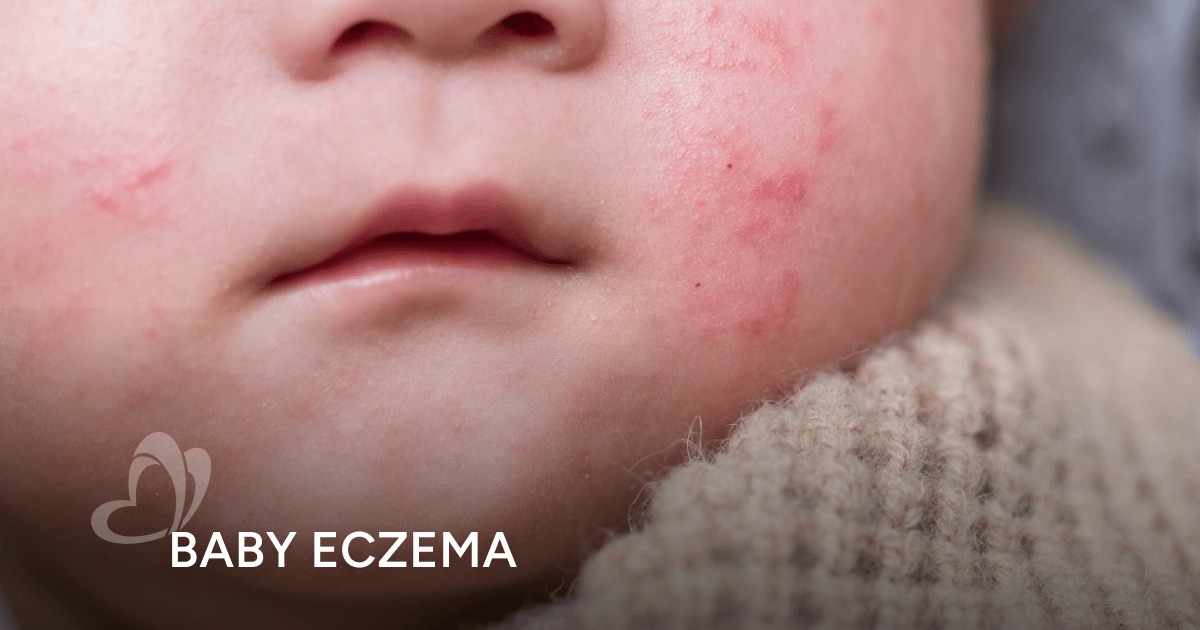
Infant eczema shows up as rough, dry, inflamed, itchy patches. In young babies the cheeks and face are common spots. Patches also appear on the scalp, trunk, arms, and legs.
The look varies from child to child. On lighter skin, inflammation looks pink or red. On darker skin, affected areas look darker, purplish, grayish, or otherwise discolored, and the texture or itching is often more noticeable than bright redness.
A baby who repeatedly rubs a cheek against clothing or scratches at a patch is uncomfortable. For a closer look at diaper rash, skin barrier, and diaper changes, read Baby Diaper Rash: How to Care for It and When to Call the Doctor.
| What you notice | It could also be | What to know |
|---|---|---|
| Dry, rough, itchy patches on cheeks or limbs | Eczema or contact irritation | Both leave the skin inflamed and uncomfortable |
| Greasy or flaky scales on the scalp | Cradle cap (seborrheic dermatitis) | The appearance and the amount of itching differ |
| Irritation concentrated in the diaper area | Diaper dermatitis | Moisture and local irritation need different care |
| Broken, painful, crusted, or rapidly changing skin | Infection or another skin condition | Get it examined |
Some babies have more than one skin condition at the same time.
One family got medical advice when their newborn’s rash spread:
We are First Time Parents. Our 6 week 4 days old LO is EBF and has developed Eczema. He was developing rash from couple of days and it gotten worse 2-3 days ago. (Full body red Rash including back, front, hand legs everywhere) We got consultation with Pediatrician and they said it seems like Eczema.
A widespread, worsening rash in a very young baby needs an exam, even when eczema looks likely.
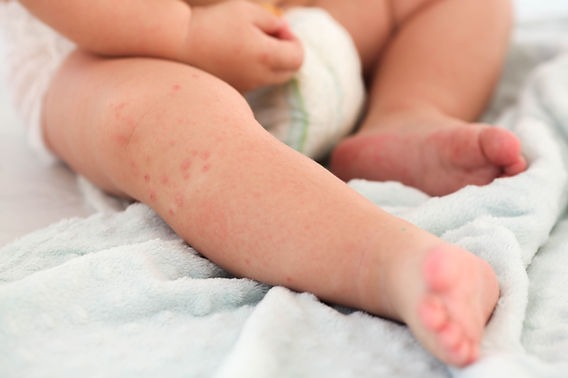
When what looks like eczema needs urgent care
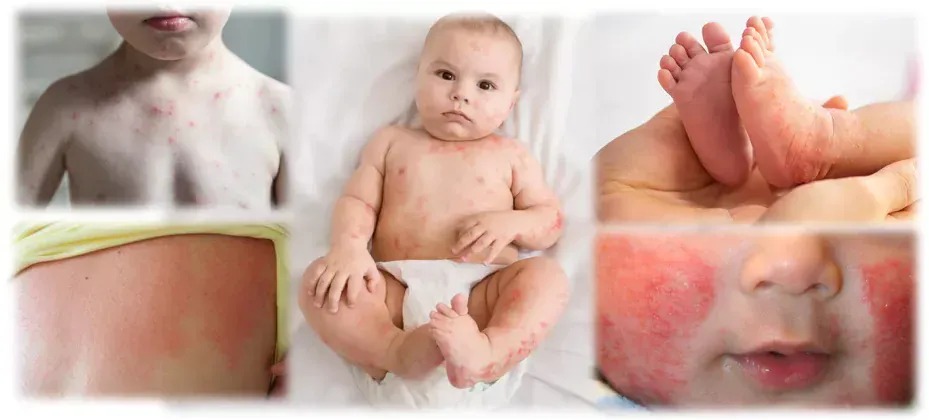
The American Academy of Pediatrics’ eczema symptom guidance separates what needs immediate care from what can wait for a pediatric visit.
| When | What you see | What to do |
|---|---|---|
| Seek care now | A baby 3 months old or younger with a rectal temperature of 100.4°F (38°C) or higher; a baby who appears very ill; apparent infected eczema with fever; or many small blisters or punched-out sores | Get medical help right away |
| Call within 24 hours | Very painful eczema or possible skin infection, such as pus, crusting, or oozing, in a baby who otherwise seems well and has no fever | Call your pediatrician within 24 hours |
| Book a visit | Persistent patches, frequent flares, itching that disrupts sleep, or no real improvement with routine care | Make a pediatric appointment to review the diagnosis and plan |
A new rash you can’t explain needs a doctor’s exam, whatever it looks like.
One parent described a rash that worsened while they kept switching products:
The Aveeno irritated his skin so much. Bought a second humidifier for living room and its running all the time. At this point he was itching so bad. I changed the laundry detergent from Unscented Ivory to Tide free and gentle. We are panicking because his skin does not look good. We can see shimmering spots on his body (possibly fluid). His skin was beginning to crack. One evening I came back from work and looked at my wife’s face and I can sense the dread. His was red below his neck. We took him to the emergency. While going to the hospital, red spots on his face would come and go. Pediatrician looked at him and said he is suffering from severe eczema and possibly have a secondary infection so they took a swab test.
The parent later reported a confirmed secondary infection. With several products and other changes in play, the cause of the worsening stayed unclear.
The baby fever guide covers temperature measurement and age-specific fever questions in more detail.
A gentle day-to-day skin-care routine
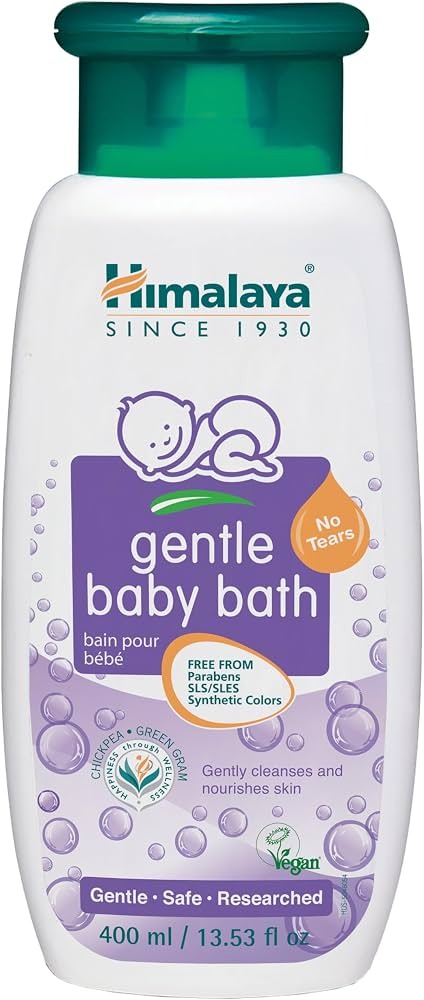
Gentle daily care protects your baby’s skin barrier. Wash with a mild cleanser, then moisturize while the skin is still slightly damp.
Mayo Clinic’s baby eczema guidance recommends lukewarm baths, moisturizing, and reducing exposure to irritating products.
-
Wash gently. Use lukewarm water for a short bath or wash. Use a mild, non-irritating cleanser when you need one, and don’t scrub inflamed skin.
-
Moisturize regularly. Pat the skin gently after washing, leaving it slightly damp, then apply a fragrance-free cream or ointment your baby tolerates. Moisturize at least twice a day, including days without a bath, and keep going after the patches improve.
Bathing frequency depends on your baby’s skin, how well they tolerate baths, and professional advice. The evidence reviewed for the American Academy of Dermatology’s (AAD) 2026 guidance did not establish one best bath frequency or duration for every child.
Fragranced soaps, cleansers, and laundry products irritate sensitive skin.

BEEP prevention findings: Daily emollient use from birth showed no eczema-prevention benefit at age two in the UK BEEP trial, which enrolled 1,394 infants at high risk of eczema. Original results appeared in 2020, followed by a fuller NIHR report in 2024. The trial did not cover treatment of existing eczema.
For diagnosed eczema, moisturizing stays part of treatment.
How to choose a moisturizer without chasing the “best” brand
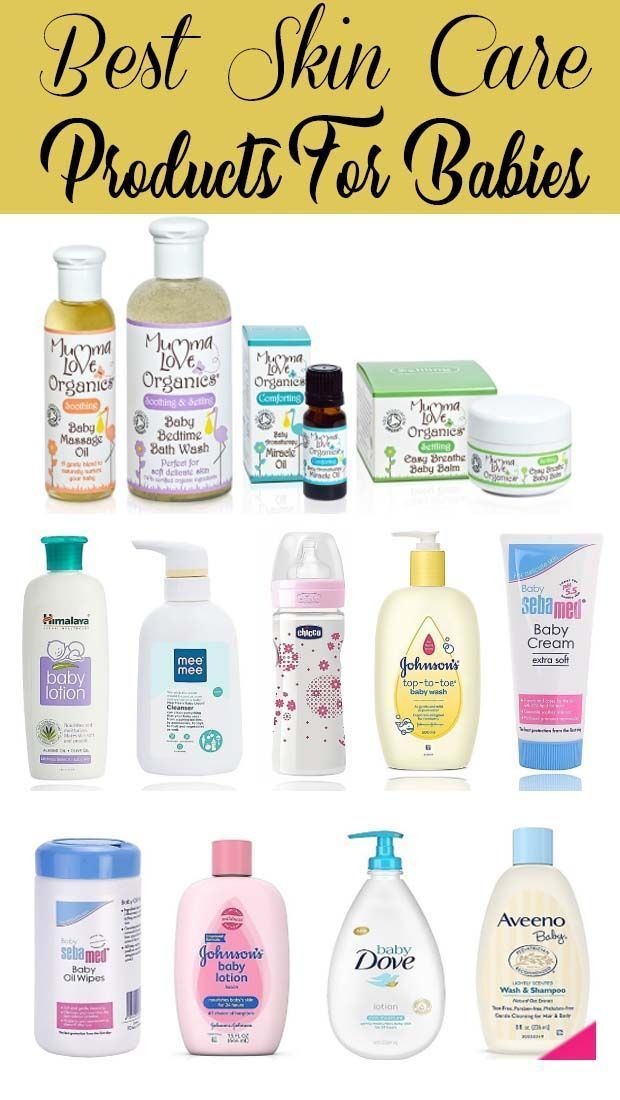
Pick a moisturizer your baby tolerates and you will actually use every day. Creams, ointments, and lotions differ in texture and in how they apply. The AAD’s pediatric treatment guidance, announced April 7, 2026, supports moisturizing but names no single best product type or active ingredient.
| What to check | What to look for | When to switch |
|---|---|---|
| Fragrance | A fragrance-free label; unscented products can still contain fragrance ingredients | The product contains fragrance additives you are trying to avoid |
| Product form | Texture and ease of application across creams, ointments, and lotions | The texture makes regular application difficult |
| Skin reaction | Try a new moisturizer on a small area first and watch for discomfort | It stings or the irritation gets worse |
| Daily usability | Application, availability, and affordability | It is too inconvenient or costly to use consistently |
AAD infant-care advice favors thicker creams and ointments for very dry, eczema-prone skin.

If a new product stings or visibly irritates, stop using it. A new product can irritate skin, and so can the flare itself, so tell your pediatrician if the skin gets substantially worse.
Why eczema comes back after it clears
Eczema improves and flares again because atopic dermatitis tends to recur. The skin’s tendency toward barrier dysfunction and inflammation stays even after a visible patch settles. Daily moisturizing supports the barrier, and medication treats active inflammation when your pediatrician prescribes it.
A parent of an eight-week-old describes the cycle:
My baby (8w M) has eczema, and I am trying to figure out 1) triggers and 2) products/routine to prevent flare ups. After trying a couple different strengths of hydrocortisone, our pediatrician prescribed a different, stronger steroid and recommended aquaphor on top. That cleared it up, but when we stop that steroid, it comes right back. My toddler and I also have eczema, and it seems the products/routine that worked for her don’t have the same impact.
That sequence occurs with recurrent eczema and does not by itself mean steroid withdrawal or dependence.
Prescription treatment: what to ask your pediatrician
When everyday skin care doesn’t control inflammation, your pediatrician may recommend prescription treatment. Topical corticosteroids are established options in pediatric eczema care, and the AAD guidelines support clinician-directed anti-inflammatory treatments. The right medication and instructions depend on your child’s age, affected body areas, severity, and circumstances.
If your baby already has a prescription, ask the prescriber:
- Purpose: What is this treatment meant to control?
- Application: Which areas should get it? Ask about limits on the face and in skin folds.
- Instructions: What amount, how often, and for how long?
- Side effects: What about skin thinning and other possible effects?
- Expected response: What improvement should you see, and what changes should you report?
- Follow-up: When should the plan be reviewed if the rash returns or stays uncomfortable?
Follow the prescribed instructions. Contact the prescriber before changing the frequency, duration, or application area, and don’t stop early because the skin looks better.
Does baby eczema mean a food allergy?
Eczema and food allergy can coexist, especially in children with severe eczema. Itchy patches alone don’t point to a food trigger. ACAAI guidance advises against cutting dairy or other foods, switching formula, or restricting a breastfeeding parent’s diet just to treat eczema without a proper evaluation. Talk to your pediatrician or allergist if your baby has a clear immediate reaction after eating, or if severe eczema is hard to control. For when and how to introduce foods, see introducing allergenic foods safely.
What to write down before your baby’s pediatrician or dermatologist visit
A short record of your baby’s skin changes helps the pediatrician understand a rash that looks different from day to day. It helps most when you have tried several products or when patches vanish and return between appointments.
- Onset and location: When the rash first appeared, whether it came on suddenly or gradually, which body areas it affects, and whether it has spread.
- Appearance: Dryness, scaling, inflammation, cracking, or crusting.
- Comfort: Itching, rubbing, scratching, and any effect on sleep.
- Products and response: The cleansers, moisturizers, detergents, and prescribed medications you’ve used, with approximate dates, and what improved or worsened.
- Other symptoms and questions: Any illness, earlier medical advice, and your questions about the care plan.
A dated photo shows a change that has faded by the appointment.
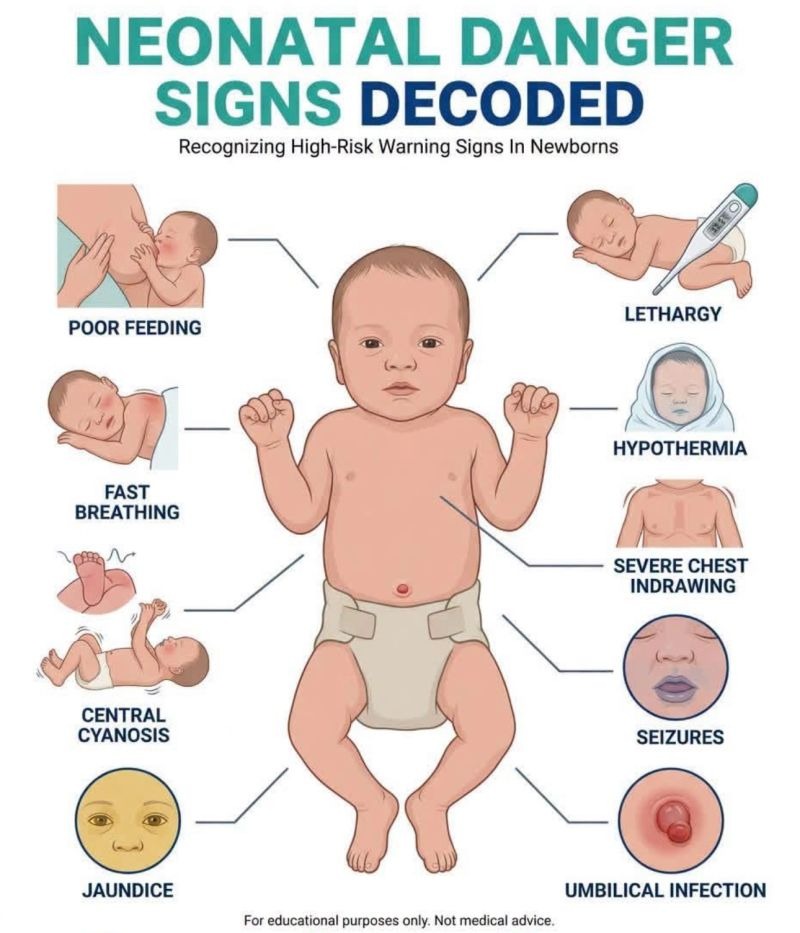
For infant fever, pediatric visits, and concerning symptoms, see Baby Health: Warning Signs, When to Call, and Where to Find Help.