
If your baby is older than 6 weeks and otherwise well, treat a mild diaper rash by changing diapers promptly, cleaning gently and applying a thick barrier cream. Call the pediatrician about any new rash in a baby younger than 6 weeks, even a mild one. Call too if the rash is worsening, very painful, open or spreading, or has not improved after about two to three days. If your baby is 3 months or younger and has a rectal temperature of 100.4°F (38°C) or higher, call right away.
When should you call the pediatrician about diaper rash?
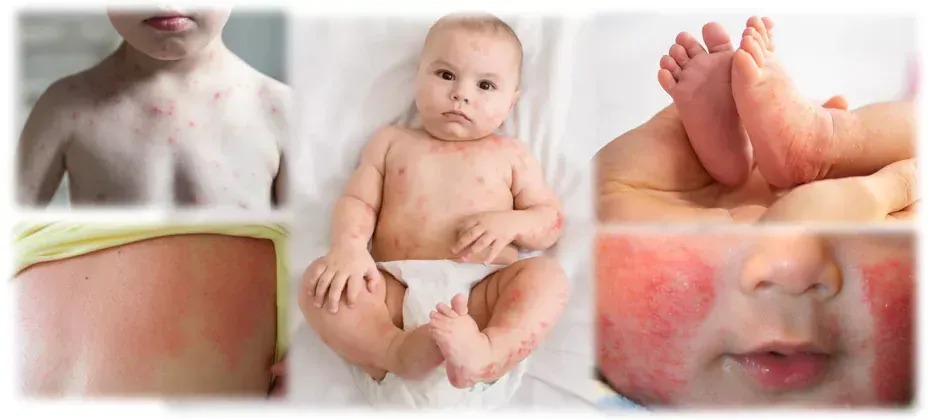
If your baby is older than 6 weeks, feeds well and acts normally, treat mild redness at home with routine skin care. A sick baby, a rapidly worsening rash or badly damaged skin needs a doctor’s assessment. For more on everyday diaper problems, see Everyday Baby Care: What to Do and When to Call.
In the first six weeks, any new diaper rash needs a call to the pediatrician, even when it looks mild. Keep cleaning gently and applying barrier cream while you wait for advice, as long as your baby otherwise seems well.
A rectal temperature of at least 100.4°F (38°C) in an infant 3 months or younger needs an immediate call to the pediatrician, even without other symptoms, according to the American Academy of Pediatrics’ guidance on fever in young babies.
| Situation | What it means | Next step |
|---|---|---|
| Your baby looks very ill, has spreading infected-looking redness with fever, or has marked skin peeling | Serious illness or significant skin damage | Get medical help immediately. |
| A newborn younger than 1 month has suspicious blisters, yellow crusts or an infected-looking rash | Infection is a concern at this age | Get urgent medical assessment. |
| Blisters, boils, scabs, open sores, unusual pimples or suspected infection in an otherwise stable baby | May need treatment beyond basic barrier care | Contact a doctor within 24 hours. Call sooner if symptoms worsen or pain is marked. |
| Limited mild redness in a baby older than 6 weeks who seems well | Routine irritant dermatitis | Start gentle home care and watch for improvement. |
When the rash persists: Call the pediatrician if the rash has not started to improve after about two to three days of care, or sooner if the skin is getting worse.
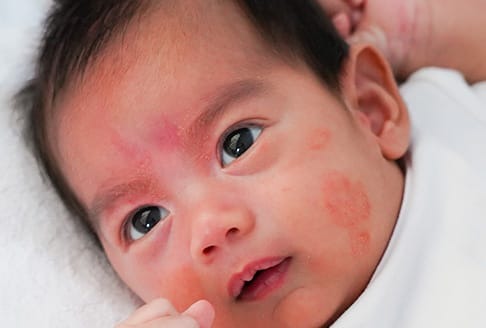
One parent described a rash on a 20-day-old baby:
I’m in desperate need of help for my sweet boy, only 20 days old. I noticed a rash on his bottom, around his rectum, on April 8th. It looked even more red on April 9th and I let the area air dry before applying Desitin and calling the pediatrician. I was worried it was yeast so we were told to bring him in. Brought him in.
If a very young infant’s rash gets worse after you have already had advice, contact the pediatrician again.
What does diaper rash look like, and what causes it?
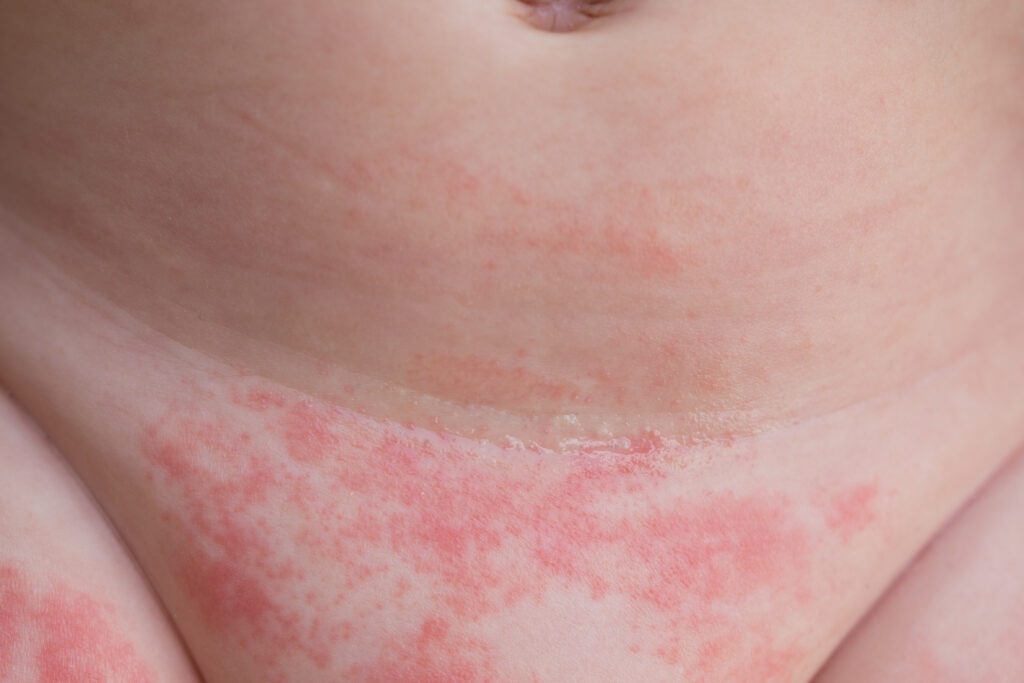
Diaper dermatitis is inflammation of skin covered by a diaper. The common irritant type develops when moisture, stool, urine and friction wear down the skin barrier. Stool contains enzymes that irritate skin more with repeated contact. For eczema, see Baby Eczema: Skin Care, Flares, and When to Get Help.
Where the rash sits and how it looks gives clues to the cause. The patterns overlap, so appearance alone cannot tell you whether the cause is irritation, yeast, a bacterial infection or a contact allergy.
| What you notice | Possible explanation | Relevant clue |
|---|---|---|
| Red areas on surfaces pressed against the diaper, with deeper folds less affected | Irritation (irritant contact dermatitis) | Stool, moisture and rubbing commonly contribute. |
| Bright pink or red patches reaching into the groin folds, sometimes with smaller spots around them | Yeast (Candida) dermatitis | Recent antibiotic treatment is relevant history. |
| Yellow crusts, weeping, pus or painful spreading redness | Bacterial infection | These signs need a doctor’s assessment. |
| Redness where a new diaper, wipe or cream touches the skin | Contact irritation or allergy | Fragrance, preservatives, dyes or elastic may be involved. |
These distinctions appear in the American Academy of Pediatrics’ diaper-rash guide. Appearance also varies with skin tone, the degree of inflammation and how long the rash has been there.

A rash that appears after you switch a brand raises the possibility of a contact reaction. The timing, the ingredients, the affected skin and the response over the following days tell you more than assuming the newest product is the cause.
How to care for a mild diaper rash at the next change

Start the home-care routine at the next diaper change. Keeping stool and urine off the skin lets it recover, and a barrier cream protects it in between.
- Change promptly. Take off a wet or soiled diaper quickly so moisture and waste spend less time against inflamed skin. Keep one hand on your baby when using a raised changing surface.
- Clean with as little friction as possible. Use warm water and a soft cloth, or fragrance-free, alcohol-free wipes if your baby tolerates them. Rinsing is gentler if rubbing hurts.
- Dry carefully. Pat the area dry or let it air-dry briefly. Don’t rub it with a towel.
- Apply a thick barrier. Cover the irritated area with a thick layer of diaper cream or ointment. If clean, intact barrier paste is still in place at the next change, leave it and gently remove only the soiling.
- Fit the diaper comfortably. Choose an absorbent diaper that does not press tightly or rub at the leg openings.
The American Academy of Dermatology’s diaper-rash guidance recommends the same approach: frequent changes, gentle cleansing, careful drying and generous barrier protection.
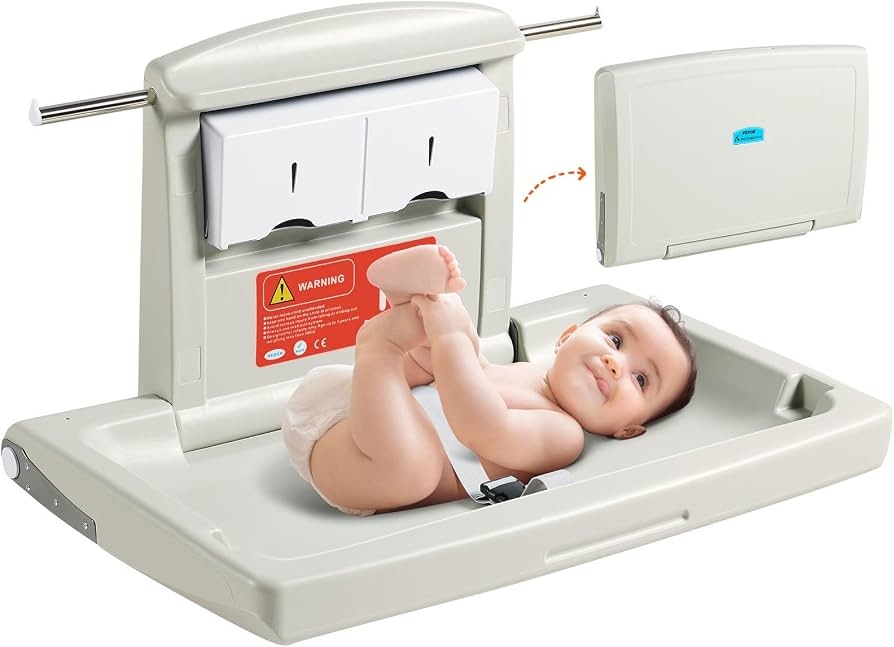
Short diaper-free periods are optional. If they help the skin dry, keep your baby awake and supervised on an easy-to-clean surface. Never leave your baby without a diaper for sleep, and keep your usual safe-sleep practices.
Avoid talcum powder, essential oils, alcohol-based products, hair dryers and homemade mixtures on inflamed skin.
Zinc oxide or petroleum jelly: which barrier should you use?
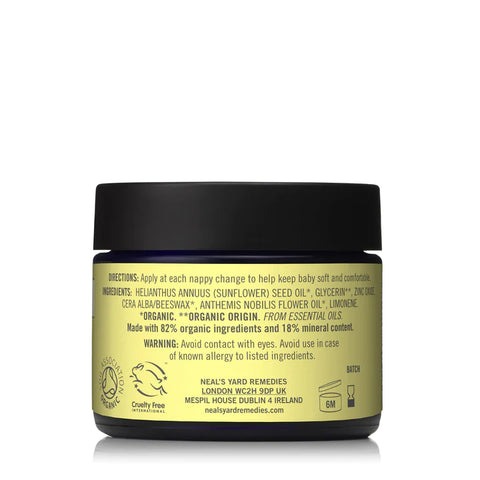
Both shield irritated skin from moisture and stool. Zinc oxide usually comes as a thick paste, and petrolatum is the protective ingredient in plain petroleum jelly. Choose by ingredients, fragrance content and how your baby’s skin tolerates the product, then keep the coverage consistent. Either one works for an ordinary irritation rash. A suspected yeast or bacterial infection needs treatment directed by your doctor.
What if your baby poops constantly or has diarrhea?
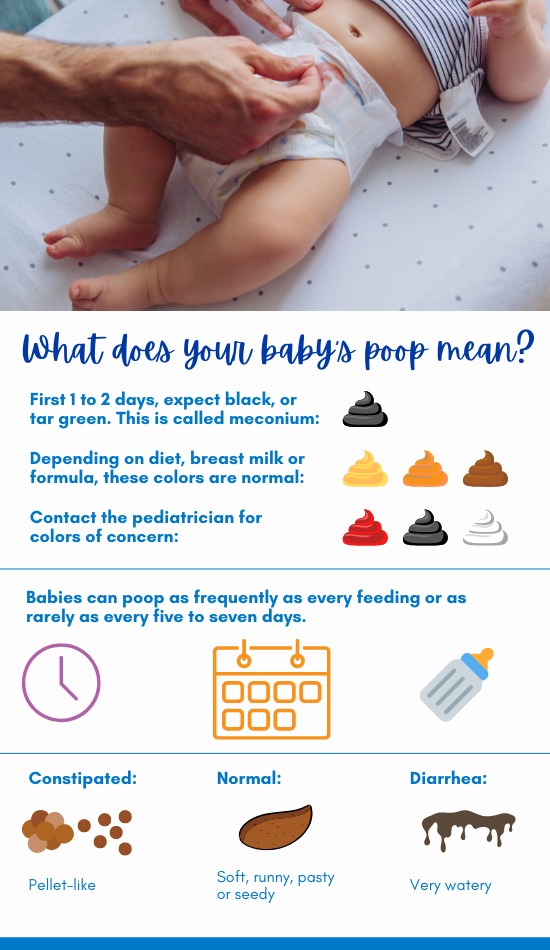
Frequent stools make careful diaper care hard. A baby can soil a fresh diaper soon after a change, which leaves irritated skin little time to stay clean and dry.
One caregiver described trying diaper-free time during diarrhea:
My 5 month old has pretty extreme diarrhea and gas right now and literally needs a poop diaper change every hour. I’ve tried the creams, the diaper rash spray, leaving her without a diaper to let it breathe (she then had diarrhea all over me and my couch despite my seemingly clever towel situation), everything I can think of and it’s jnky getting worse.
Severe diarrhea with intense pain or worsening skin damage needs prompt medical assessment. Call the pediatrician immediately if your baby shows signs of dehydration, such as fewer wet diapers than usual, a dry mouth or unusual sleepiness, or seems seriously ill. The diarrhea itself may need treatment as well as the rash.
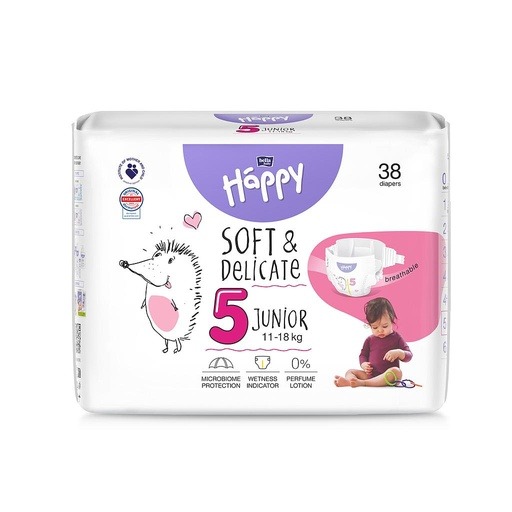
If your baby is otherwise well and normally stools often, keep changes manageable. A washable changing surface and cleaning supplies within reach make repeated changes easier. Skip long diaper-free sessions and repeat the gentle-cleaning and barrier routine each time the diaper is soiled. For more on diaper changing, cleaning supplies and changing surfaces, see How to Change a Baby Diaper: A Safe, Simple Step-by-Step Guide.
My newborn poops after almost every feeding. Is that diarrhea?
Some newborns normally pass stools at or near each feeding. A sudden shift to much more frequent, unusually watery stools needs attention, especially with feeding problems, fewer wet diapers or signs of illness. Compare the change with your baby’s usual pattern and overall condition.
Why is the rash getting worse or coming back?
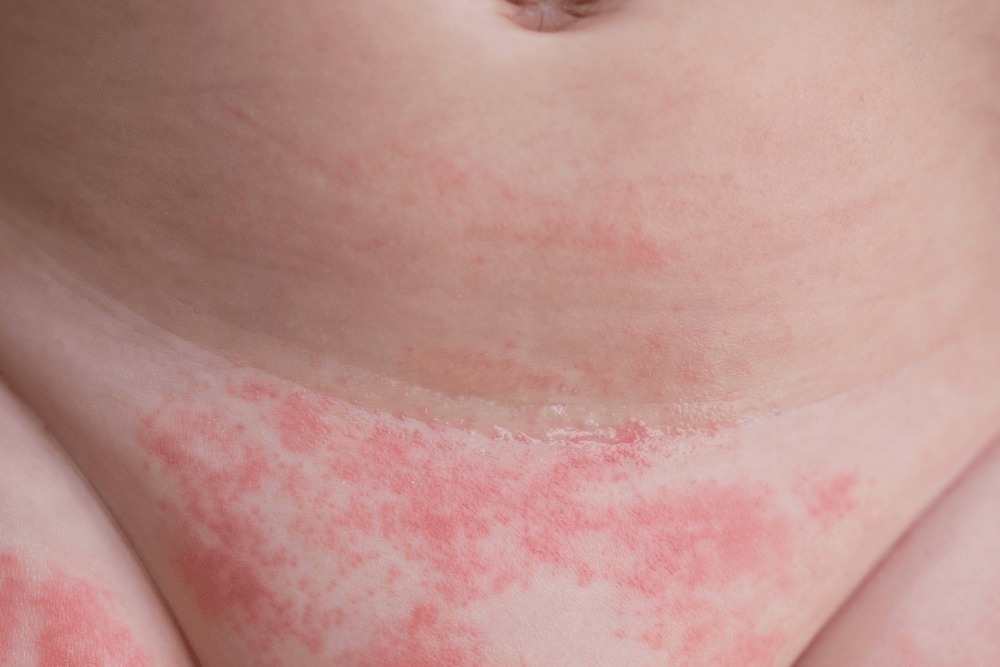
A recurring rash needs a second look at what happens around each flare: moisture or stool exposure, friction, a new product touching the skin, or a different cause of inflammation.
Short-lived improvement is frustrating after several creams and treatments. One parent described months of recurrence despite pediatric visits:
I’m at a loss at this point.. girl has had a diaper rash on and off for the past 4 months and I don’t know what to do. She has been to the ped 3x for it over the 4 months and he just says it comes and goes, air her out as much as possible and he gave us a prescribed cream. We used the cream and for a bit, it got better and then came back with a vengeance.
| What changes | What to reconsider | Tell the doctor |
|---|---|---|
| Redness improves briefly, then returns | Ongoing exposure or another underlying cause | How long it improved and when the next flare started |
| Redness follows a new wipe, diaper or cream | Contact sensitivity, irritation or friction | The new ingredients and the areas touching the product |
| A cream helps while you use it and the rash then returns, or the rash persists after earlier medical treatment | Whether the cause was resolved and whether the treatment plan needs review | What was prescribed, when you started and stopped it, and how the skin responded over time |
Your pediatrician can use these details to decide whether the current treatment fits or whether another condition needs evaluation.
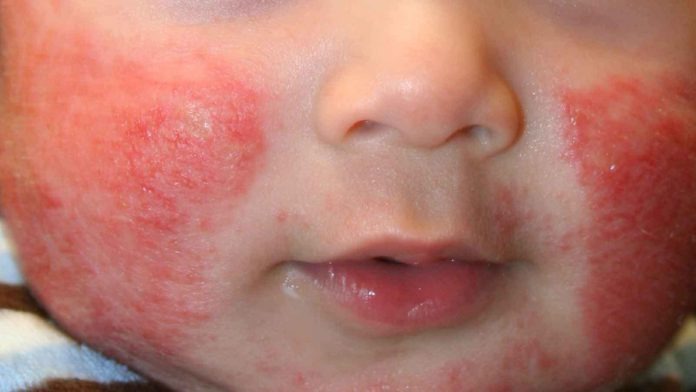
In a 2001 randomized trial involving 202 infants aged 2 to 13 months, 101 received a miconazole-containing zinc oxide/petrolatum formulation and 101 received its base for seven days. Both groups improved, while rash scores favored the active treatment on days 5 and 7 (p < 0.001), particularly among infants with Candida present at baseline and those with moderate or severe dermatitis at baseline.
The study tested one formulation in a defined group of infants. Your doctor decides whether targeted treatment fits your child.
How to prevent another flare and what to tell the doctor
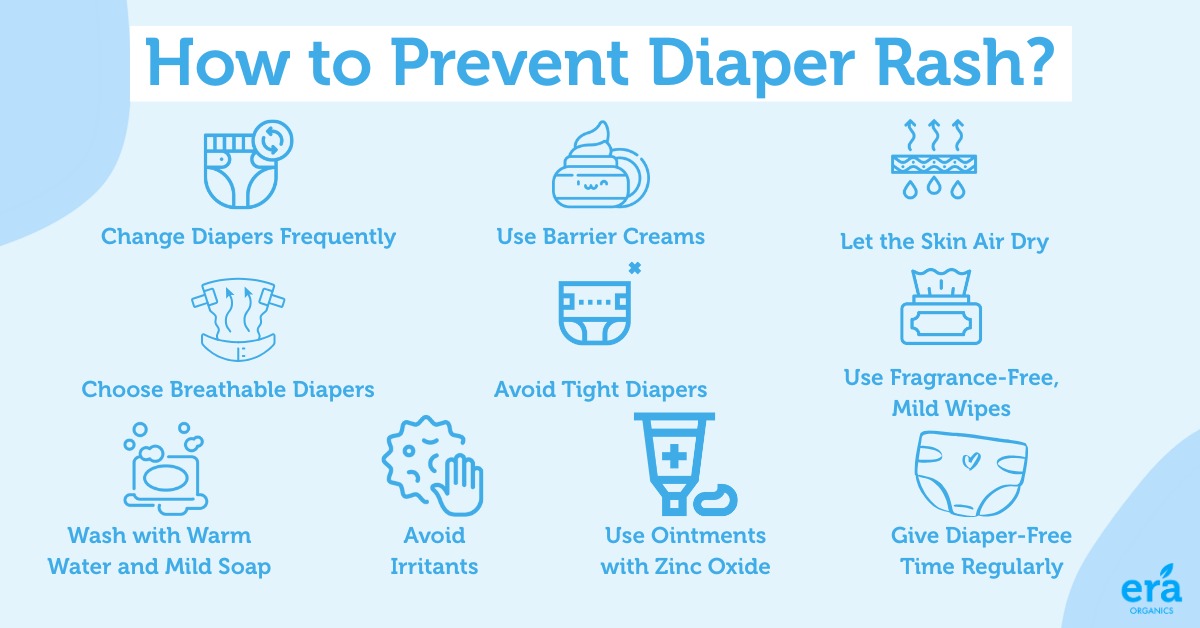
A consistent routine your baby tolerates limits the moisture and friction behind irritant diaper rash. It does less when the cause is an infection, a contact allergy or another skin condition.
For a persistent or unusual rash, bring a short account of what has happened to the appointment:
- Age and overall condition: Your baby’s age, any fever or other signs of illness, and changes in feeding or wet diapers.
- Rash onset and location: When it started, where you see redness or skin damage, and whether new areas are involved.
- Stool changes: Whether stools are as usual or have become unusually watery or frequent.
- Products and medicines: Diapers, wipes, creams, newly introduced ingredients and any prescribed treatment so far.
- Response over time: What improved, when symptoms returned and which change worries you most.
This list follows Mayo Clinic’s diaper-rash appointment guidance.

Would a photo of the rash help my pediatrician?
A photo shared privately shows how the rash looked before the appointment, especially if it has changed. The doctor still needs your baby’s history and an exam to find the cause. Keep identifiable pictures of a child’s diaper area off public forums.