
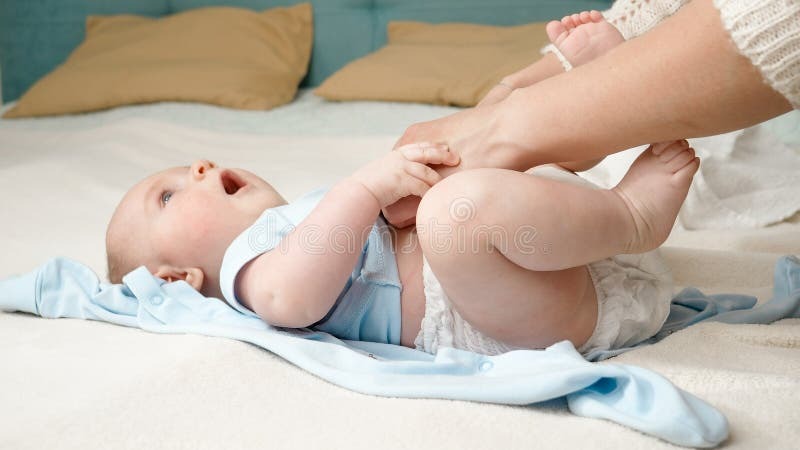
For an everyday disposable diaper, set your supplies within reach, keep your baby supported, wipe front to back, fasten the fresh diaper with its leg cuffs out, and wash up afterward. Once your baby starts rolling, a protected floor setup is the safer default.
Get set up before you open the diaper
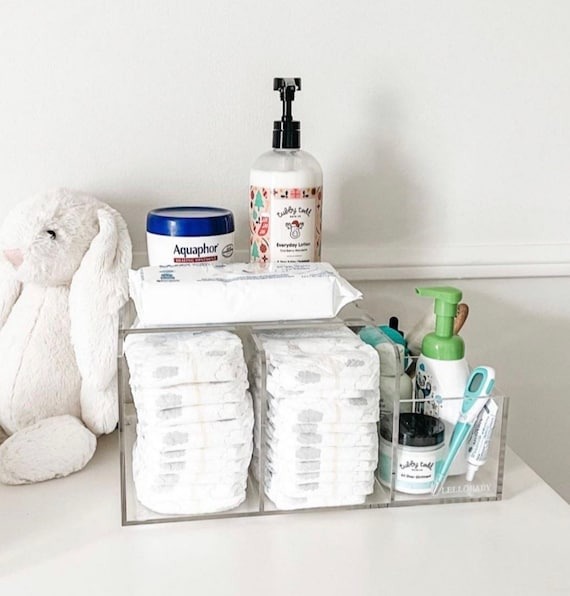
Lay out everything before you open the dirty diaper: a fresh diaper, wipes (or soft cloths and water), and a place for the waste. If surprise pee or a blowout has caught you out before, keep a spare cloth and a clean onesie close too.
Pick a stable, protected surface. On a raised table, keep a hand on your baby and never step away for supplies. A safety strap does not make it safe to leave your baby alone.
Unfold the fresh diaper nearby so it’s ready when the dirty one comes off, and keep barrier cream within reach if your baby needs it. The American Academy of Pediatrics’ changing guide gives a second walkthrough.
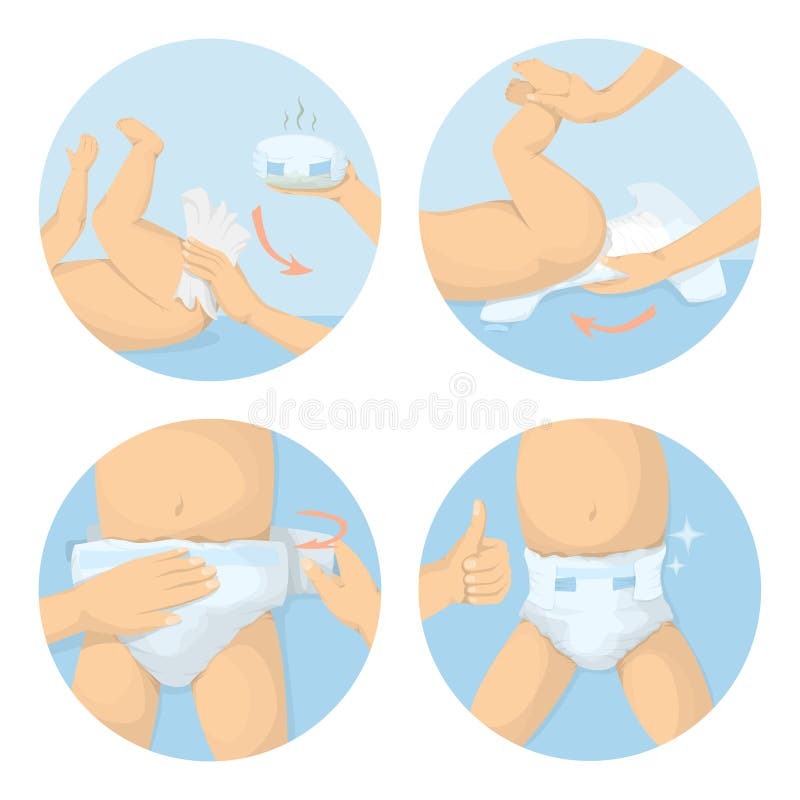
Changing a disposable diaper, step by step
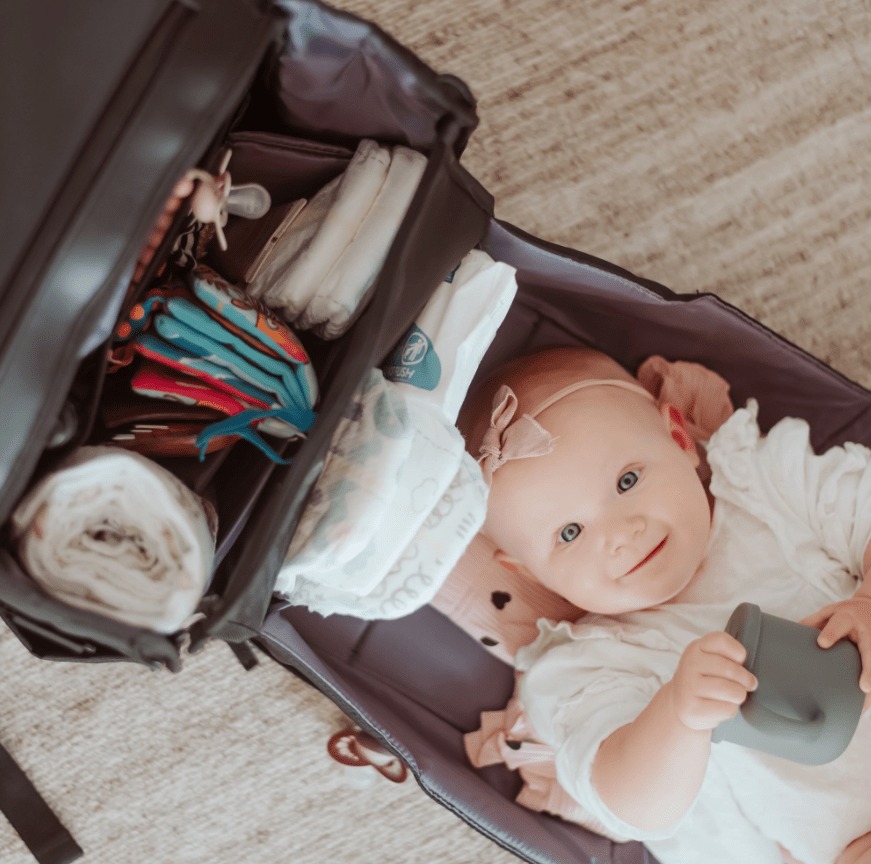
Keep the used diaper under your baby while you open the tabs, so it catches the first mess. Then clean front to back, moving to a fresh part of the wipe as you go.
| Move | What to do | What you’ll see |
|---|---|---|
| 1. Open | Unfasten the tabs and leave the dirty diaper under your baby for now. | It can still catch urine or stool. |
| 2. Contain | With a poopy diaper, scoop most of the stool with a clean part of the old diaper and fold the dirty side in. | Stool stays away from cleaned skin. |
| 3. Clean | Wipe front to back, skin folds included. Let the skin air-dry or pat it, and add barrier cream if you use it. | No stool left in sight. |
| 4. Remove | Wrap the used wipes inside the dirty diaper and drop both in the lidded, plastic-lined trash can within reach, keeping your baby supported. | The waste is sealed away before the fresh diaper goes on. |
| 5. Replace | Slide the tabbed back of the clean diaper under your baby’s bottom, bring the front up between the legs, and fasten the tabs at the front. | The front panel sits centered and covers the diaper area. |
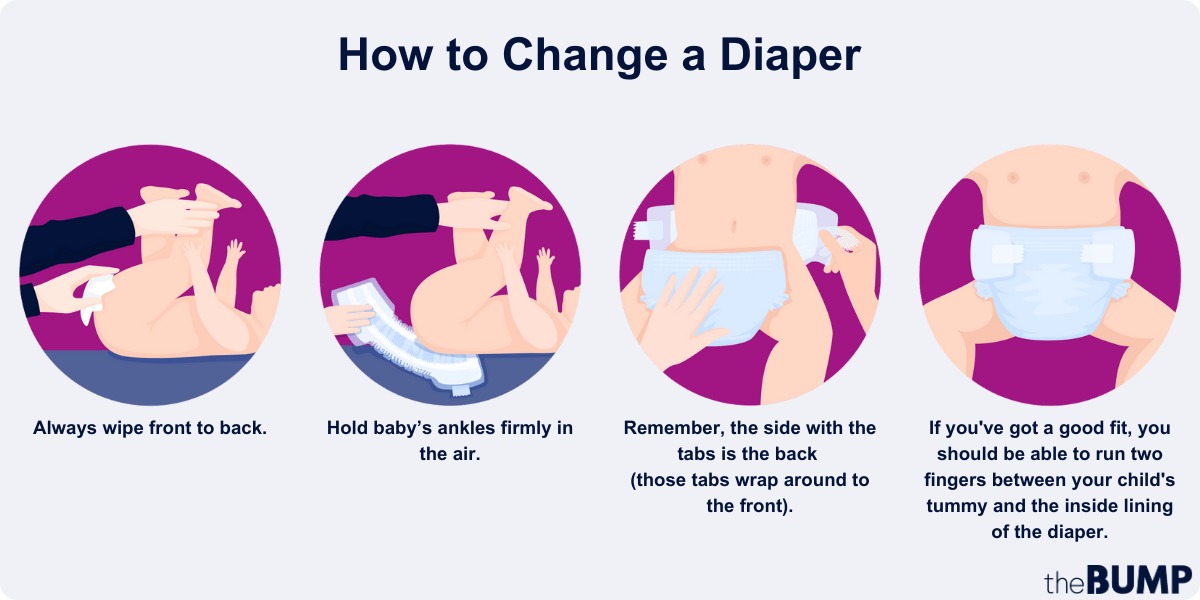
Clean thoroughly after a wet diaper too, and with stool clear the skin and folds as well. On irritated skin, don’t rub hard; it only makes the area more uncomfortable.
Checking that the clean diaper fits
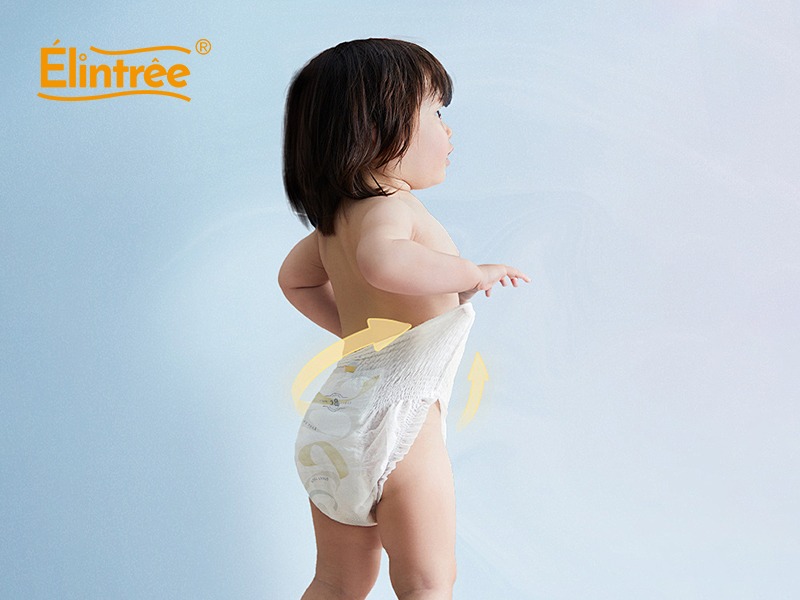
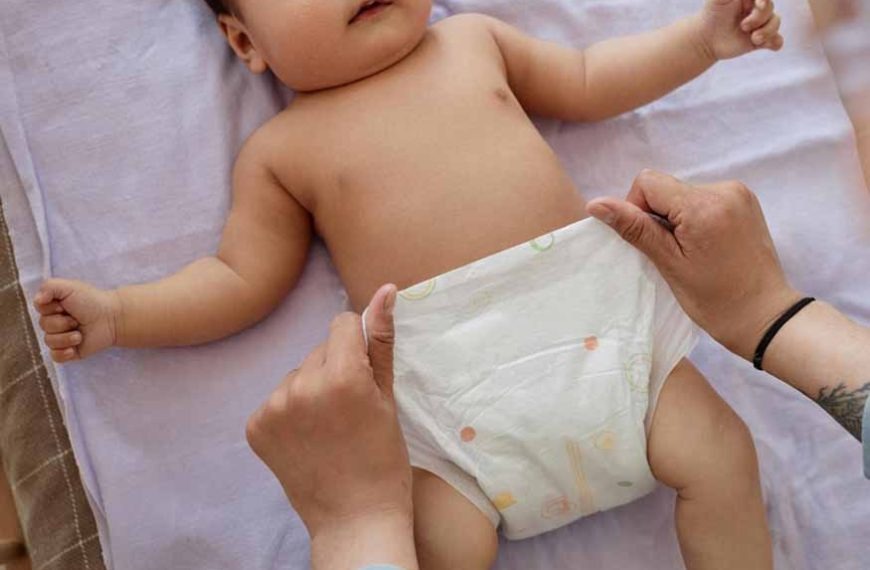
Before you dress your baby, look at the tabs, waist and leg cuffs. A diaper can look fastened while one cuff is tucked under, leaving a gap at the leg.
| Check | What you see | Fix |
|---|---|---|
| Tabs | One side is pulled farther than the other. | Center the front panel and refasten the tabs evenly. |
| Waist | It gaps or presses too tightly. | Adjust it so it covers comfortably and lets your baby move. |
| Leg cuffs | A cuff is folded in or trapped under the edge. | Free it and check both legs. |
If a leak shows up at one leg, check for a folded cuff or uneven tabs before you switch diaper styles.
What changes for newborns, girls and boys
The wipe-and-replace routine stays the same. A few adjustments cover newborn anatomy and healing skin. For newborn bathing, diaper changes and cord care side by side, use Newborn Care Basics for the First Month.
| Situation | Adjustment | Note |
|---|---|---|
| Healing umbilical cord stump | Fold the front edge of the diaper down below the stump to keep it dry. | A diaper change is not cord-wound treatment. |
| Baby girl | Clean the outside of the diaper area, skin folds included. | Outside cleaning is enough for an ordinary change. |
| Uncircumcised baby boy | Clean the outside gently. | Never pull the foreskin back by force. |
The AAP has separate guides on umbilical cord care and uncircumcised penis care if you need more detail than an ordinary change covers.
If your baby has circumcision aftercare instructions, follow those for the healing area. Call your child’s clinician about a cord stump concern or genital irritation that doesn’t go away. More on the stump is in umbilical cord care.
If your baby pees mid-change
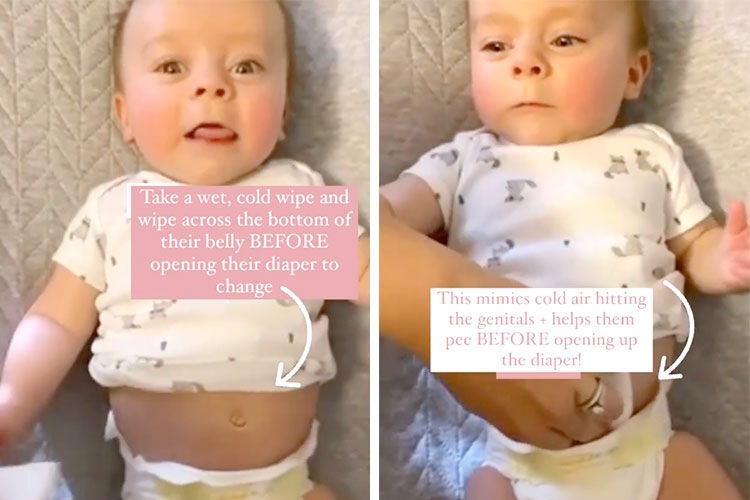
Babies of either sex can pee while the diaper is open. Hold an absorbent cloth or the old diaper ready to catch what you can, and keep it clear of your baby’s nose and mouth.
A parent on r/newborns described this in June 2024 with a five-day-old.
FTM to a beautiful 5 day old baby girl. When we go to change her diaper, she starts peeing as soon as it’s off and the air hits her. What’s the deal with that?! We go through so many onesies a day 😅 are there any tricks to getting her to pee BEFORE the diaper is off? I’ve seen people talk about wiping her tummy with a cold wipe – that hasn’t seemed to work so far. Any and all diaper-related trips and tricks are welcome!
If urine reaches the onesie, changing pad or your baby’s skin, change the wet fabric and clean and dry the spot before you fasten a fresh diaper. Keep a second clean diaper handy in case the first gets soaked before you can fasten it.
Containing a messy or explosive poop
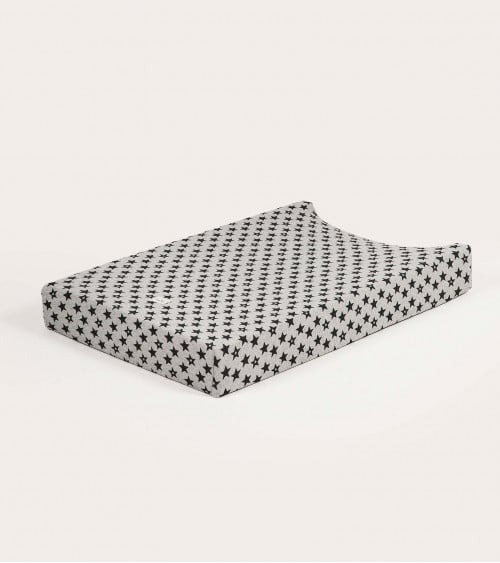
If your baby passes more stool while the diaper is open, catch what you can in the used diaper or a wipe, and keep it off skin you’ve already cleaned. A cloth or protective changing cover helps when stool gets past the diaper.
A parent on r/daddit described a newborn diaper change that went far beyond the diaper.
Changing the 1.5 week old bundle of joy, when she toots and a little something extra comes along with it. No big deal.
Then she looks up at me and grunts and projectile craps so hard into a wipe I was holding. It was so loud and so strong. Poo went all over me, slid down her back, all over the floor, her face, her onesie, just everywhere.
My son and wife were getting some well needed and deserved rest, so it was just dirty dad and daughter to get cleaned up.
Please tell me I am not the only one this happens to.
Once your baby is taken care of, check the clothes, mat, floor and your hands for stool. Set soiled clothes aside for the wash and leave cleaning the surfaces until your baby is settled.
When your baby keeps peeing or pooping mid-change
Change wet or poopy diapers promptly, especially when stool is on the skin.
Sometimes another bowel movement starts just as you open the tabs. Leave the used diaper in place to catch it, then clean the newly soiled area before the fresh diaper goes on.
If redness lasts or your baby seems uncomfortable, see diaper rash guidance or ask the child’s clinician about the skin.
Rolling and squirming babies
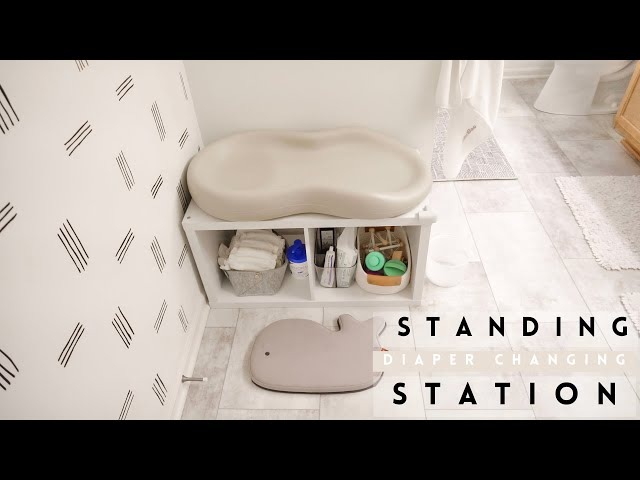
Once your baby twists or rolls during changes, move to a protected mat on the floor. There’s no table height to fall from.
If your baby turns midway through wiping, pause and get them into a safe position before you finish. A calm voice or an age-appropriate distraction can keep a moving baby engaged, as long as you stay beside them and focused on the change.
For hazards elsewhere in the home, see babyproofing a home.
Calmer changes when your baby protests
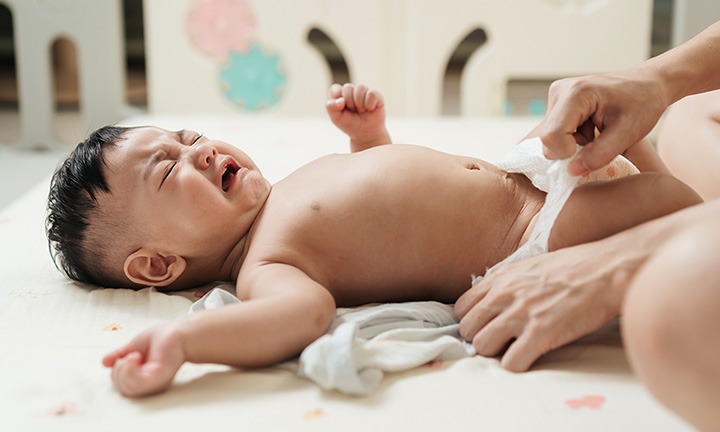
If your baby cries or resists, slow down, speak calmly, and check for obvious discomfort from the surface, clothes or diaper area. Simple engagement can help. If distress continues, the skin looks painful, or other symptoms worry you, ask your child’s clinician. For diaper changes, bathing routines and crying, see Everyday Baby Care: What to Do and When to Call.
Cleaning up afterward
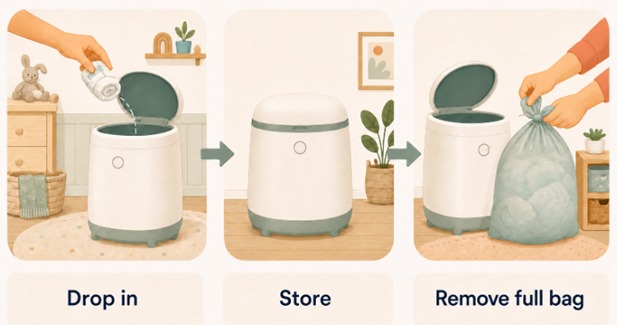
The CDC’s at-home diaper-changing procedure calls for washing your child’s hands with soap and water once the clean diaper is secured. Put your baby somewhere safe and supervised before you handle the changing space.
Clean and disinfect a contaminated waterproof surface following the product’s instructions, then let it air-dry. Swap a soiled fabric cover for the wash, and clean any floor the mess reached. Wash your own hands with soap and water when you’re done.