
A healthy, full-term baby needs a simple loop in the first month. Feed on hunger cues, change and clean as needed, offer comfort, then lay your baby down on a safe sleep surface. Track feeding, diapers, and alertness. A concerning temperature, breathing trouble, difficulty waking, or any other warning sign calls for medical help. Otherwise, keep the early pediatric visit.
Set up the basics before you pick up the baby
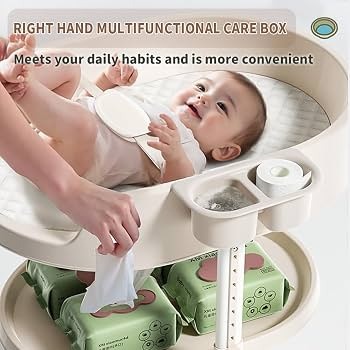
A newborn can’t control the head and neck yet. Support both whenever you lift, carry, or reposition your baby, with your other hand or arm under the body.
Before you put your baby down on the changing station:
- Clean hands: Wash before routine care, especially before preparing a feed and changing a diaper.
- Supplies at hand: Set out a fresh diaper, cloths or wipes, and clean clothing. You can’t turn away from a baby on a raised surface to fetch them.
- Safe position: Keep an adult within reach and never leave a newborn alone on a changing table or another raised surface.
If your baby came home with medical equipment or specific handling, feeding, monitoring, or positioning instructions, follow your care team’s plan. It overrides every general step in this guide.
What a newborn day and night look like
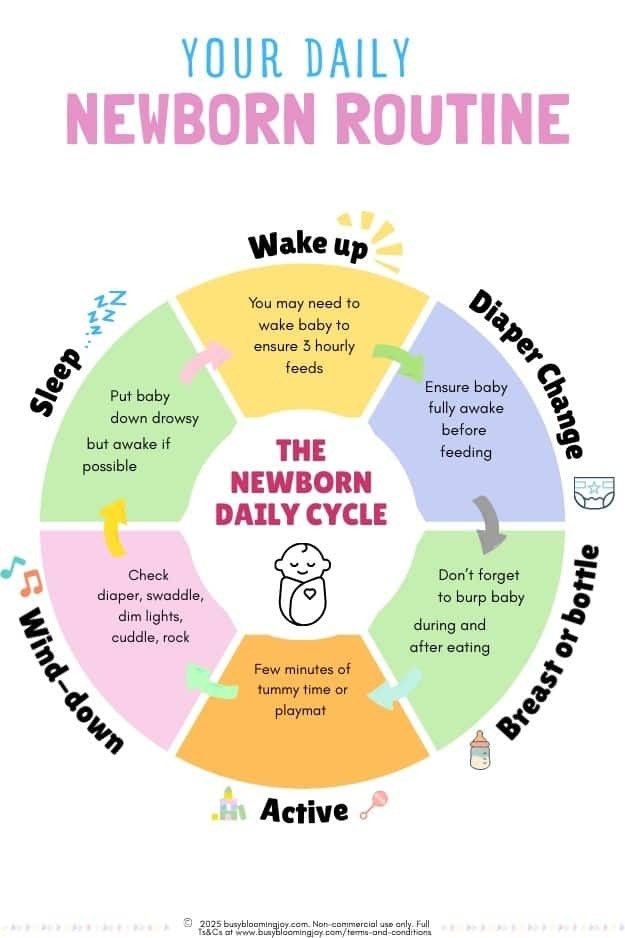
Newborn days don’t run on a clock. Watch for a cue, feed, change or clean as needed, offer comfort, and lay your baby down to sleep. Then repeat.
Say your baby wakes and starts rooting. After the feed you find a wet diaper, and once it’s changed, your baby settles in your arms before going into the bassinet. The full routine is in How to Change a Baby Diaper: A Safe, Simple Step-by-Step Guide.
Here’s what the first day home looked like for one new father:

Hey everyone my wife and I had our first kiddo on the 6th so to be fair we have no idea what we’re doing. Got sent home from the hospital today, wifey and I are fully exhausted. About 5 hours of sleep in 48 hours. I’m doing everything I can to help her out, staying up making sure the baby is okay I’ve made dinner, hand the lil man over to her whenever the time frame is to eat. Change diapers. You name it. She’s slept a couple of hours and I feel happy about that. I feel like I can’t sleep because she deserves rest more than I do The problem is the little guy does not want to sleep unless he is on her breast. She’s constantly having to get up and try to feed because he’s starting to cluster feed. I try to put him in the crib or bassinet and he just screams his lungs out. I have no idea how to help or if I’m ever going to get any sleep but it’s all worth it
When two adults are this tired, a perfect schedule isn’t the goal. Plan the next small task and line up some help.
Feed your newborn and watch the signs that matter
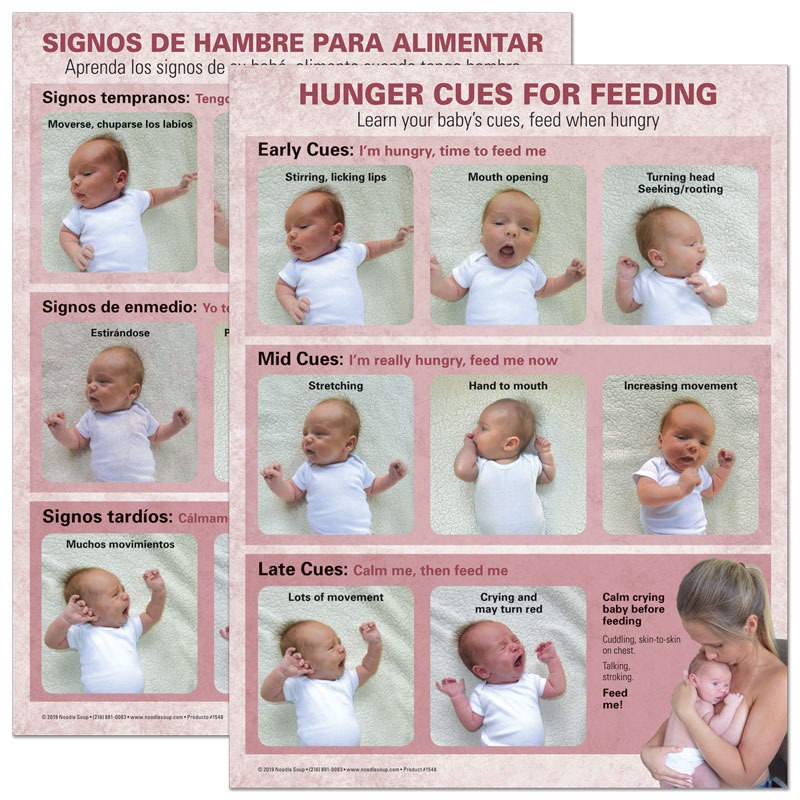
Judge feeding by the whole picture: how your baby feeds, diaper output, behavior, and the weight trend your doctor checks. Early hunger cues are rooting, lip licking, and hands moving toward the mouth.
Breastfeeding and formula-only feeding have different reference patterns. Combination feeding and prescribed plans depend on how you actually feed and on your baby’s circumstances.
| What you observe | Reference point |
|---|---|
| Breastfeeding frequency | CDC describes about 8 to 12 feeds in 24 hours. |
| Swallowing while breastfeeding | Look and listen for swallowing during a feed. |
| Formula-only feeding in the first days | CDC describes starting offers of 1 to 2 US fl oz every 2 to 3 hours. Adjust to hunger cues and your doctor’s instructions. |
| Diapers in CDC breastfeeding guidance | By days 5 to 7, at least 6 wet diapers and 3 stools in 24 hours. |
| Weight after birth, in CDC breastfeeding guidance | Birth weight returns around days 10 to 14. Your doctor assesses the actual trend. |
Get help if breastfeeding isn’t working, diaper output is low for your baby’s age, or weight loss continues after day 5, as the CDC’s newborn breastfeeding guidance advises.
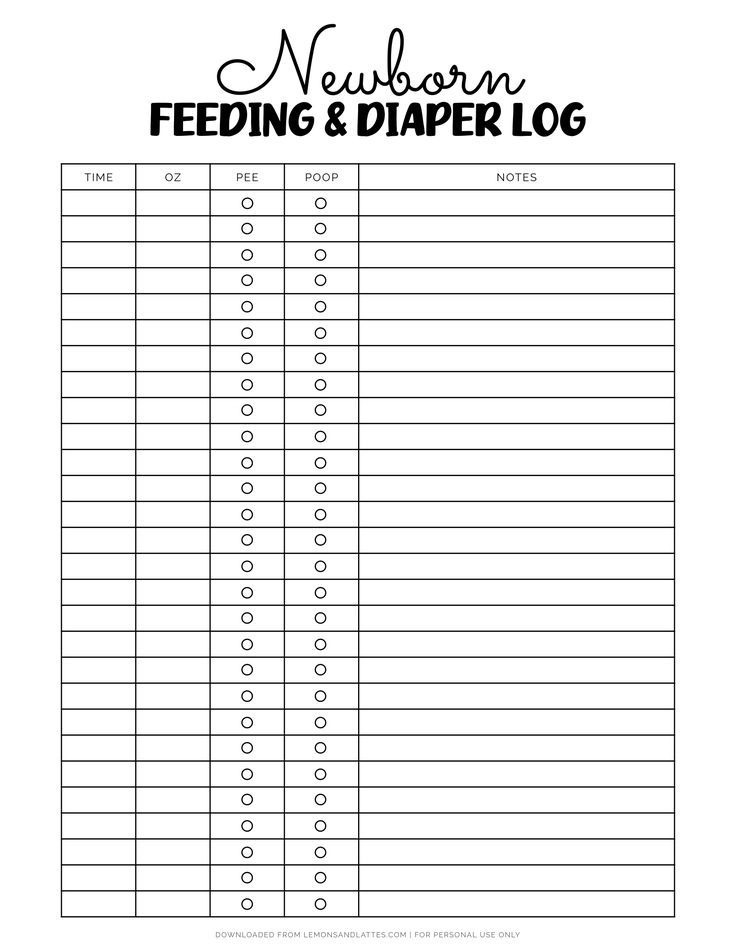
Keep a short record so that conversation stays specific. Note the time and type of feeds, swallowing when breastfeeding, wet and dirty diapers, and anything that worries you.
For feeding methods and troubleshooting, see how to tell whether a newborn is feeding well.
Diapers, sponge baths, and the umbilical cord

Clean the diaper area at each change and keep baths gentle while the umbilical stump heals. The American Academy of Dermatology recommends sponge baths until the stump falls off and the area heals. With regular diaper-area cleaning, bathing about two to three times a week is enough. Diaper changes, bathing routines, and crying are covered in Everyday Baby Care: What to Do and When to Call.
For a sponge bath, have lukewarm water, a soft washcloth, mild fragrance-free soap, and a towel ready. Keep your baby warm and supervised throughout. A separate guide explains how to bathe a newborn before the cord heals.
Keep the cord stump clean and dry and fold the diaper below it. Routine rubbing alcohol isn’t needed. The stump separates within about three weeks, so ask the pediatrician if it’s still attached after that.
What to notice around the cord
Call your pediatrician if you see:
- Red skin around the cord base
- Foul-smelling yellowish discharge
- Tenderness or apparent pain when you touch it
Call your baby’s doctor immediately for active bleeding from the stump. A few drops of blood can occur when the stump separates naturally, but ongoing bleeding needs assessment.
A wet stump worried one parent the day after a bath:
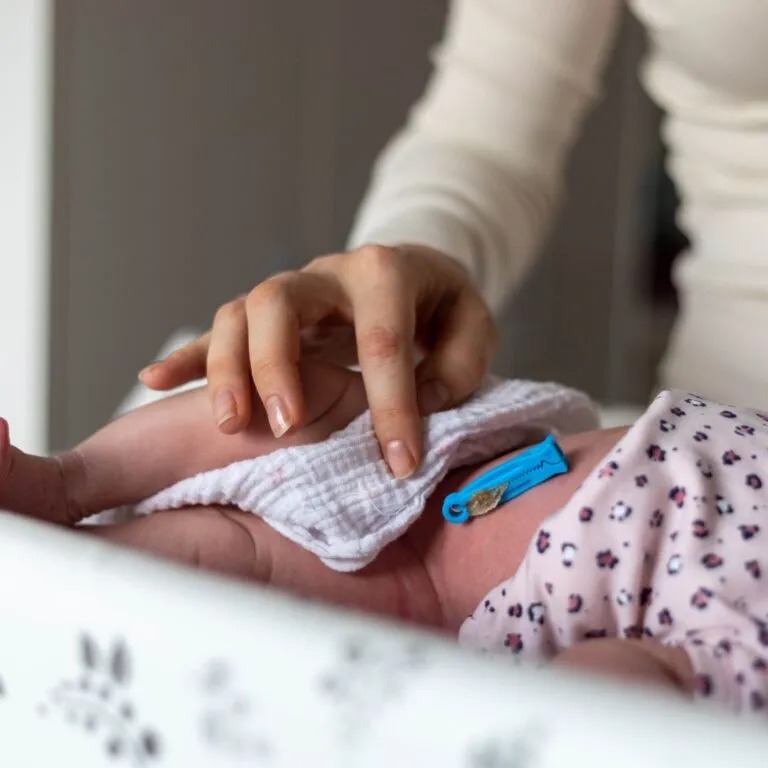
I gave my baby her first bath at 5 days old bc she had a blowout, and I accidentally poured water over her stomach trying to completely clean her. She wasn’t submerged in water and I took her out and pat dried the umbilical cord stump then air dried it. The next day (today) I noticed a fowl odor coming from it. It looks the same and there’s no redness, no tenderness and no puss. The only thing is the odor. It’s fishy and rank.
Safe sleep and soothing when your baby won’t settle
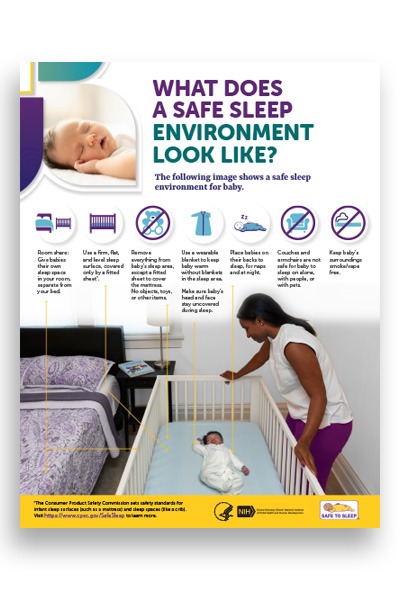
Lay your baby on the back for every sleep, on a firm, flat mattress in a compliant crib, bassinet, or play yard. Use a fitted sheet and leave the rest of the sleep surface empty.
The American Academy of Pediatrics recommends sharing a room for at least the first six months, with your baby on a separate infant sleep surface. Bed-sharing is not recommended.
- Blankets, pillows, bumpers, or toys in the sleep area: Remove them.
- Baby falls asleep in a stroller, carrier, swing, or car seat: Move your baby to a firm, flat sleep surface as soon as practical. Those devices aren’t routine sleep surfaces.
- Baby settles while being held: Hold and comfort only while you stay awake and attentive.
The AAP’s safe sleep guidance identifies a sleep surface inclined more than 10° as unsafe for infants.

If your baby cries when you put them down, check for hunger, a wet diaper, or a need for comfort. Try gentle rocking, walking while holding the baby, or singing softly. If frustration feels overwhelming, lay your baby on their back in the safe crib, step away briefly, and ask for help. Never shake or hit a baby.
If you feel sleepy, return your baby to their separate sleep space. Don’t fall asleep holding a baby on a sofa or soft armchair. If you might doze off while feeding on an adult bed, first clear pillows, blankets, and other soft items away from the baby, and if you do fall asleep, move your baby back to their own sleep space as soon as you wake. That reduces risk in an unplanned situation. A separate infant sleep surface remains the place for every sleep.
For a detailed environment review, use the infant safe sleep checklist.
When routine care stops: warning signs and urgent help

The AAP describes rectal temperature readings as the most reliable for young infants. Ear thermometers aren’t recommended under six months.
| What you notice | What to do |
|---|---|
| Dangerous trouble breathing, unresponsiveness, or a baby who cannot be awakened | In the United States, call 911 for emergency medical help. |
| Baby is unusually hard to awaken or too weak to suck or feed, but still responds | Go to an emergency department immediately. |
| Rectal temperature at or above 100.4°F (38°C) in a newborn younger than three months | Contact the pediatrician immediately and go to an emergency department right away, even if the baby otherwise seems well. Don’t wait for a routine appointment or a return call. |
| Ongoing feeding difficulty, concerning diaper output, worsening yellowing, or cord warning signs without an emergency symptom | Contact a clinician promptly for assessment. |
| Routine questions without warning signs | Ask at the scheduled pediatric visit or through the usual office contact route. |
Yellowing is harder to judge by skin color in babies with darker skin tones. A clinician may need measurements to assess jaundice, particularly when the yellowing seems to worsen or feeding is affected. Serious illness doesn’t always cause fever, so a baby who looks dangerously unwell needs immediate attention whatever the temperature.
The first-week checkup and what to bring to it

The American Academy of Pediatrics describes a first-week newborn checkup around days 3 to 5, covering feeding, weight, screening results, and safety. Confirm the date from your discharge instructions, since your baby may need an earlier visit or extra weight or bilirubin checks. Bring the discharge papers, your feeding and diaper notes, and a short list of concerns about feeding, waking, skin color, or cord appearance. Urgent symptoms need care before the appointment.
Make the first month workable for the adults, too

A newborn leaves little room for meals, laundry, sleep, or a quiet hour. When another caregiver is available, split specific jobs. One person handles feeds while the other takes diapers, meals, clothing, or errands. Swap roles when needed.
If you’re the only adult at home, help might mean a relative or friend dropping off groceries or taking a load of laundry without staying for a visit. Ask for one task at a specific time: “Could you bring dinner tomorrow?”
Choose one household chore to postpone and one concrete task to hand to someone. If exhaustion makes safe caregiving difficult, arrange practical support right away. A caregiver in a mental-health crisis or unable to keep the baby safe needs professional or emergency assistance.