
Start with the task in front of you: diapering, cleaning, cord care, or soothing. If your baby seems ill or shows a warning sign, call your pediatrician first.
What kind of baby care do you need right now?
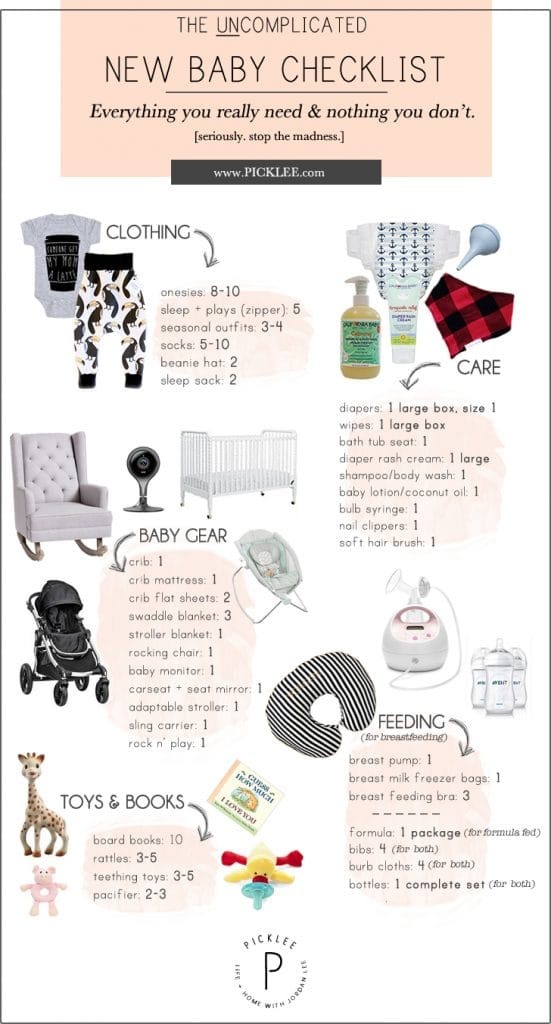
A wet diaper, a baby who cries during every change, and a cord stump that needs cleaning each call for a different response. Newborn Care Basics for the First Month compares newborn bathing, diaper changes, and cord care side by side.
| What you notice | What matters first | Go to |
|---|---|---|
| Wet or dirty diaper | Cleaning and hygiene | Diaper changes |
| Repeated blowouts or diaper-area redness | Fit or skin condition | Leaks and irritation |
| Crying during a change | Clothing, handling and discomfort | Changing-time distress |
| Baby needs washing | Sponge or tub bath, depending on the cord | Bathing choices |
| Umbilical stump needs routine care | Dryness and any changes you can see | Cord and skin folds |
| You are overwhelmed by crying | A safe place for baby, and support for you | Taking a break safely |
| Baby seems ill or has a concerning cord symptom | Getting medical advice | When to call |
Get ready before the diaper change or bath
Once your baby is on a changing surface or in bathwater, a trip to another room for a diaper or towel creates an avoidable safety problem. Gather everything first.
- For a diaper change: Keep a clean diaper, wipes or water, a container for used supplies, and spare clothes within reach.
- For the changing surface: Keep one hand on your baby on an elevated surface. A changing-pad strap does not make it safe to walk away.
- For a bath: Set out the washcloth, towel, clean clothes, and bathing supplies before your baby goes in the water. Stay with your baby throughout.
- For disposal and cleanup: Contain used diapers and wipes, then follow the CDC’s home diaper-changing steps.
The CDC’s April 16, 2024 home-changing guidance covers cleaning the child’s hands and the contaminated changing surface, then washing your hands. Full instructions are in How to Change a Baby Diaper: A Safe, Simple Step-by-Step Guide.
Diaper changes, unexpected leaks, and irritated skin
For an ordinary change, wipe the soiled area gently from front to back, remove the dirty supplies, and put on a fresh diaper. Travel, car seat, and packing advice is in Traveling With a Baby: What to Plan, Pack, and Check.
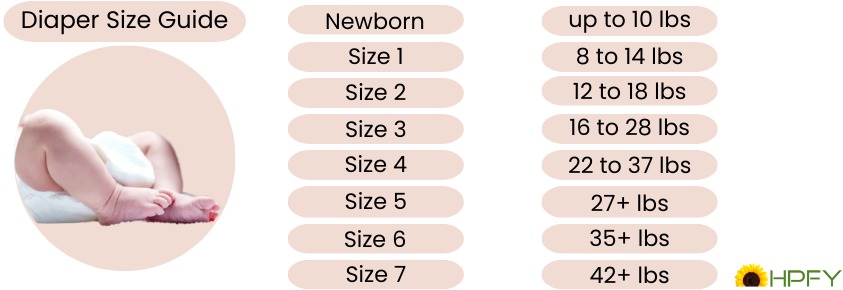
Weight ranges on the pack are only a guide. If stool keeps escaping, check the fit before you buy more of that size.
One parent stocked up before finding the right fit:
Size up on diapers when there’s a blowout. Don’t stock up in bulk yet, but always have a few of the next size up ready. I stocked up on size newborn & 1 diapers, and stubbornly refused to size up because my baby was within the weight guidelines for that size, even though almost every poop was a blowout for weeks. I finally relented and donated a ton of smaller diapers. Every baby has a different body type, just like every adult, don’t stock up until you know what’ll fit your baby, especially since they grow SO FAST in the beginning. After a few months & growth slows, you can stock up.
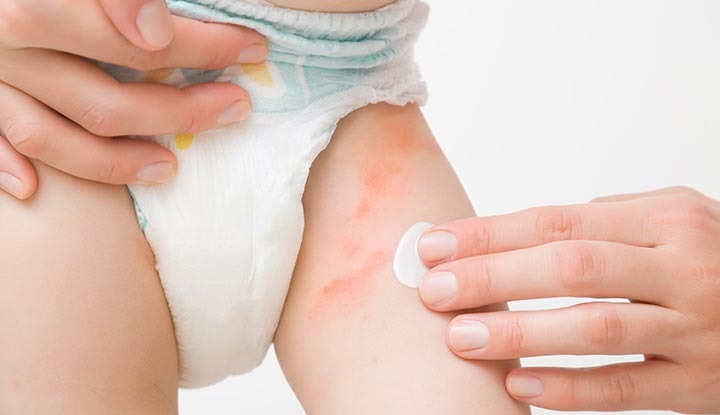
Skin irritation needs its own response. Urine, stool, and prolonged moisture can irritate the diaper area. The American Academy of Pediatrics recommends gentle cleansing and frequent changes, with protective barriers such as zinc oxide or petrolatum.
Contact your pediatrician if the diaper area develops open sores, oozing or crusty patches, blisters, or a rash that is worsening or persists. Also check the diaper when your baby has been quiet. Full rash care steps are in Baby Diaper Rash: How to Care for It and When to Call the Doctor.
When diaper or clothing changes make your baby cry
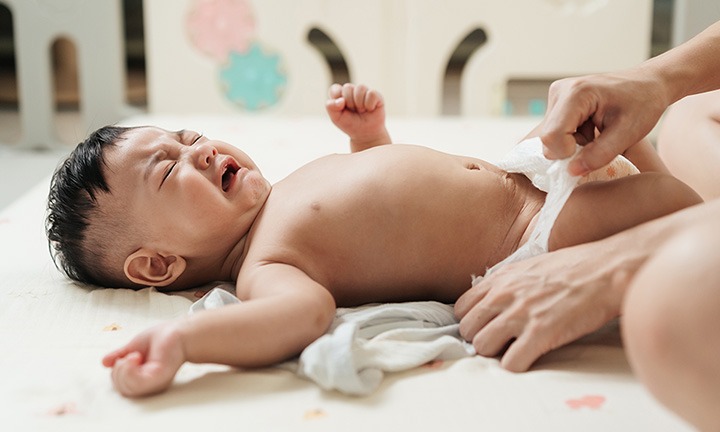
Newborns can get extremely upset during a diaper or clothing change, even with gentle handling. Watch what happens just before the crying starts and whether anything else seems wrong. How to Soothe a Crying Baby (and What to Check First) covers crying episodes, feeding cues, and support for you.
A parent of a one-week-old asked about this:
My son is just a week old, and anytime we try to change his clothes or diaper, he absolutely loses his mind. We’re trying to be as gentle as possible, but no matter what we do, he screams bloody murder the moment we take off his diaper or clothes. Is this normal? Are we doing something wrong? Any tips to make this process easier (for him and us)? I just don’t know what else to do. We’re seeing our pediatrician tomorrow for a checkout so I am going to ask them too. Just trying to get an idea if people have experienced this.

Check whether a fastener rubs, clothing catches, or your baby gets upset at one part of the change. Move deliberately and gently, and talk or sing softly to help your baby settle. Clothing sizes and laundry are covered in How Many Newborn Clothes Do You Need? Sizes, Outfits and Laundry.
Keep improvised heating devices and hot surfaces away from the changing area. If the crying is new and unusually intense, or comes with signs of illness or pain, contact your pediatrician. For emergency symptoms, see when to get immediate help.
Bath, sponge bath, or a quick clean-up?
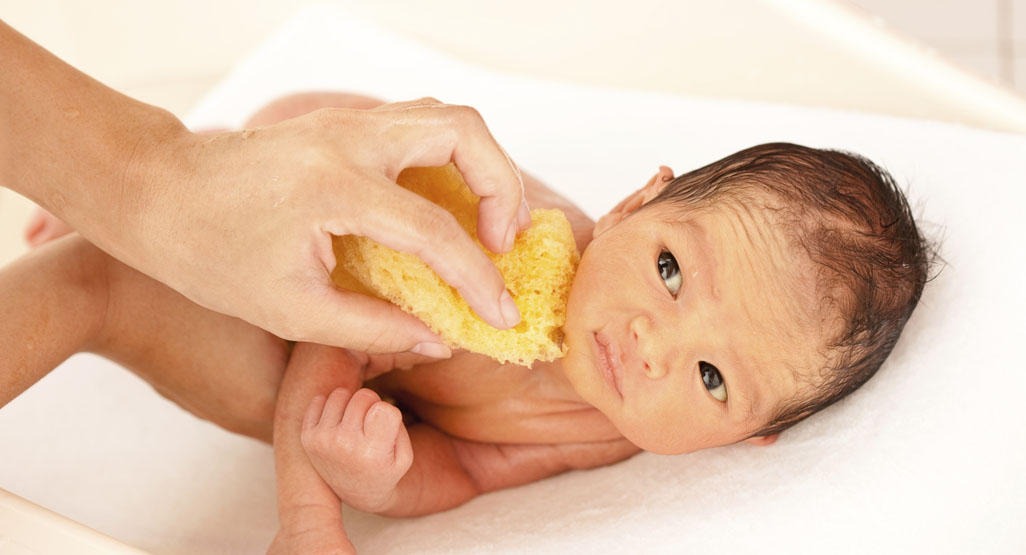
A small mess does not need a full bath. The table below shows which wash fits each situation.
The AAP’s newborn bathing guidance says three baths a week can be enough in the first year. Daily full baths aren’t required.
| Situation | Approach | Condition that matters |
|---|---|---|
| A small mess | Clean the affected area | A full bath is optional |
| Cord stump still attached | Sponge bath | Keep the stump clean and dry |
| Stump has fallen off | Infant tub bath | Umbilical area has healed |
| Baby becomes distressed in the tub | Return to sponge bathing for now | Handle your baby carefully |
| Clinician has given individualized skin instructions | Follow that care plan | Their advice sets how often and how to wash |
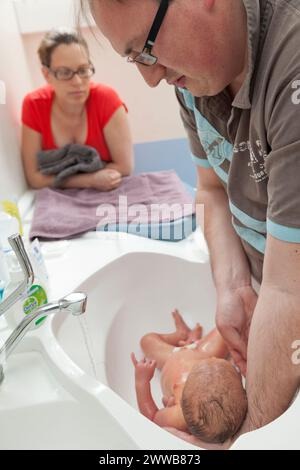
Check that the bathwater feels warm, not hot, against the inside of your wrist or elbow. Never leave a baby alone in bathwater, even briefly. A bath seat cannot replace adult supervision. If you must leave, take your baby with you. Details for each option are in How to Bathe a Newborn Safely: Sponge Bath and First Tub Bath.
What should you watch around the umbilical cord and skin folds?
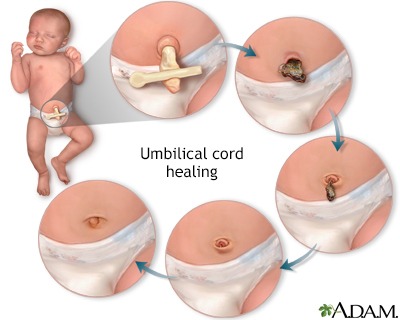
Keep your baby’s cord stump clean and dry, with the diaper folded below it. The AAP does not recommend routine rubbing alcohol. The stump usually separates after about one to two weeks, and a few small blood spots can appear around separation.
Active bleeding means you contact your baby’s doctor immediately. Red skin at the cord base, foul-smelling yellow discharge, or pain when you touch the stump also needs a pediatric assessment. Cord hygiene and infection signs are covered in Umbilical Cord Care for Newborns.
During ordinary washing, gently clean neck folds and other skin creases.
What if the crying continues and you need a break?
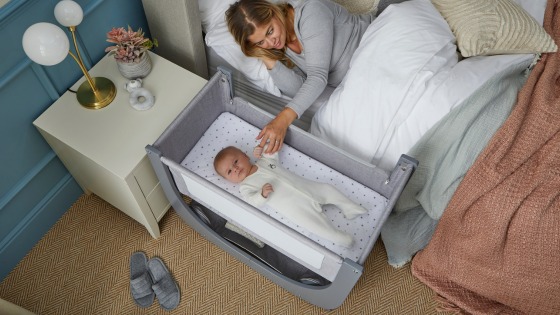
A baby can stay upset after a clean diaper and a fresh outfit. The AAP advises checking immediate needs and discomfort. Its guidance on responding to crying includes gentle holding, rocking, talking, and singing.
If you feel too overwhelmed to continue safely, place your baby on their back in a crib, bassinet, portable crib, or play yard with a firm, flat sleep surface and no loose bedding or soft objects. A couch, baby lounger, or infant seat is unsafe as a substitute. Then step away briefly and ask someone you trust for help. Baby Care Guide: What Matters Now, From Newborn to Age 2 covers feeding, sleep, and developmental milestones.
Never shake or hit a baby.
If feeling overwhelmed keeps coming back or becomes hard to manage, seek professional support.
When to call the pediatrician and which guide to use next
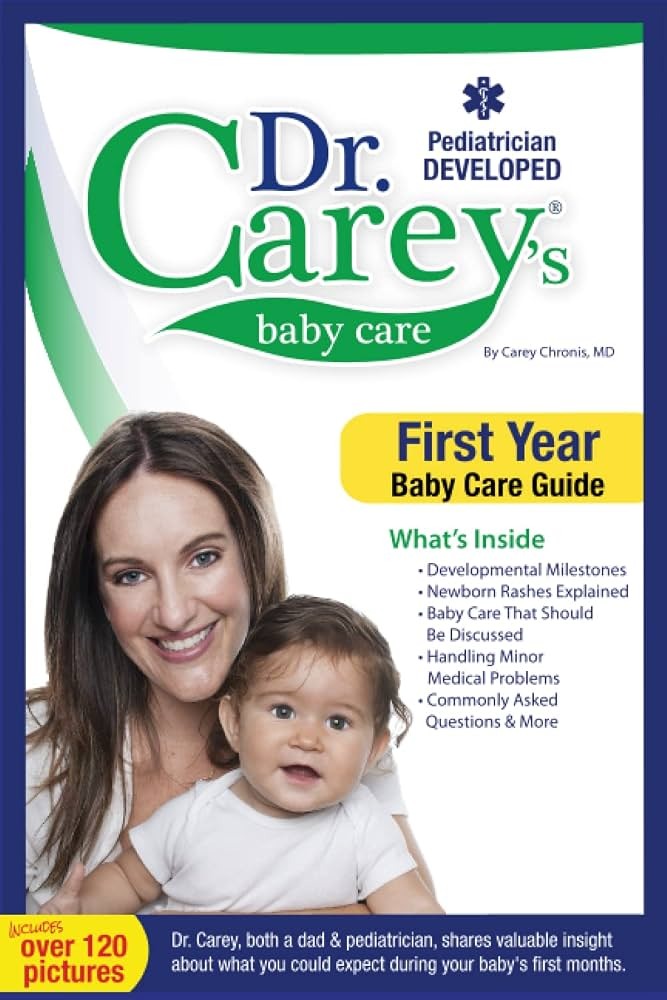
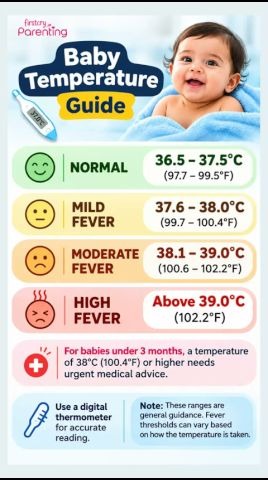
For a baby 3 months old or younger, the AAP advises calling the pediatrician immediately for a rectal temperature of 100.4°F (38°C) or higher, even without other obvious symptoms.
Rectal measurement is the most reliable method for young infants, according to the AAP fever guidance. Other serious illness signs need assessment even without a fever. Difficulty breathing or unresponsiveness requires emergency help, including calling 911 in the United States.
No warning sign? Go back to the care-task navigator.