
If your newborn seems well and the stump is drying, keep the area clean and dry and let the stump fall off by itself. Get medical care now for spreading redness, a red streak, bleeding that will not stop, fever in a young infant, or a baby who looks seriously unwell. Other drainage, tenderness, or small bleeding that keeps coming back needs a pediatric check. A well baby whose stump is still attached at about three weeks needs a routine visit.
What Normal Cord Stump Healing Looks Like
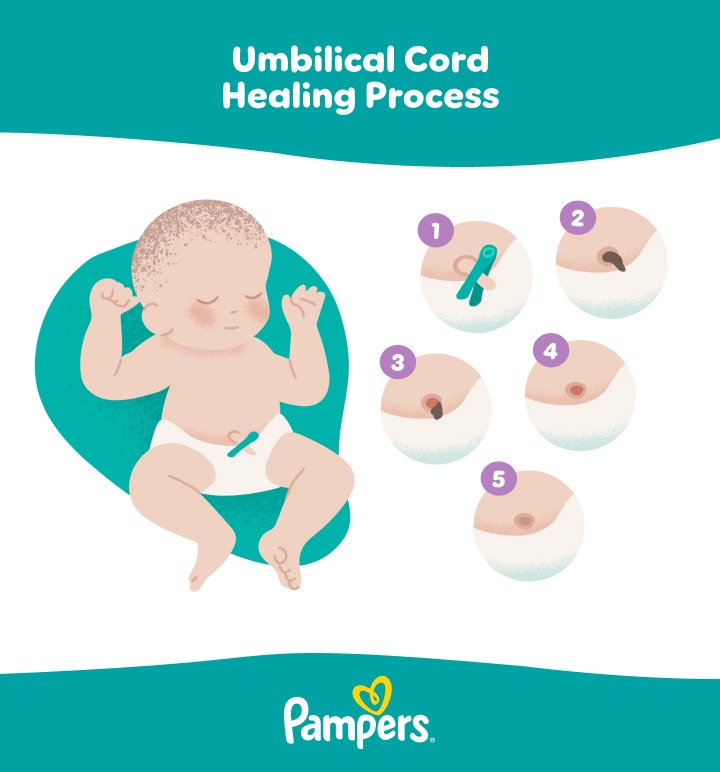
The piece of cord left after birth starts out pale or yellowish and slightly plump. Over the next few days, it shrinks, dries, and turns brown or nearly black. The skin around it should stay calm, with no growing redness or swelling. For bathing and diapering basics, see Newborn Care Basics for the First Month.
The stump usually falls off within 1 to 3 weeks. MedlinePlus puts the typical range at 5 to 15 days.
| Stage | What you may see | Meaning |
|---|---|---|
| Newly cut cord | Pale, yellowish, plump tissue | The stump has begun to dry |
| Stump still attached | Smaller, harder, brown to black tissue | Drying and natural separation are underway |
| Stump has detached | A small scab, moist surface, or tiny blood spot | The exposed belly button is finishing its healing |
Stanford Medicine’s newborn photo gallery shows a pale cord at seven hours after birth and another beginning to dry at nineteen hours.
How to Care for the Stump Each Day
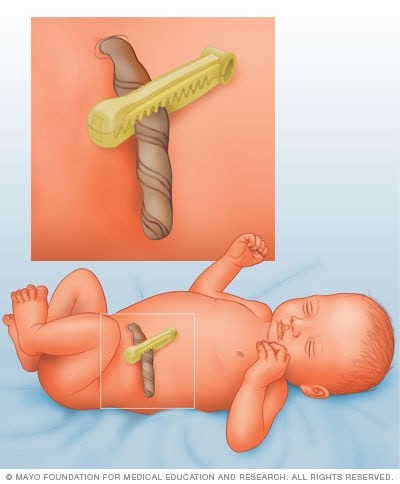
Daily care is simple. The American Academy of Pediatrics recommends keeping the stump clean and dry until it falls off by itself.
- Keep the diaper below the stump. Fold the waistband down or use a newborn diaper’s cord notch to cut down on rubbing and contact with urine.
- Leave a clean stump alone. It needs no wiping at every diaper change.
- Do not pull it loose. Even a stump hanging by a thin connection should come off on its own. Pulling can cause bleeding.
- Do not add treatments. Skip rubbing alcohol, powders, creams, household salt, and silver nitrate at home.
Advice on alcohol has changed from what many parents remember. A 2026 Cochrane review covered 18 studies involving 143,150 newborns. In high-income settings, antiseptics showed no clear benefit over dry care.
In those settings, trials of 70% alcohol found the stump took about 1.6 days longer to fall off on average. The trials did not measure infection or death. The same review found that chlorhexidine helped in some lower-resource settings, where care conditions and risks differ.
If your baby’s neonatal team prescribed a specific cord-care routine for a medical reason, follow it.
What If the Stump Gets Wet or Dirty?
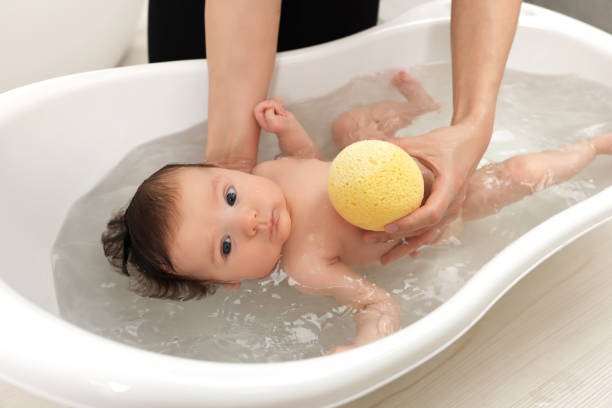
A splash during a sponge bath is fine. Tub soaking waits until the cord has fallen off and the belly button has healed. If urine reaches the stump, wipe the area gently with water and gauze. For stool, Mayo Clinic advises cleaning with soap and water, then drying. Do not scrub or push a swab deep into the navel. For the complete bathing and supervision routine, see how to bathe a newborn safely.
After the Stump Falls Off: Blood, Scabs, and Moisture
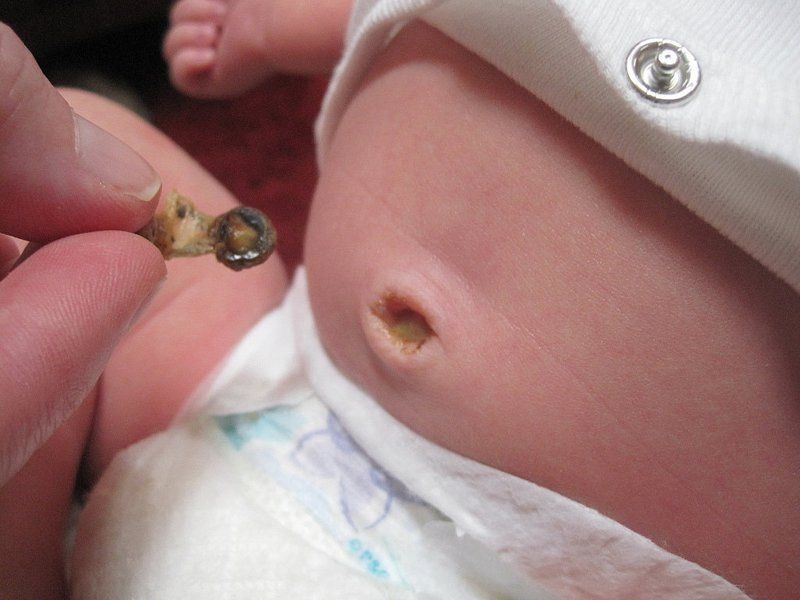
The new belly button may look a little raw or have a small scab. Stanford Medicine’s clinical photographs show a trace of blood or slightly moist yellowish material right after the stump comes off. Gently clean away secretions when needed.
A few drops of blood can appear at the moment the stump comes away.
One parent described seeing new dried blood almost two weeks after a particularly early separation, despite two earlier medical visits:
Our little boy is 16 days old. He lost his umbilical cord stump pretty early, like 3 or 4 days after he was born. It didn’t bleed at the time, then we took him to his first pediatrician appt the next day and they used some silver nitrate to cauterize it. A week later we had another pediatrician appt for a weight check, she cleaned up his belly button and said it looked good and we were cleared to do baths. We’ve done a couple since then (sticking to just 2-3 a week). Today when I changed his diaper I noticed some dried blood in his belly button again. I couldn’t see any active bleeding, and I’m going to clean it up with some warm water on a q tip and let it air dry.
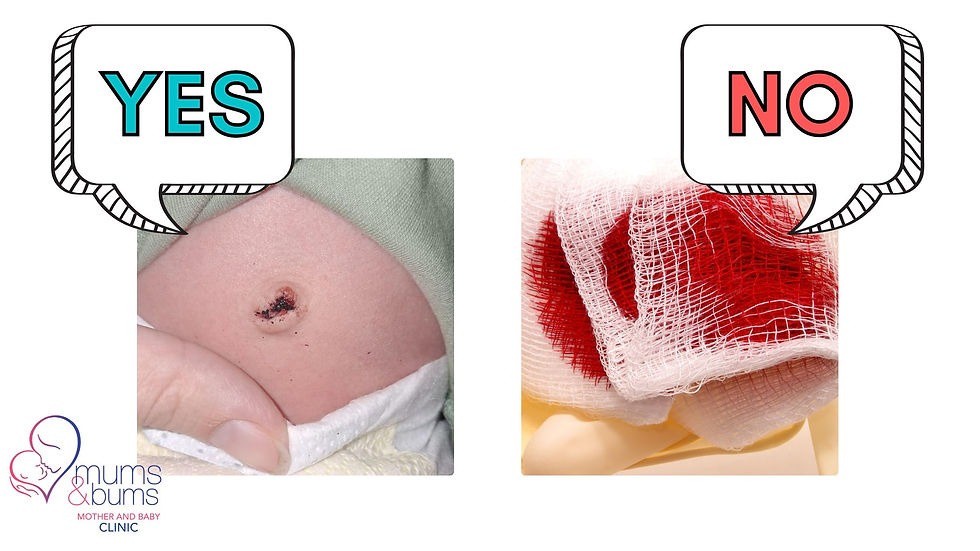
For a small fresh bleed, hold a clean cloth against the area with steady pressure for 10 minutes. If bleeding continues, repeat the pressure once.
Odor, Yellow Drainage, and Red Skin
Check the skin around the base of the cord and the drainage, not just the smell. Foul-smelling yellow discharge, tenderness, swelling, and redness are the warning signs.
| What you see | What it means |
|---|---|
| Dry brown or black stump | Expected drying while the stump is attached |
| Small moist yellowish residue right after the stump falls off | Brief healing of the exposed navel. Fluid that lasts or starts to smell is a different matter. |
| Foul-smelling yellow drainage | Can signal infection, most worrying with red, swollen, or tender skin |
| A small reddish center right after the stump falls off | Healing in an otherwise well baby. Redness that spreads onto nearby skin, or new swelling or tenderness, is a problem. |
A first-time parent described a strong smell from their ten-day-old baby’s stump:
Hi ftm here! Baby is 10 days old and let me tell ya that umbilical cord smells so freaking nasty. I feel so bad because it’s getting to a point where as soon as I’m done feeding/ she falls asleep or I’m done caring for her I want to put her away from me.
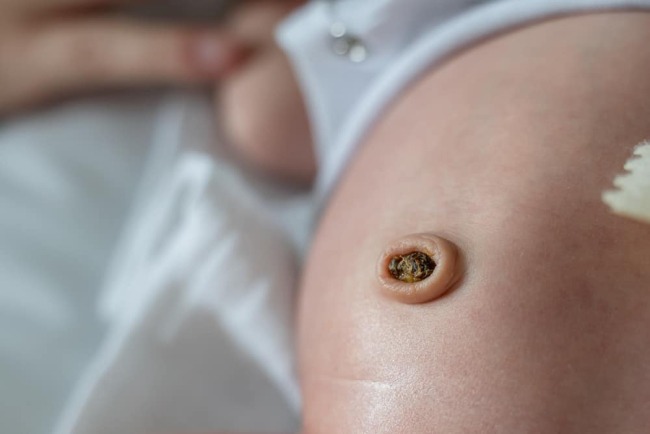
Omphalitis is the medical term for an infection of the umbilical area that needs treatment. A clinician judges it from the local symptoms and how the baby is acting overall. Do not press on the area to test whether it hurts.
When to Call the Pediatrician

The AAP’s umbilical cord symptom guidance separates spreading redness and bleeding that will not stop from smaller amounts of blood that keep showing up.
| When | What you notice | What to do |
|---|---|---|
| Seek care now | Redness spreading away from the navel or a red streak, even without fever; a blood spot larger than 2 inches (5 cm) across; bleeding that continues after two 10-minute pressure attempts; a rectal temperature of at least 100.4°F (38°C) in a baby three months or younger; marked lethargy, floppy appearance, or poor feeding | Contact a pediatrician immediately. A large blood spot needs care now even if fresh bleeding has stopped. If your baby is seriously unwell or cannot be roused normally, go to emergency care. |
| Contact today | Foul-smelling yellow drainage; new or increasing localized redness beyond the small healing center; swelling or tenderness; small bleeding lasting more than three days | Get same-day pediatric advice for possible local infection. For small bleeding, the AAP advises contact within 24 hours. |
| Routine visit | The stump is still attached at about three weeks, but your baby otherwise seems well and has no warning signs | Arrange a regular pediatric check. |
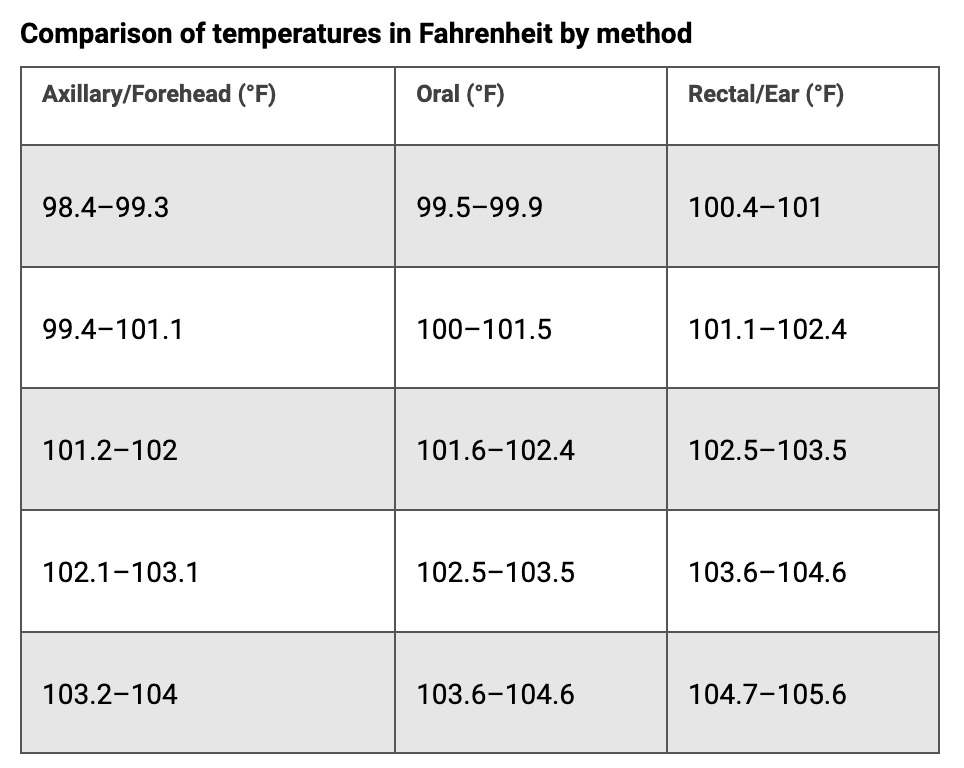
In young infants, rectal measurement is the most reliable method for checking temperature. AAP guidance for young infants explains the fever rule. Act on a cord symptom or signs of illness even when the reading is normal.
After hours: If you cannot reach the pediatrician for a care-now symptom, use urgent or emergency services.
For other causes of infant fever, see when a newborn fever needs medical care.
When the Stump Stays Attached or a Red Bump Remains
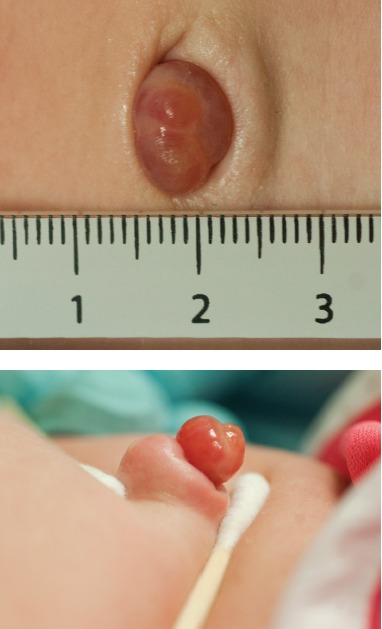
If your baby otherwise seems well but the stump is still attached at about three weeks, plan an exam. The AAP recommends a visit after three weeks, and MedlinePlus uses four weeks in its separate guidance.
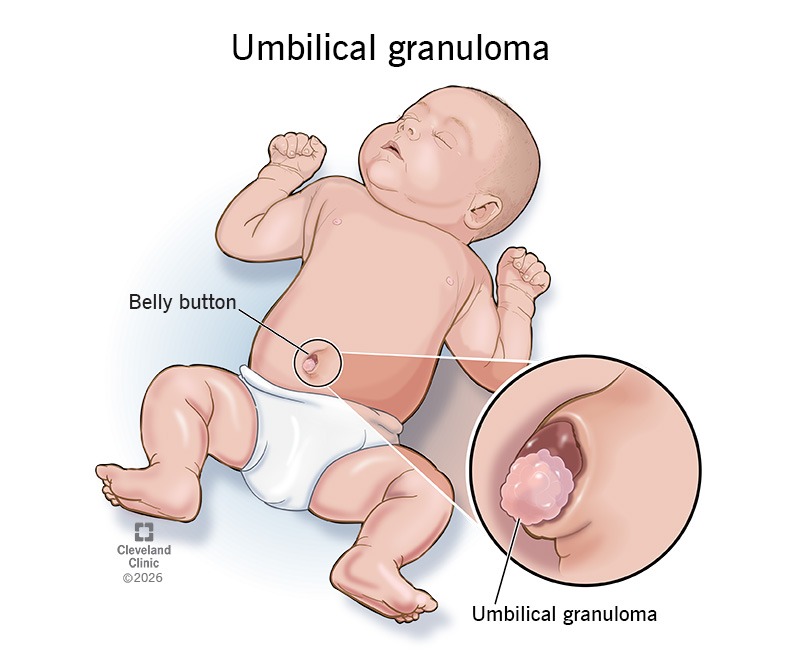
After the stump has fallen off, a small, moist, red or pinkish bump that stays in the belly button may be an umbilical granuloma. A clinician can examine it and tell it apart from other causes of lingering tissue or drainage. Silver nitrate is one clinical treatment. Salt remedies and at-home cauterization do not belong in home care.