
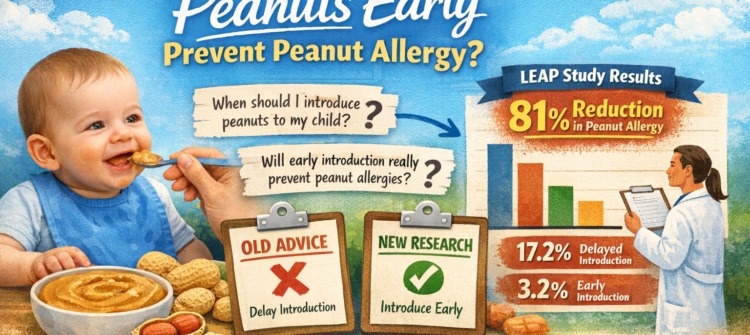
Most babies who are ready for solids can start common allergens in safe textures without delay. Severe eczema, a diagnosed egg allergy, or a past suspected food reaction means you should get medical guidance before offering the food at home, especially peanut. Offer one new ingredient at a time, watch for a reaction, and keep serving the foods your baby tolerates.
When is your baby ready to try allergenic foods?
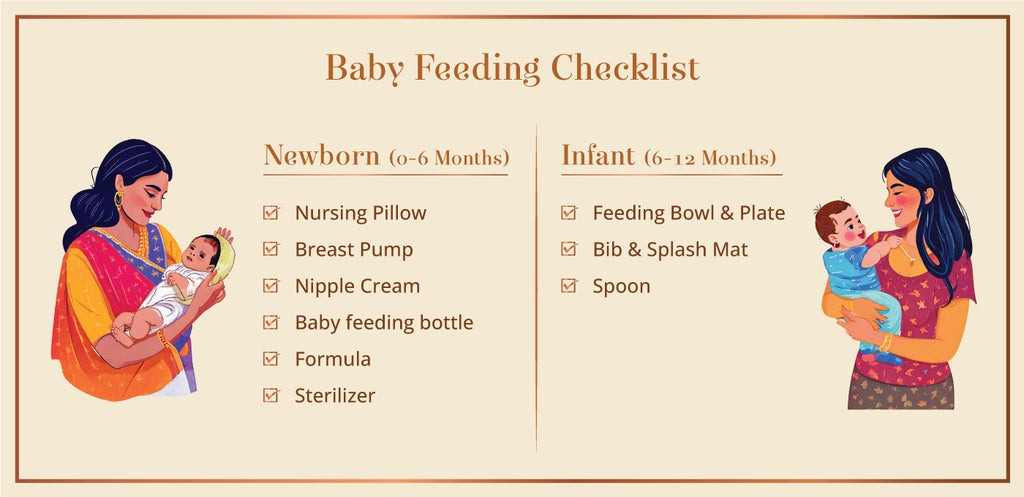
Most infants start solid foods at about 6 months, once they can manage the texture. The CDC’s introduction guidance advises against starting before 4 months. Look for steady head and neck control, the ability to sit with support, and the skills to swallow food made for infants.
Peanut prevention guidance allows earlier introduction in some cases, between 4 and 6 months, but your baby’s readiness and risk level still decide. If your baby can’t swallow food safely yet, age doesn’t change that. For more on solid foods, readiness signs, and food texture, read Starting Solids: How to Know Your Baby Is Ready and What to Offer First.
Parents get mixed messages about timing. One parent in Denmark puts it this way:
The advice we have been given (I live in Denmark, so advice is from sundhedsstyrelsen), is to wait until 6 months to start solids. But when baby hits 6 months they MUST be eating lots of variety all of a sudden because youve missed that building up time if you start at 5 months say. And they say its good to build up, at the same time as saying wait until 6 months.

Who should speak with a pediatrician before trying peanut or another allergen?
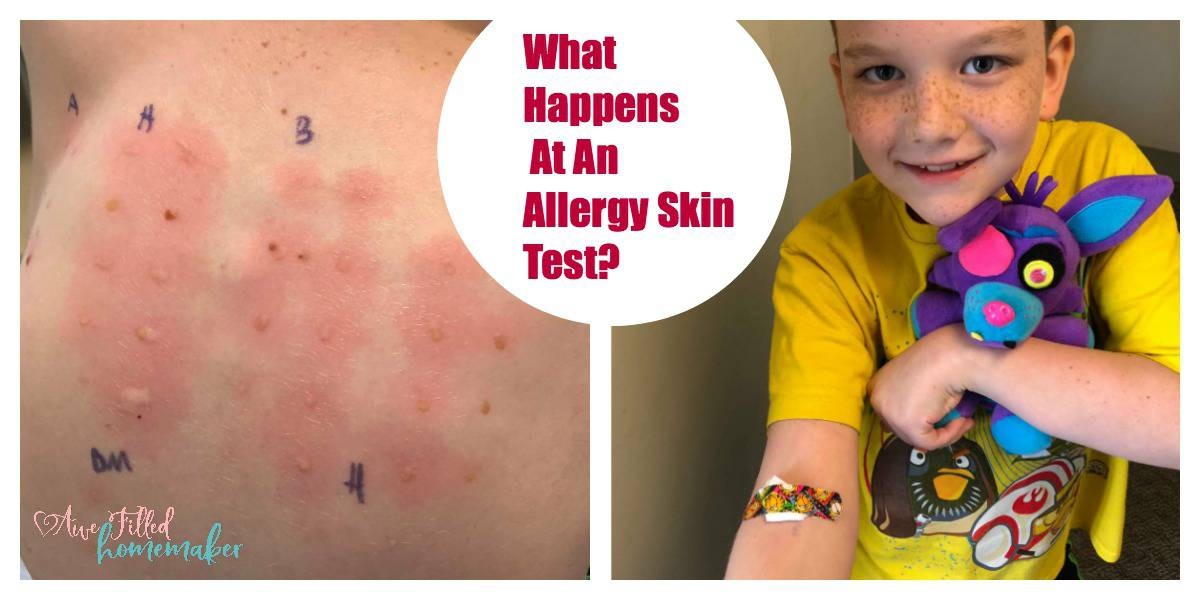
US guidance on early peanut introduction treats severe eczema and a diagnosed egg allergy as key factors. A past suspected reaction to a food also changes the plan for that food. In each case, get a clinician’s advice before trying the food on your own.
| Your baby’s situation | What to do | Who decides |
|---|---|---|
| Ready for solids; no known high-risk factors or suspected food reaction | Introduce the food at home | You choose the texture |
| Severe eczema | Peanut introduction may need assessment, testing, or supervision | Pediatrician or pediatric allergist |
| Diagnosed egg allergy | Follow an individual peanut risk plan | Pediatrician or pediatric allergist |
| Previous suspected reaction to a food | Don’t reintroduce that food on your own | Clinician assesses the reaction and next steps |
The American Academy of Pediatrics’ introduction guidance explains the peanut-specific distinction. Eczema alone doesn’t mean your baby has a food allergy, and not every baby needs testing for all nine major allergens.
Bring your baby’s eczema history, any known egg allergy, and details of symptoms you noticed after a food. Family history adds context too, but it doesn’t predict how your baby will react.
Which foods count as common allergens for US babies?
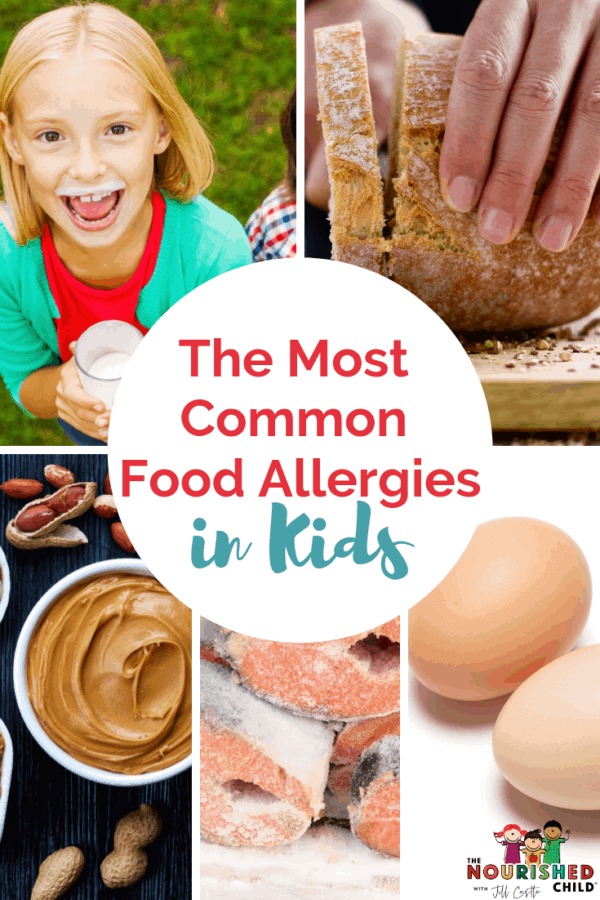
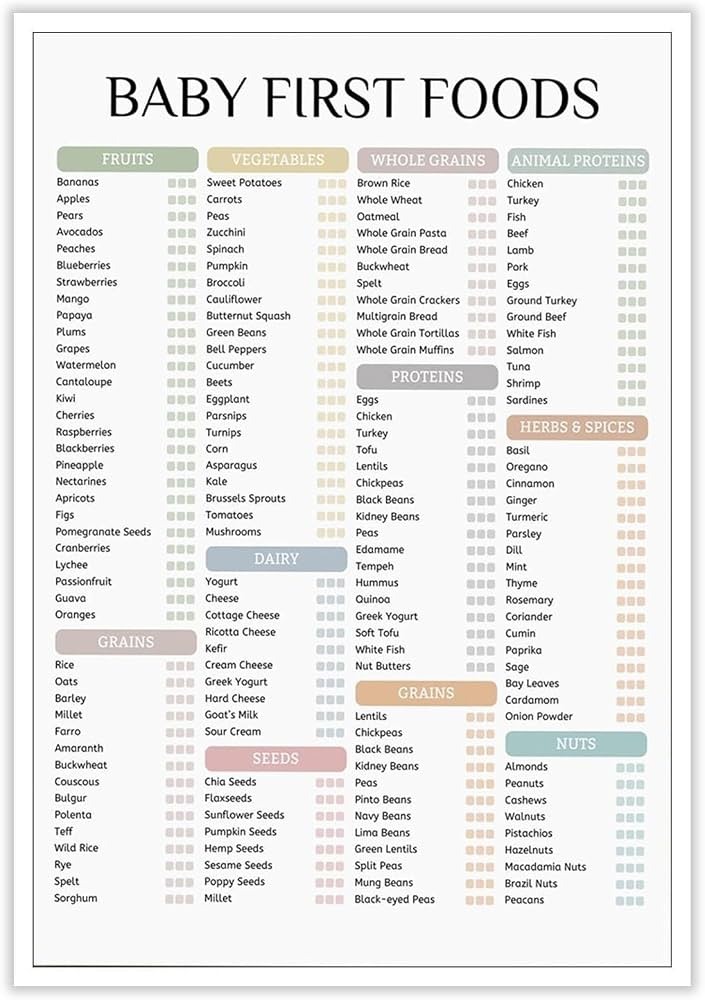
The FDA recognizes nine major categories for US food-allergen labeling: milk, eggs, fish, crustacean shellfish, tree nuts, peanuts, wheat, soybeans, and sesame. Sesame became the ninth category under requirements effective in 2023. Peanuts are legumes, while tree nuts include different foods such as cashews and walnuts. Read the ingredient list against the FDA’s major allergen categories. The labeling list isn’t prevention guidance.
What are safer first-serving forms of peanut, egg, dairy and other allergens?
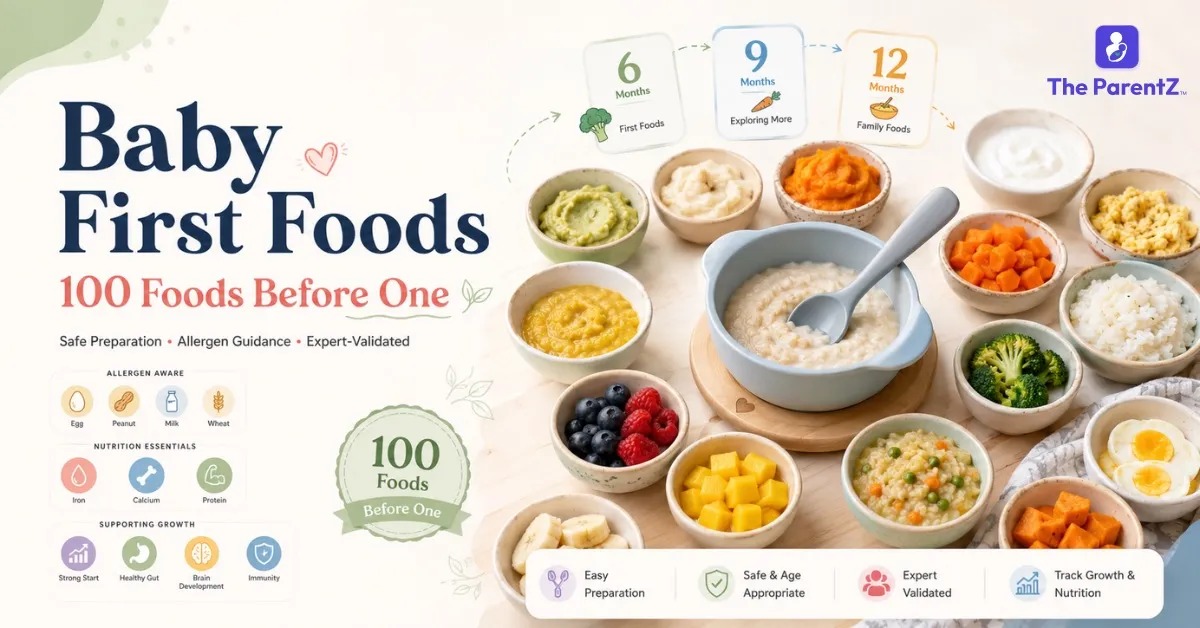
Texture decides choking safety, so match it to what your baby can handle.
| Food | Good first serving | What changes the choice |
|---|---|---|
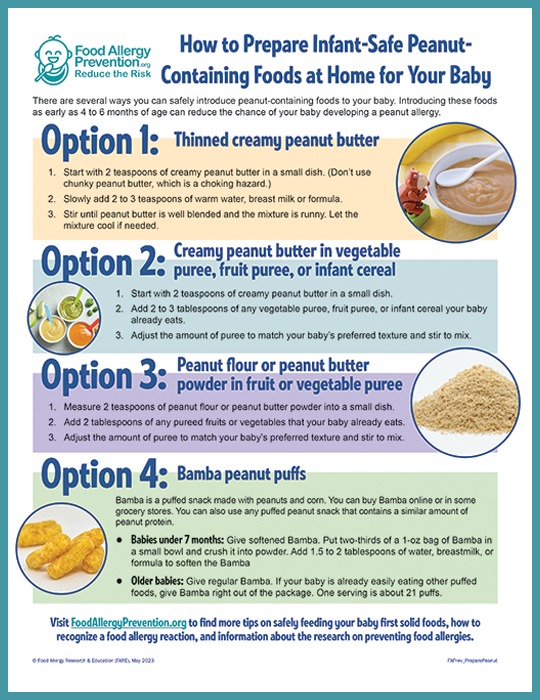
| Peanut | Smooth peanut butter, thinned and stirred into a soft food your baby already tolerates | No whole peanuts and no thick, sticky spoonfuls. Follow the clinician’s peanut plan if one applies |
| Egg | Well-cooked egg in a soft, manageable form | Match the texture to your baby’s feeding skills |
| Milk | Yogurt as a milk-containing food | Cow’s milk shouldn’t replace breast milk or infant formula as the main drink before 12 months |
| Tree nuts | A smooth, thinned butter made from one identified tree nut, mixed into a soft food your baby tolerates | Whole nuts are choking hazards, and tolerating one nut doesn’t mean tolerating another |
| Sesame | Smooth tahini thinned into a familiar soft food | No thick, sticky spoonfuls |
| Fish | Soft, cooked, boneless fish | Remove bones and tough pieces |
A safe texture prevents choking. It doesn’t replace the clinical plan for a known or suspected allergy. For food shapes, choking hazards, and meal supervision, read Baby Food Choking Hazards: What to Avoid and How to Prepare Foods.
How to introduce a new allergen so you can tell what caused a reaction
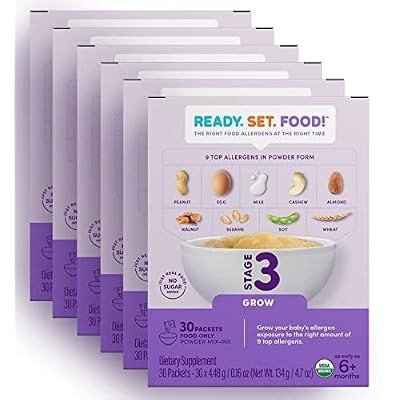
Serve one new ingredient at a time. If your baby reacts to a meal with several unfamiliar foods, you can’t tell which one caused it.
- Choose one new ingredient. A soft food your baby already eats can carry it, such as thinned peanut butter stirred in.
- Start with a small taste. The AAP describes offering a small amount first, then increasing it gradually if nothing concerning happens.
- Watch your baby. Note what was eaten and any symptoms during or after the meal.
- Write it down. Record the ingredient, how you prepared it, the date, and what you saw. The notes help in a later talk with your doctor.
How long should you wait between new foods?
The CDC’s complementary-feeding advice describes waiting 3 to 5 days between new single-ingredient foods. The AAP’s allergen-specific article says to wait at least a day. Either way, you’ll know which food was new if symptoms appear.
What to do if your baby seems to have a food reaction
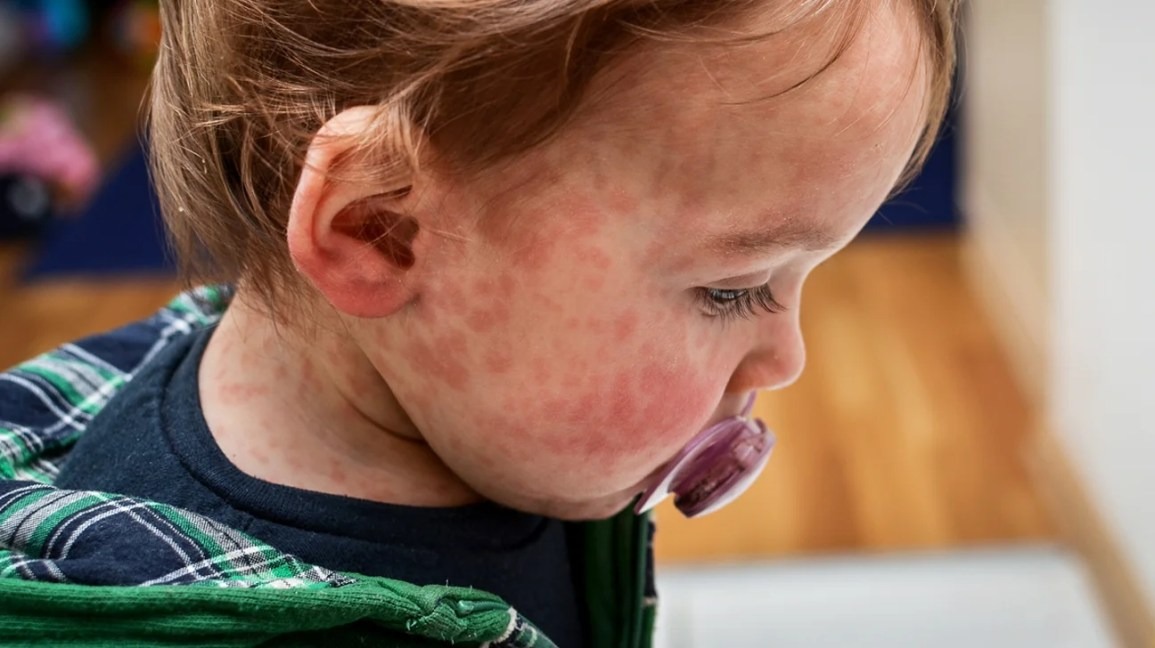
If symptoms appear after a new food, stop offering it and assess how severe they are.
Suspected anaphylaxis: Give prescribed epinephrine immediately when available, following the child’s emergency action plan, then call 911. If epinephrine is unavailable, call 911 immediately. Antihistamines can’t replace epinephrine for anaphylaxis.
| What you notice | What to do | Keep in mind |
|---|---|---|
| Breathing difficulty, faintness, significant swelling, widespread hives, repeated vomiting, or symptoms affecting more than one body system, such as hives with vomiting | Follow the emergency steps above for suspected anaphylaxis | Severe reactions can occur without obvious breathing problems |
| A few localized hives with no other symptoms | Get prompt clinical guidance and watch for additional symptoms | If signs of a severe reaction develop, treat it as an emergency |
| One episode of vomiting with no other symptoms | Ask a doctor about a possible reaction and watch for symptoms that return or appear elsewhere | Repeated vomiting or symptoms in another body system need emergency assessment |
The AAP’s food-allergy guidance explains emergency treatment and the role of epinephrine. A clinician works out the likely trigger once the immediate danger has passed.

Does one tolerated taste mean your baby is no longer at risk?

Eating a food without symptoms tells you only how that meal went. It doesn’t establish permanent tolerance to later servings or to other foods in the same category.
One parent saw hives after peanut butter mixed into yogurt, despite earlier peanut-containing snacks:
My baby ate mighty puffs (mixed nuts puffs) every single day for 2-3 months with no reactions. She also had bambas puffs mixed into yogurt at the beginning and did fine. We thought we were in the clear but then fed PB mixed into yogurt and had hives.
When you describe a possible reaction to a clinician, name the exact food and how it was served. A mixed-nut puff and peanut butter in yogurt are different exposures.

How to keep tolerated allergens in regular meals without a rigid calendar
Once your baby tolerates an allergenic food, AAP guidance supports serving it regularly in a texture your baby can manage. For a family feeding many new foods, the work shifts from first tastes to everyday meal planning.
One parent who had already introduced many foods found a full weekly allergen rotation hard to keep up:
Okay. So my little one has had 26 foods so far. She just turned 7 months and we have been working on solids since a week after her 6 month.
I have introduced dairy, eggs, peanut, and wheat so far. No one in my family or my husbands have food allergies, but I know that doesn’t mean much.
However, I’ve been doing peanut once a week, just realized I didn’t this week yet (usually it’s on the weekends). Also. How the heck do you manage to keep every common allergen in a weekly rotation?! Eggs, dairy, and wheat are easy, but all the others seem challenging.
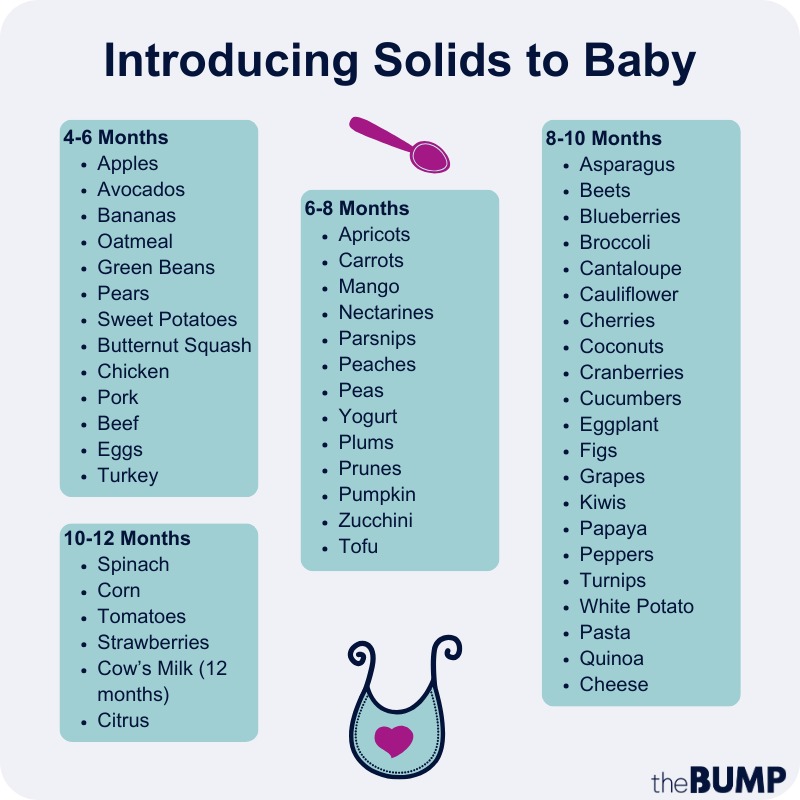
No schedule requires all nine FDA categories to appear every week. Foods your baby already tolerates, like yogurt, egg, and wheat, can stay in normal meals, and you don’t need a separate meal for each ingredient. The texture still has to match your baby’s feeding skills. For more on breast milk, infant formula, and solid foods, read Baby Feeding From Birth to 24 Months: What Changes and What to Do Next.
What early introduction can and can’t prevent
Early introduction can reduce the likelihood of some food allergies in the right infants. The strongest prevention evidence in US guidance concerns peanut, with additional evidence for egg. The other FDA allergen categories can’t be assumed to have the same preventive effect.
A 2025 multi-state electronic-health-record observational study, PMID 41110838, compared diagnosed peanut IgE-mediated allergy across guidance periods. Reported incidence was 0.79% before guidance, 0.53% after initial guidance, and 0.45% after a subsequent addendum.
These rates come from different cohorts, so they don’t predict your baby’s risk, and the study can’t show that the guidance caused the whole decline.

Parents can follow early-introduction guidance and still encounter a food allergy.