
Start offering a cup when solid foods begin, usually near 6 months. An open cup you hold, a straw cup or a training cup all work as a first cup, so choose for your baby’s drinking skills and where the cup will be used. Keep regular breast milk or formula feeds in place during infancy and move away from bottles gradually. Swallowing difficulties, poor intake or relevant medical needs call for pediatric guidance.
The cup that works at the kitchen table is awkward on a stroller ride.
When can a baby start practicing with a cup?
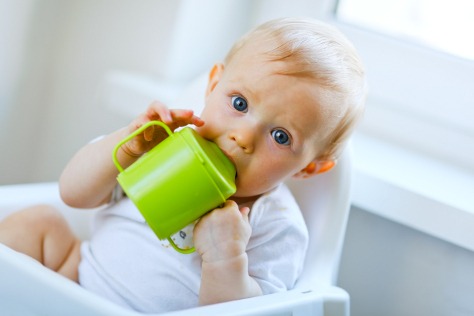
Start cup practice when your baby begins exploring solid foods, usually around 6 months. You position the cup and control the liquid while your baby finds out what a rim, straw or spout feels like on the lips. For decisions involving solid foods, readiness signs, and food texture, see Starting Solids: How to Know Your Baby Is Ready and What to Offer First.
The Centers for Disease Control and Prevention describes offering a training cup with a spout or straw at the start of solids. The American Academy of Pediatrics also supports early cup introduction, including assisted attempts with an open cup.
| Approximate age | Cup skill or activity | Adult’s role |
|---|---|---|
| Around 6 months | Try a spouted, straw, or assisted open cup | Support the baby and control the liquid |
| Around 9 months | Begin learning to drink from a lidless cup | Offer practice and assistance |
| Around 12 months | Drink from a lidless cup held by an adult | Hold and steady the cup |
| Around 2 years | Open-cup drinking is the AAP’s preferred direction | Offer practice that matches the child’s skills |
Being offered a cup is different from drinking from one alone. Before the first try, check that your baby is ready for solids, sits safely with support at a meal and is comfortable with you handling the cup. One brief, supervised try is enough at first. Spilling is part of learning.
Open, straw, sippy or 360: which cup fits the job?
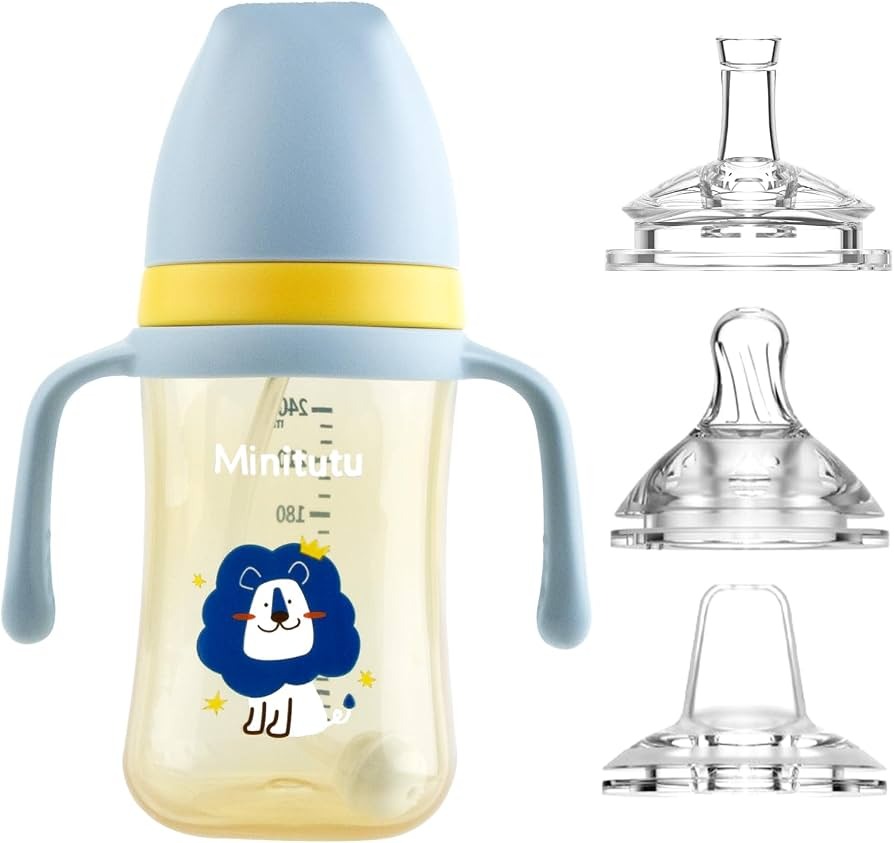
For supervised table practice, an open cup you hold gives you direct control of the tilt. A cleanable straw cup teaches a different skill and is useful for outings. A simple spouted cup is optional, and a leak-resistant design suits daycare or travel better. If the goal is replacing a milk bottle, the feeding routine matters as much as the cup’s shape.
The American Academy of Pediatrics treats sippy cups as optional. Its suggested simple training cup has two handles and no valve beneath the spout, because a valve can require the bottle-like sucking action a child already knows.
| Cup type | How drinking works | Useful setting | Likely difficulty |
|---|---|---|---|
| Open cup | Liquid reaches the rim when tilted | Supervised mealtime practice | Spills and adult-managed flow |
| Straw cup | Child makes a lip seal and draws liquid by suction | Skill practice; portable use with a suitable lid | Chewing, suction resistance, narrow parts to clean |
| Spouted cup without a valve | Liquid flows through the tilted spout | Optional familiar training format | Spills; a different mouthpiece to learn |
| Valved sippy cup | Sucking opens the spout valve | Spill-conscious situations | Bottle-like sucking; extra parts |
| 360-style cup | Pressure at a covered rim releases liquid | Optional spill-resistant format | The rim mechanism confuses some beginners |
Valves and flow resistance differ by product, so a category name does not describe any one model.
Does a spouted sippy cup affect speech?
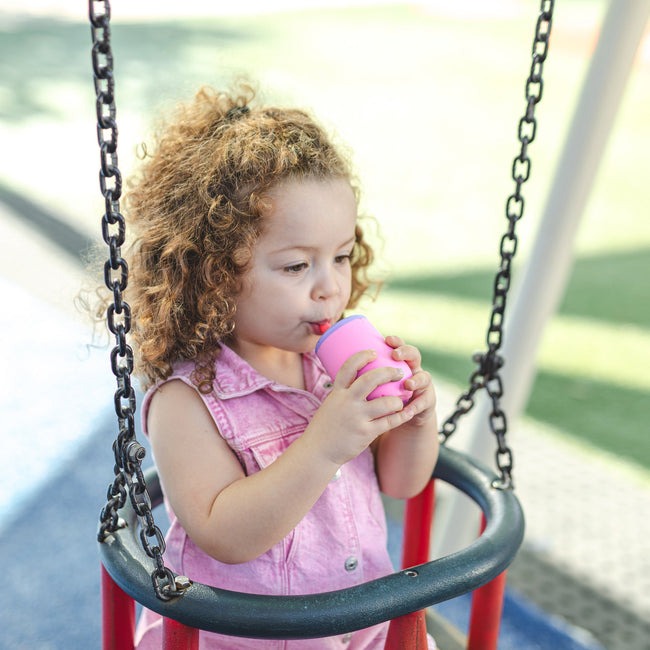
Valved spouts and open rims use different drinking movements, so some feeding specialists favor practicing with an open or straw cup. No evidence shows that a cup design causes or prevents speech disorders.
What should go in a practice cup, and what still counts as a feed?
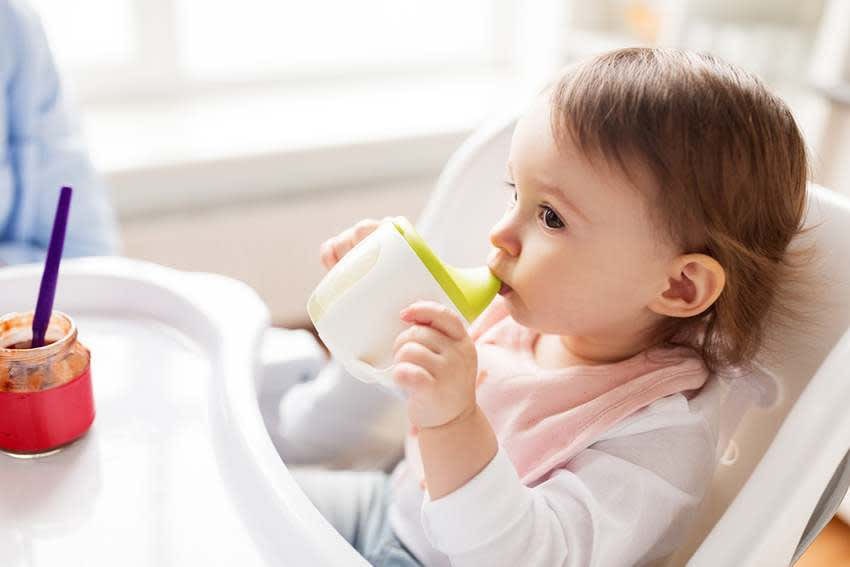
For babies under 12 months, offer a little water at meals in a practice cup, or familiar breast milk or formula. The AAP specifically advises plain fluoridated water in a spouted sippy cup, while its broader cup-transition advice describes using breast milk or formula when introducing a cup. So the container you choose depends on the feeding goal. For decisions involving breast milk, infant formula, and solid foods, see Baby Feeding From Birth to 24 Months: What Changes and What to Do Next.
The CDC’s infant nutrition guidance includes breast milk or infant formula throughout the first year. A few good practice sips show a growing drinking skill. They are no reason to drop a regular milk feed.
A cup has two jobs. It can teach a skill: your baby explores a rim, spout or straw and begins managing the flow. Or it can replace a feeding: a usual milk feed moves to a new container when the child’s age and nutritional intake make that change appropriate.
A baby might take water through a straw at lunch yet want formula in a familiar bottle later. Before changing a usual feeding, compare what the child drinks from the cup with the milk feeds they continue to receive. If intake or growth is a concern, the plan needs pediatric input.
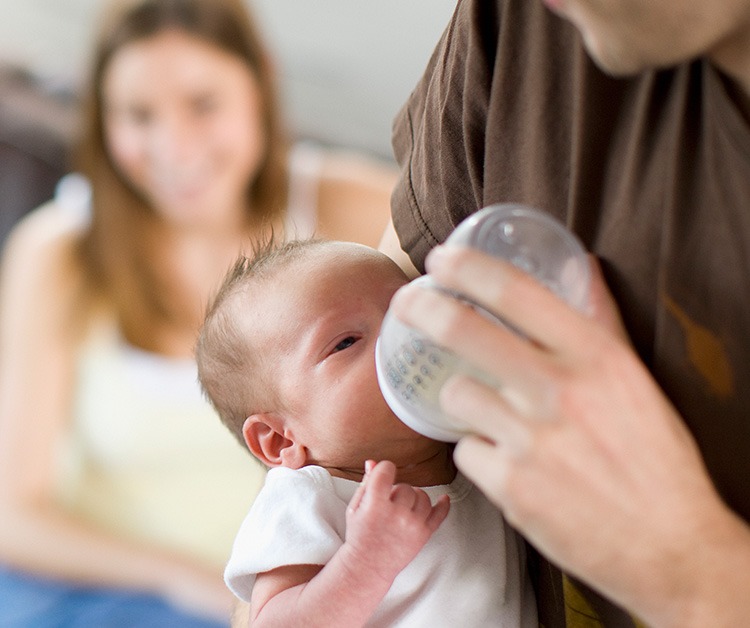
Cow’s milk should not become the main drink before 12 months, and fruit or vegetable juice should also be avoided before that age. After the first birthday, the suitable milk choice depends on the child’s dietary and medical circumstances.
How to help a baby learn an open cup or straw
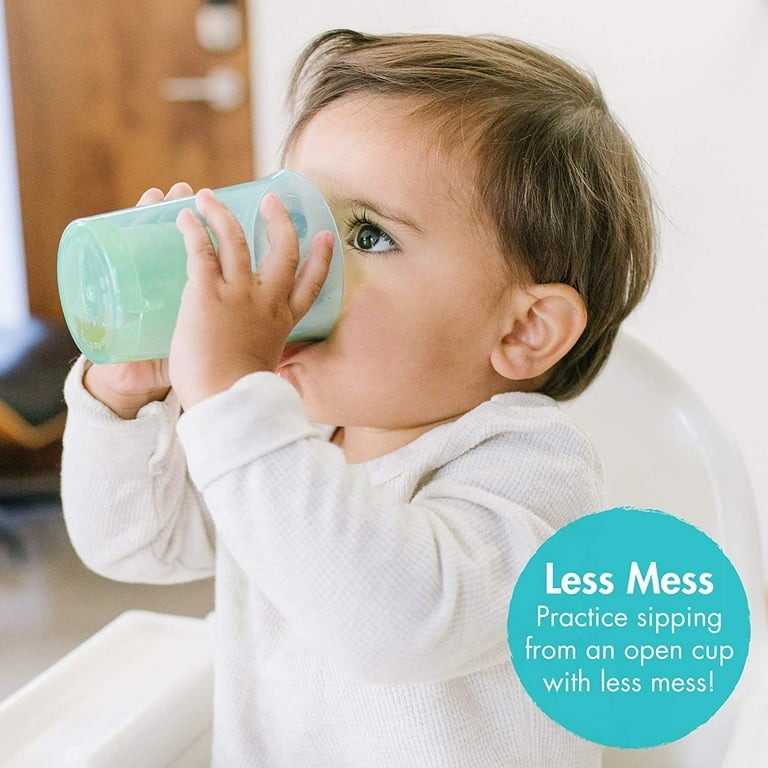
Early practice works best when you make the movement easy to see and keep the flow small. The first try is often just touching the rim or straw to the lips.
Introducing an open cup
- Start with a small cup. Hold it yourself during a seated meal, with only a little liquid in it.
- Bring the rim to the lips. Let your baby feel where the drink comes from while you steady the cup.
- Tilt gently. Let a small amount reach the lips, then pause. Do not pour liquid into the mouth.
- Watch the response. Your baby closes their lips around the rim, tries a sip or turns away for a break.
Introducing a straw
A straw needs a lip seal and suction. Show a sip with your own cup while your baby watches, then offer the baby’s straw at mealtime and let your baby try. This shows what sipping looks like without forcing liquid or relying on a special training device.
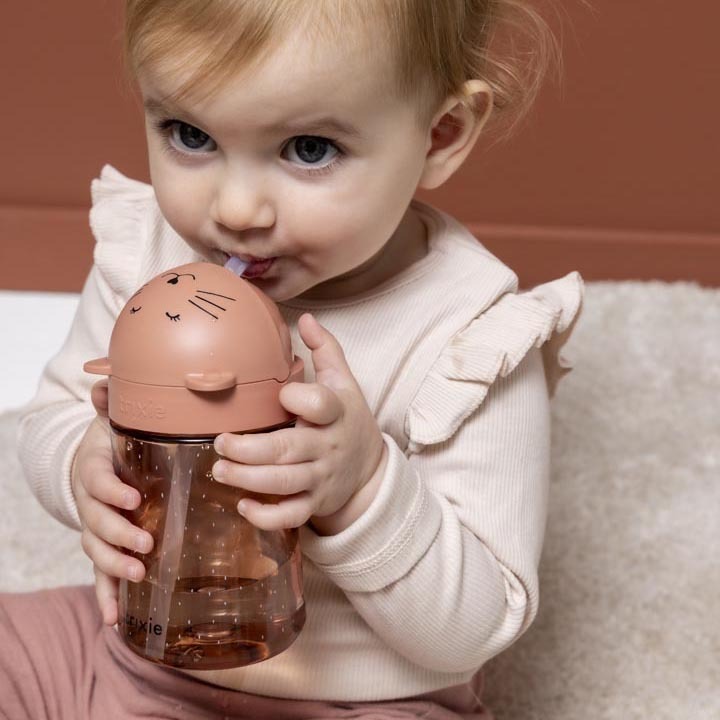
Some babies mouth or chew the straw at first. A stiff valve makes the task harder for a beginner, so a simpler straw design is easier to explore. Short tries during ordinary meals show whether your baby draws liquid comfortably.
How to move from bottles to cups without losing the routine
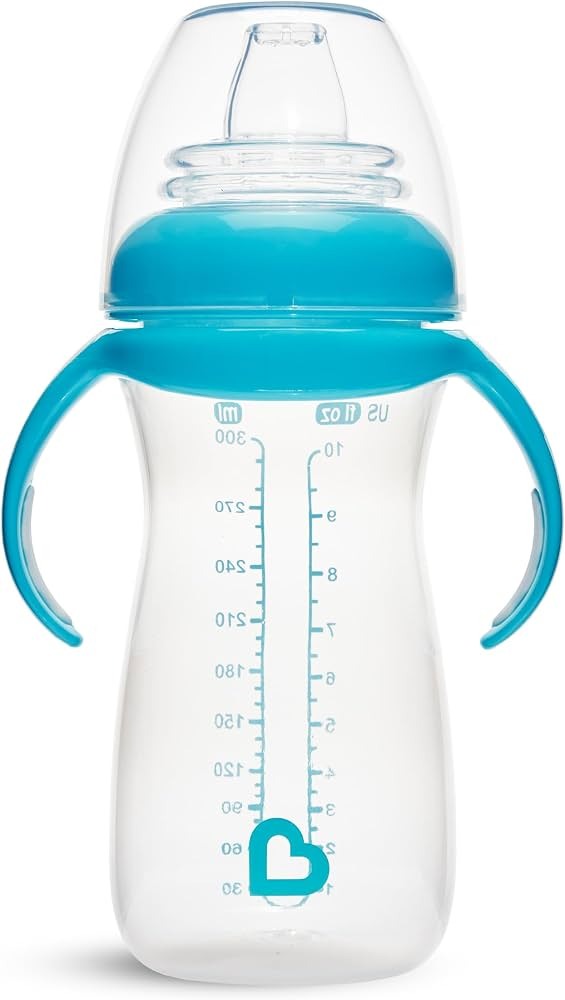
A cup can appear at meals long before it replaces a bottle. The AAP describes a gradual bottle transition, ideally completed between 12 and 18 months, while recognizing that individual feeding and developmental needs change the plan. To assess milk feeds, solid meals, and feeding age, review Baby Feeding by Age: Milk, Solids, and Family Meals.
Bottles come with habits. The drink, the container and the time of day each matter.
- Start with the cup at meals. Keep normal milk feeding in place while your baby practices.
- Sort the bottle feeds. Notice which ones fit naturally with meals and which are strongly tied to comfort.
- Swap one feed. Once age and nutritional intake allow it, offer the usual drink in a suitable cup at the feed that causes the least fuss.
- Keep it predictable. Give the new routine time to settle before you change another bottle feed.
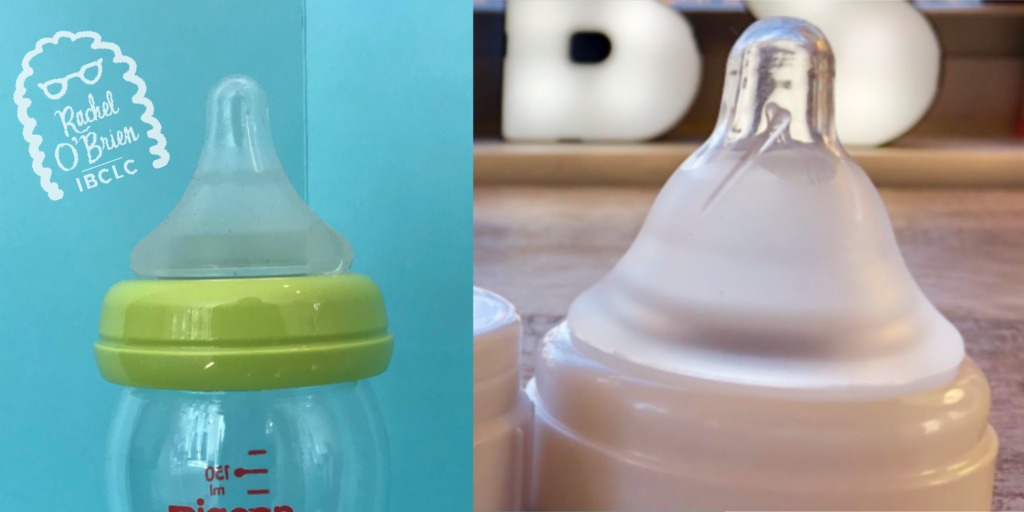
Kennedy Krieger Institute’s feeding-transition guidance points to familiarity and gradual adjustment when a child resists a change. The AAP also identifies dental and mealtime concerns associated with prolonged bottle use.
Does a directly breastfed baby need to start with a bottle or a spouted cup?
No. A child who has not routinely used bottles can learn to drink from a cup without adding a bottle or spouted-cup stage. Continuing breastfeeding is a separate decision from learning a cup skill.
Baby bites the straw, spits out sips or dumps the cup: what next?
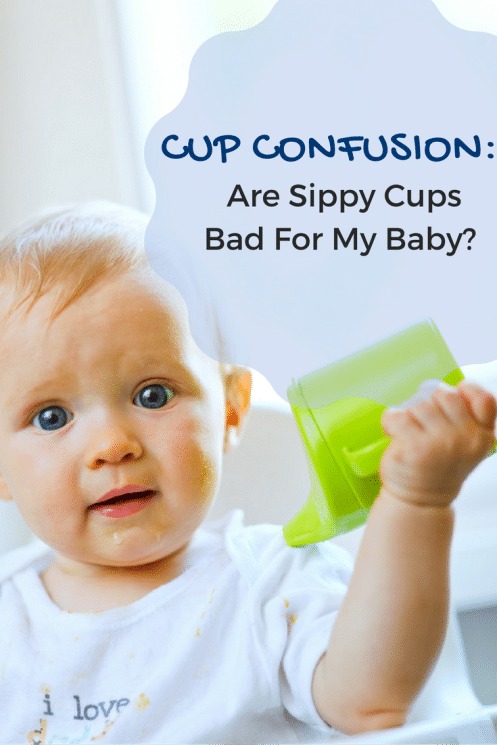
What your baby does during the attempt tells you more than the number of cups you have tried. Chewing a straw, spilling an open cup, and refusing milk from a straw cup they already use are different problems.
| What happens | Likely reason | Next check or adjustment |
|---|---|---|
| Baby chews the straw but does not sip | Suction is unfamiliar, or the valve has high resistance | Try a simpler straw mechanism |
| Liquid dribbles out | Flow control is still developing | Reduce the amount reaching the mouth |
| Open cup is tipped or emptied | Handling is difficult or the child is exploring the movement | Steady the cup yourself during practice |
| One cup is rejected but another works | Mouthpiece and flow demands differ | Compare the mechanisms before switching |
| Water is accepted but milk is refused | The milk routine still matters | Use the gradual transition approach above |
| Drinking repeatedly causes coughing or distress | A feeding or swallowing concern | Use the professional-assessment criteria below |
On the next try, change one thing, such as the cup type or the setting, and watch the response. Changing the cup, the drink and the feeding time together makes it hard to see what helped.
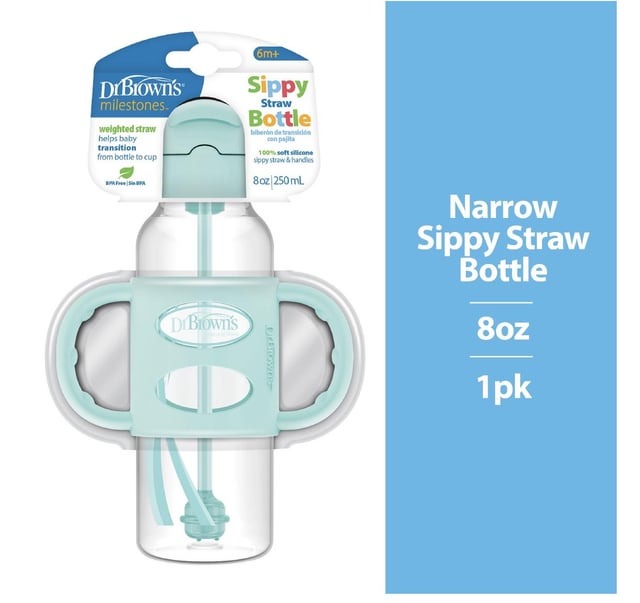
A toddler who drinks from a straw but dumps an open cup is often experimenting with how the cup moves. Spilling alone does not mean a delay.
At home, at daycare or on the go: make one plan work for everyone
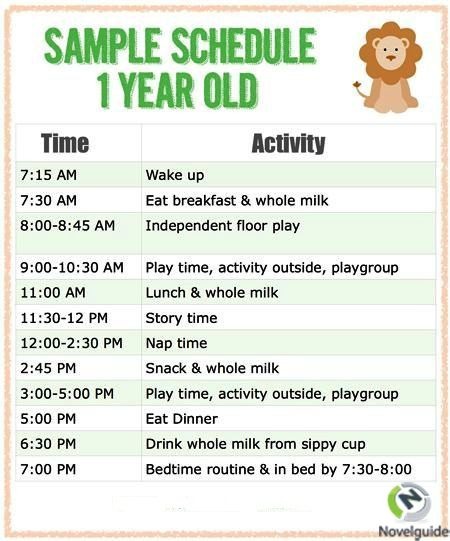
A supervised open cup works at home, while a leak-resistant straw or training cup suits daycare or travel. If childcare requires a cup your child has not learned to use, compare the center’s written policy with what your child manages and how the usual feeds will continue. Agree with caregivers on how your child will drink, and describe your child’s current skills the same way at home and daycare.
Check the cup’s parts before buying, and clean them after use
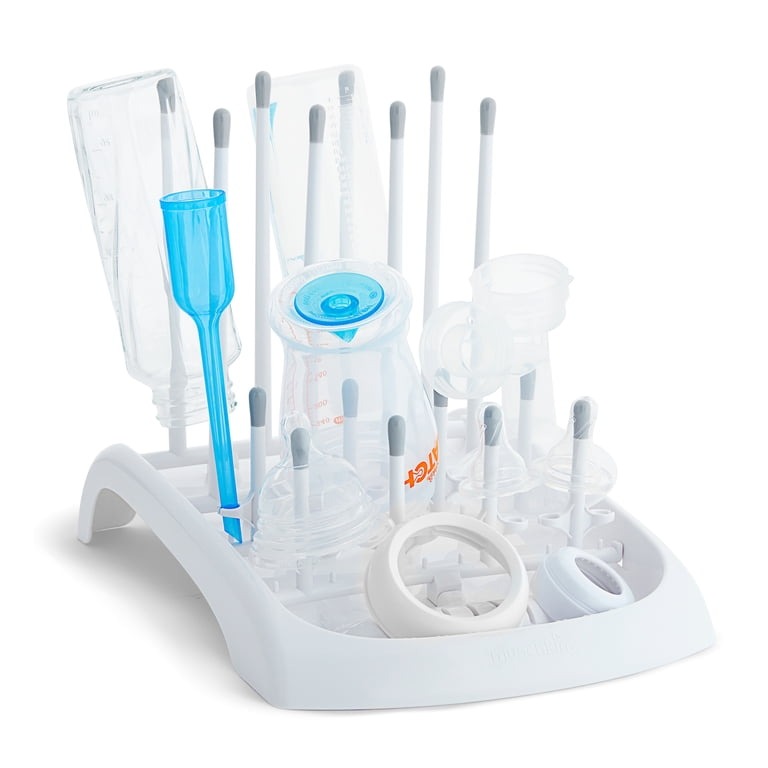
Every extra valve, gasket, lid channel or narrow straw is one more surface to clean. An open cup has few hidden parts, while a sealed straw cup is harder to take apart and dry. Pick a design your household can maintain according to its instructions.
Before you buy, confirm that the straw, seal, valve and other drink-contact parts come apart, as the manufacturer intends. Check that narrow openings and channels are washable with the method the instructions specify. Clean used cups and their removable drinking parts after each use.
The CDC’s March 2025 guidance on infant feeding items calls for thorough air-drying of washed parts before storage. Check that cleaned parts dry fully before you reassemble or store them.
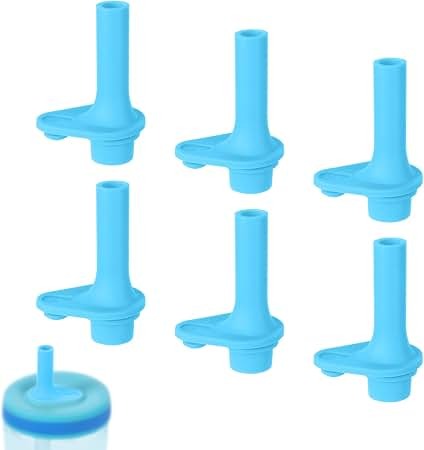
For a cup you use with milk, inspect the drinking path for residue after cleaning. Dishwasher and sanitizing methods must match the product instructions, so don’t assume that every silicone straw or sealed lid tolerates the same heat or cleaning cycle.
For infants born prematurely or with weakened immune systems, the CDC recommends daily sanitizing of feeding items in addition to cleaning. A cup with parts you cannot reliably wash and dry is a poor fit for daily sanitizing.
When cup difficulty warrants pediatric or feeding-specialist help

Trouble swallowing, distress with liquids or inadequate intake calls for assessment, not more cup changes.
The American Speech-Language-Hearing Association identifies symptoms relevant to pediatric feeding and swallowing concerns, including:
- Coughing or choking with drinks: These can signal a swallowing concern, especially when severe, recurring or paired with other difficulties.
- Wet or gurgly voice: The child’s voice sounds noticeably wet after swallowing.
- Persistent feeding distress: Drinking repeatedly causes discomfort or difficulty.
- Inadequate intake: The child struggles to get enough nutrition, or growth is a concern.
- Existing medical or developmental needs: A standard progression is not always suitable.
Any of these signs calls for a clinical assessment. Write down what happens, which liquid and cup were involved, and whether it repeats, then discuss your notes with a pediatrician or a qualified feeding and swallowing professional.