If your baby refuses a bottle but feeds well another way, offer it calmly, without pressure, and change one thing at a time. If total milk intake drops, or you see signs of dehydration, illness or swallowing trouble, call your pediatrician promptly. Severe breathing difficulty is an emergency. If daycare is coming up, make a feeding plan with whoever will feed your baby.
First check whether your baby is getting enough milk overall
A baby who nurses happily but turns away from the bottle has a different problem from a baby who feeds poorly across the board. Work out which one you have before you troubleshoot the bottle.
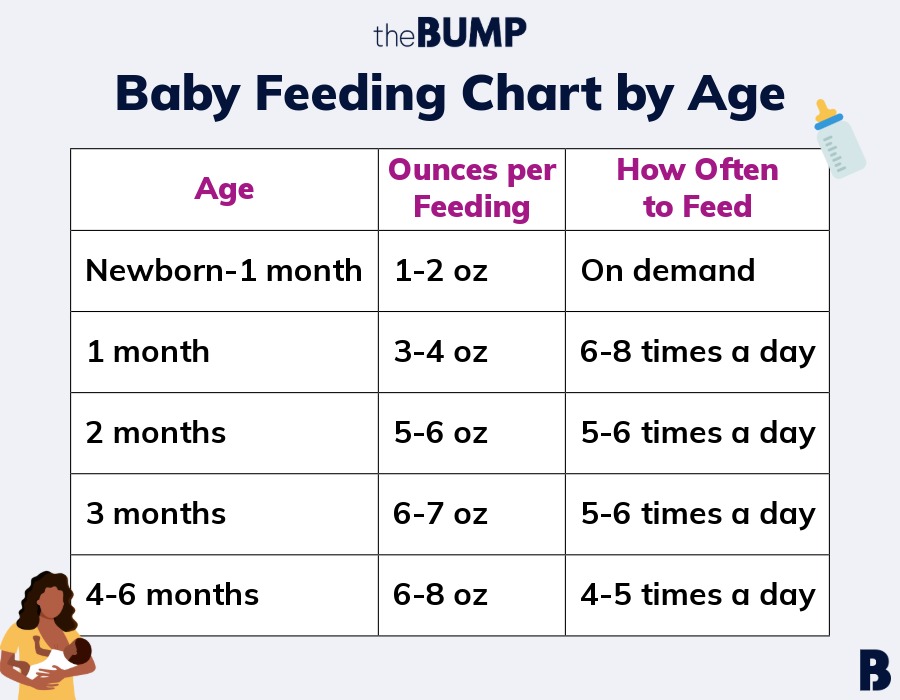
Look at the whole day, counting milk taken at the breast or by any other safe method. Is this your baby’s usual pattern? Does your baby feed normally with you and refuse only bottles from someone else, or are feeds that used to work now a struggle?
| What you see | What it points to | What to do |
|---|---|---|
| Baby refuses the bottle but continues feeding well another way | Bottle refusal only | Use the calm-offer steps in the next section |
| Milk intake drops across feeding methods, wet diapers become less frequent, or the baby is unusually sleepy | A feeding or health problem | Call your pediatrician promptly; with dehydration warning signs, call right away |
| Baby repeatedly coughs or chokes during feeds, or has difficulty breathing | A feeding or swallowing safety problem | Get your baby assessed promptly for recurring coughing or choking; severe breathing difficulty requires emergency care |
The American Academy of Pediatrics’ dehydration guidance lists the signs: fewer wet diapers, a dry mouth, reduced tears and unusual sleepiness. They need timely attention.
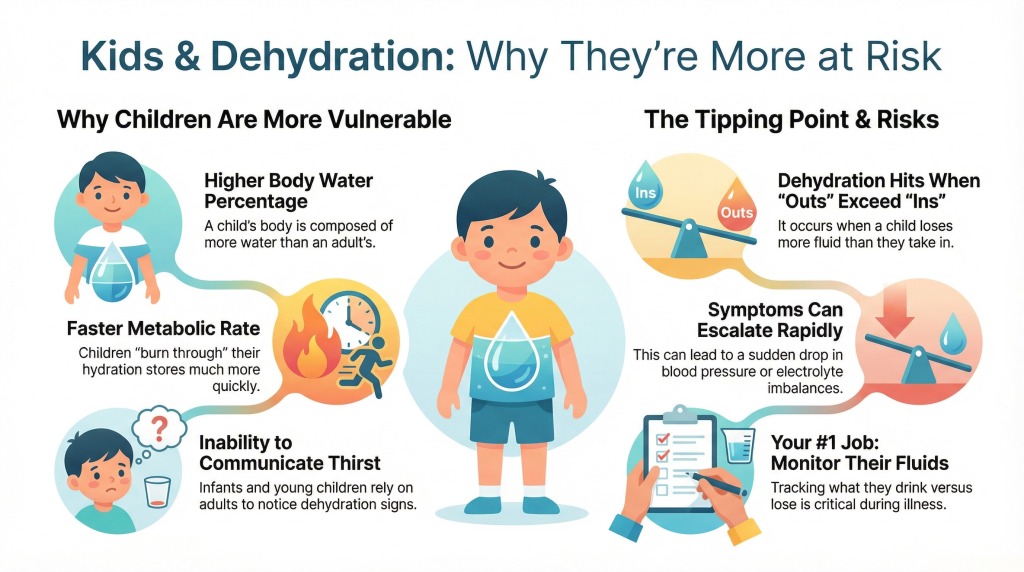
One good feed doesn’t mean your baby is eating enough all day, and a baby who settles quietly after refusing a bottle may still need milk.
Breast milk or infant formula stays an important source of nutrition during infancy, and starting solids doesn’t fix low milk intake. For decisions about breast milk, infant formula, and solid foods, see Baby Feeding From Birth to 24 Months: What Changes and What to Do Next.
Make the first bottle attempt calm and low-pressure
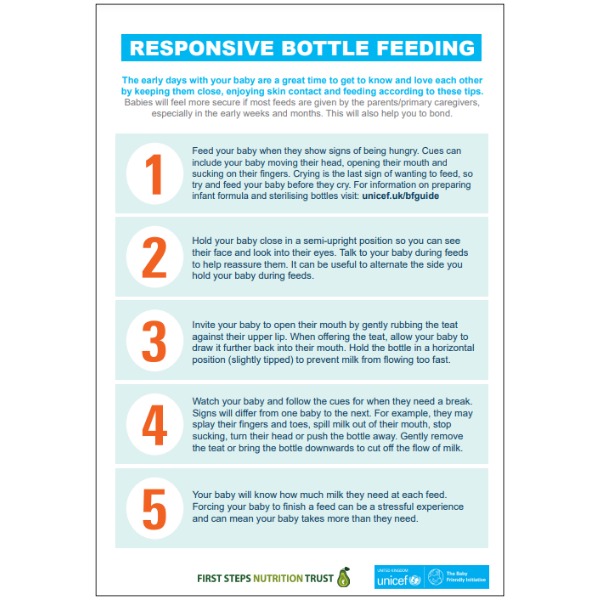
When your baby feeds well otherwise, make the next bottle offer unhurried and easy to stop. Your baby can approach the nipple, pause or turn away without pressure.
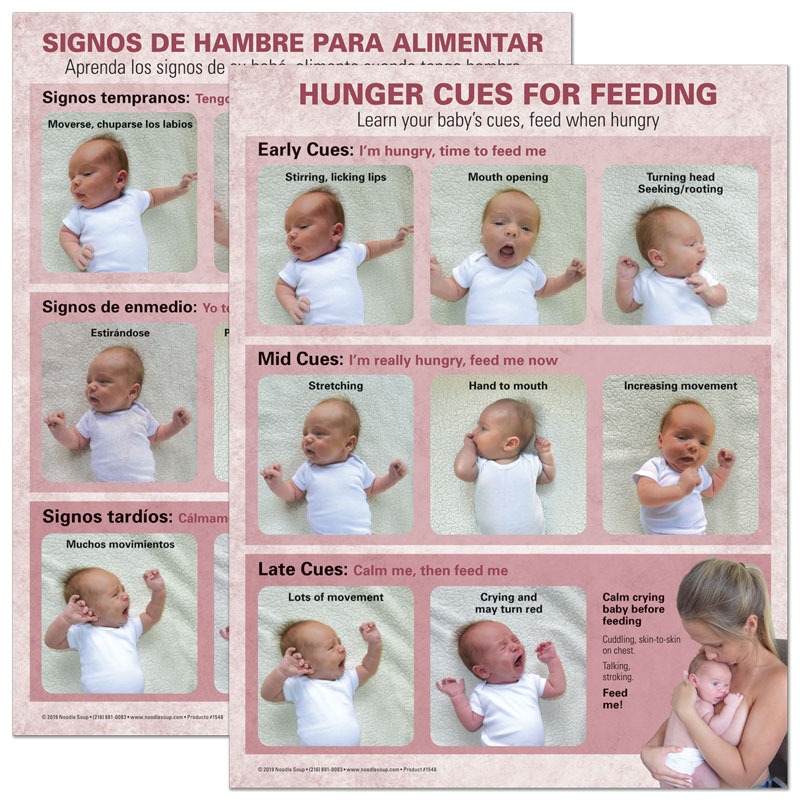
Offer when you see early hunger cues and your baby is calm. Waiting until crying has escalated makes it harder, and a baby who’s already full tells you little.
The CDC’s bottle-feeding guidance supports starting with a small amount and letting your baby guide the feeding.
A nursing baby may respond differently when someone other than the breastfeeding parent offers the bottle. That person can try without the familiar expectation of nursing.
During the offer:
- Hold your baby and the bottle. Support your baby while holding the bottle at a suitable angle. Never leave a bottle propped in place.
- Allow natural pauses. Let your baby pause and respond instead of keeping milk flowing continuously.
- Stop when your baby says no. Turning away, closing the mouth or pushing the nipple away means no more. If your baby becomes distressed or signals fullness, stop. Don’t force the nipple into the mouth or insist on finishing the bottle.
Change one thing at a time: caregiver, nipple, flow or milk
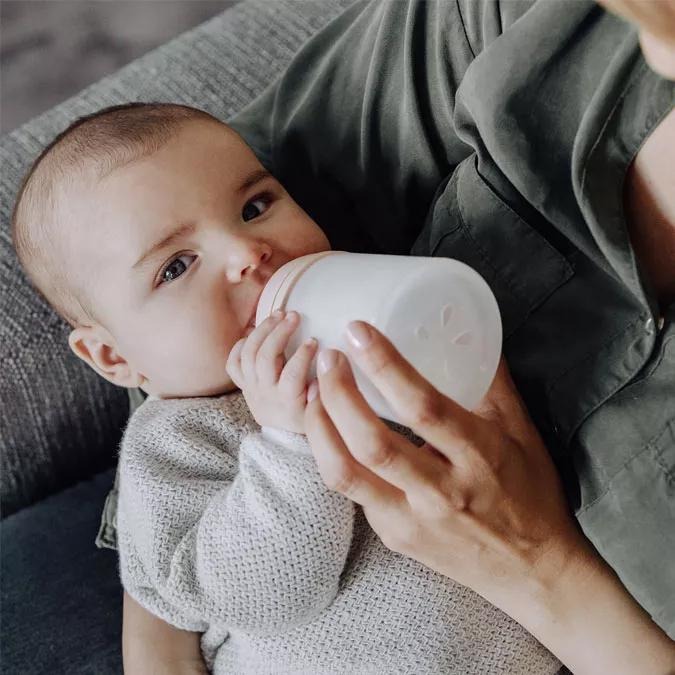
When the first offer fails, changing several things at once leaves you unable to tell which one mattered. Pick one adjustment and watch what happens.
The IABLE bottle-refusal resource covers several factors worth considering, including who offers the bottle, its positioning, the nipple and the milk.
| Factor | What to change | What to watch |
|---|---|---|
| Caregiver | Nursing parent or another familiar adult | Whether your baby’s response changes with the person offering |
| Timing and setting | Calm feeding cues, surrounding activity or familiar routine | Whether your baby approaches the bottle more comfortably |
| Position | How your baby is supported and held | Comfort, ability to pause and signs of distress |
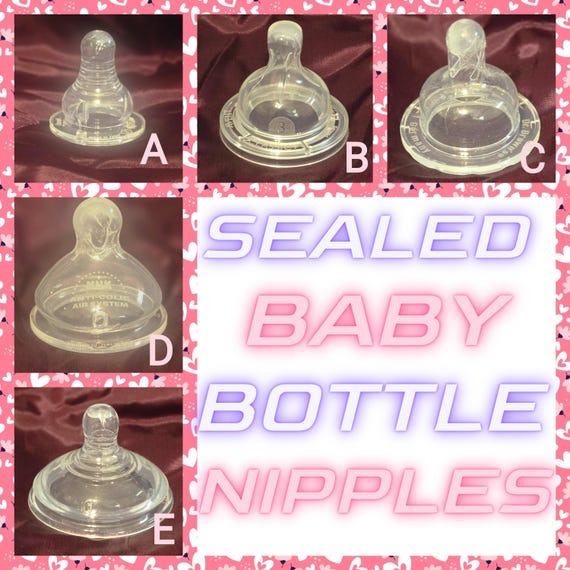
| Nipple and flow | Nipple design or flow | Milk spilling, trouble managing the flow, coughing or struggling |
| Milk | Freshly expressed or stored milk, or different safely prepared serving temperatures | Whether the response differs |
If another familiar adult gets a calmer response, let that person make the next offer. If a different supported position seems more comfortable, try it at a separate feeding. Changing a nipple can’t assess swallowing.
What to do with a nipple or milk concern
Before you buy several bottle systems, look at how your baby handles the current nipple. The manufacturer’s instructions and your baby’s response both matter. A separate guide to choosing baby bottles and nipples covers product characteristics.
Freshly expressed and stored breast milk can differ in smell or taste, but a change in odor doesn’t confirm “high lipase.” Follow expressed breast-milk storage and warming guidance when preparing milk for any trial.
After each trial, note the one thing you changed and whether your baby took milk, paused, turned away or got upset. The notes also help if you seek feeding support.
What if your baby used to take bottles and suddenly refuses?

A baby who took bottles before and now refuses needs a fresh look at what changed. For one family, bottles stopped working three weeks before a return to work:
Our three month old (who used to take a bottle) is absolutely refusing a bottle (doesn’t matter if it’s pumped milk or formula) and I’m spiraling. I had always planned on weaning or combo feeding around now (I go back to work in 3 weeks) and now I’m just feeling so trapped and panicked!!
Compare the period when bottles worked with now. Did the caregiver change? The bottle or nipple? The feeding routine? Is your baby feeding differently in general, or unwell? If the refusal persists or comes with a change in general feeding or health, describe the new pattern to your pediatrician.
If daycare starts soon, make a feeding handoff before the first day
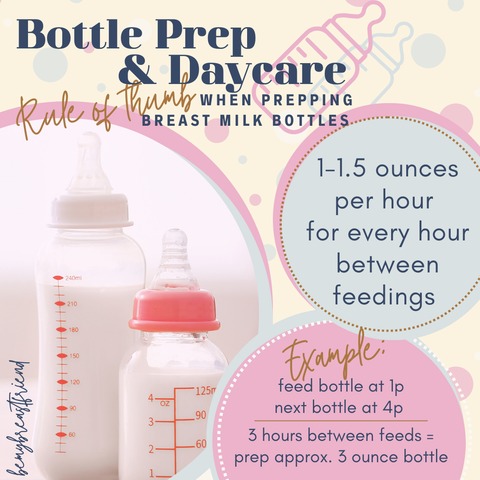
A daycare start date changes the problem. Another adult needs to know how your baby feeds now, what happens during bottle offers and when to call you.
One parent, just over a week from returning to work:
Help! I go back to work in just over a week and my breastfed 3 month old won’t take a bottle. We had the same problem with my now 3 year old, he didn’t take a bottle until he was 8 months. We were given lots of strategies to try with him, so we’ve tried a lot with his baby, too.
A simple handoff card
Fill this in with the person who will offer milk, using your baby’s real feeding history and any instructions from your healthcare team.
| Information to share | What the caregiver should know |
|---|---|
| How your baby feeds well | The method that currently works |
| Last good feed | When your baby last fed well, if known |
| Feeding cues | What early hunger, fullness and distress look like for your baby |
| What you’ve tried | Which approaches you’ve used and what happened |
| The plan | Who offers the bottle and how a calm attempt is handled |
| Who to call, and when | Your contacts, relevant clinical contacts and agreed reasons to call |
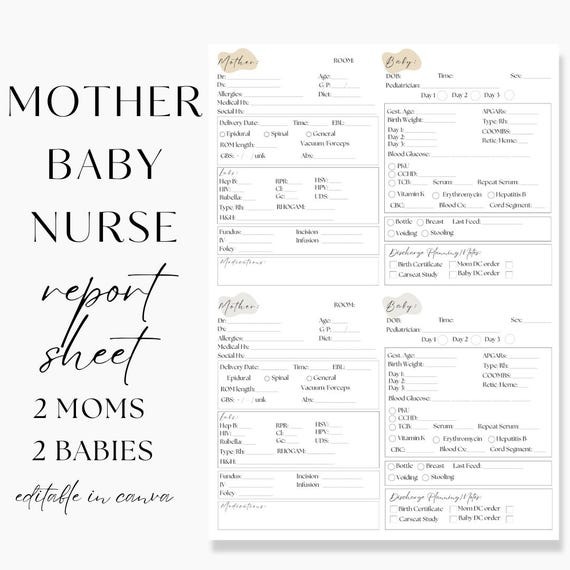
Settle who decides when your baby can’t take a full feed during care. A teacher can report what happened and follow the agreed plan, but a concern about intake or illness may need your baby’s pediatrician.
South Dakota WIC offers caregiver-specific guidance for reluctant breastfed babies, including different feeding approaches. Match any method to your baby’s age, feeding ability and care plan.
When daycare says your baby isn’t drinking enough
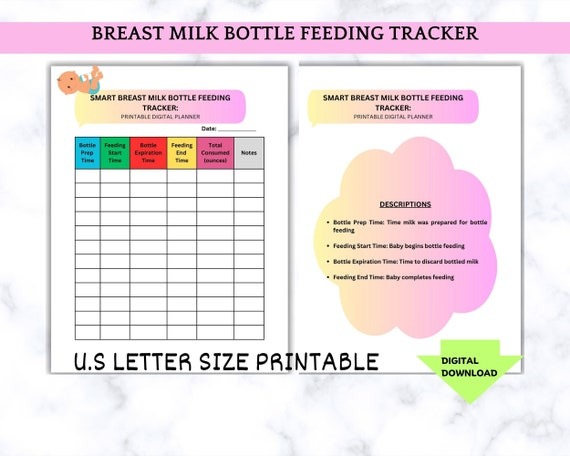
When daycare reports a refused bottle, you need details: when the last good feed was, what was offered, what your baby took and whether there were worrying symptoms.
Even after a baby starts taking bottles, milk supply and daycare expectations can clash:
I went back to work at 5.5 months and and he refused the bottle. The first two months were rough. He wouldn’t touch it or only take an oz. We tried so many things and finally found a bottle and temperature he liked but then he would only take the full bottle half the time. Finally, as of last week, he has had two straight weeks of finishing every single bottle every day. Yay! I got more of that specific bottle and nipple.
The daycare later asked for more milk than this parent expected to send.
Judge a request for more milk against your baby’s other feeds, feeding cues and health. A daycare’s preference or a single ounce figure doesn’t set the right amount for every baby.
What to ask for after a difficult daycare feed
Ask the daycare to record the last good feed and other feeding information, the time and the person who offered the bottle, the amount taken if measured, and your baby’s response (accepted, paused, refused, cried or showed discomfort). Add any illness symptoms, coughing, distress or hydration concerns, and when they called you and what you agreed. Ask them to report what happened in neutral language, without blame.
If you must change feeding because of work or medication
Some families can’t postpone a feeding change. Work, separation from the nursing parent or a planned medication can set a deadline before a baby accepts bottles comfortably.
A planned medication change made the deadline especially frightening for this parent:
I absolutely have to stop breastfeeding at the end of this month because I have to go on a medication that’s not bf friendly, like I literally have no choice. My baby has refused all bottles since 2 months old, she’s going to be 6 months on the 5th. I’ve tried every trick to try and transition her, nothing has worked.
Many prescribed medicines can be used while breastfeeding. The prescribing clinician should check a specific drug against your situation and your baby’s.
If feeding must change, the prescriber and pediatrician can coordinate a milk-feeding plan, with a lactation professional’s support when helpful. For latch, milk transfer and lactation support, see Breastfeeding Basics: Latch, Milk Transfer, and Getting Help.
Include an alternate caregiver, enough milk and a backup if the planned feeding method fails.
Never withhold milk to make a baby hungry enough to accept a bottle. It’s unsafe.
Can you use a cup instead of a bottle?

Sometimes. A clinician may consider cup feeding for some babies who can’t use bottles, including outside an emergency. Ask your baby’s clinician what suits your baby’s age and feeding skills. The CDC describes cup feeding during infant-feeding emergencies, and South Dakota WIC also discusses alternatives for reluctant breastfed babies. A separate guide covers age-appropriate cup transitions.
When to call your pediatrician or a feeding specialist

Get help when bottle refusal affects overall intake, continues despite reasonable adjustments or comes with worrying feeding symptoms. The right professional depends on whether the problem is general health, breastfeeding or the mechanics of feeding.
- Pediatrician: Your first stop for reduced intake, a new feeding change, hydration concerns, illness symptoms or growth questions.
- International Board Certified Lactation Consultant (IBCLC): Help with breastfeeding, expressed milk, combination feeding and how nursing and bottle feeds fit together.
- Pediatric feeding or swallowing specialist: Assessment for persistent difficulty, worrying coughing or gagging, or suspected trouble managing milk. This may be a speech-language pathologist or a multidisciplinary feeding team.
Bring a clear account of what still works, what has changed, how your baby responds to offers, and any changes in wet diapers, illness signs or growth.