
If your baby is ready for solids, you can start with baby-led weaning, spoon-fed purées, or a mix of both. Pick what fits your baby’s feeding skills, the textures you can prepare safely, and what you can manage day to day. A significant swallowing, growth, allergy, or developmental concern changes that choice and calls for individualized guidance. Without one, check readiness and safety, try one feeding arrangement, and follow your baby’s cues.
Baby-led weaning, purées, or both: what are you choosing?
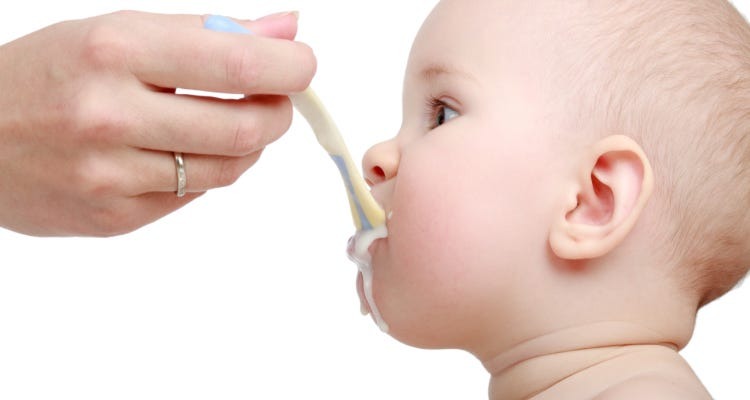
Baby-led weaning (BLW) means the baby brings food to their own mouth, usually with their hands. Purée is a texture. The two overlap, so the divide between BLW and spoon-feeding is blurrier than it looks.
You can offer a purée and pause while the baby decides whether to accept it. The baby can also self-feed from a preloaded spoon. Another meal might be finger foods. A combination uses whichever of these works for your child and your setting.
Here, weaning means adding complementary foods while breast milk or infant formula continues. The American Academy of Pediatrics allows flexibility between approaches and keeps the same nutrition and safety priorities.
Food texture and control of the bite
| Food texture | Baby brings food to the mouth | Caregiver offers food responsively |
|---|---|---|
| Smooth purée | Baby grasps a preloaded spoon. | Adult offers a spoon and waits for acceptance. |
| Mashed or lumpy food | Baby explores the texture with a spoon or fingers. | Adult presents the texture and respects stop cues. |
| Suitable graspable food | Baby picks up the food and brings it to the mouth. | Adult prepares and positions the food for the baby to take, without placing it into the mouth. |
Before choosing a method, check readiness and food safety
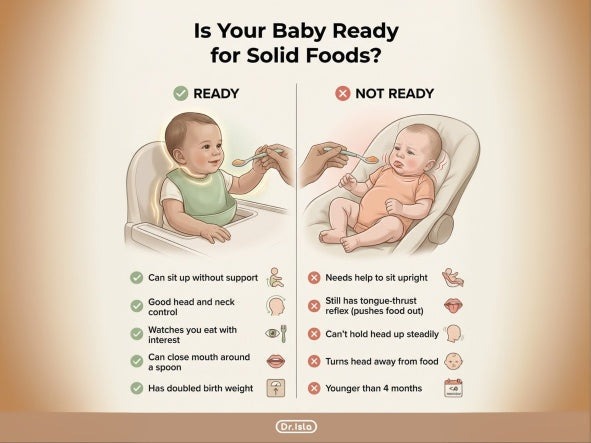
Start with readiness. The CDC’s starting-solids guidance places complementary feeding at around six months and recommends against introducing solids before four months. You can see the signs: head and neck control, sitting with support, interest in food, and moving food around in the mouth. Finger foods ask for more. Your baby needs enough upright stability to sit through the meal, plus the ability to grasp food and bring it to the mouth. A baby can be ready for first tastes and still not be ready for finger foods.
A go/no-go serving check
- Development: The baby has the general readiness skills for solids and the motor skills for the way you plan to feed.
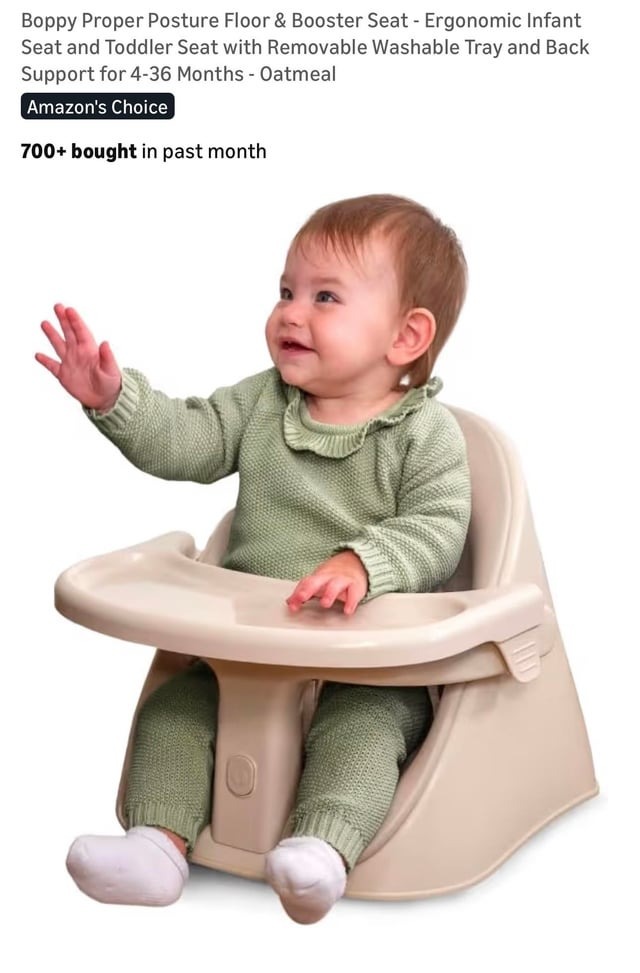
- Position: The baby stays upright with support during the meal.
- Supervision: An attentive adult is present throughout eating. The baby does not eat while riding in a car or stroller.
- Food form: The shape and texture suit the baby’s current skills. Hard, round, sticky, and other choking hazards are left out or changed.
- Age restrictions: The food meets any age limits, including no honey before 12 months.
If you can’t tick every box, change the plan. A baby who lacks general readiness should wait to start solids. If a food’s shape or texture is wrong, change the food or wait until the skills develop. The CDC’s choking-hazard guidance stresses preparation and supervision across feeding styles.
For more on readiness, see how to tell when a baby is ready for solids. Questions about specific foods belong in the guide to foods and shapes that raise choking risk.
What the evidence says about choking, iron, weight, and picky eating
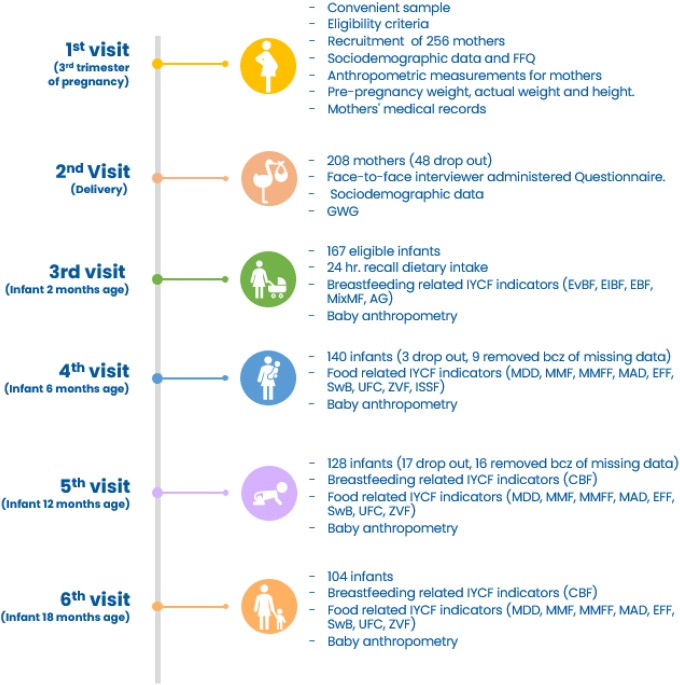
Research on baby-led feeding looks at specific programs and specific outcomes. BLISS (Baby-Led Introduction to SolidS), for example, is a modified approach that includes guidance on food safety and nutrition. Choking, iron status, body weight, and food fussiness each need their own evidence.
| Outcome | What researchers studied and found | Decision for parents |
|---|---|---|
| Choking | A 2016 modified BLISS trial found no statistically significant group difference in choking frequency. A 2024 review of seven eligible studies also found no significant difference across the approaches studied. | Pick either method. The safety steps above apply to both. |
| Iron status | A 2018 trial found no poorer measured iron status in a modified BLISS group that received explicit iron-rich-food advice. | Include iron-rich foods in textures your baby can handle. |
| Body weight | A 2017 randomized trial found no BMI improvement with modified BLISS at 12 or 24 months. | The trial gives no weight-based reason to favor modified BLISS. |
| Food fussiness | Some parent-reported fussiness outcomes differed in intervention research. Lasting protection against picky eating wasn’t established. | Base today’s feeding decisions on skills, nutrition, and responsiveness. |
The 2024 choking-risk systematic review noted recall and study-design limitations. A nonsignificant difference between groups doesn’t prove identical risk for every baby.
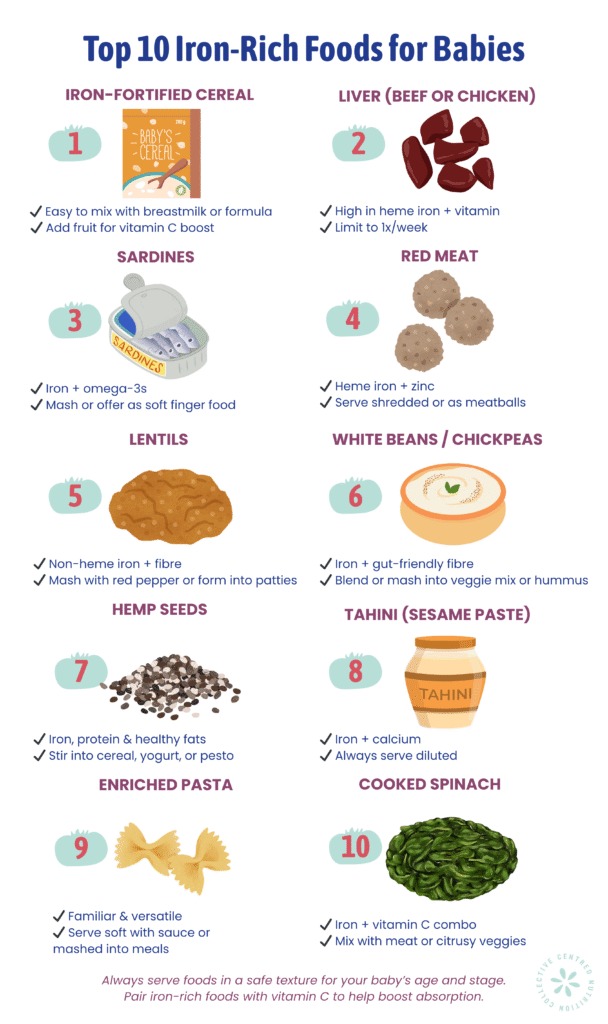
Iron needs its own attention as complementary foods expand. In the 2018 BLISS trial, 74% of participating infants were at risk of inadequate iron intake at seven months, and 17% had suboptimal iron status at twelve months. Iron-rich options include properly prepared meat, iron-fortified infant cereal, beans, and lentils. Serve them in a texture your baby can handle. Self-fed and spoon-fed meals both need nutritional planning.
The 2016 BLISS choking trial gave parents specific food-safety instruction, which matters when you apply its findings to everyday BLW.
A 2026 scoping review included 63 studies across 80 reports and found variation in definitions and measurement. When someone claims an outcome advantage, check which intervention was tested, which outcome was measured, and whether either matches your baby’s feeding situation.
Responsive spoon-feeding and self-feeding can work together
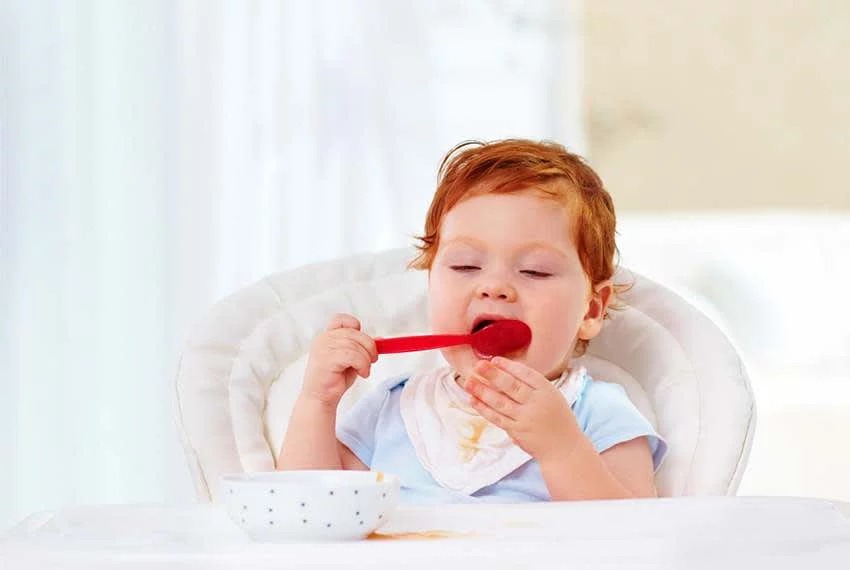
Spoon-feeding can be responsive. The CDC describes opening the mouth and reaching toward food as interest cues, and turning away, closing the mouth, or pushing food away as signs of refusal or fullness.
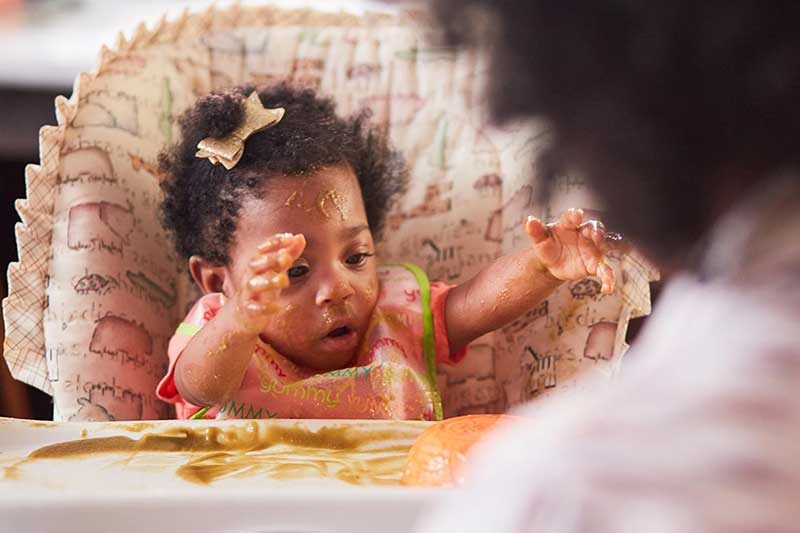
A preloaded spoon gives the baby a way to take part. Put a purée or mashed food on the spoon and offer it for the baby to grasp. The baby controls the movement toward their own mouth.
A parent describes the pressure that can creep into spoon-feeding:
They will scrape food off baby’s mouth and push it back in, distract baby to pop the spoon in their mouth, offer purees after solids in an effort to get baby to eat more, etc. IMO this is easily remedied by respecting cues like clamping mouth/turning head away and by offering baby a pre-loaded spoon to feed themselves (as is often recommended on other BLW resources). Be warned it is 1000x messier this way; we started with a combo and quickly ditched most purees because it’s less work to feed whole foods lol. Obviously some of the foods we still regularly eat as humans have a pureed texture anyway (yogurt, applesauce, mashed potato, hummus, lentil soup, guac, etc.) so baby gets exposure to that regardless of approach.

Present, wait, pause
- Present: Show the baby the spoon with a small amount of food.
- Wait: Let the baby open their mouth or reach for the spoon.
- Pause: Stop at a closed mouth, a turned head, or a pushed-away spoon.
Self-feeding and utensil skills develop through practice. Early spoon exploration may get little food to the mouth.
What if your baby gags, rejects textures, or hardly eats solids?
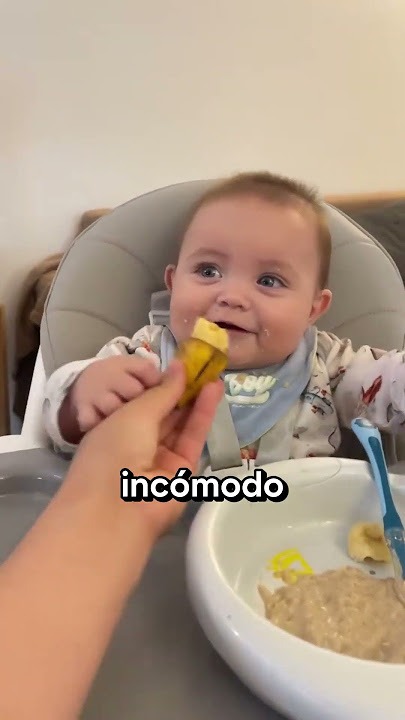
A baby learning new textures may gag, spit out a piece, or struggle with a food. What happens next depends on the food’s shape and texture, how the baby responds, and whether it keeps happening.
A parent tried finger foods with an eight-month-old who had mostly eaten purées:
We’re currently doing mostly purées, but we also try BLW here and there. Every single time, though, she bites off a big piece, gags, and spits it out. I know gagging is “normal,” but it completely freaks me and my husband out every time. I even bought the Solid Starts app to get extra help, but I feel like my baby doesn’t even try to chew. It looks like she just pushes the food up against her palate, and if it doesn’t dissolve, she gags. It makes me so anxious and honestly makes me feel like I’m failing her. I’d love to just give her whatever we’re eating, but I’m scared.
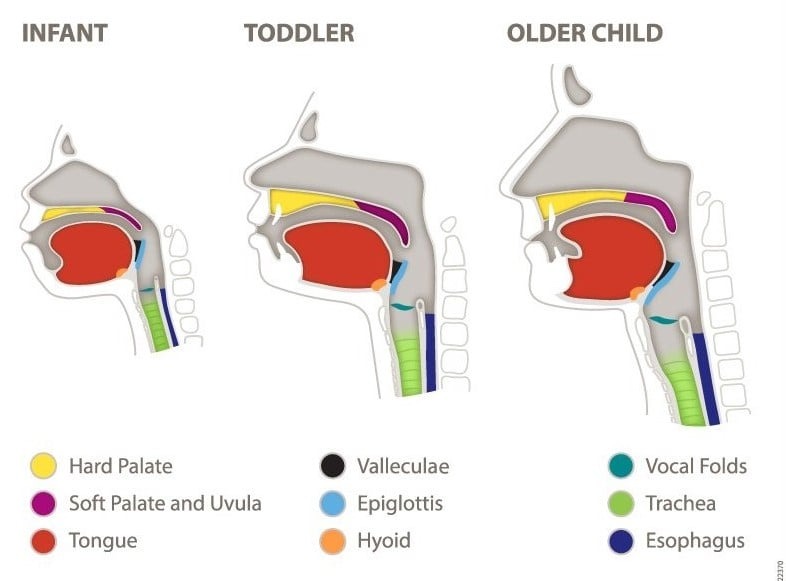
When a baby gags, you’ll see retching and hear noise as food moves forward in the mouth. A baby who coughs effectively or cries can still move air. Severe choking can be silent. Warning signs of severe airway obstruction are a weak or absent cough, inability to cry or breathe normally, a high-pitched breathing sound, a blue or gray color change, or reduced responsiveness. If you suspect severe choking, call 911 and begin infant choking first aid immediately. Repeated difficulty swallowing or managing textures merits assessment by your child’s clinician.
For ordinary texture practice, change the food to match what your baby can handle now. The CDC describes a progression through smooth, mashed, lumpy, and other textures as oral and feeding skills develop.
Notice what happens during the meal
- Food: Record the food’s shape and texture.
- Setting: Note the seating and who is supervising.
- Response: Describe any gagging, spitting, refusal, or trouble with the texture.
- Recurrence: Note whether it happens again and whether milk intake or general feeding has changed.
Breast milk or infant formula remains the main source of nutrition between 6 and 12 months, while complementary foods contribute more over time. Persistent refusal, concerns about milk intake, dehydration, or poor growth need attention even in the earliest stages of solid food. To compare breast milk, infant formula, and solid foods, use Baby Feeding From Birth to 24 Months: What Changes and What to Do Next.
The broader guide to feeding progression from six months toward the first birthday covers routines that change with each stage.
Which approach fits your meals, daycare, and schedule?
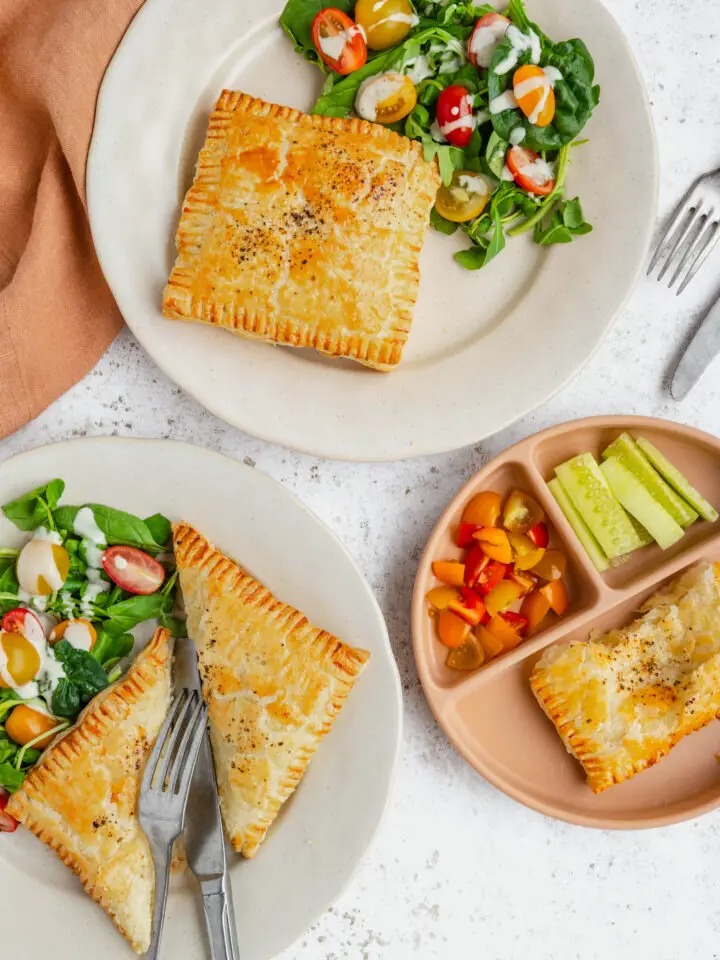
A method that works at a relaxed family dinner may not work for another caregiver during childcare hours. Shared family food makes BLW convenient, though a portion may still need special preparation. Purées bring their own serving, storage, utensil, and cleanup work.
One family’s choice came down to enjoyment, preparation, and time:
Wife and I started blw only at 6 months. He’s 10 months now and although it takes extra time to prepare his special portion of every single meal, we love it! We all eat together, every single time, and we eat the same stuff with some minor differences. I’d recommend it as it is fun and requires a bit of planning and creativity to prep balanced and nutritious meals. And just to be clear, we have nothing against purees, we just borh love to cook and are lucky enough to be able to take a very long combined parental leave (18 months).
Their time made an involved routine enjoyable. A family juggling separate work shifts or childcare pickup may find the same preparation hard.
| Approach | When it may fit | What caregivers must manage |
|---|---|---|
| Self-fed finger foods | Baby can handle finger-food forms and an adult has time for a supervised meal. | Food preparation, active supervision, and cleanup. |
| Responsive spoon-fed purées | A caregiver can offer a texture the baby manages and consistently follow acceptance and refusal cues. | Food preparation, suitable utensils, and responsive pacing. |
| Combination | Different caregivers or settings can handle different feeding arrangements safely. | Shared safety and cue expectations across settings. |
Before you settle on a plan, decide who supervises, who prepares and serves the food, and what your childcare or travel setting allows. Childcare rules vary by provider, so the setting decides your options.
A practical way to combine purées and finger foods over time

A mixed meal can offer one texture and let the baby choose how to take part. As feeding skills develop, change the texture, the utensil setup, or the chances for finger foods.
Try one manageable meal
- Select food forms: Choose textures that pass the safety check above.
- Offer participation: Present a purée responsively, hand over a loaded spoon to grasp, or add a separate graspable item if your baby is ready for it.
- Observe: Watch which presentation your baby can grasp and handle during this meal.
- Adjust the next meal: Keep what worked and change a texture or setup that proved hard.
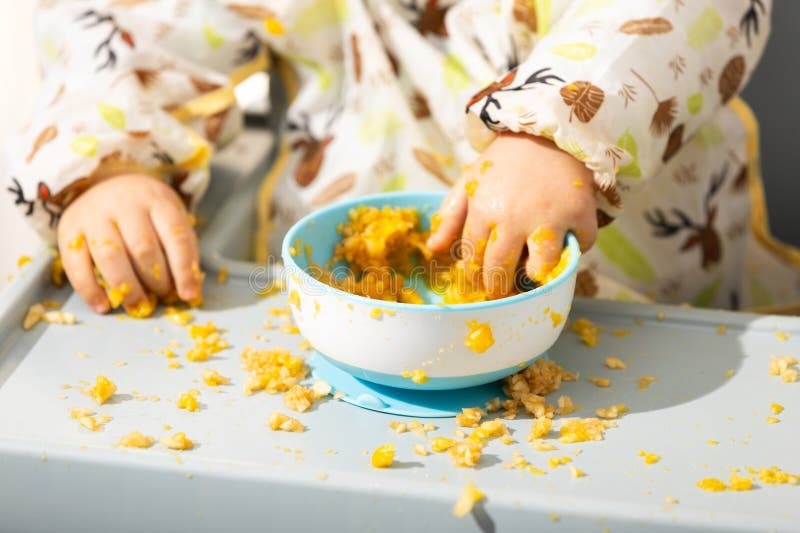
For example, a baby may accept mashed food from a spoon and show interest in holding a second spoon.
When allergies, growth, or swallowing concerns change the decision
Known allergies, prematurity, repeated swallowing difficulty, persistent feeding refusal, growth concerns, or developmental complexity call for an individualized plan with your pediatrician or a qualified feeding team. Bring observations about food textures, swallowing, milk intake, growth, and allergy history. The guide to introducing allergenic foods when extra precautions are needed covers that separate question.