
Put your baby on their back, on a separate, firm, flat sleep space, every time. Then match the problem to your baby’s age: newborn sleep patterns, short naps, a hard bedtime, or night waking. If your baby is ill, has trouble breathing, or shows another worrying change, get medical care first. Otherwise, use the matching guide or a simple routine your family can stick with. For sound machine, volume level, and sleep distance, see Sound Machines for Babies: Safe Setup and Features That Matter.
Where Should Your Baby Sleep Safely?
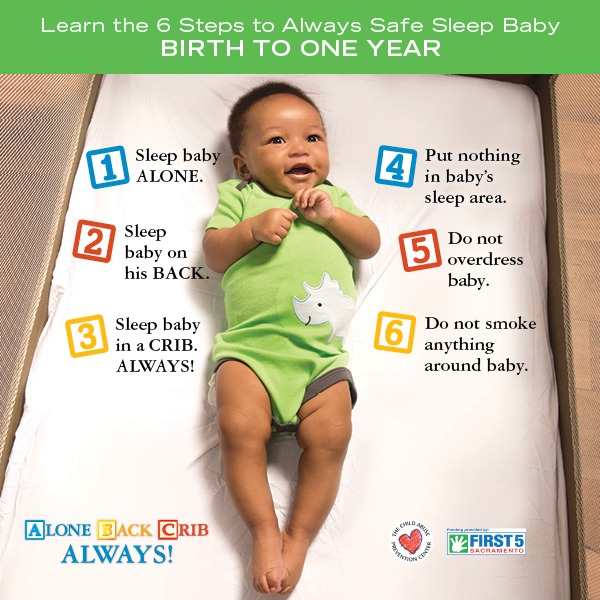
A baby can look perfectly content somewhere that isn’t safe for sleep. The crib transfer ends in tears, the baby sleeps longer in your arms, and the unsafe option starts to look tempting.
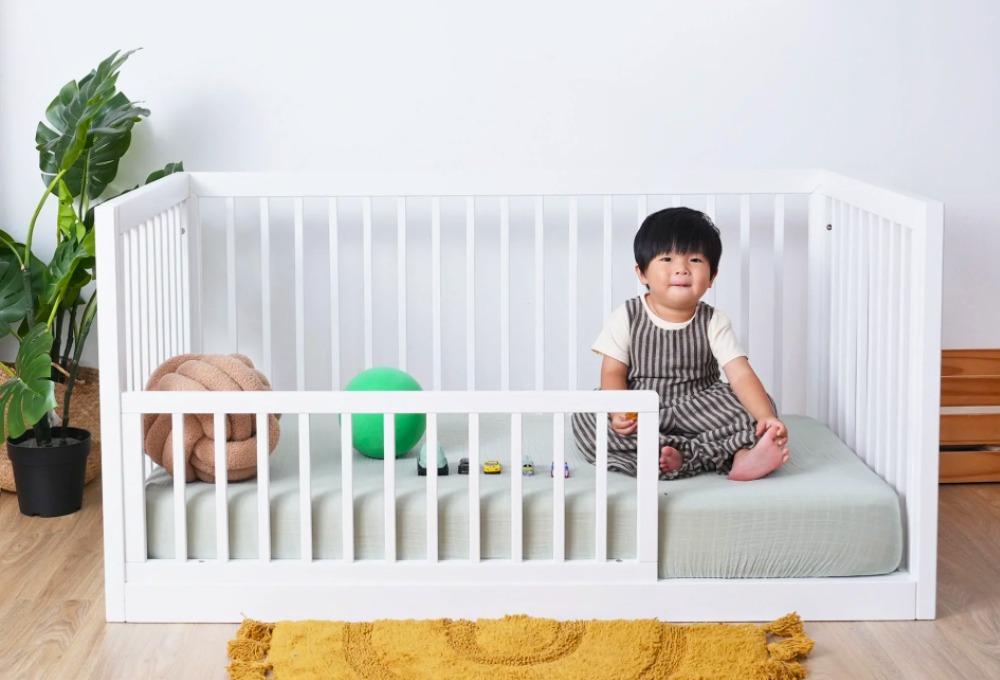
The American Academy of Pediatrics and the Centers for Disease Control and Prevention recommend the setup below. A crib, bassinet, or approved play yard works when you follow its requirements and instructions.
- Back for every sleep. Put your baby down on their back, naps included.
- A separate sleep space. Keep the surface in your room, ideally until your baby is at least 6 months old, and don’t share an adult bed.
- A firm, flat, noninclined surface. The mattress and the product must be made for infant sleep.
- A bare sleep area. Keep pillows, loose blankets, crib bumpers, soft toys, and other loose or soft objects out.
- No sleeping with your baby on a sofa or recliner. These surfaces are seriously hazardous even when the baby looks comfortable.
No sleep setup removes the risk of sleep-related infant death, including sudden infant death syndrome (SIDS). The CDC’s infant safe sleep guidance explains the recommended position and environment.

A baby lounger, swing, or stroller accessory can look inviting when the crib has been a struggle. Looking cozy and settling your baby doesn’t make a product safe for sleep. Check that exact product and its instructions. If your baby falls asleep in a car seat, stroller seat, swing, or carrier, move them to a firm, flat surface on their back as soon as it’s safe to do so.
In the United States, the Safe Sleep for Babies Act ban on infant inclined sleepers and crib bumpers took effect November 12, 2022. The CPSC product guidance describes the affected categories. It doesn’t certify every product marketed for babies.
If you’re unsure about a bassinet or another item, compare its instructions with the complete infant safe sleep checklist before using it for sleep.
Which Baby Sleep Problem Are You Trying to Solve?
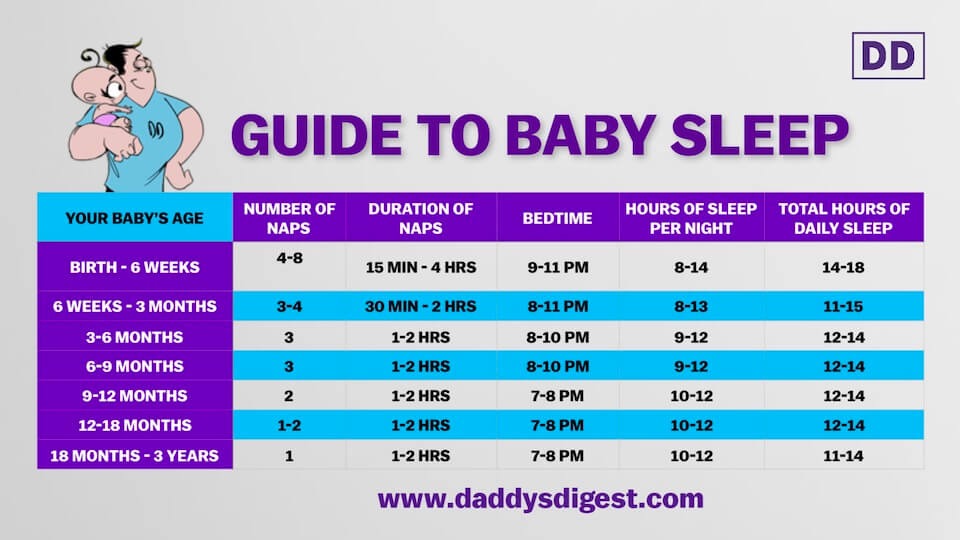
“My baby won’t sleep” can mean several things. A newborn who is awake at odd hours needs something different from an older baby who settles at bedtime but wakes during the crib transfer. Start with the row that matches what you see.
| What you’re noticing | First thing to clarify | Where to go next |
|---|---|---|
| A newborn sleeps at unpredictable hours | Is this just typical for the age? | Newborn sleep patterns |
| Naps seem unusually short | Is it falling asleep, staying asleep, or nap timing? | Nap schedules by age |
| You’re unsure about wake windows | Are you reading your baby’s sleep cues along with age? | Baby wake windows |
| Bedtime involves a long struggle | Would a short calming sequence fit your evening? | Bedtime routine guidance |
| The baby wakes at night or during crib transfer | Does the waking happen while settling, at the transfer, or later? | Night waking guidance |
| Sleep changed around four months | Is it a new age-related change with no signs of illness? | Four-month sleep changes |
| The baby is swaddled and showing signs of trying to roll | Is your baby trying to roll? If so, stop swaddling. | Swaddle transition guidance |
| You’re unsure about a lounger, swing, or carrycot | Is the product made and permitted for infant sleep? | Sleep products to avoid |
If your baby is ill or has worrying symptoms, read the medical guidance below before any routine troubleshooting.

A three-week-old who sleeps in several stretches across day and night needs newborn expectations. A baby who wakes every time you lower them into the crib has a narrower problem: the transfer and what happens after it.
If you change several bedtime elements at once, you can’t tell which one mattered. Start with one check.
How Much Sleep Do Babies Need in the First Year?
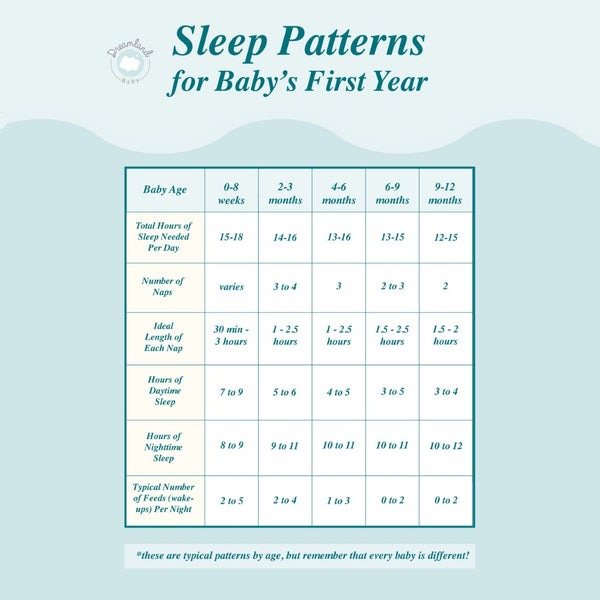
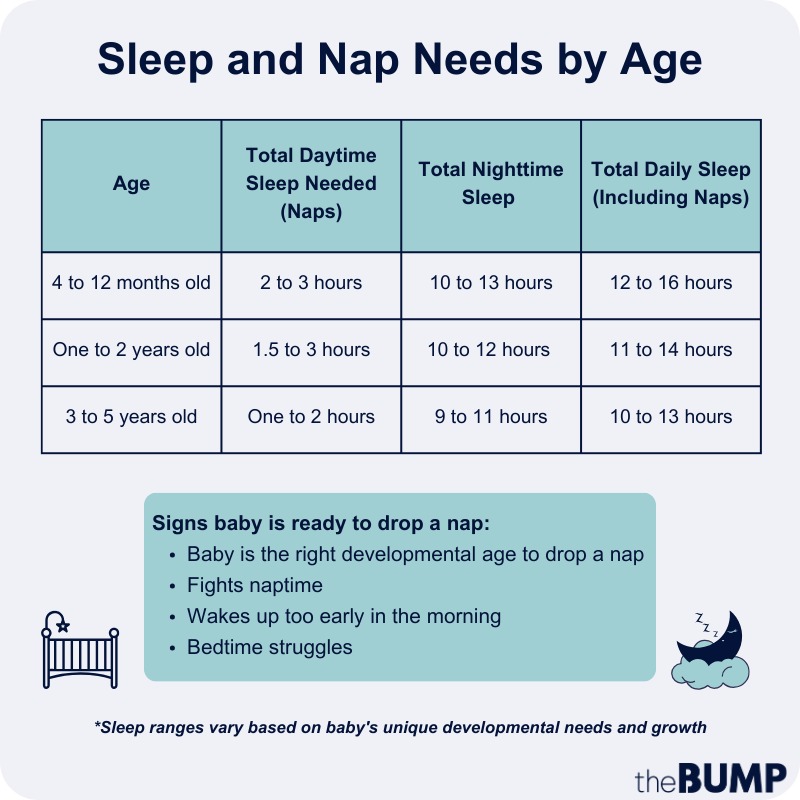
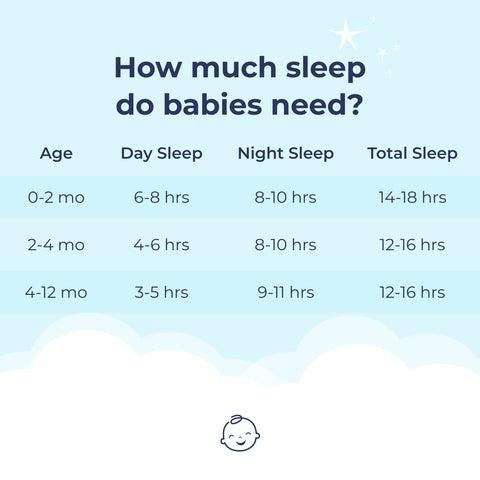
The CDC recommends total sleep over a full 24 hours by age, naps included, even when your baby wakes repeatedly at night.
| Age | Recommended sleep per 24 hours | What the range describes |
|---|---|---|
| 0 to 3 months | 14 to 17 hours | Sleep across day and night |
| 4 to 12 months | 12 to 16 hours | Total sleep, including naps |
| 1 to 2 years | 11 to 14 hours | Total sleep, including naps |
Source: CDC, About Sleep.
These are broad daily totals, and nap timing and bedtime vary.
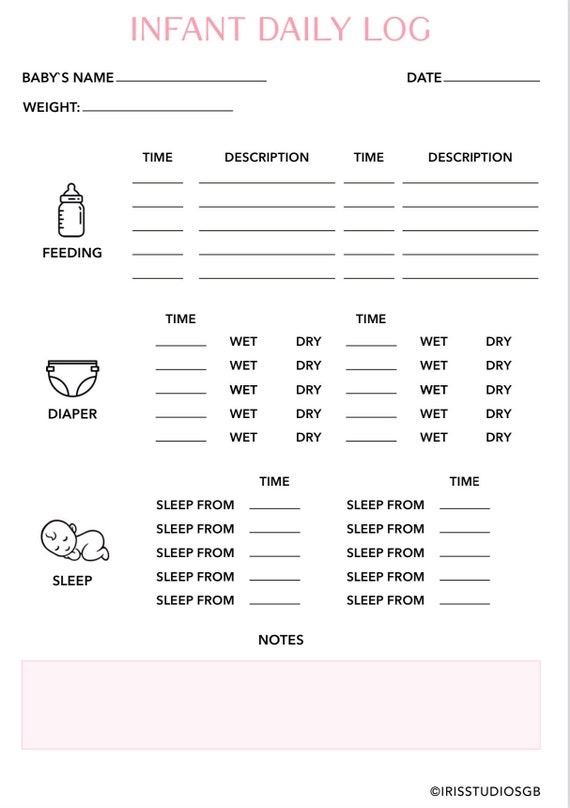
A 2014 longitudinal study followed 704 parent-infant pairs in Italy and assessed sleep at 1, 3, 6, 9, and 12 months. It found substantial individual variation in daytime, nighttime, and total sleep. The study was observational.
Patterns can shift during the first year, even after several weeks of fairly long stretches. Estimate your baby’s sleep across a full day and compare the total with their age and health. The newborn sleep guide goes through the earliest months.
What a Simple Bedtime Routine Can and Can’t Do
A bedtime routine gives the evening a familiar order and helps you organize care and settling without an elaborate schedule. Start with a quieter wind-down from daytime activity, add your baby’s usual care or feeding, and end by putting them in their sleep space. Adjust the details to your baby’s age and your usual evening.
Pick steps you can repeat on a bad night. A routine that needs a set bath, an exact bedtime, special equipment, and several settling techniques is hard to repeat when your baby needs extra care. Keep the steps familiar, and don’t redo the whole evening after one hard bedtime.
The AAP discusses bedtime routines alongside the changing sleep patterns of babies, and a simple, repeatable sequence fits that. A routine won’t guarantee longer stretches of sleep, replace night feeds, or fix a medical problem. Formal sleep training is a separate decision that depends on age.
Short Naps and Wake Windows: Where to Start
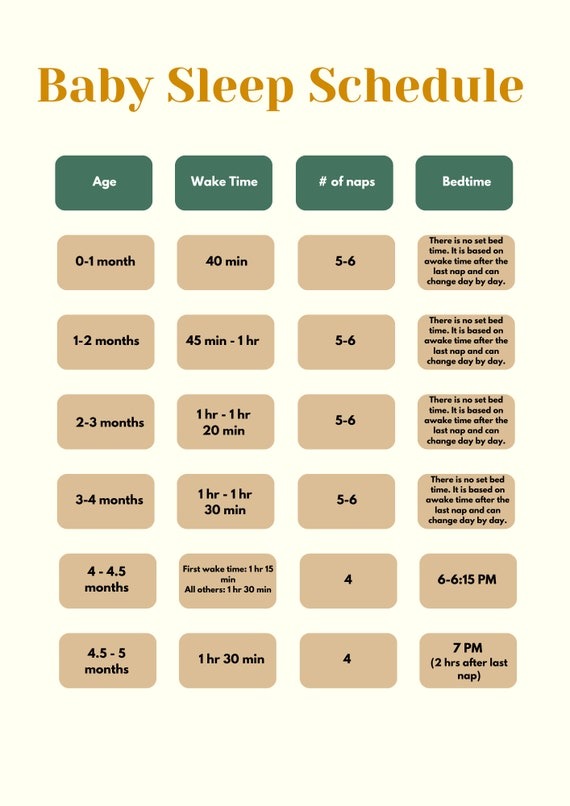
A wake window is the time your baby spends awake between sleep periods. Age charts give you a starting point. Read them together with your baby’s sleep cues and the nap problem you’re actually seeing.
Some babies struggle to fall asleep for a nap. Others fall asleep easily and wake soon after. Others nap fine but fight bedtime. If your baby falls asleep easily and then wakes, changing when the nap starts may miss the problem. Look at age, recent sleep, cues, and total sleep for the day before you apply a suggested wake window.
Short naps make the day hard to plan. A short nap alone isn’t a medical problem and doesn’t mean you need to change the night schedule.
The nap schedule guide and wake-window guide cover each case.
Night Wakings and Crib Transfers
Sleep can change even after several settled weeks. You may have counted on one longer stretch and now face a long bedtime, tears at the crib transfer, or repeated waking later in the night.
People sometimes call changing sleep habits a “sleep regression,” particularly around four months. The label describes what you’re seeing, not a single established clinical cause.
Formal sleep training is a different decision. A 2016 randomized trial compared graduated extinction, bedtime fading, and sleep education in 43 infants aged 6 to 16 months. Its findings aren’t a newborn sleep-training prescription.
Note when the change began and whether feeding problems or other concerns showed up at the same time. Then use the night waking guide. Changes around four months have a separate age-focused guide.
Sleep Safety When You’re Running on Empty
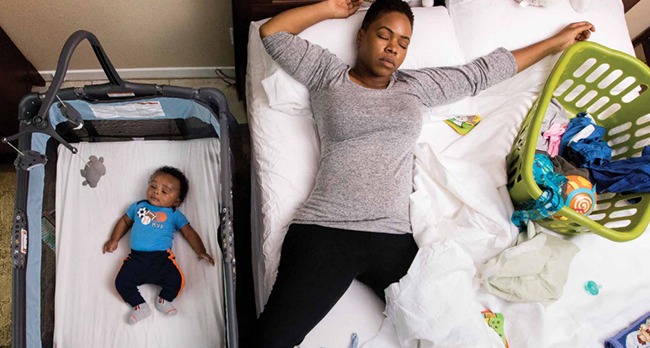
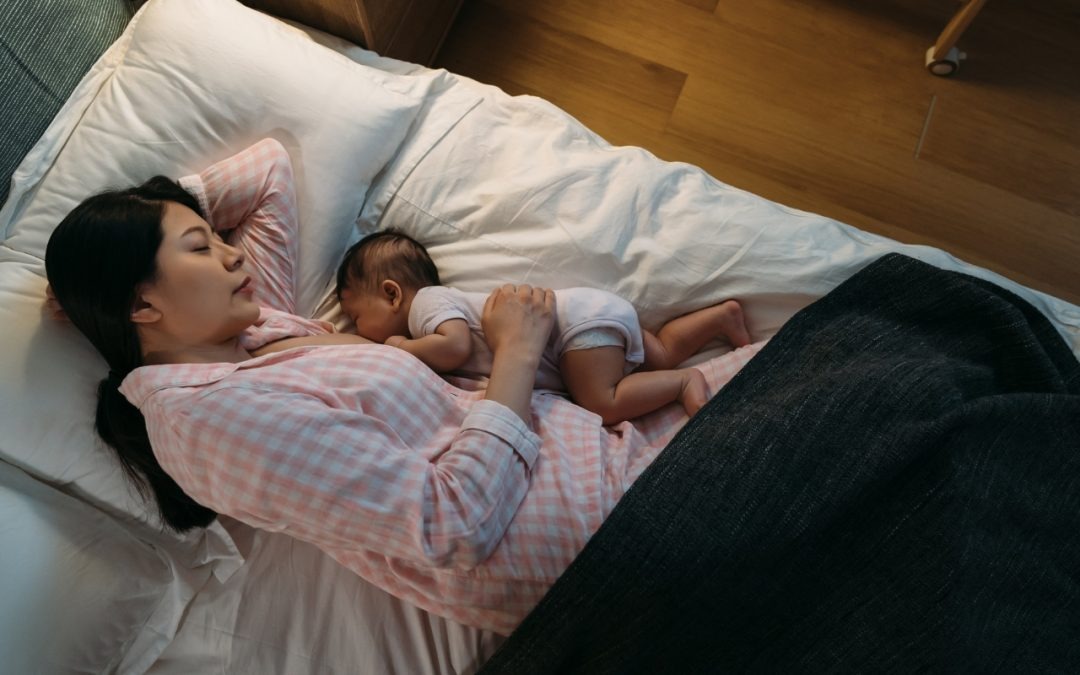
Severe sleep deprivation changes what feels doable. After repeated wakings and failed transfers, you may be tempted to settle with the baby on a recliner or sofa because everyone finally looks comfortable.
The AAP has guidance for sleep-deprived parents on feeding and settling when you’re in danger of dozing off.

- Prepare for the next feeding. If you might fall asleep, don’t feed on a sofa or armchair. Clear loose bedding and soft objects from the feeding area, and keep your baby’s separate crib or bassinet ready.
- After an unintended doze. If you fall asleep while feeding, put your baby on their back in the crib or bassinet as soon as you wake.
- Get support. If a trusted adult can safely take over, arrange a chance to rest without interrupting necessary infant care. If you’re on your own overnight, keep your baby’s sleep space ready during care.
When to Call the Pediatrician About Baby Sleep

Contact the pediatrician if your baby suddenly sleeps differently while feeding poorly, showing signs of illness, or looking unusually distressed. Fever in a young infant and serious breathing problems need especially quick action.
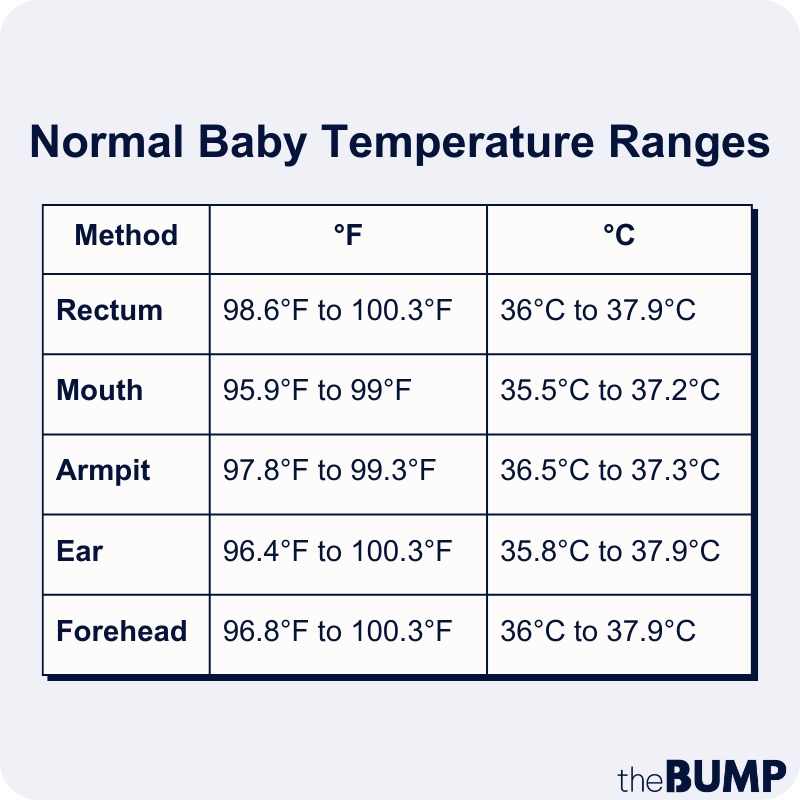
For an infant 3 months old or younger, a rectal temperature of 100.4°F (38°C) or higher means you should contact the pediatrician immediately, even with no other symptoms. The AAP’s fever guidance for babies explains this threshold.
Call 911 if your baby stops breathing, has severe trouble breathing, or develops blue or gray lips or face. These signs need emergency help.
Prematurity can complicate comparisons with typical age ranges. Corrected age adjusts for how early your baby was born and can differ from chronological age when you compare developmental expectations.
For a nonemergency concern, tell the pediatrician your baby’s age, what changed, and any other symptoms. The baby fever guide goes deeper on fever.
Find the Next Baby Sleep Guide for Your Situation
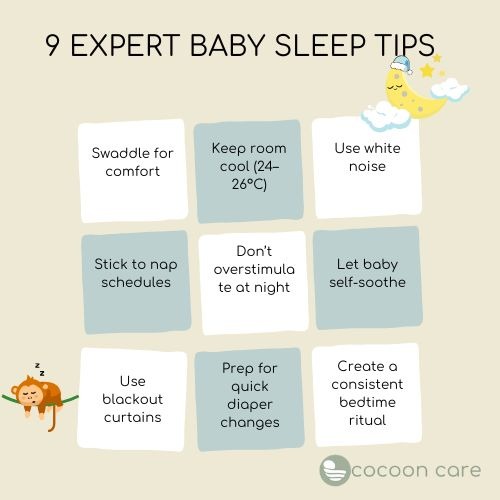
Formal sleep-training approaches have their own guide, and broader care questions belong in the baby-care overview.