
A baby sound machine is optional. A simple, reliable model is worth trying if noise in the house keeps interrupting your baby’s rest. If the room is already quiet or the sound makes no difference, skip the purchase or turn the device off.
Do Babies Need a Sound Machine?
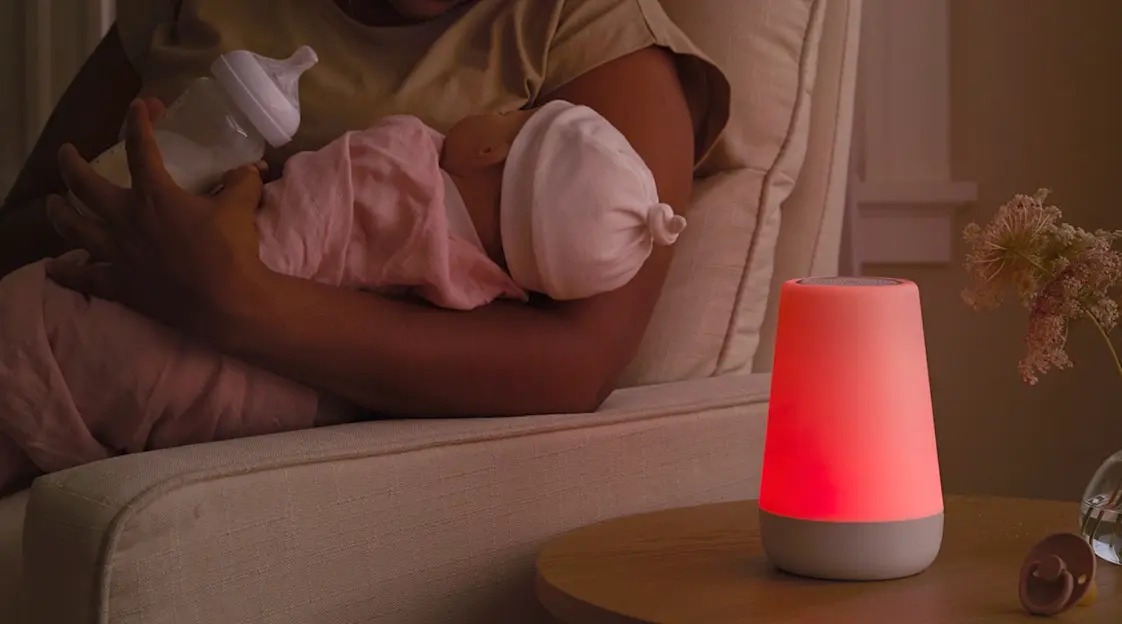
A sound machine plays steady background noise so a barking dog, footsteps in the hall, or a closing door wakes the baby less easily. In a quiet nursery, there’s little for it to cover.
Registry lists push them hard, but a product can be recommended and still be unnecessary in your home. Wait until you know what you would use it for.
| Your situation | What to do |
|---|---|
| Dogs, doors, or hallway noise regularly interrupt naps | Consider steady background sound |
| The nursery stays relatively quiet | Skip the purchase |
| A monitor already plays suitable sound | Use the equipment you have |
| You want one because it is popular on registries | Wait until you have a use for it |
If your baby wakes often in a quiet room, that is a different question. Feeding, settling, and normal infant sleep patterns are covered in the guide to normal newborn sleep patterns.
Do Sound Machines Help Babies Sleep?
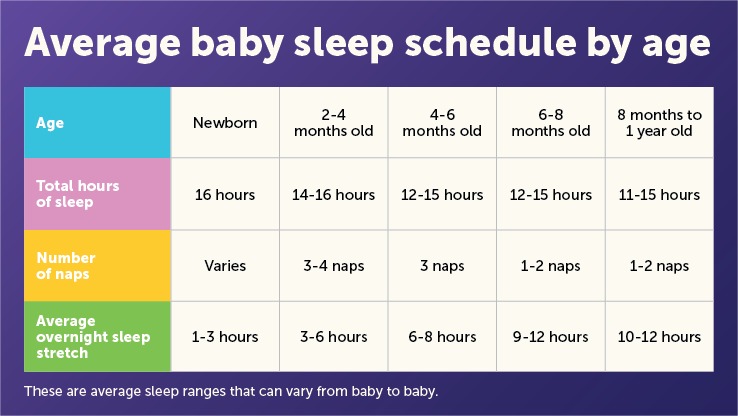
White noise helped some newborns fall asleep faster in a small controlled trial.
In a 1990 randomized study of white noise and sleep induction, researchers studied 40 newborns aged 2 to 7 days, divided into two groups of 20. Within five minutes, 16 of the 20 babies exposed to white noise had fallen asleep (80%), compared with 5 of the 20 babies in the control group (25%).
The trial measured only how fast newborns fell asleep. Overnight sleep duration, night wakings, and outcomes later in infancy were outside it. For sleep surface, night waking, and nap schedule, see Baby Sleep: Safe Setup, Typical Patterns, and What to Try.
How Loud Should It Be, and Where Should It Go?
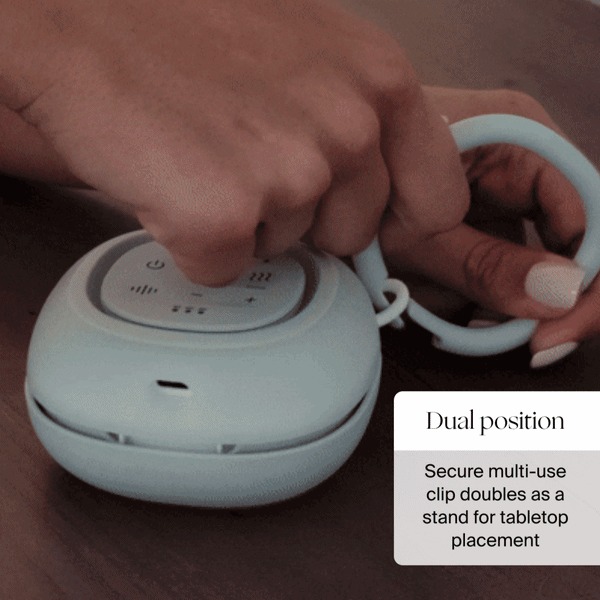
Keep the speaker as far from the infant’s sleeping place as practical, use the lowest volume that masks the noise, and limit playback duration. That advice comes from American Academy of Pediatrics guidance on noise.
A 40% setting tells you where the dial sits, not how loud it is at the crib. Distance, the room, and the sound you pick all change what reaches the baby.
In a 2014 study of 14 infant sleep machines, researchers measured output at 30, 100, and 200 centimeters. At maximum volume and 30 centimeters, all 14 machines exceeded 50 dBA, and three exceeded 85 dBA.
The researchers measured those machines under test conditions and did not track hearing injury. The 50 dBA reference comes from hospital nursery guidance, not from a home limit.
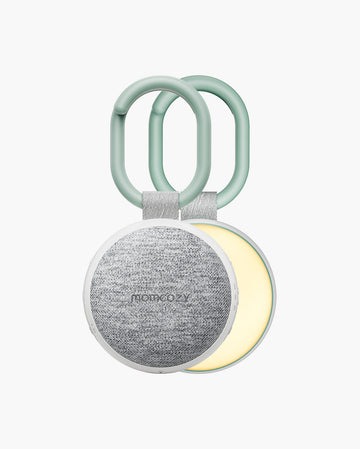
- Find the sleep position. Picture where the baby’s head will be in the crib or bassinet. The machine can sound quiet from your chair and still be loud there.
- Place the unit and route its cord. Put the speaker outside the crib and out of the child’s reach. Keep charging cords and attached accessories away from the sleep space, and plan for the baby’s growing mobility. The same goes for phones, monitors, and fans used as sound sources.
- Choose the lowest output that works. Start quiet. Louder adds nothing once a lower setting masks the noise.
- Take a rough reading. The CDC/NIOSH Sound Level Meter app is available on iOS. With the crib empty, take a reading near the intended sleeping position, then take another after lowering the volume or moving the machine farther away. Keep the quieter arrangement that still masks the noise. Remove the phone and other measuring equipment before putting the baby down.
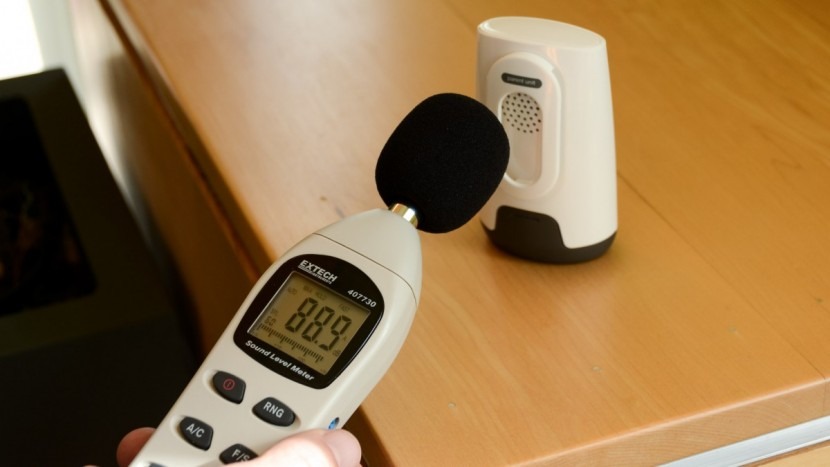
NIOSH reports accuracy of around ±2 dBA under specified tests. The app was designed for occupational noise assessment, so treat a phone reading as approximate.
A timer stops the sound after a set time, and the house noise comes back. Continuous play avoids that gap but means longer exposure.
A sound machine is not an established way to reduce SIDS risk and does not replace recommended safe-sleep practices. Crib contents, mattresses, positioning, and other hazards are covered in the infant safe-sleep checklist.
White, Pink, Brown, or Nature Sounds?
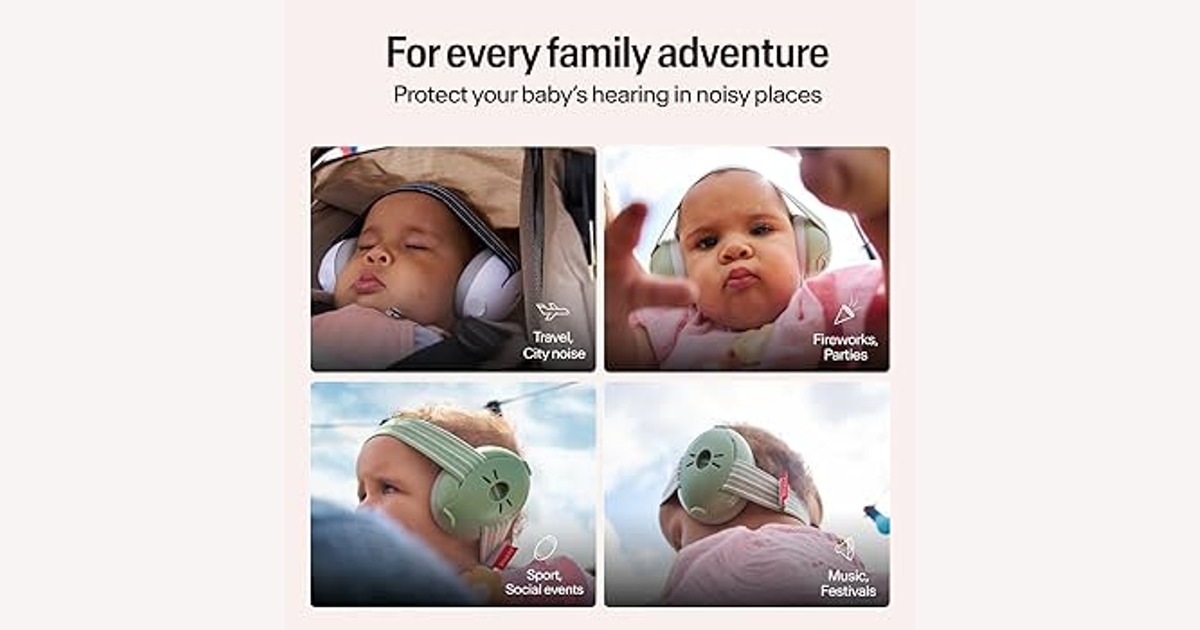
White noise has a broad, hiss-like sound. Pink noise carries relatively more energy in the lower frequencies, and brown noise sounds deeper. A fan gives a mechanical hum, and rain or ocean recordings may swell, fade, or repeat. Labels describe sounds loosely, so pick a quiet track that doesn’t draw attention. The available infant evidence does not establish that pink, brown, or ocean sounds help sleep more than white noise.
Which Features Are Worth Paying For?
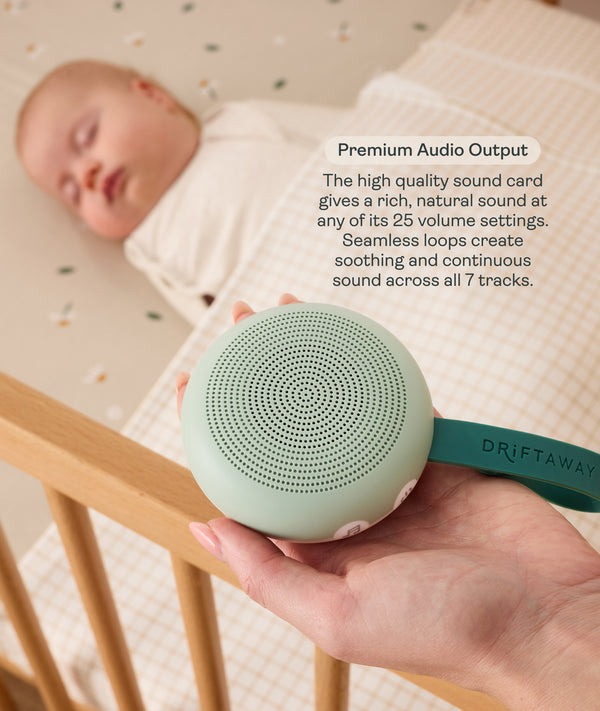
Look first at the controls you can work quickly in a dark nursery: power, volume, sound choice, and playback. Colored lights, large sound libraries, and automation come after those.
Picture yourself holding a sleepy baby. Pressing a button is easier than unlocking a phone, finding an app, and waiting for a connection.
| Feature | When it helps | What to check |
|---|---|---|
| Physical controls | Quick changes without finding a phone | Which actions work on the unit itself |
| Adjustable volume and playback memory | Reusing a modest preferred setting | Whether the volume survives a restart |
| Timer and continuous playback | Choosing how long the sound runs | Whether you can change or disable the timer |
| Rechargeable battery | Travel or moving between rooms | Charging needs and runtime |
| Night-light | Tasks that need some light | Whether brightness adjusts independently |
| App controls and schedules | Automating routines through the day | What still works after setup or without internet |
| Premium content | Extra audio or programs you expect to use | What stays included without a subscription |
One model can offer both basic controls and optional automation. What matters is which functions work on the device and which need an app or paid access.
My wife put one on our registry because they’re on a lot of recommended lists. I don’t get it. You can’t even use the device without an app. It’s needlessly complicated due to the lack of physical buttons. We returned it and bought a white noise machine off of Amazon for half the price which just works. So what am I missing? Why are these popular?
Hatch Baby’s purchase documentation says basic sounds, lights, and time cues stay available without a premium renewal, while additional features are paid. Introductory premium access and included content depend on the product and offer, and other connected models or generations may have different physical controls.
Price is more than the purchase cost. Paid content, power accessories, and replacing a device that doesn’t suit you all add to it. Before buying, check the exact model’s instructions for what works on the unit, what needs an app for setup or daily use, and what works without internet access or a premium plan.
Sound Machine vs. Baby Monitor, Phone, or Fan
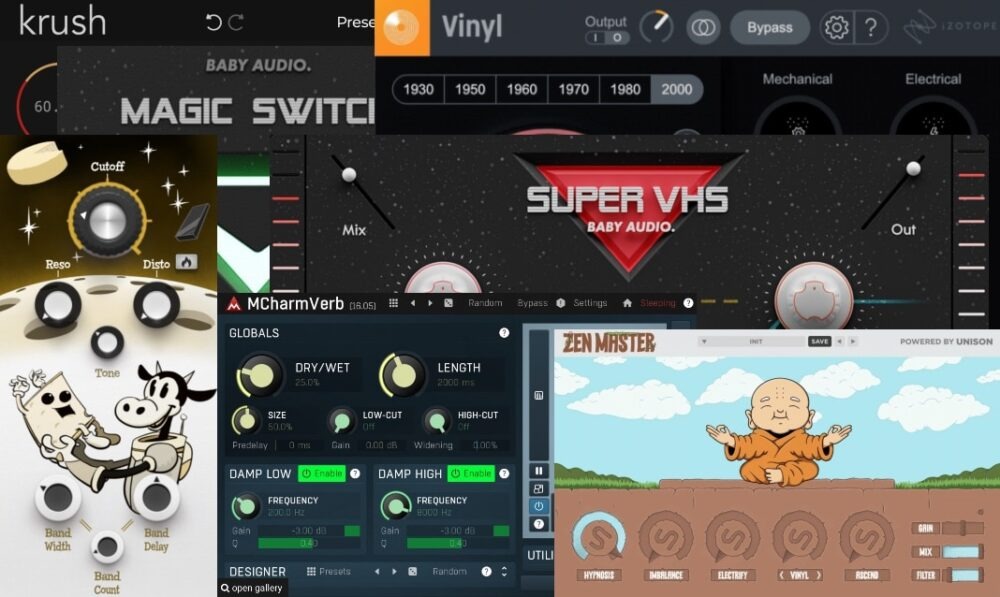
You may already own a sound source that covers the noise. A separate machine makes sense when it gives you simpler controls, steadier playback, or portability.
| Sound source | Potential advantage | Main trade-off |
|---|---|---|
| Dedicated sound machine | Independent playback and dedicated controls | Another object to power and place |
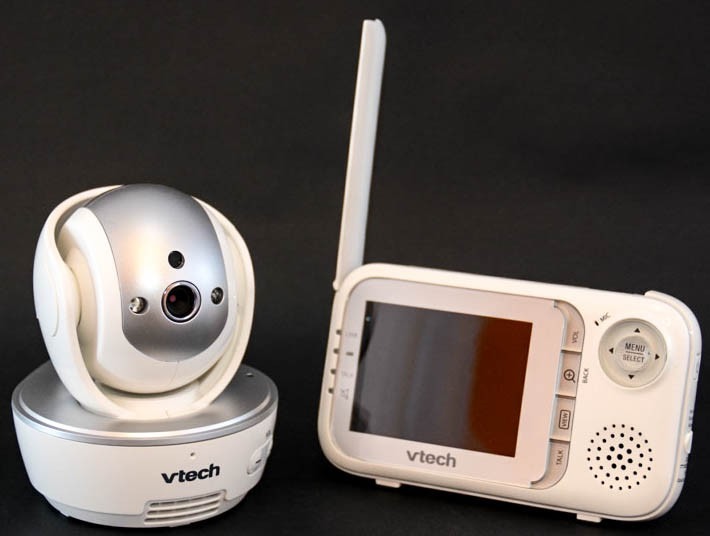
| Baby monitor with sound | Combines two functions in one unit | Speaker volume and controls vary by model |
| Phone or smart speaker | Uses equipment you already own | Calls, other apps, streaming, or a lost connection can interrupt playback |
| Fan or other mechanical source | Simple, steady mechanical sound | Few sound choices; placement still matters |
A monitor’s built-in track may be enough, especially if it has convenient volume controls. For what the camera or receiver does, see the baby monitor buying guide.
At home, a phone you use for calls and messages makes a poor all-night player. On a trip, a rechargeable dedicated unit keeps playback independent of your phone.
What Can Go Wrong During Playback?

A good machine plays predictably. Sudden silence, buzzing, an abrupt sound change, or a jump in volume defeats the purpose of steady background audio.
- Unexpected stopping. A battery runs down or an app session drops, and the original house noise returns.
- Volume and track problems. Unexpected volume changes, pronounced peaks, or loop transitions that are easy to miss in a brief demonstration can distract or wake the baby. Stop using a unit whose output changes unpredictably.
- Power and connectivity. What happens after a power loss, restart, or Wi-Fi failure depends on the model, and automated schedules can behave differently from basic playback.
Test the controls before you build a sleep routine around the machine. Start and stop playback, let the timer run out, listen through a track transition, and watch for volume changes. For network-dependent functions, check the instructions on outages and restarts.
Return and warranty terms matter when a unit becomes hard to operate or looks faulty. If you suspect a product safety problem, use the baby product recall guide to check your model.
How to Tell Whether It Helps Your Baby
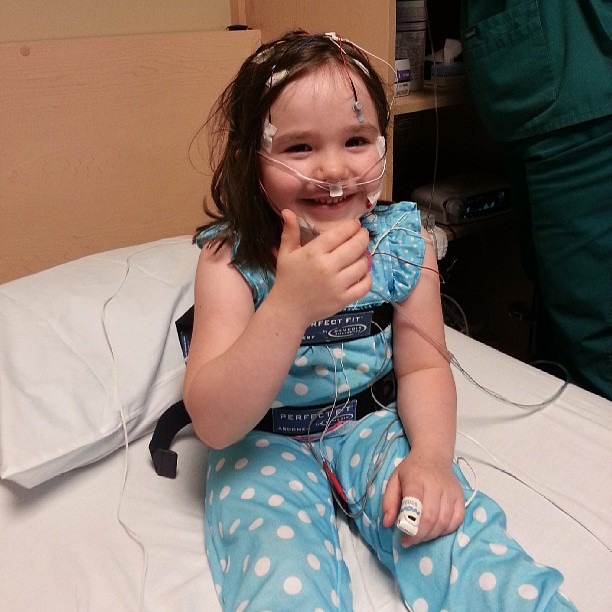
Judge it by the original problem. If hallway noise interrupted naps, fewer interruptions matter more than the number of sounds on the machine.
Try a few rest periods with sound and a few without, keeping the routine reasonably similar. Notice whether the noise that used to wake the baby does so less, whether settling seems easier, and whether the machine adds work for you.
This informal comparison can guide your choice, though normal changes in infant sleep affect what you see.
A familiar sound can become part of bedtime. Some families use sound only for noisy daytime naps; others like a familiar track when traveling.
If the sound makes a noticeable difference, keep a simple, reliable unit. If not, skip it or switch it off.