
Start sleep training only if your baby is healthy, feeding well, and sleeping in a safe setup. Then pick the method whose checking and presence you can both keep up, and watch whether settling improves. If a necessary feed, a worrying symptom, or growing distress gets in the way, stop and deal with that first. Staying with responsive settling and no formal training is also a valid choice.
What sleep training can change

Sleep training covers approaches that change how a baby falls asleep at bedtime or settles after waking. Some change how quickly a parent responds. Others change how long a parent stays nearby, or what time the baby goes to bed.
A baby can fall asleep alone in the crib and still wake for a necessary breastfeed. Another settles easily at bedtime but wakes repeatedly because of illness or discomfort. Each case calls for a different decision.
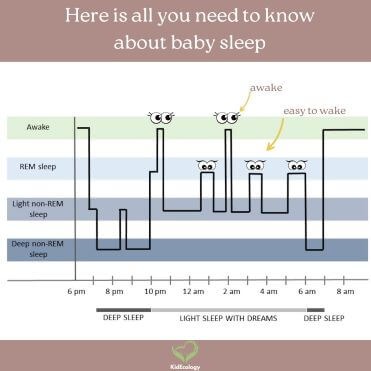
Researchers measure sleep-onset latency, or how long falling asleep takes, separately from the number of nighttime wakings, time awake after those wakings, and total sleep duration.
Name one bedtime problem before you choose a method. “We want less rocking before the first stretch of sleep” is a narrower goal than “We want our baby to sleep through the night.” The first describes a settling behavior. The second also involves feeding and health needs. For sleep surface, night waking, and nap schedule, see Baby Sleep: Safe Setup, Typical Patterns, and What to Try.
Is your baby ready to start?

Age alone does not decide readiness. Your baby’s health, feeding, and sleep space matter just as much.
The American Academy of Pediatrics says regular sleep cycles generally develop around four months and discusses laying babies four months and older down when drowsy. That guidance does not prescribe Ferber or any other formal method for every four-month-old. The 2016 Gradisar trial studied children aged six to sixteen months.
- Consider a change: Your baby’s health and feeding needs are met, the sleep setup is appropriate, and you can define a settling goal you can manage.
- Wait for individualized guidance: Prematurity, poor weight gain, feeding difficulties, breathing concerns, or recent illness make generic readiness advice unreliable for your child.
- Pause a plan already underway: Rising distress or a new care concern means you stop and reassess.
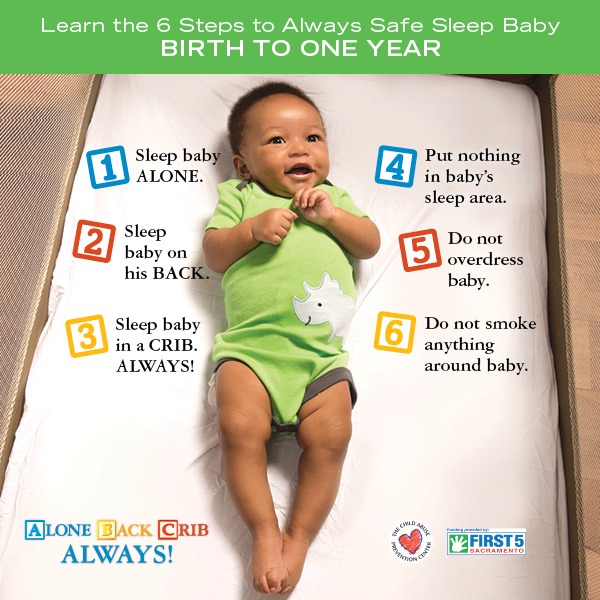
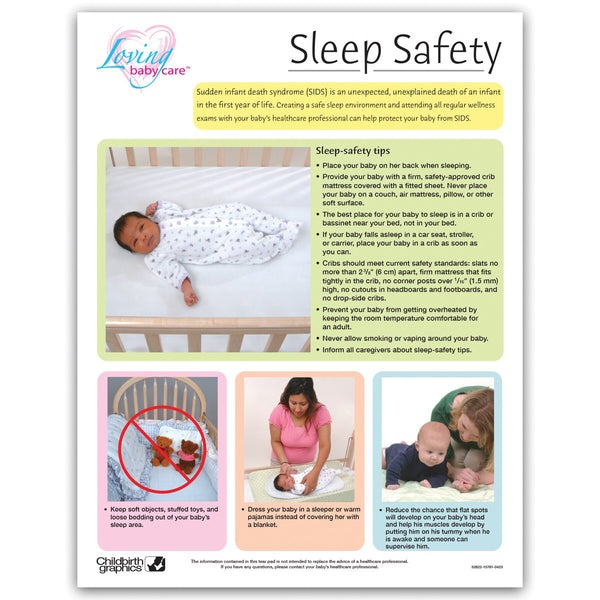
Every approach must keep sleep safe. The CDC’s infant safe sleep guidance calls for back placement for every sleep, on a firm, flat, non-inclined separate sleep surface with a fitted sheet and no loose soft bedding. The baby’s sleep space should stay in your room, ideally for at least the first six months. A settling plan is no reason to move a younger infant to a separate room.
Night feeding is a separate question. If growth, milk intake, illness, or other circumstances affect your baby’s feeds, get individualized guidance. The age range in a sleep study gives no permission to eliminate them.
Sleep-training methods compared
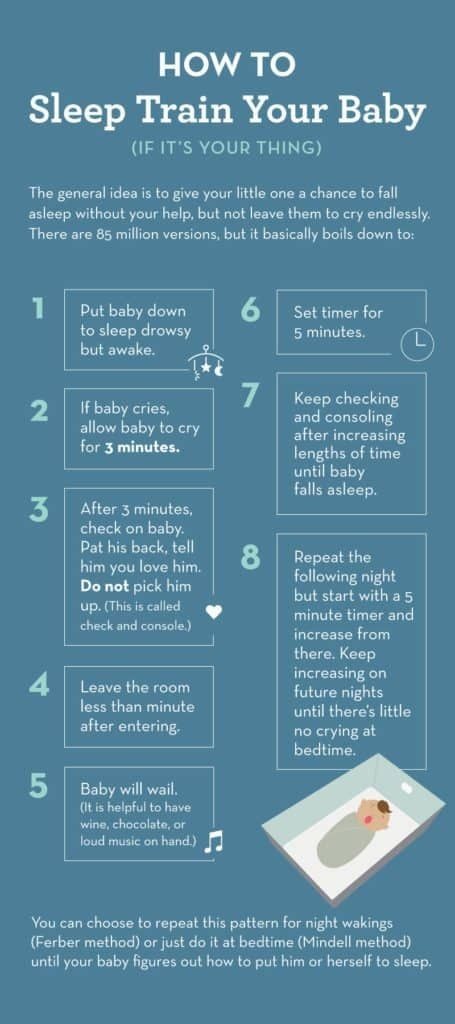
The clearest way to compare methods is by what you change: how long you wait before responding, how much you stay physically present, or when your baby goes to bed. Each puts different demands on a household.
| Approach | What changes | Practical demands | Keep in mind |
|---|---|---|---|
| Graduated extinction (Ferber) | You leave, then return for brief checks after planned intervals. | You handle stretches of crying and repeated visits. | Check-ins upset some babies more. |
| Unmodified extinction (cry it out) | No scheduled settling visits after the bedtime routine. | You need to be comfortable with less interaction while your baby settles. | Necessary feeds, health care, and safety responses continue. |
| Chair method (camping out) | You stay nearby and gradually reduce your presence. | Time in the room, and consistency as you move farther away. | Crying can still happen while you are in the room. |
| Bedtime fading | Bedtime moves closer to when your child tends to fall asleep, then shifts gradually. | Close attention to sleep onset and bedtime timing. | Changes timing only. |
| Responsive settling (including pick-up-put-down) | You give reassurance or contact in response to your baby’s behavior. | More hands-on care and flexibility. | Practices vary, and some crying can occur. |
| No formal training | You keep a workable, responsive bedtime routine. | Settling support that can go on for a long time. | Independent settling has no promised deadline. |
If you cannot accept leaving the room for intervals, graduated or unmodified extinction is a poor fit. If you can sit beside the crib but want to step back gradually, consider the chair method. If the main problem is a long stretch between being put down and falling asleep, bedtime fading targets the timing of that attempt.
Which approach can your family sustain?

What you can actually carry out matters as much as how clearly a method is described.
After a first Ferber attempt involving about an hour and a half of crying, a breastfeeding parent wrote about having to leave the house because the night was so upsetting.
Genuinely how do people do this?? I feel like I’m going insane and it’s only been one night. We think she was over tired going to bed last night (she’d been up over 3.5 hours). But please share success stories and tell me it gets better.
Two parents can hear the same crying very differently. One can make brief checks and leave. The other is more comfortable staying within sight of the crib.
Pick the method whose level of presence and checking you can both keep up, because a method that overwhelms you every night won’t last.
Prepare the first bedtime without dropping feeds

A consistent bedtime routine makes the evening more predictable while you try one settling response. A Sax Institute synthesis of thirteen systematic reviews found stronger support for bedtime routines than for several particular behavioral approaches, though the underlying studies and intervention bundles varied.
- Routine: Decide the order of familiar activities leading to the sleep attempt and keep it manageable for everyone involved.
- Settling response: Decide what you will do when your baby protests, using the method you chose.
- Feeds and comfort: Keep needed night feeds, illness care, and other immediate care separate from the experiment.
- Household logistics: Decide who starts bedtime and who responds if that person is unavailable. Siblings, shared rooms, shift work, and daycare routines can affect the plan.
- Reasons to end the attempt: Know in advance which baby symptoms or parent circumstances take priority.
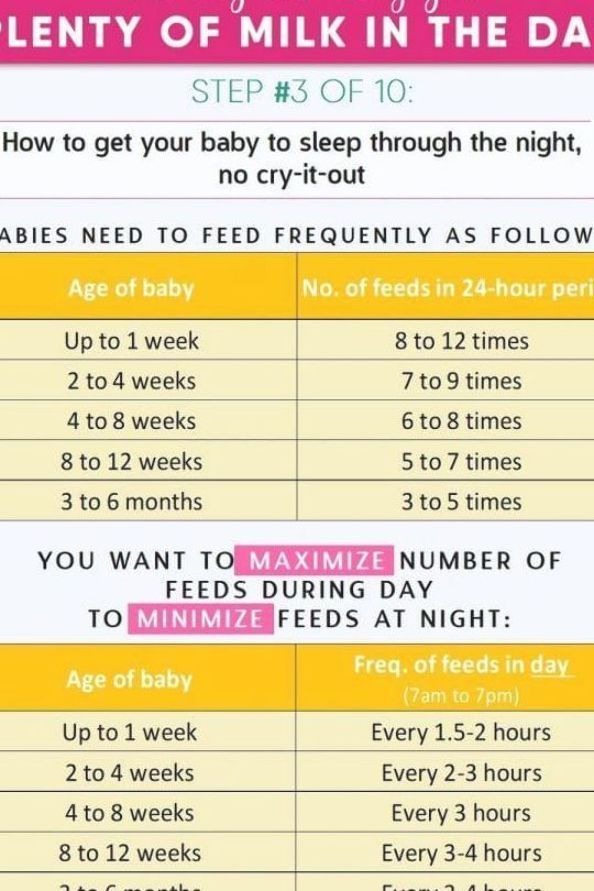
Say your baby falls asleep while being rocked and later wakes for a feed. You can work on reducing the rocking while the feeding arrangement continues, and judge success against that original settling goal.
When check-ins make bedtime worse

A hard first night and a routine that grows more distressing each evening call for different responses. One parent’s account of modified Ferber shows the distress spreading into activities before the baby reached the crib. For crib, firm mattress, and fitted sheet details, see Safe Sleep Checklist for Babies.
My baby is 10 months old almost 11 and we attempted a modified Ferber and I regret every second of it. 1st night it took her 50 minutes, 2nd she was out in 5 minutes, the 3rd night took her almost 2 hours and the 4th I gave up around the hour mark. By night 3 it started to bleed into her bed time routine. The moment she got in the bath she was crying. 4th night was hysterical and trying to get her dressed was just so heart breaking. My baby loved the bath and now it’s miserable.
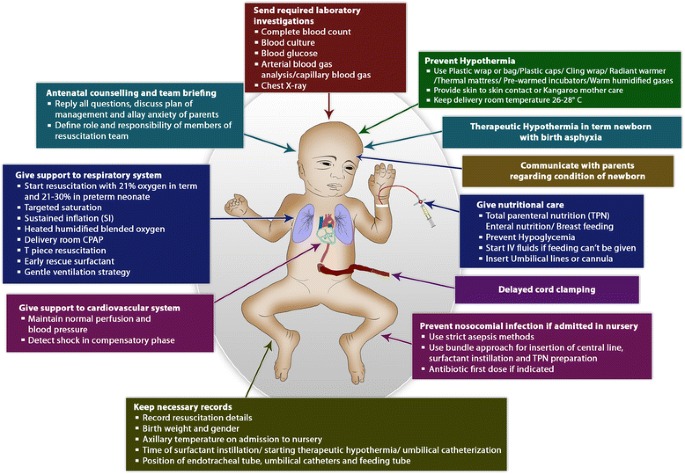
If check-ins coincide with distress that builds across evenings, rethink the response and the conditions around it. Illness, discomfort, feeds, bedtime timing, and uneven daycare naps are all possible causes. A different level of presence or a break from the attempt may fit better than repeating a response your family cannot sustain.
When to pause and seek care
Concerning symptoms override any settling plan. Your baby’s condition comes before finishing an interval or keeping a streak of training nights.
During an attempted Ferber bedtime with a four-and-a-half-month-old, one caregiver described intense distress and forceful vomiting.
Well she was very distressed. The check-ins did nothing to soothe her and eventually she projectile vomited. We cleaned her up and calmed her, then put her back down. She was still so upset but too exhausted to protest much more, and she fell asleep 30 mins after starting.
This is one caregiver’s report of what they did, not instructions for handling projectile vomiting.
Seek emergency medical care: An infant vomiting very forcefully or projectile vomiting needs prompt emergency assessment, as described by Mayo Clinic’s pediatric vomiting guidance. Difficulty breathing and other severe symptoms also require immediate emergency care. Ordinary spit-up is not the same as forceful projectile vomiting.

Get pediatric advice: Persistent vomiting, possible dehydration, feeding problems, or other worrying changes need medical assessment even when they are not an immediate emergency. Stop the training attempt while you address your baby’s needs.
If you become too overwhelmed to follow the plan safely, stop and make sure your baby is cared for. No crying interval comes before your baby’s well-being.
How to tell if it’s helping

Judge progress by the bedtime behavior you chose to change. Less time spent settling at the start of the night is meaningful even if your baby still wakes for needed feeds.
One parent described an unusually fast improvement after a difficult first Ferber night, along with a change from bassinet to cot.
First night wasn’t good – she woke up 7 times and I thought for sure this was going to take ages. Last night we took her out of the bassinet and into her own cot and did night 2 of Ferber – SUCESS!!! She slept 8 HOURS WITHOUT WAKING!!! This was the first time in months she had done this in months.
A brief sleep log shows which outcome changed and what else was going on.
| Field | What to record | Decision it helps with |
|---|---|---|
| Bedtime attempt | Approximate time the sleep attempt began. | Puts the settling time in context. |
| Settling duration | Time from the attempt to falling asleep. | Tracks your original settling goal. |
| Wakings and feeds | When your baby woke and whether a feed happened. | Keeps night care separate from settling. |
| Caregiver response | Whether you checked, stayed, soothed, or changed the approach. | Shows what you tried that night. |
| Experience and changes | Distress, your own capacity, illness, daycare, travel, or altered naps. | Flags other changes that could explain the result. |
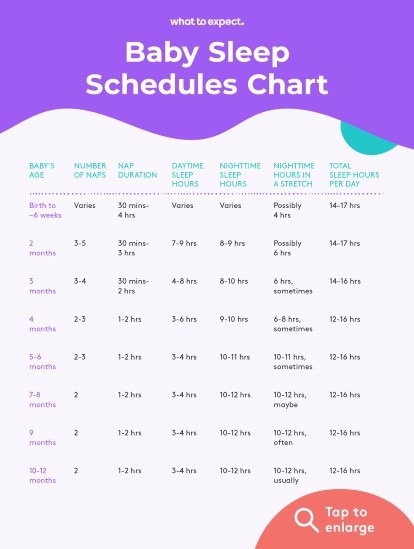
Compare ordinary nights against your original goal. Bedtime settling, waking frequency, and caregiver distress are separate measures and can move in different directions.
What if bedtime improves but naps remain unpredictable?
Assess naps separately. A 2026 review of behavioral sleep interventions found daytime sleep was measured less often than nighttime outcomes, so a bedtime result does not show the same effect on naps.
What research says about benefits and harm
Some behavioral interventions improved measured sleep outcomes in research, and longer-term follow-ups found no differences in particular attachment and psychosocial measures. What applies to you depends on the method studied, the ages enrolled, and the outcomes measured.
| Evidence | Population or design | Relevant finding | What limits the conclusion |
|---|---|---|---|
| Gradisar et al., 2016 | 43 infants aged 6 to 16 months: 14 graduated extinction, 15 bedtime fading, 14 sleep-education control. | Both interventions reduced sleep-onset latency; graduated extinction improved some waking outcomes. No significant group differences detected in specified measures at 12-month follow-up. | Small trial of two methods, with specific measured outcomes. |
| Price et al., 2012 | Five-year follow-up after an earlier behavioral sleep intervention; 225 of 326 eligible families (69%) participated. | No significant group differences detected in studied child, parent, and relationship outcomes around school-entry age. | Incomplete follow-up and intervention-specific scope. |
| Stanzel et al., 2025 issue | 22 papers describing 20 studies of interventions for unsettled infant behavior through 12 months. | Mild-to-moderate average improvements in unsettled behavior and maternal mental health. | Interventions, methods, and outcomes varied. |
| Sax Institute, 2025 evidence check | Australian synthesis of 13 systematic reviews involving children from birth to five years. | Stronger support for bedtime routines; mixed findings for behavioral approaches. The Australian report recommends limiting behavioral approaches, especially extinction-based techniques, while tailoring advice to family needs. | Australian public-health recommendations, not a US clinical rule. |
| Pétrin et al., 2026 | Review mapping 59 intervention studies of children aged birth to five years. | Nighttime duration and waking were examined much more often than daytime sleep. | Maps study coverage; does not rank methods by success. |

The lack of significant differences in the attachment and family outcomes studied is reassuring for the groups measured. It does not show that every version of sleep training is harmless for every child.
The 2016 Pediatrics trial by Gradisar and colleagues tested bedtime fading, which adjusts bedtime timing. It did not test the chair method, in which an adult gradually moves farther from the crib.
When you read a claim about a particular approach, look for four specifics: the intervention tested, the children’s ages, the outcome measured, and the follow-up period.
Choosing not to sleep train

A safe, responsive bedtime routine is a valid choice. Revisit it if your baby’s needs change or the arrangement stops working for your family.