If your baby is waking more or napping less around four months but otherwise seems well, keep the sleep space safe, feed and comfort as needed, and change one thing in the routine. Your baby’s sleep patterns are still developing, and that is part of what you are seeing. Any breathing difficulty at this age needs an emergency department right away. Call 911 for severe trouble breathing, a baby who is markedly less responsive, or a baby you cannot wake. Call your pediatrician promptly about poor feeding, fewer wet diapers or growth concerns.
If your baby seems well, go straight to the pattern-to-action guide. If you have a health or safety worry, start with the health and sleep-safety check.
Is this a four-month sleep regression?

A baby who once gave you a decent stretch of sleep suddenly wakes again and again. Naps that were predictable turn brief. You finish the familiar bedtime routine, put your baby down, and the crying starts soon afterward.
Parents call this the four-month sleep regression. It means your baby’s usual sleep has noticeably changed around this age.
Compare the past few nights with what was normal for your baby:
- Bedtime: Is settling taking longer with the same familiar routine?
- First nighttime stretch: Does your baby wake earlier than before?
- Later waking: Are wakeups more frequent, or is settling afterward taking longer?
- Daytime naps: Have they shortened or started needing more help?
The change can show up before or after the fourth-month mark, and some babies have no obvious rough patch at all. After a stretch of better sleep, hard nights feel like lost progress. They don’t mean your baby forgot how to sleep, and you didn’t cause them.
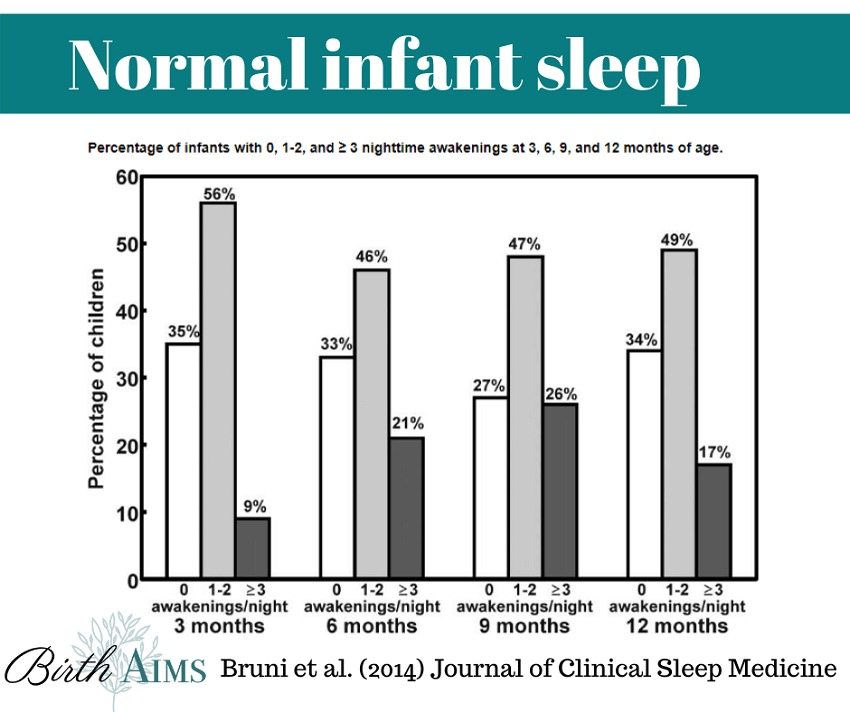
Why sleep can change around four months
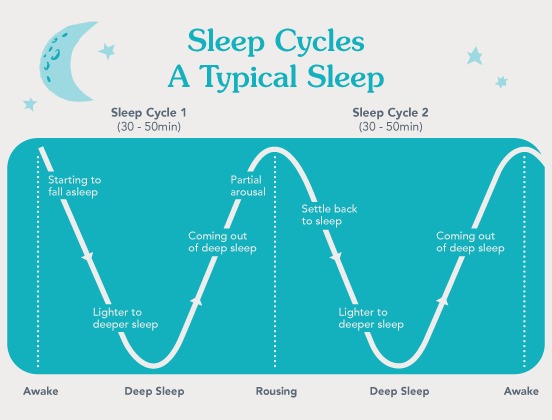
The American Academy of Pediatrics says infant sleep cycles become more regular at about four months. Sleep consolidates gradually as biological rhythms mature, and caregiving and surroundings also shape how rest develops. For babies ages 4 to 12 months, the CDC recommends 12 to 16 hours of sleep across a full 24 hours, including naps.
Check health and sleep safety before changing the routine

A change in nighttime sleep can come with hunger, discomfort or illness. Check these first.
Keep the sleep space safe on difficult nights
The CDC’s infant safe-sleep guidance applies every time your baby sleeps, including nights when you are exhausted.
- Sleep position: Place your baby on their back for every sleep.
- Sleep surface: Use a firm, flat, non-inclined crib or bassinet mattress with a fitted sheet.
- Sleep area: Keep pillows, blankets, soft bedding and loose objects out of the sleeping space.
- Swaddling: Stop when your baby shows signs of trying to roll. The AAP’s safe-sleep guidance advises against weighted infant sleep products.
- Other equipment: If your baby falls asleep in a swing, carrier, car seat or similar product not meant for regular sleep, move them to a safe, flat sleep surface as soon as you can.
CDC guidance published September 17, 2024, recommends room-sharing with a separate infant sleep surface, ideally for at least the first six months. A crib or bassinet can stay in your room without your baby sharing an adult bed.
For a fuller check of the mattress, bedding and sleep space, see the infant safe-sleep checklist. If your baby is starting to roll, the swaddle-to-sleep-sack guide covers that transition.

When waking deserves medical attention
A baby who wakes often but feeds and acts as usual is in a different situation from one who feeds less or seems unusually sleepy. The AAP lists fewer wet diapers, dry mouth, fewer tears and excessive sleepiness among possible dehydration signs. How alert and responsive your baby is decides how fast you need to act.
Get emergency help now. Call 911 if your baby has severe difficulty breathing, is markedly less responsive or cannot be awakened. For other breathing difficulty in a baby younger than one year, go to an emergency department immediately. Severe lethargy with signs of dehydration also needs emergency evaluation.
Call your pediatrician promptly about a substantial drop in feeding, fewer wet diapers than usual, dry mouth, fewer tears, unusual sleepiness while your baby stays responsive, growth concerns or symptoms of illness.
Don’t try to diagnose dehydration at home from a diaper count or a short symptom list. If you get drowsy while holding or feeding your baby, don’t stay on a sofa or recliner with them. Accidental sleep there is especially hazardous.
Match the sleep change to a sensible next step

Find the row that matches what you see. The table lists what to check and what to try when your baby seems well. It does not diagnose a cause.
| What you notice | What to check | What to try |
|---|---|---|
| First nighttime stretch is much shorter | Did feeding, comfort needs, illness symptoms or the sleep space change? Hunger, discomfort or a shift in sleep patterns can all shorten the stretch. | If your baby is otherwise well, pick one nighttime response from the next section. |
| Baby settles at bedtime, then wakes repeatedly | Falling asleep at bedtime and waking overnight are separate problems. Do the later wakes look different from bedtime settling? | Check feeding and comfort needs before choosing a structured sleep method. |
| Naps are noticeably shorter | Have tired cues, activities or nap timing changed? | Work on the daytime pattern before you change the night routine. |
| Baby wakes soon after the move to the crib | What changes between settling and lying in the crib? | Keep the bedtime sequence familiar and the sleep space safe. |
| You can’t follow a fixed wake-window timetable | Do work, daycare, school runs or siblings shape your day? | Use the repeatable bedtime sequence described below. |
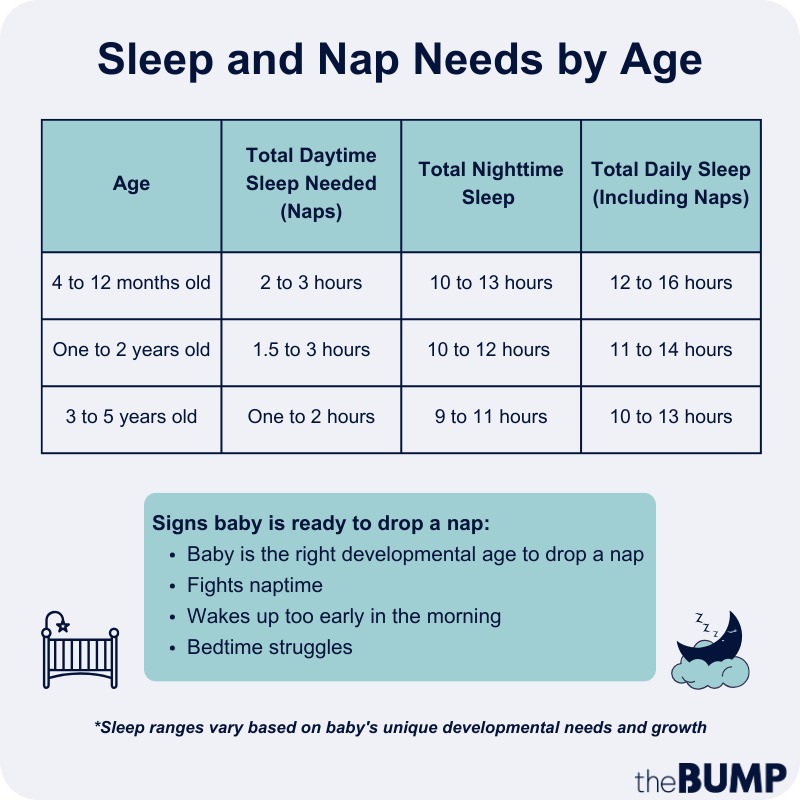
If naps are your main difficulty, the baby nap schedules by age guide goes further. A short nap on a busy day and frequent night waking after an ordinary day are different problems.
Make tonight manageable without a perfect schedule

A repeatable routine fits your evening even when the timing moves. Choose one adjustment that meets your baby’s needs.
Say your older child has practice three evenings a week and bedtime slides by 45 minutes. Keep the order the same: feed, change, settle. The sequence is the part you control.
- If bedtime has become difficult: Keep the preparation and settling sequence familiar, and make the room quieter as the evening goes on.
- If waking is the main problem: Follow the AAP’s calm-night approach. Feed quietly, change and comfort your baby when needed, and keep stimulation low.
- If daytime timing is unpredictable: Watch your baby’s tired cues through the actual day. The baby wake-windows guide explains timing without requiring a single timetable.
- If you are exhausted: When two adults are home, split the night so each of you gets a stretch of rest.
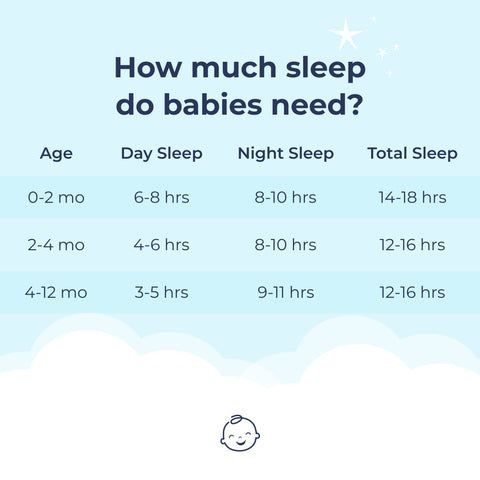
Your baby may still need an overnight feed after a familiar routine. Meet soothing and changing needs too. One adjustment won’t fix every waking.
Changing the nap chart, the settling technique and the feeding all on the same night adds work and makes the results hard to read. For a closer look at sleep surface, night waking and nap schedule, read Baby Sleep: Safe Setup, Typical Patterns, and What to Try.
Do you need sleep training or a feeding change?

The AAP discusses placing babies four months and older into their sleep space while drowsy, giving them an opportunity to practice settling. A familiar bedtime sequence can include this step.
| Situation | What matters | What to do |
|---|---|---|
| Baby wakes and seems to need a feed | Night feeding needs differ between babies. | Respond to feeding cues. If intake, diapers or growth change, follow the health check above. |
| You keep a predictable bedtime routine | A routine and a structured sleep-training method are different choices. | Choose a method only if it suits your baby and your family. |
| Someone suggests changing milk to lengthen sleep | Night waking alone doesn’t show low milk supply or a need to switch feeding methods. | Base feeding changes on your baby’s nutritional needs, and get clinical input if intake or growth worries you. |
| Someone suggests cereal or solids in a bottle for longer sleep | The CDC says this does not lengthen sleep and may increase choking risk. | Do not add cereal or other solids to a bottle as a sleep aid. |
No fixed age exists at which night waking alone makes night feeds unnecessary.
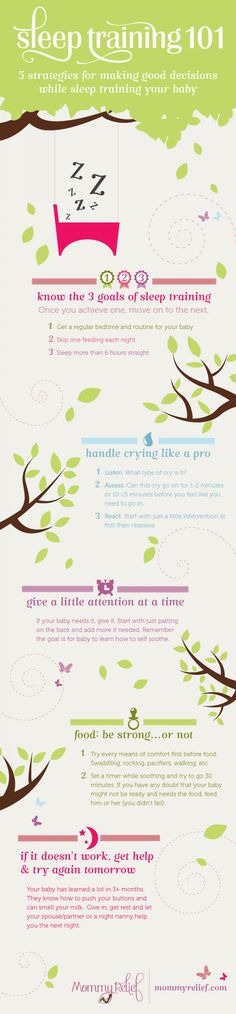
Parents also differ on structured training, including how much help they want to give when their baby wakes. The baby sleep-training options guide compares the approaches in detail.
How long can the disruption last, and what should you track?

No established number of days or weeks predicts how long your baby’s changed sleep will last. Some reports describe short unsettled spells and others describe much longer difficulties.
A short record makes ongoing changes easier to describe. This optional three-night worksheet helps you organize what you see.
| What to note | Night 1 | Night 2 | Night 3 |
|---|---|---|---|
| Approximate bedtime and first sleep stretch | _____ | _____ | _____ |
| Number or timing of wakes | _____ | _____ | _____ |
| How resettling went | _____ | _____ | _____ |
| Daytime naps and approximate durations | _____ | _____ | _____ |
| Feeding as usual or noticeable changes | _____ | _____ | _____ |
| Wet diapers or health concerns | _____ | _____ | _____ |
| Changes to routine, sleep setting, or family day | _____ | _____ | _____ |
| Your fatigue or the help you need | _____ | _____ | _____ |
Approximate entries are fine. The worksheet separates a hard night after an unusual day from a repeating pattern, and it keeps feeding and diaper notes next to sleep notes.

If problems continue, bring the notes to your pediatrician. They give a clear picture of bedtime, daytime sleep, waking and how your baby is doing. They also show whether your routine works for your household.
If a warning sign from the health section appears, act on it right away. Don’t wait for three nights of notes.