
Newborns nap on and off all day. Most babies take about three naps at 6 months, two at 9 to 12 months, and one by 18 to 24 months. Ages overlap, so go by your baby’s actual naps. If a nap keeps failing for several days, drop one and watch the full day’s sleep.
A six-month-old might take three naps on Monday and two on Tuesday. An older baby may be moving toward one nap while another baby the same age still needs two.
Baby nap schedule by age: a flexible reference chart
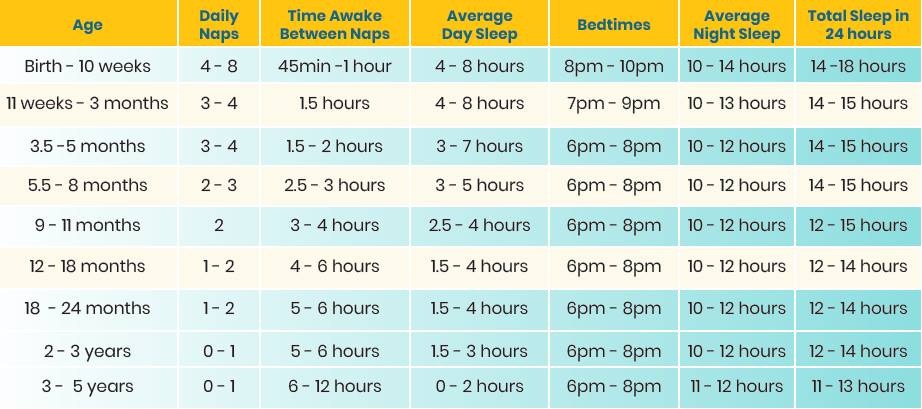
The number of daytime naps falls as babies grow, though a transition can stretch over many days. The nap counts below summarize guidance from baby sleep publishers, including Huckleberry and Taking Cara Babies. The hour ranges come from separate public-health guidance and cover the entire 24-hour period.
| Baby’s age | Approximate daytime naps | Total sleep in 24 hours |
|---|---|---|
| Newborn to about 2 months | Variable naps throughout the day | 14 to 17 hours in the birth-to-3-month band |
| Around 3 to 5 months | 3 to 5 naps as sleep changes | 14 to 17 hours at 3 months; 12 to 16 hours from 4 months |
| Around 6 months | About 3 naps; some 2-nap days | 12 to 16 hours |
| Around 7 to 8 months | 2 or 3 naps, including mixed days | 12 to 16 hours |
| Around 9 to 12 months | 2 naps | 12 to 16 hours in the 4-to-12-month guidance band |
| Around 13 to 18 months | 1 or 2 naps during the transition | 11 to 14 hours |
| Around 18 to 24 months | 1 nap | 11 to 14 hours |
The CDC sleep-duration guidance gives three broad bands: 14 to 17 hours at 0 to 3 months, 12 to 16 hours at 4 to 12 months, and 11 to 14 hours at 1 to 2 years. These totals include naps and nighttime sleep.
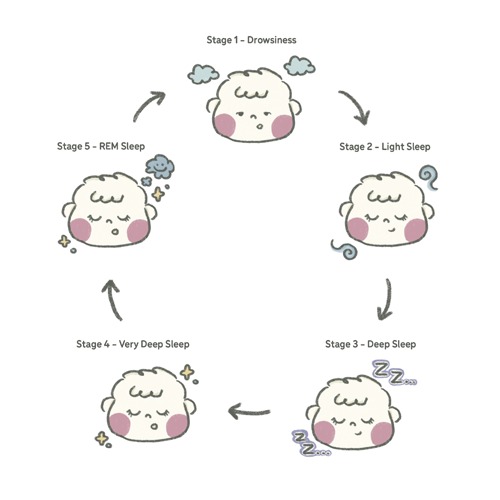
At the edges of those age bands, both patterns work. Around seven or eight months, you might have a two-nap day followed by a day that still needs a late catnap. The age band tells you which schedule to try first. Your baby’s actual sleep tells you whether it fits. To compare sleep surface, night waking, and nap schedule, use Baby Sleep: Safe Setup, Typical Patterns, and What to Try.
How to adjust a sample nap schedule when timing changes
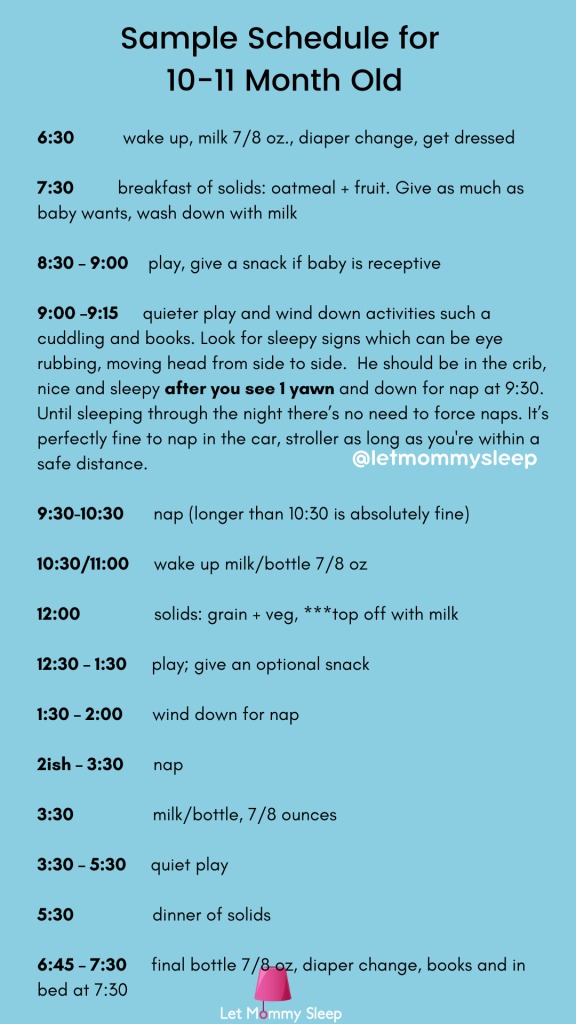
A sample schedule is a sequence of naps, not a list of clock times. It shows where the next nap might fit after your baby wakes.
A three-nap example
The first nap comes after the morning wake-up. A second nap follows another stretch awake, and a shorter late-afternoon nap can fit before the evening routine. If the first nap ends later than expected, every nap after it shifts too. By afternoon, you may have to decide whether the third nap still has room.
A two-nap example
On a two-nap day, your baby has a morning nap and a later one, then the evening routine. There is no late catnap to protect. If the second nap ends unusually early, the evening needs a different plan from the sample day.
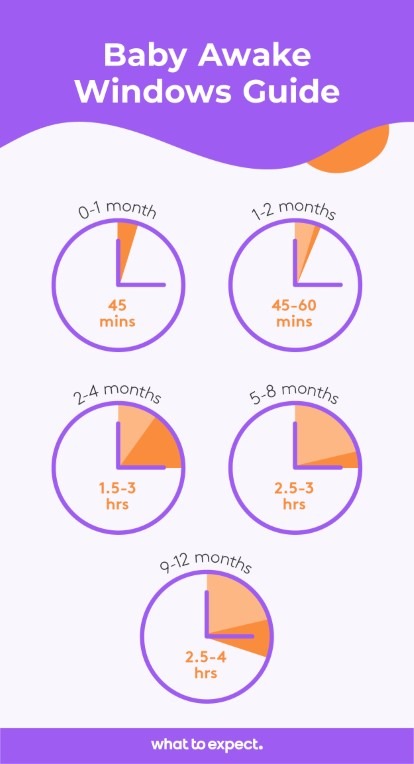
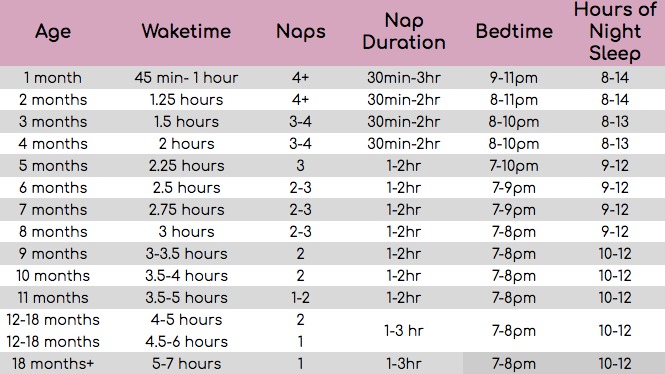
Both day shapes appear in six-month scheduling guidance from Taking Cara Babies. Pick the one that fits your baby’s current pattern and the day’s fixed commitments, such as childcare pickup. For a separate look at how awake periods inform nap timing, see wake windows by age.
Why newborn naps are irregular before a routine develops
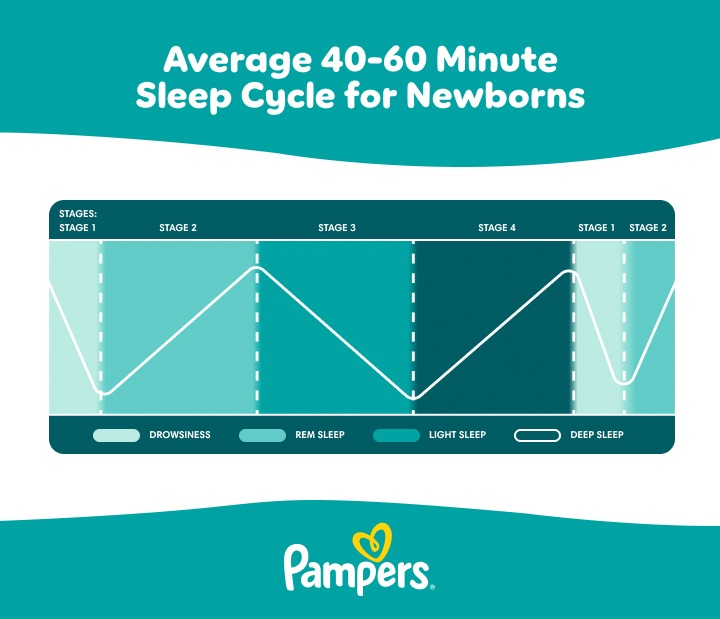
In the first weeks, newborn sleep comes in uneven stretches across the day, so a fixed morning or afternoon nap is hard to set. Expect the sleep episodes to change from day to day; newborn sleep patterns covers those early routines in more detail. Unusual sleepiness or concerns about feeding call for an individual pediatric assessment.
What to do when a nap is short, long, or missed
An unusual nap changes the rest of the day. Find which nap was affected, then make the smallest safe adjustment you can.
| What happened | What changes | What to do | What to watch afterward |
|---|---|---|---|
| The first nap ends early | The gap before nap two gets hard to fill | If your baby seems tired early, offer the next safe nap sooner | Whether nap two fits and your baby stays settled late in the afternoon |
| The first nap runs long | Nap two starts later and the afternoon gets shorter | If nap two moves later, decide whether the last nap still fits before the evening routine | Whether the last nap pushes into the evening |
| The late catnap is resisted | A third nap competes with the evening routine | If the first two naps leave a gap your baby can handle before bedtime, try a two-nap day | Whether your baby gets fussy in the last stretch before bedtime |
| The last nap is missed | The final awake stretch gets hard | If that stretch gets hard, start the bedtime routine earlier when your schedule allows | Whether the earlier bedtime works |
One short nap tells you about today only. Repeated trouble with the late nap points to a different question: whether your baby is nearing a nap transition.

Say the first nap is always the longest, the second has gotten shorter, and a third barely fits. That leaves little room in the afternoon for another nap, and the evening gets hard if the catnap disappears. Routinely shortening the first nap has not been shown to reliably improve nighttime sleep.
When to move from three naps to two

Explore a move from three naps to two when the last nap keeps failing to fit and the other two can carry a reasonable day. Around six months, published sample days show either pattern. Around seven to eight months, they also show mixed days.
When the third nap goes, the other two shift and your baby stays awake longer between them. Their timing and length may change, and the evening has to fit the new sequence. There is no fixed number of extra awake minutes to add.
| What you see | Keep three naps | Try two naps |
|---|---|---|
| The last nap still fits on some days | Keep it when the earlier naps are short | Two naps suit days when the earlier naps run longer |
| Your baby resists the third nap again and again | Allow an occasional late sleep | Check whether the first two naps leave an evening you can handle |
| Two naps leave a hard stretch late in the day | Keep the extra safe nap | Try two naps only when your evening schedule allows it |
Mixed two- and three-nap days are part of the adjustment. Note what happened to the third nap, where you placed the first two, and whether the evening held up.
Moving from two naps to one in the second year

One-nap schedules arrive later. Age charts show two naps around nine to twelve months, one or two from approximately thirteen to eighteen months, and one nap for many children by eighteen to twenty-four months.
The difference is where daytime sleep sits. A two-nap day has a morning nap and an afternoon nap. A one-nap day puts daytime sleep in a single stretch, and the rest of the day has to work around that longer nap with no second one.
If one nap leaves a long, hard gap late in the day, a two-nap day may still fit. If two naps keep being hard to place and a single nap supports the day’s activities, try one.
A change in childcare routine can coincide with this transition. When the nap schedule and care setting change together, timing alone cannot tell you what is unsettling your toddler’s sleep.
How daytime naps fit into a full day of sleep
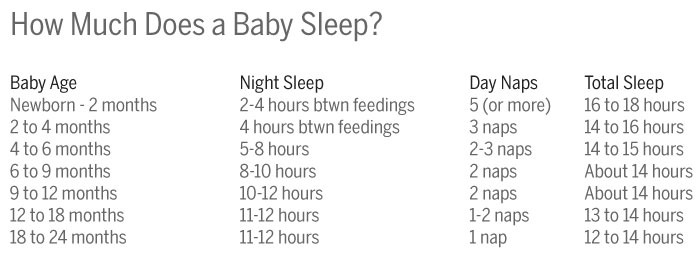
Your baby’s total sleep is daytime sleep plus overnight sleep over the same 24 hours; the nap count only tells you how many separate naps that daytime sleep came in.
For example, if the morning nap grows longer while a later catnap disappears, the nap count falls even though some daytime sleep moved into the remaining nap. Daytime sleep declines as children develop, but how much shifts differs from child to child.
In a Sleep Medicine study published September 21, 2026, Paavonen and de Bie analyzed parent-entered logs from 175,593 infants across approximately 10.7 million logged days.
The infant sleep study described declining daytime sleep across roughly three to eighteen months and longer remaining naps during some transitions. It is observational: app users entered the data, and the authors declared an industry affiliation. Its findings describe developmental patterns, not a fixed trade-off between naps and night sleep for your child.
If night waking is your main problem, see why babies wake at night.
When daycare and home naps differ
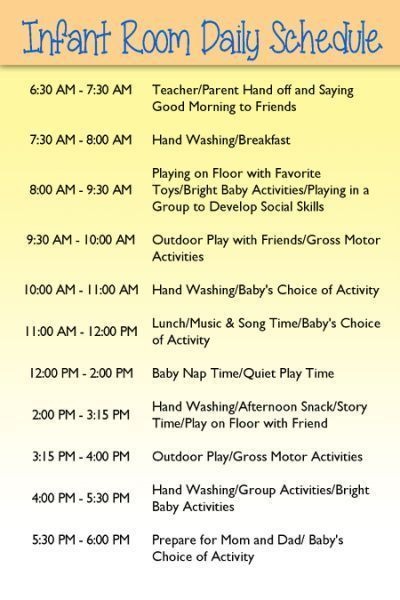
Daycare naps differ from home naps because the setting, the caregiver, and the nap schedule differ, and a group routine leaves less room to adjust.
A four-month-old, for instance, might take brief naps at daycare and longer ones with a parent at home. After pickup, your afternoon looks different from a home day.
| What varies | At home | At daycare | How to use the difference |
|---|---|---|---|
| Nap information | You can watch each nap | Staff can give start and end times | Compare the reported sleep times when records are available |
| Timing control | You can usually shift the routine | Group activities set limits | Plan changes around the parts of the day you control |
| Late afternoon | You know how the earlier naps went | The day may include shorter or differently timed sleep | Choose an evening plan that reflects that day’s rest |
Ask the daycare for its nap record, including approximate times and durations, and compare it with a few ordinary home days. A home schedule can help you communicate with staff, though the two settings will keep working differently.
Safe sleep still matters during daytime naps
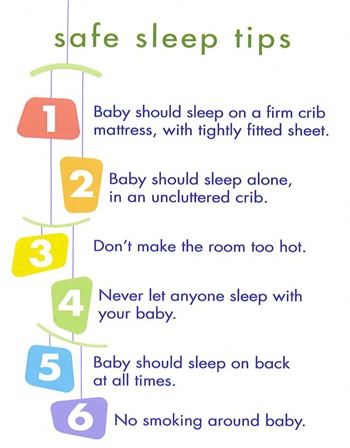
Babies need a safe sleep setup for daytime naps as well as nighttime sleep. The American Academy of Pediatrics’ safe sleep guidance addresses positioning, the sleep surface, and objects in the sleeping area.
- Back placement: For babies younger than one year, place the baby on the back at the beginning of every nap and nighttime sleep. If the baby can independently roll from back to tummy and from tummy to back, the AAP says there is generally no need to reposition them after they roll themselves.
- Firm, flat surface: Use a firm, flat sleep surface made for infant sleep.
- Clear sleep space: Keep loose bedding, pillows, and other soft objects out of the infant sleep area.
- Equipment limits: Swings, inclined loungers, car seats, and adult beds are unsuitable as routine infant sleep spaces. If a baby falls asleep in a car seat, stroller, swing, or carrier, move the baby to an appropriate firm, flat sleep surface on their back as soon as it is safe to do so.
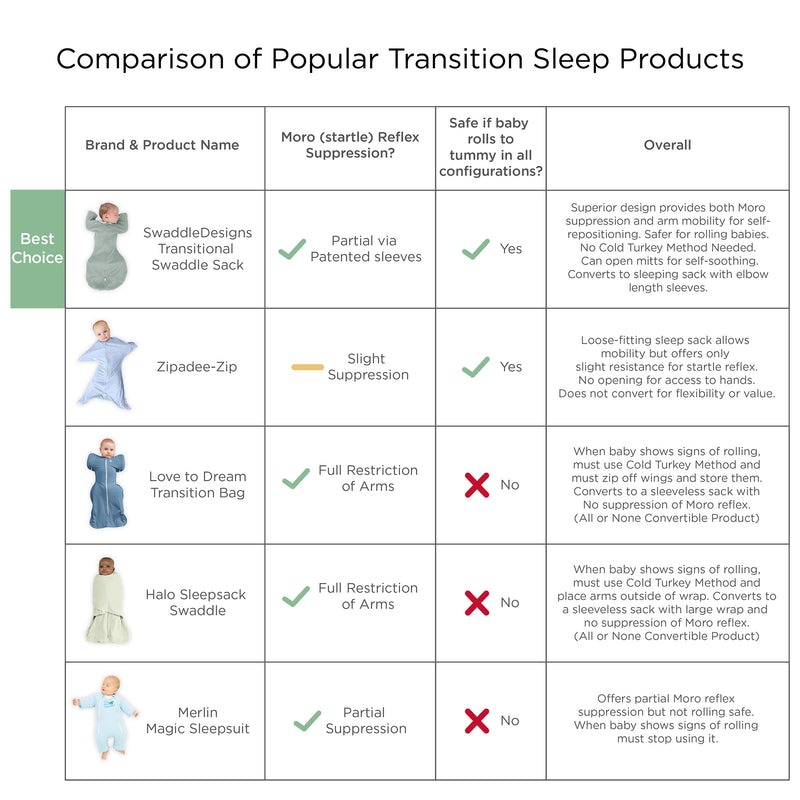
A late catnap can be inconvenient, especially when an evening outing is planned. Before you pick a place for sleep, check the surface, position, and bedding. The safe sleep checklist covers the detailed setup and product-specific considerations.
How to tell whether a nap adjustment is helping
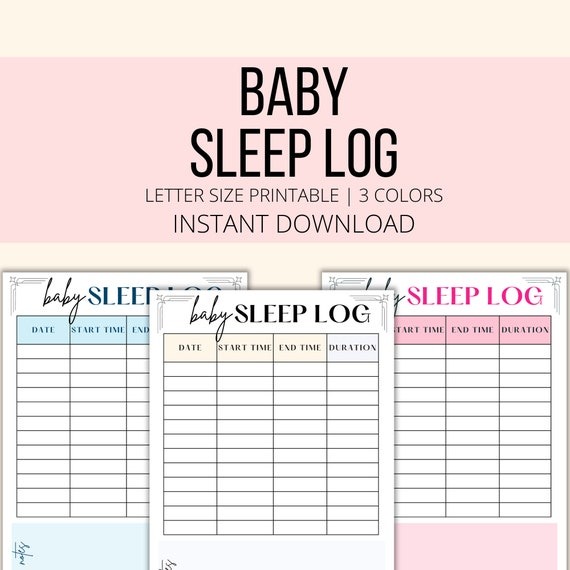
A short record shows whether a changed pattern lasts beyond one unusual day. Each day, note the setting (home or childcare), the first wake-up, the start, end, and duration of each nap, the nighttime sleep, and any change such as a missed nap. A notebook entry needs only a few blank fields:
Date: __________ Setting: __________ Morning wake-up: __________
Naps (start, end, duration): ________________________________________
Nighttime sleep: __________ Relevant changes: __________________
Look across several ordinary days for a steady shift in nap placement or count. A diary stays an estimate: a 2023 infant sleep measurement study found differences between caregiver records and accelerometer-based estimates, especially for daytime naps. Read small recorded changes with that in mind.
If your baby’s sleep stays unusual, or you worry about health, sleepiness, or feeding, bring your notes to the pediatrician.