
Most night waking comes from normal sleep cycles or hunger. Illness, discomfort and routine changes add to it. Look at your baby’s age, feeding and daytime before you change anything, then pick one safe change and keep a short record if the waking continues. Fever, feeding or growth worries, and signs of serious illness come first and mean medical care. A rectal temperature of 100.4°F (38°C) or higher in a baby three months old or younger means you contact a pediatrician immediately.
Your baby sleeps peacefully for the first few hours, then wakes nearly every hour after midnight. Or bedtime goes smoothly, only for crying to begin 45 minutes later. A newborn might drift off while nursing and want to feed again almost immediately.
Why babies wake at night even when nothing is wrong
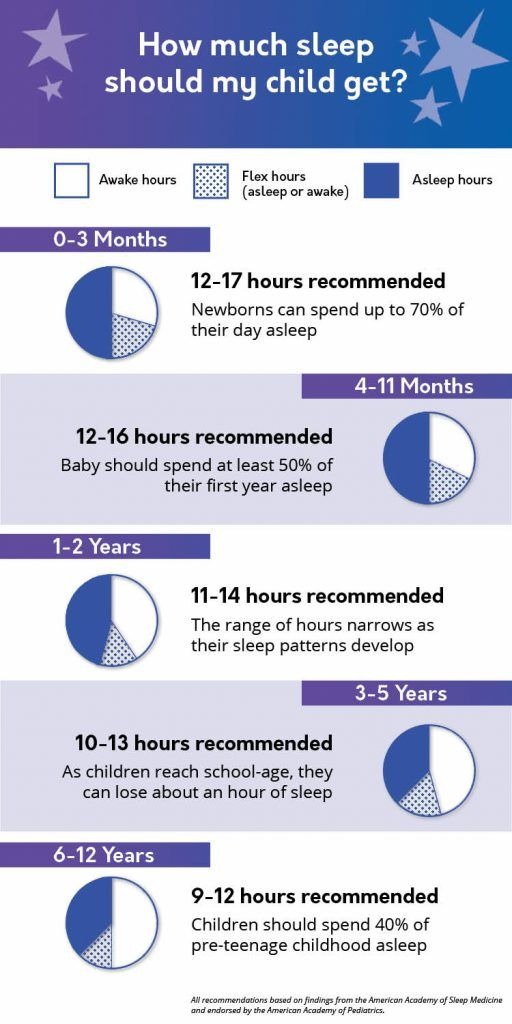
Newborns sleep in short stretches, and their sleep becomes more organized over time, according to the American Academy of Pediatrics. Your baby may stir briefly, wake for a feed, or wake fully and need you. A 2020 study of two Finnish birth cohorts found wide variation in parent-reported sleep between ages 3 and 24 months. For healthy infants aged 4 to 12 months, the American Academy of Sleep Medicine consensus statement recommends 12 to 16 hours of sleep across 24 hours, including naps.
First rule out signs that need medical attention
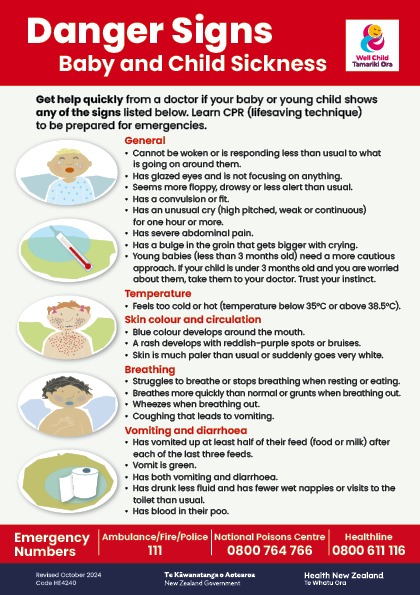
If waking changes suddenly and your baby also acts differently or seems unwell, deal with that before you experiment with bedtime. Watch for concerning breathing, unusual difficulty waking and fever.
In the United States, call 911 for severe breathing difficulty or unresponsiveness. For a baby three months old or younger with a rectal temperature of 100.4°F (38°C) or higher, contact a pediatrician immediately. The American Academy of Pediatrics’ infant fever guidance backs this up.
A baby who wakes crying and seems ill needs a different response from one who is alert, feeding as usual and stirring repeatedly after midnight. Tell your pediatrician about growth concerns, reduced milk intake or fewer wet diapers.
If your baby was born prematurely, has a medical condition or follows a feeding plan from a clinician, keep following those care instructions.
Why newborns may wake again soon after feeding

A newborn can finish a feed, drift off, and wake wanting attention again shortly afterward. The AAP describes newborns sleeping for one or two hours at a stretch and waking frequently, including for feeds.
Newborn active sleep can look busy. A sleeping baby may twitch, move or make noises without being fully awake. If your baby cries clearly or shows feeding cues, treat it as a real wake-up.
One parent described a nine-day-old who seemed ready to nurse again as soon as he stirred:
I need to know if this is normal but my baby is about 9 days old. It feels like he’s suddenly in this phase where he can’t stop eating. He will fall asleep breastfeeding from me and I’ll burp and change his diaper if needed. Then as soon as he’s remotely awake and smells me it’s like he’s ravenous all over again. I know he’s getting enough because he’s past his birth weight already. I think a part of it is he’s comfort nursing but won’t take a pacifier to give me a break.
It’s like the feedings don’t stop and it’s making me feel a little crazy.

Notice whether the apparent waking follows a feed or happens while your baby is still asleep and moving. The newborn sleep guide covers age-specific expectations in more detail.
What time-of-night patterns can tell you
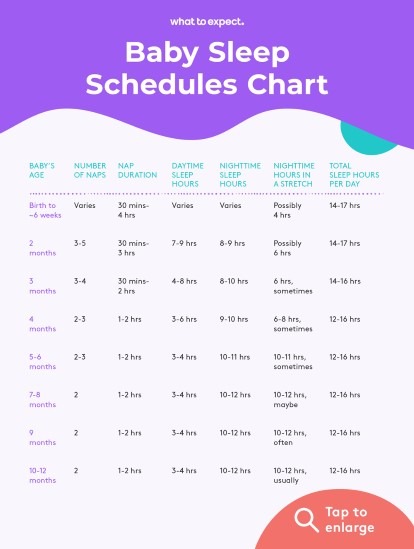
Start with when in the night your baby wakes. A baby who stirs shortly after bedtime is a different case from one who sleeps for hours and then wakes repeatedly. Parents sometimes call waking 30 to 60 minutes after bedtime a false start; it isn’t a medical term.
What you see and what to check first
| What you see | What to look at | What to try first |
|---|---|---|
| Newborn wakes after short stretches | Feeds, growth, active sleep | See whether your baby is awake and asking for a feed (newborn section above). |
| Waking about 30 to 60 minutes after bedtime | How bedtime went and recent changes | Did bedtime go differently tonight? Check for a late nap, a different person putting the baby down, or a change of room. |
| Longer first stretch, then hourly waking | Feeding, comfort, and what changes after midnight | Notice whether a feed, a cuddle or another response settles your baby after the first stretch. |
| Frequent waking across the night | Your baby’s health, feeding, and your own fatigue | Rule out health concerns first; otherwise pick one response and stick with it. |
| Waking around 3:30 to 5 a.m. | Daytime naps and changes in care | Compare naps and handoffs with recent days. |
| Waking with illness signs | Symptoms, responsiveness, feeding | Follow the medical steps above. |
A parent of a nine-month-old laid out that split:
Hi so my 9 month old wakes up almost every hour through the night and I don’t really know what to do. He goes to bed between 6-7 depending on when he’s showing signs of tiredness and then sleeps until midnight (with the occasional wake up at 10 when my husband and I go to bed if we’re both quiet enough). From midnight on he will wake up every single hour and will only settle if he’s breastfed or cuddled. He’ll do this every hour until he starts the day at 6.
I’ve tried pushing his bedtime back but it was still the same. We tried night weaning but he just cried and we personally don’t like cio method. I won’t lie we don’t have a proper schedule because he’s no. 4 so his schedule is go with the flow and fit in with everyone else’s but usually he has 2 30 minute naps and 1 hour and half nap with 2-3 hour wake windows. Anyone got any gentle suggestions please?
Pushing bedtime later didn’t help this family, and with four children in the house they want a gentle fix that fits around everyone else.

Timing tells you what to check next. It can’t tell you whether the cause is hunger, overtiredness or a sleep association. For sleep surface, night waking and nap schedule decisions, see Baby Sleep: Safe Setup, Typical Patterns, and What to Try.
Hunger and settling can overlap
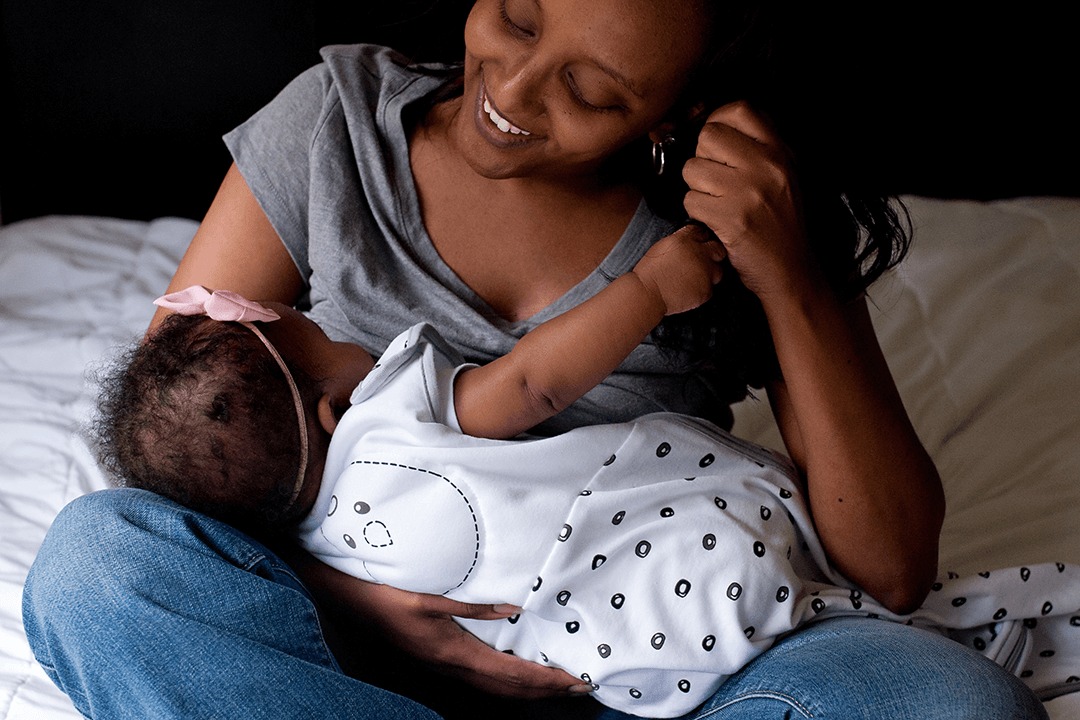
Nursing settles many babies whether they’re hungry, wanting comfort, or both. Check age, growth and wet diapers before you decide a feed is only comfort.
In a breastfeeding forum, a parent wrote about how sharply the nights had changed:
I don’t even know why I’m posting this, I think I just need to know I’m not alone.
My baby used to sleep pretty well. Not perfect, but decent. Now suddenly he wakes up every single hour at night. Every. Hour.
And the only way he goes back to sleep is nursing. If I try anything else he just cries harder.
I’m so tired it hurts. Like actual pain from being awake. I feel like I’m going to lose my mind some nights.

Before you think about cutting night feeds, review what you know about your baby’s growth and feeding. A young baby, or one whose growth a clinician is monitoring, may need feeding support first. The newborn feeding guide covers the feeding-specific questions.
What to check when your baby wakes at 3 to 5 a.m.

Early waking can happen even with an established bedtime routine. A parent of a seven-month-old describes it:
7mo. Sleep trained at 6 months. Consistently (and I mean essentially everyyyy dayyyyyy) waking up between 3:30 and 4:30. Sometimes 5. Takes close to an hour to get her back to sleep (after a quick diaper swap and bottle), and she even fights it sometimes. Idk what to do anymore.
Current schedule is DWT-6:30, 3.25/3.5/4ish, although my MIL consistently lets her nap at the 2.5hour mark in the morning, forcing me to adjust the second wake window longer. But either way I make sure she is getting enough awake time in whatever breakdown I can, with a 4 hour WW before bed. Naps are capped at 2.5 hours already.
I’m to the point I’m honestly wondering if this is actually over tiredness. Most nights she is crying to be put in bed because she’s so tired, so even though we aim for 7:30 bedtime it’s commonly closer to 7-7:15. Other nights she’s literally falling asleep during her book time before bed, so I have to wake her up to put her in her crib awake.
The 2.5-hour nap cap and 7:30 p.m. bedtime goal are what this family tried, not targets for other babies.
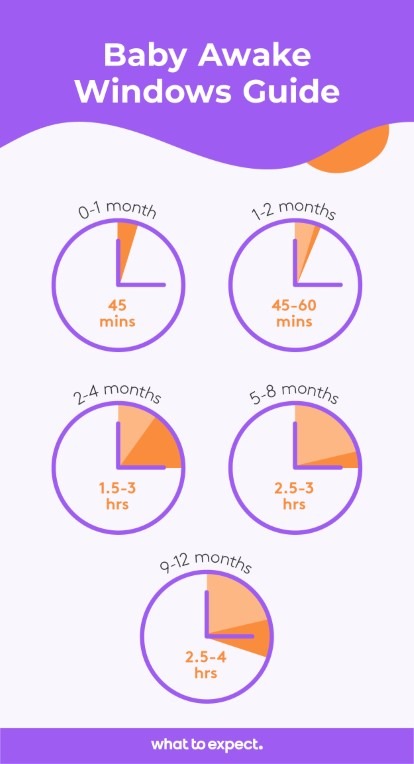
Compare the early waking with the last few days of naps, childcare handoffs and bedtime changes. For detailed timing, use the separate wake windows guide or nap schedules by age.
Keep the sleep space safe, even on the worst nights

Repeated waking can make dangerous shortcuts tempting. Follow the American Academy of Pediatrics’ safe sleep guidance.
Check the actual sleep setup
- Surface and position: Use a firm, flat, separate infant sleep surface and place your baby on their back for sleep.
- Loose items: Keep pillows, blankets, soft toys, and other soft objects out of the infant sleep area.
- Swaddling: Stop when your baby shows signs of trying to roll. Tighter swaddling is not a safe answer to waking.
- Reflux concerns: Do not raise the crib mattress or use wedges to manage suspected reflux. Flat back sleeping remains the guidance.
- Clothing: Avoid overheating. Extra layers are not an established night-waking treatment.

Severe fatigue makes it easier to doze while feeding or holding your baby. A couch or armchair is especially dangerous if an adult falls asleep with an infant.
If you feel yourself falling asleep while holding your baby, place the baby on a separate, firm, flat infant sleep surface as soon as you can do so safely.
For a surface-by-surface check, see the safe sleep setup checklist.
What to try tonight without promising a sleep fix

Keep the next nighttime response simple enough to follow when everyone is tired. Stay calm and reasonably quiet, and use soothing that fits your baby and your own preferences. Some families are fine nursing or holding a baby back to sleep; others want to try something else. The nine-month-old’s parent above wanted gentle suggestions that fit around three other children.
Pick one response
- Meet the need: Feed or comfort your baby when needed.
- Keep changes limited: Pick one realistic element of your response and keep it the same across similar wakings.
- Plan adult support: If another alert adult is available, agree on a handoff so one of you can rest.

Formal sleep training is a separate, optional choice. Families considering it can compare approaches in the sleep training options guide.
Track the pattern briefly and know when to ask for help
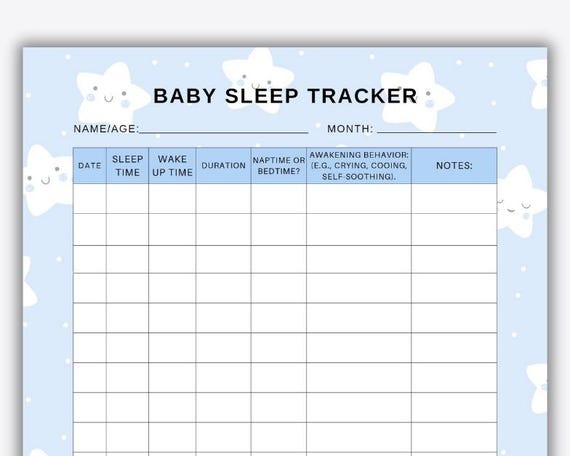
If waking stays difficult, a short record gives the pediatrician a clearer picture than “the baby never sleeps.” Write down what happened, not why you think it happened.
A simple overnight record
| Field | What to note | Your notes |
|---|---|---|
| Date and age | Day and baby’s age | _____ |
| First sleep stretch | Bedtime and first clear waking | _____ |
| Later waking | Times and approximate duration | _____ |
| Feeding and settling | Feeds, comfort offered, how sleep resumed | _____ |
| Daytime context | Naps, childcare changes, travel or routine changes | _____ |
| Health observations | Symptoms, intake or diaper concerns | _____ |
Record what preceded a change as well as what happened afterward.

Bring the record to your pediatrician if the waking continues, changes or becomes hard to manage. If you see concerning symptoms, call without waiting for more entries.