
If your baby shows signs of trying to roll, stop swaddling now. You don’t need to wait for a completed roll or a better week. For the next sleep, put your baby in well-fitted, non-weighted, arms-free sleepwear and lay them on their back in an empty, firm, flat infant sleep space. If there are no signs yet, you can switch early whenever it suits your family.
| What you’re seeing | What it means | Next step |
|---|---|---|
| Signs of attempting to roll | Swaddling has to stop | Switch to arms-free sleepwear for the next sleep |
| No rolling attempts yet | Early switch is optional | Switch straight away, or stage it before signs appear |
| Movement you’re unsure about | Unclear whether it’s a roll attempt | Use arms-free sleepwear |
When should you stop swaddling?
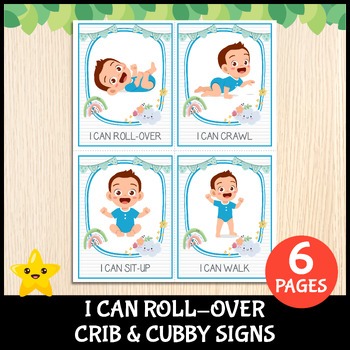
The American Academy of Pediatrics says to stop swaddling as soon as a baby shows signs of trying to roll. A completed roll or a particular birthday isn’t required. A swaddled baby who turns onto the stomach has a harder time responding or changing position, because the arms and body can’t move freely. Swaddling hasn’t been shown to prevent sudden infant death syndrome (SIDS).
What counts as a sign of trying to roll?
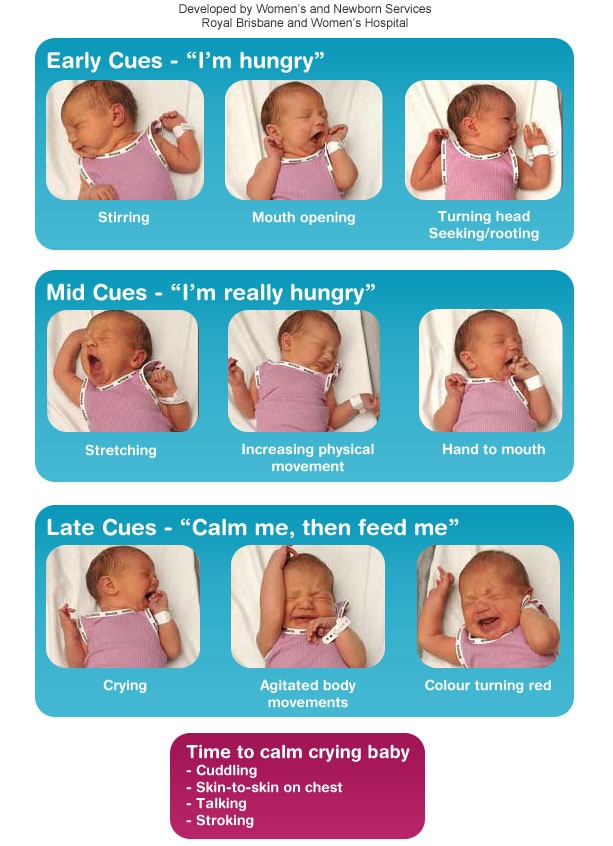
Your baby might turn the shoulders or chest sideways, shift the trunk during awake play, or lean farther to one side than before. Any of these can show up long before a full back-to-stomach turn. For rolling, sitting, and fall hazards, see When Do Babies Roll Over and Sit Up.
Young babies curl, arch, and wriggle all the time, so it’s hard to tell which movements count. If you can’t tell, use arms-free sleepwear and ask your pediatrician about what you saw.
Look for these movements during awake, supervised time. Never put your baby in an unsafe sleep position to see whether they can roll.
Loose swaddling is a separate hazard: fabric that breaks free can cover a baby’s face. If a swaddle keeps coming undone, stop using it and switch to fitted pajamas. Sweating, damp hair, flushed cheeks, heat rash, or fast breathing signal overheating, so take off a layer or adjust the room.
What should replace a swaddle: sleep sack, sleeper, or transition suit?
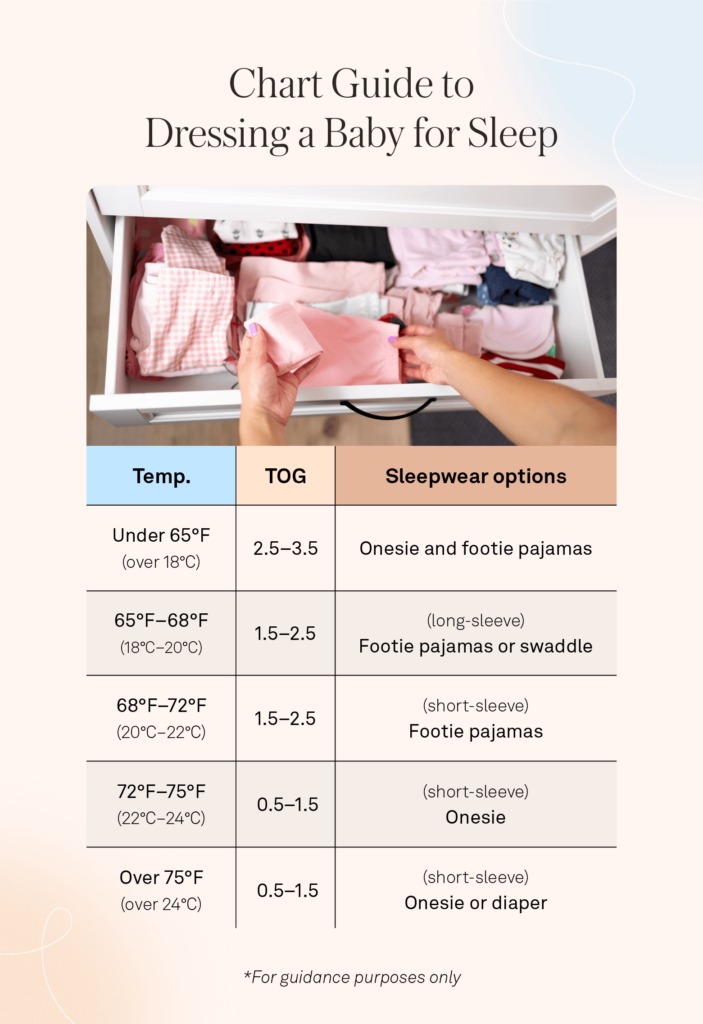
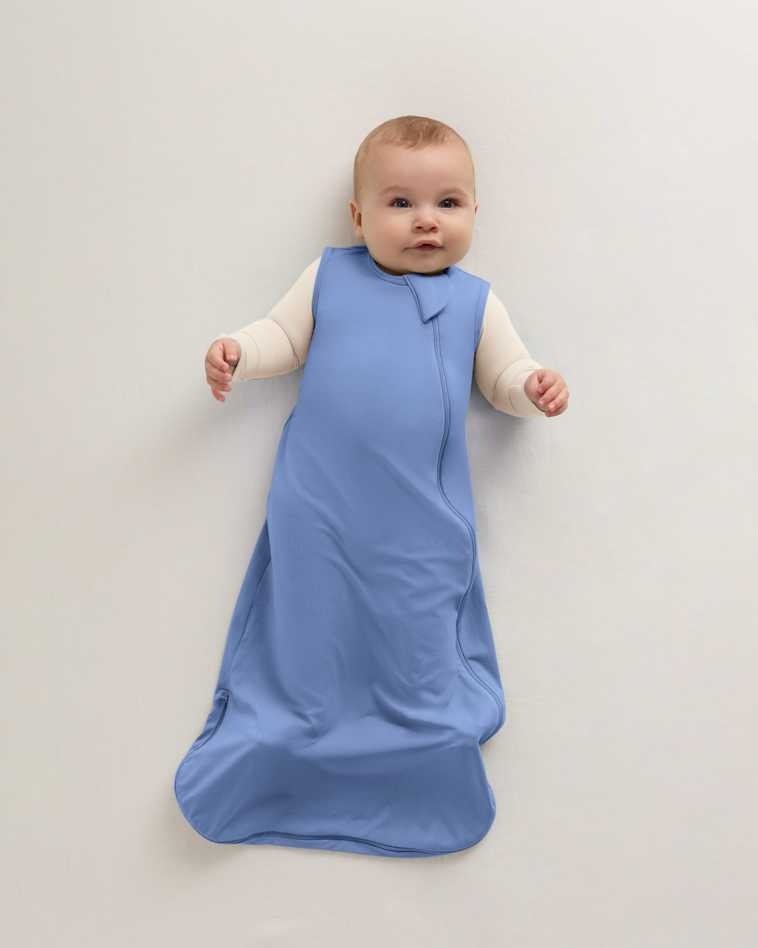
Fitted pajamas or a non-weighted sleep sack replace the swaddle. Whatever you pick has to fit well and leave your baby’s arms, chest, and body free to move.
| Clothing | When it may fit the situation | What to rule out |
|---|---|---|
| Fitted infant sleeper or pajamas | Everyday sleepwear after swaddling | Loose fabric, poor fit |
| Non-weighted sleep sack with free movement | Optional extra layer | Neck opening that can ride over the face, poor fit, restricted movement |
| Traditional swaddle with arms contained | Only while there are no rolling attempts and you follow safe swaddling practices | Using it once rolling starts |
| Arms-up or tight-torso transition garment | Depends on how it’s actually built | Compression that stays even with arms out |
| Weighted swaddle or weighted wearable product | Not suitable as infant sleepwear | Added weight or weighted compression |
An arms-out garment can still squeeze the chest or torso. Check how the fabric sits around your baby’s neck and whether movement stays free. The product name won’t tell you.
Before rolling signs appear, a swaddle also has to allow natural hip and knee movement. The International Hip Dysplasia Institute cautions against holding an infant’s legs straight and tightly together. Once swaddling ends, ordinary fitted pajamas do the job, so you don’t need a specialized transition suit. For infant loungers, inclined sleepers, and crib safety, see Baby Sleep Products to Avoid and What to Use Instead.
Cold turkey or one arm out: which transition makes sense before rolling?
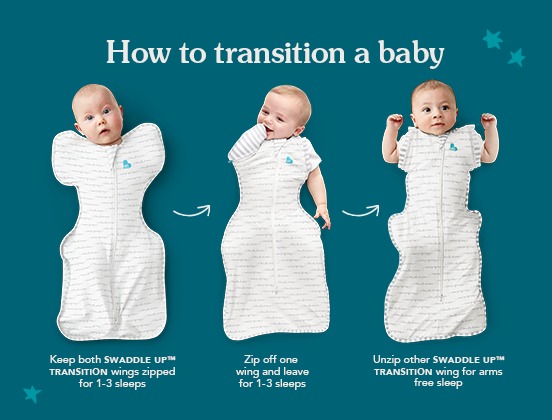
If your baby shows no signs of trying to roll, you can switch early, all at once or in stages. Going straight to arms-free sleepwear is often called going “cold turkey.”
Some parents free one arm first. That works only before rolling attempts begin, while the swaddle still meets its instructions.
What to do for tonight’s bedtime
It’s bedtime, your baby might be trying to roll, and the only clean sleepwear you own is a pair of pajamas. That’s enough. You can make the change without going shopping.
Change the clothes and keep everything else the same:
- Dress your baby: Use fitted pajamas or a sleep sack. Skip anything loose that could cover the face.
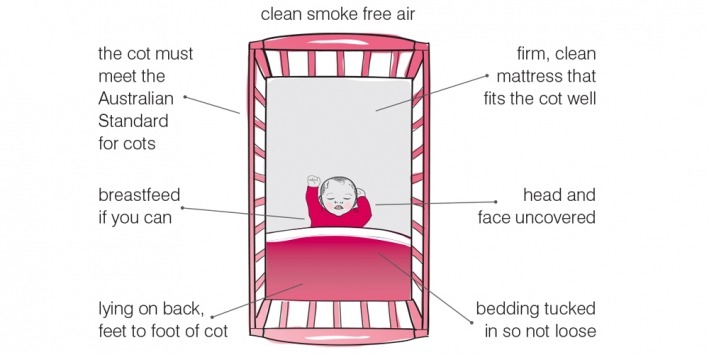
- Prepare the sleep space: Choose a firm, flat surface made for infant sleep, with no pillows, loose blankets, rolled towels, positioning objects, or other loose items.
- Place your baby on their back: Back is the recommended starting position for infant sleep.
- Choose the warmth: Dress for the room’s temperature without loose covers or weighted clothing.
- Keep your routine: Stick with the bedtime pattern you already have.
The NICHD Safe to Sleep guidance explains the back-placement and sleep-surface recommendations.
What if sleep gets worse when the arms are free?
Free arms change how crib transfers and settling feel. Some babies wake when their arms touch the mattress or move after you put them down. That’s discouraging when the swaddle had given you long sleep stretches. For crib, firm mattress, and fitted sheet decisions, see Safe Sleep Checklist for Babies.
One parent took the swaddle off after possible rolling signs, shortly before their baby turned nine weeks old. Crib sleep got much worse.
We fully swaddled at the start, but a couple of weeks ago I thought I saw signs of rolling so we decided to take her arms out of the swaddle (she will be 9 weeks tomorrow). I don’t know if I misread her signs, because she has yet to actually roll, even onto her side. Now she basically refuses to sleep in her crib, when she was sleeping 7-8 hours when she was swaddled. When did you stop swaddling, and how did you help your baby sleep with their arms out? She will be fully asleep, but the second her arms touch the crib mattress she is wide awake and crying. Any advice/tips would be greatly appreciated!
Hard transfers, frequent waking, and trouble settling again are three separate problems, even when they all show up in one night. Keep comforting your baby, and return them to the sleep surface once they’re settled. Once rolling attempts have started, don’t go back to a swaddle to fix the waking. For sleep surface, night waking, and nap schedule, see Baby Sleep: Safe Setup, Typical Patterns, and What to Try.
How long does the adjustment take?
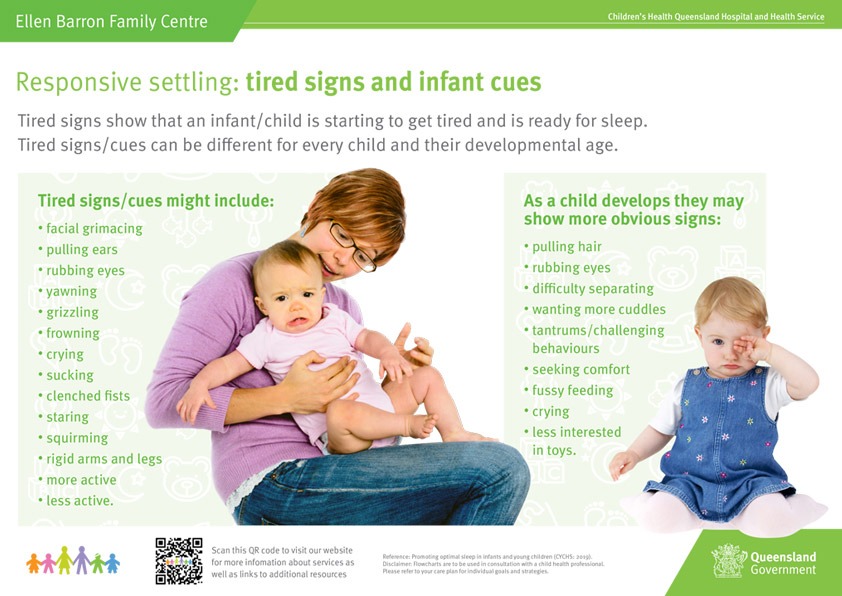
Expect a few rough nights. Track whether your baby wakes during the crib transfer, after settling, or all night. If sleep was already unsettled before the switch, the change in clothing is only one part of what you’re seeing.
If poor sleep continues, or your baby seems unusually distressed or unwell, talk to a pediatric clinician. Say what changed during the transition and what problems started earlier.
Check the label, the fit, and the recall before using sleepwear
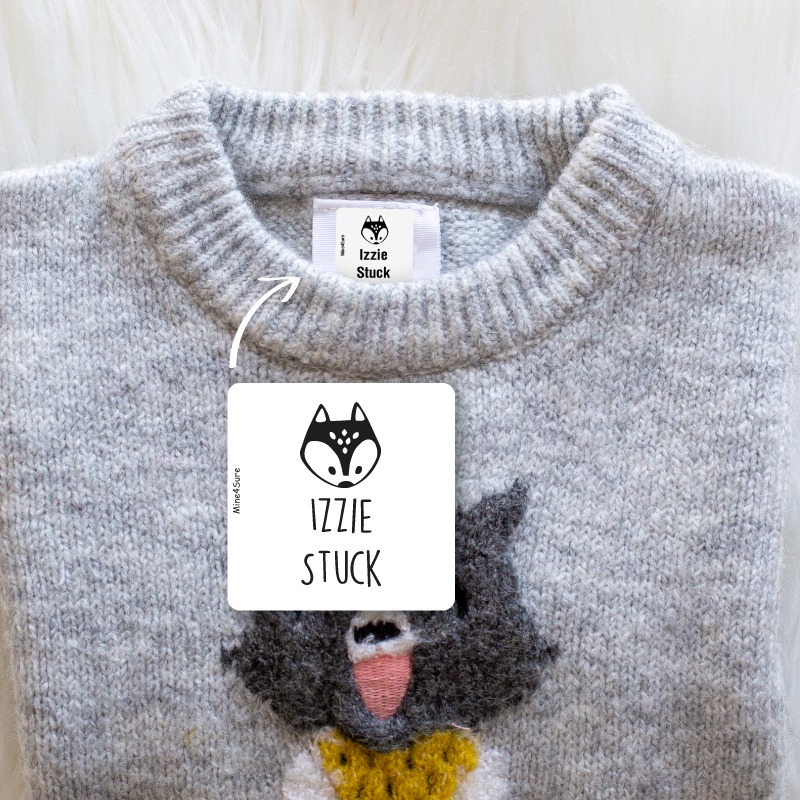
For any sleep garment, note the brand, exact model, size, and batch or lot number if available. Compare its stated age, developmental, and use restrictions with how your baby moves now. This matters most with hand-me-downs and secondhand buys, where the packaging may be missing.
Search the Consumer Product Safety Commission’s recalls and warnings for the exact product. A recall entry names a specific hazard and the products covered. A product with no matching recall still needs to fit well and be used as intended.
On March 5, 2026, the CPSC recalled approximately 45,000 HALO Magic Sleepsuits in batches PO30592, PO30641, and PO30685 because zipper heads could detach and pose a choking hazard. The announcement reported 15 incidents and no injuries.
The batch code is on the sewn-in label inside the sleepsuit or on its hang tag.
If your sleepsuit matches that HALO product and one of those batch codes, stop using it immediately, but keep it until you receive the recall coupon code. The official CPSC recall notice describes the remedy, including a replacement or $50 store credit after registration.
That recall covers the specified HALO Magic Sleepsuit batches. It does not extend to every HALO wearable blanket or to Baby Merlin’s Magic Sleepsuit.
Can you wait until a less stressful week?

If your baby hasn’t shown signs of trying to roll, you can pick an early transition for a time when another caregiver can help. Solo nights and a work trip make a hard bedtime harder.
A parent of an 18-week-old worried about freeing the arms right before a stretch of solo care:
My boy is 18w and so far he slept and napped comfortably in Love to Dream swaddle (with arms up). He has transition swaddles now where you can unzip the arms but we haven’t tried to unzip it yet. I read that it should be done as soon as they show first signs of rolling. I believe it is rather far from rolling but last week he started occasionally put his chest to the side during play. His chunky core and gravity did not allow it though so I guess he still has a lot to learn. That being said I guess it could be considered as “first sign of rolling”? So Im thinking to start unzipping the wings from the swaddle but Im so worried about him potentially struggling to fall asleep or stay asleep. We have a very stressful time now as my husband will travel for work whole next week and ill be the only care giver for 4 days and Im already not sleeping well next to my baby.
That parent had an unclear movement, poor sleep, and four days of solo care ahead. Use any extra help for settling and your own rest, even if the clothing change can’t wait.