
Compare what your baby can actually do with the CDC checkpoints. At 4 months, the CDC lists steady head control and forearm support. At 6 months, it lists tummy-to-back rolling and sitting with hand support. At 9 months, it lists sitting without support and getting into sitting alone. If a listed skill is missing, a learned skill disappears, or you’re worried, tell your pediatrician or contact your state’s Early Intervention program. Stop restrictive swaddling as soon as your baby shows signs of trying to roll.
When do babies roll over and sit up?
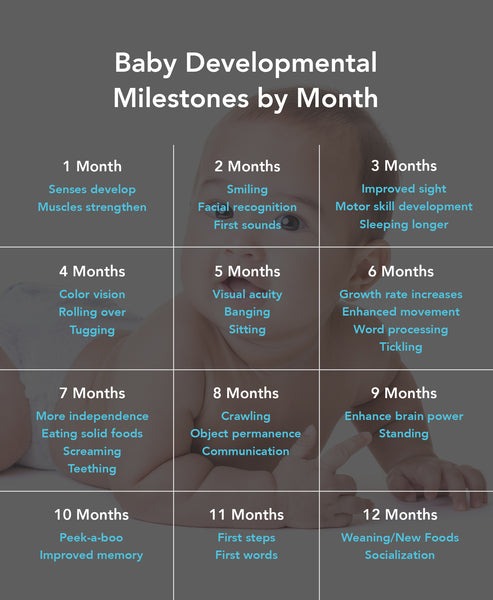
The CDC places tummy-to-back rolling and hand-supported sitting at 6 months, and sitting without support at 9 months.
| CDC milestone age | Movement skills listed |
|---|---|
| 4 months | Holds the head steady without support while being held; pushes onto elbows and forearms during tummy time |
| 6 months | Rolls from tummy to back; pushes up with straight arms on the tummy; leans on hands to support sitting |
| 9 months | Sits without support; gets into a sitting position independently |
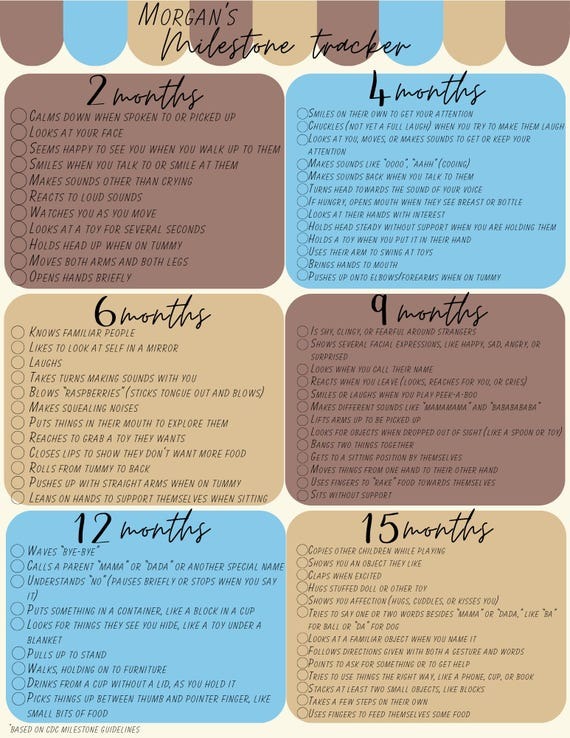
A CDC milestone is a skill that at least 75% of children can do by the listed age.
For the exact wording, see the CDC 6-month checklist and the CDC 9-month checklist. The full developmental milestone guide covers skills beyond rolling and sitting.
What counts as rolling, and does direction matter?
Direction matters. The CDC’s 6-month checklist lists the tummy-to-back roll.
A full tummy-to-back roll starts with your baby on their stomach and ends with them on their back. If they turn onto their side and stay there, that’s a half-turn. Back-to-tummy rolling follows the reverse path.
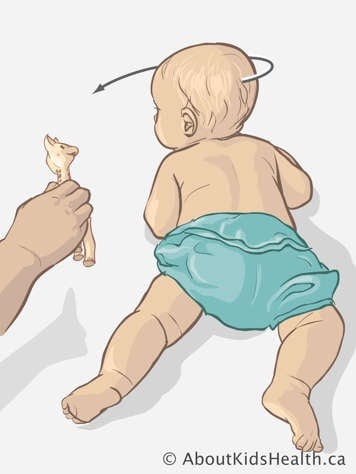
Babies often finish one direction first. Yours can roll tummy to back during floor play and still stop halfway going from back to tummy.
What counts as sitting without support?

Sitting comes in stages. At 6 months, the CDC lists leaning on the hands for support. At 9 months, it lists sitting without support and getting into sitting alone.
| What you see | How your baby balances or moves | CDC age |
|---|---|---|
| Leaning on the hands (tripod sitting) | Leans forward and uses the hands for balance | 6 months |
| Sitting without support | Stays upright without hands or another person’s support | 9 months |
| Getting into sitting | Moves into sitting without an adult placing them there | 9 months |
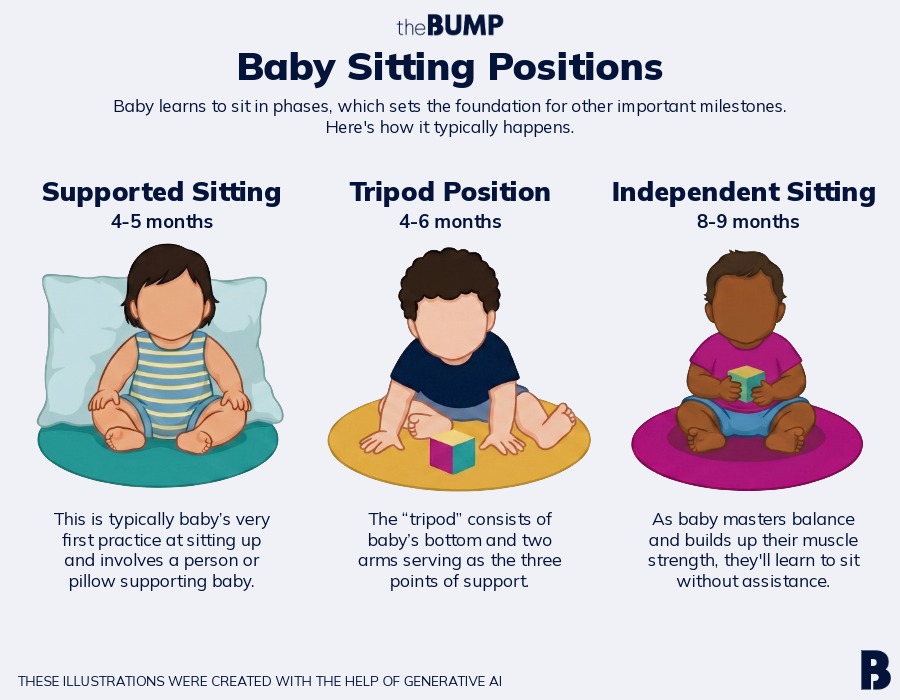
Put your baby on the floor in a seated position. If they stay upright, they sit without support, even though you placed them there. Getting into sitting means they move into that position on their own. In your lap or an infant seat, you or the seat provide part of the support.
What if sitting and rolling develop in a different order?
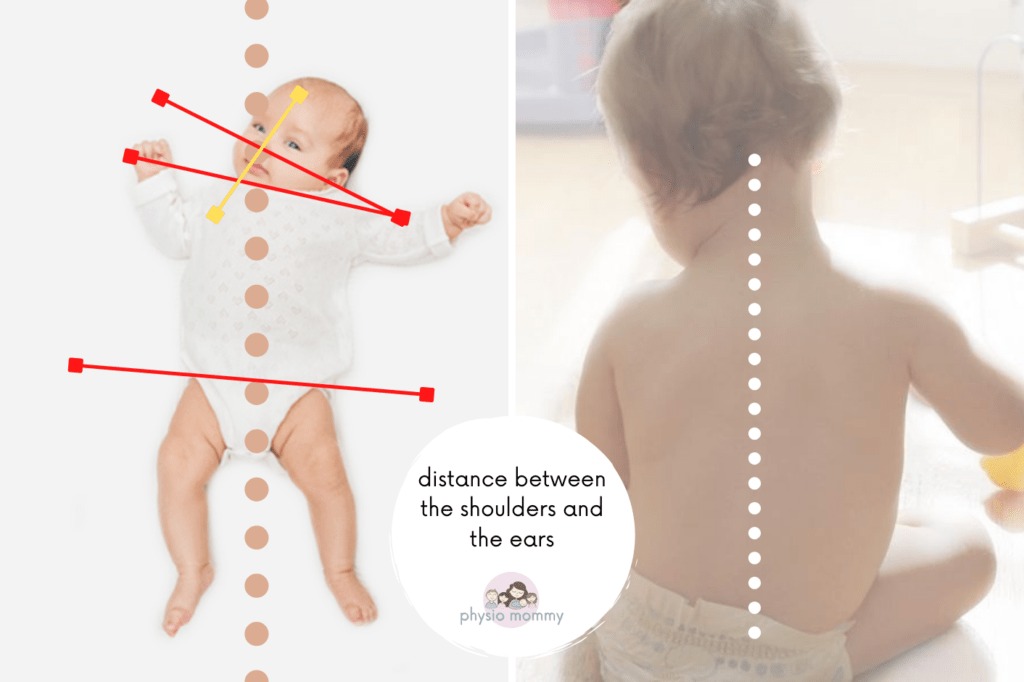
Rolling and sitting use different movements, so a baby can master one while still working on the other.
| What you see | What it means | What to do |
|---|---|---|
| Sits steadily when placed but cannot complete a tummy-to-back roll | Unsupported sitting and tummy-to-back rolling have different CDC ages | Past 6 months, raise it with the pediatrician |
| Rolls tummy to back but still leans on hands when sitting | Both are 6-month CDC items | Check unsupported sitting and getting into sitting against the 9-month items |
| Sits without hand support but cannot get into sitting alone | Two different skills on the 9-month CDC list | Check each one against its own 9-month entry |
| Turns onto one side but cannot complete either roll | A side turn is the first part of a roll | Watch for a turn that ends on the opposite surface during awake play |

A very communicative baby can still have a motor concern, and the concern deserves attention on its own. For how milestones, motor skills and communication relate, read Baby Development and Milestones: What to Watch and What to Do.
How can parents encourage rolling and sitting during awake play?

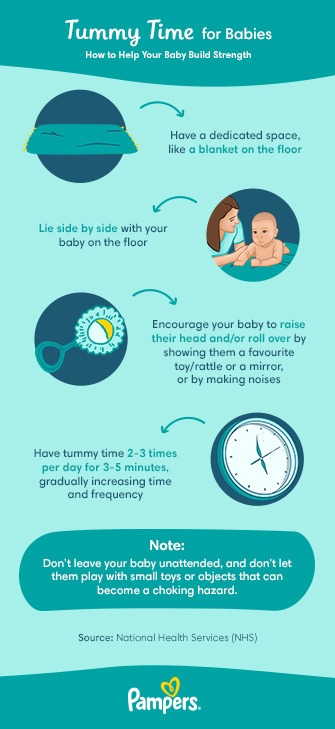
Awake, supervised tummy time and floor play let your baby practice lifting the head, reaching and shifting weight.
Give your baby a safe, flat area with room to move. Place a toy where they can see it to invite head turning or reaching. Follow their comfort and alertness. Don’t force a roll or hold your baby upright longer than they can hold the position themselves.
For more play positions and everyday routines, see awake, supervised tummy-time activities.
What a tummy-time review found

A 2020 systematic review in Pediatrics found positive associations between tummy time and rolling and broader gross-motor development. For sitting, the findings were indeterminate.
The review covered 16 studies of 4,237 infants in eight countries. Most of the evidence was observational, so it can’t show that extra tummy-time minutes will make a particular baby sit sooner.
What changes for safety when rolling begins?
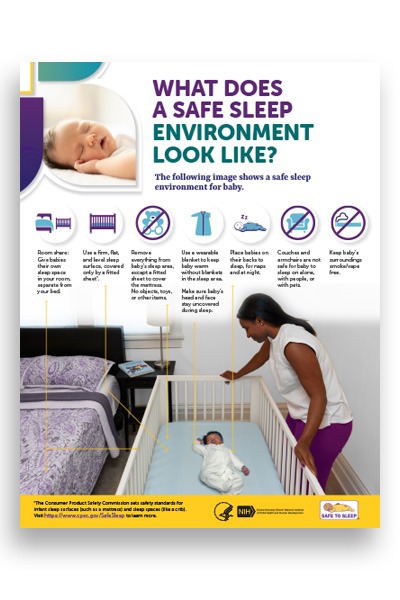
Stop swaddling when your baby first shows signs of trying to roll. You don’t need to wait for a completed roll in both directions. For swaddling, rolling signs and sleep sacks, see When to Stop Swaddling—and What to Do Instead.
A wearable blanket that leaves the arms and body free to move is different from a swaddle or wearable product that compresses the arms, chest or body. The product’s design and how much it restricts movement matter more than its name. The AAP’s swaddling safety guidance explains the distinction.
Start every sleep with your baby on their back, on a firm, flat surface free of loose bedding, pillows and positioning wedges.
If your baby rolls only one way and turns onto their stomach during sleep, you can put them back on their back. The AAP says a baby who can comfortably roll both ways independently doesn’t need to be turned back each time after rolling into another position.
When the first roll changes the bedtime routine

One parent asked about sleepwear and budget after an early roll:
My almost three month old is starting to roll from tummy to back, today was the first time she went from back to tummy. I know once they start doing that to stop swaddling them (I use the love to dream swaddle) so what do you guys use when rolling is starting to happen? There’s so much online that it’s really overwhelming and I would like to hear from parents first. Also, please include what brand and consider affordability, I’m not trying to spend $50 on one sleep sack
A baby can also turn unexpectedly during a diaper change. Keep a hand on your baby and never leave them alone on a changing table, bed or other raised surface. For more on the sleep space, see the infant safe-sleep checklist.
Does prematurity change which milestone age to use?
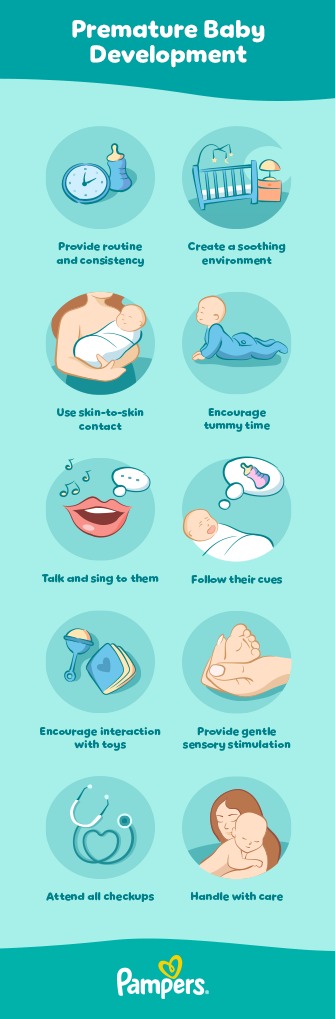
For babies born early, the AAP recommends using corrected age to read development for roughly the first two years. Chronological age counts the time since birth. Corrected age adjusts for how early the baby arrived: a baby born about eight weeks early who is six months old chronologically has a corrected age of about four months.
When should you ask about development or contact Early Intervention?
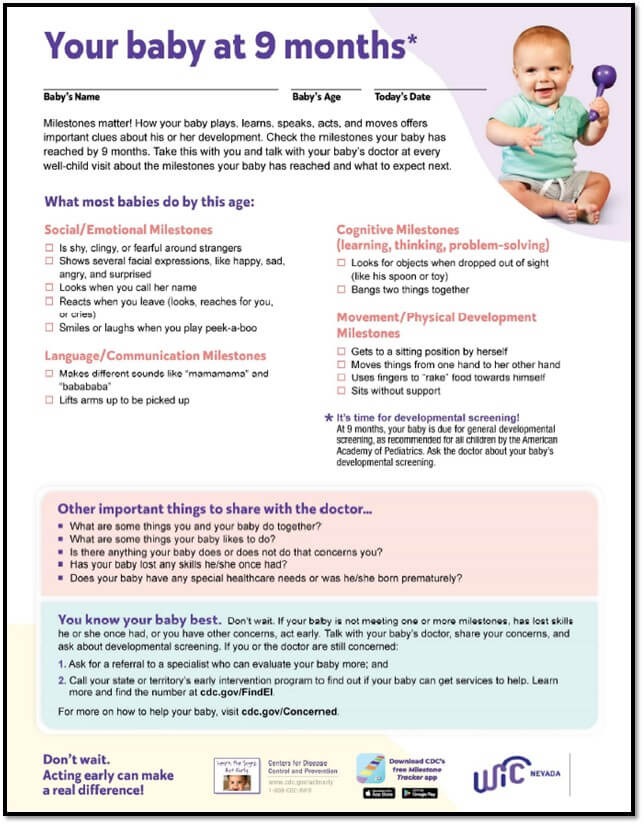
Talk to your baby’s pediatrician if a listed milestone is missing, a skill has been lost, or a movement concern continues. The American Academy of Pediatrics specifically advises telling the doctor if a baby isn’t sitting independently by nine months. A checklist doesn’t diagnose a developmental condition. It raises a question for assessment.
What a milestone checklist can tell you
You track development by watching what your child does over time, and a checklist shows whether a listed skill has appeared. A developmental screening uses a validated tool and covers more than a checklist does. The AAP recommends routine general developmental screening at 9, 18 and 30 months, with additional screening whenever there is concern.
When an appointment leaves more questions
One parent described a six-month appointment and the anxiety that followed a social-media video:
My husband and I brought our LO to her 6 month check, and the pediatrician said she was a little concerned about the inability to roll over — she said that it is a 4-month-old milestone. I told the doctor that LO is very communicative, but she said that verbal skills are different from motor skills. I’m a little worried, but my husband isn’t (at least not yet?) I know doom-scrolling is bad but a reel came up on my feed about a baby who had a neurologic disorder. Can’t help but be anxious, tbh. Could anyone please send some positivity? Thanks!
In the CDC’s age checklists, the four-month movement items cover steady head control and pushing onto the forearms, and tummy-to-back rolling appears at six months. The post covers only what the parent heard.
Prepare observations for a useful conversation
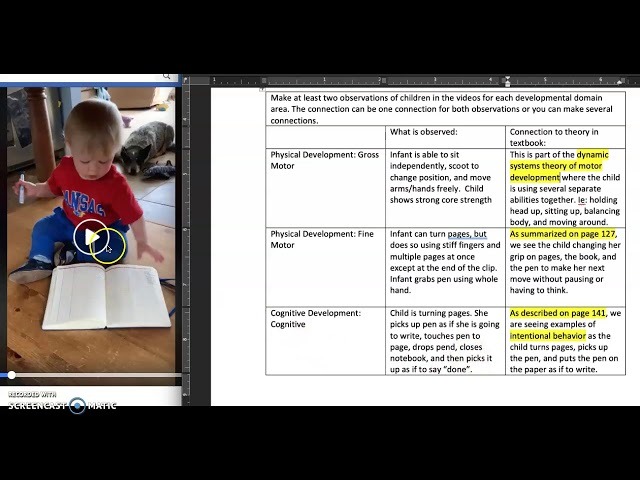
A short record of what your baby has done gives a clinician more to work with than a general description such as “behind on movement.” Include:
- Age: chronological age, plus corrected age if your baby was born early.
- Rolling: starting and ending positions, completed directions, and whether a turn stops on the side.
- Sitting: hand or adult support, unsupported balance, and getting into sitting alone.
- Changes: when each movement first appeared, whether it’s consistent, and any lost skill.
- Concern: the specific question you want the pediatrician to answer.
Take the record to your pediatrician and ask whether developmental screening or a referral makes sense. The developmental concerns guide covers the full assessment process.
How Early Intervention works in the United States

If your child is under three, you can contact your state’s or territory’s Early Intervention program directly. You don’t need a physician’s referral. The program decides eligibility under local rules, and services can be free or reduced-cost depending on the state and your family’s circumstances. An evaluation doesn’t automatically qualify a child for physical therapy or any specific treatment.
The CDC’s Early Intervention guide shows how to find your state or territory program.