
If you’re concerned about your baby’s development, tell your child’s clinician what you’ve noticed and ask whether screening or evaluation makes sense. For a child under 3 in the U.S., you can also contact your state’s Early Intervention program directly without a doctor’s referral. If your baby has lost a skill or the concern is significant, raise it promptly rather than waiting for the next routine visit.
When does a missed milestone warrant action?
A baby who hasn’t done something yet and a baby who did it and then stopped are in different situations. Tell your pediatrician about both. If your baby lost a skill, call soon instead of waiting for the next visit.
Your concern might involve movement, babbling, social interaction, or another behavior you’ve noticed. Describe the change you saw. If you need to compare babbling, first words, and communication skills, use Babbling and First Words: What Counts, What to Notice.
| What you notice | What matters | What to do |
|---|---|---|
| A skill hasn’t appeared yet | Your baby’s age, other skills, and history | Tell the clinician and ask whether an assessment makes sense |
| A skill your baby had is gone | Your baby could do it before and stopped | Contact the clinician promptly |
| Several areas worry you | The combination of observations and when each appeared | Describe them together |
| The clinician asked for a recheck | The skill or change they want to review | Follow the plan, or ask them to clarify it |
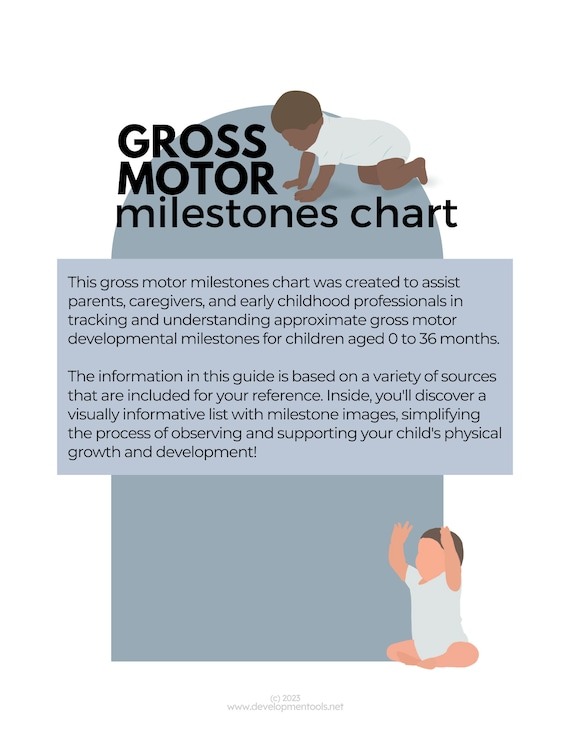
At a nine-month visit, one parent was surprised when a motor-skills questionnaire prompted a return appointment:
My recent visit to our pediatrician got me thinking about how much we are chasing the milestones and creating unnecessary stress. We went in for a 9 months appointment and they had a questionnaire about the motor skills. My baby was not pulling up to stand yet and that seemed to be concerning for the doctor. She said we have to be back at 10 months and if she is still not standing, then we need to go see the neurologist. Everything else was a ‘Yes’ on that form.
The parent later wrote that the child picked up the skill and the family skipped the recheck. If the doctor asks for one, keep it, even if your baby learns the skill in the meantime.
What can a milestone checklist tell you?
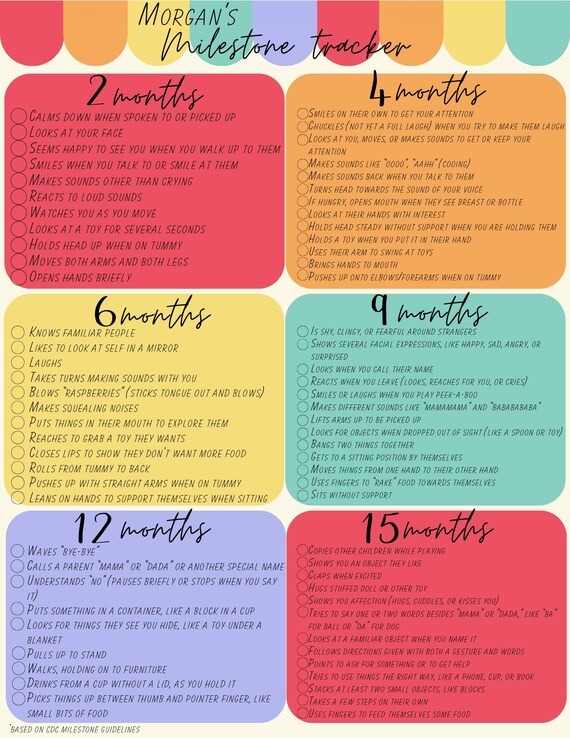
A checklist gives you words for what you see and makes the conversation with your pediatrician more specific. The CDC builds its checklists around skills that at least 75% of children show by a given age, based on available research and expert judgment. The full picture of milestones, motor skills, and communication is in Baby Development and Milestones: What to Watch and What to Do.
The 75% figure is a way of choosing which skills go on the list. It isn’t a diagnosis cutoff or a prediction for your baby. Zubler and colleagues described this approach in a 2022 Pediatrics paper.
Use the CDC milestone checklist guidance to pick out a specific behavior and the age it’s tied to. Formal developmental screening uses a standardized, research-based tool, and a professional evaluation can look at a concern in more detail.

Compare “My baby seems behind” with “I haven’t seen this particular movement yet, although I’ve noticed these other skills.” The second gives the clinician something specific to examine.
How should you describe a concern to your child’s clinician?

Before the visit, copy the eight field names below into a note or onto paper and fill them in: what you saw, when it happened, and the question you want answered. Keep the record for the appointment outcome and later contacts.
| Record field | What to write |
|---|---|
| Child’s age and context | Current age; gestational age at birth if premature |
| Specific observation | The movement, sound, interaction, or behavior you noticed |
| Developmental history | Never seen, just starting, or there before and now gone |
| Timing and example | Roughly when you first noticed, plus one concrete situation |
| Previous professional comments | Any relevant recommendation you’ve already received |
| Question for the clinician | Whether screening, evaluation, referral, or earlier follow-up makes sense |
| Contact record | Who you contacted, when, and what they said |
| Agreed next step | The action, who’s responsible, and the follow-up arrangement |
Say what you saw, not what you think it means. “I haven’t heard that sound for several days” gives the doctor something to work with. A diagnostic label comes from a professional assessment.
For example, a parent note might read:
“At the 9-month visit, we were asked to return at 10 months. I’d like to know which change the clinician wants to assess, what I should watch for before that visit, and whether we need more evaluation.”
The CDC’s guidance on what to say offers sample wording for these conversations.
What do screening, evaluation, and referrals each do?
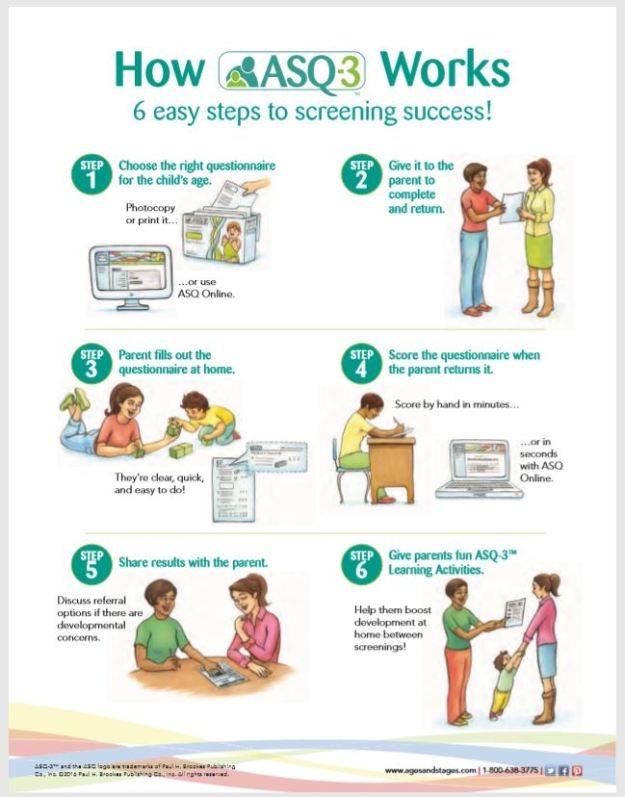
Monitoring follows development over time. Screening looks for signs that a closer look is needed. Evaluation examines a concern in more detail. A referral sends your child to a professional who can assess a specific question. For well-baby visits, the vaccine schedule, and developmental screening, see Well-Baby Visits and Vaccinations in the First Two Years.
| Process | What happens | What it helps establish | Question to ask |
|---|---|---|---|
| Developmental monitoring | You and the clinician watch skills and discuss changes over time | Which changes or concerns need discussion | Which observations matter for follow-up? |
| Standardized screening | A trained professional uses a research-based screening tool | Whether further developmental assessment is needed | Which areas did the screening cover? |
| Developmental evaluation | A clinician or relevant professional examines a concern in greater detail | Developmental strengths, difficulties, and possible next steps | What will the findings help decide? |
| Specialist referral | Your child goes to a specialist for further assessment | The clinical question that needs specialist attention; findings come from the later assessment | What is this referral meant to investigate? |
| Early Intervention eligibility evaluation | The state or territorial program evaluates eligibility under its own procedures | Whether your child qualifies for program services | How will the eligibility decision be explained? |
The next step depends on what the screening finds and what the assessment is for.

The American Academy of Pediatrics recommends general developmental screening at 9, 18, and 30 months and autism-specific screening at 18 and 24 months. Screening can happen at other times whenever concerns arise. The CDC’s monitoring and screening guidance explains how the two processes differ.
How can US parents contact Early Intervention directly?

If your child is younger than three, you can contact your state or territory’s Early Intervention program directly and request an evaluation. You don’t need a physician’s referral.
Early Intervention is a state- or territory-based pathway under Part C of the Individuals with Disabilities Education Act (IDEA). Its eligibility evaluation serves a different purpose from a pediatric diagnosis. You can contact Early Intervention while you also discuss your concerns with your child’s clinician.
- Find your program. Use the CDC Early Intervention information to find the official state or territorial contact.
- Request an evaluation. Give your child’s age and describe the concern in concrete terms.
- Clarify the process. Ask how the evaluation is arranged, what the program needs from you, and how it will communicate its decision.
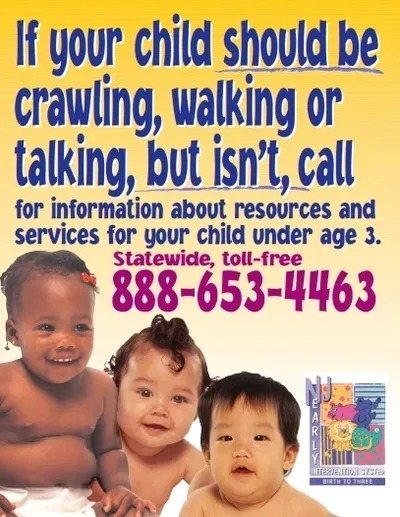
“I’m concerned about my child’s development and would like to request an Early Intervention evaluation. My child is under three. Could you explain how to begin?”
Your call starts an eligibility evaluation. Whether you get services, therapy, or an immediate appointment depends on the program and your area. Services for children who have reached age three follow another pathway.
What if the pediatrician and another professional disagree?

When professionals give you different impressions, work out what each one assessed. A reassuring milestone checklist and a physical therapist’s closer look can raise different questions about the same baby.
One parent described a baby born at 36 weeks who was receiving physical therapy for torticollis. The family had expected help with neck movement.
Now, my baby had never been at the fastest pace for motor skill milestones, but I never felt like he was super behind either. He rolled back to tummy at 4 months and did tummy to back at 5 months. He sits really well without support! We finally got approved by insurance to go to PT, and I went just expecting some help with neck stretches.
But after 2 sessions, our therapist said our baby is at the bottom 5 percentile for motor skill development compared to babies at his adjusted age and recommended Early Intervention.
The percentile is the parent’s account of what the therapist said, not a verified measurement or a cutoff for other babies.
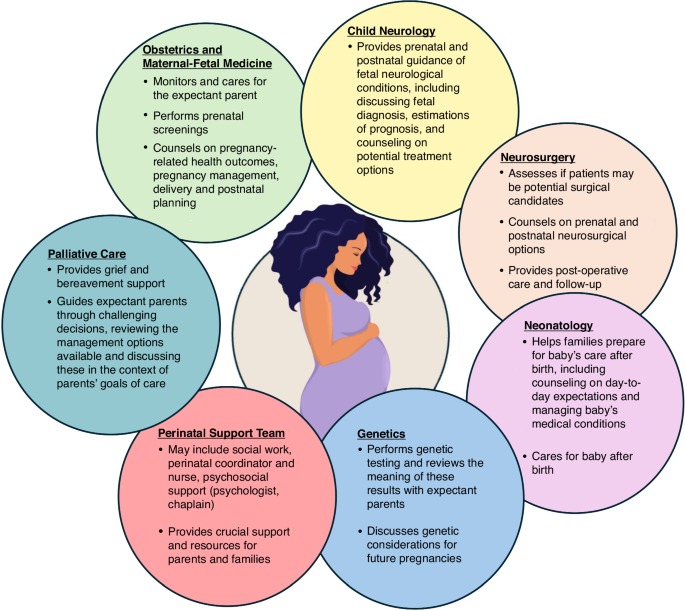
Ask each professional what they observed, what their recommendation rests on, what follow-up they expect, and who will explain the results. Then ask your pediatrician to pull those accounts together and say whether another assessment is needed and who will communicate the plan.
How does premature birth affect milestone interpretation?
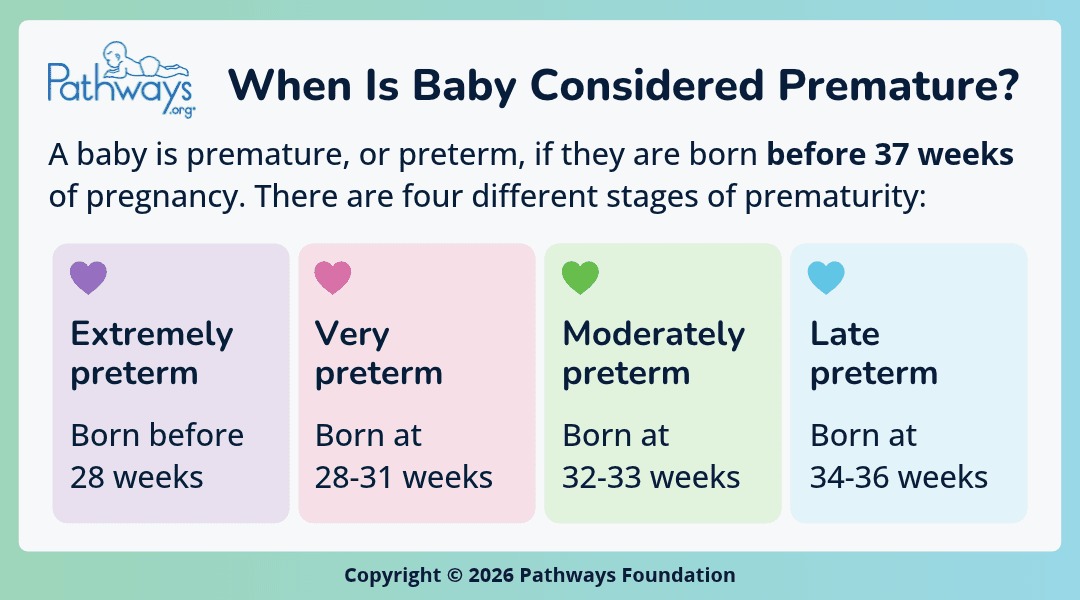
For a baby born prematurely, chronological age counts time since birth, while corrected age adjusts for the earlier birth when judging developmental timing. The AAP covers this during the first two years. Tell the clinician your baby’s gestational age at birth and current chronological age, and ask how corrected age applies to the skill you’re asking about.
Corrected age changes how milestone timing is read. A lost skill or a concern that persists needs attention whatever the corrected age. The age-by-age list is in Baby Developmental Milestones by Age: A CDC-Based Guide.
What can families do while waiting for answers?

After a screening, referral, or Early Intervention call, you may still be waiting for answers. What counts is whether someone owns the next step. If nobody does, call your pediatrician.
A parent already involved with Early Intervention described how that stretch felt:
He’s already in Early Intervention, so I have been proactive. I think the hardest part of this has been dealing with my own anxiety, obsessively analyzing him, going down google spirals etc. It has badly affected my mental health over the last few months.
I’m already doing all the recommended learning activities, but the other piece is just waiting to see how he continues to develop, and I’m struggling so much with this in-between phase.
After each call or appointment, update the contact and next-step fields in your record, then follow up with whoever owns the next action.
If your concern lasts after reassurance or a screening result, ask your child’s clinician about reassessment or a referral for further evaluation. Report new changes as you see them, and try not to turn every online search into another attempt at a diagnosis.