
Milestones show what most babies can do by a given age. They are not deadlines, and they are not diagnoses. If a skill worries you, find the CDC checklist for your baby’s age, write down what your baby does, and tell your pediatrician. If your baby loses a skill they had before, call right away. In the US, you can also contact an early-intervention program about an evaluation for any child under three.
What baby milestones tell you and what they don’t
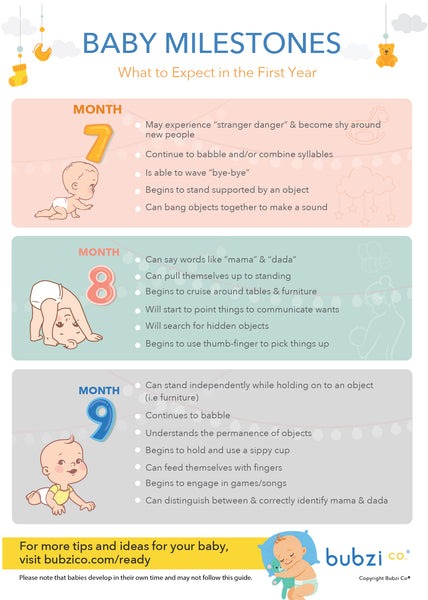
A developmental milestone is something a child can do: make a particular sound, respond to another person, explore an object, or move in a specific way. The checklist entries by age are covered in Baby Developmental Milestones by Age: A CDC-Based Guide.
For its revised checklists, the Centers for Disease Control and Prevention uses skills that at least 75% of children are expected to show by the listed age. By that age, most babies can do the skill. The age isn’t an average, and it isn’t a deadline.
A checklist helps you and your pediatrician monitor development. It doesn’t diagnose anything. The CDC revised the lists using evidence, as described in a 2022 Pediatrics paper.
Find the right age and developmental domain
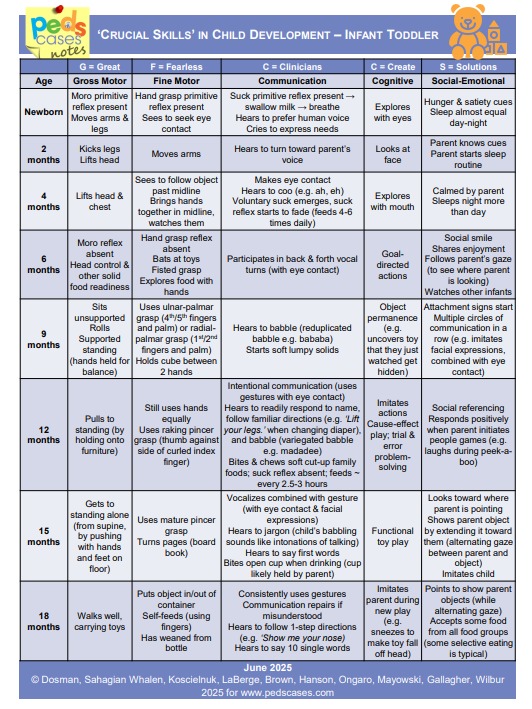
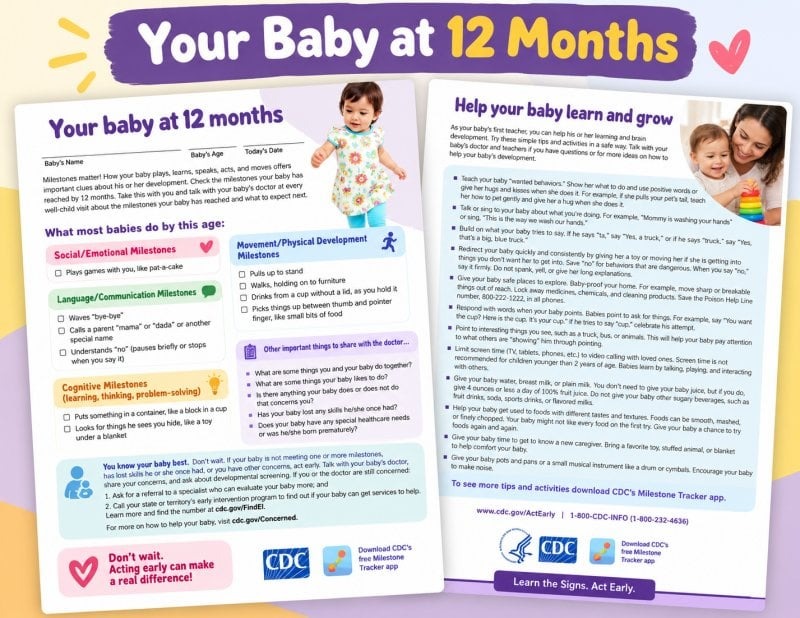
The CDC milestone checklists cover 2, 4, 6, 9, 12, 15, 18, and 24 months during a baby’s first two years. The series starts at two months, with no separate newborn or one-month checklist. Pick your baby’s age and read the exact skill within its domain. If your baby was born early, corrected age affects the comparison.
| Domain | What it describes | Example |
|---|---|---|
| Social and emotional | Interactions and responses to people | Smiling in response to a caregiver |
| Language and communication | Sounds, gestures, and exchanges | Repeating consonant sounds |
| Cognitive | Learning and problem-solving | At nine months, banging two objects together |
| Movement and physical | Physical positions and movements | Rolling from tummy to back |
A baby can smile readily and make plenty of sounds while you still have a question about movement. Treat that question on its own.
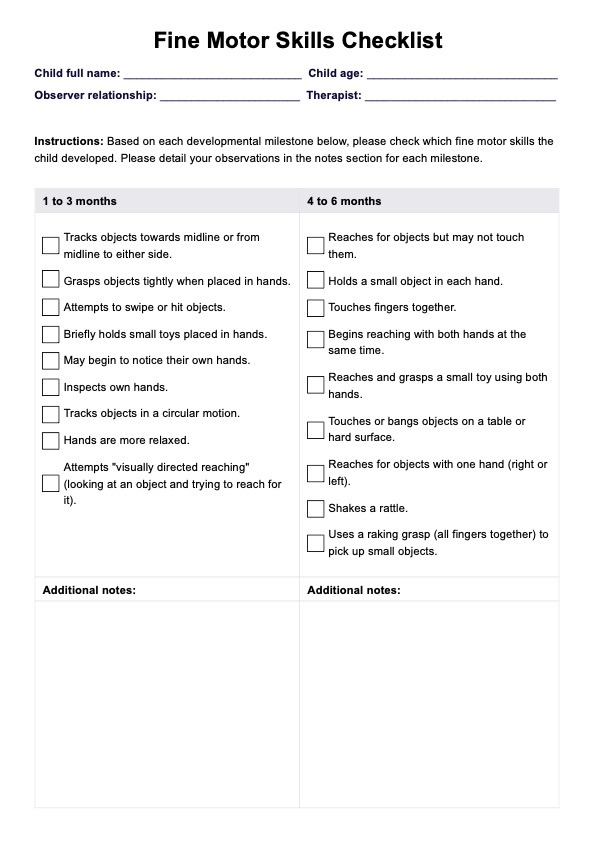
The CDC’s six-month checklist includes rolling from tummy to back. When you compare what you see with a milestone you remember, check the direction of the roll and which age’s list it comes from.
Describe the skill your baby shows

When a behavior worries you, describe the action. A clear description gives your pediatrician something concrete to work with. Sitting when someone places a baby upright and getting into sitting alone are different actions.
One parent described a 9.5-month-old who could sit when positioned and roll in both directions, yet was not getting into sitting independently. The parent had already seen three pediatricians and was still trying to make sense of the difference. Rolling and sitting have their own guide: When Do Babies Roll Over and Sit Up.
My 9.5 m old baby:
– Is not crawling
– Can sit on her own if placed in the sitting position (though might fall sometimes still) but cannot get into the sitting position from laying position
– Does not pull on the furniture to stand though she pulls on our hands but cannot maintain balance at all to stand (though she wants to stand all of the time but needs alot of support)
– Can roll fine in both directions– Sometimes will be able to stand on her knees by pulling up other times she fails
– she absolutely hates tummy time and not interested in moving she just wants to either sit or stand
I saw 3 pediatricians, all told me no need for PT and is fine and just let her be, one did the pull to stand test and says she passed it
I am very worried and very annoyed that she cannot get into sitting position on her own at least…
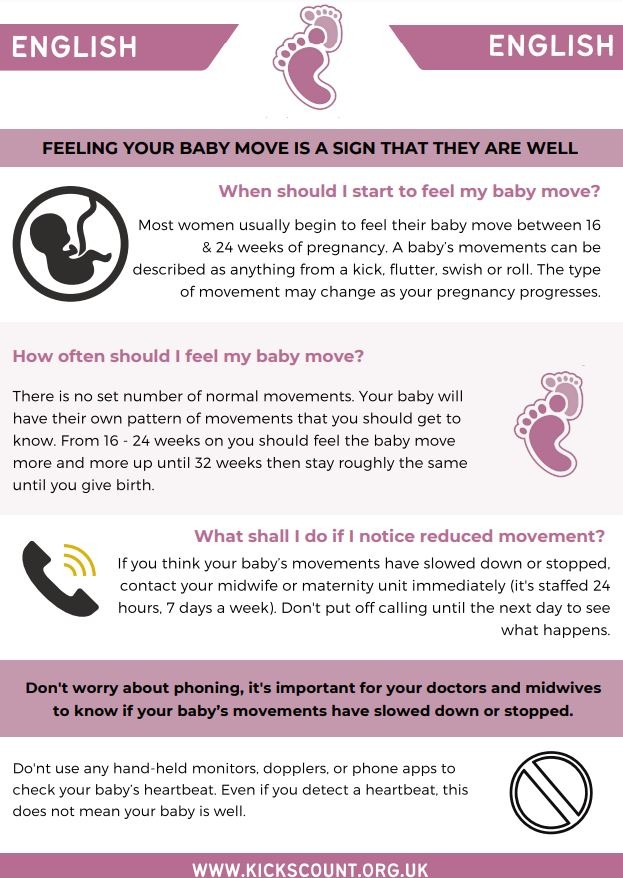
A brief note can separate what you saw from the label you might give it.
| Record | What to include |
|---|---|
| Date and age | When you noticed it and the age reference you used |
| Action | What the baby did, in ordinary words |
| Help provided | Whether someone positioned, held, or supported the baby |
| How often | Whether the action was repeated, occasional, or still an attempt |
| Change | Whether the skill is emerging, inconsistent, or previously present and now lost |
| One question | The particular behavior you want the pediatrician to assess |
If the movement comes and goes, a short video shows the pediatrician what you mean. Share it only with your family and your child’s clinicians. Your notes and video support the conversation, and a clinical assessment tells you what the observation means.
What changes if your baby was born prematurely
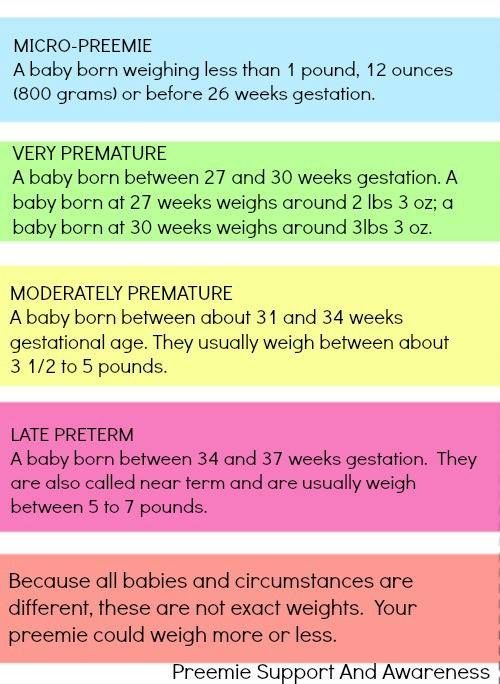
Chronological age counts time since birth. Corrected age accounts for how early your baby was born. American Academy of Pediatrics guidance on corrected age covers its use when you look at developmental progress during roughly the first two years. If your baby was born early, ask your pediatrician which age to use for the skill you’re asking about.
When to bring up a concern or ask about screening

Tell your pediatrician about a specific concern even if your baby’s next routine screening is months away. The next step depends on what you’ve seen and whether your baby has lost a skill they had before.
| Situation | What you’re seeing | Next route |
|---|---|---|
| Exploring a new skill | Progress or attempts without a specific concern | Keep monitoring with the relevant checklist |
| One specific concern | A skill that’s missing, inconsistent, or different from the description | Discuss the behavior with your pediatrician and ask whether screening or follow-up makes sense |
| Loss of a skill or multiple concerns | A skill your baby had has disappeared, or several observations worry you | Contact your pediatrician directly about an assessment |

Developmental monitoring means noticing skills and talking about them over time. Standardized screening is a structured clinical process that identifies children who may need further assessment. A diagnostic evaluation is a further professional assessment of a specific concern.
According to CDC developmental screening guidance, the American Academy of Pediatrics recommends general developmental screening at 9, 18, and 30 months, with autism-specific screening at 18 and 24 months. The 30-month visit falls beyond this article’s birth-through-24-month scope. You or your clinician can also ask for screening whenever concerns come up.
At a nine-month visit, one parent described cooing, screeching, and blowing raspberries, but worried that babbling had not begun and that some gestures were absent. The pediatrician suggested revisiting it at the one-year appointment, and the parent wasn’t sure about waiting:
Just got done at my 9mo pediatrician appointment. Baby is not babbling yet and doesn’t seem to show too much interest. He coos, screeches, and blows raspberries but that’s about it. He does not wave hi/bye, clap, or point yet. He is able to high five. When we speak to him he looks at us and smiles, but no effort is really made to mimic us. My pediatrician has recommended we wait until his 1 year visit to revisit this, but that worries me.
I have read a lot of things about how much not babbling can delay a baby. She recommended to have someone come into our house and assess us playing so they can give pointers on how we can better serve him during play time. I am lingering on speech therapy as well, but not sure. I don’t want to rush my baby if this milestone is just around the corner but I also know how precious this time is for early intervention.
Has anybody had a similar situation? Really trying hard to not feel like a failure and that this will not affect my baby for years and years to come.
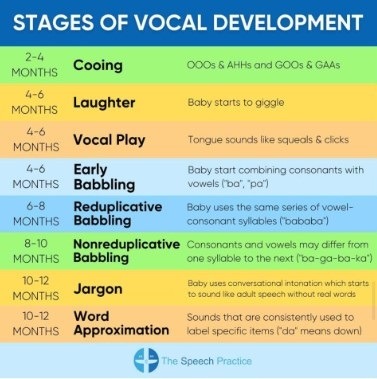
Repeated sounds such as “mamamama” or “bababababa” are on the CDC nine-month communication checklist. Waving goodbye is on the one-year list.
How early intervention works in the US

In the US, you can contact your state or territorial early-intervention program yourself if your child is younger than three. You don’t need a doctor’s referral for that first contact, and the program’s evaluation decides eligibility.
Find your program in the CDC state and territorial early-intervention directory. Describe the developmental concern and ask about an evaluation. The program will explain how intake works and what information to provide.
Publicly funded early-intervention programs offer services free or at reduced cost to children found eligible. Eligibility, available services, and any charges depend on state or territorial rules, and requesting an evaluation doesn’t guarantee enrollment or a particular service. More on raising concerns with your pediatrician and on early intervention is in When Should You Discuss Baby Development Concerns.
Everyday support and further reading
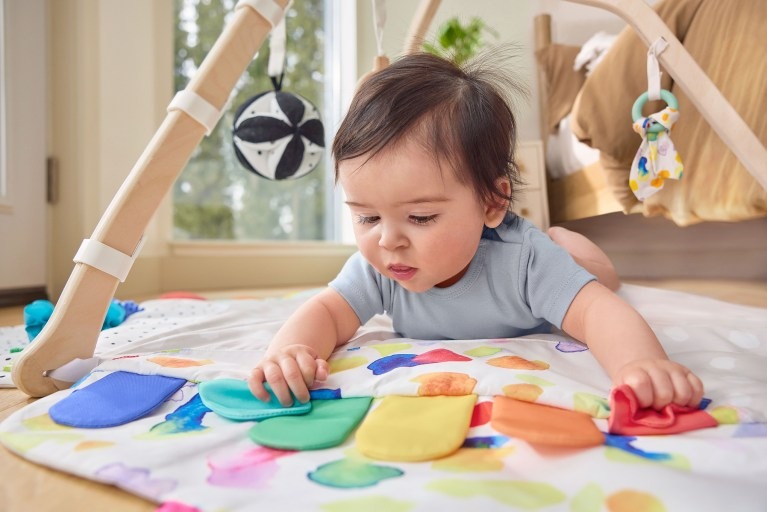
Ordinary time together supports development. Talking, reading, singing, and responsive play give your baby chances to communicate and engage, and movement play lets your baby try new positions and actions.
Tummy time is for an awake, supervised baby. Sleep follows established safe-sleep guidance instead. The broader care guide covers feeding, sleep, and milestones: Baby Care Guide: What Matters Now, From Newborn to Age 2.
Babbling and first words have their own guide: Babbling and First Words: What Counts, What to Notice.