Your baby doesn’t have to crawl on hands and knees before walking, and the first birthday isn’t a deadline for independent steps. Check what your baby does against the CDC milestone for their age. If a skill disappears, progress stalls, or the way your baby moves worries you, contact your pediatrician or your state early-intervention program.
What Counts as Crawling, and What Counts as Moving Independently?
A baby who spins on the belly to reach a toy is moving independently, even if forward crawling hasn’t started. Being placed on all fours doesn’t count. The baby has to get into that position and move from it alone.
Crawling usually means moving on hands and knees with the belly off the floor. The American Academy of Pediatrics also describes belly crawling, bottom scooting and rolling as ways babies get around.
| Movement | What you can observe |
|---|---|
| Hands-and-knees crawling | Baby moves with hands and knees supporting the body, usually with the belly off the floor. |
| Belly or army crawling | Baby moves along the floor with the belly in contact, using arms, legs or both. |
| Bottom scooting | Baby moves while seated, shifting or pushing with the legs and sometimes the hands. |
| Rolling to a destination | Baby rolls purposefully to reach something, using repeated body turns to change location. |
| Pulling to stand | Baby moves into a standing position using furniture or another support. |
| Cruising | Baby takes steps while holding furniture for balance and support. |
| Independent steps | Baby takes steps without holding furniture, a caregiver or another object. |
A baby might roll across the floor to reach a toy, then start pulling up at the couch weeks later. Earlier posture changes are covered in how rolling and sitting skills develop.
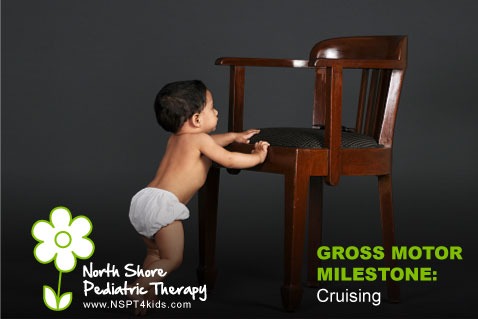
When Do Babies Crawl, Cruise and Take Their First Steps?
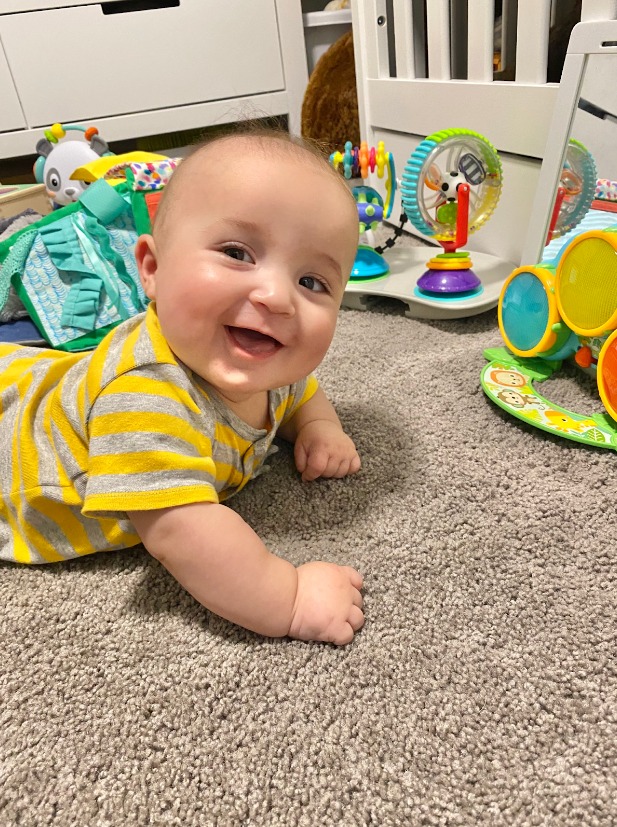
Many babies begin crawling around 7 to 10 months, according to Cleveland Clinic pediatric guidance. Some get around another way and never do a traditional hands-and-knees crawl. Walking builds on different skills: moving along furniture, taking a few steps alone and eventually walking without support.
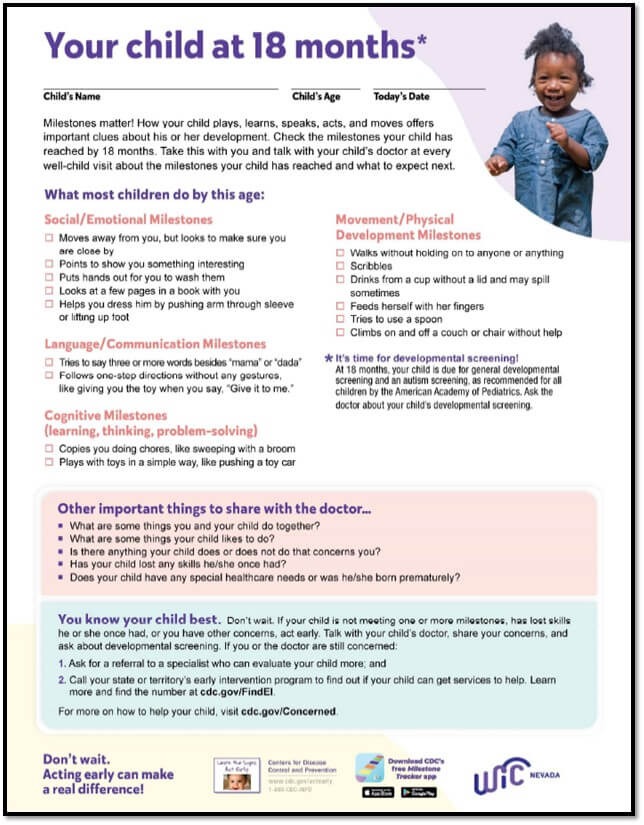
The CDC’s developmental milestone checklists list skills shown by at least 75% of children at a given age. They support developmental monitoring. Standardized screening and diagnostic assessments are separate clinical processes.
| CDC age | Movement milestone |
|---|---|
| 9 months | Gets into a sitting position and sits without support |
| 12 months | Pulls to stand and walks holding onto furniture |
| 15 months | Takes a few steps alone |
| 18 months | Walks without holding onto anyone or anything |
The CDC 18-month milestone checklist describes that last skill, walking with no support at all.

One parent, whose baby was almost one, described relatives pushing a walking deadline even though the baby already cruised and walked while holding something:
How normal is this? My baby will be 1 in two weeks and she’s on track with everything from what I can tell but not walking on her own (she cruises and walks holding something). I can’t tell if my family is being weird but my mom and grandma are obsessed with the fact that she needs to walk by her first birthday and keep making comments like she only has a few more weeks to figure it out. Everything i can find online says it’s fine. We don’t have her one year old appointment with the pediatrician for a few weeks so I will ask them but should I be worried and anything I should be doing to help her lean?
Compare what you’ve seen with the CDC row for your baby’s age. The World Health Organization also publishes population windows for gross-motor milestones, including crawling and walking, but they come from a separate research framework and don’t match the CDC checklist ages.
Crawling isn’t an item on the CDC’s 9-month physical checklist, but that doesn’t make other movement concerns any less important. For wider developmental context, see the milestones-by-age guide.
What If Your Baby Skips Crawling or Crawls a Different Way?
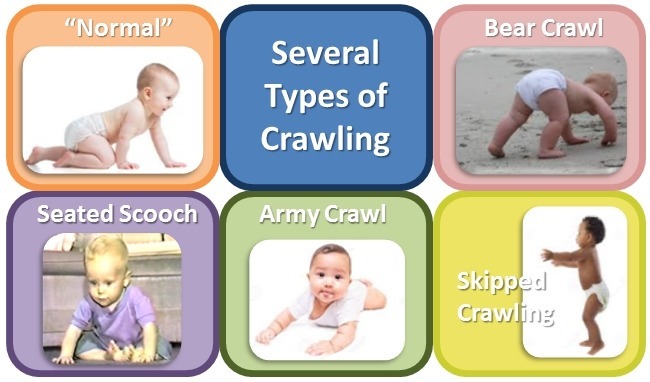
Some babies scoot, roll, belly-crawl or pull themselves upright without spending much time on hands and knees.
One caregiver described a nearly 10-month-old who could spin toward toys and push backward while relatives kept asking for a conventional crawl:
My baby is almost 10 months old and he has absolutely no interest in crawling. He 360 spins in an army crawl position to reach toys and pushes backwards – but not forwards. He constantly wants to stand/walk aided. Over Christmas family members have been constantly asking: “Isn’t he crawling yet!?” “Put him down on all fours and try to see if he crawls!” “Cmon crawl to me!!” I have noticed the sneaky looks to each other when I try and explain he has no interest, also explaining how he has lots of tummy time etc. I constantly feel judged and a guilty parent. It has really upset me. We want our son to crawl, we try so hard with him. The comments are just heartbreaking. Is it worth speaking to someone about this? I will add I didn’t crawl myself and went straight to walking!!
This baby reached for toys and wanted to stand, so “not crawling” leaves out most of what he could do.

There is no scientific evidence that skipping crawling causes later reading difficulties, according to the American Academy of Pediatrics.
The picture changes when a baby loses a skill they already had or struggles with other movements, even if the original worry was only a missing hands-and-knees crawl.
How Can You Support Crawling and First Steps Without Rushing Them?
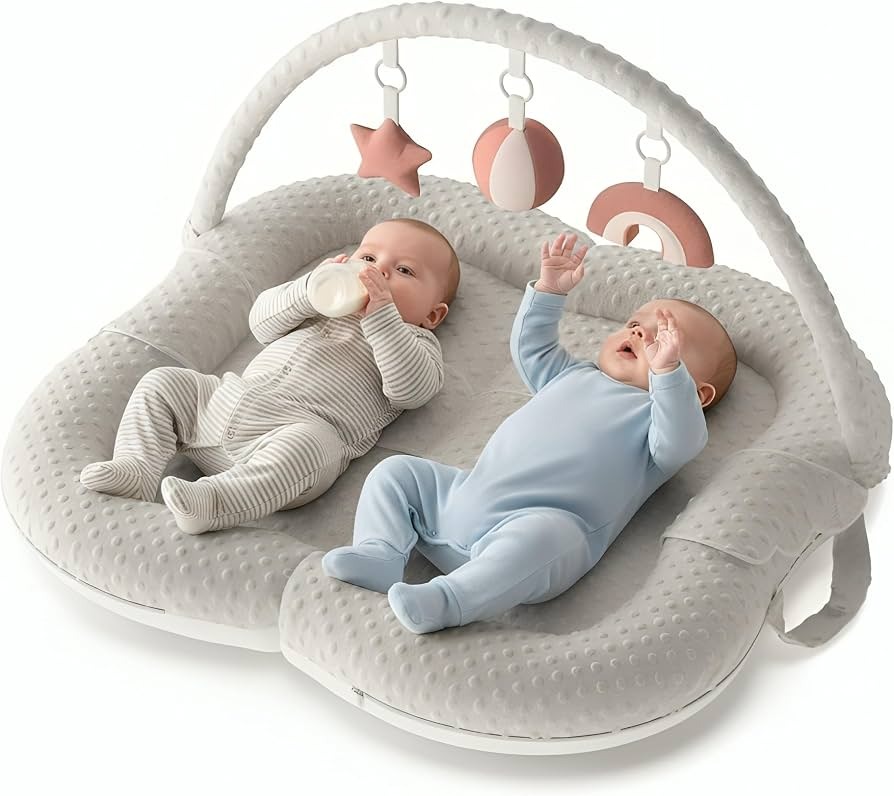
A clear, supervised floor area gives your baby room to reach, turn, shift weight and head toward something interesting. You don’t need to set your baby on all fours whenever play begins.
Three simple ways to set it up:
- Make room: Clear floor space so your baby can turn and reposition.
- Offer a reason to move: Put an interesting toy in sight, close enough to reach comfortably.
- Let your baby choose: Don’t force hands, knees or legs into a particular sequence. Stay nearby while your baby works out how to get to the toy.

For more ways to use awake floor play, see supervised tummy-time activities.
Are Baby Walkers Safe, and What Changes Once Your Baby Moves?
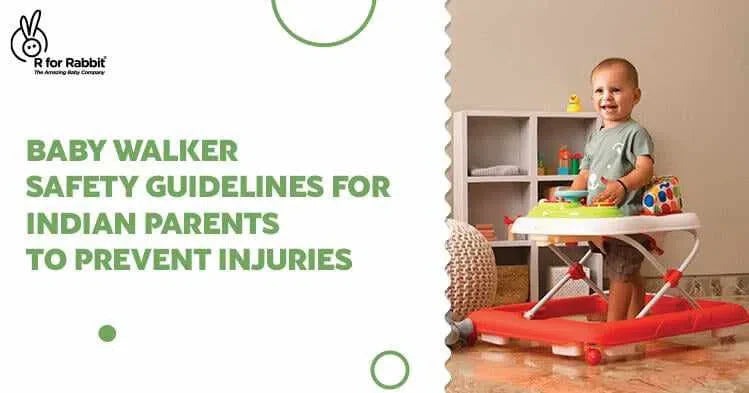
Seated wheeled infant walkers are unsafe. The baby sits inside a wheeled frame and can travel fast without the balance and movement control that independent walking needs. The American Academy of Pediatrics warns that these products expose children to injury and do not teach them to walk. Supervision doesn’t remove the danger.
A standing push toy is a different product: your baby stands behind it and pushes. Check that it’s stable and that your baby can handle it, and stay close while it’s in use.
In a recall dated August 27, 2026, the US Consumer Product Safety Commission identified Kmaier infant walkers because of a fall hazard and a violation of the mandatory infant-walker standard.

Once your baby can pull up or cruise, the room changes. A low table, couch or shelf becomes a support for standing, and objects that were out of reach are suddenly within it.
Before your baby’s next play session, skip the seated wheeled walker and look at the room again:
- Furniture: Secure items that could tip when pulled or leaned on.
- Stairs: Block access to steps and elevated spots where a fall is possible.
- New reach: Move hazardous objects away from anywhere your baby can pull up.
For hazards beyond this change, see babyproofing a newly mobile child’s home.
When Should You Ask About Delayed Movement or Walking?
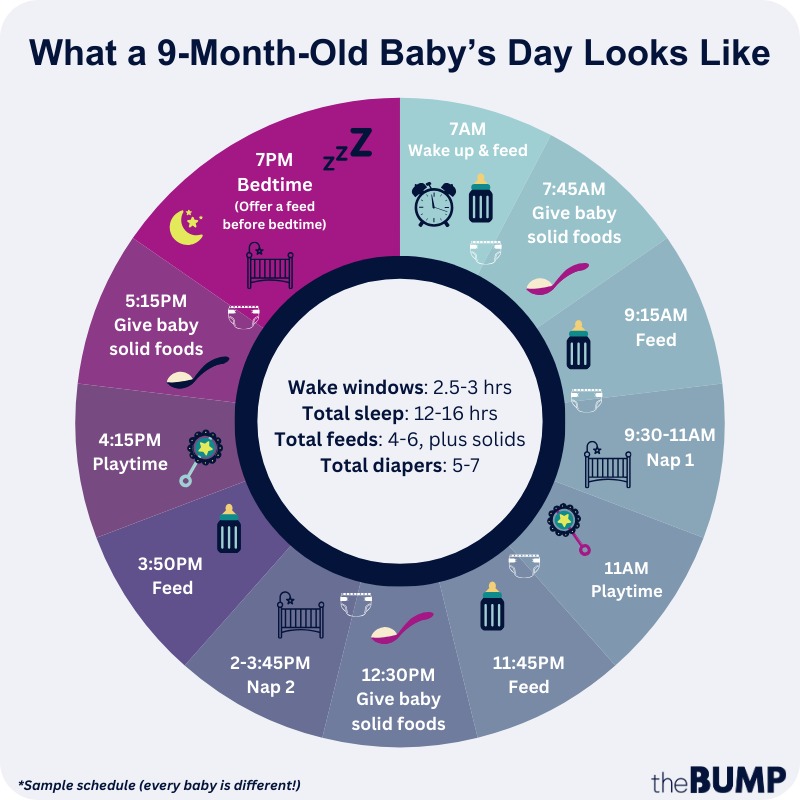
Talk to your pediatrician if your baby misses a milestone, loses a skill they had, or moves in a way that concerns you. Worth describing: difficulty bearing weight, pronounced differences in movement from one side to the other, unusually stiff or floppy muscles, and trouble with other expected motor skills. Your pediatrician will examine your baby and decide whether developmental screening or assessment is needed. For decisions involving developmental milestones, motor skills, and communication, see Baby Development and Milestones: What to Watch and What to Do.
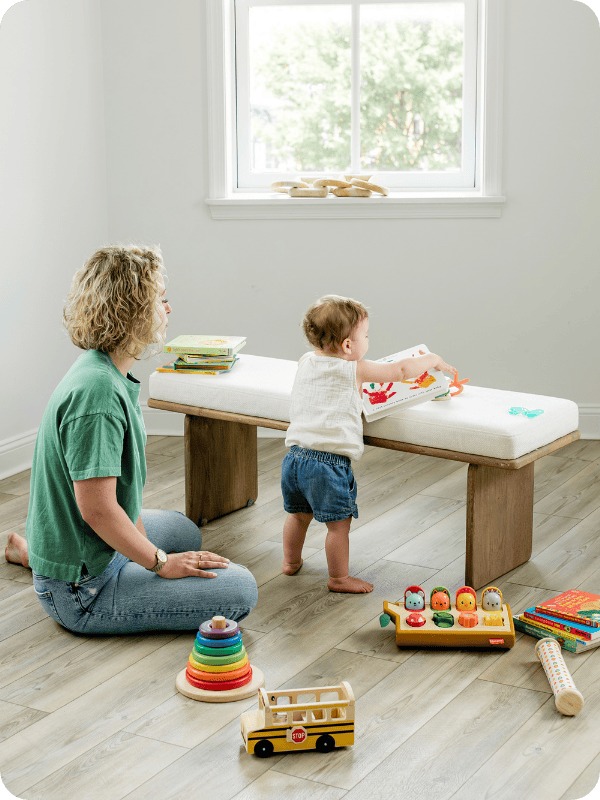
A parent on r/beyondthebump described concern when her daughter was almost 15 months old and only beginning to pull to stand. She later added an update about physical therapy and walking:
My daughter is almost 15 months and is only now starting to be able to pull to stand. She can’t stand unsupported and is reluctant to do so supported. She’s making progress on her own, is about to start seeing PT, and will get orthotics next week, so we’re working on it, but the more I think about it the more I’m starting to freak out about the possibility of a serious underlying condition causing it. Has anyone been in this position and had things turn out ok? … Update for anyone stumbling across this post on the future: she ended up walking around 20-21 months with the help of PT, and the PT thinks it was truly just personality/stubbornness/not wanting to try. We’re a few months on from that and there doesn’t seem to be anything wrong at all.
That’s one family’s experience. The later walking age and the parent’s explanation don’t tell you what causes a delay or how your baby will do.
In the United States, there are two ways to begin:
- Pediatrician: Describe the specific skill, movement difficulty or lost skill. Ask about developmental screening and whether a physical-development evaluation makes sense.
- Early intervention: For children under three, you can contact your state or territorial program directly, with no physician referral. An evaluation determines eligibility, and services can include physical therapy when indicated.
The CDC early-intervention guide explains how to find your program. A milestone listed for a later age is no reason to wait on a lost skill or a concern you already have.

If your concerns span several areas of development, see the guide to developmental concerns and assessment.
How Does Prematurity Change the Milestone Timeline?
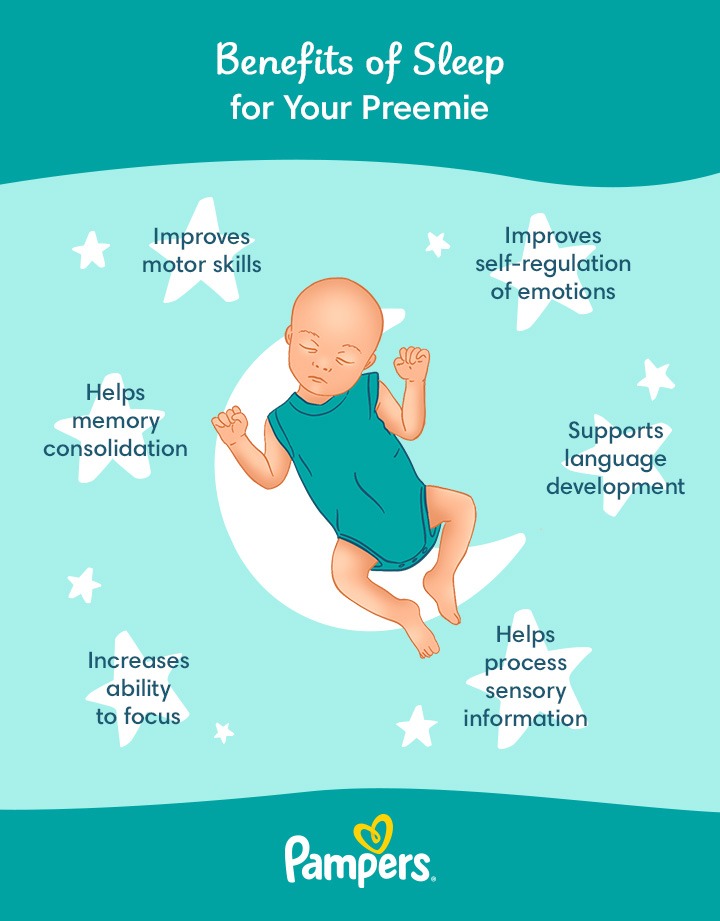
For a baby born early, corrected age accounts for the weeks your baby arrived before the due date. The American Academy of Pediatrics explains that corrected-age comparisons are useful for about the first two years. A baby born several weeks early therefore has a younger corrected age than the calendar age suggests, and your pediatric team can apply that when going over milestone checklists.
What Should You Track Before a Developmental Check-In?
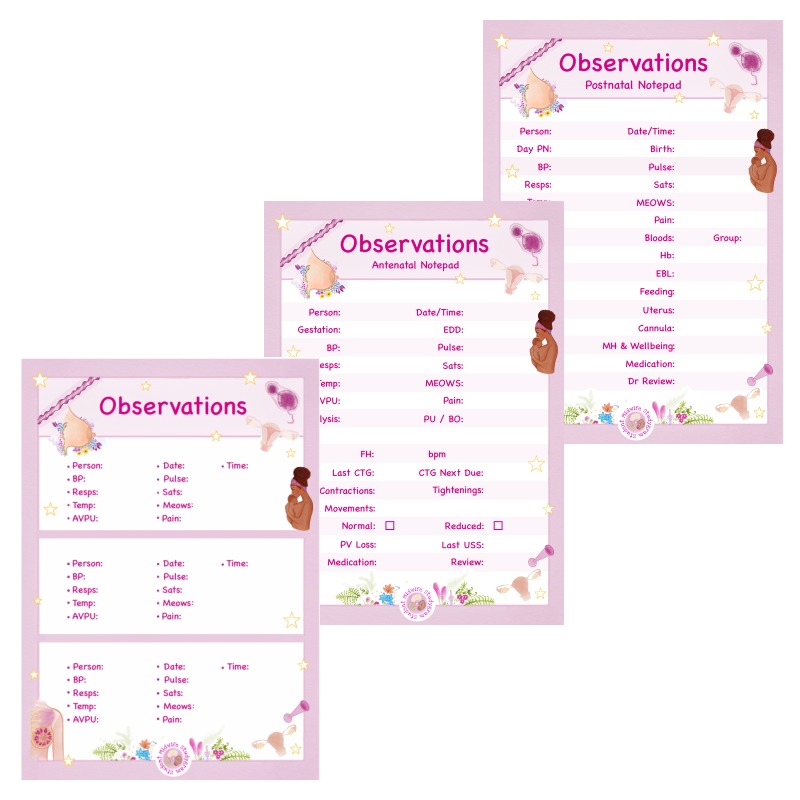
A few specific notes make a pediatric visit far more useful than “not crawling yet.” The best ones separate movement without support from movement while holding furniture or another person.
| What to note | Example of a useful description |
|---|---|
| Age and birth context | “15 months; born early, corrected age to discuss.” |
| Movement without support | “Moves backward independently on belly to reach a toy.” |
| Movement with support | “Pulls up holding the couch and takes sideways steps while holding on.” |
| Change over time | “Started pulling up last month.” |
| Possible loss of skill | “Previously sat without support; now does not appear to.” |
| Question for the clinician | “Which movements should we assess or screen for?” |
Write down when each movement happened, whether your baby needed support, and what has changed. For a lost skill, note when you last saw it. The CDC milestone tracker can help you organize these details, and your pediatrician will use them alongside standardized developmental screening and an examination.