
Between six and nine months, follow the skills and feeding readiness you see in your baby. Change how you feed and what’s within reach as your baby picks up new skills. If your baby loses a skill, feeding stays difficult, or development worries you, call your pediatrician and describe exactly what you’ve seen. Use the CDC six- and nine-month checkpoints to prepare for the nine-month visit.
A baby who used to stay in the middle of a play mat soon reaches past its edge. At the table, the same baby might grab for a spoon one day and turn away from it the next. The month printed on a milestone chart gives you a rough guide, but your baby’s behavior tells you what needs attention.
What changes between six and nine months?
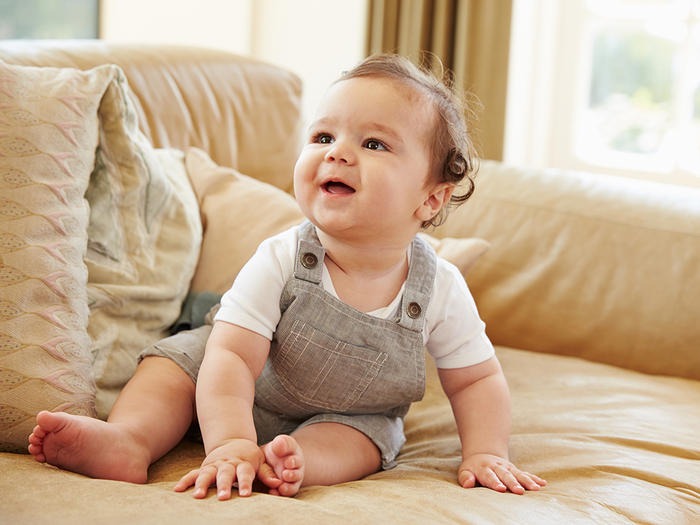
The CDC lists developmental milestones at six and nine months. Each checkpoint describes skills that at least 75% of children can do by that age, so use it as a reference for what to watch for. It sets no weekly deadlines.
Here’s how the CDC’s six-month milestones and nine-month milestones compare.
| What you notice | At six months | By nine months | What it changes for you |
|---|---|---|---|
| Posture and movement | Leans on hands to support sitting | Gets into a sitting position and sits without support | Sitting and reaching put new hazards in range, so secure them. |
| Hands and objects | Reaches for a toy; puts objects in the mouth to explore | Rakes food with fingers; looks for dropped objects | Your baby will pick up small pieces, so check the size and texture of everything you offer. |
| Sounds | Takes turns making sounds | Makes repeated consonant sounds | Jot down the sounds you hear. You’ll want them for the nine-month visit. |
At nine months the CDC also lists a reaction when a caregiver leaves. Notice how your baby reacts when a familiar person walks out, and add it to what you see and hear during play.
Starting solids: look for readiness

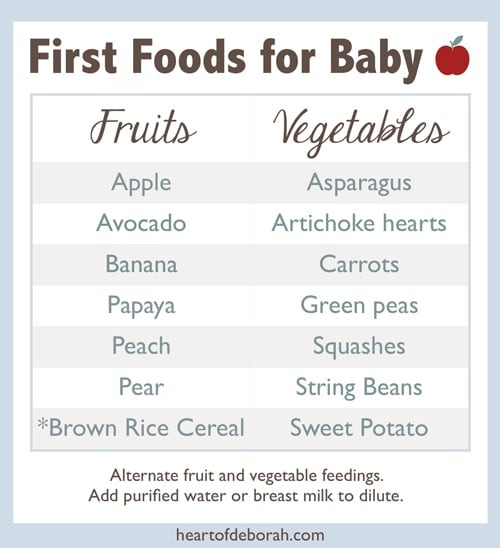
Solids start around six months, when your baby shows the skills needed to eat. Head control and sitting with support matter as much as interest in what’s on your plate.
Before the first spoonful, look for these CDC readiness signs:
- Head control: Your baby holds the head steady while being fed.
- Supported sitting: Your baby sits with support for a meal.
- Swallowing: Your baby can swallow the food you offer.
- Interest: Your baby shows curiosity about food and eating.
Breast milk or infant formula stays the main source of nutrition from six through twelve months while solids come in. By seven or eight months, babies are trying foods from more than one food group.
Say your baby sits with support, reaches toward the spoon and explores a little food. If only a little gets swallowed at first, that’s fine. Your baby is still learning how eating works.
When food exploration feels harder than expected

A messy meal is normal exploration. A baby who turns away from food again and again needs a closer look at feeding cues, acceptance and whether the difficulty is continuing.
On January 24, 2026, a parent posted this to r/NewParents.
I am having such mom guilt with my 8month old. BLW gives me anxiety’s we are doing a lot of pureed and some other textures like eggs and smashed food. I primarily do all his feeding. I am feeling guilty for not giving him enough opportunity to feed himself. I just feel like when he feeds himself he makes a huge mess and doesn’t actually eat anything. Any advice? He’s also not crawling and that is giving me major anxiety. we do so much floor time.
Another parent described a baby who turned away from every approach, even after the timing and texture of the food changed:
My 8 month old is just not interested in eating solids. Whenever I try to feed her she completely turns her head to the side and presses her lips together. She is breastfed and eats about every 3 hours. I have tried giving her food at different times of the day and at different intervals after she’s had breast milk like an hour after, two hours or three and every time it’s the same thing. I tried thin purées, thicker cereals, and mashed up cooked foods. She refused to let me or anyone feed her. I try giving her the spoon and she just throws it around. She occasionally gets some in her mouth and normally gags a bit. If I put food on the tray she doesn’t grab it and bring it to her mouth to eat it. Any advice on how to get her to eat?
The CDC lists closing the mouth and turning the head away as signs of fullness for children six to twenty-three months old. When you see them, respect your baby’s response and stop offering that mouthful. If your baby keeps refusing food, or you worry about how much is eaten, talk to a pediatrician or a qualified infant-feeding professional.
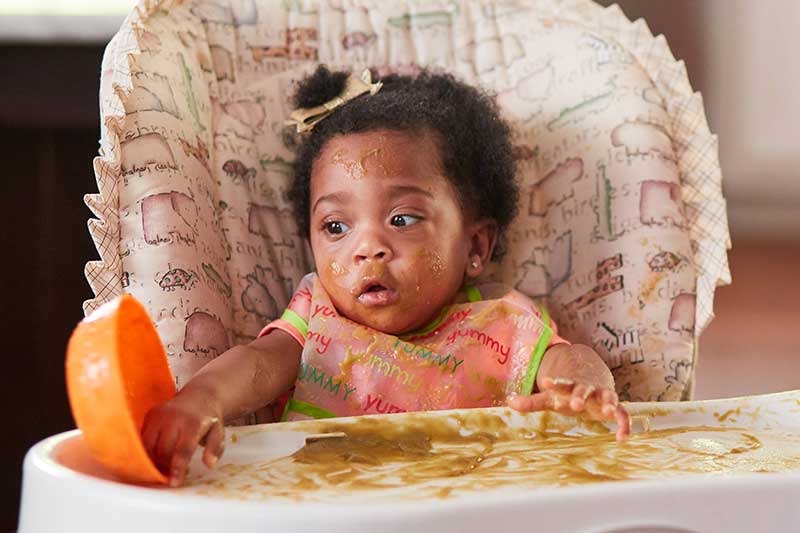
If the problem continues, note the foods and textures you offered and how your baby responded each time. Those details help a feeding appointment more than a guess about what your baby dislikes.
Some families use purées, some let babies feed themselves, and some mix both. Your support at home, your baby’s response, food safety and cleanup all shape which approach works.
Make each first-food session safer as skills change
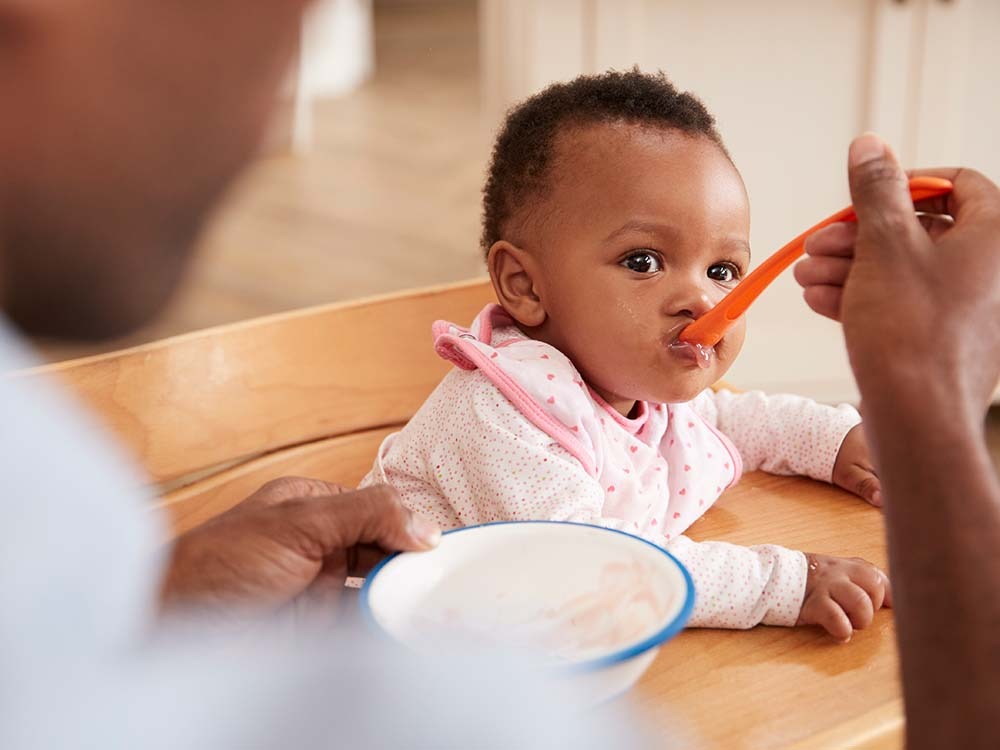
As babies handle food more, its shape, size and texture matter most for choking safety, and so does how you supervise the meal.
Before each meal, make three checks:
- Position: Sit your baby in a supported eating position.
- Supervision: Stay with your baby and watch throughout the meal.
- Food form: Match the size, shape and texture of each food to your baby’s feeding ability.

Raking food with the fingers, a nine-month milestone, shows your baby is getting better at handling small items. That grasp doesn’t make an unsuitable food safe. The CDC names whole grapes and pieces of hard raw carrot as choking hazards for young children.
More movement means the room needs to change
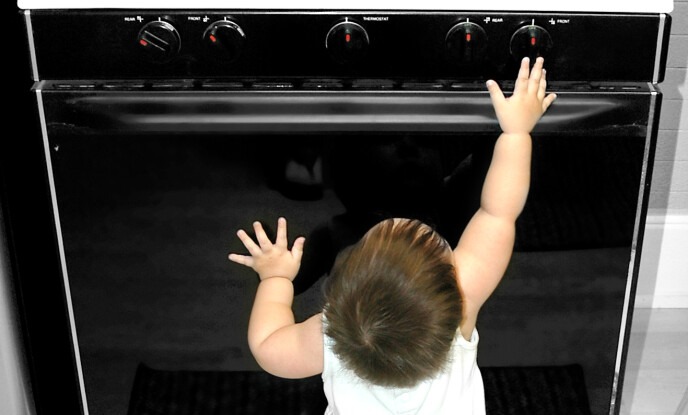
A baby can reach an unsafe object before learning to crawl. When hands, rolling or scooting bring something new within reach, look at the room again. A play mat beside a low table shows it: yesterday the table’s contents were out of reach, and today your baby can stretch a hand toward them.
- Furniture and televisions: The US Consumer Product Safety Commission identifies tip-over hazards and recommends securing furniture and TVs that could fall onto children.
- Window-covering cords: Keep cords out of children’s reach. Cordless window coverings remove this strangulation hazard.
- Cabinets: Secure medicines, cleaners and other hazardous contents once storage areas are reachable.
- Stairs and small objects: Recheck reachable edges, routes and anything that can end up in the mouth.

Check the room from your baby’s position on the floor, even if crawling hasn’t started.
Babbling, familiar faces, and play that fits the moment
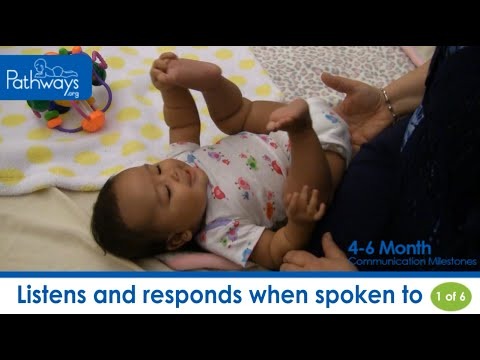
Communication grows through everyday exchanges. At six months, one CDC example is taking turns making sounds. By nine months, the checklist asks you to notice repeated consonant strings.
When things are calm, answer a sound your baby makes and leave room for a reply. Listen for what comes next. Two voices taking turns is enough, with no toy or lesson plan.

Play with objects gives you something else to watch. Your baby might reach for a familiar toy, explore it with the mouth, or search for it after it drops.
Sleep and daily rhythm may shift
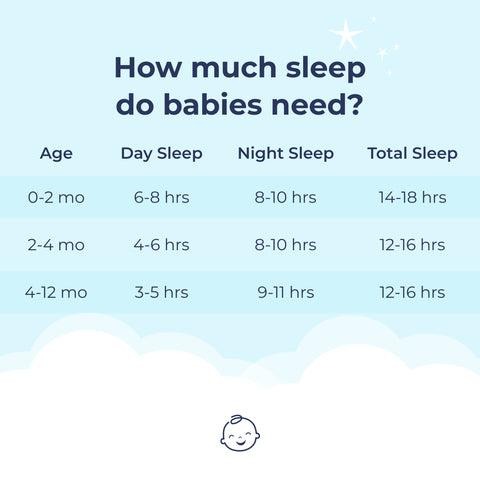
Sleep and routines change during these months. Keep following safe-sleep practices as you adjust nap and nighttime routines. For nap timing, use the sleep-schedule guide in the table at the end.
What to record for the nine-month checkup, and when to ask sooner

The American Academy of Pediatrics recommends standardized developmental screening at the nine-month well-child visit. The CDC milestone checklists help you notice and describe skills. Formal screening uses a standardized tool.
Detailed descriptions matter most when you’re worried about several things at once. One parent posted this account of an eight-month-old:
My baby is 8months old. He only sits independently. He does not do any type of crawling, puts very little weight on his arms. He does not babble. He rarely ever even makes consonant sounds. It’s most just screeches and vowel sounds. I worry there is something bigger at play. Pretty much since he sat at 5.5mo, he hasn’t done anything new since then. My husband and i are losing it.
The post lists several separate observations: independent sitting, little weight through the arms, and few consonant sounds. No CDC milestone requires every baby to crawl at exactly eight months. A pediatrician considers your baby’s overall development and medical history.
Bring a short record with examples to the visit:
- Sounds: Note sound exchanges and any repeated consonant strings you hear.
- Movement: Describe sitting, reaching, and how your baby gets into or changes positions.
- Interaction: Include responses to familiar people or a dropped object.
- Changes: Record any skill your baby used and has since lost, with timing if known.
- Other concerns: Add any ongoing feeding difficulty or other behavior you want the clinician to discuss.
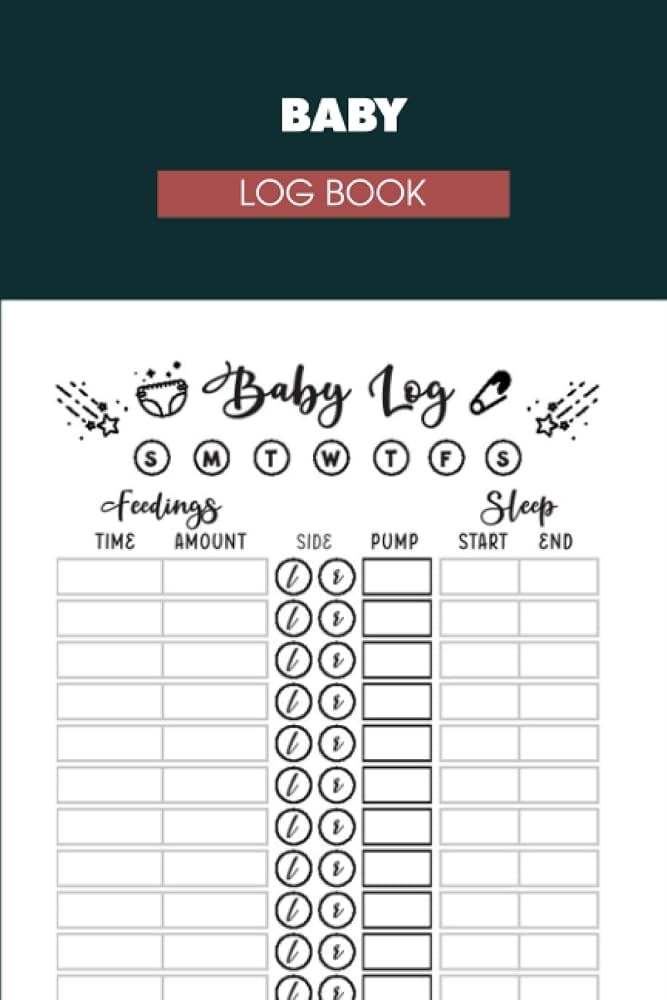
Call your pediatrician if your baby loses a skill or you have a developmental concern, even if the scheduled visit is weeks away. Prematurity and medical history affect how a clinician reads developmental timing, and screening and next steps are tailored to your baby.
Choose the next step that fits your baby’s stage
Pick the guide that matches your next question.
| What you need to work out | Where to go next |
|---|---|
| Whether your baby is ready to start complementary foods | Starting solids and first foods |
| How to prepare specific foods to reduce choking risks | Baby food choking hazards |
| How to secure new areas within reach | Babyproofing your home |
| How to interpret developmental observations across ages | Developmental milestones by age |
| Which supervised games fit emerging skills | Baby play ideas by age |
| How to organize naps and sleep timing | Baby nap schedules by age |
| What changes during the next age range | Baby nine to twelve months |
For age-specific development, daily routines and feeding transitions, see Baby Month by Month: What Changes and What to Do.