
Leave the hospital with written care instructions, a correctly used rear-facing car seat, a firm, flat, empty sleep space, a follow-up plan with the pediatrician, and a number to call. At home, write down feeds and diapers, and line up help. First step: confirm the first appointment and the after-hours number.
You can have a fully stocked nursery and still be searching for the pediatrician’s phone number at midnight. This checklist follows the decisions in the order you’ll face them, starting at discharge and ending at the first checkup.
Before you leave: confirm the discharge and follow-up plan
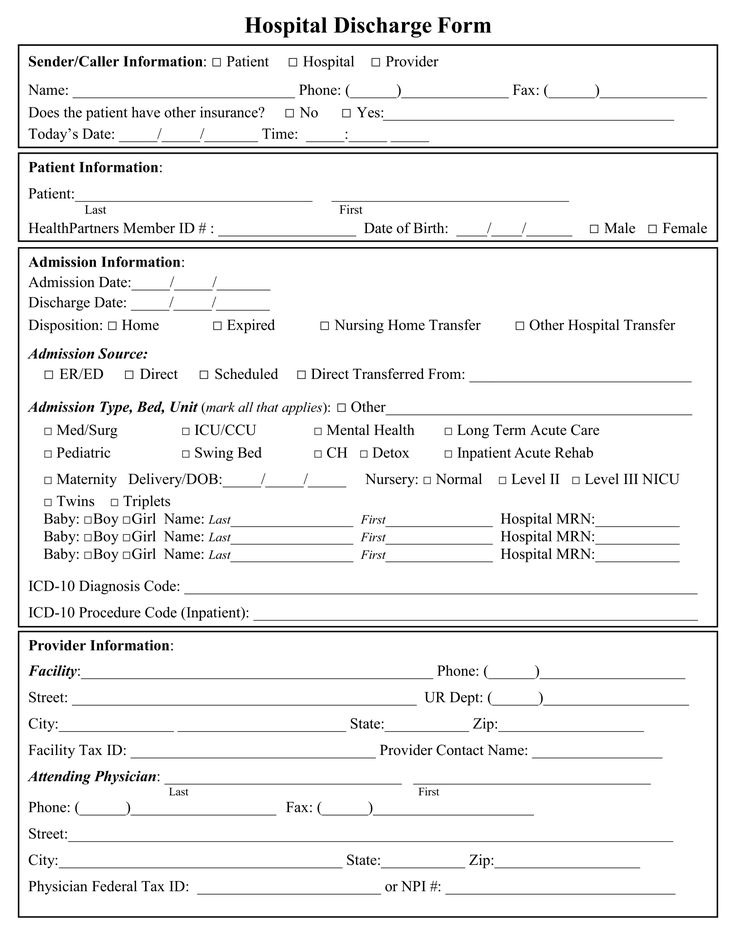
Before heading out, confirm with the hospital or birth-center team that your baby is cleared to go home and that you understand any instructions specific to your family.
- Care instructions: Get the discharge summary, any feeding plan the team prescribed, and the symptoms they want you to watch for.
- Screenings and results: Ask which tests are done, which results are pending, and who will contact you if follow-up is needed.
- Next pediatric visit: Get the booked appointment or the exact instructions for booking it.
- Contact numbers: Get a daytime pediatric number and an after-hours number for medical concerns.
- Recovery instructions: The parent who gave birth needs separate discharge information and a contact.
A screening can be done while its results are still pending. Ask who will tell you the results, so a missed phone call doesn’t turn into a missed follow-up.
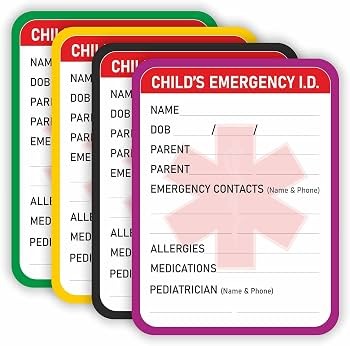
One-minute record: Baby’s pediatrician: ______. First visit: ______. After-hours number: ______. Pending result: ______. Special instructions: ______.
You might know the date of the pediatric appointment and still have no number to call about a feeding problem overnight. The American Academy of Pediatrics’ discharge guidance covers the core preparations before leaving.
Prematurity, an NICU stay, a complicated delivery or a medically directed feeding plan can change this sequence. In those cases, the individual discharge plan comes first.
Getting home safely: the car ride and the sleep space
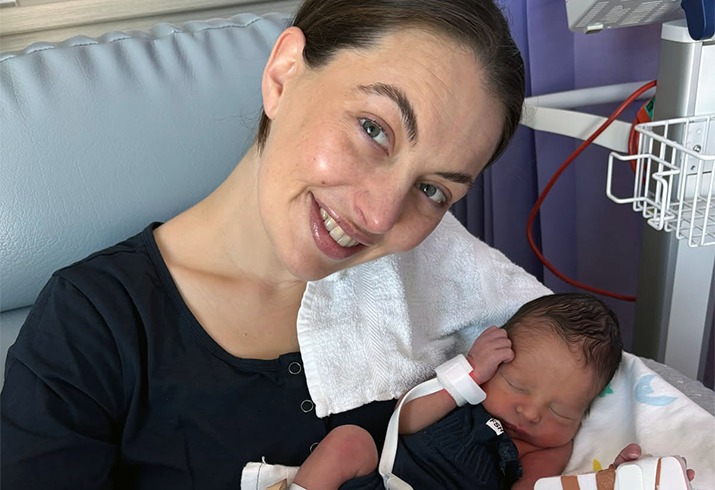
Check the car seat and the sleep space separately.
| Check | Safe setup |
|---|---|
| Car seat | Rear-facing, installed as the seat and vehicle manuals direct |
| Harness | Snug and correctly positioned, with no bulky jacket under the straps. Put outer warmth over the secured harness. |
| Sleep surface | Firm, flat, non-inclined mattress in a crib or bassinet |
| Sleep environment | Baby on their back, on a separate surface in your room, with a fitted sheet and no loose bedding. Remove pillows, toys, bumpers and blankets. |
The car seat manual covers the seat itself, and the vehicle manual covers using it in your car. The National Highway Traffic Safety Administration’s rear-facing instructions are a good starting point. For the detailed process, use the car-seat installation checklist.

The CDC’s infant safe sleep guidance calls for a back-sleeping position on a firm, flat surface free of soft objects and loose bedding. If the baby sleeps in the car seat during the journey, move them to a safe sleep surface when you arrive.
Under the US Safe Sleep for Babies Act, the bans on crib bumpers and inclined infant sleepers took effect November 12, 2022. A crib with a bumper and a loose blanket needs clearing before the baby sleeps in it.
A soft lounger, adult bed, couch or inclined product isn’t a routine sleep surface for a baby. If you don’t have a safe crib or bassinet, ask your discharge team or a local family-support service for help. A medical exception to usual sleep positioning needs instructions from the baby’s doctor.

For guidance on preparing the baby’s sleep space, see the safe sleep checklist.
The first night: crying, bassinet transfers and exhausted adults

A baby may settle in your arms and cry again when lowered into the bassinet. Check the basics: feeding cues, a diaper change, uncomfortable clothing and any signs of illness. If poor feeding or other worrying symptoms come with the crying, use the medical contact you got at discharge.
One parent described trying to settle a newborn while the other parent slept:
He cried the whole time until I got a sleep sack on him. Now sitting on the couch with him, mom asleep in bed, because the second I put him in the bassinet he started crying. Oddly enough I wrapped him in Grandma’s knitted blanket and he’s doing great now. Might try again after turning the heat up a bit (poor air circulation in that room), but I already disturbed mom once.
The couch and loose knitted blanket in that story are unsafe for infant sleep, even when the baby seems calmer. A baby who hates the bassinet still needs a firm, flat, empty place to sleep.
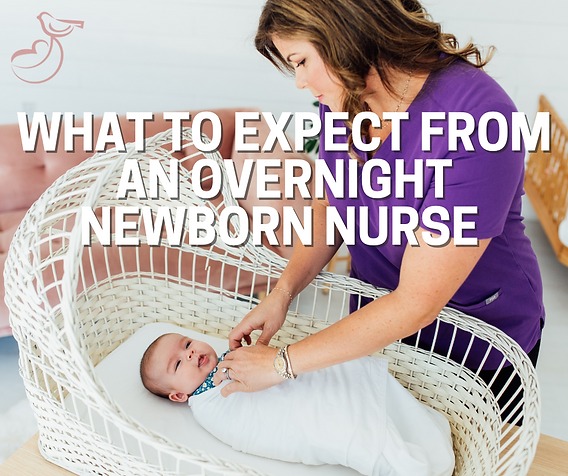
When you feel yourself falling asleep: Put the baby on the safe sleep surface before you pause. Never sleep while holding or feeding a newborn on a couch or armchair. If another adult is around, wake them for relief. If you’re alone, set the baby down safely while you wake up or call someone for help.
The first week: observe feeds and diapers without guessing from a chart
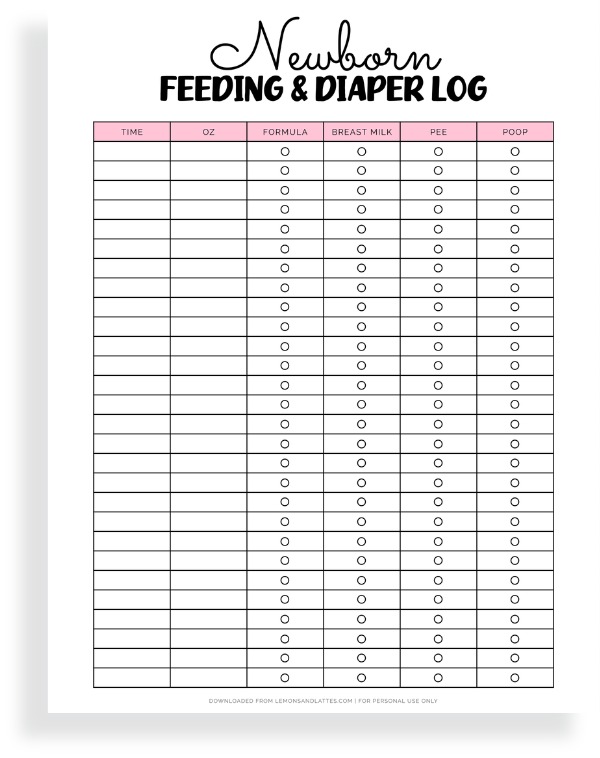
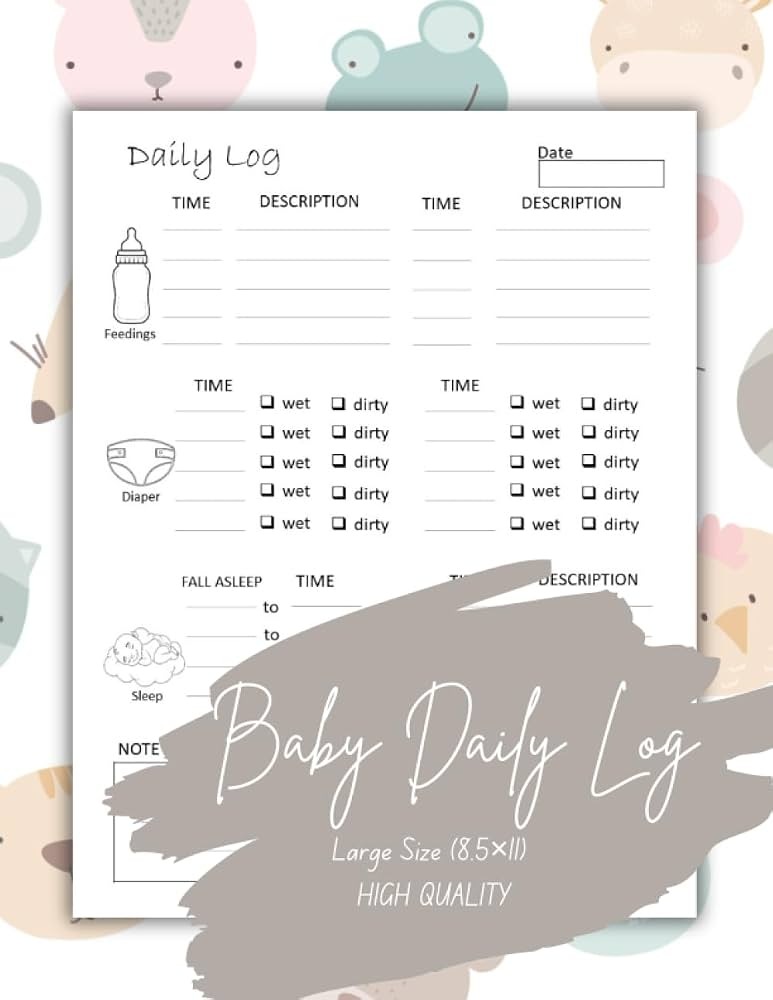
Write down real feeding and diaper events so your pediatrician can interpret changes in context.
The CDC describes 8 to 12 feeds in 24 hours as a common pattern for breastfeeding. In the first days, a breastfed newborn may feed every 1 to 3 hours. Other feeding methods and medically directed plans come with their own instructions.
| What happened | What to note |
|---|---|
| Feed or attempt | Approximate time, breast or bottle, and any difficulty |
| Diaper change | Time, wet or stool, and any noticeable change |
| New concern | What changed and when you noticed it |
| Medical advice | Who advised you and what they said |
Output changes during the first days. For a breastfed baby at five days old, the CDC lists fewer than six wet diapers and fewer than three stools in a day as signs that the baby may not be getting enough milk. If you’re worried about feeding or your baby’s health, call the pediatrician promptly, even when the diaper counts are above those figures.
Weight matters too. The CDC notes that many breastfed newborns regain their birth weight around days 10 to 14. Feeding is judged alongside the baby’s weight and diaper output.
Worsening yellowing or feeding that seems ineffective needs a professional look. Too little milk can contribute to some cases of breastfeeding-associated jaundice.
If wet diapers become less frequent, the record shows when the change began. The newborn feeding guide covers methods and feeding support in more depth.
The first checkup and signs that should not wait

The first pediatric appointment checks on the baby. The parent who gave birth needs separate medical follow-up. The AAP generally recommends a newborn visit within 1 to 3 days after hospital discharge, or as directed in the baby’s individual discharge instructions.
At that visit, the pediatrician can check weight, feeding, jaundice and any results that need follow-up. Bring the discharge information and your feeding record.
When a newborn needs help sooner
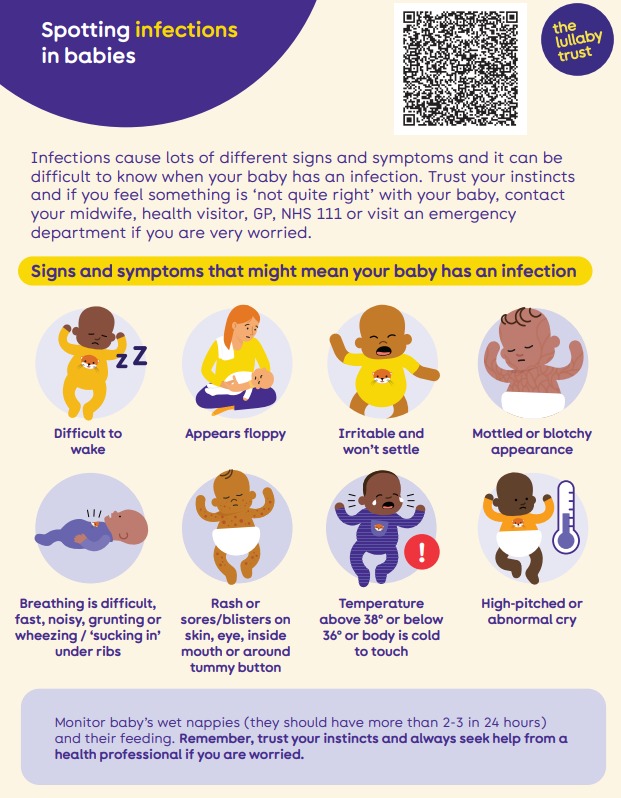
Fever in a young infant: For a baby three months old or younger, a rectal temperature of 100.4°F (38°C) or higher means calling a pediatrician right away. Don’t wait for a booked checkup.
Other urgent signs are persistently blue skin, labored or abnormal breathing, a baby who won’t wake for feeding, and repeated coughing or gagging during feeds. Call the pediatrician right away about any of these. Severe breathing trouble or an unresponsive baby needs emergency help.
For the age-specific fever question, see the infant fever guide.
When the parent who gave birth needs help sooner
A booked newborn appointment doesn’t cover a parent’s urgent symptoms. The CDC identifies these maternal warning signs as needing immediate medical attention:
- Heavy bleeding: Soaking one or more pads in an hour, passing clots larger than an egg, or passing tissue.
- Chest pain or breathing difficulty: Both need urgent evaluation.
- Fever or concerning headache: A temperature of 100.4°F (38°C) or higher, or a headache that won’t go away or gets worse, needs immediate medical care.
- Thoughts of harming yourself or the baby: Get emergency or crisis help right away.
The CDC’s urgent maternal warning signs list more detail. If symptoms are severe, get emergency care and don’t wait for a routine postpartum appointment.
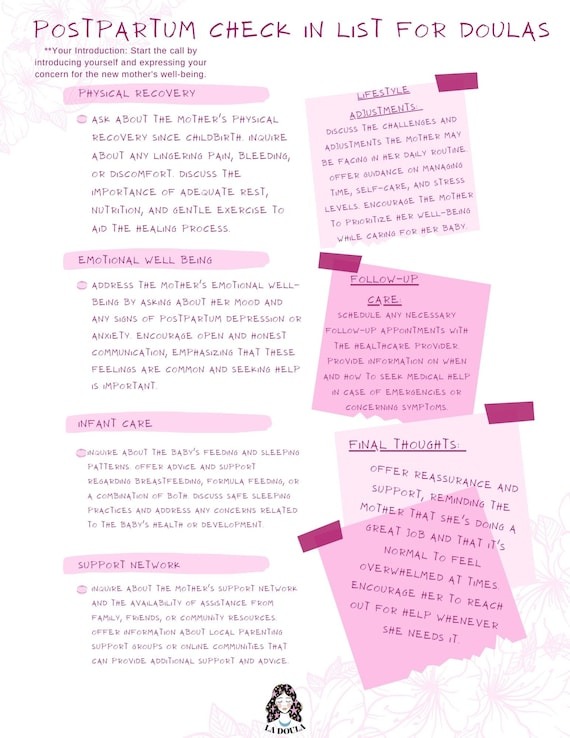
The American College of Obstetricians and Gynecologists recommends initial postpartum contact within three weeks of birth and a comprehensive postpartum evaluation by 12 weeks.
Make a small caregiving plan before the first sleepless stretch

Give each practical job a name. Feeding may depend on you and the baby, but someone else can often get water, change diapers, prepare food and tidy the feeding area. With two adults, one of you feeds while the other handles the next diaper change and brings a glass of water. Some families find a shorter visit from a friend more useful than a fixed overnight shift.
If you’re the only adult at home, keep it simple: put supplies where you’ll need them and pick someone you can reach for practical help.
What you need tonight and what can wait

Tonight you need safe transport and sleep arrangements, basic feeding and changing supplies, and the care information you brought home. For yourself, keep a phone charger, drinking water, simple food, clean clothes and a gentle light within reach. Extra nursery decorations and comfort gadgets can wait. For a closer look at newborn supplies, the sleep space and the ride-home car seat, read Getting Ready for Baby: What to Prepare Before Your Newborn Arrives.