
Between 18 and 24 months, follow your toddler’s lead and adjust one daily routine at a time. Growing language, mobility and independence change how meals, sleep, play and transitions work. If a skill disappears, a milestone is missing or something worries you, contact your pediatrician and, when appropriate, your state’s early-intervention program. Otherwise, start with the change causing the most trouble.
A toddler who happily climbed into the stroller last month may now insist on walking. One who ate almost anything may want to hold the spoon, pick the cup and refuse a familiar food. New words, gestures and play also make it easier to tell what your toddler wants.
These changes overlap. More independence at meals means a bigger mess. New climbing skills make the living room less safe. And wanting to choose doesn’t come with the ability to handle disappointment.
What changes between 18 and 24 months?

Toddlers get better at moving around, communicating, imitating and joining in daily routines. These skills develop at different rates, so mealtimes may change well before bedtime or speech does. For the full age-by-age picture, see Baby Month by Month: What Changes and What to Do.
| What changes | What you might notice | Adjustment to consider | When to look deeper |
|---|---|---|---|
| Communication | More pointing, words and attempts to express preferences | Make room for short conversations and shared attention | A skill disappears, or communication worries you |
| Independence | Resistance to dressing, stopping play or changing activities | Give clear choices within a steady routine | Distress is unusually intense or persistent |
| Play and social awareness | Imitating adults, combining toys and noticing feelings | Add simple pretend play to everyday activities | A skill your toddler had is gone |
| Eating | Stronger interest in utensils or refusal of familiar foods | Support self-feeding with safe food and a calmer mealtime | Persistent difficulty eating, chewing or swallowing |
| Sleep | Nap resistance, bedtime protests or nighttime waking | Look at total sleep and how your toddler functions by day | Disruption persists or your toddler seems unwell |
| Childcare | Different behavior at home and daycare | Keep handoffs between caregivers predictable | Safety or wider developmental worries come up |
| Movement | Climbing onto furniture, running or reaching new places | Block access to hazards; supervise around water | Stairs, water or hazards are newly within reach |
| Toileting | Interest in the bathroom or awareness of a wet diaper | Check readiness signals before you start a program | Strong resistance or a health-care need |
The CDC’s 18-month milestones and two-year milestones give useful age checkpoints. They describe skills at least 75% of children show by that age, and they don’t replace standardized screening.
Talking, pointing and understanding: what may change
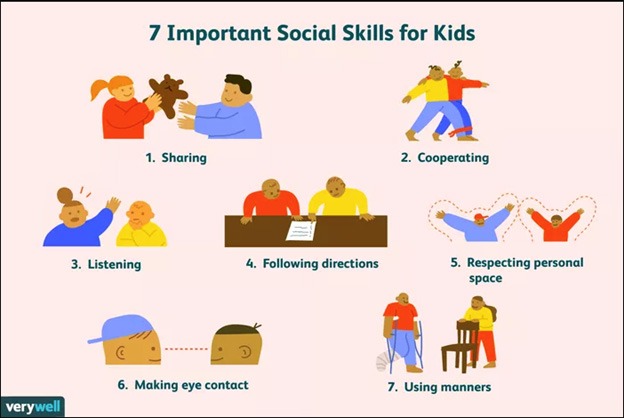
Words are only part of it. A toddler who points at a picture and follows a direction is communicating too.
| Communication skill | At 18 months | By two years |
|---|---|---|
| Words and combinations | Tries to say at least three words beyond “mama” or “dada” | Says at least two words together |
| Understanding | Follows a one-step direction without a gesture | Points to pictures in a book when asked and to at least two body parts |
| Sharing interest and gestures | Points to show an adult something interesting | Uses gestures beyond waving and pointing |
Say your toddler points to a bottle and makes a sound close to the word. Name it, add a short phrase and hand it over. You’re building on something your toddler already tried to say.

Picture books work the same way. When your toddler points to a bear, a car or a familiar object, name it and link the word to the picture.
For a fuller age-by-age reference, see developmental milestones by age.
More independence, bigger feelings and a lot of “no”

Refusing to get dressed, protesting when play ends or melting down over a familiar routine goes with a growing wish for control. At this age, the wish to decide is stronger than the ability to cope when decisions have limits.
ZERO TO THREE names this growing autonomy as one reason toddlers resist requests and struggle with transitions. Temperament and the situation also shape the response.
Take getting dressed before you leave. Your toddler may want to pick the shirt but refuse the rest of getting ready. Offer two choices: the blue shirt or the green one. Dressing still happens, and your toddler has a say in it. Say calmly what comes next, the same way each time. Protest can still happen, especially when your toddler is tired or with a different caregiver.
Some boundaries stay with you. Your toddler picks the shirt. An appropriate car restraint and staying with an adult near traffic are not negotiable.

Pretend play, imitation and the first signs of empathy

An 18-month-old may copy a simple chore. A child nearing two may combine toys and notice when someone is upset. A pretend meal with a doll, a toy plate and you at the table gives those skills a familiar setting. Copy an action, then add one small idea, such as offering the doll another pretend bite. The CDC lists imitation and social awareness among its age-related examples.
Meals change too: utensils, independence and familiar foods

As your toddler gains the skill and the wish to self-feed, meals get more complicated. The child who wants the spoon still spills much of the food. The one who ate a meal happily last week refuses it today.
According to the American Speech-Language-Hearing Association, children between 18 and 24 months develop feeding abilities that can include using fingers and utensils, drinking from a small cup with fewer spills, chewing on both sides and moving food around the mouth.
These skills make self-feeding practical, but you still prepare food safely. Cut challenging foods into appropriate pieces to reduce choking risk, and stay with your toddler during meals.
You provide suitable food and watch for hunger and fullness cues. Your toddler can explore a food, leave some or try the spoon without the meal turning into a contest.
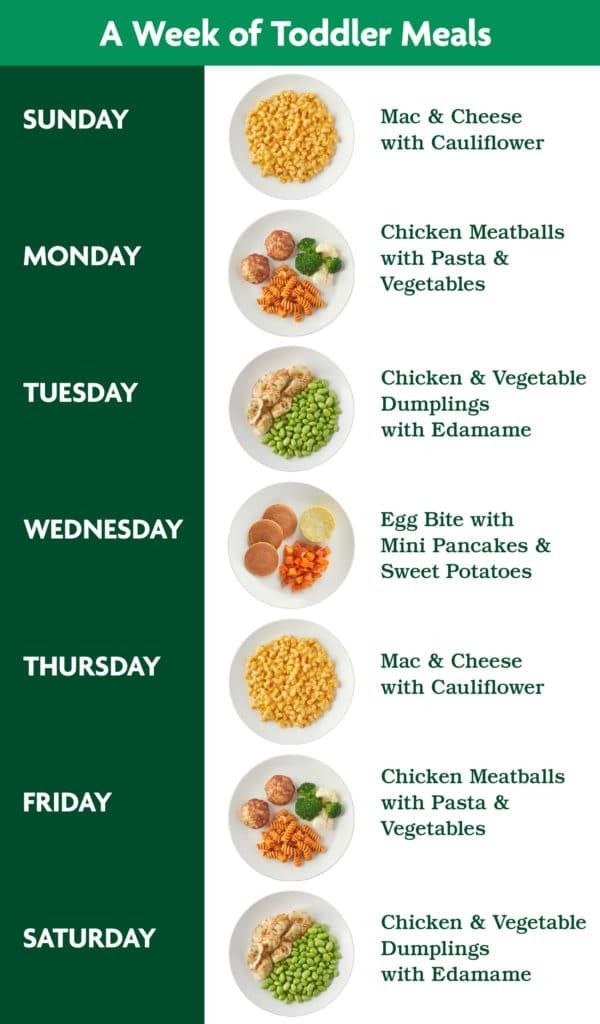
Say your toddler ate a fruit all week and now pushes it away. That’s allowed: leaving food uneaten is part of exploring it.
When a meal problem keeps coming back, check what you offered, how you prepared it, what your toddler tried and whether chewing or swallowing looked hard. If your toddler keeps struggling to chew or swallow, or you worry about choking, call your pediatrician.
For broader food-stage changes, see feeding changes by age.
Sleep routines may shift without a universal new schedule
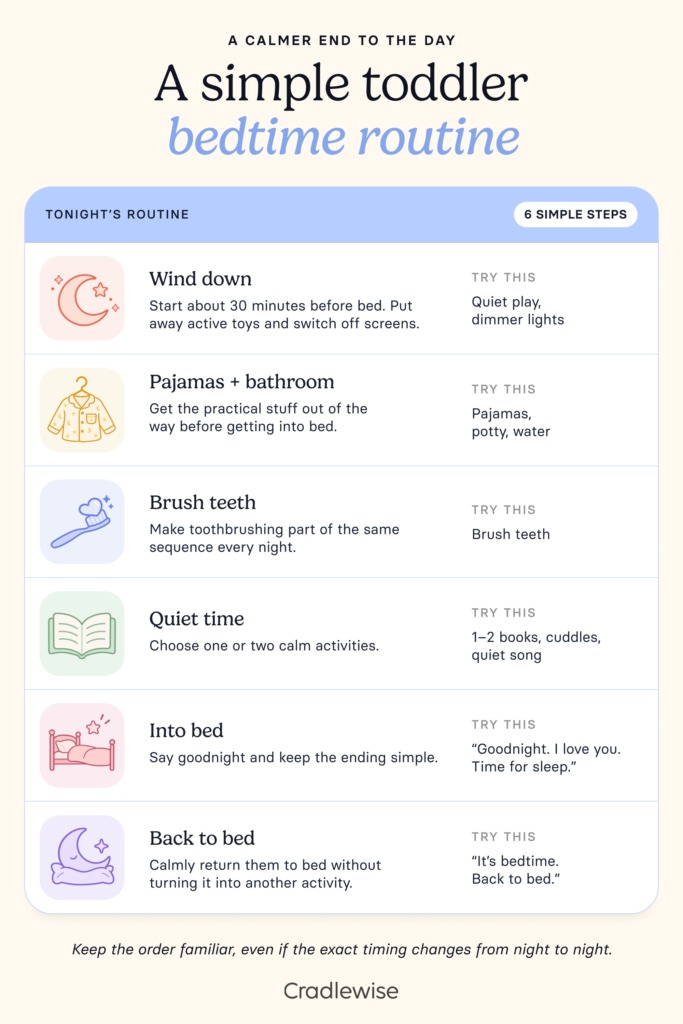
A bedtime that worked can fall apart when your toddler’s daytime activities, preferences or surroundings change. Before you decide the schedule has stopped working, look at the whole day, especially if your toddler is waking at night.
CDC guidance for children aged one to two recommends 11 to 14 hours of sleep per 24 hours, including naps. Count naps together with night sleep.
One toddler still naps but fights bedtime. Another falls asleep easily and wakes for a long stretch overnight. Both get called sleep problems, but they need different observations.
Track total sleep over a typical stretch of days, naps included, and note how your toddler functions during the day. Changes at home, in childcare or in the bedroom can explain a lot.
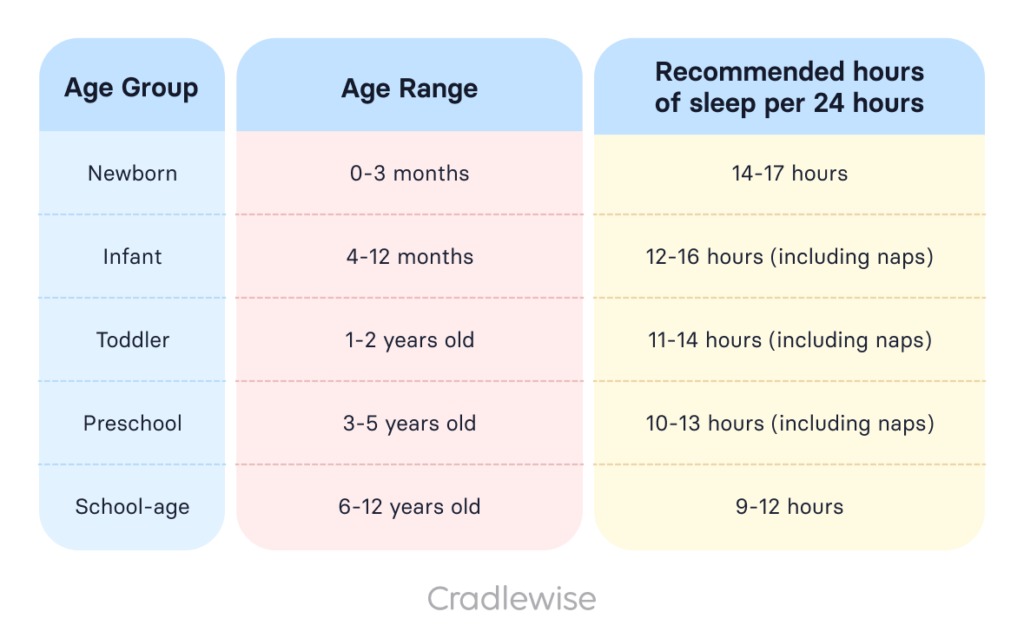
A consistent bedtime routine makes transitions easier to follow. Detailed nap timing is covered in nap schedules by age.
Daycare and handoffs: when the setting changes faster than the child

Your toddler can enjoy parts of daycare and still struggle at drop-off or naptime. Home and daycare have different adults, rooms, expectations and rhythms, so a routine that works in one place can be harder in the other.
Picture a first day that goes well during play and falls apart at naptime. You hear that your toddler was otherwise fine, and you wonder whether to change the home routine or the childcare arrangement.
Agree on a short goodbye ritual you can repeat at drop-off. Tell the caregiver which familiar words, activities or comforts usually help your toddler settle.
If naptime is hard, ask what happened just before and describe how your toddler settles at home. Then pick one consistent cue to try within the daycare’s routine.
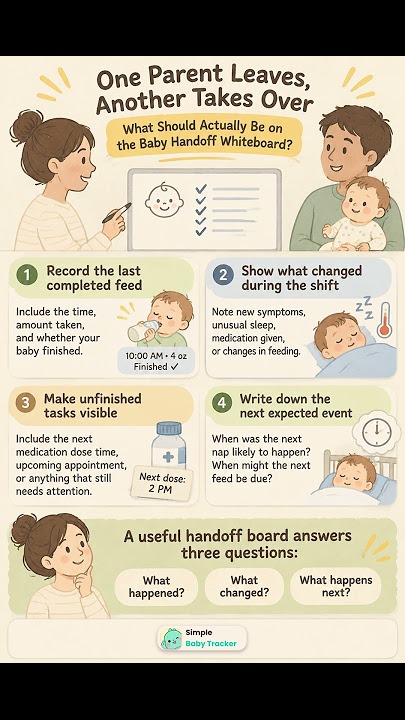
Policies, staffing and possible accommodations differ by setting, and adjustment time varies by child and program. A hard first day is only one observation.
Is it time for potty training? Look for readiness
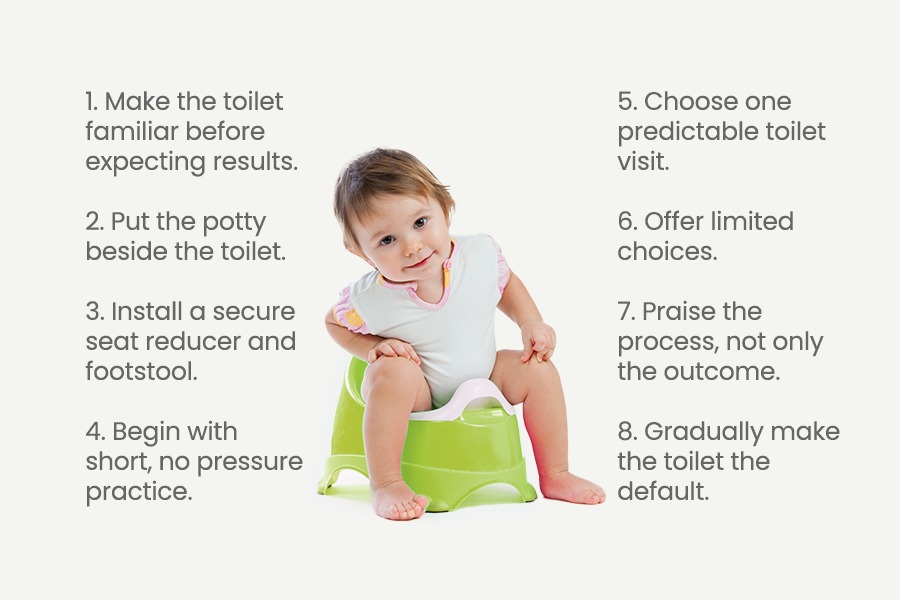
Readiness depends on a mix of ability and interest. Awareness of bodily signals may appear between 18 and 24 months, while practical skills and willingness come at different times.
The American Academy of Pediatrics lists several signs:
- Bodily awareness: Your toddler notices being wet or signals an upcoming need to urinate or have a bowel movement.
- Dry intervals: Your toddler sometimes stays dry for at least two hours.
- Communication: Your toddler can show discomfort, interest or a wish to use the potty.
- Practical participation: Your toddler follows simple instructions and may help with clothing.
- Willingness: Your toddler shows some interest in taking part without strong resistance.
A toddler who notices a wet diaper may be aware without being comfortable on a potty. Another may be eager to try but need a lot of help with clothing.
In the United States, the American Academy of Pediatrics puts the average starting age for toilet training between two and three years. Treat the second birthday as a time to watch for readiness, not a deadline.

Mobility changes the safety setup

Climbing and running change which parts of the home your toddler can reach. The CDC lists climbing onto and off furniture among its 18-month examples, followed by running and walking up some stairs with or without help by two years.
A chair, doorway or sofa that was harmless before can now be a way to a different part of the room, and from there to stairs, household objects or water that used to be out of reach.
Check where your toddler can now go or climb, then match each hazard with a fix:
- Furniture and climbing: Look for new routes onto chairs, couches and other high surfaces, and check what your toddler can reach from the top.
- Stairs and doors: Put barriers at stairs and secure hazardous rooms and exits.
- Water: Fence backyard pools and keep constant supervision around bathtubs, pools and other water.
- Reachable household items: Move dangerous objects and materials out of newly reachable areas.

Following instructions doesn’t mean your toddler can spot danger. Barriers and changes to the room limit exposure, but active supervision remains essential.
A room-by-room babyproofing guide for growing mobility covers the detailed work once you’ve spotted the newly reachable hazards.
When to talk with the pediatrician and how early intervention works

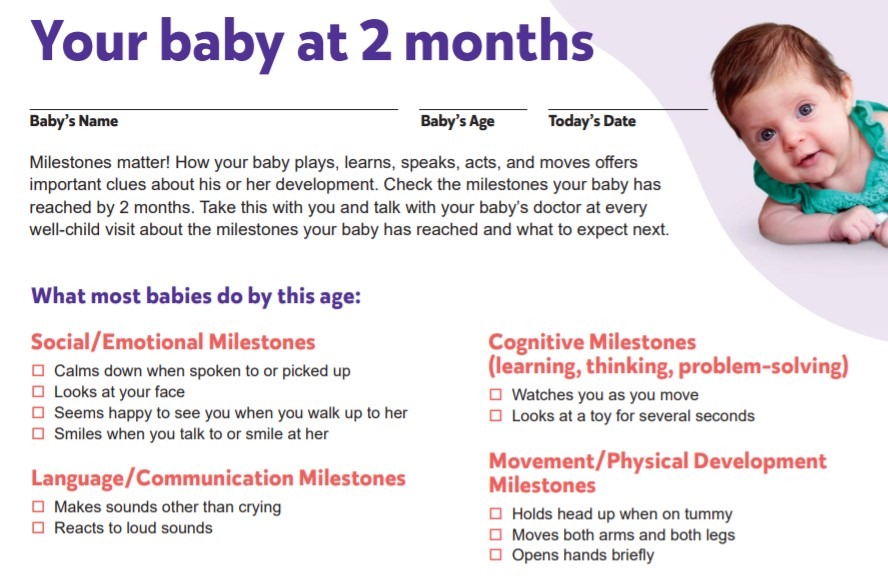
Tell your pediatrician if a skill your toddler had disappears, a milestone for the age is missing, or you have any other developmental concern. The clinician can discuss screening and whether further evaluation is needed. You don’t need a diagnosis in mind before you raise it.
The American Academy of Pediatrics’ developmental surveillance and screening guidance recommends general standardized developmental screening at 9, 18 and 30 months, plus autism-specific screening at 18 and 24 months. Clinicians also track development during routine pediatric care.
The 18- and 24-month well-child visits are good times to bring up communication, movement, behavior, feeding and other questions. If something worries you between visits, don’t wait for a birthday.
What to bring to the conversation
| What to note | Useful detail | Why it helps |
|---|---|---|
| Skill or behavior | What your toddler does during the activity or interaction | Gives the clinician something observable |
| Timing | When you first noticed the change | Separates a long-standing pattern from a recent change |
| Setting | Whether it happens at home, in childcare or elsewhere | Gives the clinician context |
| Previous ability | A skill your toddler had that is now gone | Records a lost skill |
| Caregiver concern | The behavior or change that made you raise it | Keeps the visit on the issue |
Accessing early intervention in the United States
For children under three, you can contact your state or territory’s early-intervention program directly. According to the CDC’s early-intervention guidance, you don’t need a doctor’s referral.
The program explains the local evaluation process. Eligibility and services depend on your child’s evaluation and your state or territory’s rules, and contacting the program doesn’t guarantee a particular therapy or service.