
For a first nursery, even a shared bedroom or small alcove, pick the simplest layout that passes the safe-sleep and furniture checks and works during a real diaper change. If a chair, dresser or decoration gets in the way, change it or skip it for now. Start with where your baby will actually sleep, measure with every drawer open, and walk through the room before you buy anything else.
Where will your baby sleep first? Plan the nursery in two stages
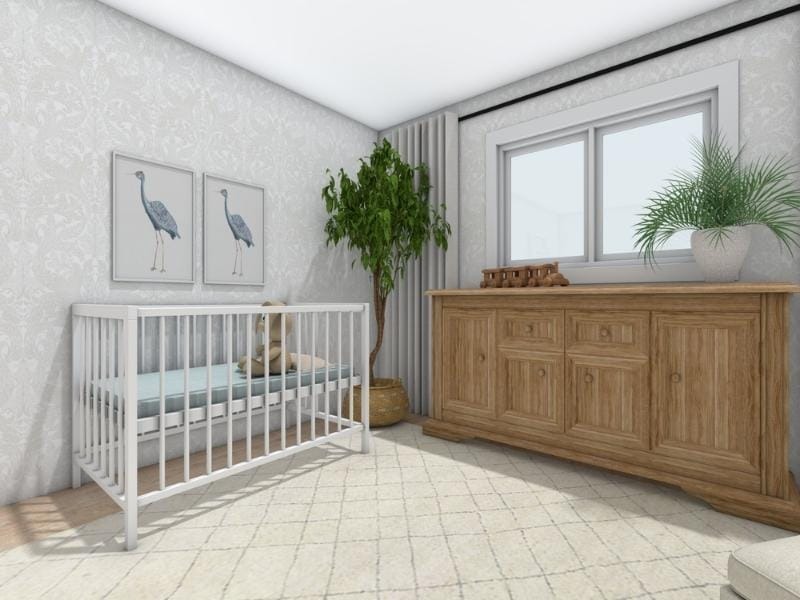
You can set up a nursery before your baby arrives without expecting your baby to sleep there right away. The American Academy of Pediatrics recommends room-sharing on a separate infant sleep surface for at least the first six months. In those months, a crib or other suitable sleep product in your bedroom does more for you than a beautifully arranged crib across the house.
Start by drawing two areas on your room plan: where the baby sleeps at first, and where you’ll change, dress and care for the baby during the day. In a small apartment, both may be the same room. In a larger home, they may be split between your bedroom and a separate nursery.
- Initial use: Put the baby’s sleep surface in the room where you sleep, with essential care supplies within reach.
- Later use: Revisit the separate nursery when your sleep arrangement changes. You may want more clothing storage, more floor space or furniture that suits a more mobile child.
One parent spent months on a nursery before their family needed a different arrangement:
We spent months fixing up the baby’s room and now that he’s here, we’ve moved the crib and half of his other stuff into our room. He wouldn’t sleep on the bassinet we bought so crib it is. His original room was across the other side of the house. This just feels safer. On the brighter side, he’ll have a room ready for him when he’s one lol.
The separate room still works for storage and daytime care. For the authoritative recommendation, use the American Academy of Pediatrics’ safe-sleep guidance.
Rule out unsafe crib positions before arranging furniture
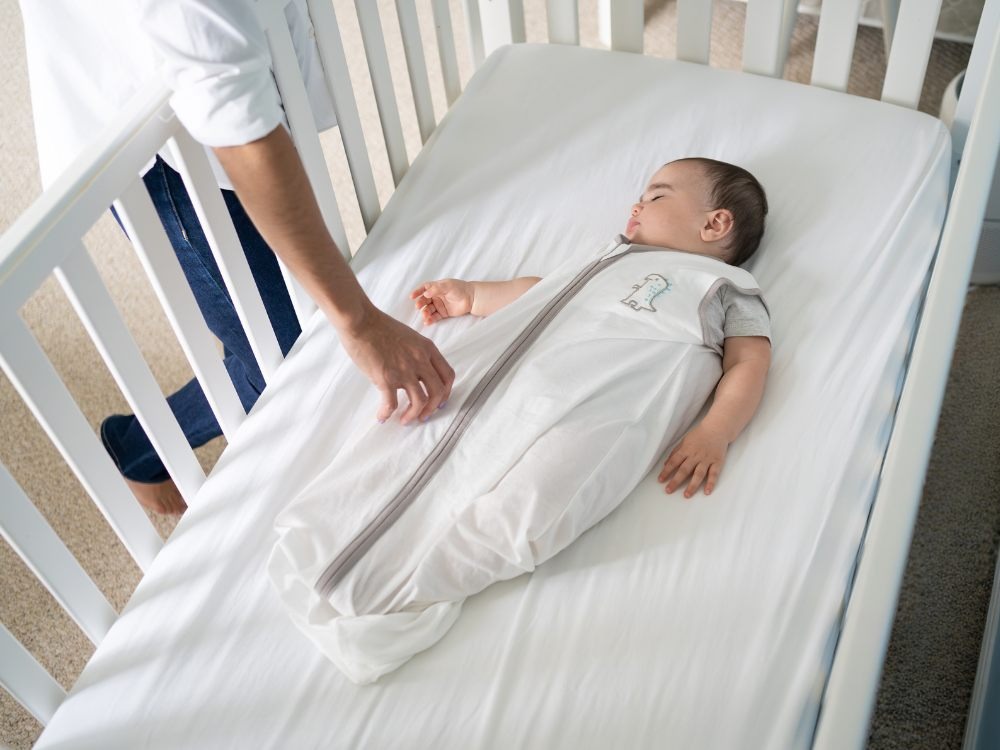
A crib needs a spot where the sleep space and everything around it meet the safety requirements. Rule out unsafe positions before you decide where a dresser, chair or shelf goes.
Use a sleep product made for babies and follow its instructions: a firm, flat surface with a fitted sheet. Put your baby down on their back, and keep pillows, loose blankets, soft toys and other soft objects out of the sleep area. Cribs, bassinets, play yards and bedside sleepers each have their own product limits. To assess crib mattress, bassinet limits, and sleep surface, review Crib versus Bassinet: Which One Do You Need.
Check what’s above, beside and within reach of the spot you’re considering:
- Windows and coverings: Choose cordless window coverings so blind cords stay out of reach.
- Baby monitor cords: Keep power cords inaccessible. A CPSC monitor-cord warning specifies at least three feet between the cord and any part of the sleep space.
- Nearby furniture: Watch for shelves, window-seat furnishings and anything a growing child could reach or climb.
- Overhead objects: Avoid spots under decorations or furniture that could fall into the sleep space.
- Other cords and heat sources: Keep electrical cables and nearby heat sources in mind.
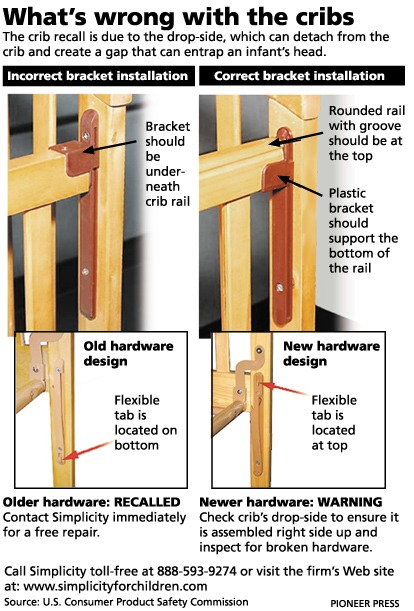
Crib bumpers and defined inclined infant sleepers are banned under the US Safe Sleep for Babies Act, effective November 12, 2022. A baby monitor doesn’t make an unsafe sleep setup safe.
A spot beside a window seat can fail several of these checks, while a plainer wall may leave the sleep area clear. The right location depends on your room, your furniture and the product instructions. For product and sleep-surface requirements, see the CPSC’s infant safe-sleep guidance.
Measure the room, then test furniture with doors and drawers open
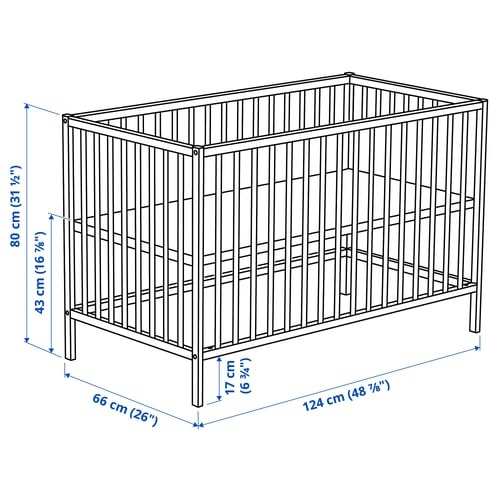
A nursery can look like it fits a crib, dresser and chair on paper and still feel crowded the moment someone opens a drawer. Measure each item as you’ll use it: drawers pulled out, chair rocking, doors swung open. Then check each position against the safety exclusions above.
Measure usable walls and floor in feet and inches. Mark doors, windows, closets, outlets and fixed obstructions. Get the real dimensions of each piece of furniture and transfer them to a grid sketch, including how doors, drawers and chairs move. Copy the hazards from the previous section onto the same drawing. A crib that fits the floor space still can’t go in an unsafe spot.
| Item | Size to record | Movement to test | Decision |
|---|---|---|---|
| Infant sleep surface | Actual product width and depth | Your access to the baby | Skip spots with reachable cords, falling objects or other hazards. |
| Dresser or changer | Furniture and accessory dimensions | Drawers fully open, you standing in place | Check stability and anchoring. Move it if it blocks the sleep area. |
| Glider or recliner | Chair footprint plus full motion | Rocking, gliding, reclining, getting in and out | Reject spots that block a care route or access to the sleep space. |
| Guest daybed | Full footprint | Opened as a guest bed, plus passage through the room | Postpone it if opening it crowds out the nursery’s main functions. |
| Door or closet | Opening and surrounding fixed space | Door swing, drawer travel, reaching stored items | Move anything that blocks the opening or access. |
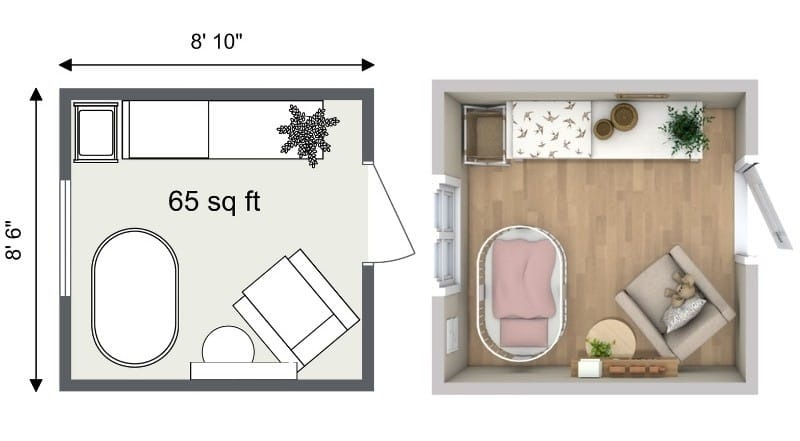
Make two sketches: one with only sleep and care equipment, and one that adds the chair or guest bed. Draw moving parts fully open, and tape temporary outlines on the floor to rehearse the room before you buy furniture.
A parent planning a very small nursery listed four competing uses:
Hi everyone, I’m having my first baby end of December and thinking of nursery layouts . Here are some options for the room (which is very small) I have in mind. The main furniture items are * crib * changing table / dresser * glider * day bed doubling as a queen for guests Please lmk which layout works best, and if you have any suggestions! ♥️
For a room with those four items, one option keeps the daybed and skips the glider. Another keeps the glider and puts guests elsewhere. If the opened daybed blocks drawers or crib access, the guest bed fails. If the chair’s motion cuts across your route, the chair fails. Check each option’s real footprint and safety marks before you choose.
Choose a changing station that fits your space and routine
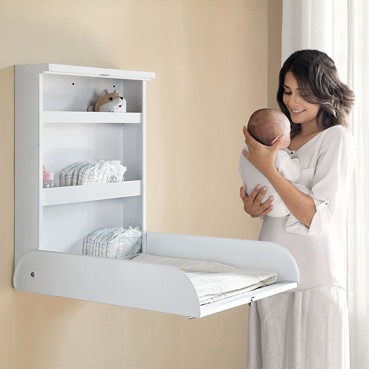
You need a suitable place to change your baby, but you don’t need a dedicated changing table. A compact room might use a manufacturer-approved changing accessory on compatible furniture. Another household may prefer a purpose-built station or a low-level setup. Choose based on intended use, stability, supply access and how comfortable the setup is for you.
| Setup | Advantage | Limitation | What to check |
|---|---|---|---|
| Purpose-built changing table | Dedicated working space, storage nearby | Takes floor space, and you still supervise the whole time | Instructions, use limits, fit, stable setup |
| Compatible dresser and changing accessory | Clothing storage and changing in one piece | A random dresser and pad pairing isn’t automatically suitable | Both manufacturers’ instructions, supported installation |
| Suitable low-level changing area | Works without another large piece of furniture | Needs attention to cleanliness, supplies, access and surroundings | The real location and a routine you can supervise |
A dresser keeps storing clothes long after diaper changes end. A dedicated changer can be easier for some caregivers to use. Either way, it has to meet the requirements for its intended use.
On an elevated surface, keep supplies within reach and stay with your baby throughout the change. Straps and raised sides don’t replace supervision. If you need to compare newborn supplies, sleep space, and ride-home car seat, use Getting Ready for Baby: What to Prepare Before Your Newborn Arrives.
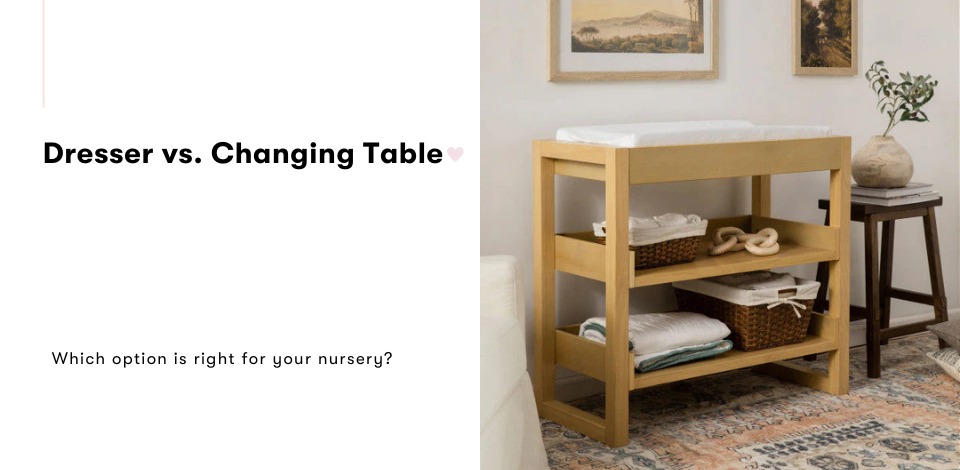
Before you choose a dresser-top setup, compare the dresser and accessory manuals for supported use, dimensions, attachment method and age or weight limits. A convenient dresser with an improvised pad isn’t a compatible setup.
Put diapers and daily supplies where care happens
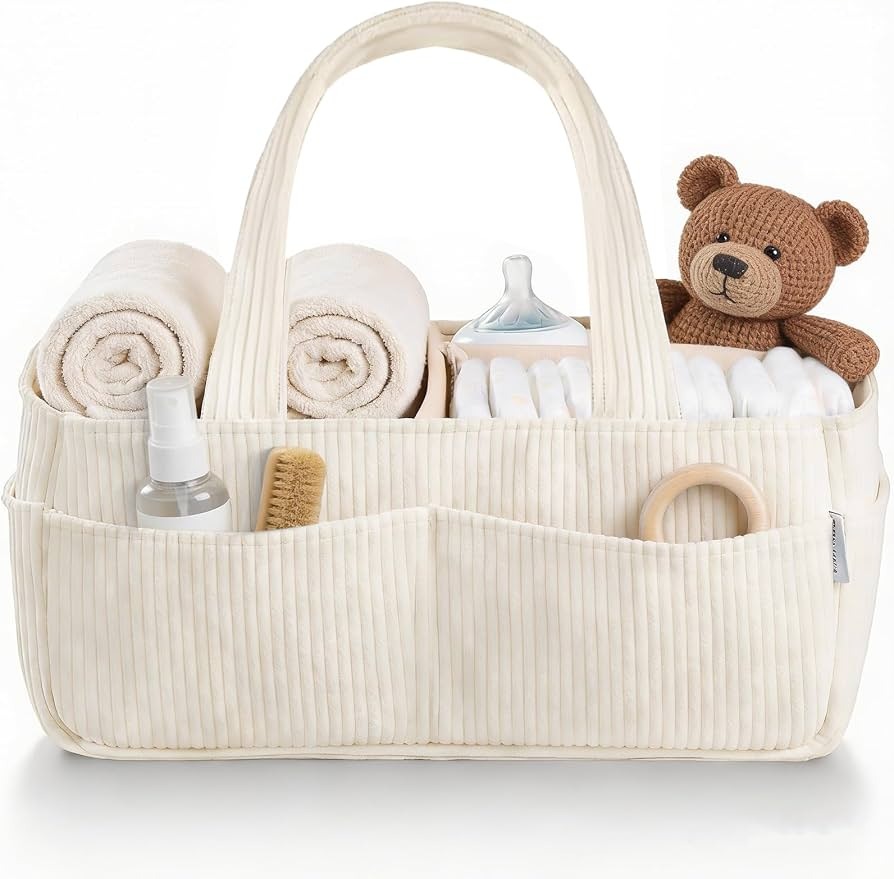
Store supplies where the task happens. A closet can hold plenty and still be inconvenient if you change the baby in another room.
Split supplies by how often you need them:
- Within reach during care: Diapers, wipes and a clean outfit at the changing spot.
- Weekly refill: Extra clothes and supplies that restock the first group.
- Later and backup: Bigger sizes, seasonal clothes and extras you don’t need daily.
The goal is fewer steps during care, especially on an elevated surface. What’s within your reach may also be within reach of a mobile toddler.
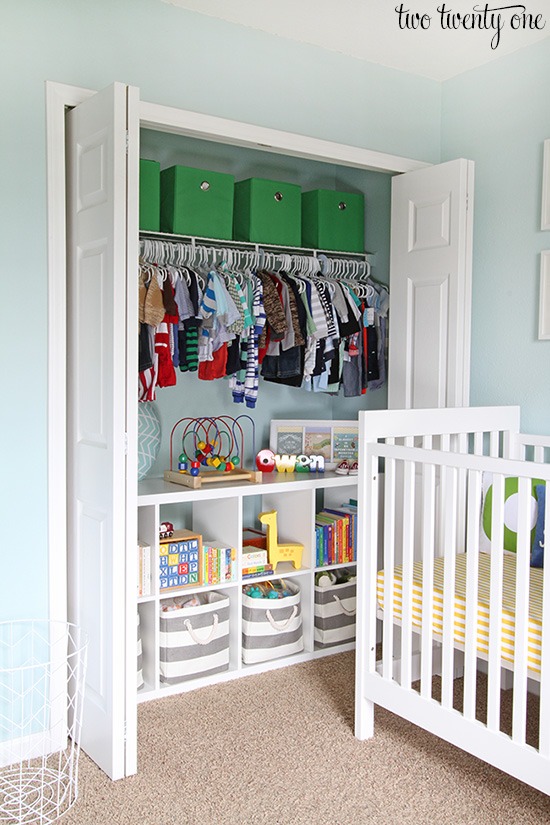
Rehearse one diaper change with supplies in their planned spots. If you’d have to leave your child on an elevated surface to fetch something, rearrange. In a shared-bedroom plan, keep immediate-use supplies in your bedroom and put clothing and backups in the separate nursery.
Decide whether a glider, recliner or guest bed earns its space
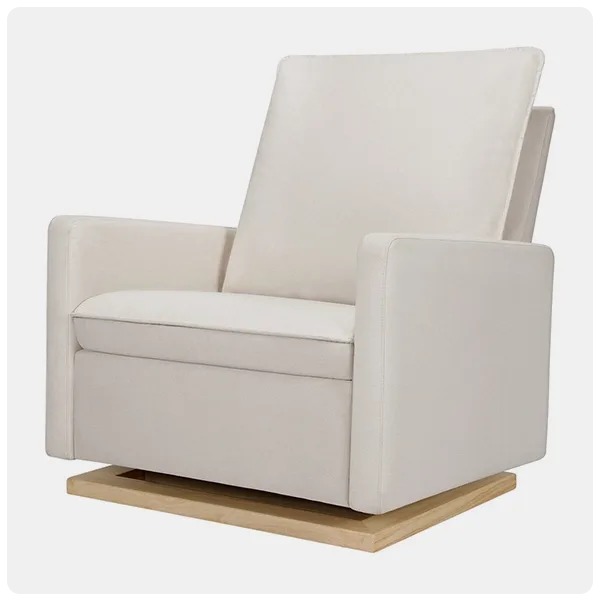
A chair can make feeding, soothing or reading more comfortable, but it has to fit your routine without blocking the room. It’s optional, and a comfortable chair you already own may do the job.
Check arm support, cleaning, seat comfort and whether you want a manual or powered mechanism. The chair’s footprint includes its full glide, rock or recline.

An expectant parent had trouble judging chair reviews written early in a chair’s life:
I’m 25 weeks pregnant and looking to purchase the chair for our nursery asap. Comparing options is so difficult. So many reviews are people who have barely used their chairs yet, so I’m wondering could anyone tell me if you bought a chair you ended up regretting, and for what reason(s)? Things I’m wondering about: color/staining, materials, power vs manual etc.
Compare the room with a dedicated chair and without one before paying for a feature that takes up floor space.
Secure dressers and prepare for a child who will climb
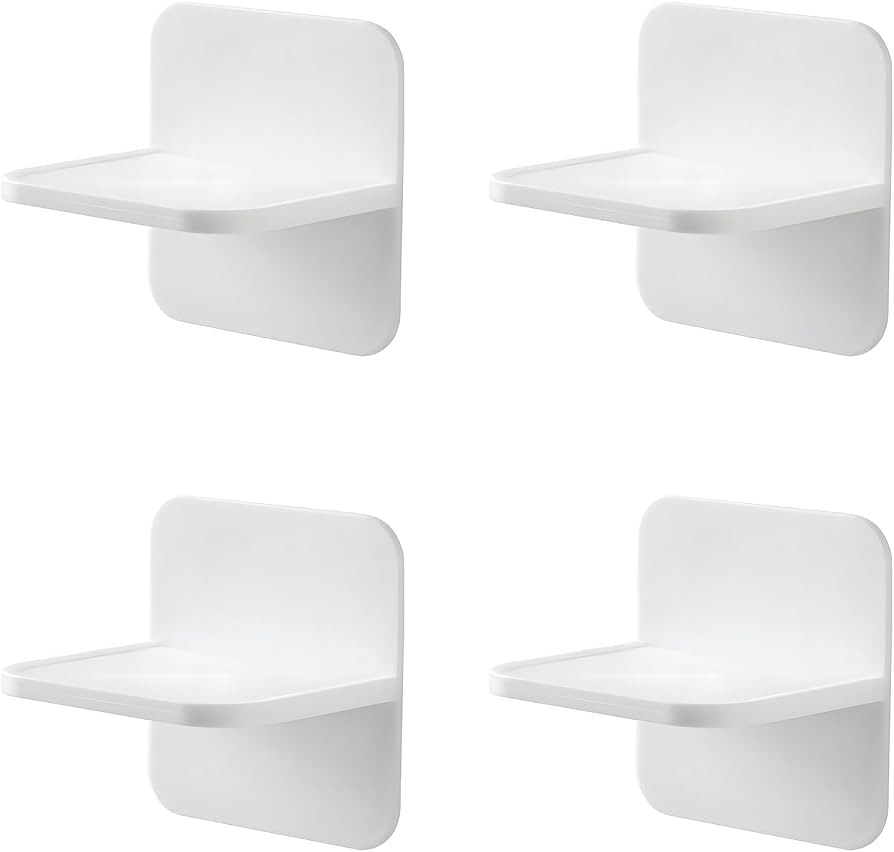
Furniture that looks harmless next to a newborn becomes a hazard once your child starts reaching, pulling up and climbing. The CPSC identifies furniture tip-over as a child-safety risk, so anchoring belongs in your room plan.
US clothing storage units within the scope of STURDY are subject to the applicable requirements in 16 CFR Part 1261, associated with ASTM F2057. The standard applies to qualifying units manufactured after September 1, 2023. Go by when a dresser was made, not when you bought it, and anchor it whatever its age.
Anchor every freestanding dresser and other furniture that needs secure installation, following the instructions for each product and wall. Plaster, drywall and other wall materials call for different fastening methods.
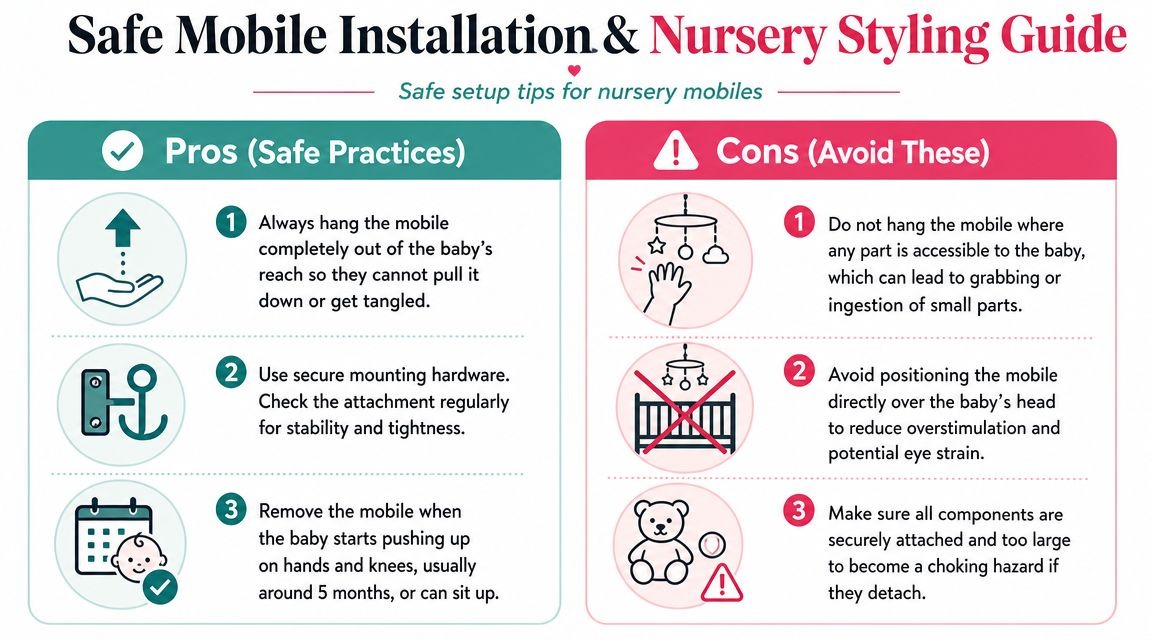
As your baby gains mobility, the room opens up new points of access. Check open shelves, reachable cables and furniture that invites climbing as soon as those behaviors become possible, whatever your baby’s age. For furniture anchoring, electrical cords, and stair gates, review Babyproofing Your Home by Mobility Stage.
The CPSC clothing-storage-unit guidance explains the US regulatory scope for qualifying furniture.
Keep décor simple when it competes with safety or space
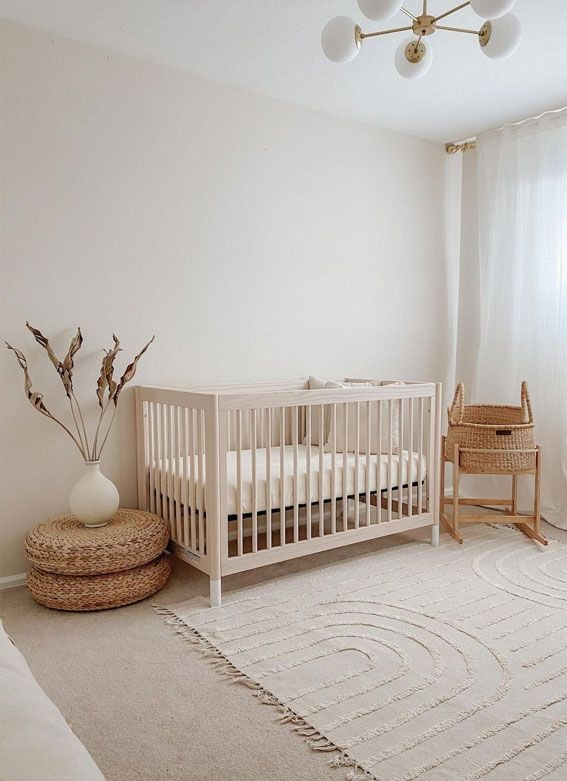
Paint, a simple color scheme and uncluttered storage are enough to make a nursery look finished, even if it’s a shared room or partly done.
Curtains with reachable cords, decorations hanging above the crib and loose pillows or soft toys in the sleep space are safety problems that matching colors don’t solve. Check each accessory from where your baby is now and where your child will reach later. Move, secure or postpone anything that poses a falling, strangulation or sleep-surface hazard. For crib, firm mattress, and fitted sheet, see Safe Sleep Checklist for Babies.
Do a final nursery walkthrough and repeat it when the room changes
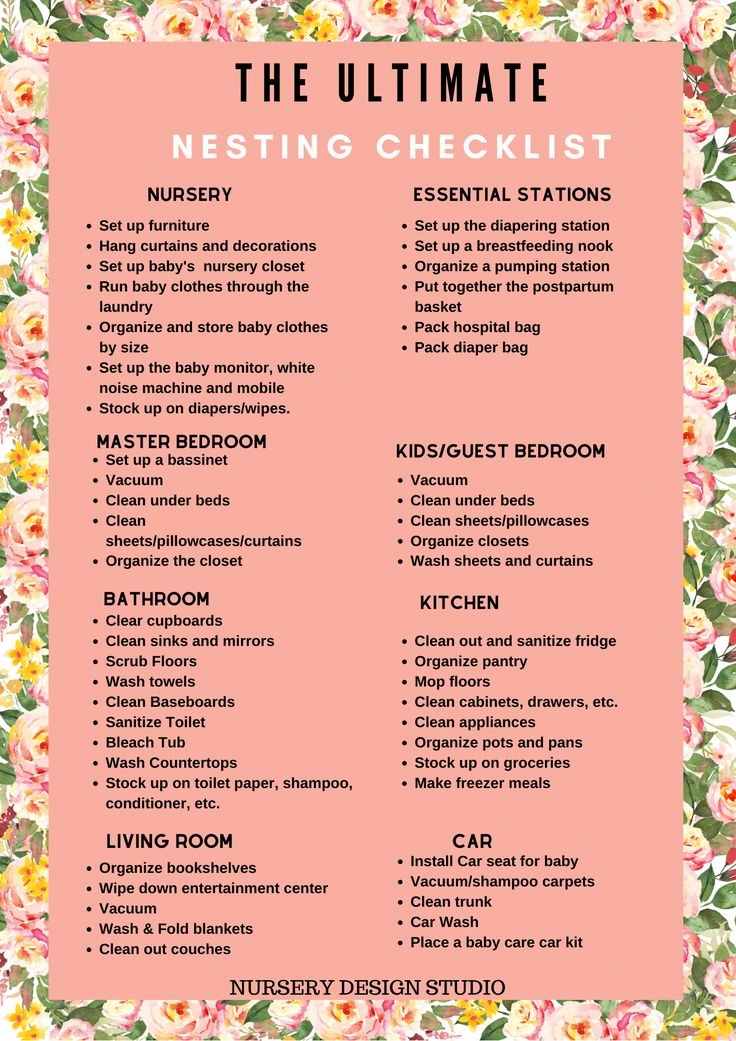
Before you call the room ready, confirm each item below. If one fails, change the setup before you rely on it.
- Sleep arrangement: You’ve checked the sleep product’s instructions and recall status, and its location matches your room-sharing plan.
- Sleep surface and surroundings: The surface is firm, flat and clear, and nearby cords, windows, furniture and overhead hazards are dealt with.
- Moving furniture: Doors, closet, drawers and any chair or daybed work without blocking your route.
- Changing routine: Your setup is stable, and everything you need is within reach while you stay with the baby.
- Storage stability: Dressers are anchored with the right method for your walls.
- Smoke and CO alarms: Working smoke alarms cover each level, inside bedrooms and outside sleeping areas. Carbon monoxide alarms cover each level and outside sleeping areas, consistent with applicable local requirements.
- Later mobility: Review reachable objects, cords and climbable furniture as your child’s abilities change.
- Room changes: Repeat the checks after you move the crib, furniture, decorations or cables.
Identify your products from the manufacturer instructions, and check the CPSC recall database before use.