
Between 12 and 18 months, adjust your home, meals, and routines to what your child is doing, using CDC age checklists as reference points, not deadlines. If your child loses a skill, misses an age-specific milestone, or something worries you, write down what you see and contact your pediatrician instead of waiting for the next visit.
What changes between 12 and 18 months?

Your child, who once explored mostly from the floor, can soon cruise around the couch, point toward the kitchen counter, or climb onto a chair. Movement, communication, and a growing wish to do things alone change daily care, sometimes before a birthday makes the shift official.
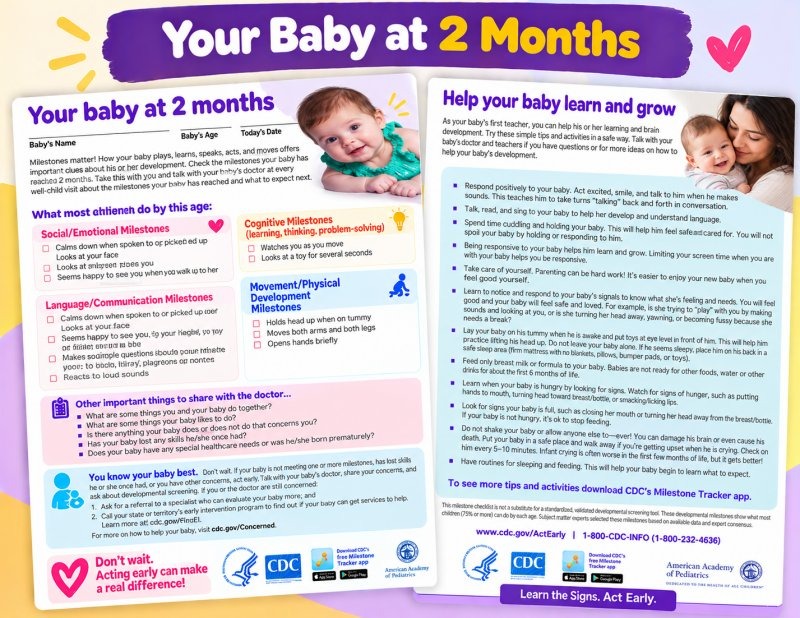
The CDC’s Learn the Signs. Act Early. milestones list skills that at least 75% of children show by a given age. Use the checklists as reference points for what you observe.
| Age | Movement | Communication | Everyday skills |
|---|---|---|---|
| 12 months | Pulls to stand; cruises while holding furniture | Waves bye-bye; uses a special name for a parent; understands “no” | Picks up small items with thumb and forefinger; drinks from a cup held by an adult |
| 15 months | Takes a few steps independently | Points to ask for something or get help; tries one or two words beyond mama or dada | Feeds themselves with fingers; copies familiar actions |
| 18 months | Walks without holding on; climbs onto and off furniture | Points to share something interesting; tries three or more words beyond mama or dada; follows a one-step spoken direction without gestures | Tries a spoon; drinks from an open cup, sometimes spilling |
The CDC’s 15-month milestone checklist describes the in-between skills in terms you can see. It counts words as attempts, even when pronunciation is still emerging.

During play, notice one or two things your child does, like “He pulled up at the sofa” or “She pointed to ask for her cup.”
| Change you notice | At home | Act when | Priority |
|---|---|---|---|
| Reaching or climbing | Drawers and higher surfaces are in reach | A new route opens to furniture, chemicals, heat, or water | Do now |
| Self-feeding | Your child grabs a large piece of food | The food’s shape or the seating is unsafe | Do now |
| Gestures and independence | Your child points at a closed cabinet | A safe alternative is available | Adjust the routine |
| Changing naps | Daycare offers one nap while home allows two | Sleep and afternoon mood differ between daycare and home | Adjust the routine |
| Growing out of equipment | The infant-only seat no longer fits | You reach the seat’s size or fit limit | Do now |
| Developmental concern | A skill is lost or an age-based skill is missing | What you see is worth discussing with the doctor | Call your pediatrician |

More movement means new safety checks

Pulling to stand and climbing put everyday hazards within reach well before your child walks confidently. A dresser drawer, a kitchen counter, and a stairway can suddenly become routes upward.
Walk through each room your child uses at their current standing and climbing height. Look at what their hands can now reach and what furniture they could pull or climb.
- Furniture and televisions: Check that furniture and TVs are secured, including drawers your child could use as steps.
- Medicines and cleaners: Lock hazardous products away from your child’s new reach.
- Stairs and kitchens: Check access to stairs, hot appliances, pot handles, and sharp objects.
- Baths and other water: Supervise directly. Barriers and bath equipment never replace an adult.
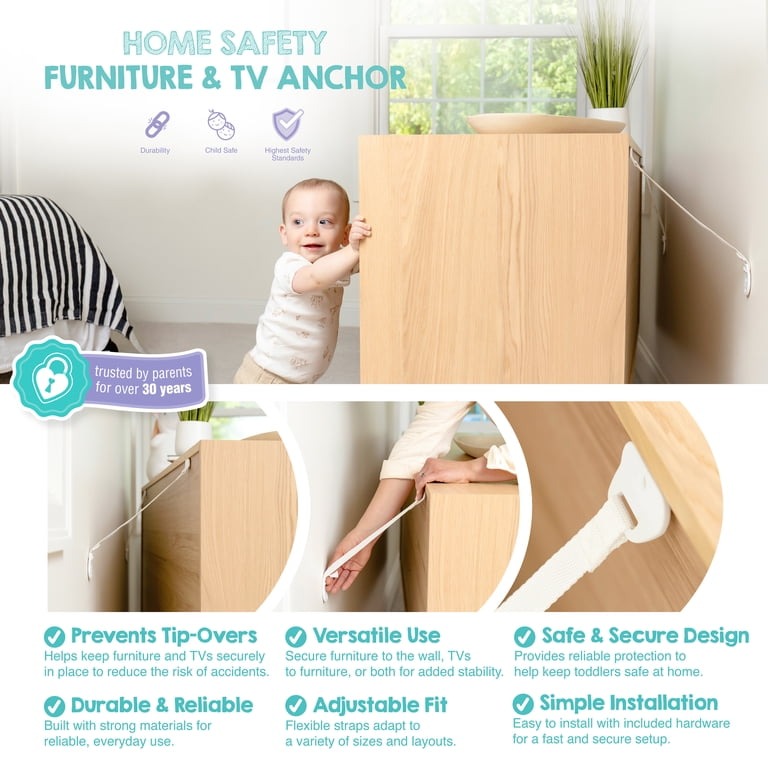
On March 26, 2026, the CPSC recalled certain plastic 4our Kiddies tip-restraint kits after identifying a breakage and degradation hazard. The recall directs owners of an affected kit to stop using it, keep children away from the furniture it secured, and get the free replacement offered by the manufacturer. To check an installed kit, compare its components with CPSC recall 26-340. For furniture anchoring, electrical cords, and stair gates, see Babyproofing Your Home by Mobility Stage.
Car-seat changes depend on fit
A first birthday does not mean switching to a forward-facing car seat. The American Academy of Pediatrics recommends rear-facing travel until your child reaches the maximum rear-facing height or weight the seat manufacturer allows.
When your child outgrows an infant-only seat, the next option is a properly fitting rear-facing convertible or all-in-one seat. Compare your child’s measurements with the labels and instructions for your seat and vehicle. The AAP car-seat guidance explains the stages and their conditions.
Gestures, first words, and “I do it” moments

Your toddler points to ask for help or to show you something interesting, and the two uses get easier to tell apart as communication develops.
If your toddler points at a closed cabinet, say what you think they want and keep anything unsafe out of reach. When a choice is possible, hold up two safe items and let them pick. Talking about familiar objects and reading together give you easy chances to respond to early words and gestures.
Resistance during dressing, meals, or diaper changes goes along with growing independence. Frustration alone is not a sign of a language disorder.
Food, milk, and cups
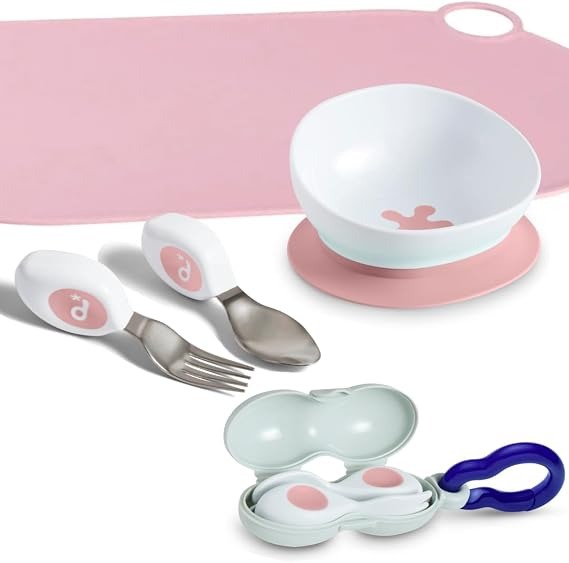
After the first birthday, your child may want to hold their food, try a spoon, or reach for the family meal. Growth slows compared with infancy, and appetite changes from day to day.
CDC guidance describes about three meals and two or three snacks a day, often with something to eat every two to three hours. Offer food on that schedule and let your child decide how much to eat each time.
Milk is one part of the diet
From 12 months, you can include pasteurized, unflavored, unsweetened whole cow’s milk alongside varied foods. For a dairy alternative, the CDC advises an unflavored, unsweetened option fortified with calcium and vitamin D; alternatives differ in nutritional composition. If your child has allergies, dietary restrictions, persistent feeding difficulty, or growth and intake concerns, ask your pediatrician for advice.
Self-feeding skills develop gradually. Your child may handle finger foods well and still tip an open cup or miss the spoon. The CDC’s 18-month checklist describes trying a spoon and drinking from an open cup with some spilling. To compare straw cups, open cups, and bottle transition, see Sippy, Straw and Open Cups: First Transitions.

Keep self-feeding safe
Whole grapes, round cherry tomatoes, whole nuts, hard raw pieces of produce, and thick chunks of nut butter can be choking hazards. If your child reaches for an unsuitable piece, change its shape or texture so they can still feed themselves.
Meals should happen seated, with an adult watching. Eating while walking, riding in a moving car, or sitting in a stroller adds avoidable hazards. The CDC choking-hazard guidance covers the foods and situations that need extra care.
If your toddler protests the high chair, the cause may be discomfort, reluctance to stop playing, or a wish to join in differently. Check the seat’s fit and arrangement while keeping the eating position safe.
Sleep shifts and the daycare nap problem
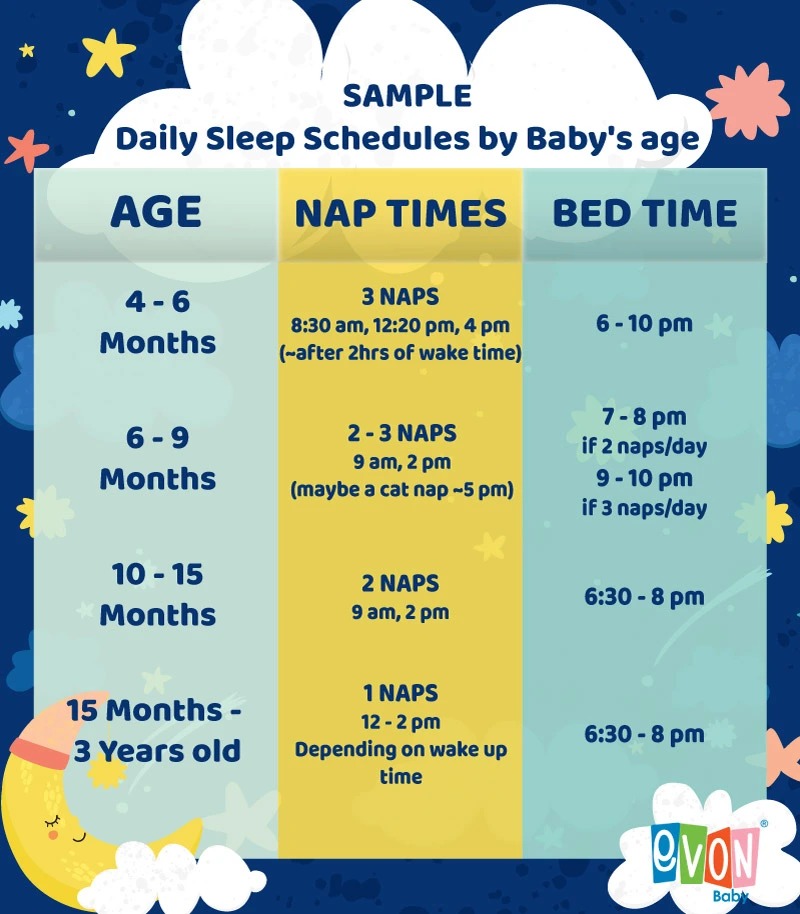
A daycare schedule can make nap changes feel abrupt. The classroom offers a single midday rest while your child still takes two naps at home.
The CDC recommends 11 to 14 hours of sleep in 24 hours, including naps, for children ages one to two. The number of naps can differ as long as your child gets the sleep they need.
If your child sleeps twice at home but gets one short nap at daycare, the late afternoon can be rough. Daycare sets the rest window, so watch how your child copes in the late afternoon.
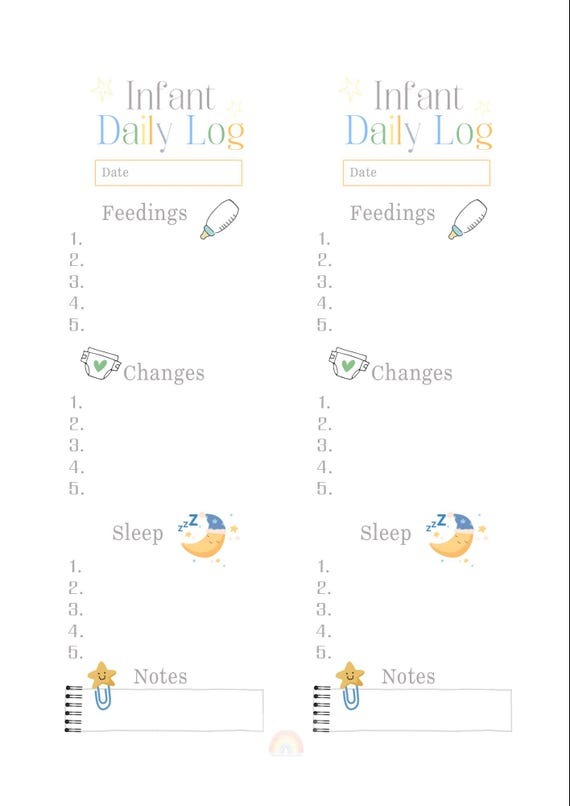
For a few days, note bedtime, morning waking, nap length, and your child’s mood in the afternoon. Ask the daycare what rest time it provides and how flexible it is. Use those notes to decide whether to adjust the schedule.
When to talk to your pediatrician about development
A lost skill, a missed milestone, or a concern of yours is worth raising with your pediatrician. A checklist helps you put what you see into words, and your pediatrician evaluates it against your child’s history and the right screening. For babbling, first words, and communication skills, see Babbling and First Words: What Counts, What to Notice.
Well-child visits and screening
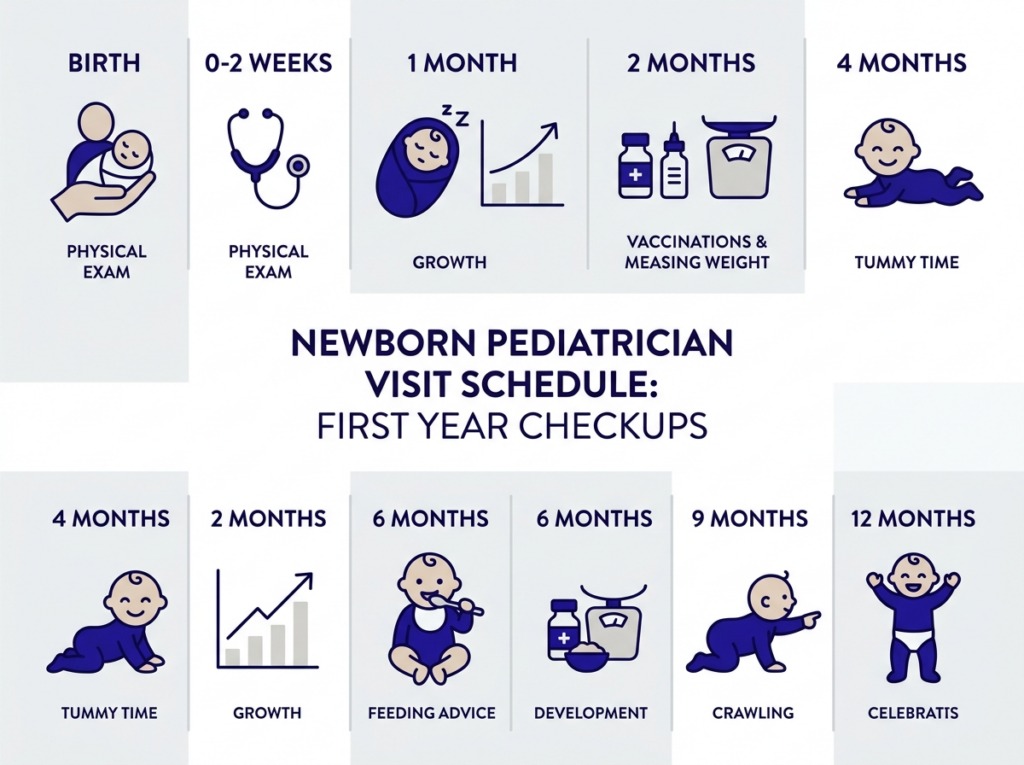
US well-child care includes visits at 12, 15, and 18 months. The American Academy of Pediatrics recommends standardized general developmental screening at 9, 18, and 30 months and autism-specific screening at 18 and 24 months.
The CDC checklists are not a screening. Developmental surveillance happens throughout care, screening uses structured tools, and diagnosis requires further clinical assessment. The AAP developmental surveillance and screening guidance explains the difference.
Describe what you have seen
Your pediatrician will ask what your child does at home, during meals, and in play.
| Area | Observation to describe |
|---|---|
| Movement | At 15 months, your child hasn’t begun taking a few steps without support |
| Gestures | At 15 months, your child hasn’t begun pointing to ask for something or get help |
| Language and understanding | At 18 months, you haven’t seen the expected word attempts or a response to a one-step spoken direction |
| Shared attention | At 18 months, your child doesn’t point to show you something interesting |
| Loss of a skill | Your child no longer uses a gesture, word, or movement they used before |
Say it the way you saw it: “She reaches toward the cup, but I haven’t seen her point when she wants help.” Include the circumstances, any changes over time, and relevant birth or medical history. The CDC’s online 15-month milestone checklist uses corrected age when a child was born more than three weeks prematurely.
Write down what you saw and contact your pediatrician if a milestone is missing, a skill is lost, or something worries you. Ask which screening or further evaluation is right, and whether early intervention services make sense.
A practical 12 to 18 month transition checklist

When climbing, meals, and sleep all change at once, separate the urgent hazard from the routine you can adjust later.
- Safety priority: Pick the new hazard with the most serious consequence, such as unsecured furniture or unsafe access to water, and deal with it first.
- Routine priority: Pick one adjustment, such as making space for cup practice or checking how the daycare nap fits your child’s day.
- Clinical priority: A lost skill or a missed milestone goes to your pediatrician without waiting on home experiments.
If your child has started climbing near a dresser and also wants to try a spoon, secure the dresser first. The spoon can wait until the next seated meal.
For age-specific development, daily routines, and feeding transitions, see Baby Month by Month: What Changes and What to Do.