
Start with a short family celebration built around your baby’s usual routine and a budget you’re comfortable with. Go bigger only when having everyone together is worth the space, cost, and help it takes. Pick your format and guest limit first, then check timing and safety before you buy anything.
A first birthday can be cake with the grandparents in the kitchen, an afternoon at a favorite park, or a room full of relatives who rarely get together. Decide which one fits your family before you send invitations or spend anything.
Your baby is the one thing you can’t schedule. They might enjoy the attention, get absorbed in a familiar toy, or need a quiet break just as everyone gathers for pictures.
Choose the Celebration Format Before Picking a Theme
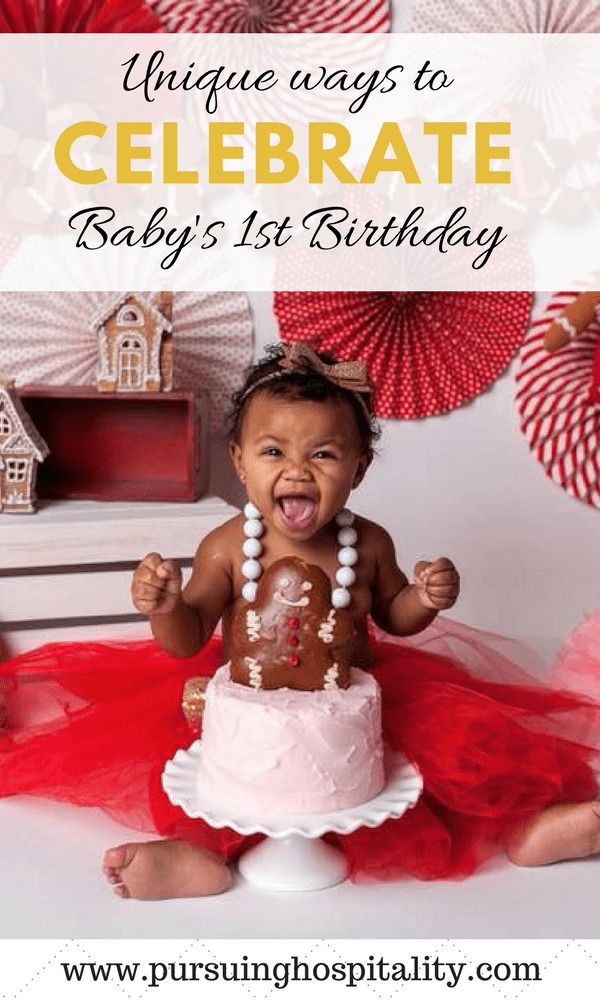
Start with what you want the birthday to do: give you a pleasant day with your baby, create a memory to share with relatives, or bring together people you haven’t seen in months. Each goal leads to a different celebration.
| Celebration format | Best fit | Main demands | What to watch |
|---|---|---|---|
| Family day, with no guest party | Quiet time, a favorite outing, pictures, or a family meal | A little planning, possible travel or food costs | Fewer chances to gather extended family |
| Small gathering | A few close relatives or friends at home or in a small space | Food, seating, invitations, and cleanup | The guest list tends to grow |
| Bigger party | A wider family or community gathering everyone actively wants | More space, food, coordination, and adult help | Hosting takes up much of the parents’ day |
The venue often settles the choice. The room needs space for guests to move, a spot to feed and change the baby, and a quiet corner for breaks. For an outdoor gathering, have an indoor alternative that fits the group in case the weather turns. For a public park, check whether you need a reservation or permit.
Take a winter birthday. If your living room is small and outside is too cold, a large group means renting a hall, which adds venue arrangements, travel, and setup to what sounded like a simple birthday.
Before choosing a theme, write down the purpose you care about, the largest guest group you can host, and the constraint you can’t stretch: money, space, your baby’s tolerance for visitors, or the help you have.
When a Bigger First Birthday Party Makes Sense
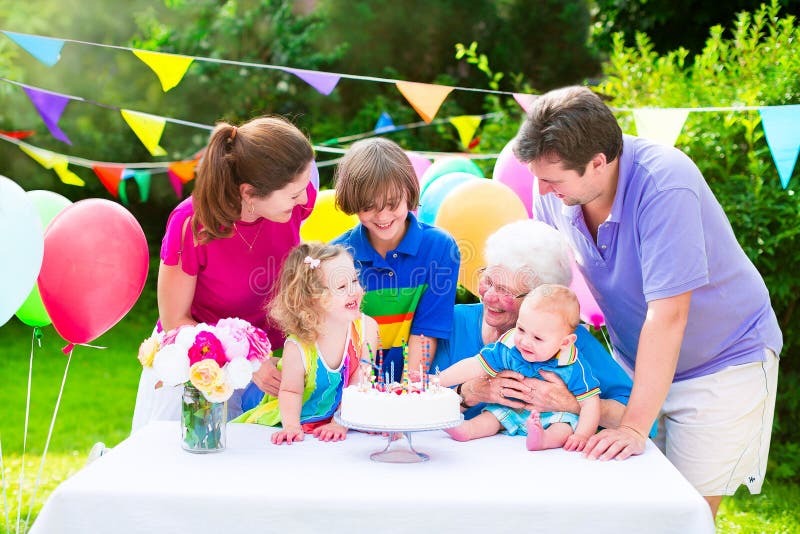
A bigger party is worth organizing when bringing grandparents, cousins, and friends together is part of what you want to celebrate. Confirm first that a venue is available and that someone can look after the baby throughout.
Set the Budget and Divide the Work Before It Grows
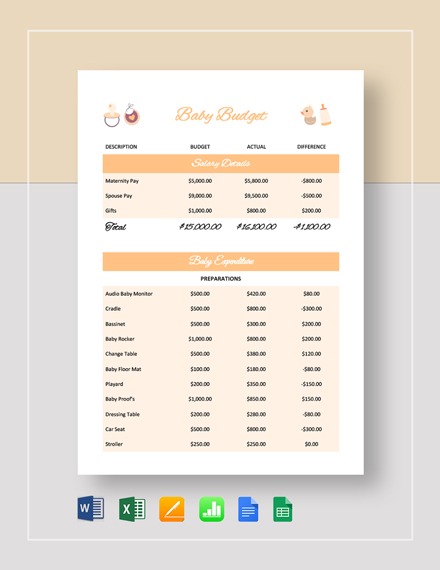
A first-birthday budget covers people and labor as well as purchases. A crowded party needs more food, seating, and cleanup even when the decorations are cheap. A small gathering can cost more than expected if it involves travel, rented space, or prepared food.
Use this worksheet before you make deposits or order supplies. Leave the cost cells blank until you have amounts for your actual plan.
| Item | Quantity or assumption | Estimated cost ($) | Responsible person | Can skip or simplify? |
|---|---|---|---|---|
| Venue | Simplify | |||
| Guest food and drinks | Simplify | |||
| Birthday cake | Optional | |||
| Plates and basic supplies | Simplify | |||
| Decorations | Yes | |||
| Travel or transport | Simplify | |||
| Photos or keepsake | Yes | |||
| Setup | Share work | |||
| Cleanup | Share work | |||
| Contingency | Keep | |||
| Total |
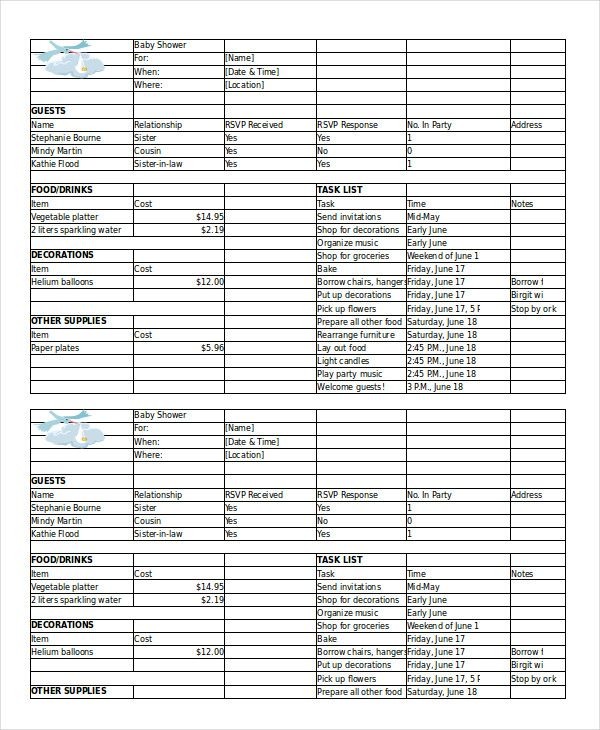
You can bake a simple cake, borrow serving dishes, reuse decorations you own, or skip party favors. Someone still has to arrange the food, greet guests, and clear the room afterward.
One parent described an extreme case:
Anyways, we spent a total of around $15k for 400 guests which is about half of both of our take home yearly pay. I don’t agree at all with it, but it really felt like I had zero say in it
Put one person’s name beside each major task. Invitations, food, photos, setup, and cleanup can be shared, and one caregiver stays free for the baby.
Compare the worksheet total with what your household can spend, and cut optional purchases before you commit to anything uncomfortable.
Build a Short Schedule Around Your Baby’s Actual Day
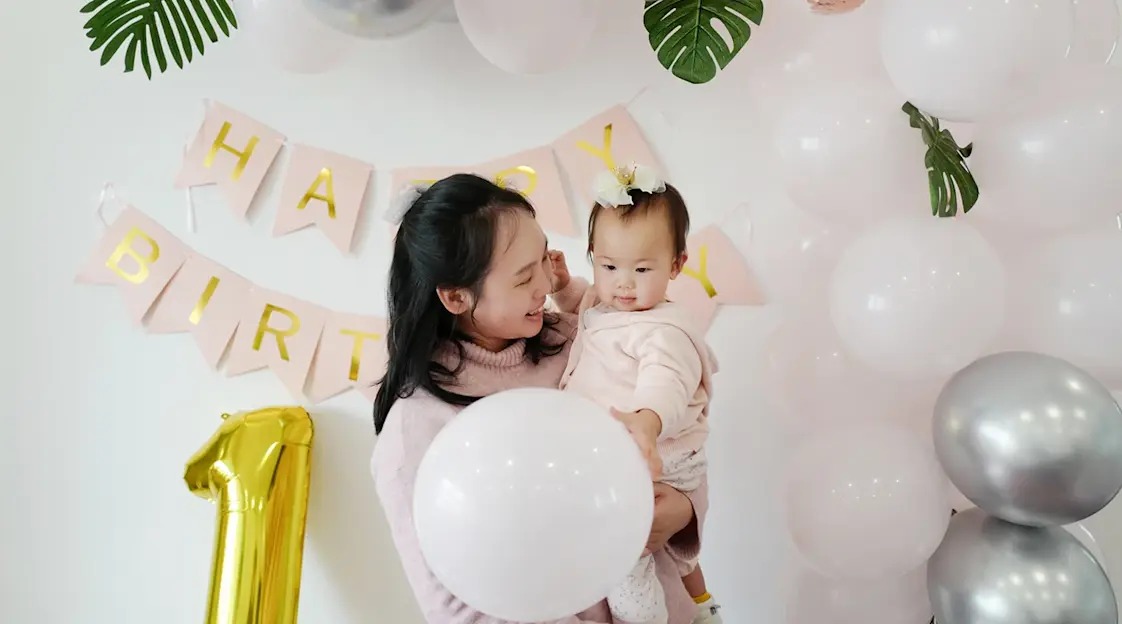
Your baby’s usual naps and meals decide when guests should arrive. A short gathering leaves room for a late nap, an unexpected feeding, or a baby who has had enough attention.
Use this two-hour schedule as a sequence to adjust to your baby’s current routine.
| Elapsed time | Possible activity | Flexibility |
|---|---|---|
| 0 to 20 minutes | Guests arrive; relaxed greetings and free play | Let the baby settle without a formal entrance |
| 20 to 50 minutes | Familiar play and family conversation | Adults socialize while the baby plays |
| 50 to 75 minutes | Seated food or cake moment | Move it if your baby needs a meal or rest earlier |
| 75 to 95 minutes | A short family photograph or keepsake | Take it when your baby is comfortable |
| 95 to 120 minutes | Goodbyes and gradual winding down | End your baby’s participation sooner if needed |
If your baby naps in the morning, invite guests for the afternoon. Another baby does better earlier in the day. Fit the activities into an awake period that already works.
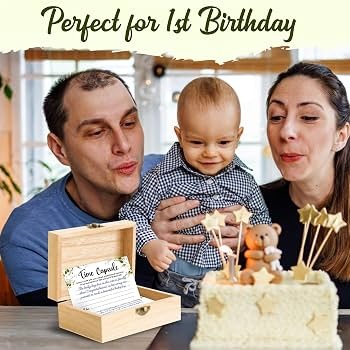
Treat the cake or photo as a movable moment. If a nap runs long, shift it instead of waking your baby to meet a printed schedule.
Do setup and cleanup outside your baby’s main window, so a caregiver can respond when your baby needs a break.
Make the Guest List Work for Your Space and Help
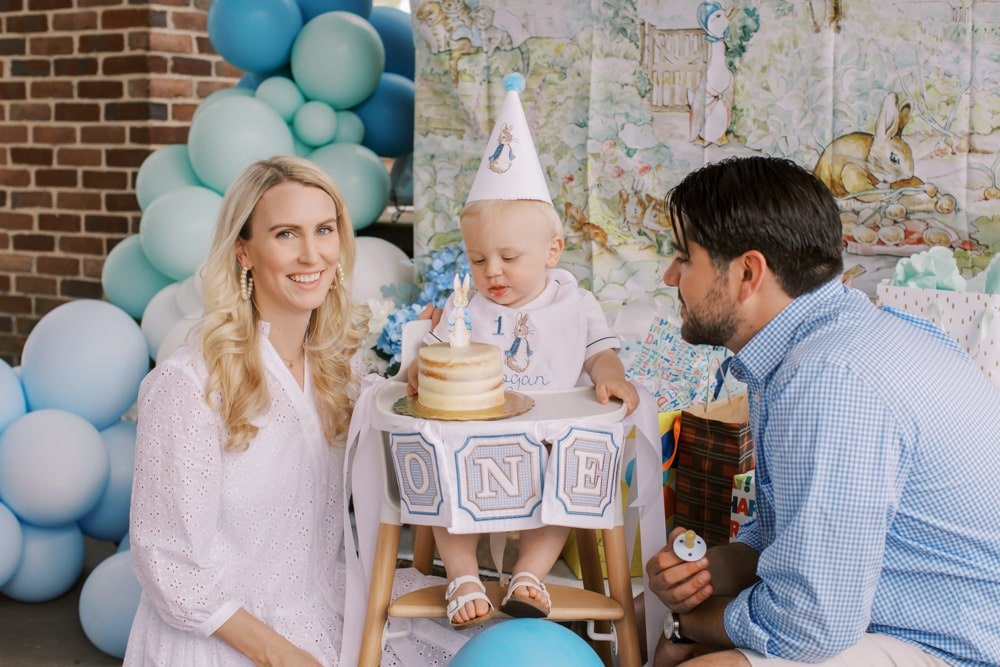
A guest list needs a clear limit. Otherwise a celebration that began with a few grandparents grows to include siblings, cousins, friends, and their children.
Sort possible guests into three groups:
- Closest people: Your household and the relatives or friends who are central to the celebration.
- People you’d love to include: Guests who fit if space, food, and help allow.
- Optional invitations: Acquaintances and extended connections, welcome if there’s room.
Space limits count too. A room that seats several adults feels crowded once strollers, bags, and other children arrive. Think about accessibility and the route between the eating area and a quieter spot.
Send an invitation with the location, the gathering window, and how to reply. Say whether you’re serving a full meal or cake and snacks, and ask about food restrictions if you’re feeding other children. Set an RSVP deadline that leaves time for food or venue commitments. If someone asks to bring an extra guest, answer based on the capacity you planned.
Use the confirmed count to set food quantities and seating.
Keep Food and Cake Simple and Make Eating Safe
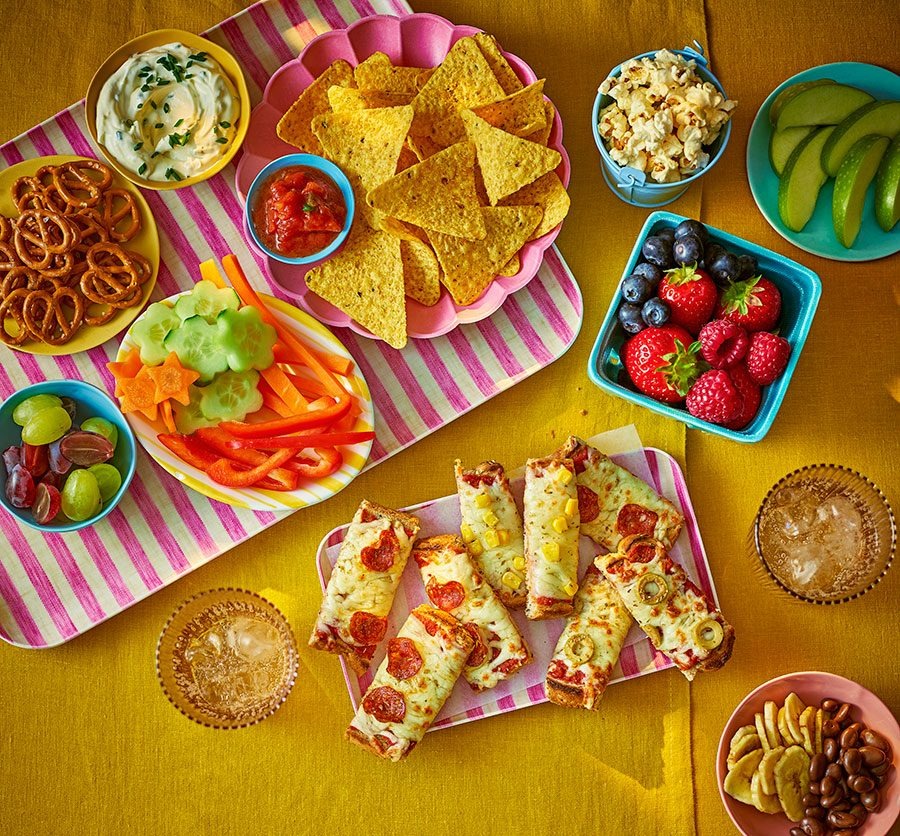
Birthday food can be a family meal, a small cake, or familiar foods for your baby with refreshments for adults. A smash cake makes a fun photograph but is optional, and sweets don’t need to be the center of your baby’s meal.
Texture and shape matter for young children. The CDC’s choking-hazard guidance explains the importance of preparing foods appropriately, having children sit while eating, and supervising them throughout.
Seat your baby with an adult who is paying attention. Don’t let photographing cake, greeting guests, or serving food interrupt that supervision.
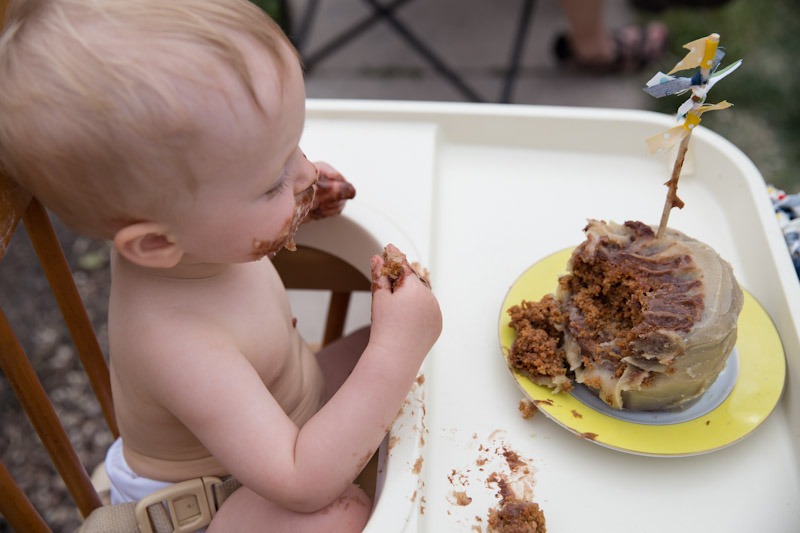
The exact birthday date matters for some foods. According to the CDC’s foods-to-avoid guidance, honey should be avoided before 12 months, and its advice to avoid added sugars applies to children under two. If the party falls before your baby’s 12-month birthday, the honey restriction still applies.
Allergies and feeding restrictions stay part of the plan. The menu follows your baby’s established care requirements.
For your baby’s food, check each item’s texture and shape, your baby’s existing restrictions, and where your baby will sit. For preparation details, see the separate guide to food choking hazards for babies.
For the adults, choose a menu around the hosting work you want to take on. Food made ahead leaves someone free to join in.
Plan a Few Simple Activities for the Baby
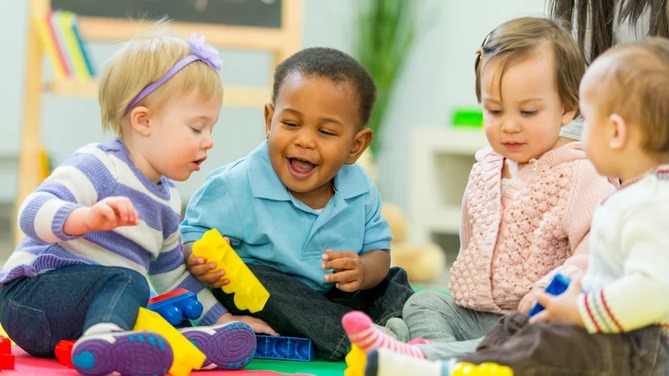
The best activities are the ones your baby already enjoys: a familiar book, a little supervised free play, or a simple game with a caregiver. You don’t need an entertainer or a full activity schedule. For more on sensory play, baby books, and supervised activities, see Baby Play Ideas: What to Try at Every Stage.
The CDC’s one-year milestone guidance includes examples such as pat-a-cake and putting an object into a container. Children develop at different rates, so start with what your baby already handles.
Play pat-a-cake with a baby who likes copying gestures. Let another baby move suitable play objects in and out of a container. A familiar board book gives a quieter option during a busy gathering.
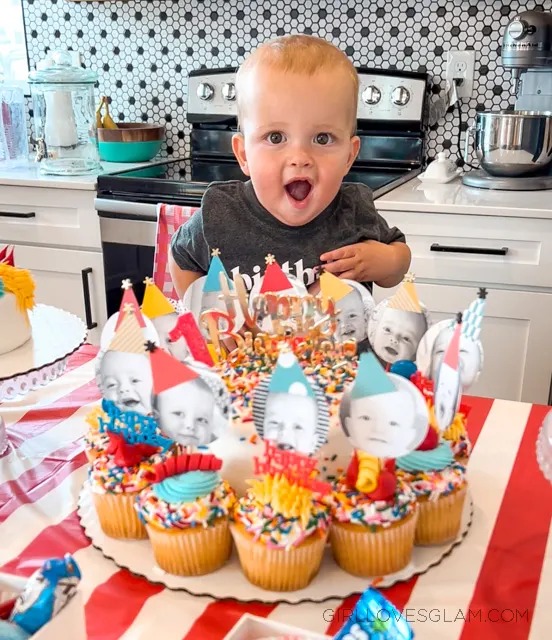
Older cousins can play games suited to their ages, with supervision, while the birthday baby sticks to familiar play. If the noise or attention gets too much, a caregiver can take your baby somewhere quiet to rest.
Choose two activities your baby already responds to and keep a calm one in reserve. For more ideas organized around observed skills, see the baby play ideas by age guide.
Make the Day Memorable Without a Big Production

A quiet first birthday needs just one of these:
- A family photograph: Gather the people who matter to you for a picture, even if the rest of the day is informal.
- A note for the future: Write a few lines about what your child enjoys, what changed this year, or what you want to remember.
- A familiar outing: Go somewhere your family already likes, and head home when your baby needs rest.
A low-key celebration can look small next to the elaborate parties people post online. Those photos show finished decorations and happy moments. The planning, hosting, and cleanup stay out of sight.
For some families, one good picture is enough. For others, the best memory is gathering relatives who seldom meet.
Keep Gifts and Decorations Age-Appropriate
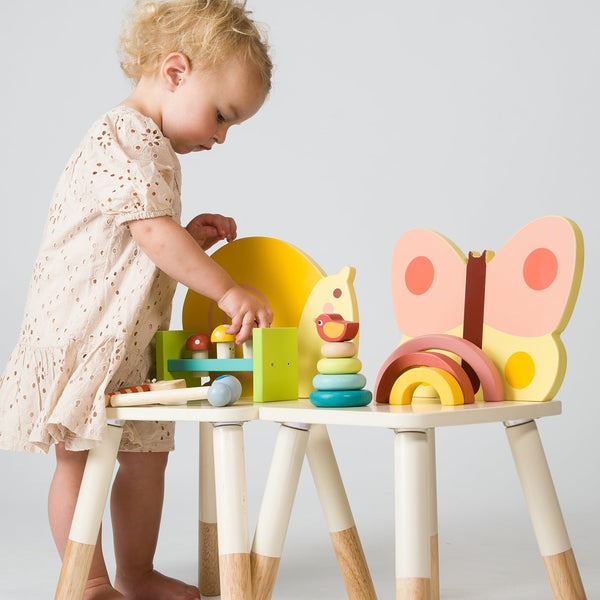
When relatives ask what to buy, give them a few categories: a sturdy board book, a simple age-appropriate play item, or a family experience. These are more practical than another bulky toy.
Think about what your baby already enjoys and what you have room to store. A short list keeps relatives from buying duplicates. Presents are optional too.
Read product labels. The US Consumer Product Safety Commission’s toy-safety guidance addresses age suitability and hazards associated with small parts. Small-parts restrictions matter most for products intended for children younger than three.
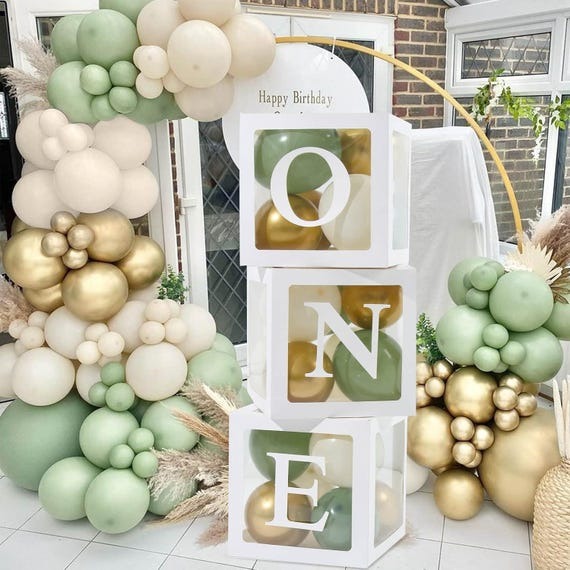
Decorations need their own safety check. The CPSC warns that children younger than eight can choke or suffocate on uninflated or broken balloons. Keep uninflated balloons away from children and discard broken pieces right away.
Before using any gift or decoration, review its age labeling, warnings, condition, instructions, and recall information. Age labels narrow the choices, but supervision and your child’s abilities still count. For a product-specific review, check baby-product recalls.
Have a Backup Plan for Weather, Cancellations, and a Hard Day
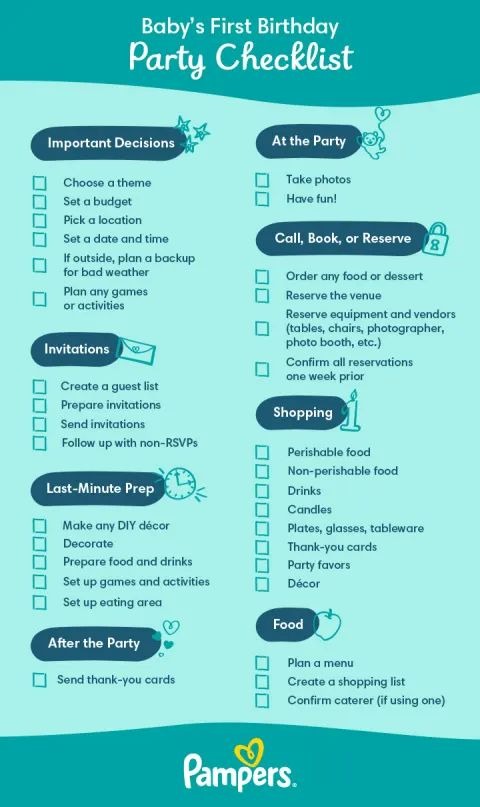
The best birthday plan can change. Rain can ruin a backyard gathering, guests can cancel, and a baby who seemed cheerful in the morning can need an earlier break once the party starts.
| What changes | First adjustment | Possible fallback |
|---|---|---|
| Bad weather or unusable outdoor space | Move to an indoor area that fits the group | Shorten the visit or change the date |
| Fewer or unexpected guests | Adjust food and hosting arrangements | Shrink the gathering to the people who can attend |
| Baby becomes tired or overwhelmed | Pause the baby’s part of the party | Let your baby rest or end their participation |
| Household finances change | Stop optional purchases and new commitments | Replace the event with a simple family moment |
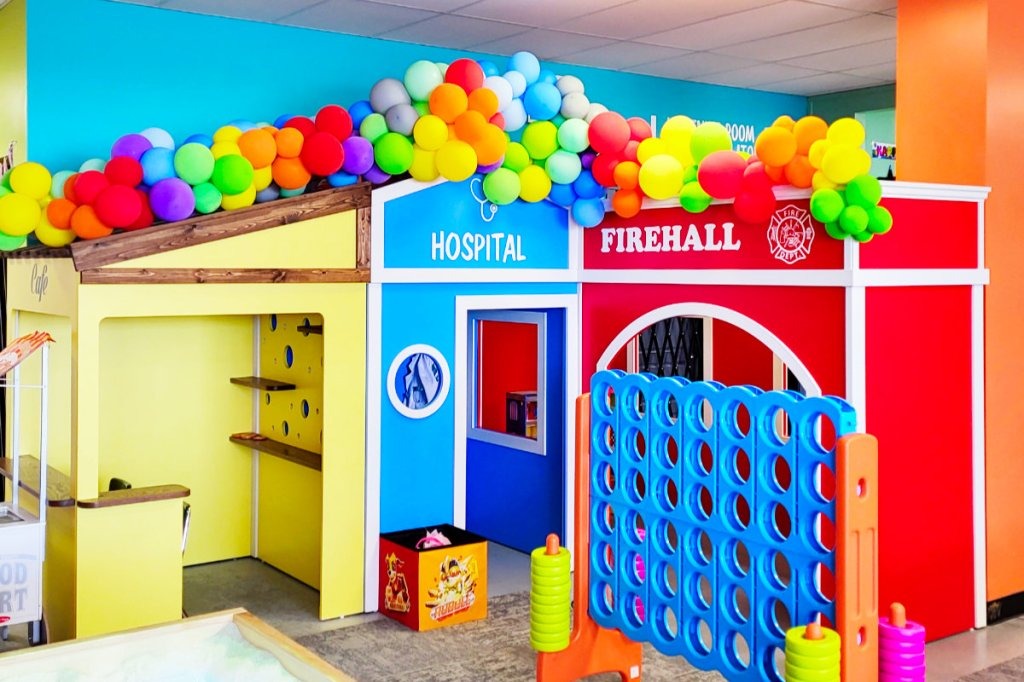
A financial change forces the biggest adjustment, especially once a venue or supplier is booked. Contract terms and payments already made determine what you can change. Before you pay for any service, find out what happens if the gathering moves, shrinks, or is canceled.
Pick the condition most likely to disrupt your plans and set one fallback, simple enough to use on a busy day.