
Keep your newborn’s first-month shopping list small. Most families need one safe sleep space, a feeding setup, diapers and cleaning supplies, a modest clothing rotation, and basic health readiness. Add a rear-facing car seat if you travel by car. Medical needs and household circumstances can change this minimum, so complete the day-one worksheet and verify each safety-critical product before use.
What needs to be ready before your baby comes home?
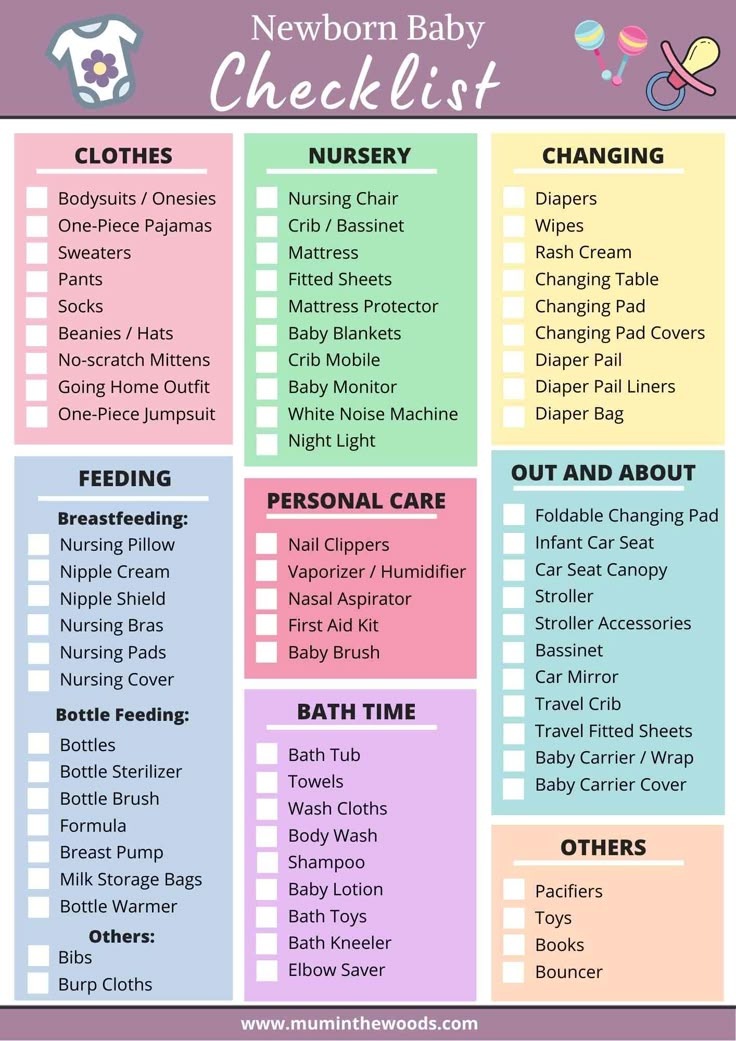
Start with the jobs you will do on the first night home: feeding, changing, dressing, settling your baby to sleep, and knowing how to reach medical help. A product you already own and know is safe can cover a job. You don’t need a second one just because a registry lists another version.
| Essential function | Have ready | What changes the choice | Ready? |
|---|---|---|---|
| Sleep | One compliant crib, bassinet, or sleep-suitable play yard with its fitted mattress and sheet | Room dimensions and product limits | ☐ |
| Feeding | Supplies for your feeding method | Breastfeeding, expressed milk, formula, or a combination | ☐ |
| Diapering | Diapers, wipes or cleaning supplies, a changing surface, and a way to dispose of waste | Fit and how easily you can restock | ☐ |
| Clothing | Washable bodysuits, sleepers, and layers for the weather | Size, season, laundry frequency | ☐ |
| Basic care | Working thermometer and pediatrician contact details | Individual medical needs | ☐ |
| Car transportation | Rear-facing car seat | Needed whenever you travel by car | ☐ |
Plan for the first four weeks only. A high chair and shopping cart cover belong to a later stage, and a separate bassinet is unnecessary if you already have an appropriate crib.
Choose a safe place for your newborn to sleep
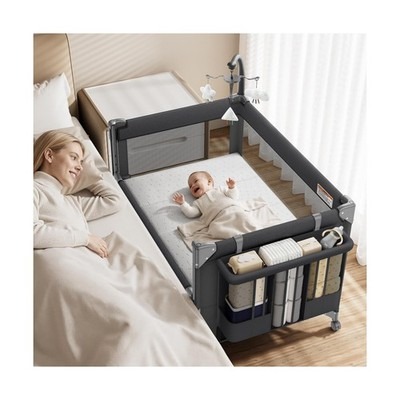
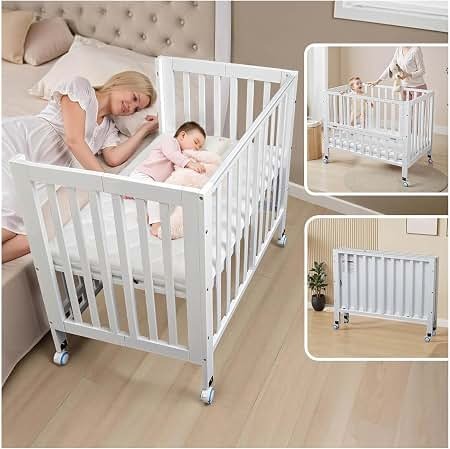
A compliant crib, bassinet, or play yard made for infant sleep gives your baby a safe place to sleep. The mattress must be firm, flat, and properly fitted, with a fitted sheet and no loose bedding, bumpers, pillows, or soft toys. Put your baby on their back for every nap and every night. For the crib, firm mattress, and fitted sheet details, see Safe Sleep Checklist for Babies.
The American Academy of Pediatrics’ safe sleep guidance separates room sharing from bed sharing. Your baby’s own sleep surface can go in your bedroom.
A bassinet is handy near your bed, while a crib works from day one if it fits your room. A play yard is another option when its instructions allow infant sleep. The manufacturer’s size, weight, and developmental limits tell you when your baby needs a different setup.
Sleep safety: Swings, rockers, loungers, inclined sleepers, and car seats don’t replace a regular infant sleep surface. A baby monitor or wearable gadget can’t make an unsuitable surface safe.
Inspect the assembled sleep space, including the mattress fit and allowed configuration, before the first night.
Choose feeding gear for your actual plan
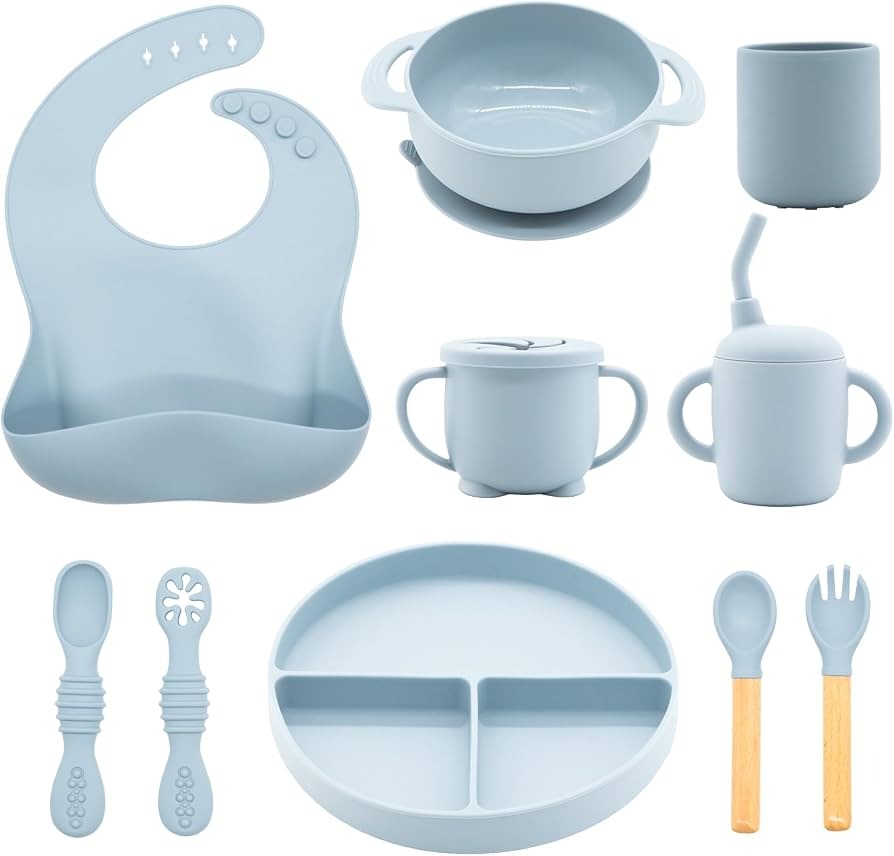
What you need depends on how your newborn will receive milk. If you use bottles, you need feeding and cleaning equipment. If you nurse directly, you can start with a simpler setup.
| Feeding arrangement | Potential supplies | Cleaning task | What can wait |
|---|---|---|---|
| Breastfeeding | Nursing supplies | Clean any feeding equipment you use | Pump accessories you don’t need, bulk bottles |
| Formula feeding | Formula, bottles, nipples, and preparation supplies | Wash and sanitize equipment as needed | Bottle warmer or automated preparation machine |
| Expressed milk or combination feeding | Pumping equipment, bottles, and storage items | Clean bottles and pump parts between uses | A large stock of one bottle type |
| Clinician-directed feeding | Equipment your baby’s care team specifies | Follow the hygiene plan you’re given | Anything outside that plan |
If you use bottles, count the washing cycles you can manage between feeds. An electric washer or sterilizer helps, but properly cleaned equipment is what matters.
Clean bottles and their parts after every feeding. The CDC’s infant feeding equipment guidance calls for careful cleaning and daily sanitizing for babies younger than two months, those born prematurely, and those with weakened immune systems. If your dishwasher uses hot water and a heated drying or sanitizing cycle, the CDC says you can skip the extra sanitizing step.

Formula preparation: Never heat infant formula in a microwave; uneven heating can burn a baby. For babies younger than two months, babies born prematurely, and those with weakened immune systems, the CDC advises boiling water, letting it stand for about five minutes, and mixing the powdered formula while the water is still hot; cool the prepared formula before feeding. Follow the preparation instructions for your child and product.
Decide how you’ll wash, dry, and store feeding equipment before the first feed.
Diapers and changing supplies: start with what you can replenish
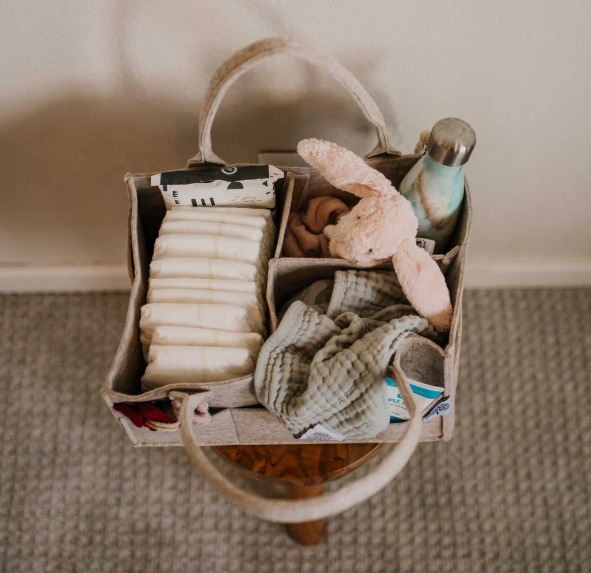
Diapers, wipes or other cleaning materials, a stable changing surface, and a way to dispose of waste cover everyday changes. A changing table or special bin is optional.
The American Academy of Pediatrics describes as many as eight to 12 diaper changes a day. Use that range to plan a starting stock until your next shopping trip or delivery, then add whatever reserve you want at home. For bathing, diaper changes, and cord care, see Newborn Care Basics for the First Month.
Diaper size and fit stay uncertain until birth. A big pack in one size is hard to use if it doesn’t fit, especially when returns are difficult.
- Diapers and wipes: Keep a starting supply where you change your baby.
- Changing surface: Pick a stable spot and never leave your newborn unattended on an elevated surface.
- Waste disposal: Use a method you can keep up; a specialty pail is optional.
If your home has stairs, an extra basket of supplies upstairs is more useful than a second changing table.
Dress the baby for your climate and laundry routine
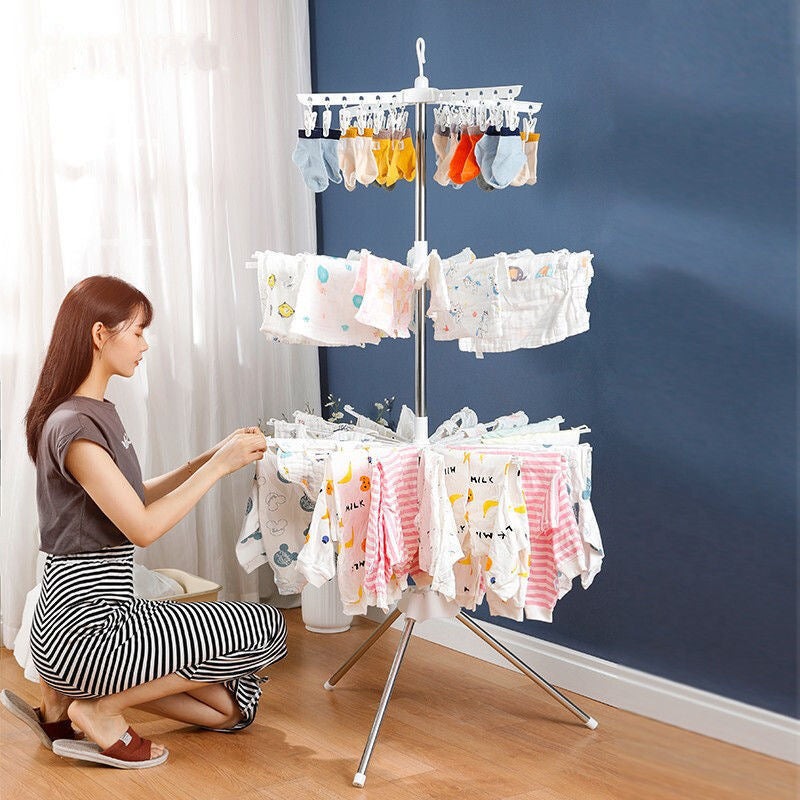
Start with washable bodysuits, sleepers, and layers for the weather. Size is uncertain before birth, so a small selection is easier to adjust than a large wardrobe in one predicted size.
Let your laundry schedule set the number of outfits:
Expected changes per day × days between loads + a reserve = provisional clothing rotation.
For example, say you change two full outfits a day, wash clothes every three days, and want two spare changes. The calculation is 2 × 3 + 2 = 8 clothing changes.
Use the same calculation for burp cloths and other washables. If you wash daily, you need less clothing in circulation than if you wash twice a week.
After birth, adjust the rotation to your baby’s actual fit, the season, and your laundry load.
Prepare for car travel without buying the wrong seat
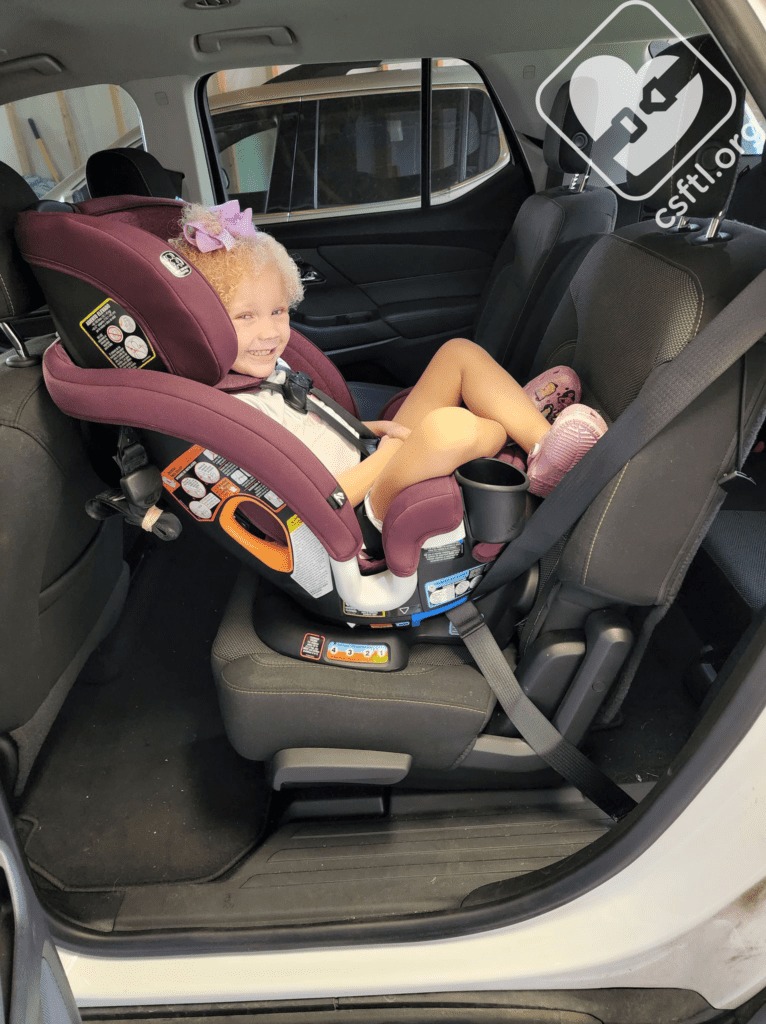
A newborn traveling in a car needs a rear-facing car seat. An infant-only seat is one choice; some convertible or all-in-one models are approved for newborns when the child falls within the model’s limits.
The National Highway Traffic Safety Administration’s car-seat guidance explains rear-facing seats and the need for a proper fit and installation.
- Infant-only seat: The detachable carrier suits you if you want portability.
- Newborn-compatible convertible seat: A rear-facing model like this serves from birth without a separate infant carrier.
- Travel system: Stroller compatibility helps if you use both pieces together.
Before the first car ride, confirm the seat’s minimum and maximum height and weight specifications, the harness fit on your child, and correct installation in your vehicle. For the full prep list, including the ride-home car seat, see Getting Ready for Baby: What to Prepare Before Your Newborn Arrives.
Keep newborn health and daily-care readiness simple
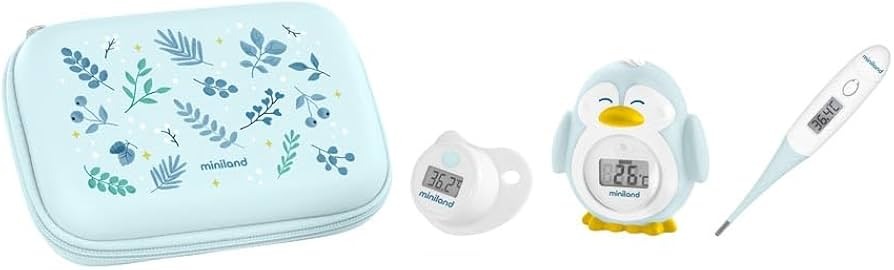
Keep a working digital thermometer and your pediatrician’s regular and after-hours contacts where every caregiver can find them.
For bathing, a suitable infant tub works, and you must supervise with your hands on your baby. The American Academy of Pediatrics advises against upright infant bath seats in adult bathtubs because they can tip and cause drowning. Follow a clinician-specific care plan if your baby was born prematurely or has other medical needs.
For a baby three months old or younger, a rectal temperature of 100.4°F (38°C) or higher means contacting the pediatrician immediately.
What can you skip, borrow, or wait to buy?
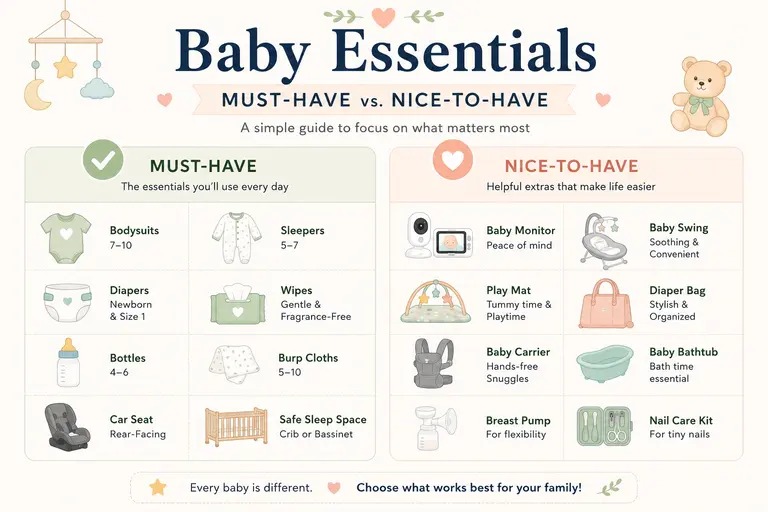
Ask what task a product solves and when that task shows up. You can buy some items after the baby comes home, especially when stores and deliveries are easy to reach.
| Purchase decision | Examples | What makes the decision |
|---|---|---|
| Buy when a real need develops | Extra changing station, specialized bottle-cleaning appliance | Your household’s layout and feeding workload |
| Optional convenience | Wipe warmer, dedicated diaper pail, portable noise machine | Whether it solves a problem you encounter |
| Buy for a later stage | High chair, shopping cart cover | Baby’s age and eventual use |
| Do not use for infant sleep | Lounger, swing, inclined sleeper | Unsafe for sleep |
If you wash bottles and pump parts constantly, a cleaning appliance pays off, though another household would rarely use one. If shopping access is limited, keep an extra reserve even of supplies others buy as needed.
One parent described a carefully planned registry that still included products they barely used:
I thought I spent a lot of time curating my baby registry and researching baby products. I thought it was all minimal yet realistic and perfect and blah blah blah. But I still found that there were a lot of things I wanted and thought I had to have that I just never used or cared for. Fast table high chair: It was almost a year and I never used it once. I see people using it in public often, but I don’t know. I never ended up feeling like it was needed.
To sort registry items into what you need, what can wait, and what to skip, see Baby Registry Checklist: What You Need, What Can Wait, and What to Skip.
Borrowing or accepting hand-me-downs works for clothing and simple everyday items. For equipment whose safety depends on product history, parts, and model identification, run the checks below first.
Check the exact model before using secondhand baby gear
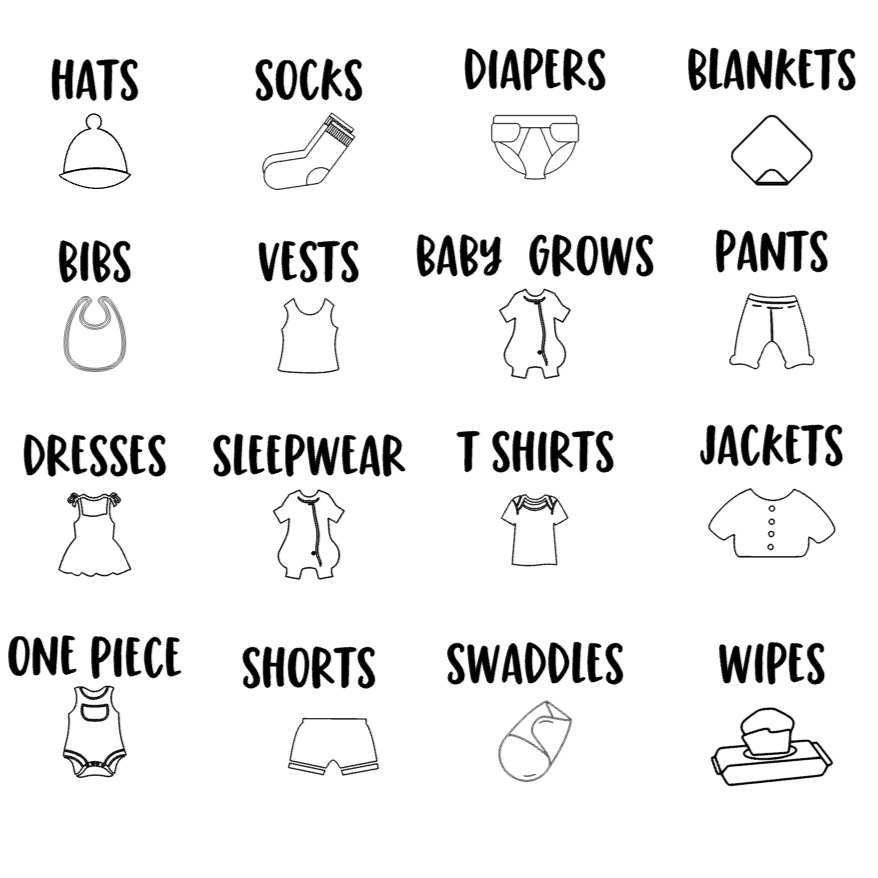
Secondhand products need different levels of scrutiny. You can judge clothing by condition and fit; cribs and child restraints depend on specific parts, instructions, design limits, and product history.
- Identify the product: Find its manufacturer, model, and identifying label.
- Inspect the equipment: Look for missing or damaged parts, modifications, and assembly problems.
- Read the instructions: Verify its intended use and your child’s applicable size or weight limits.
- Review its history: Establish safety-critical information, including possible crashes when considering a used car seat.
- Check recalls and remedies: Use the Consumer Product Safety Commission recall database for baby products under its jurisdiction. For child car seats, use NHTSA and manufacturer recall information along with the seat’s crash history, labels, complete parts, and manual.
On November 5, 2026, CPSC announced a recall of certain Baby Brezza SuperFast Sterilizer Dryers, models BRZ0083, BRZ0154, and BRZ0156, over overheating and burn hazards. Owners of the affected models should stop using them and contact Baby Brezza for a free replacement.
If you can’t confirm an item’s history, required parts, or recall status, don’t use it, and skip anything with no model information.
Make your own first-month checklist
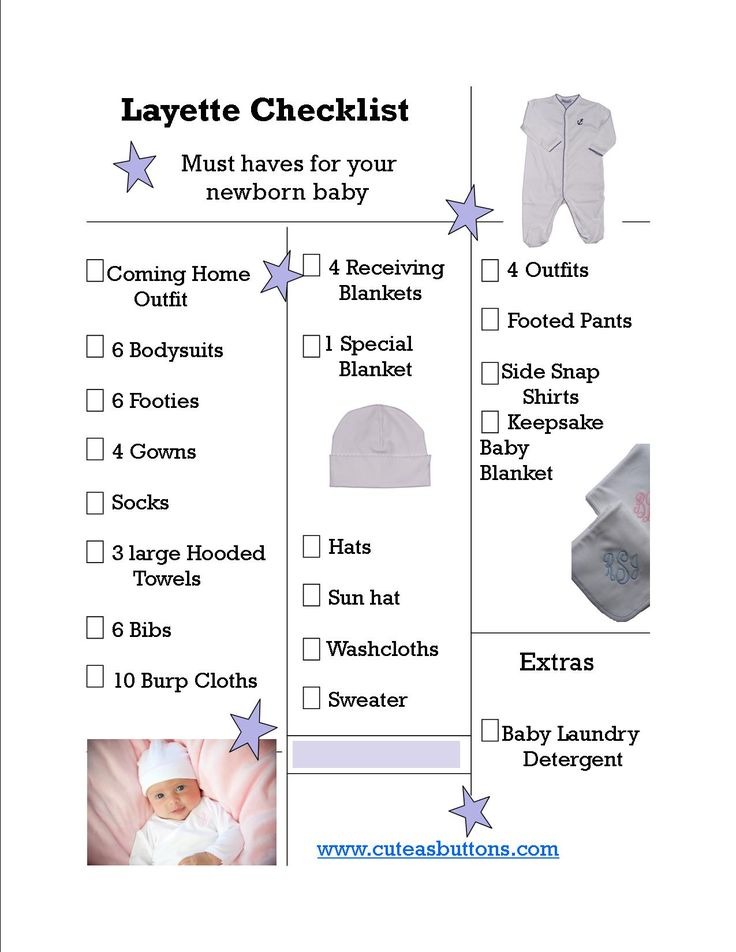
Use this worksheet to decide what you already have, what you must buy, and what can wait. Use the last column for model checks and replenishment timing.
| Function or item | Already have | Buy before birth | Only if needed | Can wait | Verified or next supply |
|---|---|---|---|---|---|
| Safe sleep arrangement | ☐ | ☐ | ________ | ||
| Feeding supplies | ☐ | ☐ | ☐ | ☐ | ________ |
| Diapers and cleaning supplies | ☐ | ☐ | ________ | ||
| Clothing and washable cloths | ☐ | ☐ | ________ | ||
| Thermometer and clinician contacts | ☐ | ☐ | ________ | ||
| Rear-facing car seat | ☐ | ☐ | For car travel | ________ | |
| Household convenience gear | ☐ | ☐ | ☐ | ________ | |
| Later-stage gear | ☐ | ☐ | ________ |
With a store nearby, a smaller initial supply works; slow deliveries make a larger reserve worthwhile. If you combination feed or do laundry less often, prepare more bottles or washable clothing from the start.
Buy for immediate care first, and add convenience items only when a specific need appears.